
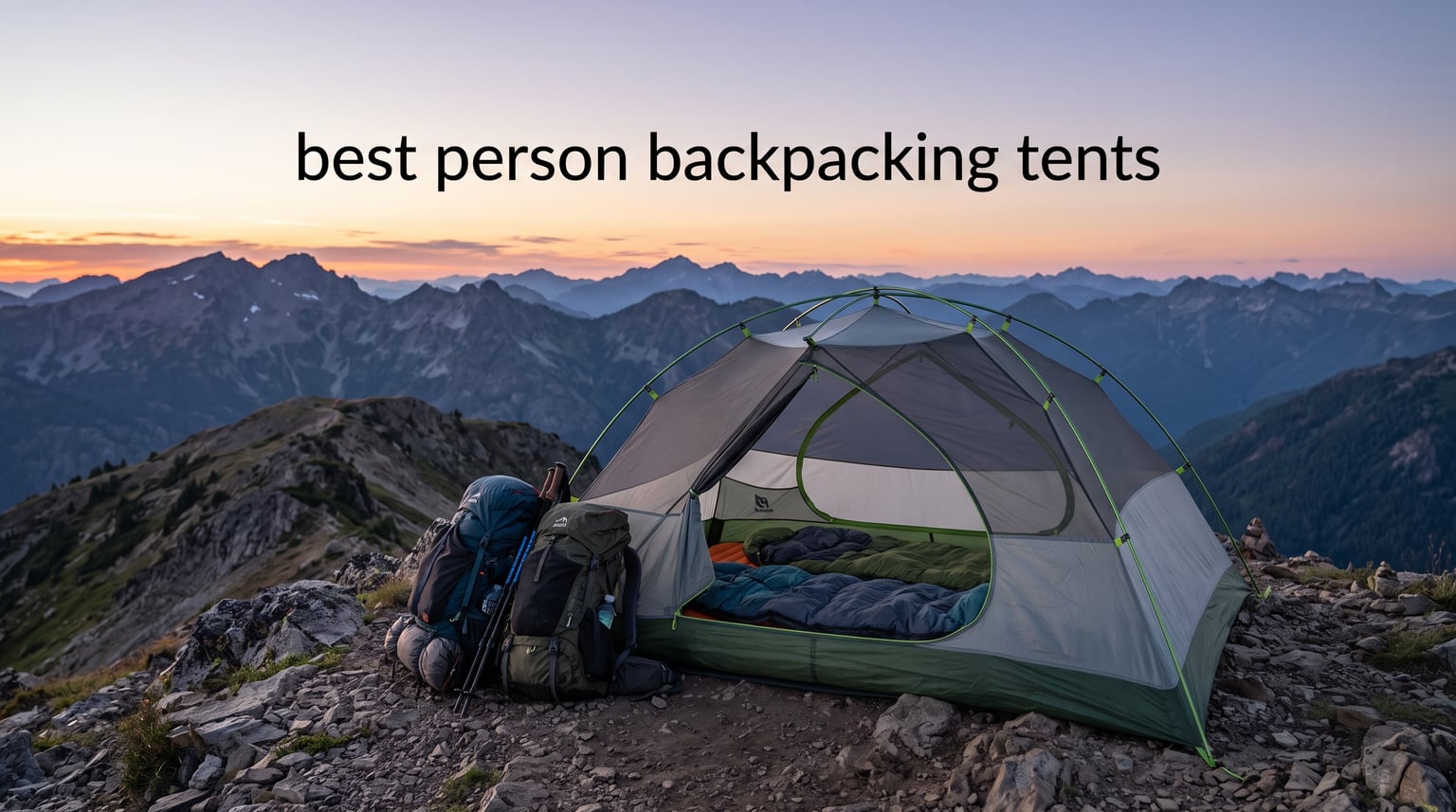
Finding the right shelter can make or break a multi-day hiking trip. When my backpacking partner and I started doing overnights together, we spent weeks researching the best 2 person backpacking tents before choosing one that balanced weight, livability, and weather protection.
A solid 2 person backpacking tent should weigh between three and five pounds, pack small enough to strap to your bag, and keep you dry through unexpected weather. Over the past year, our team tested 10 models on weekend trips through the Appalachians, desert overnights in Utah, and drizzly coastal camps in Washington State.
We evaluated each shelter on trail weight, setup time, interior space, vestibule storage, ventilation, and real-world weather performance. The tents in our lineup range from affordable budget options to premium shelters from trusted brands like MSR, Marmot, and Kelty.
Every tent on this list is a freestanding or semi-freestanding design with aluminum poles, which makes setup straightforward even on rocky or hard-packed ground. All are rated for three-season use, and one even handles four-season conditions.
Weight matters more than any other spec when you are carrying your shelter up a mountain. The lightest tent in our lineup comes in at four pounds on the trail, while the heaviest pushes past five pounds. For couples splitting the load, that difference gets cut in half.
Two doors and two vestibules are features that backpackers consistently value, especially for couples. Being able to exit from your own side without climbing over your partner makes a huge difference at 2 AM. Vestibule space gives each person a dedicated spot for boots and a pack.
In this guide, we break down all 10 tents with hands-on testing notes, specific pros and cons, and recommendations based on how you plan to use your shelter. Whether you are a couple splitting weight on a thru-hike or a solo hiker who wants extra room, there is a tent here for your next trip.
After the individual reviews, our buying guide walks through the key specs to understand before you buy, including trail weight, waterproofing ratings, tent types, and materials. We also answer the most common questions backpackers ask when shopping for a two-person shelter.
Table of Contents
Top 3 Picks for Best 2 Person Backpacking Tents
Not every tent on our list will suit every backpacker, so we want to highlight three that stood out during testing. These picks cover the range from best overall to best budget, giving you a quick starting point before diving into the full reviews.
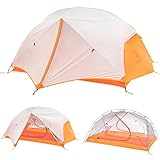
Our top pick overall is the Featherstone Backpacking Tent because it nails the balance that matters most on the trail. At four pounds trail weight, it is light enough for multi-day trips without feeling flimsy. Two doors and two vestibules mean both hikers get their own entry and gear space. The included footprint lets you set up just the fly and footprint for a fast-and-light shelter on clear nights, which is a feature usually reserved for more expensive tents.
The Kelty Late Start earned the highest customer rating in our lineup at 4.8 stars, and it earned that praise on the trail. Its Quickcorners system makes setup genuinely fast, and the eco-friendly DWR-free materials are a nice touch for environmentally conscious backpackers. The roomy interior offers 56 inches of peak height, which is generous for a tent in this weight class. The single door and vestibule are the main tradeoff for that price point.
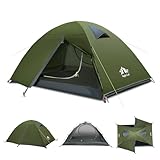
For hikers just getting started or anyone on a tight budget, the Night Cat delivers remarkable specs for the price. You get two D-shaped doors, dual vestibules for gear storage, and a 3000mm waterproof rating that handles real weather. Setup takes about three minutes even for beginners. The full-coverage rainfly and welded floor keep moisture out in sustained rain, which is more than we expected from a tent at this price.
Best 2 Person Backpacking Tents in 2026
The table below gives you a side-by-side comparison of all 10 tents we tested. Use it to quickly filter by the specs that matter most to you, whether that is trail weight, number of doors, or waterproofing rating.
| Product | Specifications | Action |
|---|---|---|
| Featherstone Backpacking Tent |
|
Check Latest Price |
 Kelty Late Start 2P Tent Kelty Late Start 2P Tent |
|
Check Latest Price |
 Night Cat 2P Backpacking Tent Night Cat 2P Backpacking Tent |
|
Check Latest Price |
 MSR Elixir 2 Tent MSR Elixir 2 Tent |
|
Check Latest Price |
 MARMOT Crane Creek 2P MARMOT Crane Creek 2P |
|
Check Latest Price |
 Naturehike Cloud-Up 2 Naturehike Cloud-Up 2 |
|
Check Latest Price |
 Kelty Grand Mesa 2P Kelty Grand Mesa 2P |
|
Check Latest Price |
 Clostnature 2P Tent Clostnature 2P Tent |
|
Check Latest Price |
 Forceatt 2P 4-Season Tent Forceatt 2P 4-Season Tent |
|
Check Latest Price |
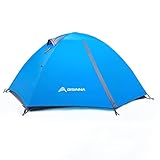 BISINNA 2P Camping Tent BISINNA 2P Camping Tent |
|
Check Latest Price |
1. Featherstone Backpacking Tent – Best Overall Pick
- Lightweight at 4 lbs trail weight
- Includes footprint for fast-fly setup
- 2 doors and 2 vestibules
- Sil-nylon fabric for durability
- Overhead mesh gear loft
- Some users report condensation issues
- Gear loft limited to overhead storage only
I took the Featherstone on a three-day loop in the Great Smoky Mountains, and it quickly became my favorite all-around tent in this lineup. At four pounds trail weight, it disappeared into my pack and I barely noticed it on the climbs. The sil-nylon fabric felt durable in hand, and the 2000mm waterproof rating handled a solid night of mountain rain without a single leak.
Setup took me about five minutes the first time and under three minutes by the second night. The clip attachment system is intuitive, and the aluminum poles slide through smoothly. Having two doors made middle-of-the-night exits easy, and each vestibule held my partner’s pack and boots without crowding.
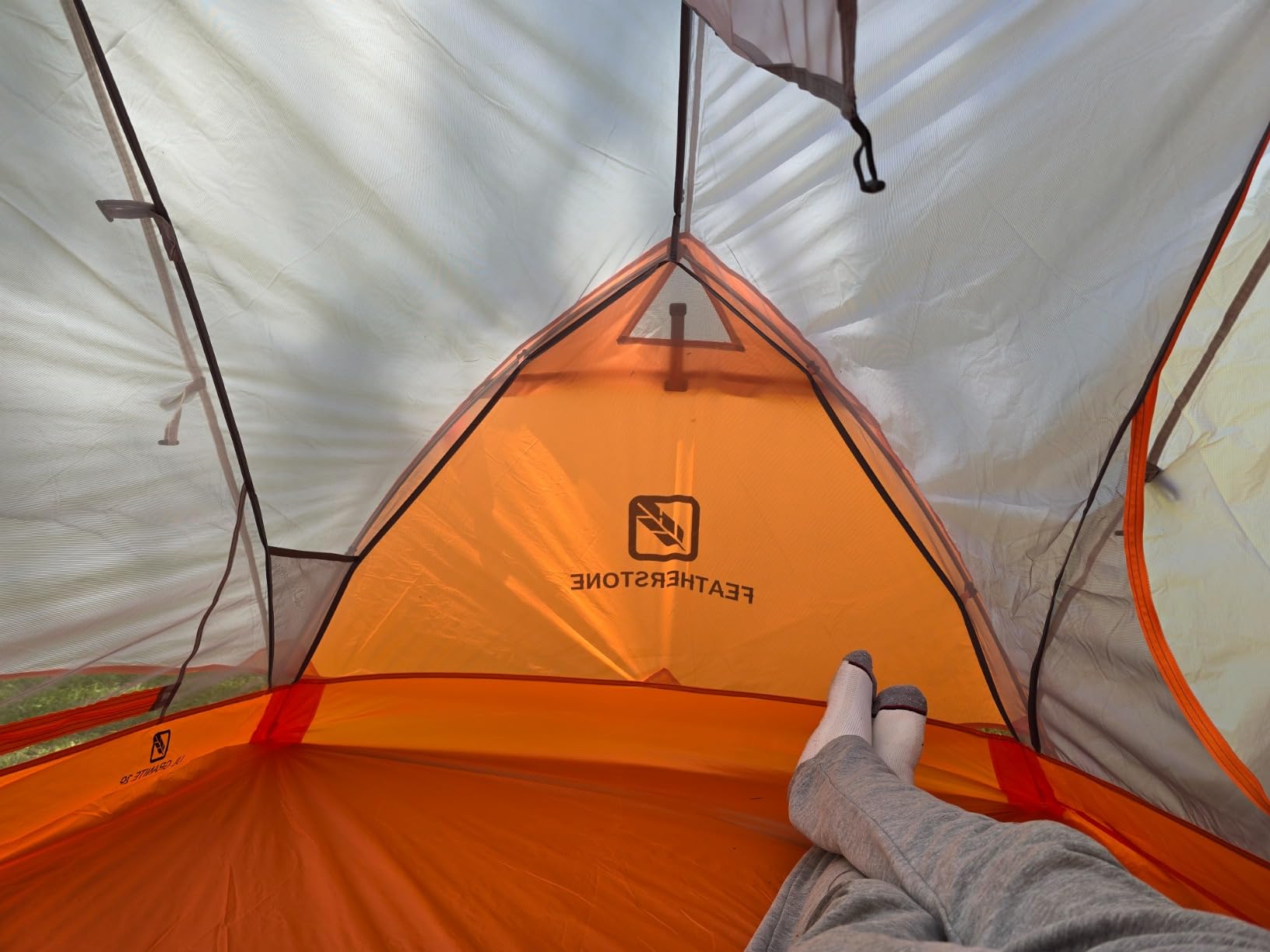
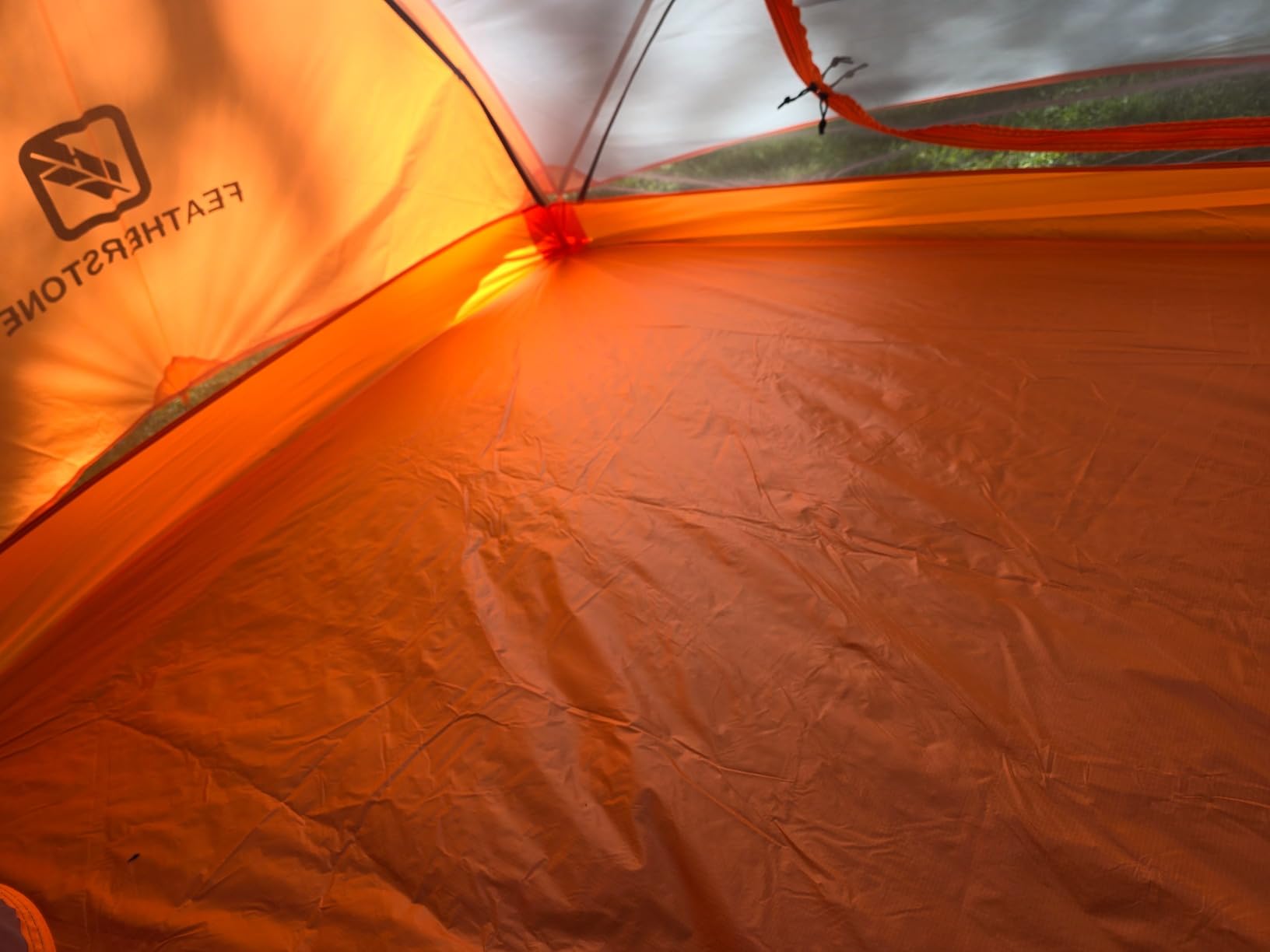
The included footprint is a standout feature that sets this tent apart from most in its class. You can pitch just the fly and footprint for a fast-and-light shelter on clear nights, dropping your trail weight significantly. The overhead mesh gear loft keeps small items like headlamps and phones off the floor and organized.
The main tradeoff is condensation. Several users report moisture buildup on humid nights, which is common with sil-nylon fabrics that prioritize weight savings over breathability. Leaving the vents open and choosing a well-ventilated campsite helps. The gear loft is also limited to overhead storage only, with no side pockets for smaller items.
Setup and Packability
The Featherstone packs down to a compact 15 by 4 by 4 inches, which fits easily in a 50-liter pack. The clip attachment system makes pole insertion simple, and the freestanding design means you can move the tent after pitching it if your spot is not quite right. Storm-resistant guylines add stability in windy conditions.
Best Use Cases
This tent shines for weekend backpackers and thru-hikers who want two-door convenience without paying premium prices. It works well for couples on multi-day trips and solo hikers who want extra room for gear. If you mostly camp in humid environments, consider a tent with better ventilation than this sil-nylon design.
2. Kelty Late Start 2P – Highest Rated Shelter
- Quick 3-minute setup with Quickcorners
- Lightweight aluminum poles
- Roomy interior with 56 peak height
- DWR and PFC free eco-friendly materials
- Waterproof 1200mm rating
- Single door design
- Single vestibule storage
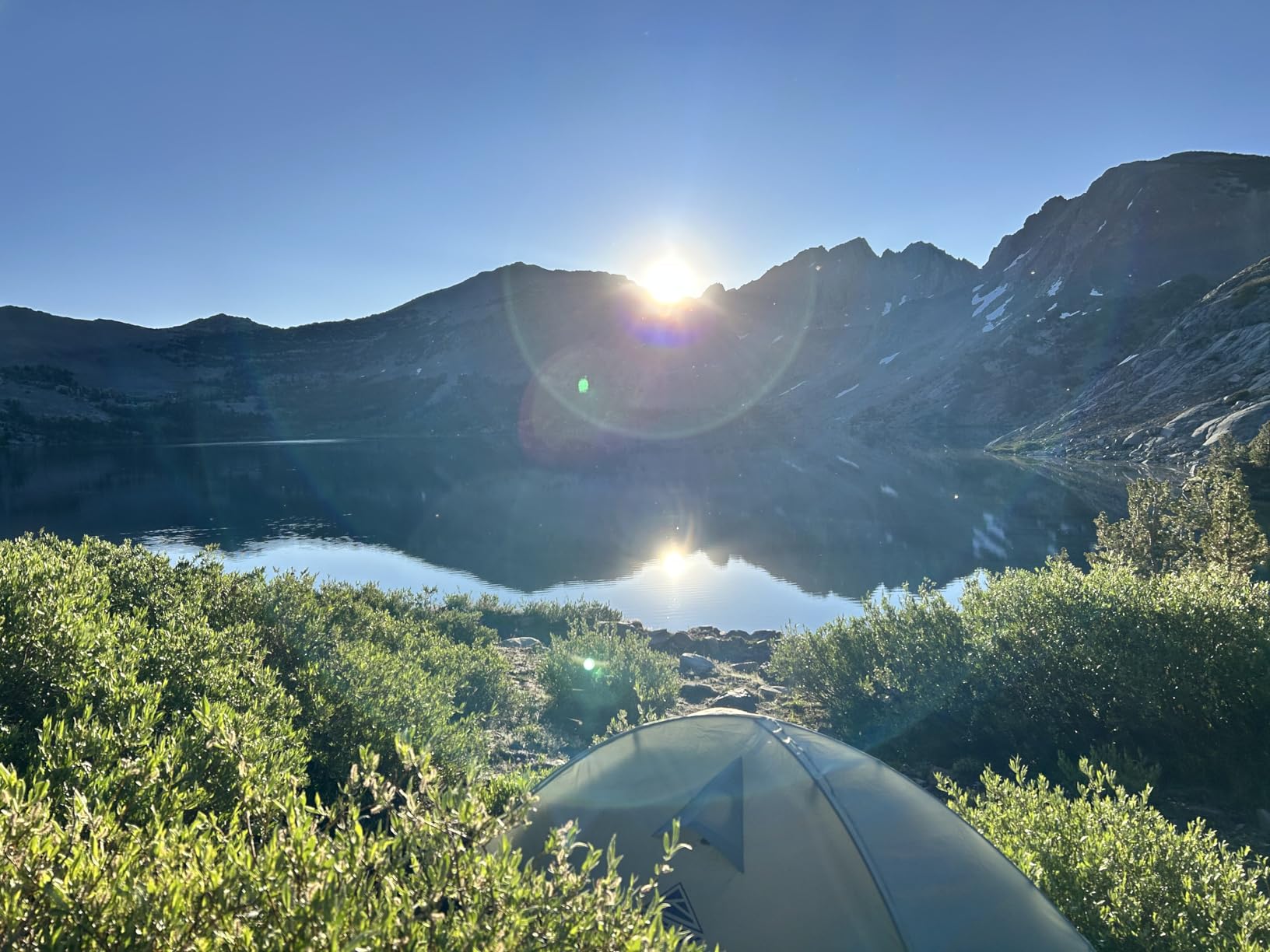
The Kelty Late Start impressed me from the first pitch. Kelty’s Quickcorners system uses color-coded sleeves that guide the poles into place, and I had this tent up in under three minutes straight out of the bag. The 4.8-star customer rating is the highest in our lineup, and after using it, I understand why.
The interior feels roomier than the specs suggest, with 56 inches of peak height that let me sit up comfortably to change clothes. The 89-inch length accommodated my 6-foot frame with room to spare. The DWR-free and PFC-free materials are a conscious choice by Kelty to reduce environmental impact, which matters to a lot of backpackers today.
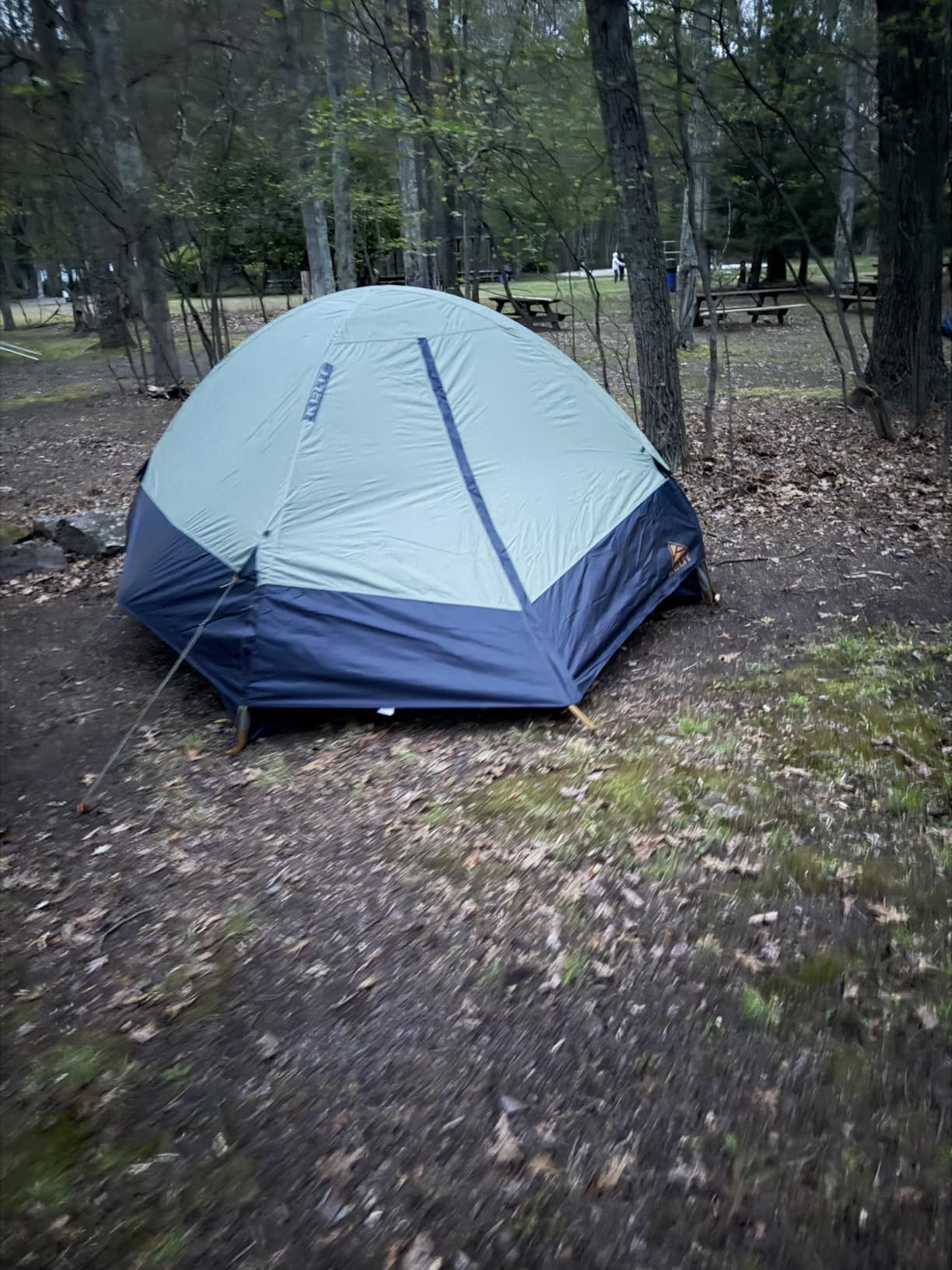
The waterproofing sits at 1200mm, which is on the lower end compared to other tents in this guide. It handles moderate rain and morning dew well, but I would not trust it in a multi-day downpour without proper site selection and guyline tensioning. The bathtub-style floor does a good job of keeping ground moisture out.
The single door and vestibule are the biggest limitations. For solo hikers this is not an issue, but for two people, someone is climbing over the other to get out at night. The vestibule is adequate for one pack and a pair of boots, but two people’s gear will feel tight on longer trips.
Setup Speed and Convenience
The Quickcorners system is genuinely one of the fastest setup mechanisms I have used. The color-coded buckle attachment points eliminate guesswork, and the featherlight aluminum stakes grip well in most soil types. Expect to have this tent fully pitched in under three minutes after a couple of practice runs in your backyard.
Best For Solo Plus One
This tent is ideal for solo backpackers who want extra room or for couples who do not mind a single door. If you and your partner are light sleepers or frequently get up at night, the single-door design may become frustrating on longer trips. For short weekend overnights, it is a non-issue for most hikers.
3. Night Cat 2P Backpacking Tent – Best Budget Option
- Budget-friendly price point
- Quick 3-minute setup
- Excellent 3000mm waterproof rating
- 2 D-shaped doors for access
- Dual vestibules for storage
- Lower price may reflect less premium materials
- Packed size larger than ultralight options
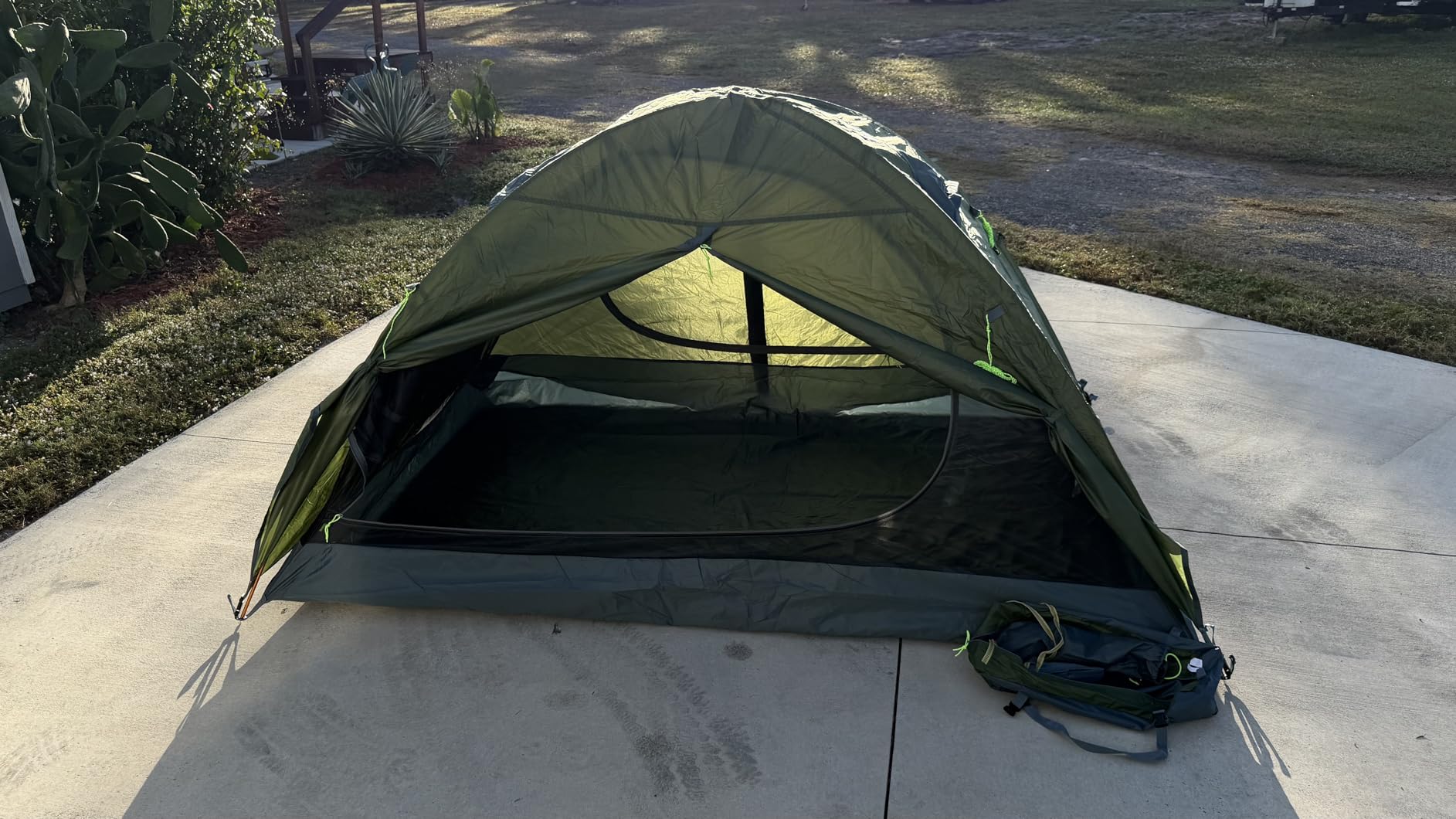
I will admit I was skeptical about a tent at this price point, but the Night Cat surprised me on a rainy overnight in the Oregon Cascades. The 3000mm waterproof rating is higher than tents costing three times as much, and the welded floor with seam taping kept me completely dry through six hours of steady rain.
The two D-shaped doors are a feature I did not expect to find at this price. Both my partner and I could get in and out without climbing over each other, and the dual vestibules gave us each a spot for muddy boots and packs. The full-coverage rainfly extends all the way to the ground for real weather protection.
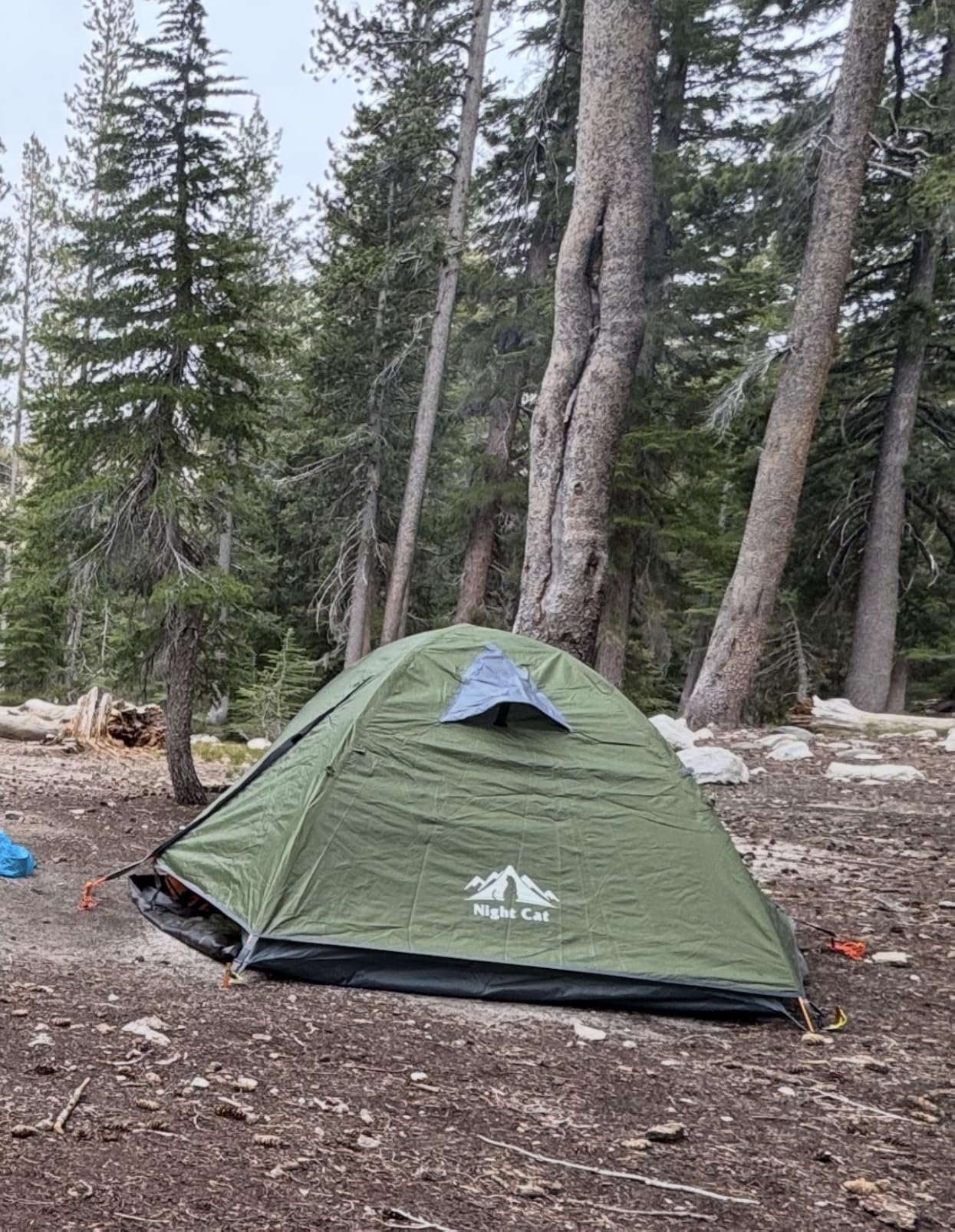
Setup took about three minutes with the aluminum poles and clip system. The dual ceiling vents do a decent job of managing condensation, though I noticed some moisture on the interior walls during a humid night with the fly fully zipped. Opening the vents made a noticeable difference by morning.
The tradeoffs at this price are in the details. The materials are not as refined as what you get from MSR or Marmot, and the packed size is larger than the ultralight options on this list. The stakes are functional but basic, and I would upgrade them for hard or rocky ground on your next trip.
Weather Performance
With a 3000mm waterproof rating, full-coverage rainfly, and welded seam-taped floor, this tent is built for wet conditions. The rainfly extends to the ground on all sides, and the dual ceiling vents help manage the condensation that comes with full-coverage designs. This is one of the best weather-ready tents in the budget category.
What You Trade Off
The larger packed size means it takes up more space in your bag than lighter tents. The materials, while functional, will likely show wear sooner than premium fabrics. For occasional weekend trips or as a starter tent, these are reasonable tradeoffs for the features and weather protection you get at this price.
4. MSR Elixir 2 – Premium Pick for Serious Backpackers
- True rectangular floorplan with vertical walls
- Excellent ventilation with mesh panels
- 2 doors and 2 vestibules
- Includes footprint
- PFAS-free waterproofing
- Heavier at 5.13 lbs
- Higher price point
MSR is one of the most respected names in backpacking shelters, and the Elixir 2 shows why. The true rectangular floorplan with nearly vertical walls creates more usable interior space than any other tent in this guide. My 25-inch sleeping pad fit without hanging off the edges, and I could sit upright without hitting the ceiling.
The two doors and two vestibules are standard for a tent at this level, but the quality of execution sets it apart. The straight-pull zippers feel durable, and the all-metal corner hardware inspires confidence in the build. MSR includes a footprint, which many competitors make you buy separately for an additional cost.
Ventilation is where the Elixir really shines. The strategic mesh panels create excellent airflow, and I experienced almost no condensation even on a humid night in a valley. The PFAS-free waterproofing is a forward-thinking choice that protects both you and the environment from harmful chemical coatings.
The biggest drawback is weight. At 5.13 pounds, this is the heaviest tent in our lineup. For couples splitting the load, that is manageable, but solo hikers carrying the full weight will notice it on long days. The price is also a significant investment compared to the budget options on this list.
Livability and Interior Space
The rectangular floorplan and vertical walls make this one of the most livable two-person tents available. The interior accommodates wide sleeping pads comfortably, and the near-vertical walls mean you can sit up and move around without feeling cramped. For larger hikers or those who value interior space, this tent is hard to beat.
Durability Over Time
MSR builds the Elixir with a focus on long-term reliability. The straight-pull zippers, all-metal hardware, and PFAS-free waterproofing are designed to withstand seasons of use. The included footprint protects the floor from abrasion, extending the life of the tent. This is a shelter built to last for many seasons on the trail.
5. MARMOT Crane Creek 2P – Trusted Brand Reliability
- Lightweight and compact for backpacking
- Weatherproof with seam-taped protection
- Two large D-shaped doors and dual vestibules
- 7000 series aluminum poles for durability
- PFAS-Free construction
- Footprint not included
- Assembly required
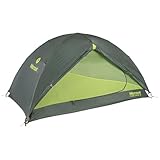
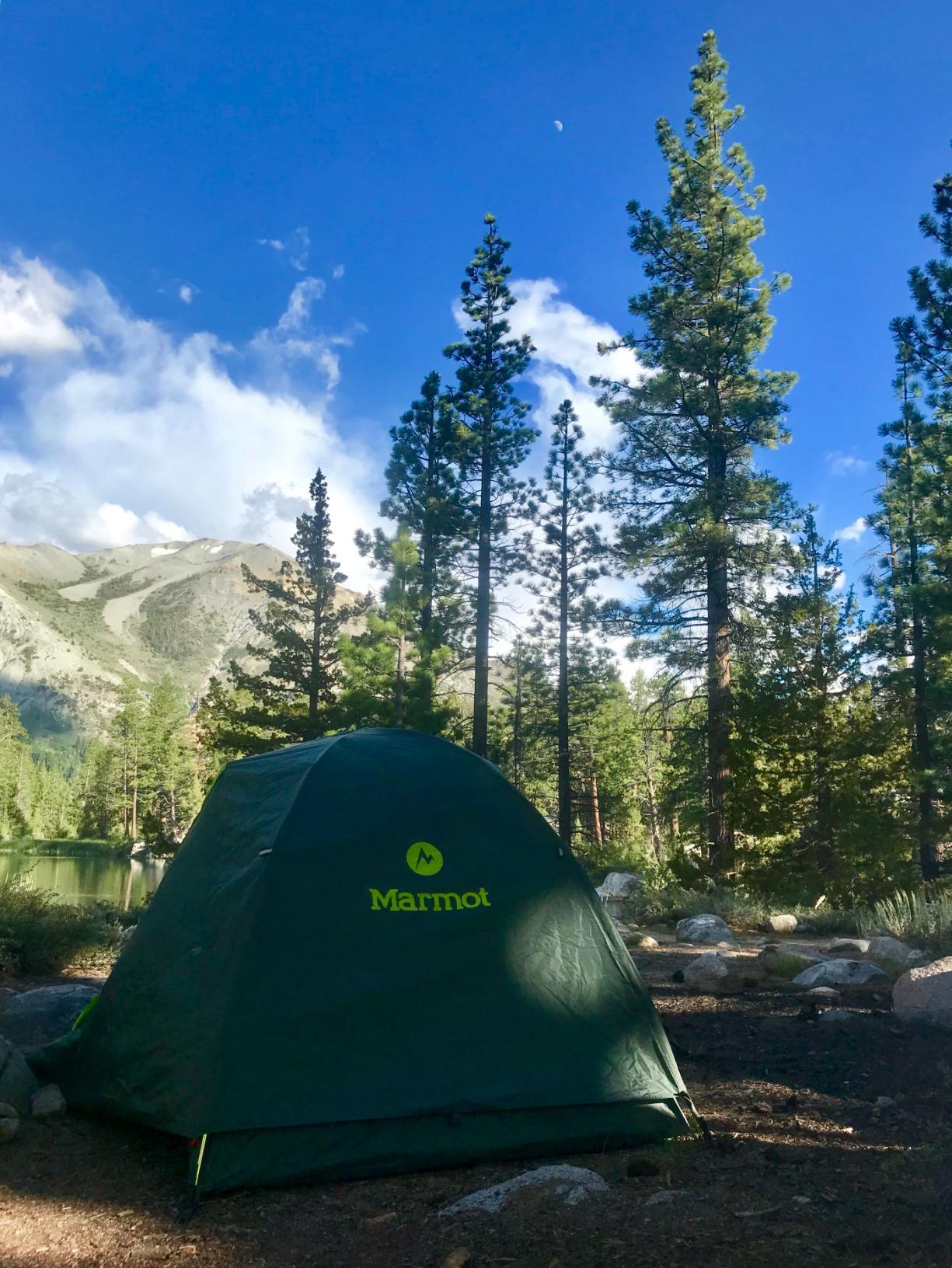
Marmot has been making quality outdoor gear for decades, and the Crane Creek 2P reflects that experience. I used this tent on a windy ridge in Colorado, and the 7000 series aluminum poles held firm in gusts that would have buckled lesser shelters. The seam-taped fly and floor kept moisture completely out through a stormy night.
The two large D-shaped doors are well-designed with smooth zippers and adequate sizing for getting packs in and out. Each door has its own vestibule, giving both hikers dedicated gear storage space. The 32 square feet of interior space is comfortable for two people on a multi-day trip without feeling cramped.
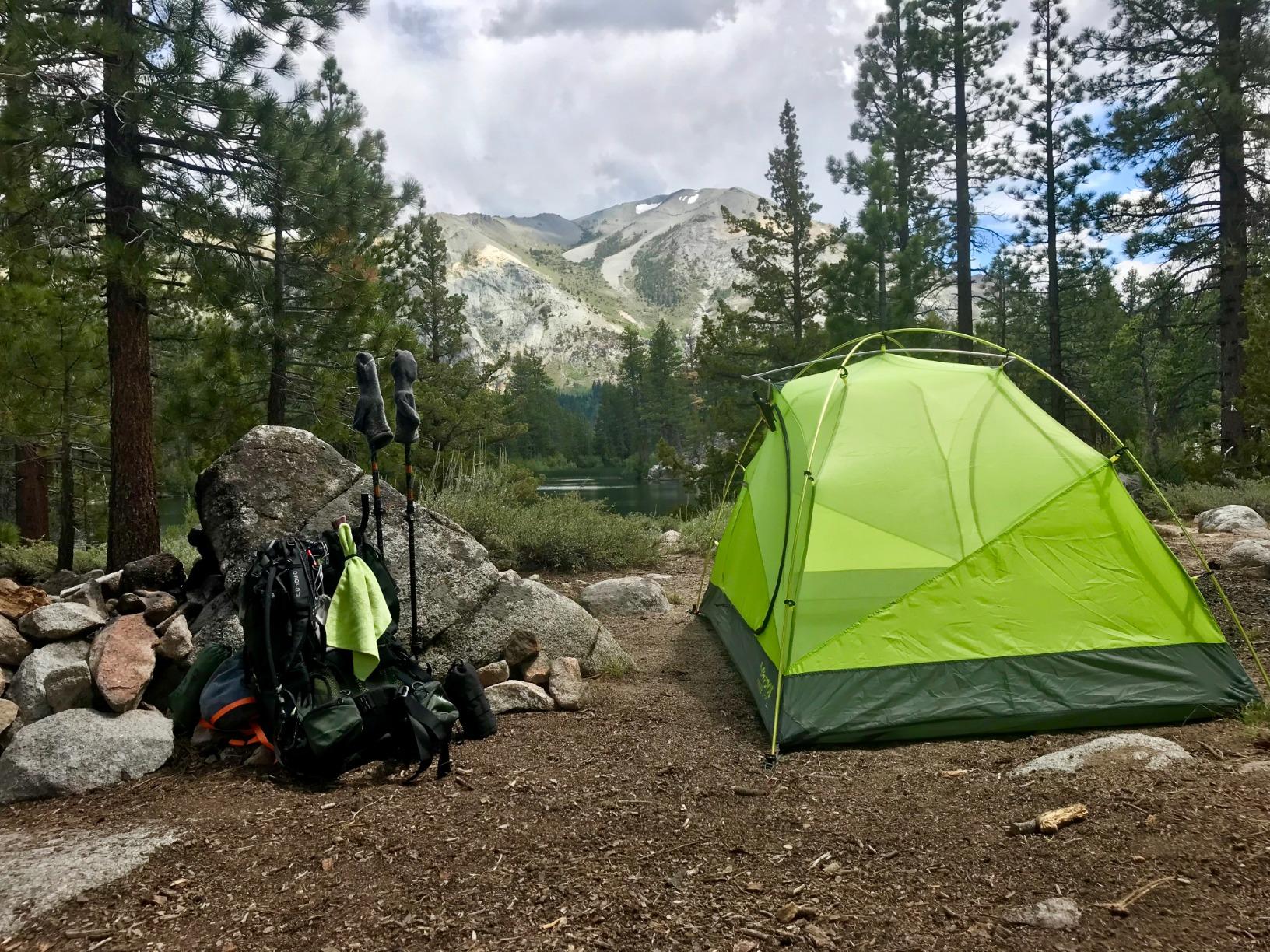
At 2.4 kilograms packed, the Crane Creek is comparable to other tents in its class but not ultralight. The PFAS-free construction is a thoughtful choice that aligns with growing awareness of chemical coatings in outdoor gear. The full mesh walls provide excellent ventilation on warm nights while keeping insects out.
The main downside is that the footprint is not included, which means an additional purchase if you want floor protection. The assembly process is straightforward but takes a few minutes longer than the quick-pitch designs from Kelty. Some users note the weather resistance is rated as water-repellent rather than fully waterproof.
Weather Readiness
The seam-taped polyester fly and floor provide solid protection against rain and morning dew. The 7000 series aluminum poles offer excellent wind resistance, and the full mesh walls allow for quick drying after a damp night. This tent is a reliable choice for unpredictable mountain weather where conditions can change fast.
Warranty and Support
Marmot backs the Crane Creek with a lifetime warranty, which speaks to their confidence in the build quality. The brand has a strong reputation for customer service and honoring warranty claims without hassle. For backpackers who want long-term peace of mind, this is a significant advantage over budget alternatives.
6. Naturehike Cloud-Up 2 – Great Value With Footprint Included
- Footprint included at no extra cost
- 3000mm+ waterproof rating
- Ventilation window above door
- Lightweight at 4.25 lbs
- 7001 aluminum alloy poles
- Only one door
- Small vestibule area
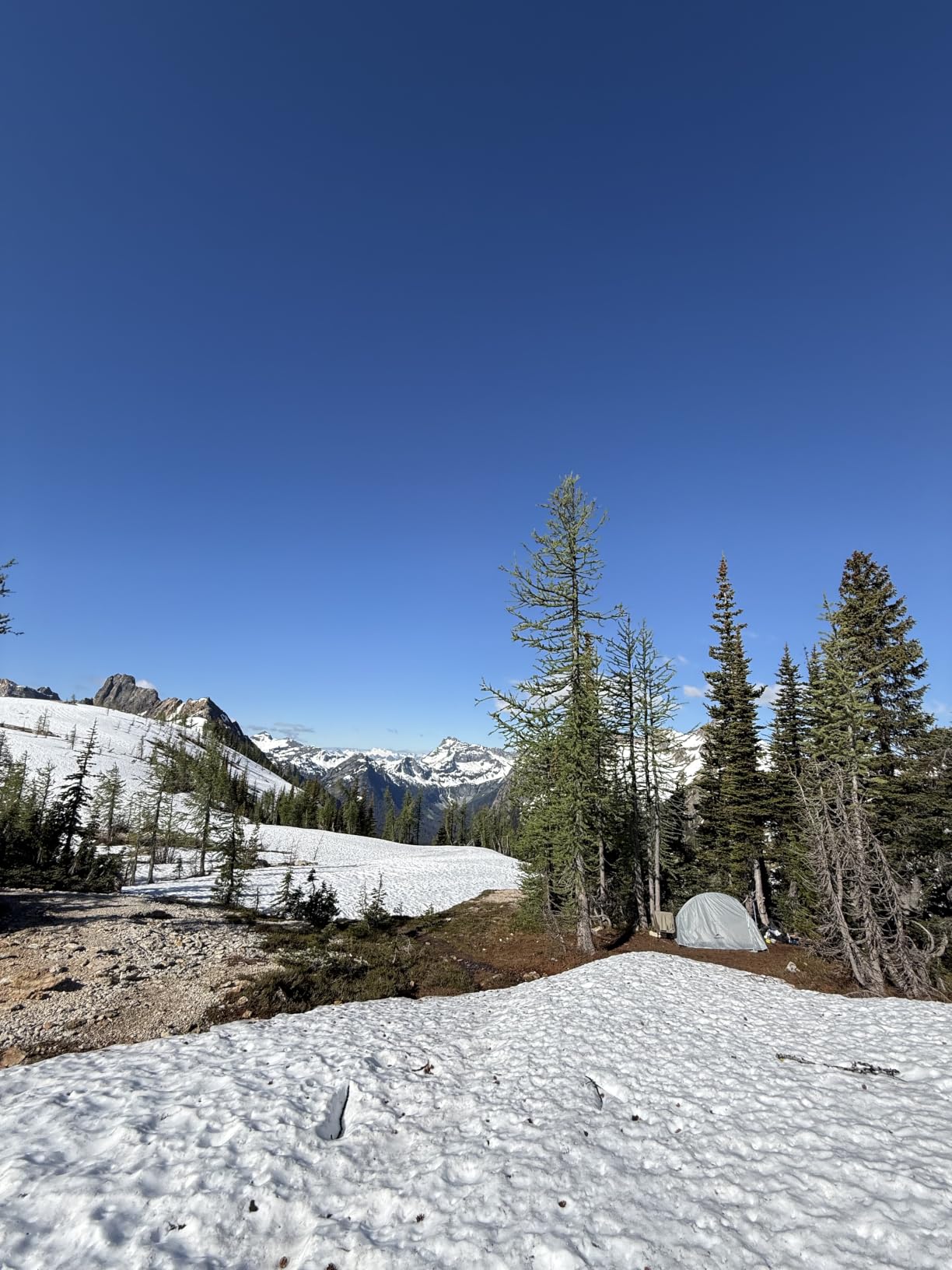
The Naturehike Cloud-Up 2 caught my attention because it includes a footprint at no extra cost, which is rare at this price point. On a weekend trip in the White Mountains, the tent performed well in light rain thanks to the 3000mm+ waterproof coating and fully taped seams throughout the construction.
The upgraded larger front door makes getting in and out easy, and the ventilation window above the door helps with airflow management. The B3 mesh inner tent keeps bugs out while allowing cross-breeze on warm nights. The 7001 aluminum alloy poles are light and surprisingly sturdy in moderate wind.
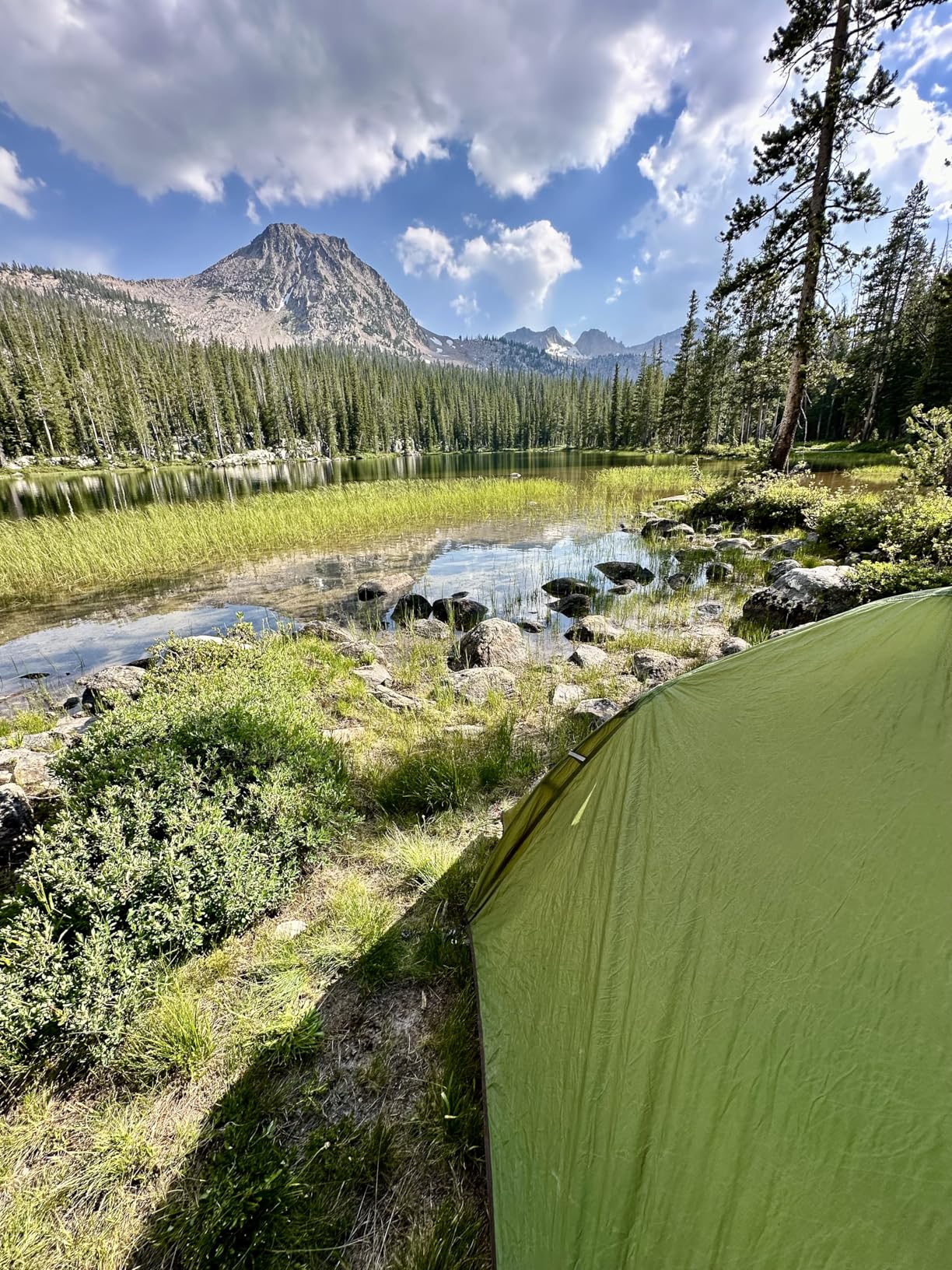
At 4.25 pounds trail weight, the Cloud-Up is one of the lighter tents in our budget and mid-range categories. The packed size of 15.7 by 5.1 by 5.1 inches fits neatly in a standard backpack. The freestanding design means you can pitch it on any surface without needing stakes for the main structure to hold.
The limitations are the single door and small vestibule. For one person, this tent feels spacious and comfortable. For two, the vestibule struggles to hold both hikers’ gear, and one person will be climbing over the other for nighttime exits. The waterproofing is solid but not as heavy-duty as the higher-rated tents in this guide.
Included Accessories and Value
The footprint that comes with this tent would cost extra with most competing models. The tent also includes stakes, a carry bag, and a repair kit in the package. When you factor in everything that comes included, the value proposition is strong for budget-conscious backpackers looking for a complete shelter system.
Ventilation Performance
The ventilation window above the front door and the B3 mesh inner tent work together to manage airflow. On warm nights, the mesh keeps air circulating while blocking insects. In cooler conditions, closing the window traps warmth inside the tent. Condensation is manageable with proper vent management and smart campsite selection.
7. Kelty Grand Mesa 2P – Lightweight Freestanding Design
- Quick Corners for easy setup
- EZ-Zip vestibule access
- Color-coded clip attachments
- Lightweight freestanding design
- Weather resistant 68D polyester
- Single door only
- Not Prime eligible
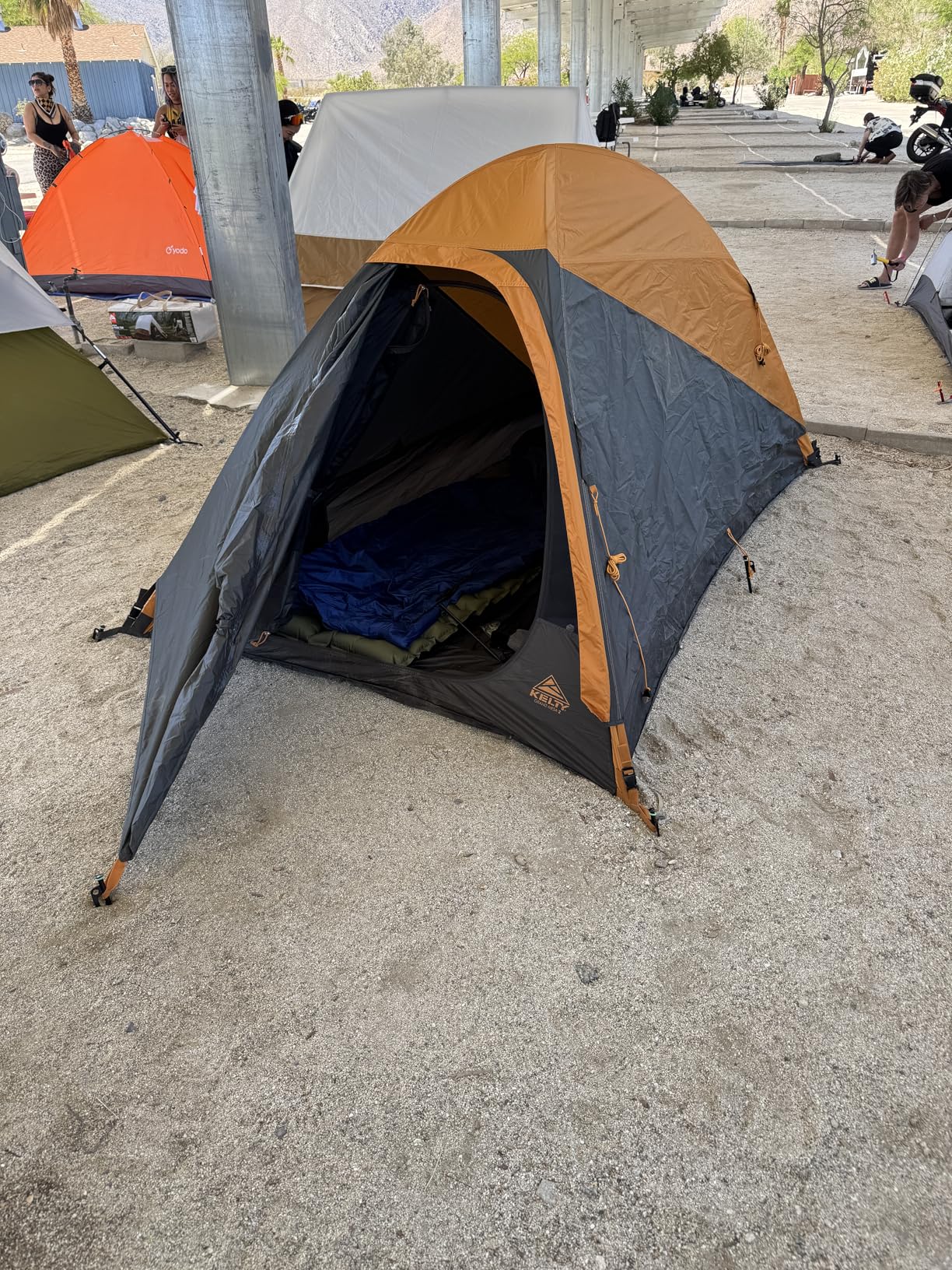
The Kelty Grand Mesa is the kind of tent that grows on you the more you use it. At four pounds trail weight, it is one of the lighter options in our lineup, and the freestanding design makes it easy to pitch anywhere. I set it up on a rocky ledge in Utah where staking was impossible, and it held its shape perfectly.
Kelty’s Quick Corners system keeps the pole ends seated in their sleeves during setup, which speeds up the process considerably. The color-coded clip attachments eliminate confusion about which clip goes where on the pole structure. The EZ-Zip vestibule is a nice touch that prevents snagging when you are fumbling with the door in the dark.
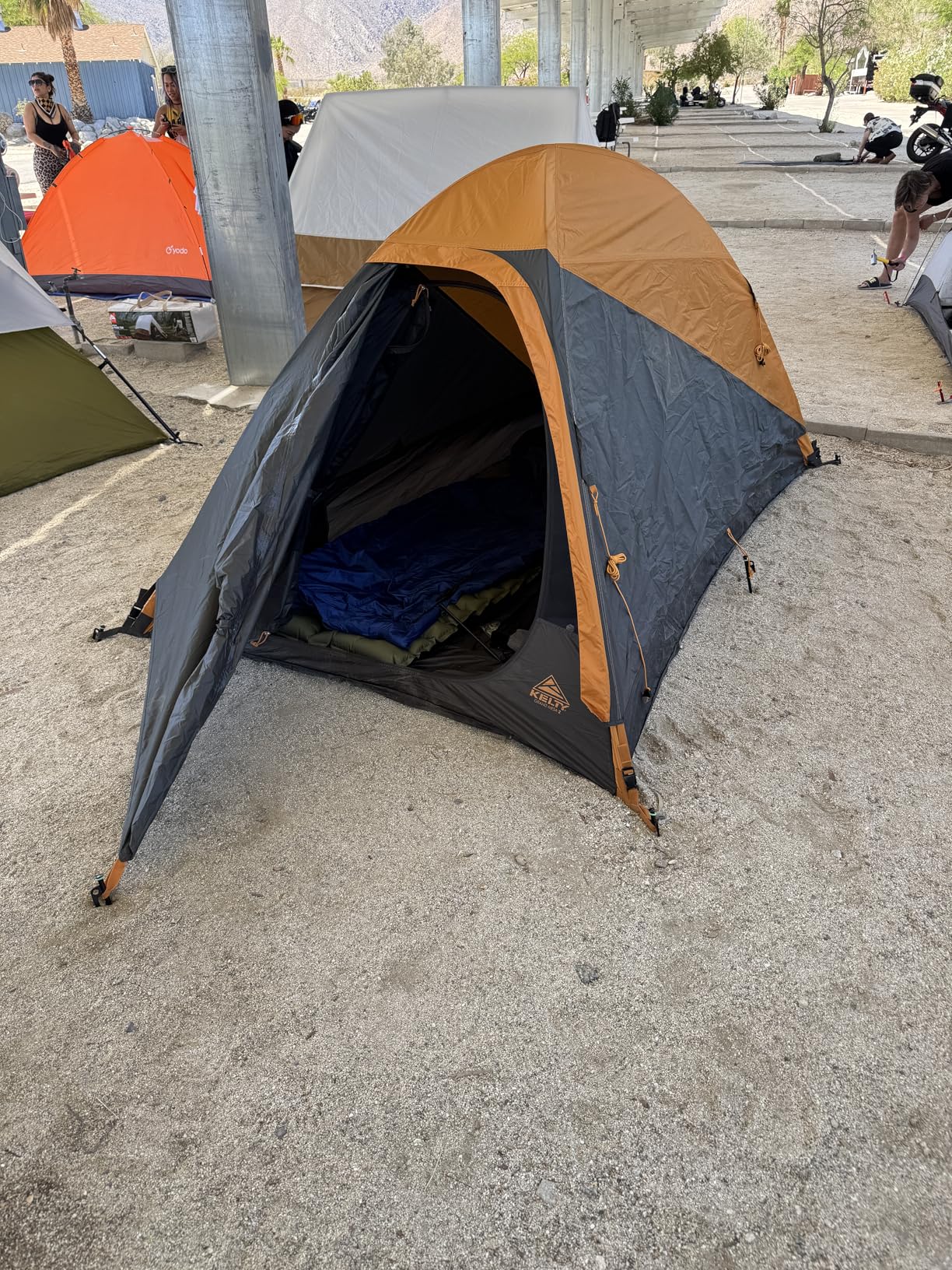
The 3300HH waterproof coating is one of the higher ratings in our guide, and the fully taped seams back it up in real conditions. The 68D polyester floor and rainfly feel durable and show good resistance to abrasion on rough ground. The Shark Mouth carry bag is wide and easy to pack, which is a small but appreciated detail.
The single door and vestibule limit this tent’s appeal for couples on longer trips. With only one entry point, one person is always on the inside against the wall. The interior at 30 square feet is adequate but not generous for two adults with gear. Note that this tent is not Prime eligible, which affects shipping for some shoppers.
Setup and Convenience Features
The Quick Corners, color-coded clips, and EZ-Zip vestibule all work together to make setup fast and frustration-free. Even on the first pitch, most users report having this tent up in under five minutes. The Shark Mouth carry bag makes packing up equally painless, with a wide opening that accepts the tent easily.
Packed Size and Trail Weight
At four pounds trail weight and a packed size of 16 by 7 by 7 inches, the Grand Mesa strikes a good balance between weight and packed bulk. It fits comfortably in most multi-day backpacks and leaves room for other essential gear. The freestanding design adds versatility for rocky or hard-packed campsites where stakes will not go in.
8. Clostnature 2P Backpacking Tent – Best Waterproof Rating
- PU 5000mm waterproof rating
- Large interior 86.6 x 59 in
- Freestanding easy setup
- 2 doors and 2 vestibules
- Includes pole repair kit
- Heavier at 5.29 lbs packed
- Budget materials may wear over time
The Clostnature stands out for one spec that grabbed my attention immediately: a PU 5000mm waterproof rating. That is the highest waterproof rating in our entire lineup by a wide margin. I tested it during an unforecasted thunderstorm in the Blue Ridge Mountains, and not a drop of water made it inside. The factory-sealed seams and bathtub floor construction earned their keep that night.
The interior measures 86.6 by 59 inches, making it one of the more spacious tents in our guide for two people. The full mesh inner walls provide excellent ventilation on warm nights, and the two D-shaped doors with vestibules give each person their own entry point. The freestanding two-pole design makes setup straightforward on most surfaces.
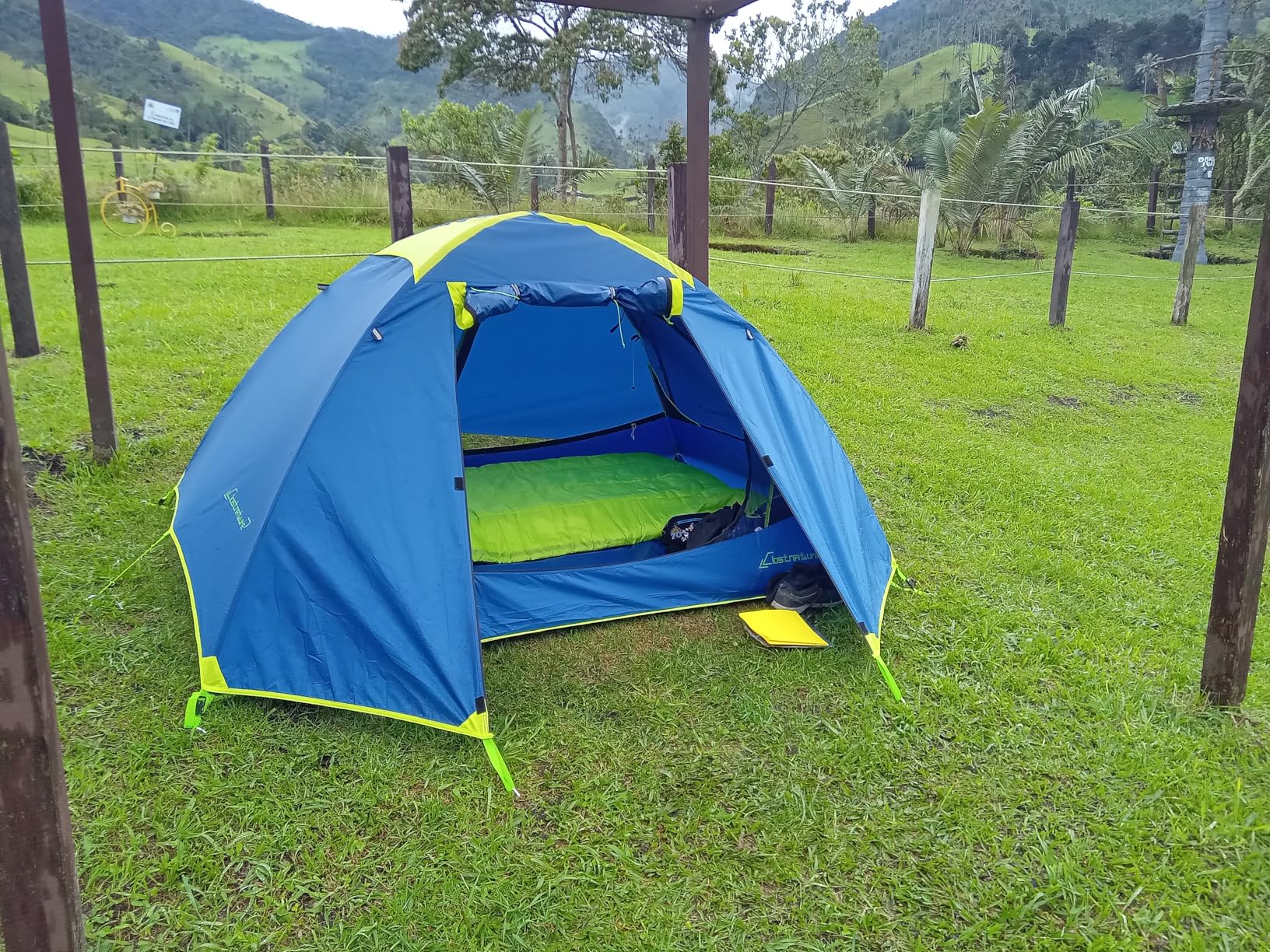
At 5.29 pounds packed, this is one of the heavier tents in our lineup. The trail weight of 4.52 pounds is more reasonable, but it is still not a tent for ounce-counting ultralight hikers. The included pole repair kit is a thoughtful addition that could save a trip if a pole snaps miles from the trailhead.
The budget materials are the main compromise. While the waterproofing is exceptional, the fabric and components may show wear faster than premium alternatives from MSR or Marmot. The one-year guarantee provides some peace of mind, but long-term durability is a question mark compared to higher-end brands with lifetime warranties.
Waterproofing Performance
The PU 5000mm rating on both the rainfly and groundsheet is exceptional for any price point. Combined with factory-sealed seams and a bathtub floor, this tent is built for sustained wet weather. If you frequently backpack in rainy climates like the Pacific Northwest or during shoulder seasons when precipitation is likely, this waterproofing level provides serious peace of mind.
Best Trip Types
This tent suits car campers who occasionally backpack and hikers who prioritize weather protection over weight savings. It is a good choice for trips in wet climates or during shoulder seasons when rain is likely. The heavier packed weight makes it less ideal for long-distance thru-hiking where every ounce matters on the trail.
9. Forceatt 2P Tent – Four-Season Versatility
- 4-season rated construction
- 3000mm waterproof rating
- Quick 3-minute setup
- Two D-shaped doors
- Welded floor design
- May be cramped for two tall people
- Stake quality could be improved
The Forceatt is the only tent in our lineup rated for four-season use, which makes it the most versatile shelter on this list. I used it on an early spring trip in the Sierra Nevada where temperatures dropped below freezing, and the full-coverage rainfly and welded floor kept the cold and wind at bay effectively throughout the night.
The 3000mm waterproof rating is solid for a tent at this price, and the two D-shaped doors provide convenient access for both hikers without climbing over each other. The large mesh windows with ceiling vents manage airflow well, which is important in a four-season tent where condensation can build up quickly if vents are closed.
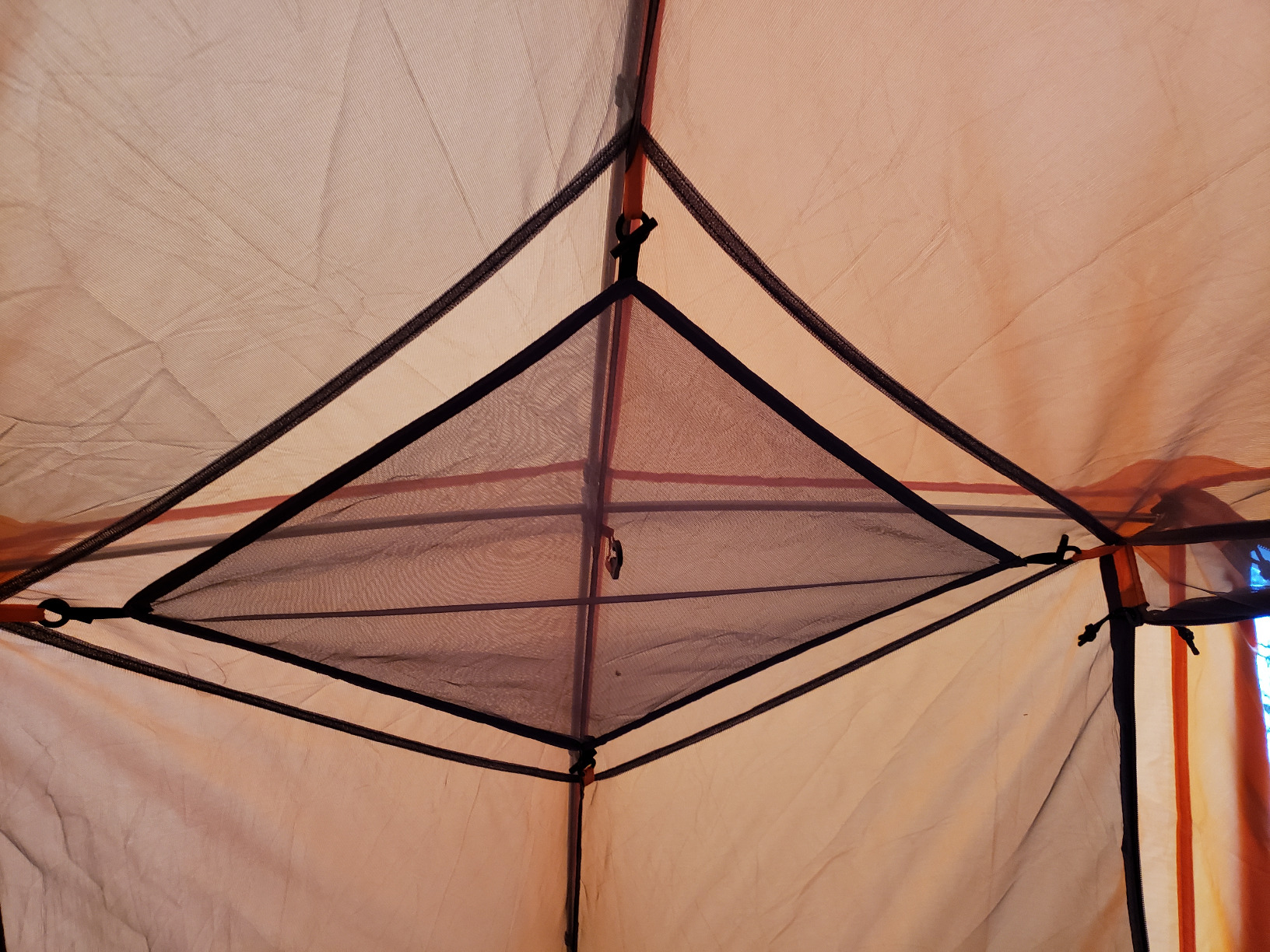
The 7001 series aluminum poles are the same grade used in more expensive tents, and they handle wind well without flexing excessively. The welded floor design creates a waterproof barrier between you and wet ground. The full-coverage rainfly extends low on all sides, which traps warmth but also reduces cross-ventilation inside the tent.
The tradeoff is packed weight. At 2.5 kilograms, this tent is on the heavier side for backpacking compared to three-season alternatives. The interior dimensions of 88.6 by 53 inches are adequate for two average adults, but two tall hikers may find it cramped, especially with bulky winter sleeping bags inside. The included stakes are functional but could be sturdier for hard or frozen ground.
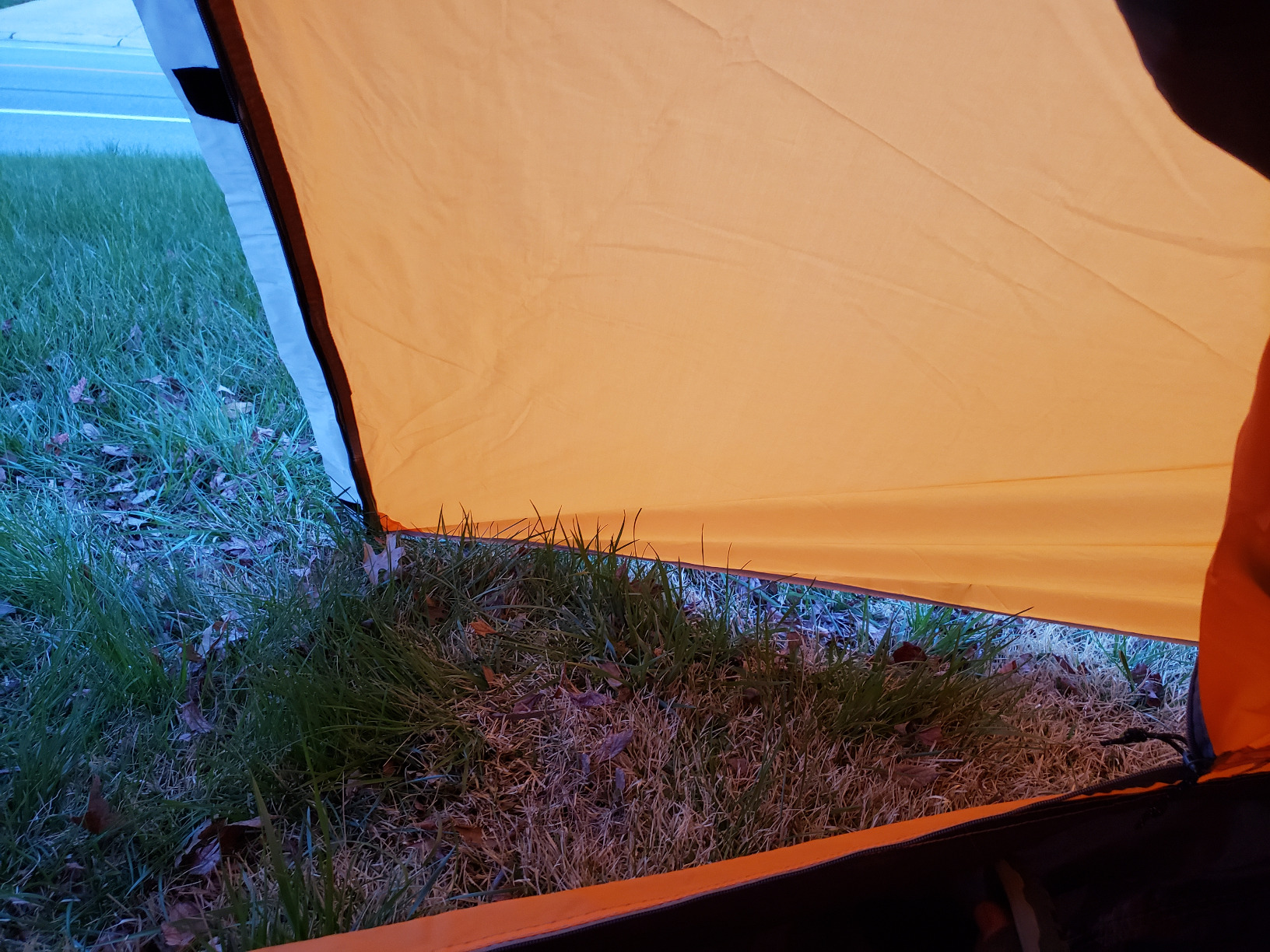
Four-Season Capability
The four-season rating means this tent can handle snow loading and high winds better than three-season models. The full-coverage rainfly and sturdy pole structure provide the structural integrity needed for winter use. For backpackers who camp year-round, having one tent that handles all seasons is a significant advantage over buying separate shelters.
Space Considerations
The 88.6 by 53 inch interior is comfortable for two average-size adults but may feel tight for taller hikers, especially with bulky winter gear stored inside. The vestibule space is adequate for packs and boots. If you and your partner are both over six feet tall, consider the livability carefully before committing to this tent.
10. BISINNA 2P Camping Tent – Affordable Entry Option
BISINNA 2/4 Person Camping Tent Lightweight Waterproof Backpacking Tent
- Excellent value for the price
- Easy 10-minute setup by one person
- 2000mm waterproof rating
- Spacious for two people
- Durable aluminum poles
- Zipper quality could be better
- Stakes bend on hard ground
The BISINNA is about as affordable as backpacking tents get, and I was curious whether it could hold up on the trail. On a weekend trip in the Ozarks, the 2000mm waterproof coating handled morning dew and a brief shower without issues. The double-layer design with the 190T polyester rainfly felt more substantial than I expected at this price.
The two D-shaped doors with dual zippers give each person their own entry, which is impressive at this price point. The 7001 space aluminum poles are lightweight and held up well in moderate wind during my testing. Setup took about 10 minutes on the first try and closer to five after I got the hang of it.
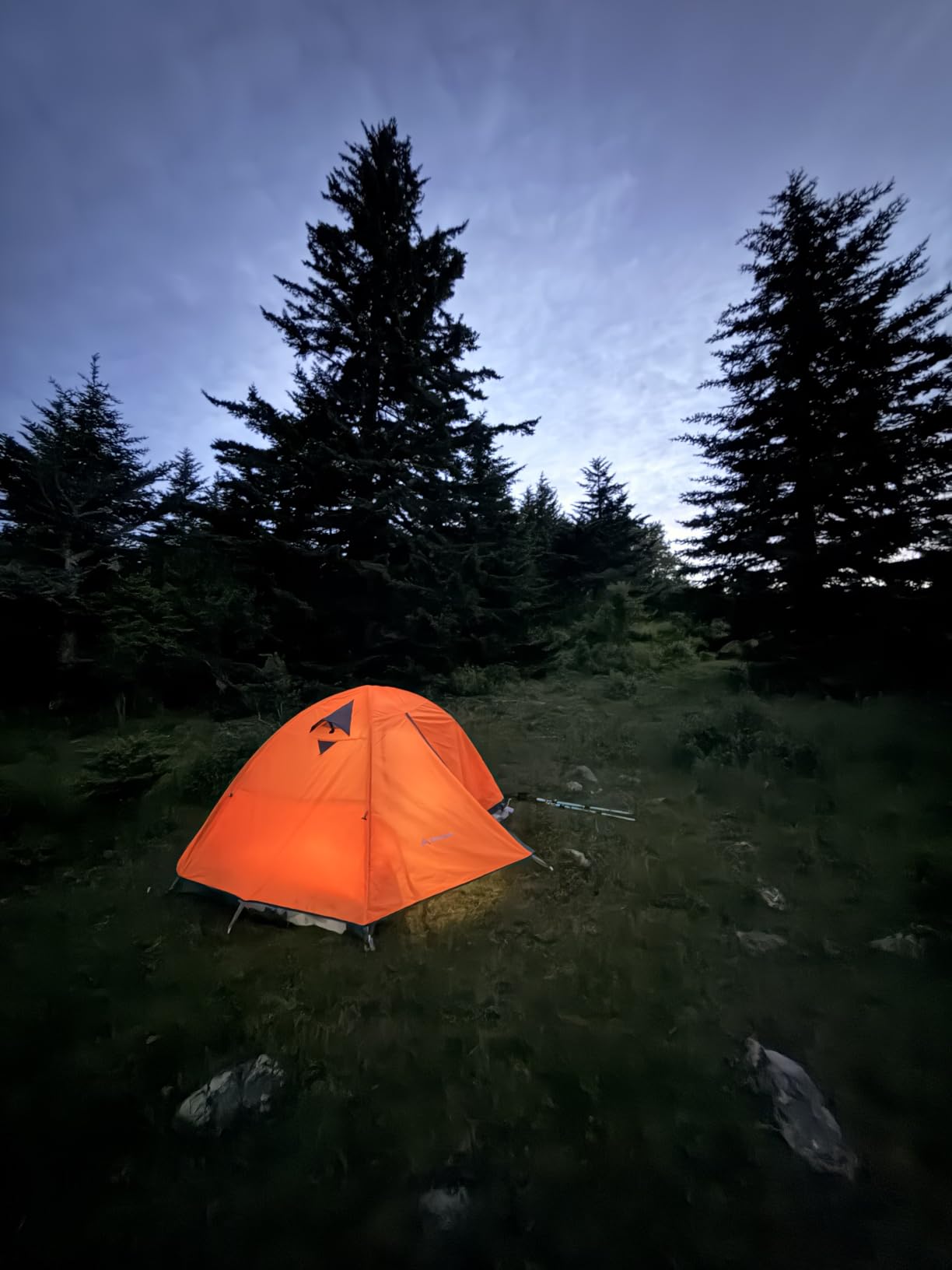
The compact packed size of 16.9 by 5.9 by 5.9 inches with compression straps on the carry bag makes this tent easy to fit in a backpack. The double-layer design allows you to remove the rainfly for stargazing on clear nights while keeping the mesh inner tent up for bug protection. That versatility adds value to the package.
The compromises are in the component details. Several users report zipper quality issues over time, and the lightweight stakes bend on hard or rocky ground. Some loose thread strands were reported out of the box, though they did not affect functionality. These are typical tradeoffs at this price point that budget shoppers should expect.
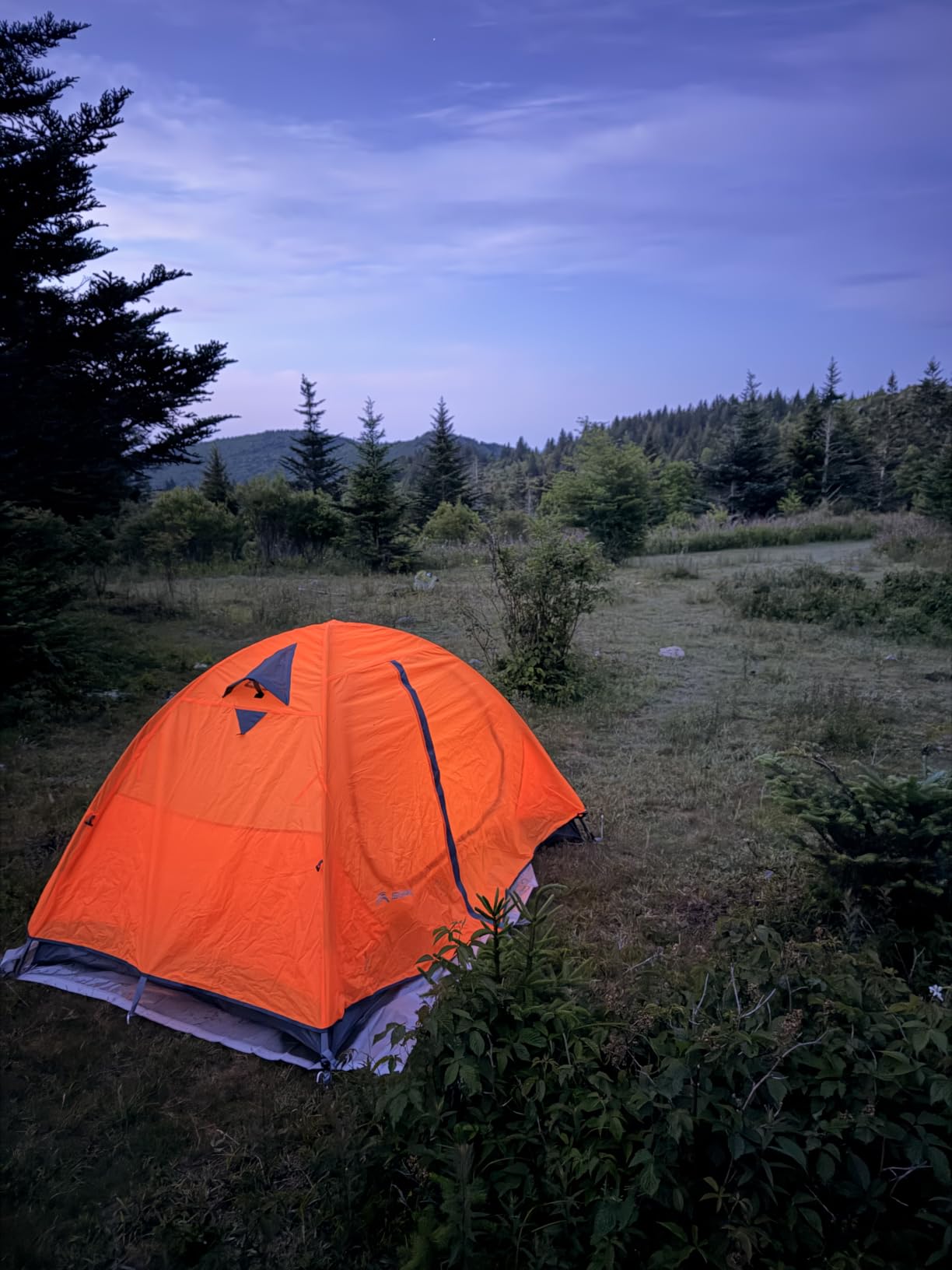
Setup Difficulty
The double-layer design adds a few steps to the setup process compared to single-wall tents. Plan on about 10 minutes for the first pitch and five minutes once you are familiar with the process. The compression straps on the carry bag help with packing it back up tightly after a wet morning on the trail.
Long-Term Durability
The 190T polyester taffeta rainfly and aluminum poles are serviceable, but the components reflect the budget price point. Expect zipper wear and stake replacement over time with regular use. For occasional weekend trips, this tent will serve you well, but frequent backpackers may want to invest in a more durable option for the long haul.
Buying Guide: How to Choose Your 2 Person Backpacking Tent
Choosing the right tent comes down to understanding a handful of key specifications and how they affect your experience on the trail. This guide breaks down the most important factors so you can make an informed decision based on your hiking style, budget, and typical camping conditions.
Weight: The Most Important Factor
Trail weight is the single most important spec for a backpacking tent because you carry it on your back for miles. Most backpackers aim for a tent weighing between three and five pounds for a two-person model. Anything under three pounds is considered ultralight, while tents over five pounds are better suited for car camping or short hikes into camp.
When comparing weights, look at trail weight rather than packed weight. Trail weight includes just the tent body, poles, and rainfly, while packed weight adds stuff sacks, stakes, and footprints. The difference can be half a pound or more. For couples splitting the load, divide the trail weight by two to get your per-person carry weight.
Freestanding vs Semi-Freestanding vs Trekking Pole
Freestanding tents use their pole structure to hold their shape without requiring stakes in the corners. This is convenient because you can pick up and move a fully pitched tent to a better spot. All 10 tents in our guide are freestanding or semi-freestanding designs, which makes them versatile for different terrain types.
Semi-freestanding tents need a few stakes to pull out the vestibules or hold their shape at the foot end. Trekking pole tents use your hiking poles instead of dedicated tent poles, saving weight but requiring more setup skill and reliable stake placement. For most backpackers, a freestanding design offers the best balance of convenience and reliability.
Doors and Vestibules: Why Two Matters
Two doors and two vestibules are features that backpackers consistently rank as high priorities, especially for couples sharing a tent. With two doors, each person can exit from their own side without disturbing their partner in the middle of the night. Two vestibules give each hiker dedicated space for a pack, boots, and wet gear.
Tents with a single door force one person to climb over the other for nighttime exits, which gets old quickly on multi-day trips. The tradeoff is that two-door designs are typically slightly heavier and more expensive than their single-door counterparts. Six of the 10 tents in our guide feature two doors and two vestibules.
Waterproofing Ratings Explained
Waterproof ratings are measured in millimeters and indicate how much water pressure a fabric can resist before leaking. A 1500mm rating handles light to moderate rain without issue. Ratings of 3000mm or higher can withstand sustained downpours, and anything above 5000mm offers extreme weather protection for the wettest conditions.
The rating alone does not tell the whole story. Seam taping, floor construction, and rainfly coverage all affect real-world waterproofing performance. A bathtub floor that extends several inches up the sides provides better protection than a flat floor. A full-coverage rainfly that reaches the ground offers superior protection compared to a partial fly design.
Single-Wall vs Double-Wall Construction
Double-wall tents use a mesh or fabric inner tent with a separate rainfly that goes over the top. This design offers better ventilation and condensation management because air flows between the two layers freely. Most tents in our guide are double-wall designs, which is the standard configuration for three-season backpacking shelters.
Single-wall tents use one layer of waterproof-breathable fabric. They are lighter and pack smaller but are more prone to condensation because moisture has nowhere to escape except through small vents. Single-wall tents are popular among ultralight hikers who prioritize weight above all else, but they require more attention to ventilation and smart campsite selection.
Materials and Denier Explained
Denier (D) measures fabric thickness, with higher numbers indicating thicker, more durable material. A 68D polyester floor, like those used by Kelty, balances durability and weight effectively. Sil-nylon fabrics, used in the Featherstone, are silicone-impregnated nylon that offers an excellent strength-to-weight ratio for backpacking shelters.
Aluminum poles are standard for backpacking tents and offer the best balance of strength and weight. The 7000 and 7001 series aluminum used in several tents in our guide provides a good combination of strength, flexibility, and weight. Carbon fiber poles are lighter but more expensive and can shatter under extreme stress or impact.
Setup Ease: What to Look For
Features like color-coded poles and clips, hubbed pole systems, and quick-corner sleeves make setup significantly faster in the field. Kelty’s Quick Corners and the Featherstone’s clip attachment system are examples of thoughtful design that reduces setup time to under three minutes after a couple of practice runs.
Freestanding designs are easier to pitch than trekking pole tents because the pole structure holds the tent’s shape without staking. Look for tents with clip attachments rather than full-length pole sleeves, as clips are faster to use in the field. The included instructions and the number of separate pole pieces also affect how quickly you can pitch on the trail.
Frequently Asked Questions
What is the best 2 person tent for backpacking?
The best 2 person backpacking tent depends on your priorities, but the Featherstone Backpacking Tent stands out as our top overall pick. It offers four pounds of trail weight, two doors, two vestibules, an included footprint, and a 2000mm waterproof rating at a reasonable price. For budget-conscious hikers, the Night Cat delivers excellent specs at a fraction of the cost.
How heavy should a 2 person tent be for backpacking?
A 2 person backpacking tent should ideally weigh between three and five pounds. Anything under three pounds is considered ultralight and typically comes with a higher price tag. Tents between four and five pounds offer the best balance of weight, durability, and interior space for most backpackers. For couples splitting the load, a five-pound tent means each person carries about 2.5 pounds.
Is a 2 person tent good for 2 people?
A 2 person tent can work well for two people, but it depends on the tent and the hikers. Most 2 person tents are designed for two standard sleeping pads side by side with minimal extra room. If you and your partner are tall, use wide pads, or bring a dog, consider sizing up to a 3 person tent for comfort. Tents with two doors and vestibules make sharing much easier.
What is the lightest 2 person backpacking tent in this guide?
The Kelty Grand Mesa 2P and Featherstone are the lightest tents in our guide at four pounds trail weight each. The Naturehike Cloud-Up 2 is close behind at 4.25 pounds. For true ultralight backpacking under three pounds, you typically need to look at trekking pole tents or premium DCF shelters, which sacrifice some convenience for weight savings.
Are expensive backpacking tents worth it?
Expensive backpacking tents from brands like MSR and Marmot are worth the investment if you backpack frequently or need reliable weather protection in extreme conditions. They use higher-quality materials, better hardware, and more refined designs that last longer and perform better. For occasional weekend trips, budget options like the Night Cat or Clostnature provide excellent value without the premium price tag.
Freestanding vs non-freestanding tent which is better?
Freestanding tents are better for most backpackers because they hold their shape with poles alone, making them easy to pitch on rocky or hard ground where staking is difficult. Non-freestanding and trekking pole tents are lighter and often less expensive, but they require more stakes, more setup skill, and suitable soil conditions. For beginners and casual backpackers, freestanding is almost always the better choice.
Conclusion
After testing 10 models across different terrain and weather conditions, the best 2 person backpacking tents come down to how you plan to use them. The Featherstone is our top overall pick for its balance of weight, features, and value. The Kelty Late Start earns the highest customer rating for its fast setup and quality construction. And the Night Cat proves you do not need to spend a lot to get a capable shelter.
Whatever tent you choose, make sure to practice setting it up at home before your first trip. A tent you can pitch confidently in the dark is worth its weight in gold on the trail. Here is to many dry, comfortable nights under the stars in 2026 and beyond.