
A backyard greenhouse is one of those projects that pays you back every single weekend of the year. Spring seed starting, summer tomato vines, fall overwintering of tender plants, and a quiet spot to sit with a coffee when the weather turns cold. The catch is that the kits on the market range from a plastic-covered walk-in you can carry across a lawn to a cedar structure that needs a permit and a weekend of help. Choosing wrong means a warped frame, a cover that shreds in the first gust, or a unit that outgrows itself within two seasons.
The best greenhouse kit for a backyard is the KOKSRY 56x55x78 walk-in greenhouse. It is tall enough to stand upright in, carries eight shelves across three tiers for seedling trays and pots, and lands at 4.3 stars from more than two thousand owners. It is the pick we would hand a first-time buyer who wants a real growing space without a construction project.
We spent weeks reading customer reviews across all ten kits in this roundup, and the pattern was clear: the star rating tells you very little on its own. What separates good kits from bad ones is whether the frame holds its square, whether the cover survives a gust, and whether the base frame actually ships in the box. We factored all three into every pick below.
While you are out in the yard measuring spaces, our guides to the best pond kits for backyards and the best catios for backyards cover the other two backyard projects people build in the same weekend they clear a site.
Top 3 Greenhouse Kits for Backyards in 2026
These three cover the most common backyard situations. The KOKSRY is the all-round workhorse, the SPECILITE is the cheapest way to find out whether you even enjoy this hobby, and the Backyard Discovery Willow is the only one here that is built for genuine cold-winter growing.

KOKSRY 56x55x78 Walk-In Greenhouse
- 8 shelves across 3 tiers
- 16mm steel pipe frame
- UV-resistant PE cover
- 2 mesh windows

SPECILITE 56x56x78 Walk-In Greenhouse
- Fits up to 24 pots
- Tool-free detachable design
- Zipper roller shutter door
- 2 screen side windows

KING BIRD 15x7x7 Heavy Duty Tunnel
- Eight roll-up screen windows
- 150 g/sqm UV-stabilized PE cover
- Includes irrigation kit and hose
All 10 Greenhouse Kits Side by Side in 2026
Every pick below is a complete walk-in structure, not a cold frame. The differences that matter most are glazing type, peak height, and how much ventilation the frame carries.
| Product | Specifications | Action |
|---|---|---|
| KOKSRY 56x55x78 Walk-In Greenhouse |
|
Check Latest Price |
 VEVOR 76.8×30.3×66.1 Walk-In Greenhouse VEVOR 76.8×30.3×66.1 Walk-In Greenhouse |
|
Check Latest Price |
| KING BIRD 15x7x7 Heavy Duty Tunnel |
|
Check Latest Price |
 WUKHG 8×10 Aluminum Greenhouse WUKHG 8×10 Aluminum Greenhouse |
|
Check Latest Price |
 Yardenaler 6×12 Wood Greenhouse Yardenaler 6×12 Wood Greenhouse |
|
Check Latest Price |
 CDCASA 12x10x10 Polycarbonate Greenhouse CDCASA 12x10x10 Polycarbonate Greenhouse |
|
Check Latest Price |
 Backyard Discovery Willow 9×6 Cedar Greenhouse Backyard Discovery Willow 9×6 Cedar Greenhouse |
|
Check Latest Price |
| SPECILITE 56x56x78 Walk-In Greenhouse |
|
Check Latest Price |
 SUNGIFT 57x61x80 Walk-In Greenhouse SUNGIFT 57x61x80 Walk-In Greenhouse |
|
Check Latest Price |
 HOWE 14×9.5×9 Pavilion Greenhouse HOWE 14×9.5×9 Pavilion Greenhouse |
|
Check Latest Price |
1. KOKSRY 56x55x78 Walk-In Greenhouse: Best Overall Greenhouse Kit for Backyards
56x55x78 Walk-in Greenhouse for Outdoors, 3-Tier Plant House with 8 Shelves
- Tall enough to stand and work inside
- Eight shelves give strong seedling and pot capacity
- Mesh windows regulate airflow while blocking animals
- Anchoring nails and rope included
- Lightweight frame needs extra anchoring in windy yards
- Thin wire shelves can sag under heavy pots
- Not insulated enough for heavy winter climates unheated
We spent the most time with this one because it keeps coming up in owner threads as the unit people recommend to friends. At 56 by 56 by 78 inches it is a genuine walk-in, so you are not crouching to reach the back bench. The 78-inch peak is the number that matters for tomatoes and trellised crops.
The 16mm steel pipe frame is the part that impressed us. That is a heavier tube than most kits in this size class use, and it is the reason the structure holds its square rather than racking on a lawn. The UV-resistant thickened PE cover keeps out wind-blown debris and light frost.
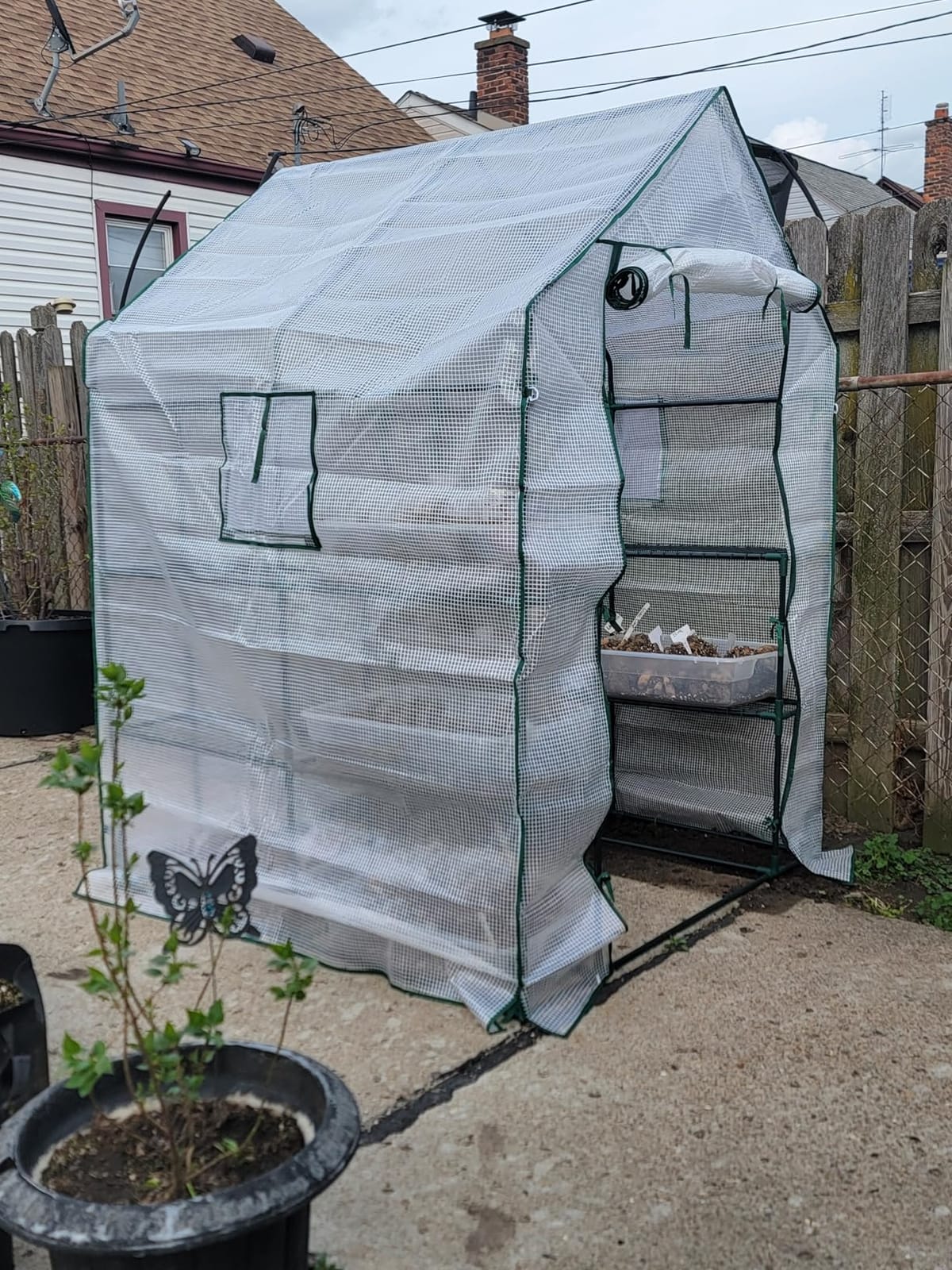
Eight shelves spread across three tiers give you more growing capacity than most kits twice the footprint. Buyers run seed trays on the top tier, herbs and small pots in the middle, and heavier containers near the base where the load transfers down.
The one complaint that recurs across reviews is anchoring. The included ground nails and rope are the minimum, not a proper fix. Owners in exposed yards add sandbags along the base skirt or drive deeper stakes, and once weighted the structure has held through full seasons. In a mild, sheltered yard the included hardware is probably fine as it comes.
What you get for the money
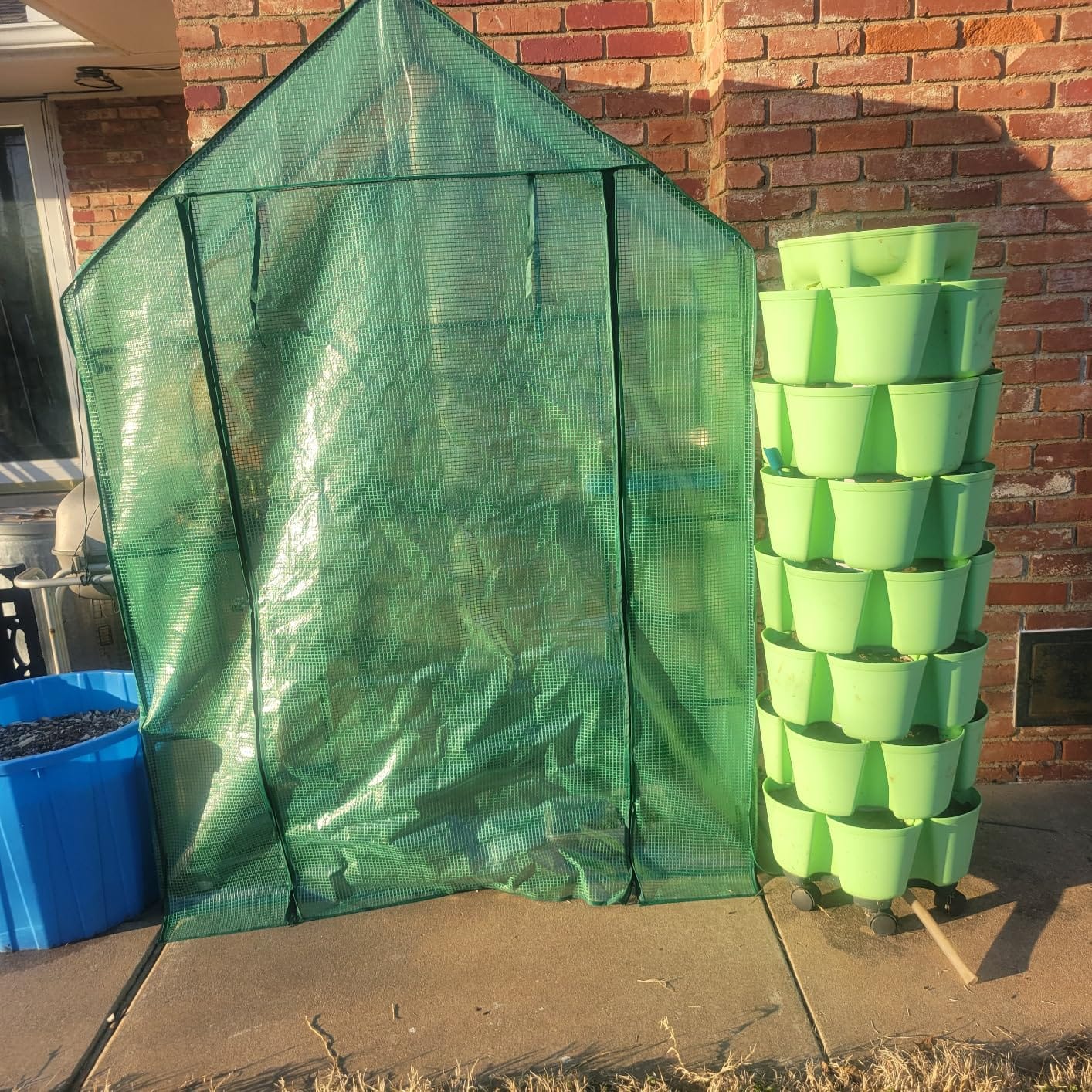
You are getting a three-tier shelving system integrated into a walk-in frame, which is unusual at this level. A separate staging bench would run more than adding the whole thing, so this is the strongest value argument in the roundup.
The mesh screen windows on both sides do double duty. They move air on a hot afternoon and keep squirrels, rabbits, and most birds from helping themselves to a ripe tomato crop.
Who should skip it
Skip it if you live somewhere with sustained winter wind or regular heavy snow, because a PE-covered steel frame is not a snow structure. The eight shelves are also thin wire, and owners of large terracotta pots report the wire bowing under load.
This is an unheated greenhouse, which means it protects against light frost and extends your season, but it is not a four-season growing room in a cold climate. If you want to grow through January, keep reading to the cedar pick.
2. VEVOR 76.8×30.3×66.1 Walk-In Greenhouse: Best for Narrow Patios and Side Yards
- Very low entry cost for a walk-in structure
- Sloped roof sheds water instead of pooling
- Quick-connect frame builds with few tools
- Roll-up door plus tie-strap windows for airflow
- 30.3-inch width limits floor area and walking room
- Cover wears faster in open exposure
- One-star reviews at 12 percent point to tearing and frame flex
This is the narrow tunnel shape, and that single dimension changes what you can do inside. At 30.3 inches wide there is room for a bench on each side and a narrow path between, but you are not going to wheel a wheelbarrow in there. The VEVOR works best as a leaner along a fence or a patio corner.
The build itself is the pleasant surprise. The quick-connect frame goes together with a small set of tools, and owners generally report finishing in an afternoon. The sloped roof is a genuinely good detail, because water runs off instead of pooling and loading the cover with weight after a storm.
At 4.0 stars from 1436 reviews it is one of the most-bought walk-ins in the category, and the reviews are honest about the trade. The 140 gsm double-sided coated PE cover is thinner than the heavier covers on the larger kits, so expect to replace it sooner in full sun.
Roughly one in eight reviews is a one-star, and those reviews cluster around two things: cover tearing at seams and frame flex once the structure is buffeted. That points to siting, not to a defective unit. Put it where wind is already broken by a fence or a wall.
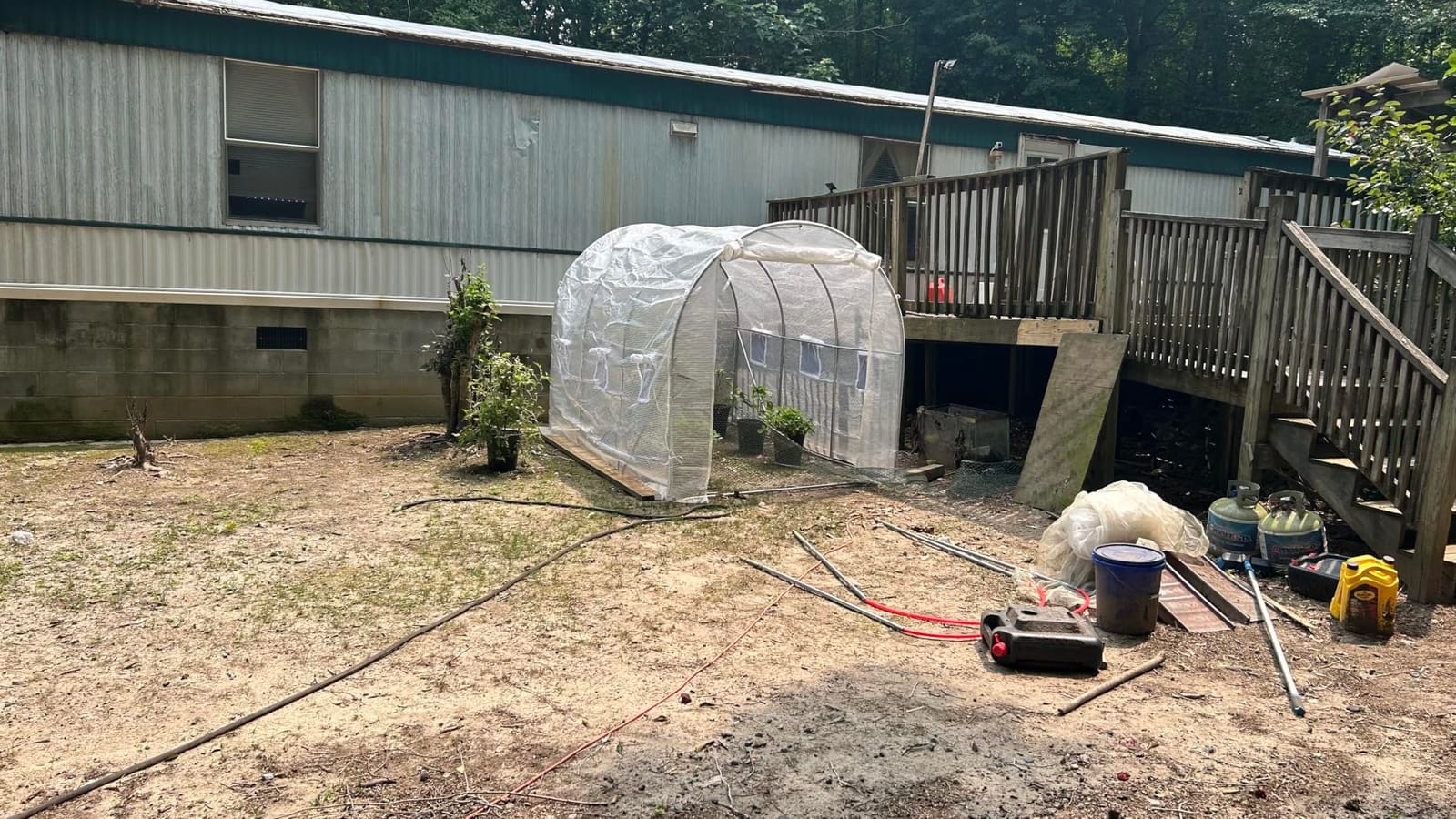
Where this one actually fits
Measure your narrowest usable strip before you order. If you have at least four feet of clear width and a wall or fence on one side, this shape is a good use of ground that would otherwise go unused.
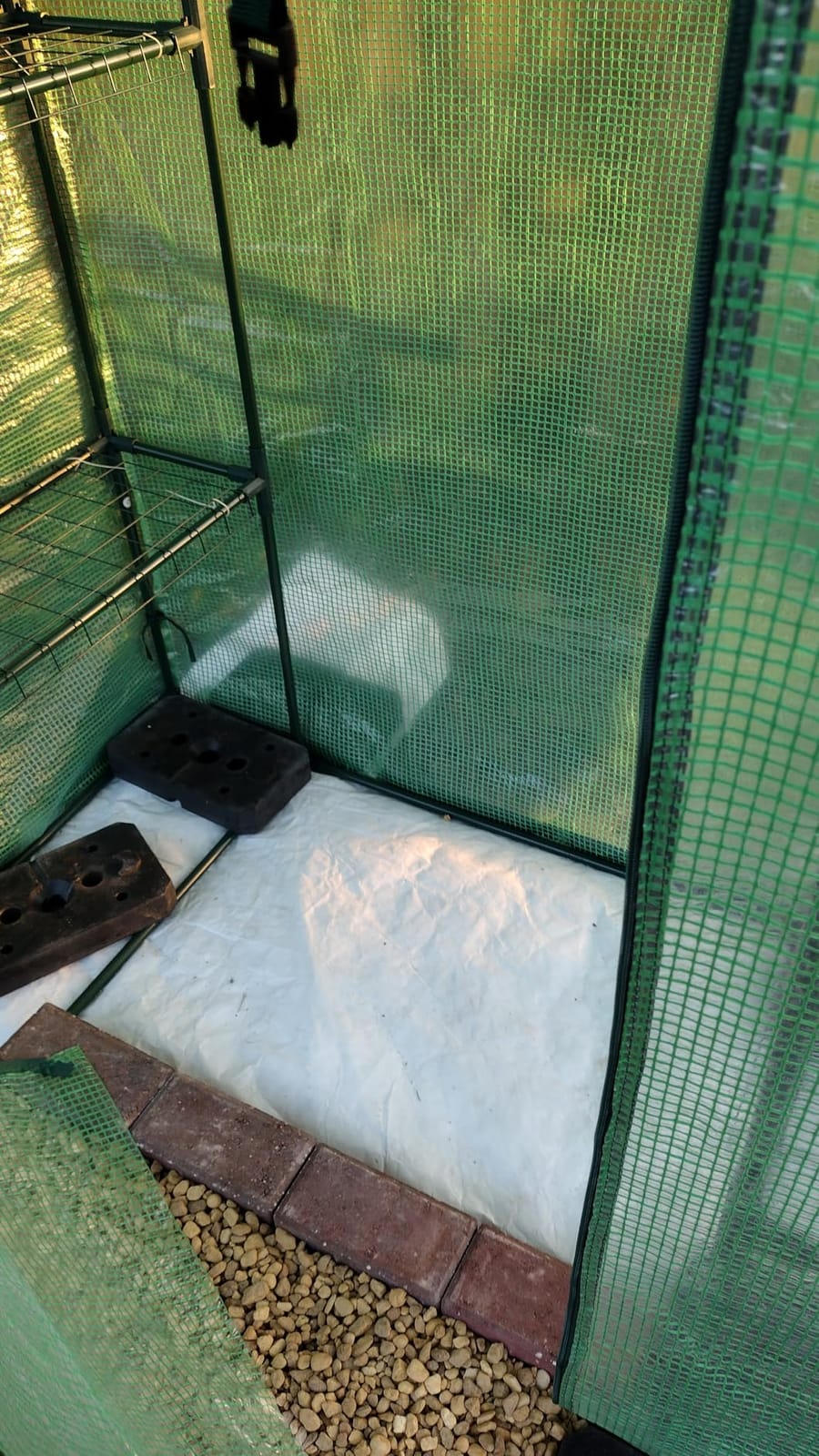
The U-shaped ground stakes that come with the kit are adequate for a sheltered position. For anything more exposed, add your own anchors at the base corners, which is the difference between this unit lasting a season and lasting several.
Who should skip it
Skip it if you want to walk in and turn around, work on a tall potting bench, or fit a full-size raised bed. The width is the hard limit and no accessory changes it.
Also skip it if you are planning to overwinter anything delicate. A single-layer PE cover over a 30-inch-wide tunnel holds almost no heat overnight once the temperature drops.
3. KING BIRD 15x7x7 Heavy Duty Tunnel Greenhouse: Best for Large Backyards
KING BIRD Premium 15x7x7 FT Greenhouse for Outdoors, Large Heavy Duty
- Fits multiple 2x8 and 2x6 garden beds
- Excellent cross-ventilation from eight windows
- Included irrigation kit and hose save watering time
- Owners report it survived hail and flooding
- Bolts must be tightened firmly or the frame feels flimsy
- Included plastic irrigation fittings leak
- Two people needed to fit the cover
Fifteen feet long is a different category from everything else in this roundup. At roughly 6.6 feet wide, the tunnel fits two 2×8 beds and two 2×6 beds with a walking aisle down the middle. This is the kit for someone who wants to grow a real run of crops rather than experiment with a few pots.
Ventilation is the standout. Eight roll-up screen windows along the length plus mesh zipper doors at both ends creates genuine cross-flow, which is the single most effective defence against the heat and humidity problems that make cheap tunnels unusable in summer.
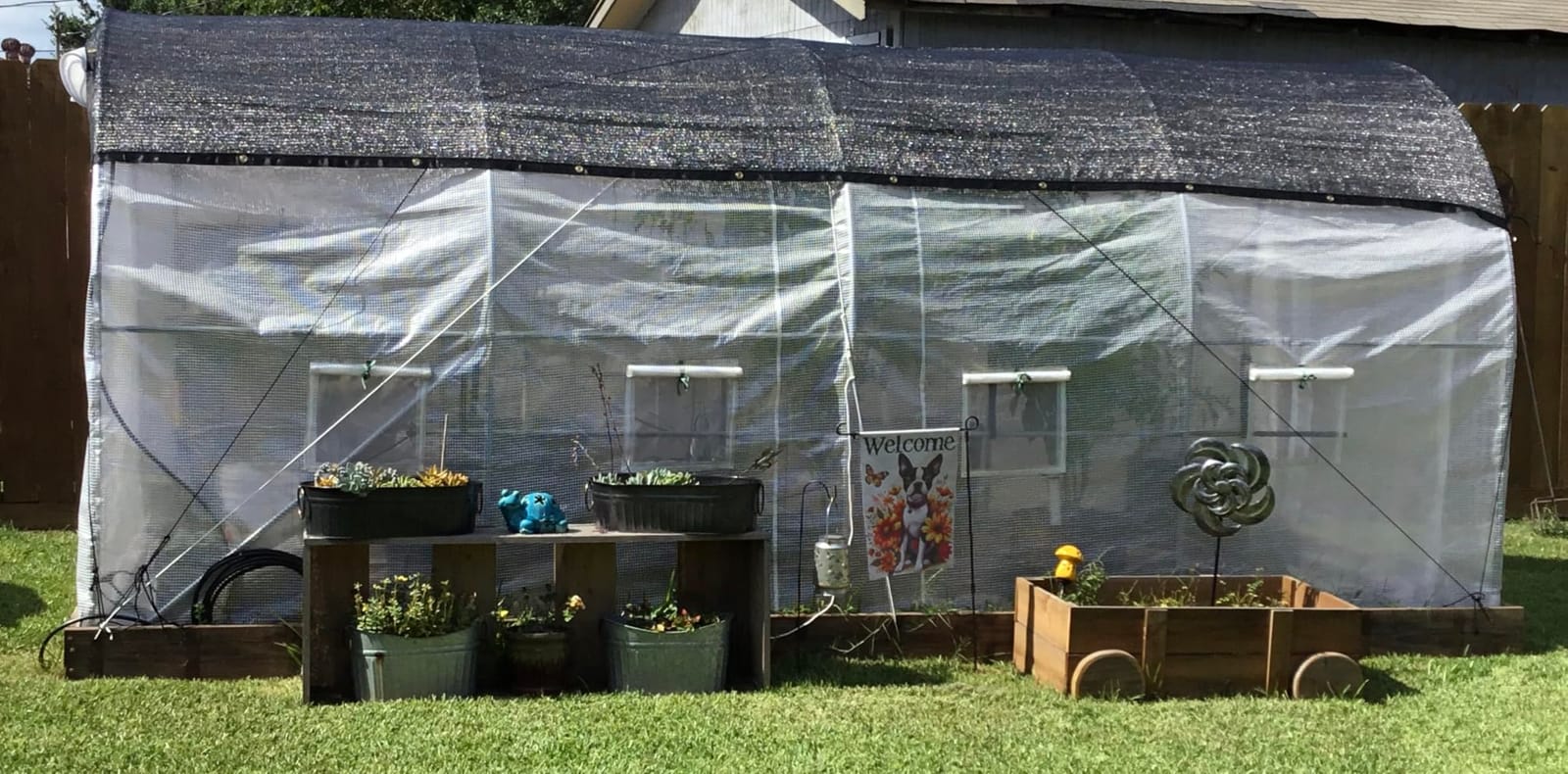
It also arrives with a 15-foot water hose and an irrigation kit with copper misting nozzles. Over a structure this long, hand-watering is a real chore, and having the plumbing already specified removes a weekend of planning.
Durability reports are unusually good for a covered tunnel. Owners describe the frame coming through hail, standing water, and ice without damage, which reflects the galvanized steel tubing and the 150 g/sqm reinforced PE grid cover with a UV stabilizer.
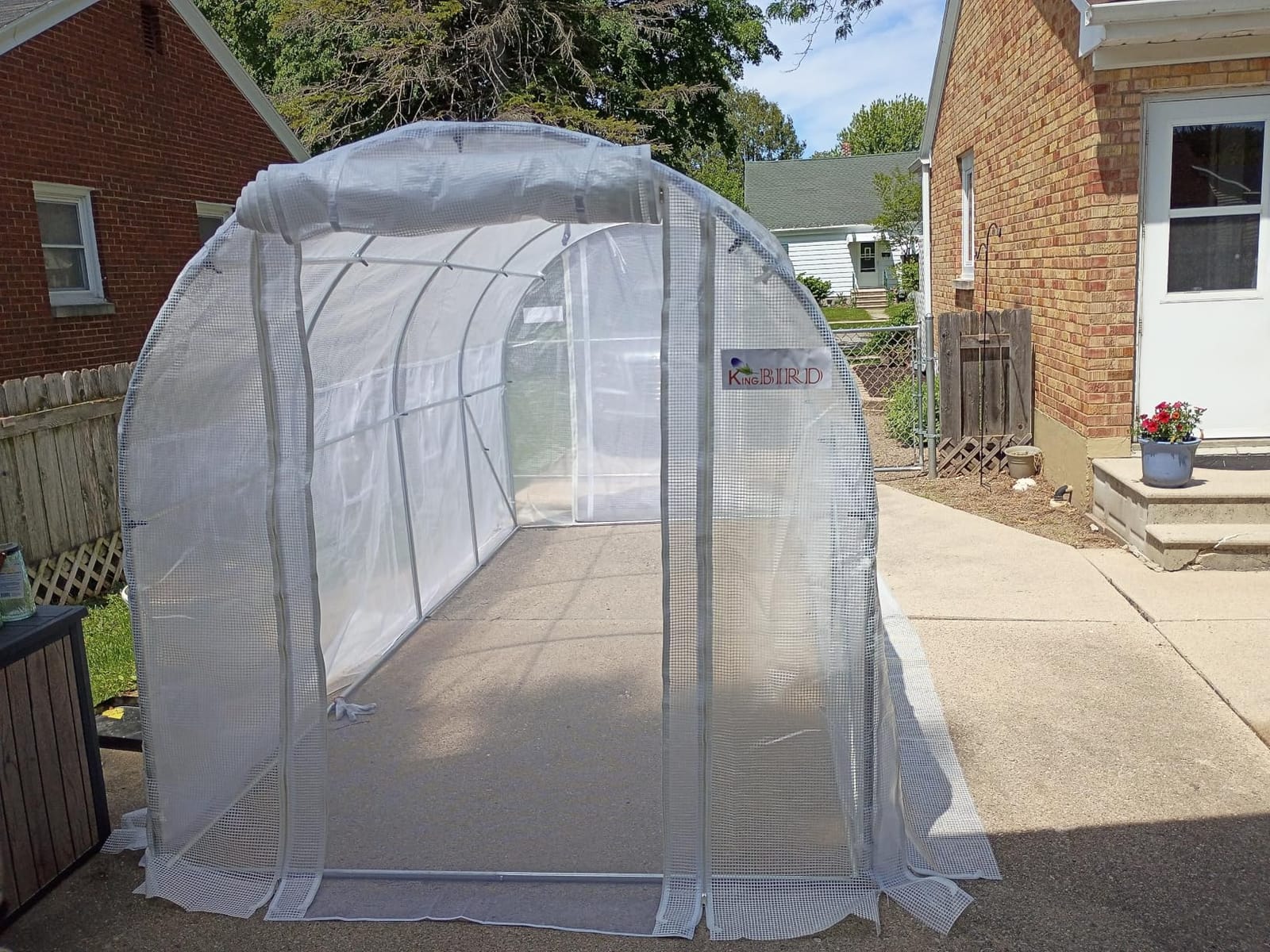
What the long footprint means for you
A tunnel rewards a plan. Lay out the beds before the cover goes on, because once the frame is up and covered, rearranging the interior is genuinely awkward.
Owners also note that the bolts need to be snugged firmly and re-checked after the first big wind. A frame with loose joints is the leading cause of the wobble and panel-shift complaints that come with covered tunnels in general.
Who should skip it
Skip it if your yard cannot take a 15-foot structure. This is not a compact backyard unit, and it needs a level, open footprint rather than a corner beside a shed.
Skip it if you are alone for the build. Getting the cover over a frame that size is straightforwardly a two-person job, and the included plastic irrigation fittings are the weakest parts in an otherwise well-specified kit.
4. WUKHG 8×10 Aluminum Greenhouse: Best Greenhouse Kit With App Monitoring
8X10FT Greenhouse with Thermometers, Large Aluminum Greenhouse for Outdoors
- Twin-wall panels block UV while passing good light
- Aluminum frame resists rust in wind and rain
- Included app-connected thermometer and hygrometer
- Built-in roof gutter collects rainwater
- Sensor battery not included
- Panel edges can leak unless sealed
- Black frame and panels heat up in direct sun
The 8×10 footprint is the size most families land on, because it is big enough for a couple of raised beds and a bench without swallowing the lawn. WUKHG pairs that familiar footprint with an aluminum frame and 720g twin-wall polycarbonate, which is a step up in insulation from the single-layer covers on the budget kits.
The bundled sensor is the feature nobody else in this roundup includes. It is a Bluetooth thermometer and hygrometer that logs to an app with 14-day graphs, and it reports to roughly plus or minus 0.54 degrees F. If you have ever wondered whether your greenhouse hit 95 degrees on a Thursday afternoon, this answers it.
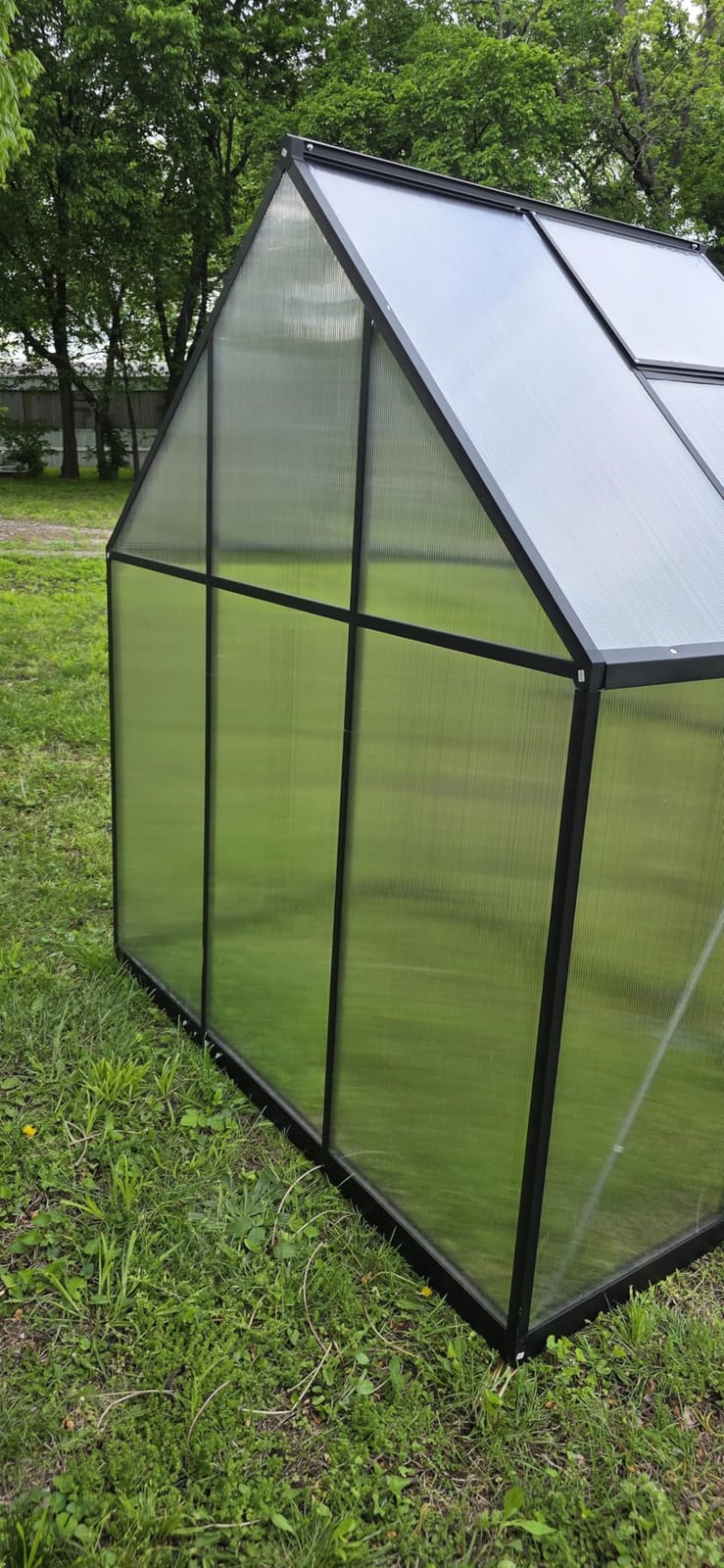
Owners consistently credit the aluminum frame with holding up in strong wind, rain, and snow, which is the usual failure point for coated steel at this price. The lockable hinged door is a nice addition for a yard where the greenhouse is left accessible to family.
The roof gutter is a small detail that pays off. Collecting rainwater off the roof into a butt or a bed is free irrigation once it is running, and it keeps water from sheeting down the side of the structure.
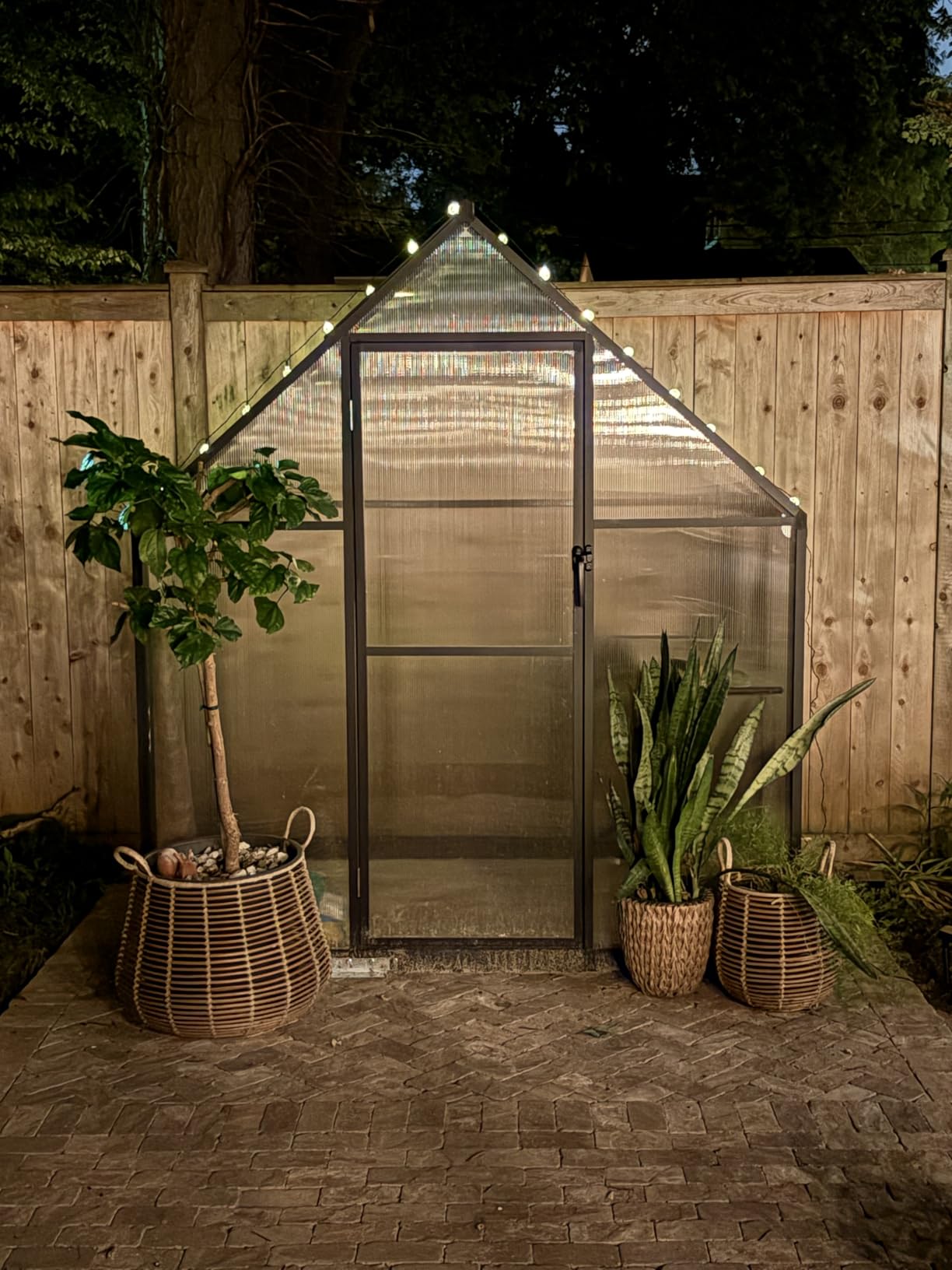
What the sensor actually tells you
Two readings matter more than the rest: peak afternoon temperature and overnight minimum. Peak temperature decides whether you need shade cloth, and the overnight minimum tells you how far above freezing you can push cold-sensitive crops before you need a heater.
It also settles arguments. Anyone arguing about whether to open a vent at lunch can look at the graph instead. Add a small battery to the sensor before you install it, because one is not included.
Who should skip it
Skip it if the visual of a black structure bothers you. Black frames and dark panels absorb heat, and owners report noticeably higher interior temperatures in direct sun unless you add shading.
Also plan on sealing the polycarbonate edges. Reviews flag small leaks along panel edges that a bead of glazing sealant fixes in a few minutes once you know to expect it.
5. Yardenaler 6×12 Wood Greenhouse: Best for Looks and Wood-Frame Warmth
- Wood frame blends into a yard far better than plastic
- Owners in 50-70 mph zones report a full year of holding up
- UV-protection film shows which face goes out
- About 74 sq ft of floor area
- Lightweight wood splits near screw holes
- Needs a preserving coating to stay sound
- Door lock and vent hinge are cheap plastic
Everything else in this roundup is an aluminum or steel structure covered in plastic. The Yardenaler is a wood frame with 6mm polycarbonate panels, and if you care at all about how the garden looks from the house, that changes the calculation. Wood reads as a garden building rather than as equipment.
Performance is respectable too. Owners in wind zones between 50 and 70 mph report the structure holding up over a full year, and the hinged roof panel that opens to 45 degrees does real work for ventilation and summer shade control.
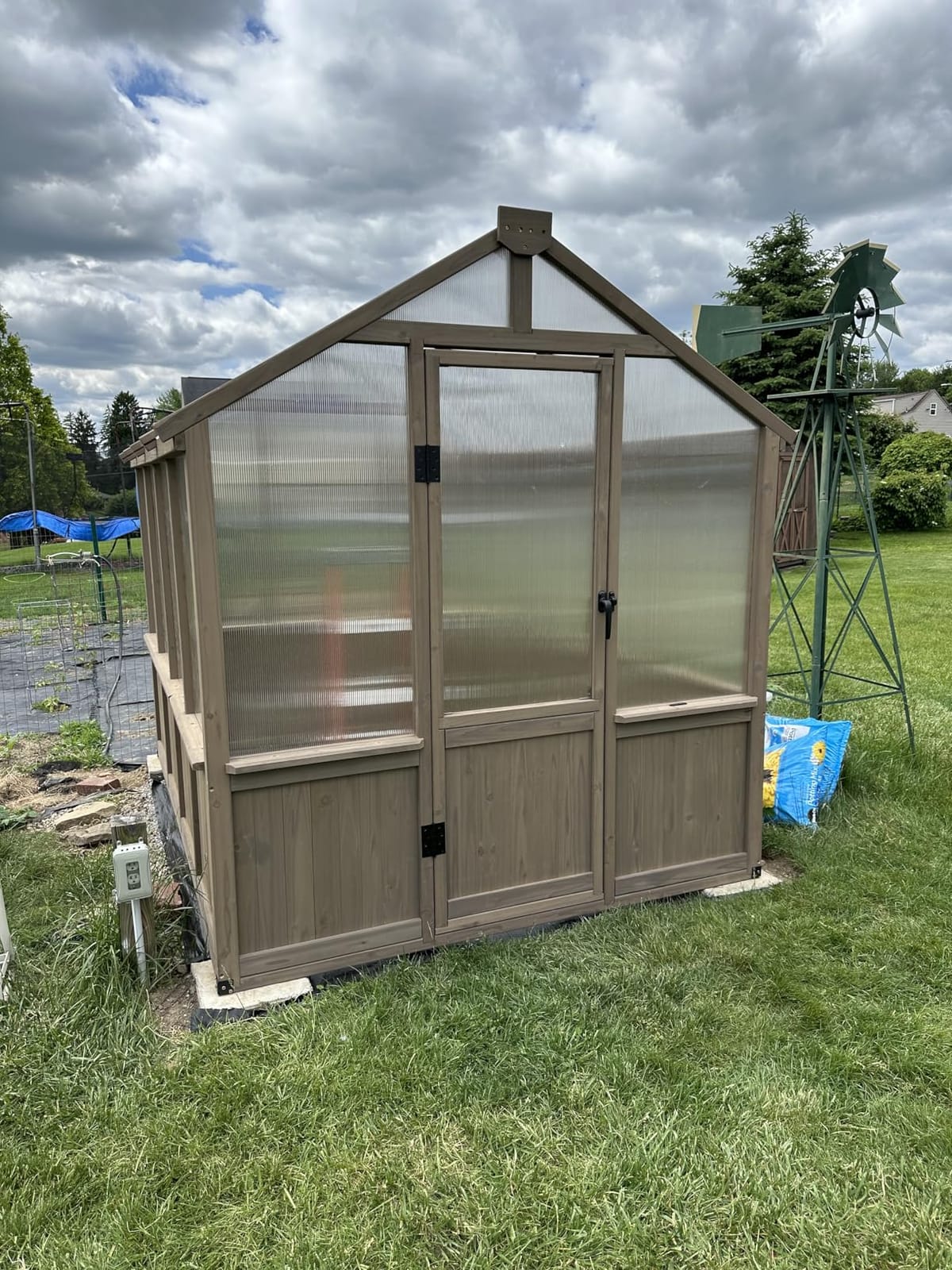
At 74 square feet of floor area, this is a useful size rather than a token one. The 83.5-inch peak gives enough headroom to walk in comfortably, and the 6.6-foot width takes a bench on one side with a path on the other.
One detail worth knowing: the polycarbonate carries a UV-protection film on one face, and the panels must go out with that side facing outward. The parts are numbered on the ends to match the instruction order, which saves you when a label falls off mid-build.
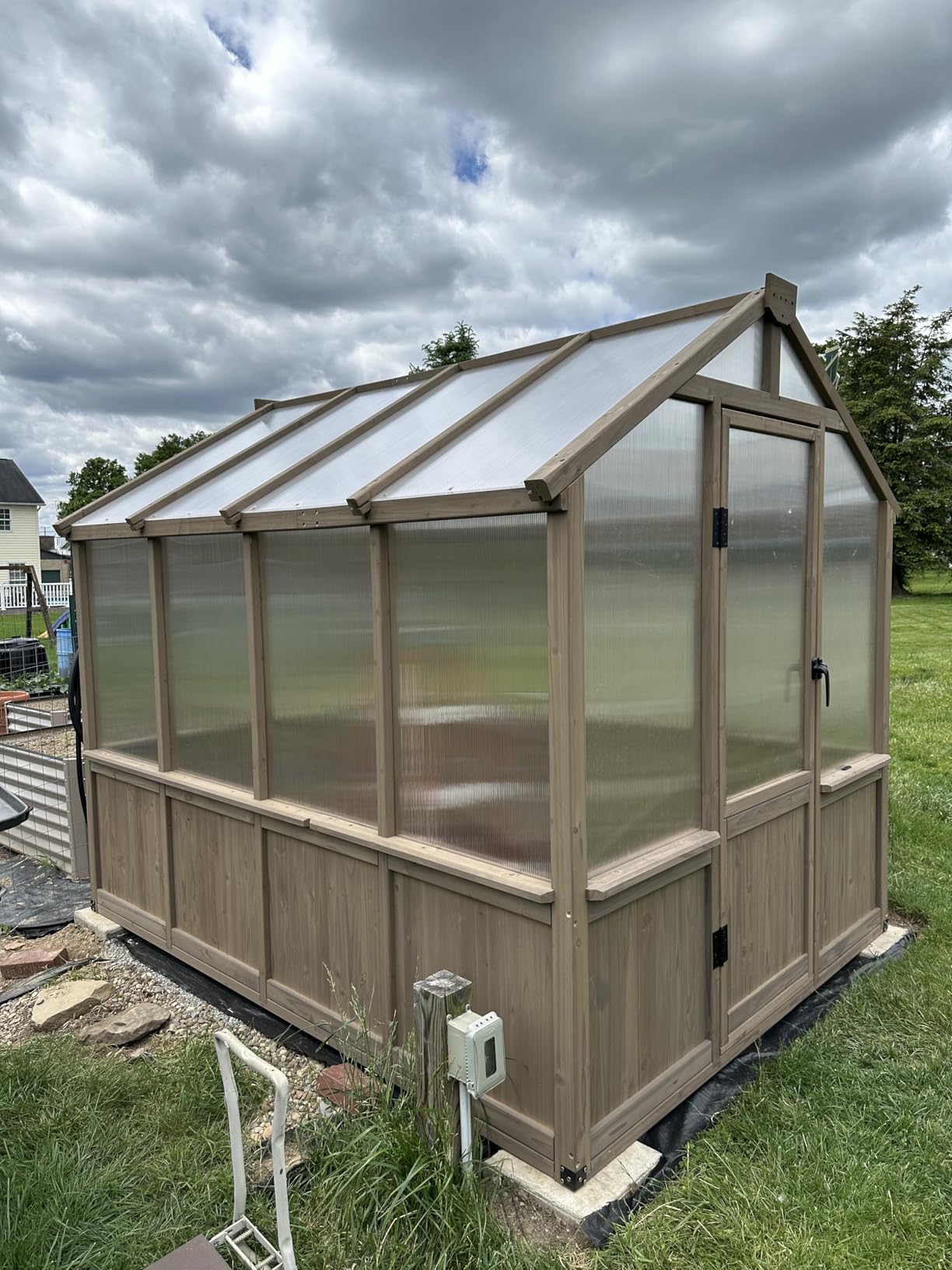
What owning wood actually requires
Wood needs a preserving coating, and it needs one reapplied on a schedule. Owners who treat it annually report no problems; owners who do not eventually see greying and moisture damage at the joints.
Be aware of what you are buying. This is lightweight wood, not cedar, and it can split near screw holes at the panel edges. The six-hour build estimate from owners is realistic, and you will want a second pair of hands partway through.
Who should skip it
Skip it if you want a structure that survives a northern winter untouched. The frame is not rated for heavy snow, and soft wood with plastic vent hardware is not a four-season investment.
Also expect to do some sealing. Owners frequently report gaps around the door because the polycarbonate sheet edges are not sealed by the seller, and a tube of silicone closes them.
6. CDCASA 12x10x10 Polycarbonate Greenhouse: Best for Serious Growers With Space
CDCASA 12x10x10 FT Polycarbonate Greenhouse for Outdoors w/2 Windows
- Rated to 20 psf snow load and 56 mph wind
- 10-foot interior works as greenhouse or sunroom
- Parts arrive labelled in two boxes with extra hardware
- Rain gutters and five-angle roof vents
- Picture-only instructions force improvisation
- Full build commonly runs 10-12 hours
- Roof vent can blow off in wind
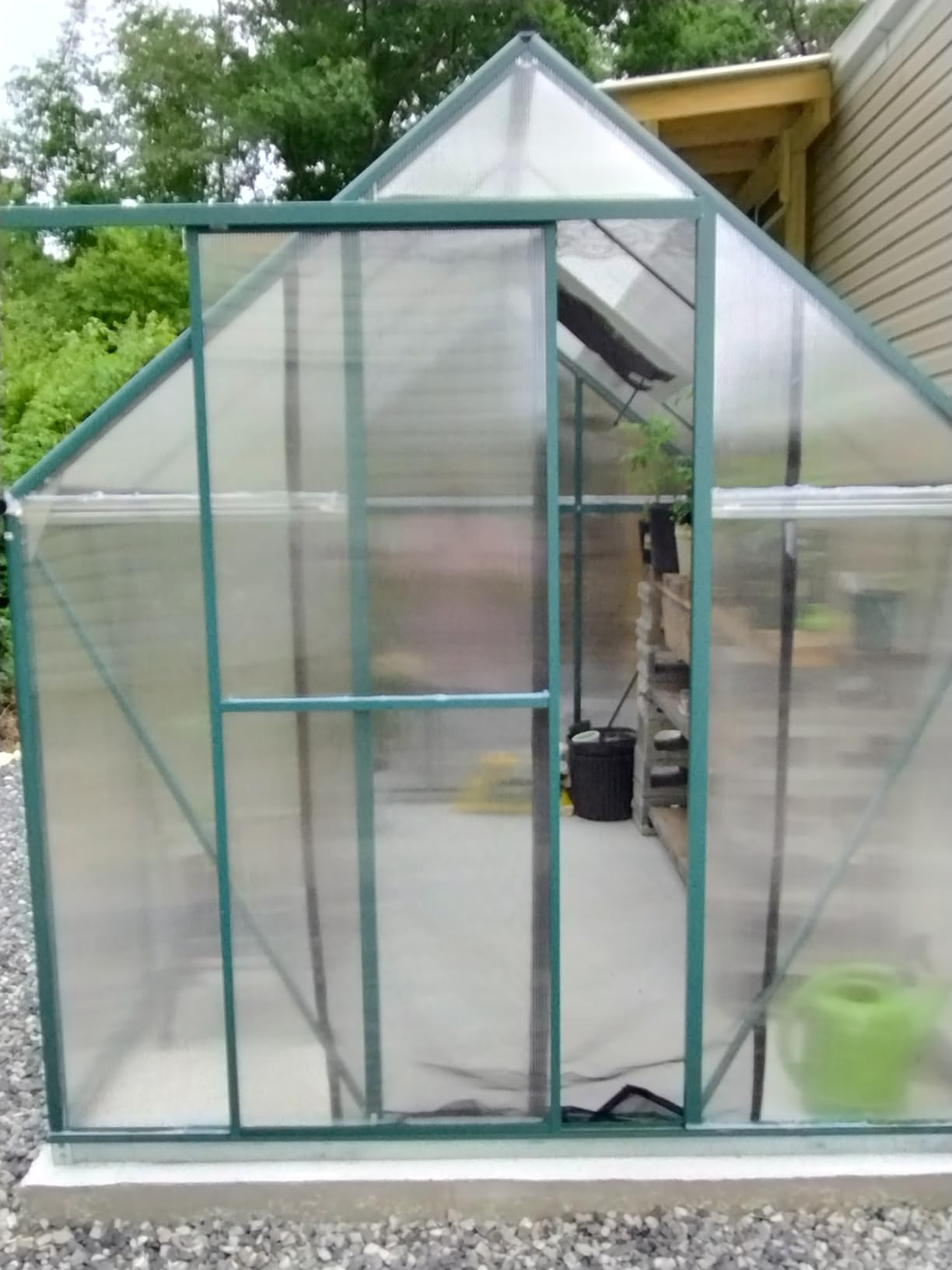
This is a 12 by 10 structure with a 10-foot peak, and that headroom is the point. Most walk-ins top out around 7 to 8 feet, which is fine for beds and short crops. A 10-foot interior lets you run overhead trellising, hang a light rail, and walk in without ducking.
The published numbers here are the best in the roundup for a rigid-panel greenhouse. The patented quick-connect assembly is rated to a 20 psf snow load and 56 mph wind resistance, and the 4mm twin-wall panels pass 70 percent light transmission while blocking 99.9 percent of UV.
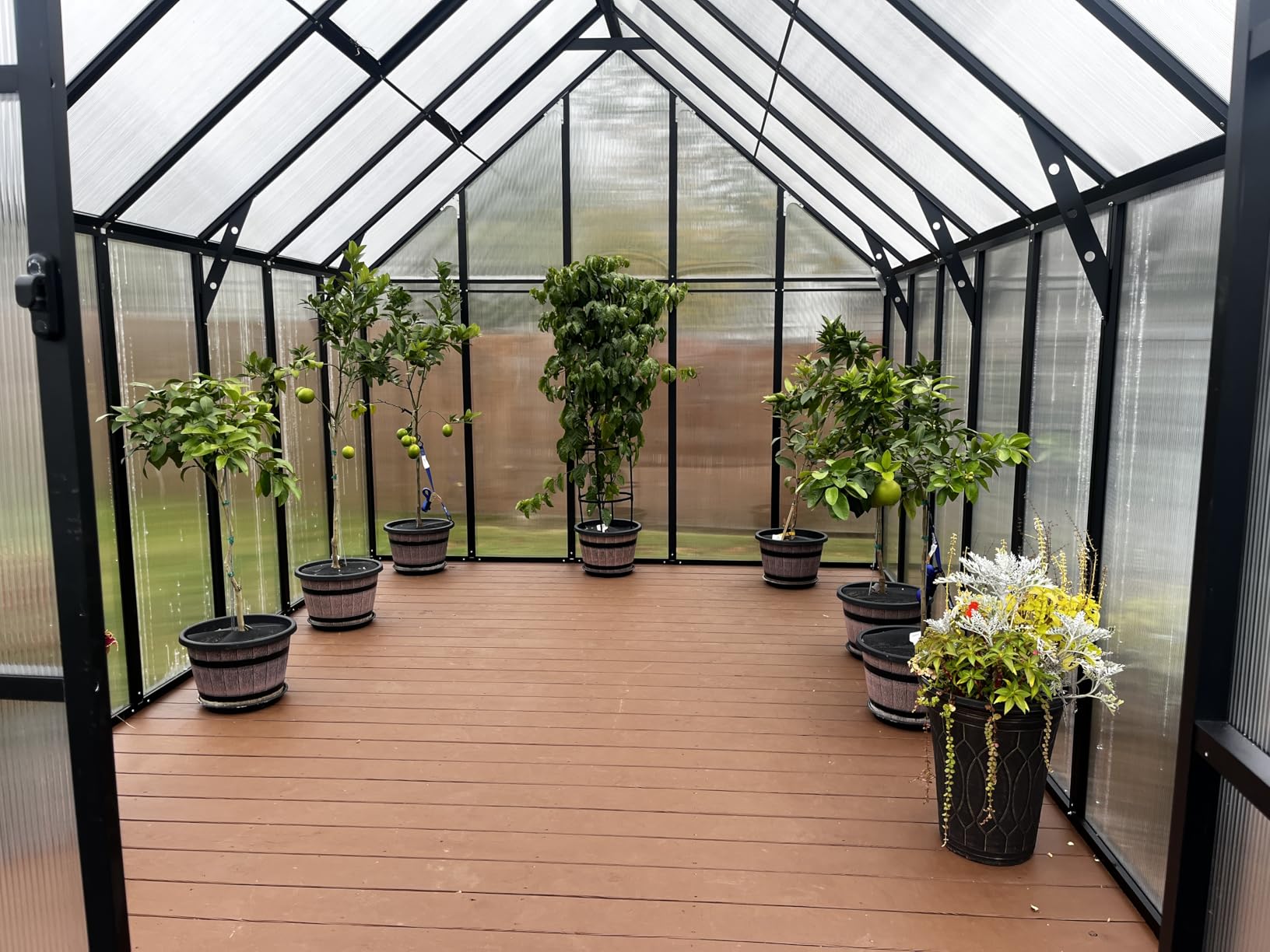
Roughly 120 square feet of footprint is greenhouse-as-workshop territory. Owners describe using it as a sunroom, a plant-staging area, or a sitting space, which is a reasonable use of that much covered ground in a backyard that would otherwise be lawn.
At 240 pounds, this is a structure you commit to. The base feet can be buried in soil or set into concrete, and doing it properly is the difference between a greenhouse that stands and one that racks.
Budget a full day plus a helper
Two skilled builders report four to six hours for the frame, and owners report ten to twelve hours for the complete build including panels and sealing. Plan the longer number for a first-time assembly, and do not start it in the evening.
The instructions are picture-only. Owners describe working out the orientation themselves, so watch the panel film direction and the channel alignment before you commit a panel to a frame. Two builders is the sensible minimum.
Who should skip it
Skip it if you want a weekend project. This is the largest build in the roundup by a wide margin, and the instruction quality is the weakest of the aluminum options here.
Skip it if your site gets serious wind without a windbreak. The roof vent is the component owners most often report blowing off, and refitting it in a gust is an unpleasant job. A gutter-and-vent clip upgrade is worth the extra effort.
7. Backyard Discovery Willow 9×6 Cedar Greenhouse: Best for Cold-Winter Growing
- Pro-Tect tested to 30 in snow and 100 mph wind
- Highest-rated kit here at 4.7 stars
- 4-wall panels improve heat retention by 30 percent
- PowerPort with 3 outlets and 3 USB ports
- Power source for the PowerPort not included
- Stain saturation varies between units
- Rated wind performance assumes anchoring as specified
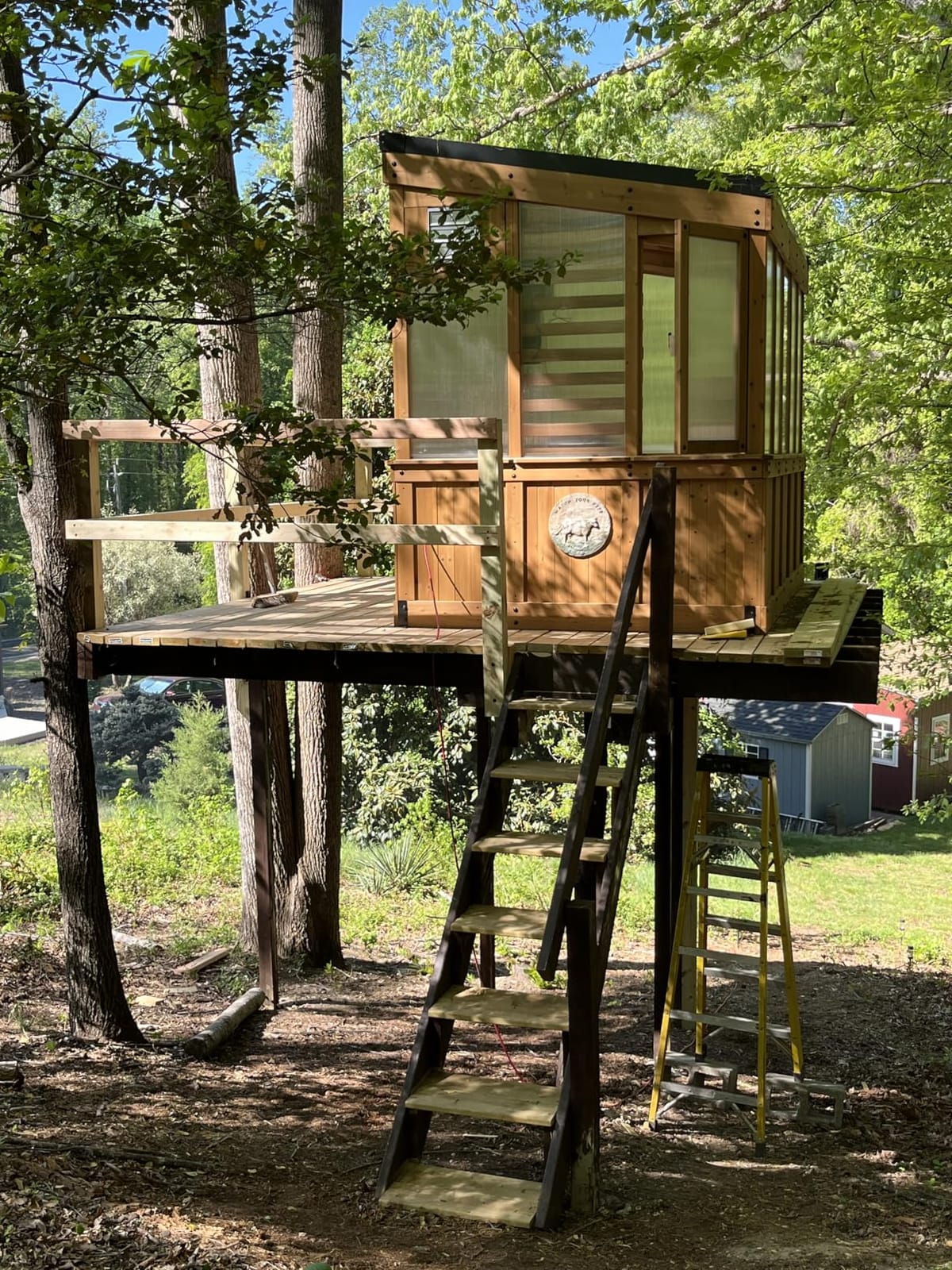
This is the only kit in the roundup built for a real winter, and the specifications explain why. It is Pro-Tect tested to a 2,800 pound snow load, which works out to about 30 inches, and to 100 mph winds when anchored as the manual specifies. Those are the only figures in this roundup that speak directly to a snow-belt backyard.
The glazing is 4-wall polycarbonate rather than twin-wall, and owners cite the roughly 30 percent improvement in heat retention as the reason it holds warmth when everything else goes cold. Cedar is naturally decay-resistant, so the frame does not need the annual treatment a softwood frame requires.
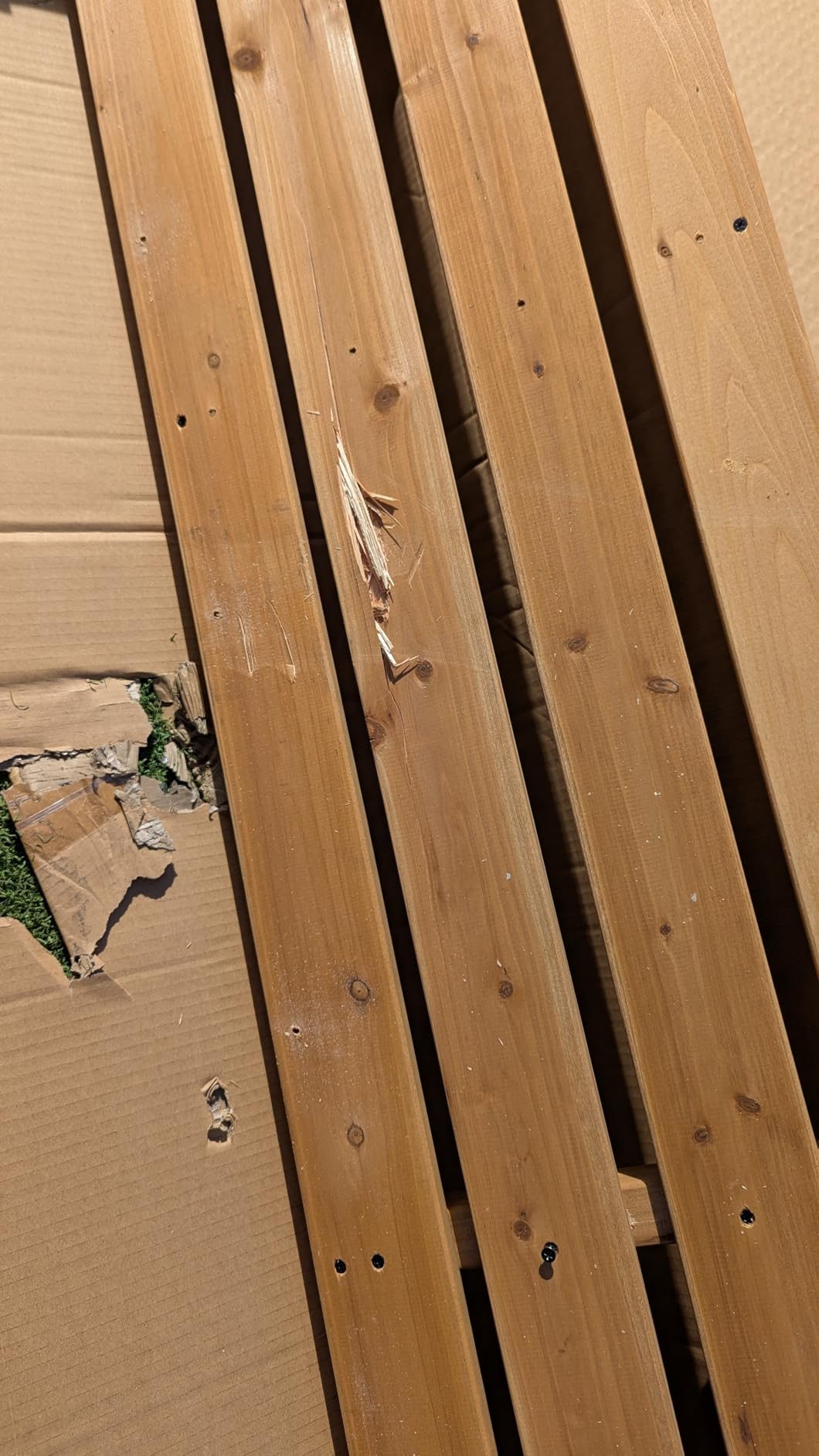
It also comes fitted out. The 54 square foot interior includes a built-in workstation and 13 linear feet of fixed staging shelves, so you are not planning a bench layout on day one. The patented PowerPort puts three outlets and three USB ports inside for a grow light, a fan, or a heater.
The temperature-activated exhaust fan is a small touch that pays off in July. It opens on heat without you remembering to, which is the difference between a greenhouse you can leave shut for a day and one you have to check every morning.
Why the ratings run higher here
At 4.7 stars with 83 percent of reviews at five stars, this is the highest-rated kit in the group, and owners name the same reasons: cedar construction, four-wall insulation, integrated power, and a five-year warranty that is longer than most frames offer.
The parts arrive pre-cut, pre-drilled, and pre-stained, with app-based instructions, which removes most of the cutting and layout work that makes large kits slow to build.
Who should skip it
Skip it if you are still deciding whether you want a greenhouse at all. This is the top price tier in the roundup, and a cheaper kit is the right first purchase for many people.
Also know that anchoring is not optional. The 100 mph figure assumes the structure is anchored exactly as specified, and the power source for the PowerPort is not included, so budget for an outdoor-rated feed to that outlet.
8. SPECILITE 56x56x78 Walk-In Greenhouse: Best Value Greenhouse Kit
SPECILITE 56×56×78Inch Walk-in Greenhouse for Outdoors Garden Plant, Green
- Assembles in under an hour with clear instructions
- Light enough to reposition solo between seasons
- Owners report getting plants through a cold winter
- Bottom flaps accept weights or bricks
- Included stakes too weak for real wind
- Has been blown over in high gusts
- Joint fittings can loosen over time
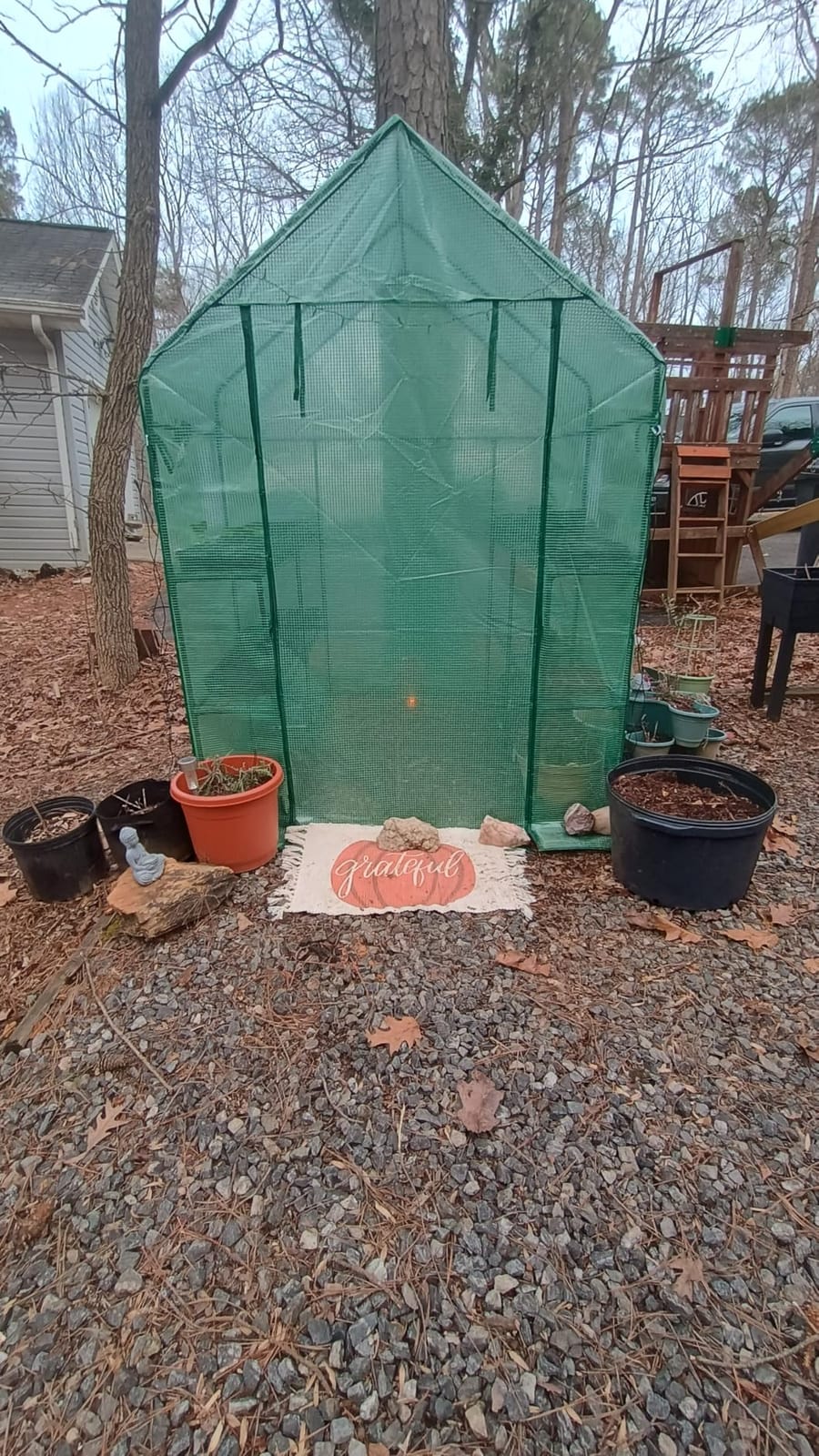
This is the one we recommend to anyone who is not certain a greenhouse belongs in their life. It is small enough to move on your own, it goes together in under an hour with genuinely clear instructions, and it is the easiest unit here to store or reposition as your planting plans change.
The interior is stated to fit up to 24 plant pots, and the shelving arrangement makes that number realistic. Owners use it to harden off seedlings in spring and to carry tender plants through a cold winter in a mild climate.
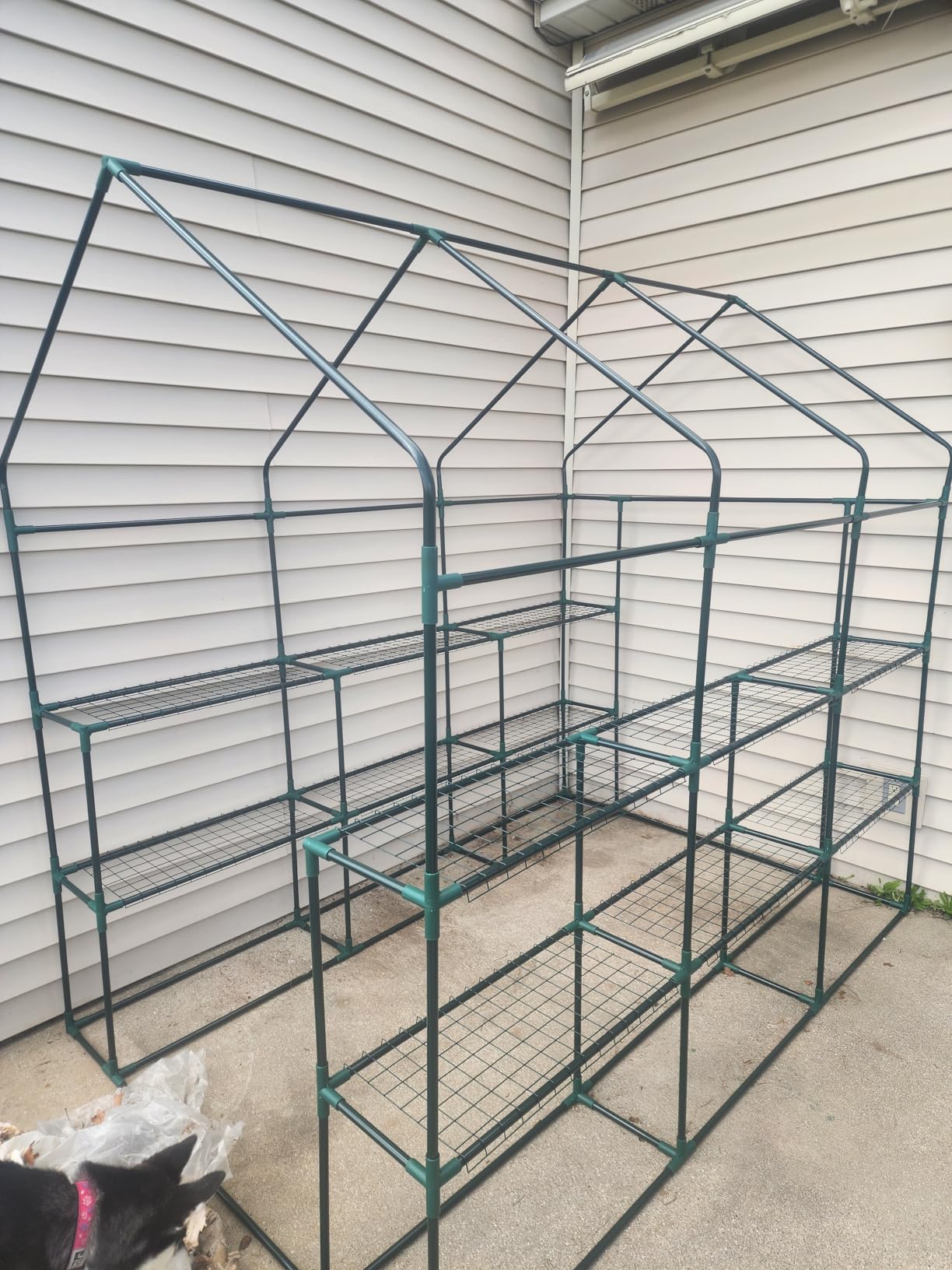
The design detail we like most is the bottom flaps. They create a channel around the base where you can slide weights, bricks, or a length of hose, and that is the difference between an empty structure and one that survives a gust.
It is also fully detachable with no tools, which matters if you are renting, if your yard gets winter sun on one side only, or if you simply want the ground back in spring.
What the wind complaint really means
Wind is the one repeated complaint and it is not mysterious. The stakes included with the kit are described by owners as too weak, and several report substituting heavy camping stakes, which fixes the problem entirely for a modest outlay.
Anchor it before the first gusty forecast rather than after. Once the tubes are weighted at the base with bricks or a sandbag, the structure has held through entire seasons for owners in ordinary yards.
Who should skip it
Skip it if your site is open to strong wind. No lightweight budget walk-in is designed for that, and the ones that pretend to be are the ones that end up in a neighbor’s yard.
Skip it if you want tall crops. At 77.6 inches the peak is fine for shelves and seedlings but tight for a staked tomato or a hanging basket, and there is no room for a walk-in growing area the way the larger kits offer.
9. SUNGIFT 57x61x80 Walk-In Greenhouse: Best for Seedling Trays and Pots
SUNGIFT Walk-in Greenhouse Kit, Upgraded PVC Clear, 57x61x80 Inch
- Most shelf capacity of the budget walk-ins
- Assembles solo in about an hour
- Spacious enough to stand and move around inside
- Roll-up door plus dual windows for airflow
- Light frame shifts in wind unless weighted
- Included tie-downs and anchors are not adequate
- Cover separates at the seams over time
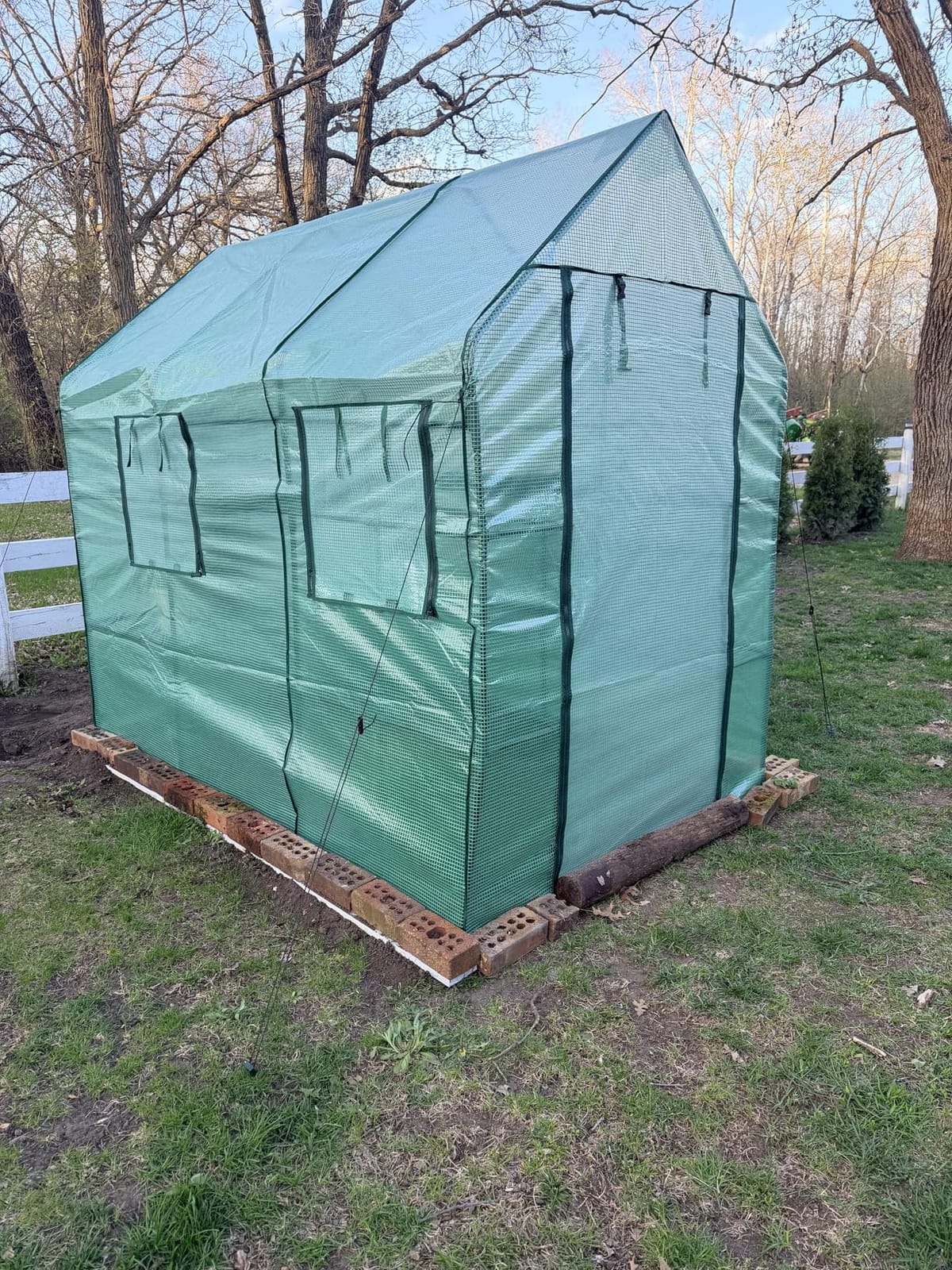
If your greenhouse is primarily a seed-starting room, shelf capacity is the number that decides your purchase. SUNGIFT fits ten shelves across three tiers, which is the highest count in this roundup, and the 61 by 57 inch footprint means you can stand up and move around inside it.
Owners consistently report assembling it solo in about an hour with all parts in the box. The tool-free setup and the fact that it is portable make it a good fit for a renter or anyone who wants to follow the sun through the season.
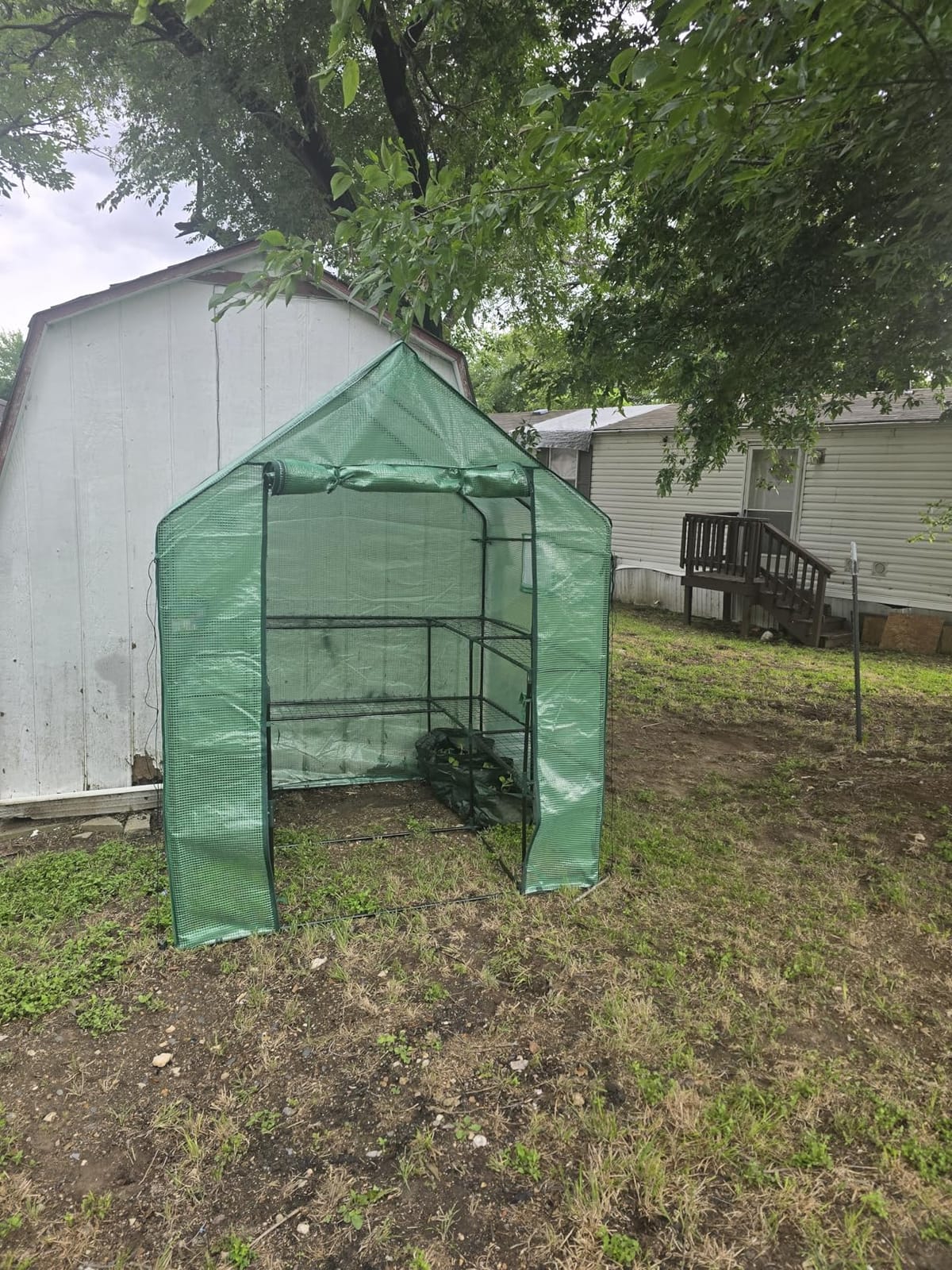
With 677 reviews this is a heavily reviewed unit in the roundup, which makes the complaints unusually well documented. They cluster into three groups: wind, hardware, and cover durability. Knowing that in advance is how you avoid being disappointed by it.
The zippered roll-up door plus dual observation windows give reasonable airflow and humidity control, and the clear cover passes plenty of light. There is also a green variant, which gives partial shade and does noticeably better in a hot climate.
Shelf capacity versus shelf strength
Ten shelves is genuinely useful for propagation. You can dedicate a full tier to germination trays under light, a second to potting-on, and keep the third for mother plants and stock.
Understand what those shelves are. The C-hooks that support them can stretch and release under heavy load, so keep the weight to trays and light pots, and put your heaviest containers on the floor or on a separate bench.
Who should skip it
Skip it if wind is a factor in your yard. The included string tie-downs and metal anchors are described by owners as not adequate, and the structure is light enough to lift or shift in a gust. Substitute real anchors and weight the base.
Skip it if you plan to keep it for many seasons in full sun. Owners report the cover separating at the seams and zippers failing after a few months, so treat the cover as a consumable part rather than a permanent one.
10. HOWE 14×9.5×9 Pavilion Greenhouse: Best for Snow Zones
HOWE 14×9.5×9 FT Polycarbonate Greenhouse for Outdoors, Pavilion Style
- 6mm panels are thicker and more insulating than most
- 70 mph wind and 30 psf snow load ratings
- Stiff once cross braces and roof are fitted
- Downspouts move a large volume of water
- Picture-only instructions are easy to misread
- Advertised 12-hour build commonly runs 20-25 hours
- Window latches do not close tightly
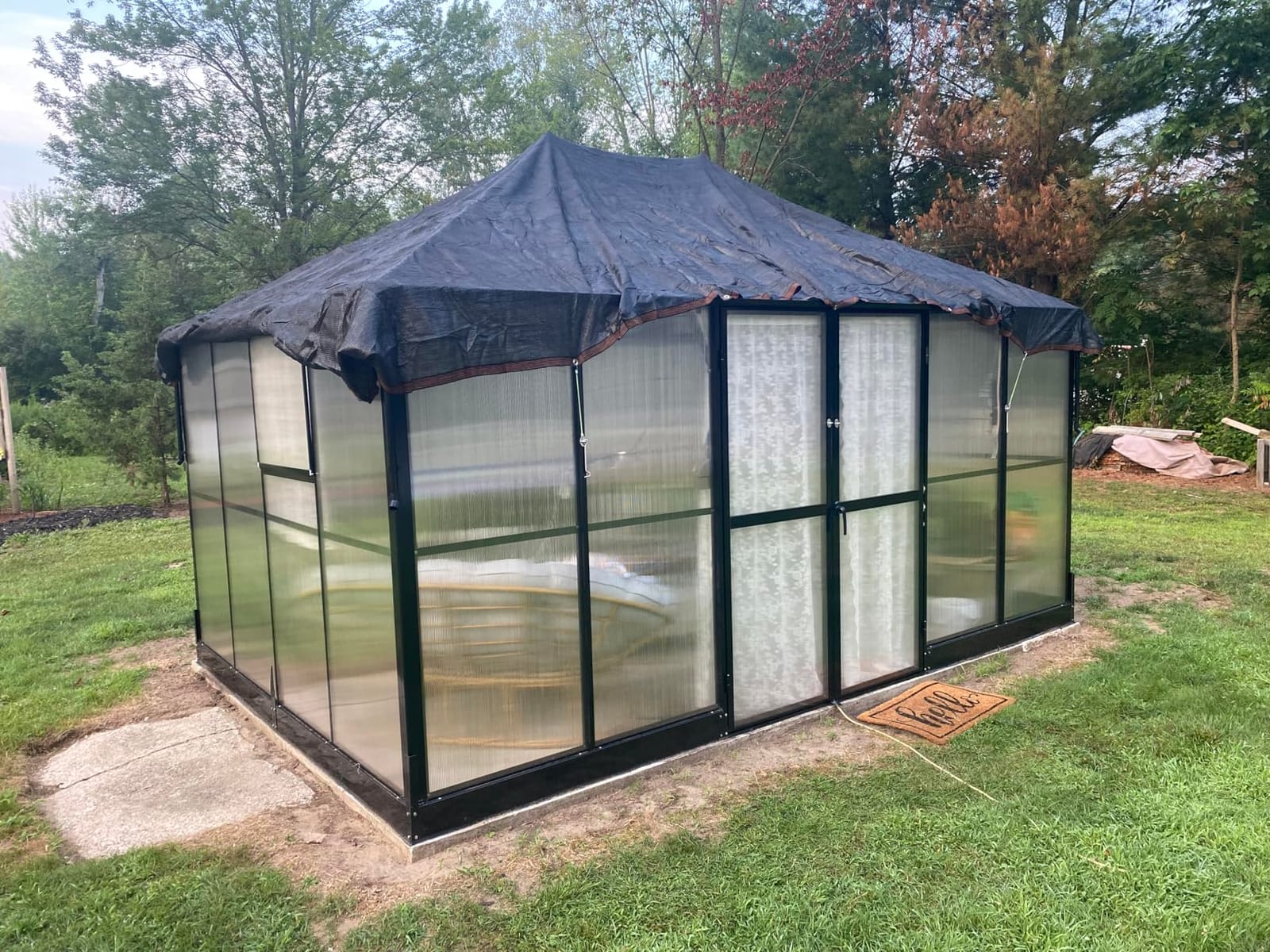
The HOWE is the only kit here with two published structural ratings that a snow-belt gardener can act on: 70 mph wind and 30 psf snow load. It is also the thickest glazing in the roundup at 6mm twin-wall polycarbonate with 99.99 percent UV blocking, and thicker glazing is what holds heat when the temperature really drops.
The pavilion shape is a different proposition. With a 6-foot wall height you never stoop, and the 9-foot peak makes it work as a sunroom or sitting space as well as a growing space. Owners report that once the cross braces and roof are fitted, the structure is genuinely stiff.
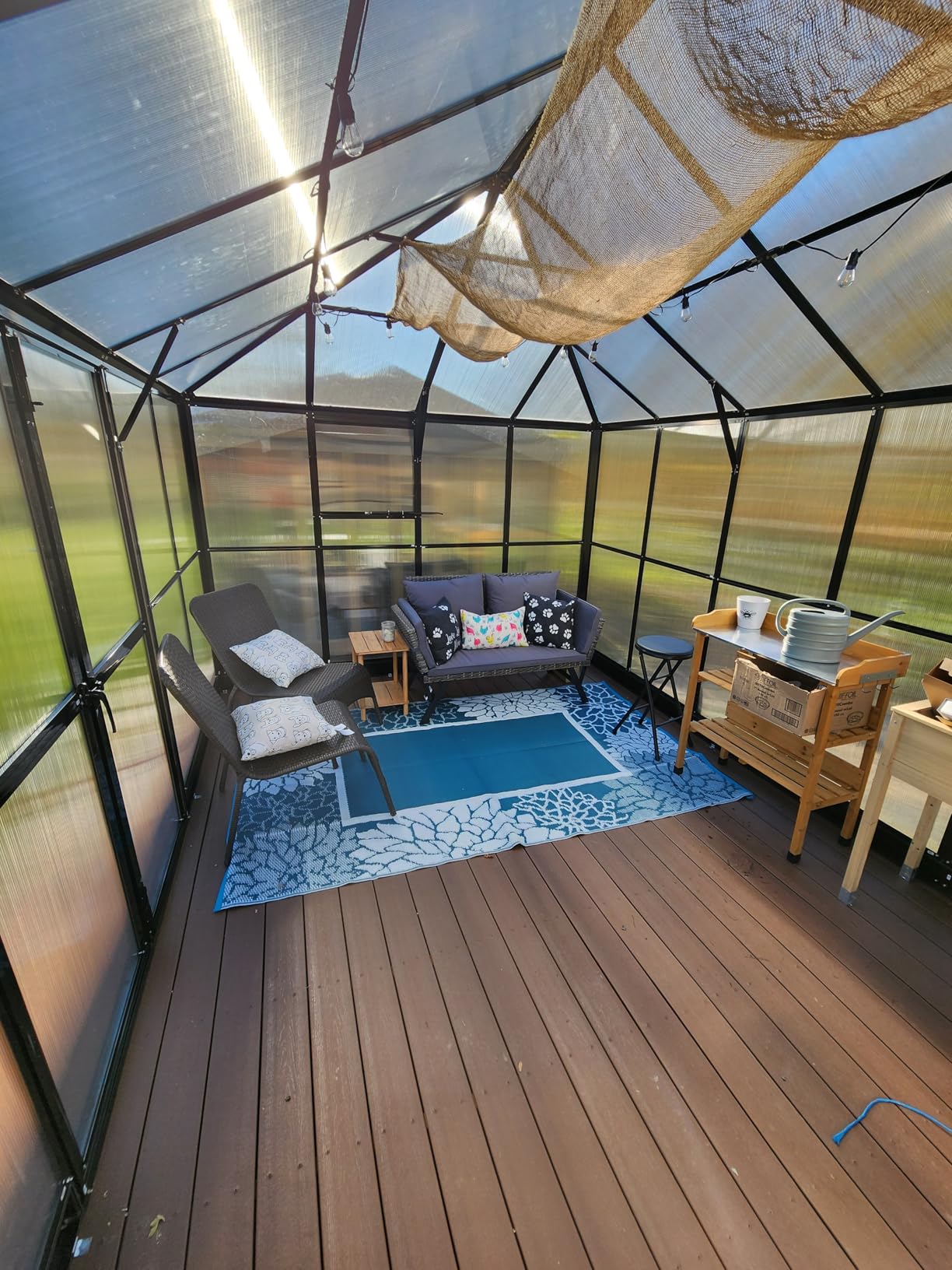
Two wide swing doors are easier to move trays through than a single narrow door, which matters when you are barrowing compost in or rolling out a heavy pot. Drainage holes and attached downspout pipes move a surprising volume of water in a single rain, which keeps the base from sitting in a puddle.
The Victorian roof crest along the ridge is a small flourish with a practical side, since birds perch less on a peaked profile than on a flat top.
Measure twice, build once
Owners repeatedly flag that the real dimensions matter. The manufacturer suggests a 15 by 10.5 foot foundation, which is larger than the kit’s own footprint, so clear the whole area before you order materials for the base.
The build is the honest drawback. An advertised 12-hour build for three people commonly runs 20 to 25 hours for two, and the instructions are mostly pictures with orientation details that are easy to get wrong.
Who should skip it
Skip it if you are doing this alone or over a single weekend. The panel orientation in particular needs someone to check each step, and mistakes there are not always obvious until you are looking at a finished wall.
Also plan two finishing jobs. Owners report window latches that do not close tightly, which pushes cold air and pests into the structure, and sharp panel edges that are worth sanding before anyone reaches in there.
How to Choose a Greenhouse Kit
Eight decisions decide whether you are happy with a greenhouse in five years. Work through them in order, because each one narrows the next.
1. Pick your glazing first
Polycarbonate is the default choice for a reason. It blocks UV, passes usable light, weighs less than glass, and survives a hailstone or a stray baseball. The trade-off is that single-wall PE covers on budget kits cloud and degrade faster, and that polycarbonate can yellow after eight to ten years of hard sun exposure.
Glass gives sharper light and looks better, but it is heavier, more expensive, and it breaks. Choose glass only if appearance matters more to you than durability. Between the two, twin-wall polycarbonate is the sweet spot: an insulating layer of trapped air in the panel, which is why the WUKHG and CDCASA units hold heat better than the single-layer kits.
2. Size for usable floor area, not footprint
A 6×8 kit is 48 square feet, but a bench down each side and a path between them leaves you maybe half of that for actual growing. Work out your layout first and check the peak height, since a 6-foot peak limits tall crops and hanging baskets.
Avoid the classic upgrade trap of buying small and replacing within two seasons. Many owners report outgrowing a 6×4 quickly. If you have the space for 8×10, buy 8×10.
3. Match the frame to your weather
Aluminum needs no maintenance and does not rot. Galvanized or powder-coated steel is heavier and tougher in wind, which is useful on exposed sites. Wood looks best and insets best, but it needs a preserving coating and it can split at screw holes.
For snow and wind, look for published numbers rather than adjectives. The CDCASA and HOWE kits in this roundup carry real wind and snow ratings, and the Backyard Discovery Willow is the only one rated for 30 inches of snow and 100 mph winds. Everything else in the budget tier is a fair-weather structure.
4. Count the ventilation you actually need
Ventilation decides whether a greenhouse is usable in summer. Count roll-up windows, roof vents, and screen doors, and think about cross-flow: air should enter low on one side and exit high on the other. Two vents on opposite walls beat six vents on the same wall.
Screens matter as much as openings, because an open window without a screen is an invitation to birds and insects. Shade cloth or shade paint is the other half of summer management, and it is not included with most kits.
5. Decide on the base before you buy
A level base is the single biggest factor in how long a greenhouse lasts. Assemble on uneven soil or lawn and the frame racks, the door binds, and panels work loose at the joints.
Soil is cheapest and drains well, but the structure can settle unevenly over a season. Pavers and gravel are a good middle ground and cost more in labor than materials. A concrete pad is the most durable and the most labor-intensive, and it is the right answer if you plan to bolt the frame down.
6. Check the anchoring hardware that actually ships
Almost every budget kit includes stakes and rope, and almost every owner complaint about wind traces back to those stakes being insufficient. Deeper ground anchors, sandbags along the base skirt, or bolting into a paver base are what separate a structure that lasts from one that does not.
Four corner anchors on a small tunnel, evenly weighted edges on a walk-in, and a proper foundation on anything large. This is where ten minutes of work saves a season.
7. Be honest about assembly time
Owners report big gaps between advertised and actual build times. Small covered walk-ins go up in an hour or two solo. Aluminum panel greenhouse of this size takes ten to twelve hours with two people. The largest pavilion-style kits commonly run twenty hours or more for two.
Picture-only instructions are the usual culprit, not the frame. Budget for a helper on anything over eight by ten feet, and read the orientation notes before you start rather than after a panel is in place.
8. Plan for what is not in the box
Staging, staging shelves, shade cloth, a heater, a thermometer, and improved anchors are all typically sold separately. Owners who budget ten to twenty percent above the kit figure for these extras are the ones who finish the build without a second trip to the store.
Ask one question before you order: is the base frame included? Community forums flag this more than anything else, because photos of an assembled greenhouse rarely show a bare structure sitting on the ground.
Where to Put Your Greenhouse in the Backyard
Siting decides more about your success than the kit does. Five steps, in this order.
1. Follow the sun
In the northern hemisphere, an unobstructed south or southeast face is worth more than any feature on the kit. A structure shaded by a mature tree after mid-morning will underperform one with six hours of direct light, even if it is the better-built greenhouse.
2. Break the wind
A fence, a hedge, or the side of a house on the prevailing wind side does more for a structure than a heavier frame does. This is the fix for most of the complaints we read about budget kits shifting or losing covers. If you cannot break the wind, choose a heavier frame and anchor it properly.
3. Level the ground before anything arrives
Mark the footprint, then spend a day on the base. Dig to level, then choose soil, gravel, pavers, or a poured pad. This is the step that decides whether the door closes properly in year two.
4. Keep it reachable
You will carry water, compost, and harvested crops in and out. A structure tucked against a fence at the back of a lot is cheaper in ground space and more expensive in effort every week. Think about the route from the tap or the shed.
5. Check the rules
Most domestic greenhouses under roughly 120 square feet are exempt from building permits in the United States, and garden structures are often excluded from setback requirements, but your municipality and your HOA can differ. A quick check with the local building department takes one phone call and prevents a real problem.
Our guides to the best floodlight cameras for backyards and the best wooden playsets for backyards both come up at the planning stage, since a new structure in the yard changes where you place lighting and where children spend time.
What to Know Before You Buy
Assembly is rarely the advertised time
Plan the longer estimate and get a second person for anything over eight by ten feet. The frame going up is quick; fitting and sealing panels is the slow part, and it is the part most owners underestimate.
An unanchored greenhouse is a temporary greenhouse
Every wind complaint in this roundup, from lightweight walk-ins to large aluminum structures, comes back to anchoring. If you take one piece of advice from this guide, take this one. Extra anchors are the cheapest insurance available.
Expect a temperature swing, not a steady temperature
On a sunny spring day the interior of a closed greenhouse can climb well past 100 degrees F, and the night before it can drop back toward freezing. That swing is normal and is why ventilation and shade cloth are not optional accessories.
Check what is in the box
Look for the base frame, door hardware, and any stated anchoring parts in the listing before you order. If it is not listed, assume you are buying it separately.
Plan for winter
Decide in advance whether you will overwinter plants inside, empty and ventilate the structure, or disassemble and store it. The detachable designs in this roundup, like the SPECILITE, are the ones that make the last option realistic.
Frequently Asked Questions
Who makes the best greenhouse kits?
The best-rated kit in this roundup is the Backyard Discovery Willow 9×6 cedar greenhouse, at 4.7 stars from 112 reviews, with a frame rated for 30 inches of snow and 100 mph winds when anchored. For most backyards the KOKSRY 56x55x78 walk-in is the stronger all-round answer, with more than two thousand reviews and eight shelves across three tiers. Brand reputation matters less than published wind and snow ratings, included base hardware, and glazing thickness.
Are backyard greenhouses worth it?
For most home gardeners, yes. A backyard greenhouse typically adds four to eight weeks at each end of the season, protects crops from wind, hail, and pests, and gives you a place to start seeds and harden off seedlings. The returns are smaller if you buy a structure too small for your layout, or too light for your site, which is why sizing and anchoring matter more than the brand on the box.
What is the best greenhouse kit for the money?
The SPECILITE 56x56x78 walk-in is the strongest low-cost starting point, rated 4.4 stars from 255 reviews, with tool-free assembly in under an hour, an interior that fits up to 24 pots, and enough weight to move it solo between seasons. Its one weakness is wind anchoring, since the included stakes are described by owners as too weak. The KOKSRY walk-in offers more shelf capacity for a slightly higher outlay.
What are the downsides of a polycarbonate greenhouse?
Polycarbonate blocks UV and passes good light, but it can yellow and cloud after eight to ten years of direct sun exposure, and single-wall PE covers on budget kits degrade faster than twin-wall panels. Scratches show on clear panels and cannot be polished out. Panels also flex, so frames can rack if they are not properly anchored. In exchange you get a structure far lighter and tougher than glass.
How long does it take to assemble a greenhouse kit?
Small covered walk-ins go up in one to two hours solo. An aluminum panel greenhouse around eight by ten feet typically takes ten to twelve hours with two people, and the largest pavilion-style kits commonly run twenty hours or more. Owners consistently report builds running longer than advertised, mostly because instructions are picture-only and panel orientation is easy to get wrong.
The Best Greenhouse Kit for Your Backyard
The KOKSRY 56x55x78 walk-in is the best greenhouse kit for backyards overall, and it is the one we would put in most yards this year. It is tall enough to work in, holds eight shelves across three tiers, and has the largest review base in this group at more than two thousand owners. Weight the base properly and it will serve a typical suburban lot for years.
Buy the SPECILITE if you are unsure whether a greenhouse is for you, since it is the easiest to assemble, the easiest to move, and the least costly way to test the hobby. Buy the VEVOR if your only space is a narrow strip beside a fence. Buy the KING BIRD 15x7x7 tunnel if you want real beds rather than benches.
For a wood frame and a yard that has to look good, take the Yardenaler. For cold winters and serious growing, the Backyard Discovery Willow is the clear answer among the best greenhouse kits for backyards, with 4-wall panels, cedar construction, and the only snow and wind rating in this roundup built for a northern climate. Anchor whatever you choose, and add shade cloth before July.