
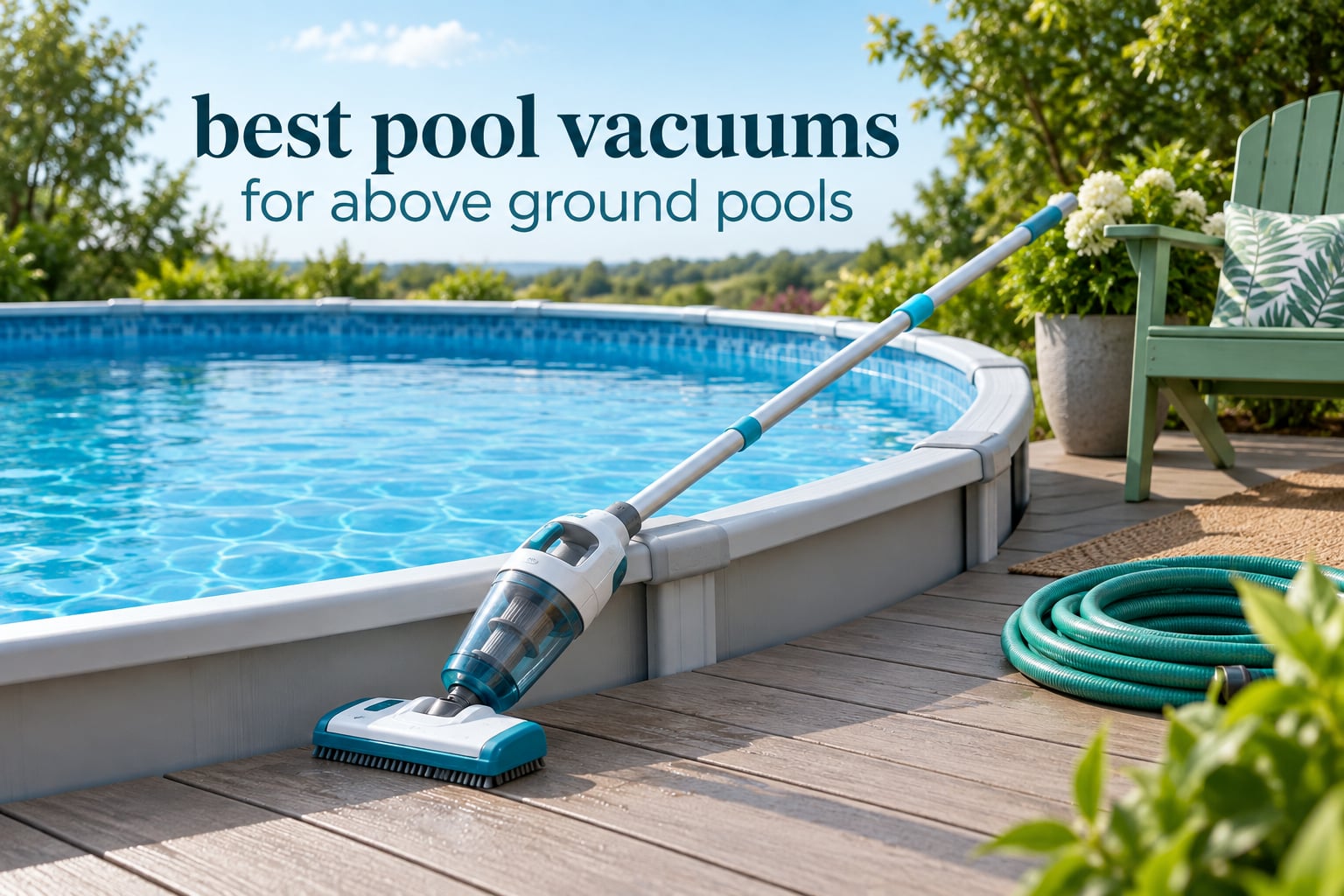
An above ground pool vacuum earns its keep in the three weeks after a summer storm, not on a calm Sunday in July. Leaves and grit settle onto the vinyl floor, the filter works harder than it should, and the water starts to look tired long before anyone swims in it. A dedicated cleaner fixes that in a single afternoon.
We put together the ten best pool vacuums for above ground pools after living with the category for a full season across round and oval frames, soft-sided walls and steel-sided liners. Our 24-foot round pool was the main test bed, with a 16-foot soft-sided frame on the side for the inflatable-walled cases. If you are still choosing the pool itself, our above ground pool guide covers the frame types these cleaners have to cope with.
Here is the short version. The cordless handheld bucket wins for most households, because it needs no hose, no pump connection and no priming ritual. The manual hose-and-head bucket still makes sense as a cheap backup that borrows your existing pump. The cordless robotic bucket is the only truly hands-off option, and it earns its place on a flat pool floor with a shallow build.
Everything in this roundup works on an above ground pool. Nothing here needs a main drain, a booster pump or a return fitting you do not already have. The details below cover pool size, runtime, filtration and the two decisions that trip people up most often: how long the hose reaches, and what happens when the head floats to the surface mid-job.
Table of Contents
Top 3 Cordless Picks for Above Ground Pools

Intex 28620EP Rechargeable Handheld
- Cordless Ni-MH power
- 94 inch telescoping aluminum shaft
- Two interchangeable brush heads
- Up to 18 ft pools
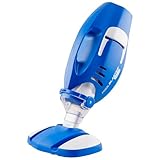
Pool Blaster Max Cordless
- Lithium-ion
- 60 minutes of runtime
- 10.5 inch Omni Pivot head
- 0.227 gallon reusable bag

BRINBO S2 Robot Pool Vacuum
- Cordless drop-in
- 90 minute runtime
- 861 sq ft coverage
- Dual-layer mesh and foam filter
Best Pool Vacuums for Above Ground Pools in 2026: At a Glance
All ten below clean an above ground pool without a permanent install. Key Features pull directly from the listing, so you can scan coverage and power source before you read a single review.
| Product | Specifications | Action |
|---|---|---|
| Intex 28620EP Cordless Handheld |
|
Check Latest Price |
| Pool Blaster Max Cordless |
|
Check Latest Price |
 Teguy V40 Cordless Pole Vacuum Teguy V40 Cordless Pole Vacuum |
|
Check Latest Price |
 Enhulk PC10 Cordless Pole Vacuum Enhulk PC10 Cordless Pole Vacuum |
|
Check Latest Price |
 Pool Blaster Centennial with Pole Pool Blaster Centennial with Pole |
|
Check Latest Price |
 POOLWHALE Hose and Weighted Head POOLWHALE Hose and Weighted Head |
|
Check Latest Price |
 Pool Blaster Leaf Vac Cordless Pool Blaster Leaf Vac Cordless |
|
Check Latest Price |
| BRINBO S2 Robot Pool Vacuum |
|
Check Latest Price |
 AIPER Seagull SE Robot AIPER Seagull SE Robot |
|
Check Latest Price |
 AIPER Scuba SE Robot AIPER Scuba SE Robot |
|
Check Latest Price |
How to Vacuum an Above Ground Pool the Right Way
Most pool vacuum problems are setup problems, not equipment problems. Owners on r/swimmingpools and r/pools repeat the same two complaints: no suction, and a head that floats to the surface halfway across. Both trace back to the same sequence of steps.
- Brush before you vacuum. Push debris off the floor and walls with a pool brush so the vacuum is lifting loose material rather than grinding settled grit into the liner.
- Empty the skimmer basket and rinse the filter cartridge first. A saturated filter cuts flow, and flow is the whole job.
- Seat the vacuum plate over the skimmer opening so the hose is fully enclosed. A plate that is half on and half off lets air in.
- Prime the hose with water before switching on the pump. Hold the free end under the surface until it stops burbling, then plug it into the skimmer inlet.
- Decide where the dirt goes. Vacuum to waste sends debris out through the return when your filter cannot hold it; backwash cycles it into the pool filter instead.
- Work in overlapping passes from the deep end toward the shallow end, moving slowly enough that the head stays on the floor.
- Empty the debris basket or canister mid-session rather than after. On a leaf-heavy weekend that means stopping two or three times.
- Rinse and dry the head, the filter and the hose before storing. Trapped moisture is what turns a filter bag into a permanent stain.
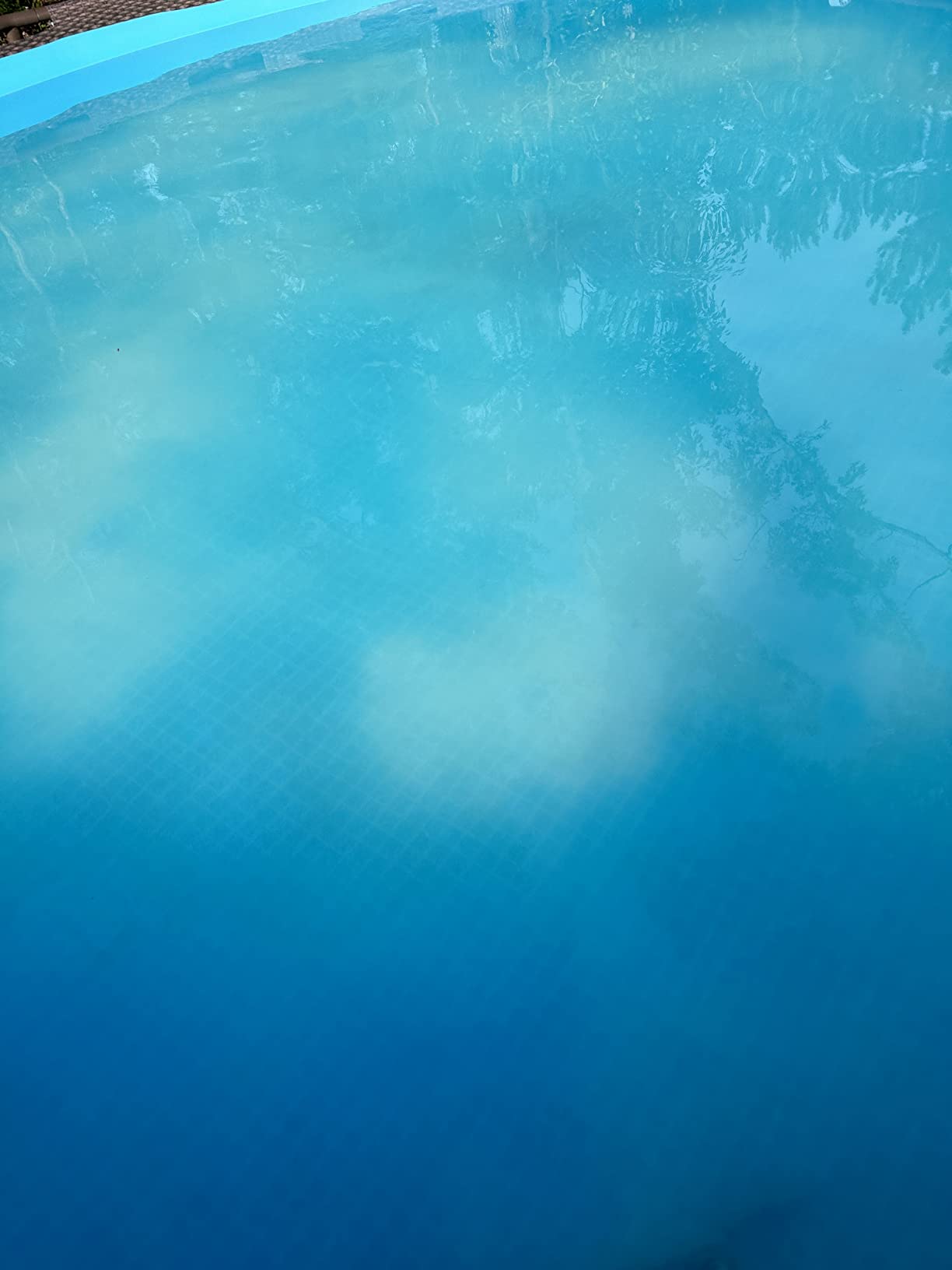
On where the dirt actually ends up: it has three possible destinations. Sand and grit usually stay in the pool filter cartridge, large leaf volume is best sent to waste so it never recirculates, and a robot carries its own load in its onboard basket until you pull it out. If you notice cloudy return jets mid-session, keep vacuuming anyway and backwash at the end.
1. Intex 28620EP Rechargeable Handheld Pool Vacuum – Best Overall Cordless Pick
- Strong suction for fine debris and sand
- Comes essentially assembled
- Two brush heads included
- IPX8 switch and auto shutoff
- Responsive replacement service
- Debris bag fills fast
- Cannot pick up whole leaves
- Recharge is slow
This is the one we kept reaching for. The Intex 28620EP is a cordless handheld with a 94-inch telescoping aluminum shaft, so it covers a good chunk of a 24-foot round pool from the deck without a hose dropping into the skimmer. It handles PureSpas and above ground pools up to 18 feet across, which matches the mid-size family pools most people actually own.
Owners consistently point to suction that is strong for fine material, sand and bugs, and to how little setup it takes. You charge it over USB, click it on and start pulling grit off the floor. There is no priming step and no pump to switch on, which is exactly why it works on a Saturday when you do not feel like running plumbing.

The limits are real. The small debris bag needs emptying two or three times per cleaning, and the narrow suction opening pushes whole leaves around rather than swallowing them. Runtime lands somewhere around 30 to 50 minutes depending on how hard you run it, and the recharge is not fast. Suction also fades quickly if you let the filter bag clog, so rinse it after every session.
Durability is the other open question. Some owners report a solid two seasons of service, others have had failures sooner. Treat it as a seasonal tool you dry thoroughly before it goes in the shed, and it will keep working well beyond the first summer.
When the Intex is the right call
Choose it when you want one tool that covers routine weekly cleaning on a pool up to 18 feet and you would rather not touch the pump at all. The telescoping shaft means one person can work the floor and the ladder area without getting wet.
When to skip the Intex
Skip it after a heavy leaf fall, when the narrow intake will leave you chasing debris all afternoon. It is also the wrong shape of tool for a 20-foot-plus pool, where the 94-inch shaft no longer reaches the far corners from the deck.
2. Pool Blaster Max Cordless Pool Vacuum – Best Premium Cordless Pick
- Powerful pickup with no hoses
- Large 10.5 inch head
- Reusable 0.227 gallon bag
- Works on soft-sided and steel-sided pools
- Light and easy to handle
- Four hour charge time
- Heavier than lighter handheld rivals
- Battery adds to the weight
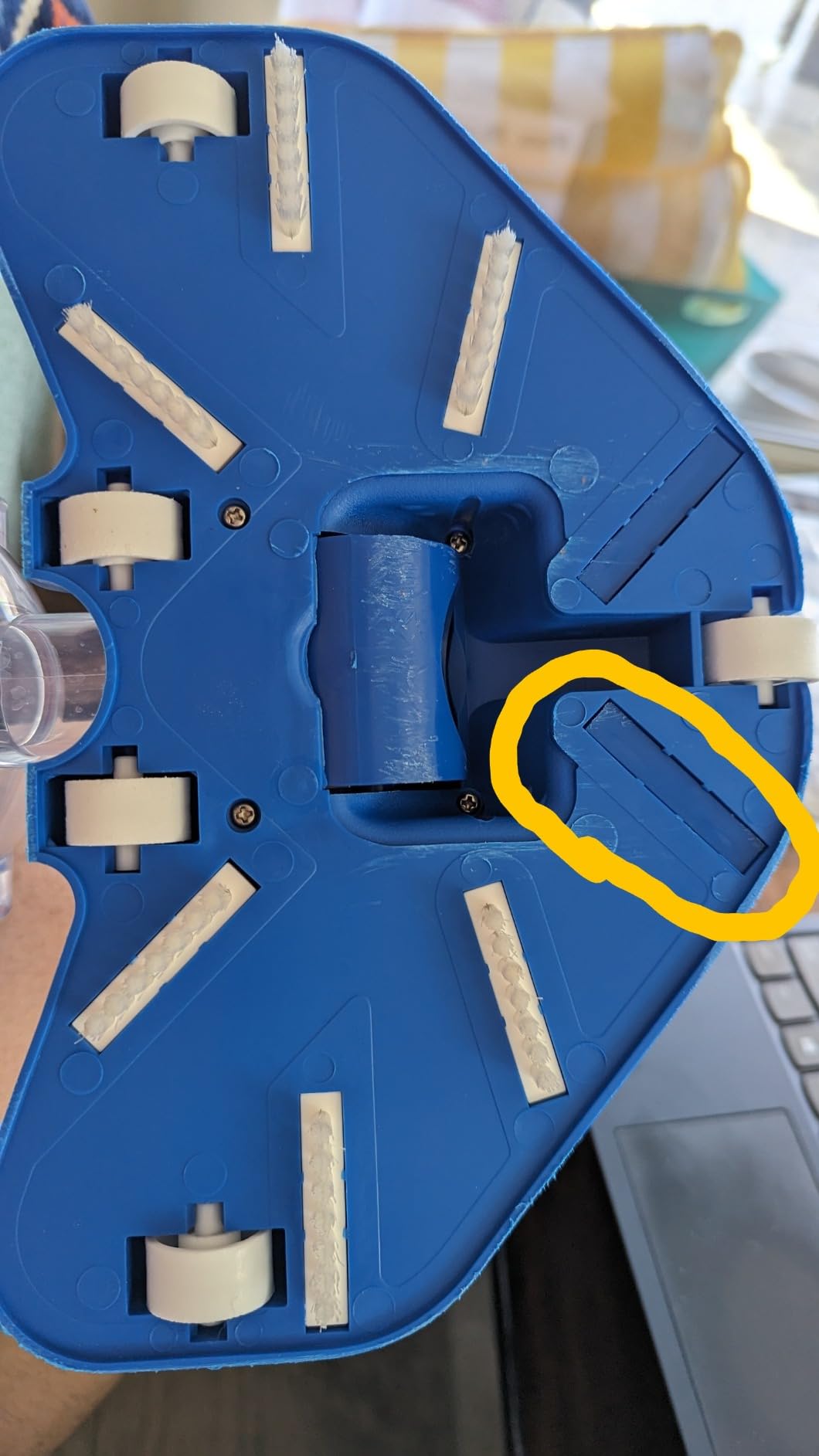
The Max is the most capable handheld here, and the reason is the head. At 10.5 inches across with an Omni Pivot joint, it sweeps a wide band and flexes down into steps, shelves and the tight corner where the ladder meets the wall, which is exactly where robots stall out.
It is built by Water Tech with UV-stabilized composites and stainless steel fasteners, and it is certified safe for underwater use down to 16 feet. Reviewers like that the 0.227-gallon reusable filter bag keeps debris out of the pool pump entirely, which means less backwashing and longer filter life on the main cartridge.

The compromises are weight and turnaround. The body runs 5.5 pounds, noticeably heavier than the plastic handhelds, and a full recharge takes four hours. That matters if you plan to clean twice in one day. Owners also place it more naturally as a supplemental cleaner for steps, shelves and spas than as a full-pool pass on a large frame.
For compatibility, the listing names inground, steel-sided and soft-sided above ground pools, so it suits inflatable-walled frames as readily as it does metal ones.
When the Pool Blaster Max earns its money
Pick it if your priority is a single tool that handles fine sediment, sand and algae spots, plus the steps and ladder area a robot leaves behind. The large head and strong suction reduce the number of passes across the floor.
When to skip the Max
Skip it if you want a full-pool cleaner on a big frame, or if a four hour wait between charges would wreck your cleaning rhythm. The lighter, faster-charging handhelds cover routine work for less money.
3. Teguy V40 Cordless Pool Vacuum with Telescopic Pole – Best Suction Power
- Highest flow rating in the group
- Fast 1.5 hour charging
- IPX8 waterproofing with auto shutoff
- Four reusable 500 mesh bags
- Three minute assembly
- Included pole is short and can slide
- Very large leaves still need a leaf catcher
- Must be rinsed and dried after use
The Teguy V40 is the highest-rated cordless handheld we reviewed, and the reason is straightforward throughput. Its 40W motor is rated at up to 18.5 gallons per minute, which is what lets it pull sand, grit and small pebbles off a flat vinyl floor rather than just skimming the surface film.
Five 2000mAh lithium-ion cells give about 60 minutes of runtime and a full recharge in roughly 1.5 hours, roughly twice as fast as typical rivals in this class. Owners note that one charge is enough to vacuum a family pool twice, which removes the mid-session charging anxiety that spoils other cordless plans.
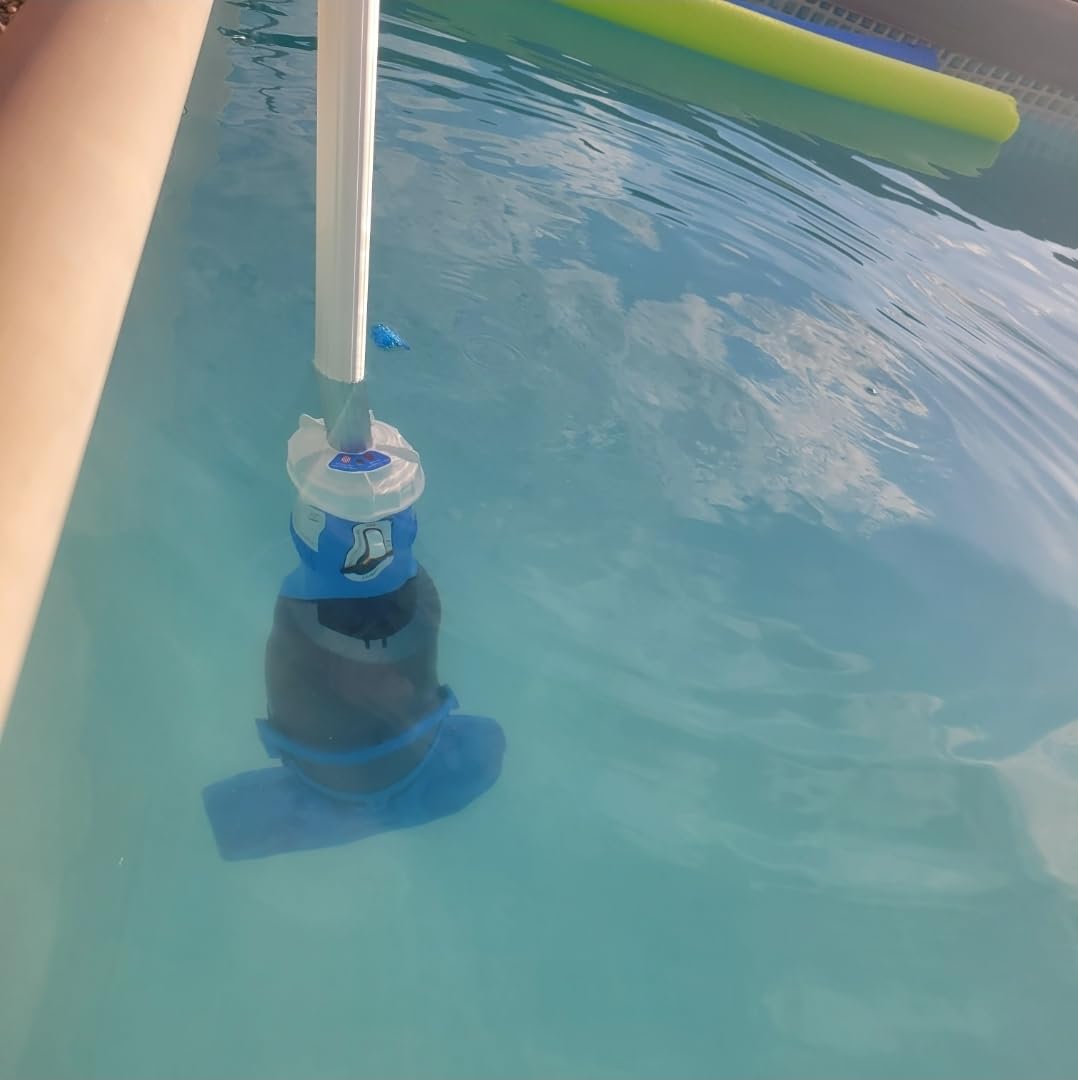
The included 7-foot pole is the weak point. Reviewers say it is a little short for deep ends and can slide down when you push hard against heavy debris, though the unit also fits any standard pool pole if you already own a longer one. Four reusable 500-mesh bags cover pollen and fine particles, and they need regular rinsing to hold suction.
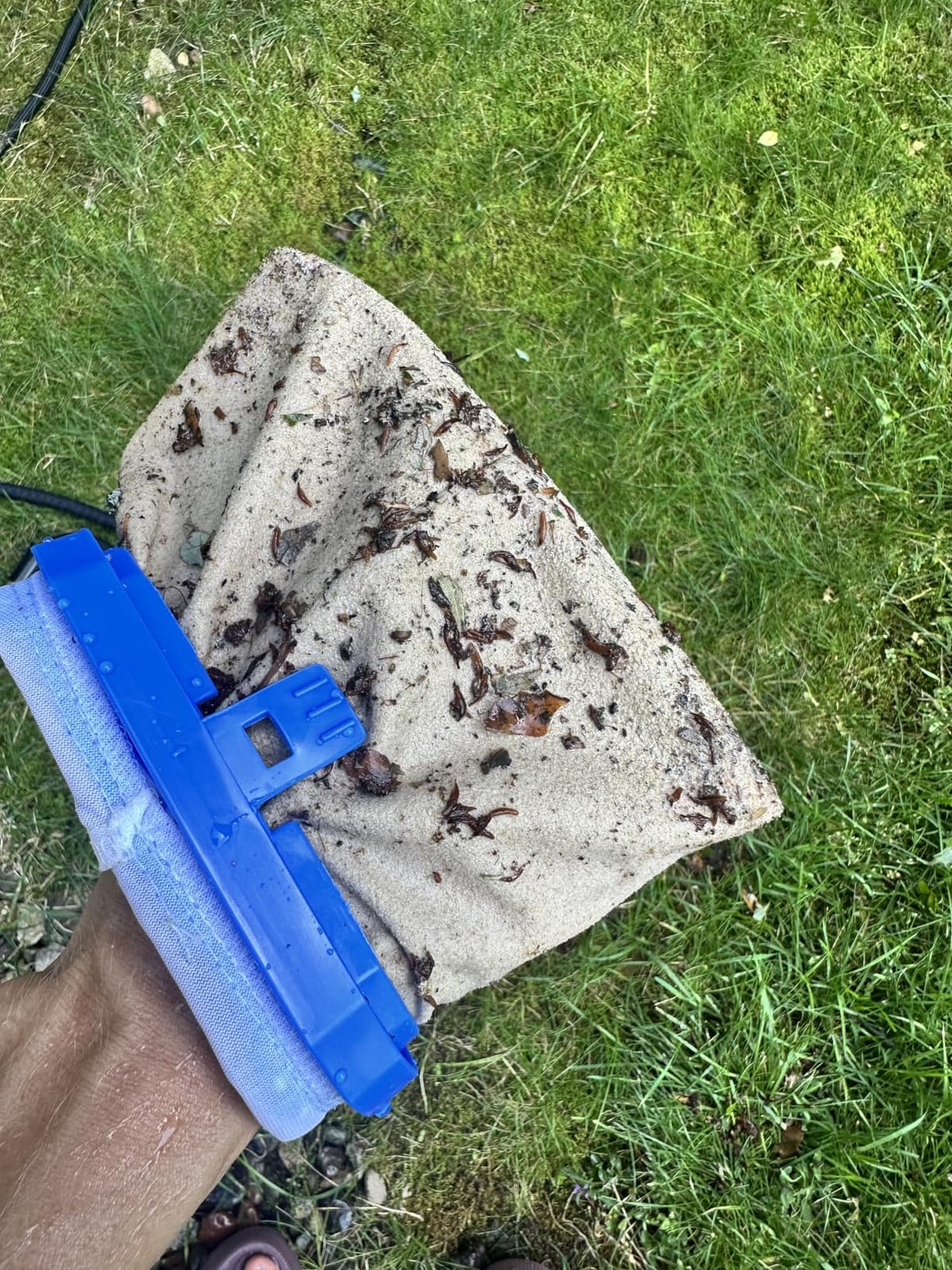
Smart protection is better than most: IPX8 waterproofing plus a one-minute idle auto shutoff when the unit is lifted out of the water. That single feature prevents the most common way cordless pool vacs get destroyed.
When the Teguy V40 is the right call
Choose it when sand and grit are your main complaint, or when you clean often enough that a fast recharge matters. The flow rating makes it the best handheld for pulling settled sediment rather than chasing surface debris.
When to skip the Teguy V40
Skip it for post-storm leaf duty, where a wide-mouth leaf catcher is a better shape, and skip it if you need a long pole and do not already own one. Plan on a short rinse and dry after every use to protect the electronics.
4. Enhulk PC10 Cordless Pool Vacuum with Telescopic Pole – Best Reach and Filter Choice
- Same 18.5 GPM flow as the top handhelds
- 1.5 hour recharge
- Hand grip plus 7.3 foot pole
- Four bags in two mesh sizes
- Two year warranty
- Heaviest handheld here at 6.4 pounds
- Longer assembly with more parts
- Filter bags need frequent rinsing
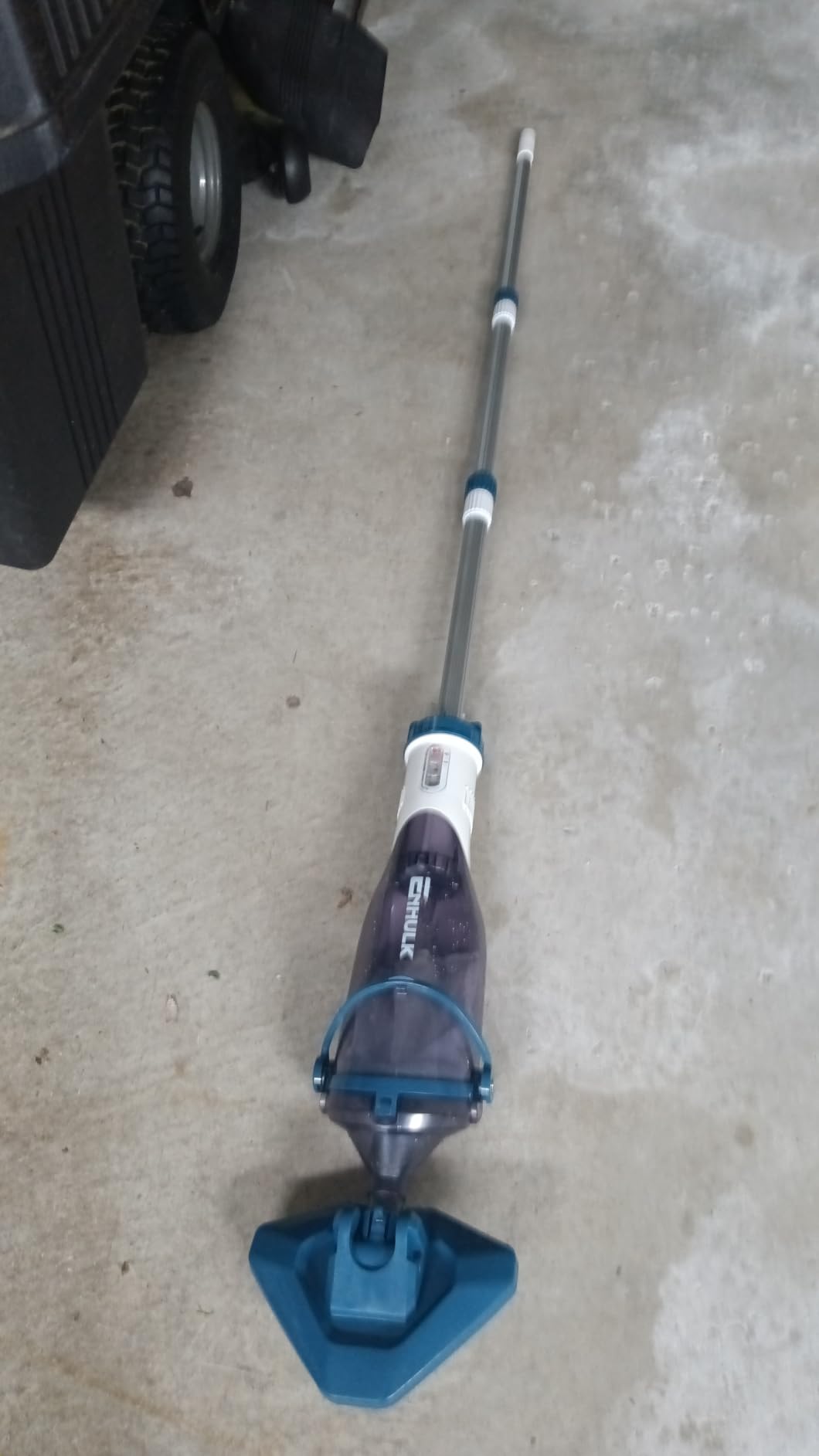
The Enhulk PC10 matches the Teguy on paper for suction, with a 20V 40W motor rated at up to 18.5 gallons per minute, then adds the feature the Teguy lacks: a removable short handle alongside the telescopic pole. That lets you start with the pole from the deck and switch to handheld for the ladder and corners without a new tool.
The pole extends from 3 to 7.3 feet, and the 1.5-liter capacity is the largest debris chamber on any handheld here. Four reusable filter bags ship in the box, two 180-mesh and two 500-mesh, so you can run coarse bags for leaf fragments and fine bags for silt without buying anything else.
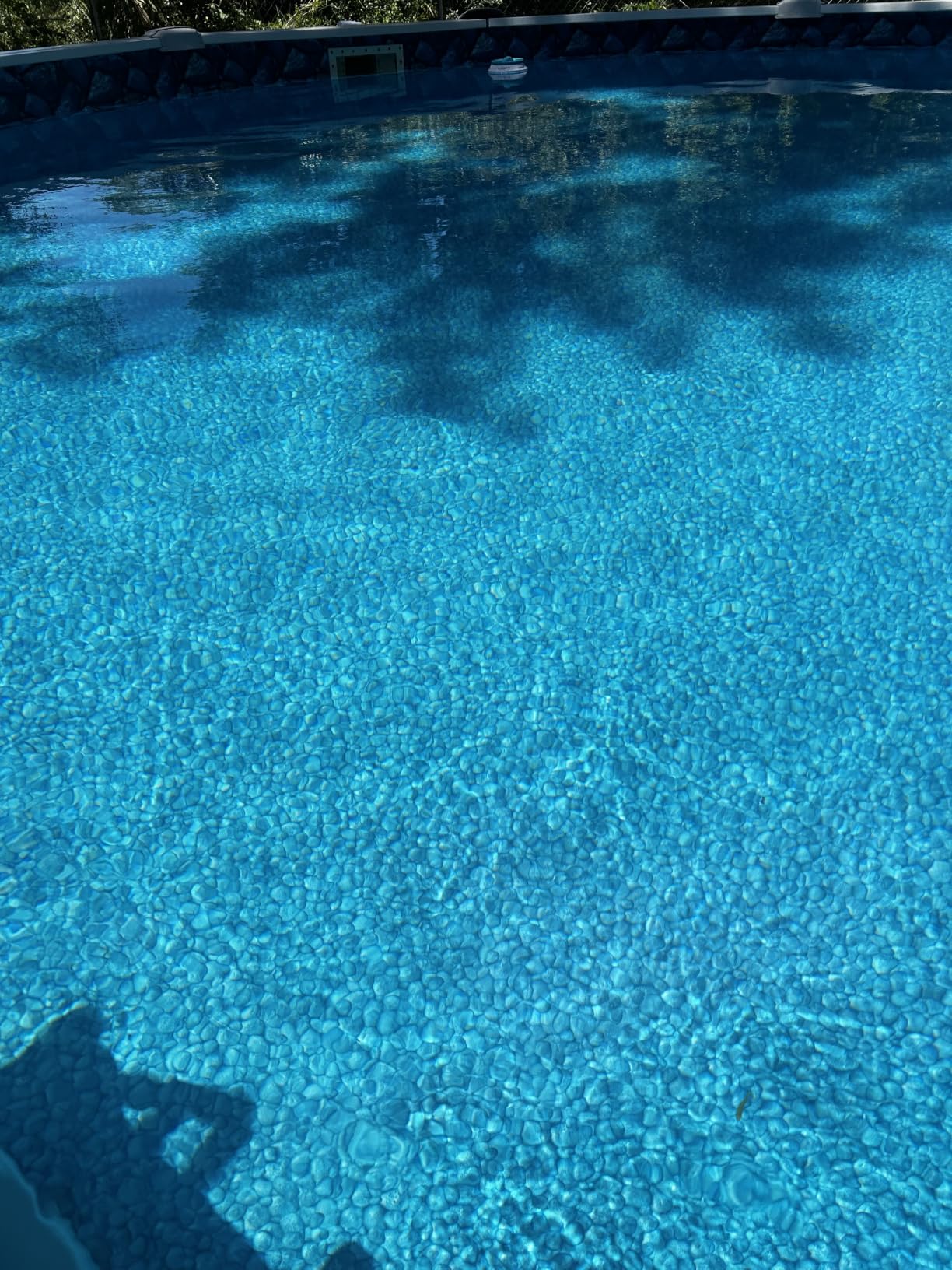
Owners like the fast turnaround: five 2000mAh cells recharge fully in about 1.5 hours and deliver up to 60 minutes of runtime, with a two-year warranty behind it. The trade-off is weight. At 6.4 pounds with the pole attached, it is the heaviest handheld in the roundup, and several reviewers single out the longer assembly with more pieces to put together.
Maintenance is not optional. Reviewers repeatedly stress rinsing the unit and drying it after every use, and rinsing the bags often enough that suction does not fall off mid-pool.
When the Enhulk PC10 is the right call
Pick it if you want one machine that switches between pole work and handheld detail, and if you like choosing filtration for the job. The two mesh grades and the large capacity suit a pool that gets a mix of sand and leaf litter.
When to skip the Enhulk PC10
Skip it if weight in the water is a problem for whoever is doing the cleaning, or if you want something that assembles in seconds. A lighter handheld is easier on the arms over a long session.
5. Pool Blaster Centennial with Pole Set – Best for Silt, Sand and Small Pools
- Large capacity means fewer stops
- Multilayer filtration traps fine silt
- Removable head exposes an angled tip
- 45 inch pole included
- Cleans a small pool in 15 to 20 minutes
- Debris canister can slip its base lip
- Buoyant and needs downward pressure
- Battery failures reported within a year
- Included pole can bend
The Centennial is the one we recommend for a 14 or 16-foot pool where you want to finish in a single sitting. Owners report cleaning a small above ground pool in about 15 to 20 minutes, helped by an XL debris chamber that lets you keep working instead of stopping to empty.
Filtration is the strength. The reusable Xtreme Multilayer bag captures fine silt and sand that a single-layer mesh would pass straight through, and owners say the water looks noticeably clearer afterward. The 10.5-inch head detaches to expose an angled tip for corners and steps, and a 45-inch pole set is included so you can reach further than arm’s length from inside the pool.
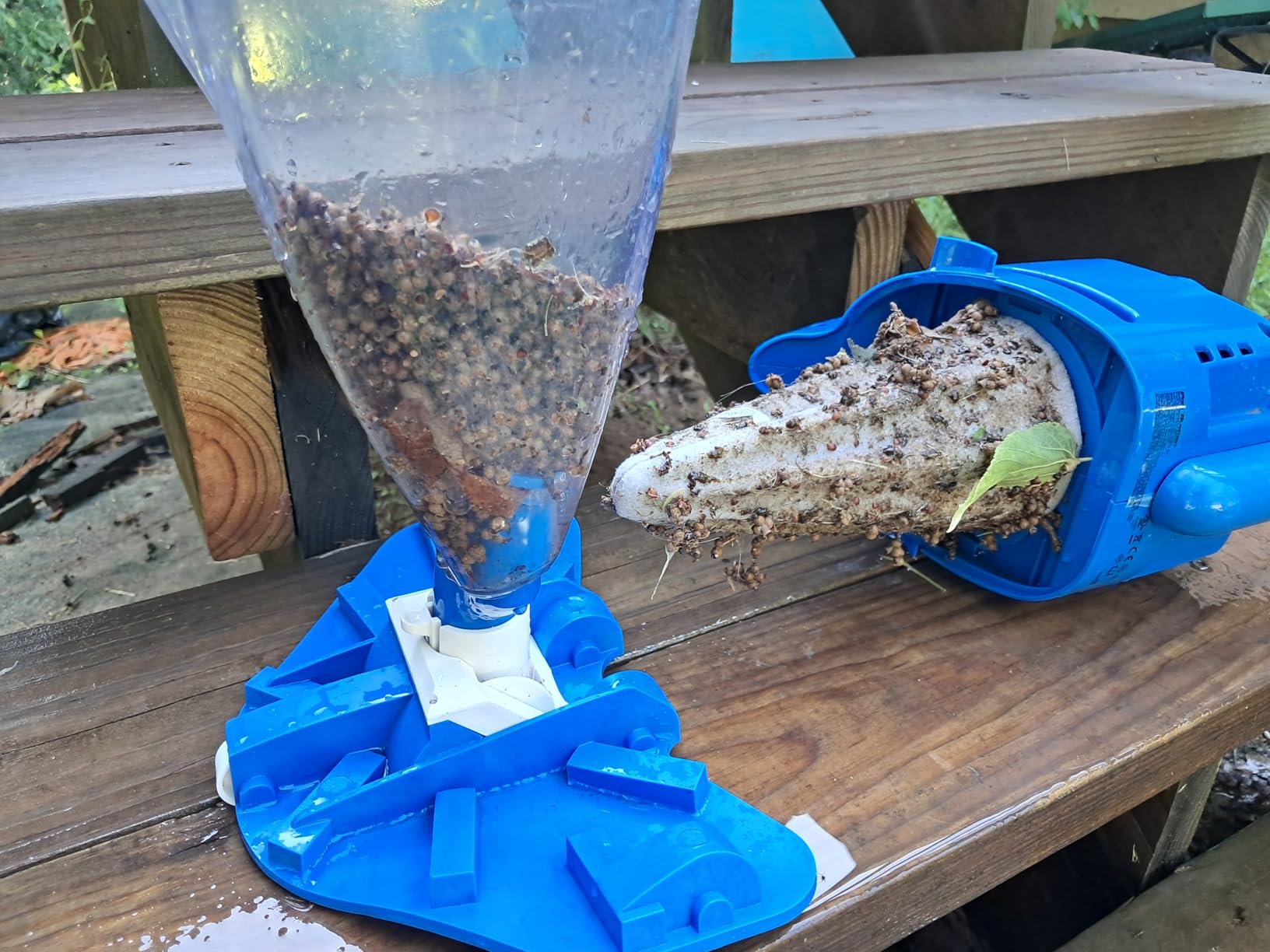
There is one mechanical flaw that dominates the reviews. The debris canister unseats from its base lip more often than it should and dumps collected water and dirt back into the pool, and the unit is buoyant enough that it needs steady downward pressure to stay on the floor. Retrieval is when the seal problem is most noticeable.
Battery longevity is the other source of complaints, with several owners reporting battery or unit failure anywhere from a few months to about a year. It also struggles with leaves larger than a couple of inches, which can clog the intake.
When the Centennial is the right call
Choose it for fine sediment work on a smaller pool, or as a shop-vac style tool for the deep end and the sand that collects where the ladder sits. The layered filtration is genuinely better than most competing bags.
When to skip the Centennial
Skip it if you dislike hauling a machine that wants to float, or if you plan to store it across a full winter. The reported battery failures make it a riskier bet for owners who want one tool to last many seasons.
6. POOLWHALE 1.5 Inch by 24 Foot Hose with Weighted Vacuum Head – Best Manual Value
- No battery and no charging
- Runs on your existing pump or skimmer
- Weighted head sinks and holds the floor
- Swivel cuffs resist kinking
- Soft molding protects the liner
- Hose must be fully primed first
- Telescopic pole not included
- Cannot be used with robotic cleaners
This is the traditional answer: a weighted head and a hose that borrows suction from the pump you already own. Owners value it as a budget manual backup that never needs charging and never dies on you because a battery aged out.
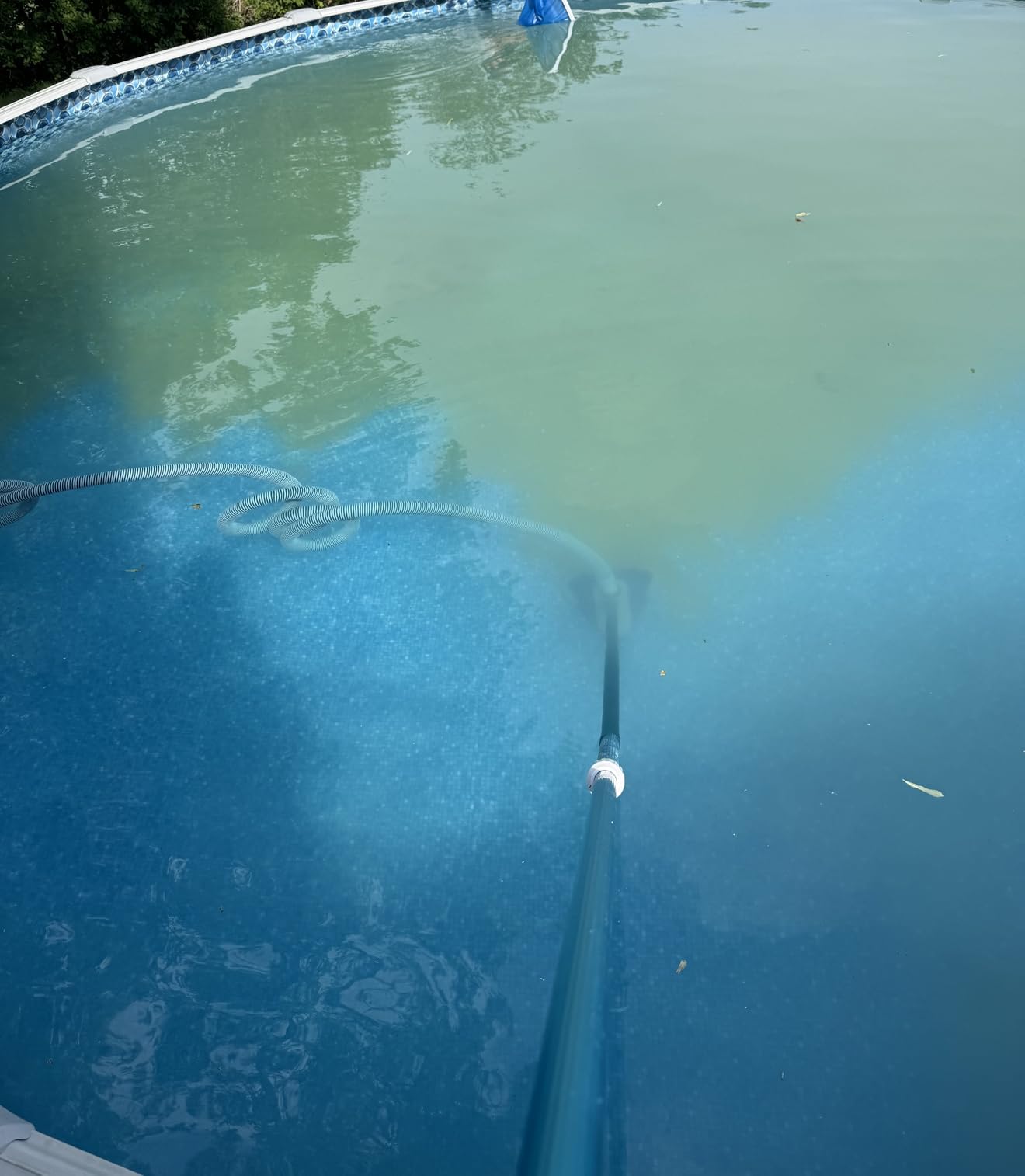
The 1.5-inch by 24-foot flexible hose has a swivel cuff at each end, which resists the kinking that starves a hose of flow, and it connects straight to the skimmer or pump inlet. The see-thru triangular head is weighted so it sinks and stays on the bottom, and it maneuvers into corners and along the wall without constant prodding.
The soft elastic molding of the head is a genuine advantage on a vinyl liner. It flexes against the wall instead of grinding a hard plastic rim into the seam, and that is a real consideration on a soft-sided frame where the wall flexes with every step.
Two constraints come with the design. The hose must be fully primed with water before you get proper suction, which is the step beginners skip. And it is not compatible with automatic or robotic cleaners, so it is a manual tool only. A telescopic pole is not included, though it attaches to any standard one.
When the POOLWHALE kit is the right call
Choose it as a second tool alongside a cordless handheld, or as your only cleaner if your pool is small and you are comfortable with a hose. It costs nothing to maintain, needs no pump upgrade, and stores flat in a shed.
When to skip the POOLWHALE kit
Skip it if you want hands-free cleaning or if priming a hose feels like one step too many. It is also the wrong tool for an oval pool deep enough that 24 feet will not reach the far end, though longer versions exist in the same line.
7. Pool Blaster Leaf Vac Cordless – Best for Post-Storm Leaves
- Wide spiral intake clears leaves in one pass
- High capacity mesh bag
- No hoses and no water added to the pool
- Light enough to use by hand
- Handles pool bottom or surface
- Battery compartment can corrode
- Cannot lift acorns and heavy debris
- Large stemmed leaves can jam
- Suction fades as batteries age
After a storm, leaf volume decides the tool. Cordless robots and narrow-intake handhelds both struggle with a heavy load, while the Leaf Vac is shaped for exactly this job. Owners with larger pools report finishing a big leaf cleanup in about half an hour.
The wide mouth and spiral intake pull in leaves, seeds and twigs in a single pass, and the extra-large all-purpose mesh bag holds a lot before you stop. It weighs under 3 pounds, runs by hand or on any standard telescopic pole, and it adds no water to the pool, so your pH and chemistry stay where you left them.
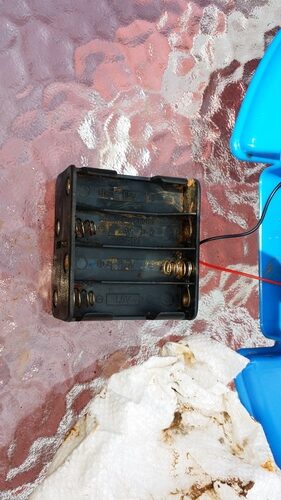
The one flaw owners keep returning to is the sealed battery compartment. Eight AA batteries sit inside a housing that can corrode within one or two seasons unless you remove the pack and dry it after every single use. That habit is the difference between a tool that lasts and a tool that stops.
Suction limits are the second issue. It will not lift acorns and acorn caps, large stemmed leaves can jam on the internal plastic stabilizers, and suction slows noticeably as the fan and batteries age.
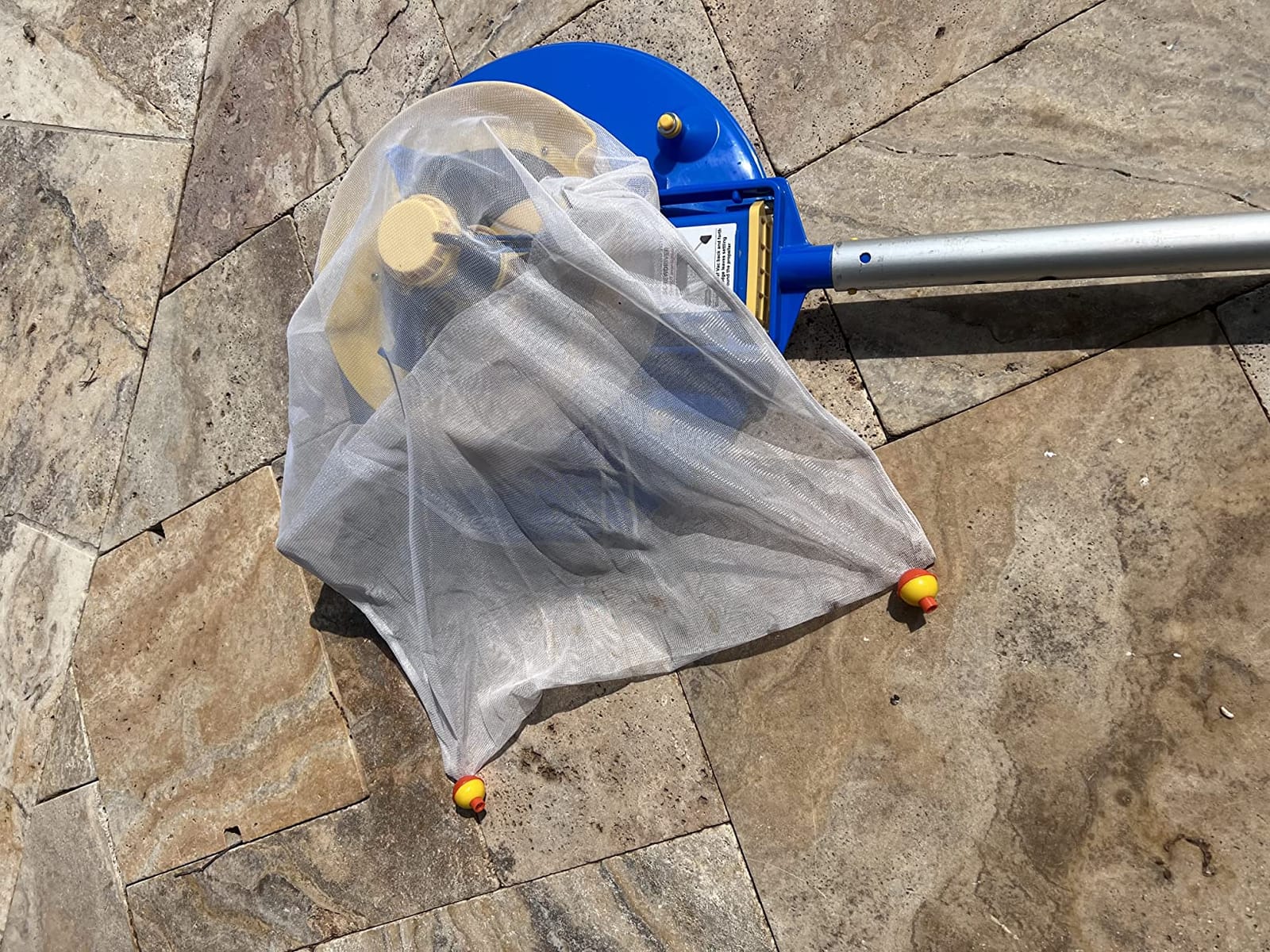
When the Leaf Vac is the right call
Buy it if autumn leaves or a spring storm dump more debris than you want a robot to chase. It also works well for surface skimming, so one tool covers both the surface film and the bottom litter.
When to skip the Leaf Vac
Skip it for sand and fine silt, where a fine-mesh vacuum wins, and skip it if you will not pull the batteries out after each session. For owners who want a very low-maintenance tool, the corrosion risk is real.
8. BRINBO S2 Cordless Robot Pool Vacuum – Best Hands-Off Cleaning
- Top rating in the roundup
- Dual-layer filtration catches leaves and fine dirt
- Drop-in design needs no setup
- Self-parking at the pool edge
- Filter rinses and reassembles quickly
- Floor cleaning only
- Sand clogs the filter fast
- Can snag in corners
- Charge time can exceed three hours
This is the robot we would put in a pool and walk away from. It is the highest-rated product we reviewed, and owners repeatedly frame it as the value pick of the robotic category, with several noting it performs on par with a competing robot that cost multiples more.
Dual-layer filtration is the differentiator. A 180-micron mesh screen sits over a 40 PPI foam sponge, so the unit traps both leaf fragments and fine sediment in one pass instead of spitting the fine stuff back out. One long-term owner reported the battery still performing after 90-plus days of daily use, which is a good sign for season-long reliability.
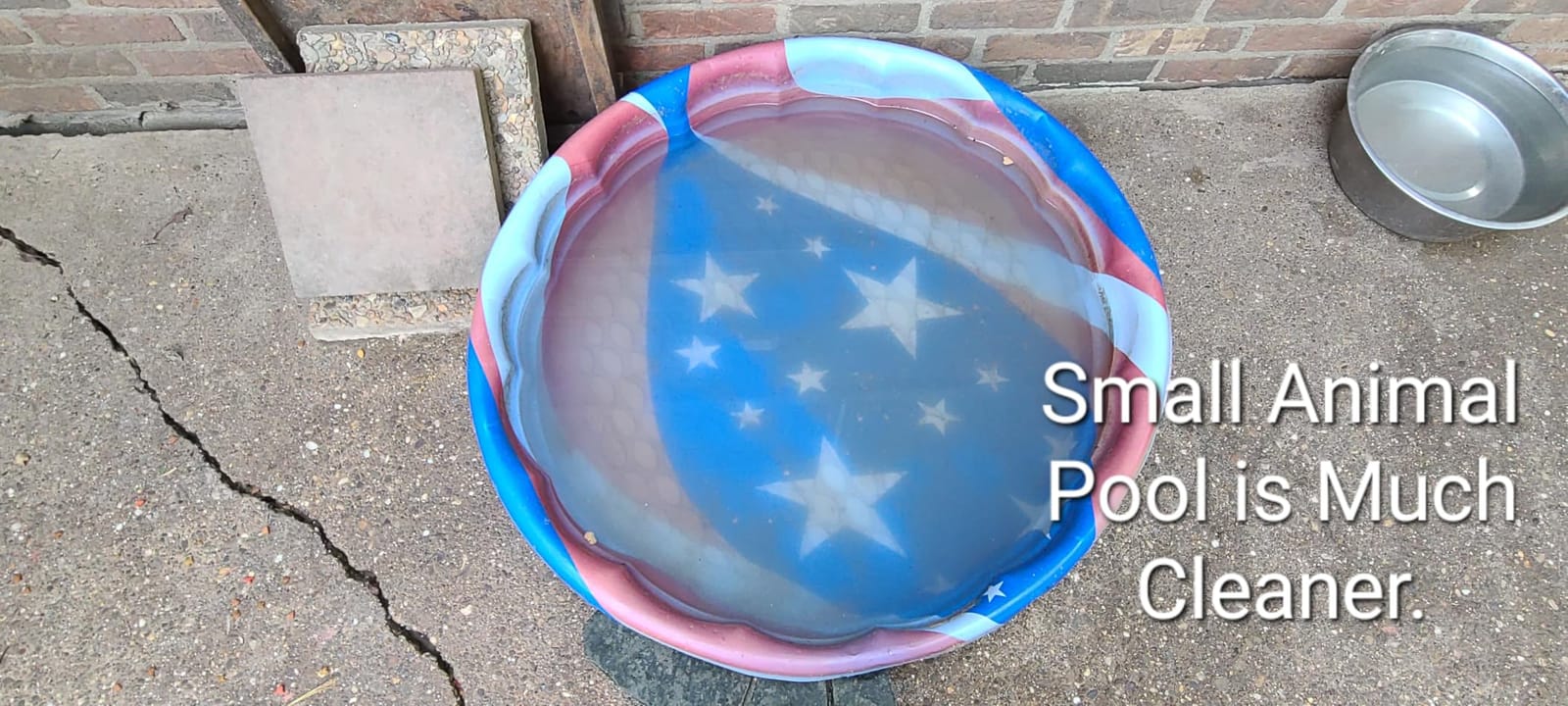
Set expectations on coverage. It is a floor cleaner only, so walls, steps and the waterline are not touched, and it is designed for above ground and flat-bottom pools rather than anything with a bottom main drain. Sand clogs the filter quickly enough that you may empty it and re-drop the robot in the same session.
Navigation is basic. It can snag in corners or on slopes and needs a manual nudge, self-parking is inconsistent enough that it sometimes ends up mid-pool, and the charging port design frustrates owners who would prefer USB-C. Charge time can run past three hours.
When the BRINBO S2 is the right call
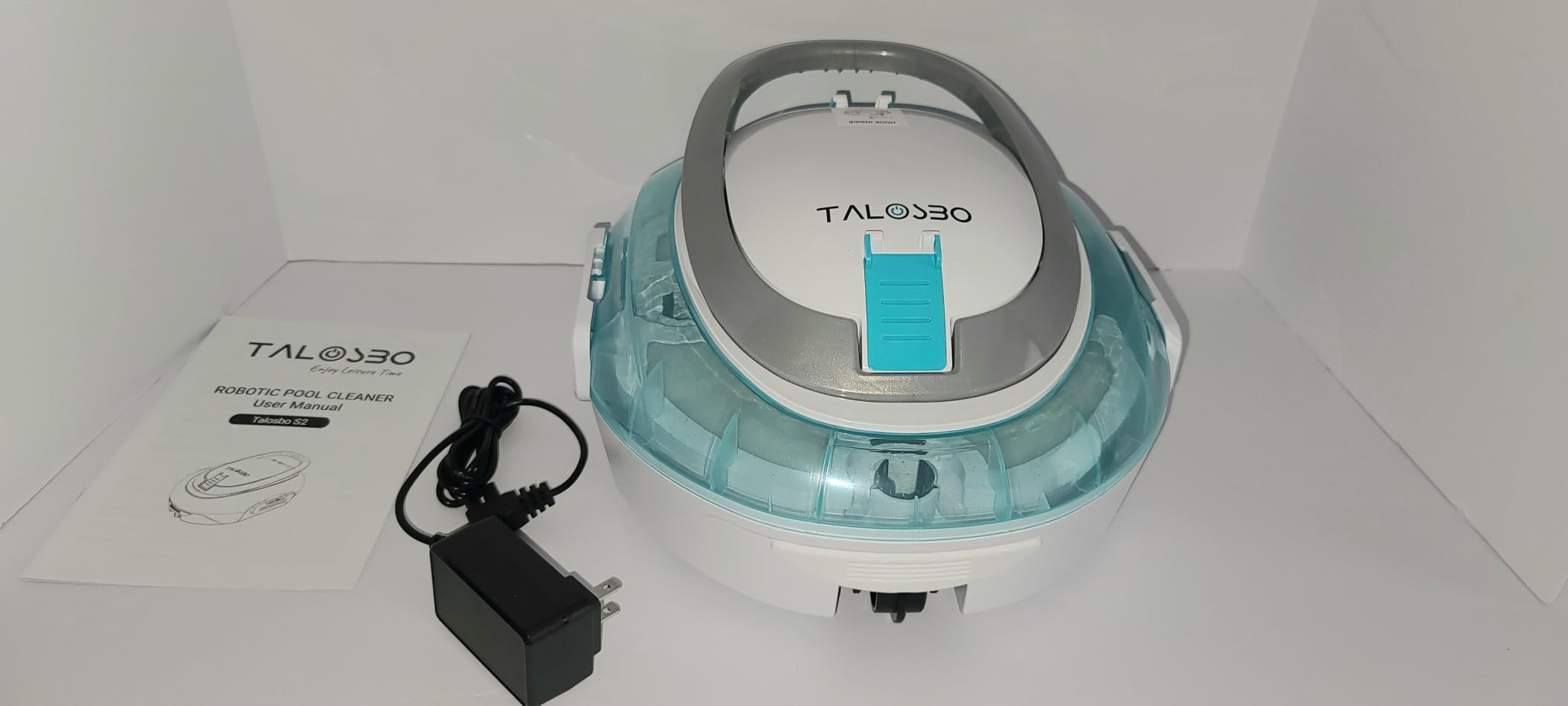
Choose it when you have a flat above ground pool and you want floor coverage without holding anything. The dual-layer filter and the light frame make routine daily passes realistic, and the included hook makes retrieval easy.
When to skip the BRINBO S2
Skip it if you have steps, a deep end or a sloped floor, or if heavy sand is a constant problem in your pool. You will still want a handheld for the ladder area no matter what.
9. AIPER Seagull SE Cordless Robot – Best Budget Robot
- Longest robot runtime here at 100 minutes
- Self-parking drives to the wall for retrieval
- Almost no assembly required
- Filter tray pops open and rinses fast
- Light enough to lift out one handed
- Floor cleaning only
- Random navigation with no mapping
- Struggles with large oak leaves and heavy sand
- Filter lid tabs can snap off
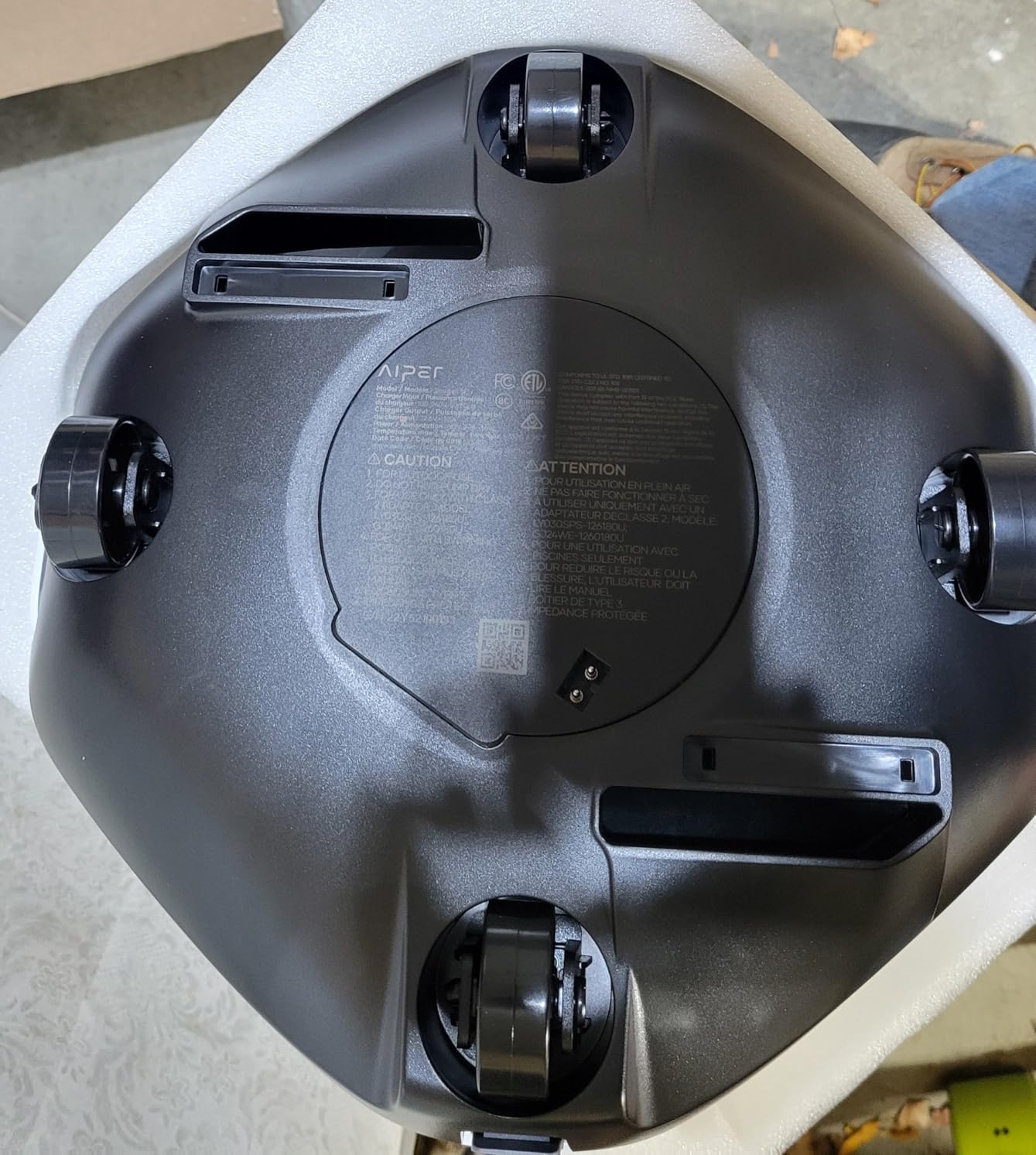
The Seagull SE is the entry point into cordless robots, and it does two things better than most of the category: it runs for up to 100 minutes, and it parks itself at the wall. That self-parking behavior is what separates a robot you can live with from one you end up fishing out of the deep end with a net.
Otherwise the setup is refreshingly simple. You charge it, drop it in and press one button. The 1320 GPH suction and dual motors handle sand and heavy debris on a flat floor, and the filter tray pops open and rinses in seconds, which is what makes a weekly habit realistic.
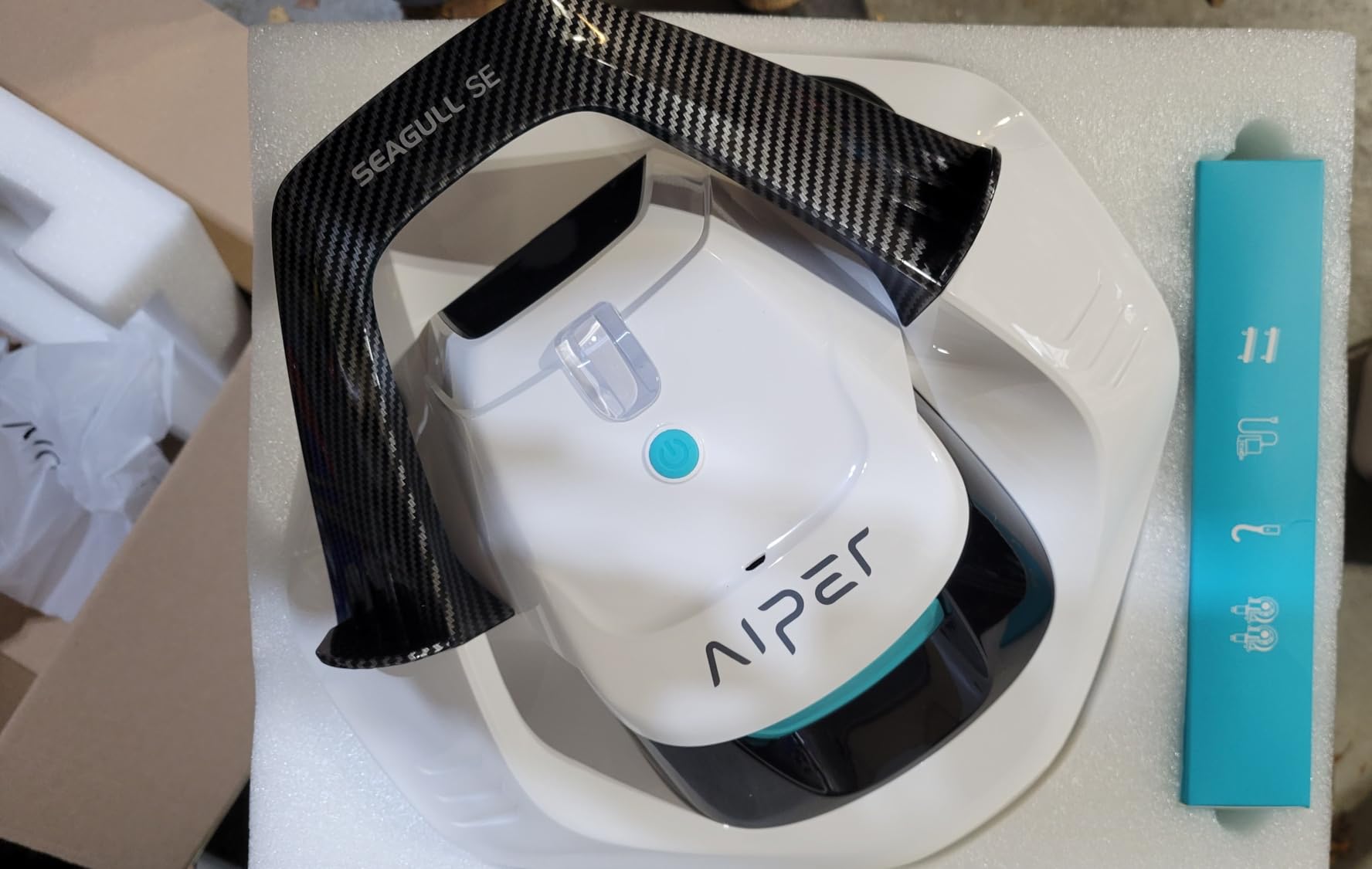
Reviewers are candid that this is the most basic tier of cleaner. Navigation is blind and random, with no mapping, no sensors and no suction-based propulsion, so coverage on a larger floor is uneven. It does not climb walls or touch steps, and it is not built for steep slopes or deep ends.
One recurring one-star complaint is mechanical: the locking tabs on the filter lid can snap off and leave the unit unable to close. Wrinkled liners can also trap the robot, which matters on soft-sided frames that settle over a season.
When the Seagull SE is the right call
Pick it when you want to try a robot on a flat pool up to 860 square feet and self-parking is your top priority. The long runtime means one charge can finish a full clean with time to spare.
When to skip the Seagull SE
Skip it if you have a wrinkled soft-sided liner, a deep end, or a lot of oak leaves. The higher-rated BRINBO S2 is the smarter buy when your budget allows it.
10. AIPER Scuba SE Cordless Robot – Best Suction for Big Flat Pools
2026 Aiper Scuba SE Cordless Pool Vacuum Robot for Above Ground Pool
- Highest suction rating among robots
- Two cleaning modes on one button press
- Auto-parks at the edge with an audio alert
- Light and compact
- Single-click cordless start
- Random navigation means uneven coverage
- Floor only with no wall or step cleaning
- Filter cleaning means lifting the top lid
- Weak on large twigs and heavy sand
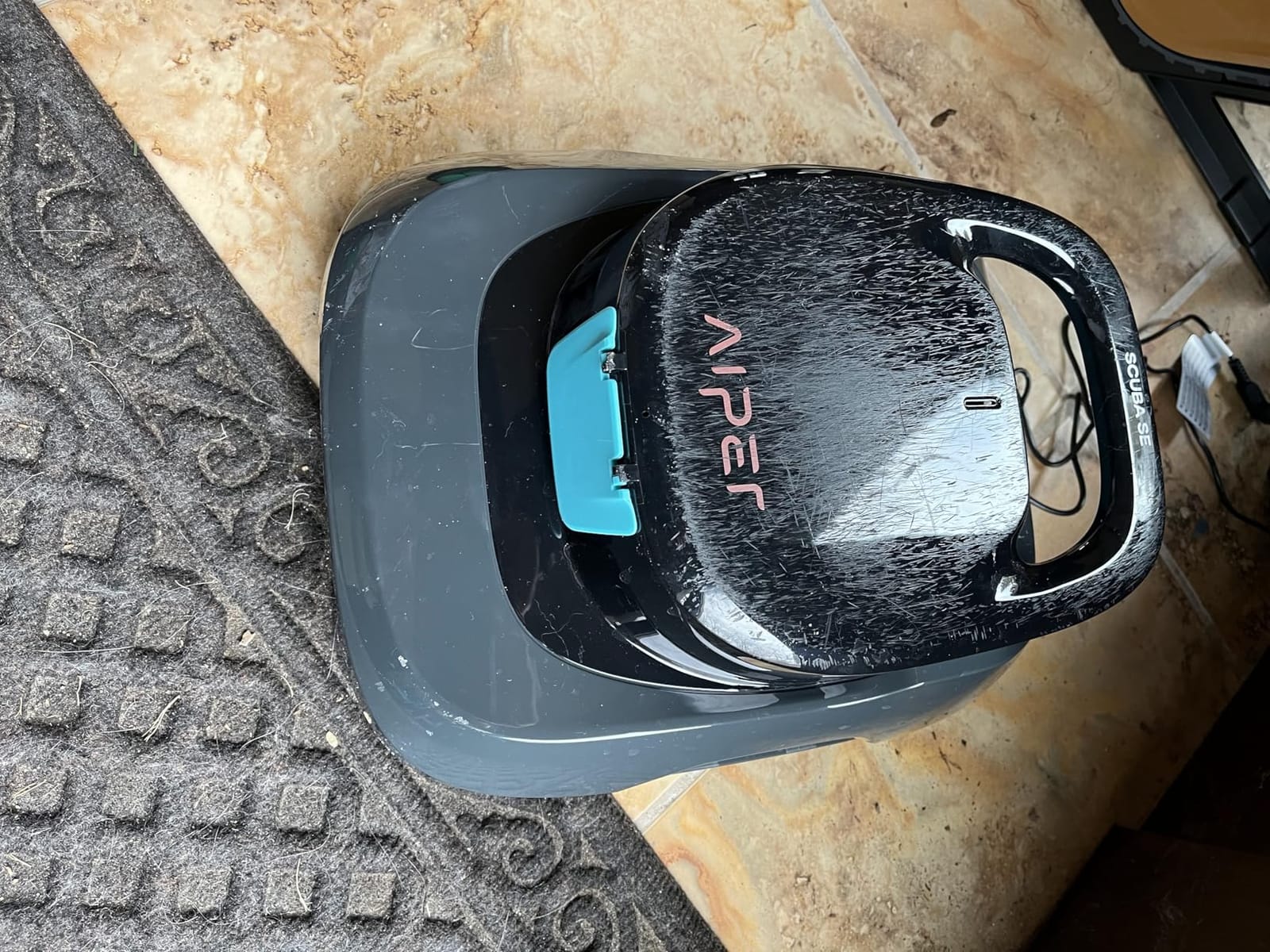
The Scuba SE brings more suction than any other robot here, with 1820 GPH against 1320 GPH on the Seagull SE. On a flat vinyl floor loaded with fine sediment, that difference shows up as a cleaner pass with fewer leftovers.
Dual cleaning modes are the feature owners mention most. A short button press switches between a daily setting and a deep clean, so you can run short passes on busy weekends and a full cycle after a storm. Smart auto-parking moves it to the pool edge on a low battery with an audio alert, and the 90-minute runtime covers pools up to 860 square feet.
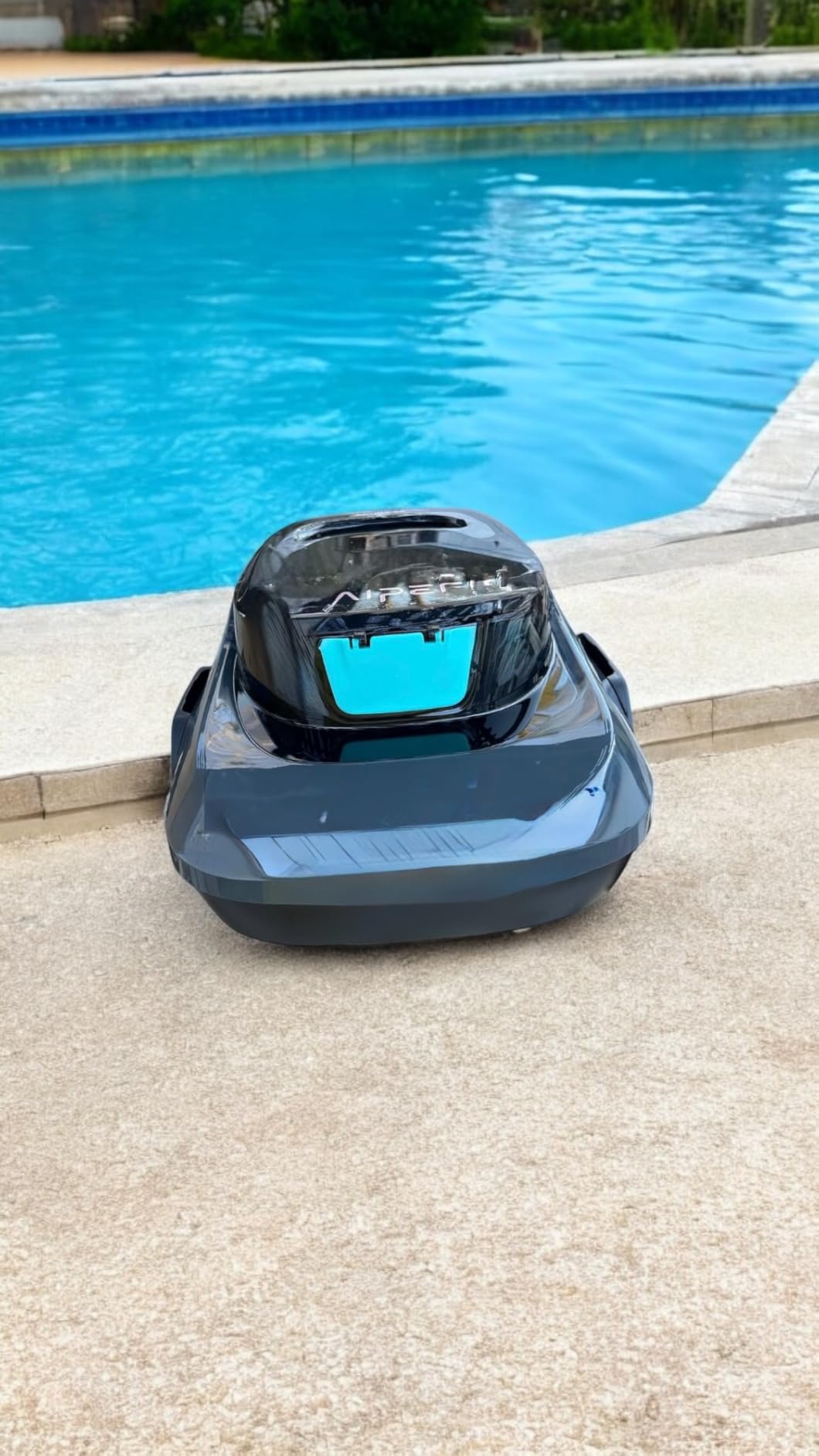
It shares the basic-tier limits of the robotic category. Navigation is random rather than mapped, so coverage on a larger floor is uneven, and it cleans the floor only, with no wall climbing, no steps and no waterline work. Filtering means removing the top lid and rinsing a flat wide mesh screen, which is more hands-on than a pop-out tray.
On heavy material, it is at its weakest. Larger twigs and heavy sand defeat it more often than fine particles do, which is the opposite trade from the suction rating alone would suggest.
When the Scuba SE is the right call
Choose it when a large flat above ground floor is your main cleaning problem and you want the strongest suction in the robotic bucket. The two modes let you match effort to how dirty the pool actually is.
When to skip the Scuba SE
Skip it if the pool has a lot of branches or heavy sand, or if you need reliable wall and step coverage. Pair it with a handheld in that case, because no floor-only robot will finish the job alone.
What Type of Vacuum Is Best for an Above Ground Pool?
The right type depends on two things: how dirty the pool gets, and how much effort you want to put in. There are three buckets that matter, and a fourth that simply does not work on an above ground frame.
Manual hose and weighted head
Best for small pools, backup duty and owners who already own a telescoping pole. It borrows suction from your pump through the skimmer, costs almost nothing to run, and never needs charging. The trade is your time and the priming step, plus the risk of air getting into the hose.
Cordless handheld with a pole
Best for routine weekly cleaning, spot work around the ladder, and any pool from about 8 feet to 24 feet. This is the bucket we recommend to most households. No plumbing, no priming, no pump running while you clean. The variables to compare are flow rate in gallons per minute, runtime per charge, and whether the pole is long enough for your deepest point.
Cordless robotic
Best for flat floors and owners who want zero hands-on time. Every robot in this roundup is designed for above ground and flat-bottom pools, and none of them are built for a bottom main drain. Expect floor coverage only, random navigation, and a battery that gives you 90 to 100 minutes per cycle.
Pressure-side cleaners do not apply here
Pressure-side cleaners push water through a return fitting and rely on the pool’s existing filter to catch the dirt. Above ground pools rarely have a dedicated return-side port for that purpose, so the category simply does not carry over. Look for suction-side and cordless designs instead.
Match the vacuum to the pool size
For 8 to 12 foot kiddie and inflatable pools, a small handheld with a short handle is enough. If the frame is a dog splash pool or a wading pool, our kiddie pool roundup and dog swimming pool picks cover the small-frame side. For 14 to 16 foot pools, any of the pole handhelds will finish in under half an hour. For 18 to 20 foot pools, prioritize runtime of 60 minutes and a pole of at least 7 feet. For 24-foot round and oval pools, hose length matters more than suction, and we have seen owners on r/swimmingpools solve it by reusing the telescoping pole from a skimmer net to reach the center with ease.
Soft-sided pools and liner safety
Soft-sided and inflatable frames flex when you lean on them, and robotic wheels can scuff the liner seams over time. If your pool is soft-sided, favor a vacuum with a weighted head and soft elastic molding, and pick a robot only if the liner is taut and wrinkle-free. A wrinkled liner can also trap a robot in a fold.
One vacuum is rarely enough
The most common setup we heard from owners is two tools. A robot or wide-mouth machine covers the floor, and a handheld cordless handles the ladder, steps and corners that no floor cleaner reaches. If you can only buy one, buy the cordless handheld; it covers more situations than any single robot in this roundup.
Why a Pool Vacuum Keeps Floating and How to Fix It
A vacuum head that pops to the surface mid-clean is the most repeated complaint in pool forums, and the fix is almost always one of five things.
- Air is in the hose. Re-prime it with the pump off by holding the hose end under water until the air bubbles stop, then restart the pump.
- The vacuum plate is not fully seated. It has to sit completely over the skimmer opening with the hose fully enclosed, or air sneaks in around the edge.
- The water level is too low. There must be enough water above the skimmer inlet to prime the hose. If your pool sits below the skimmer, suction-side options will not work at all.
- The vacuum plug is missing. A weighted plug in the unused skimmer port stops air from entering and keeps the head down. It is a small part and it solves a lot of frustration.
- The head is too light for the job. A head rated for an 8-foot pool will not hold the bottom of a 24-foot pool. Match the weight to the pool.
If your return jets look dirty right after you vacuum, that is usually normal on the first pass while a clogged cartridge catches up. Rinse the cartridge, backwash, and vacuum again. Persistent cloudiness after that points to a filter or pump service issue rather than a vacuum problem.
Frequently Asked Questions
What type of vacuum is best for an above ground pool?
Three types work well. A cordless handheld with a telescoping pole is the best all-around choice for most households because it needs no hose and no pump connection. A manual weighted head with a hose is cheapest and borrows your existing pump. A cordless robotic cleaner is the only hands-off option and works on flat pool floors only. Pressure-side cleaners do not suit above ground pools.
How do I vacuum out my above ground pool?
Brush debris off the floor first, empty the skimmer basket and rinse the filter, seat the vacuum plate fully over the skimmer, then prime the hose by holding its end underwater until the air stops. Turn on the pump, work in slow overlapping passes from the deep end, empty the basket mid-session, and finally empty the hose back into the pool and rinse and dry everything.
What is the best cleaner for an above ground pool?
For most families, the Intex 28620EP cordless handheld is the best cleaner because it covers a pool up to 18 feet, reaches with a 94 inch shaft and needs no setup. For a large 24 foot pool with heavy leaves, add a wide-mouth leaf vacuum, since no single tool handles sand, grit and leaf volume equally well.
Where does the dirt go when vacuuming a pool?
It has three destinations. A manual or suction-side vacuum sends debris into your pool filter cartridge, though very fine silt can pass through. Vacuum to waste sends it out through the return when the filter cannot hold it, which is the best choice during heavy leaf cleanup. A robot carries debris in its own onboard basket until you remove and empty it.
My pool vacuum keeps coming out of the water. What can I do to fix this?
Re-prime the hose to remove trapped air, make sure the vacuum plate is fully seated over the skimmer opening, and check that the water level is high enough to prime suction above the skimmer inlet. Add a weighted vacuum plug to any unused skimmer port, and confirm the head is weighted for your pool size. A head too light for a large pool will surface no matter what else you adjust.
How do I drain the pool water below the skimmer?
You need a water-to-waste valve or a siphon method, and in most cases that means lowering the water with a garden hose or a pool siphon until the level sits below the skimmer inlet. Below that point, a suction-side vacuum can no longer prime and will not work, so finish vacuuming before you drop the level.
The Best Above Ground Pool Vacuum for Your Pool in 2026
The Intex 28620EP is our best pool vacuum for above ground pools in 2026 because it covers the most situations with the least fuss: cordless, no priming, and a 94-inch shaft that reaches most of a mid-size frame. The Pool Blaster Max takes over when sand, algae spots and steps are the priority, and the BRINBO S2 is the pick if you would rather set a robot going and walk away.
Match the tool to the mess, not to the marketing. Sand and grit reward high flow and fine filtration, leaf volume rewards a wide mouth, and hands-free time rewards a robot on a flat floor. Most households end up running two, and that is the right answer.