
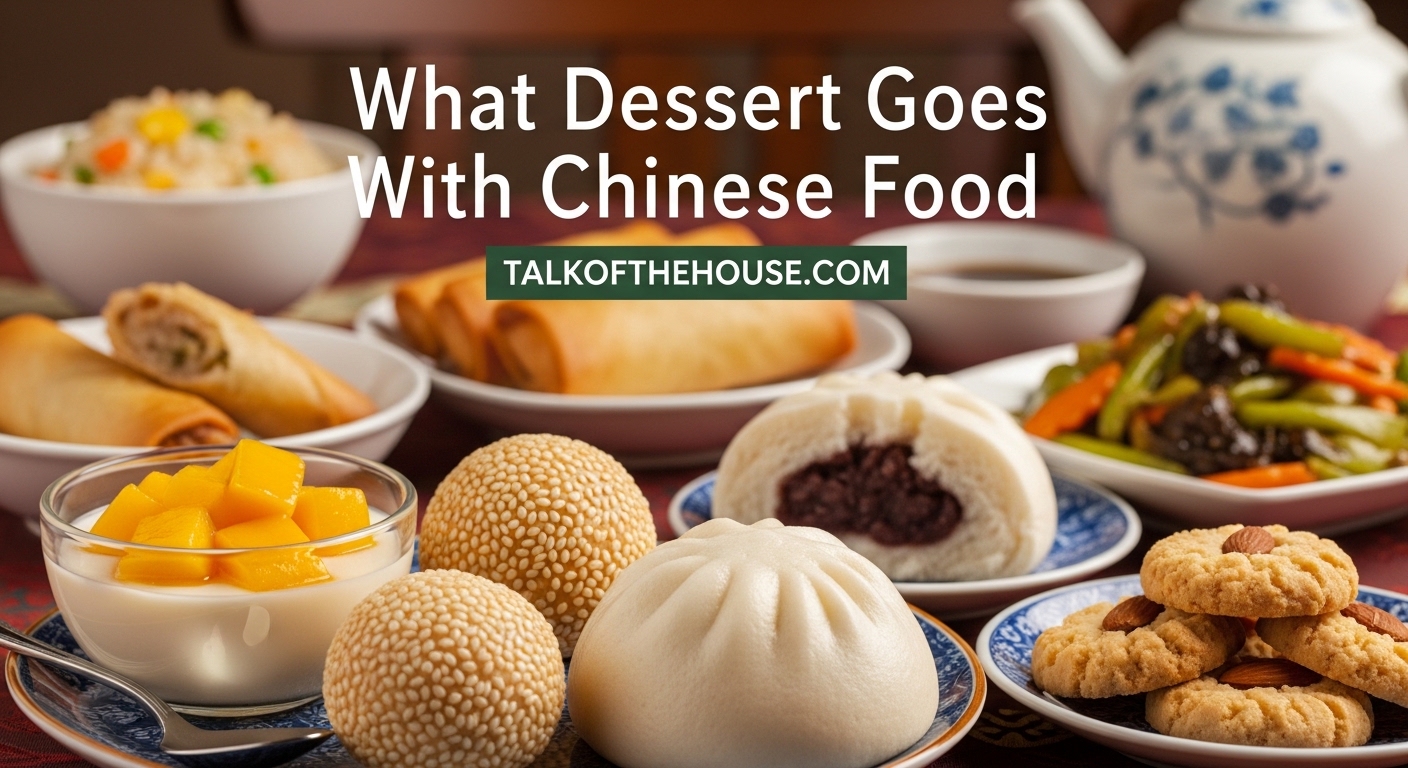
When I host a Chinese-themed dinner party, the question I hear most often is what dessert goes with Chinese food. After years of experimenting with different sweet finishes, I have learned that the best desserts balance the savory, often salty flavors of Chinese cuisine without overwhelming the palate. Traditional Chinese desserts are designed to cleanse and refresh rather than bombard you with sugar.
The key is choosing something lightly sweetened with a cooling, crispy, or silky texture. Heavy, ultra-sweet Western cakes often clash with Chinese flavors. Instead, think of mango pudding, egg tarts, or fresh fruit—desserts that offer a gentle, satisfying conclusion to your meal. In this guide, I will share my favorite pairings, including traditional Chinese options and Western alternatives that work surprisingly well.
Table of Contents
Quick Answer: The Best Desserts for Chinese Food
The best desserts to pair with Chinese food are light, mildly sweet options that refresh the palate after a savory meal. Here are the top choices organized by category:
- Fruit-Based and Refreshing: Mango pudding, almond jelly, fresh oranges, lychee, longan
- Pastries and Fried Treats: Egg tarts, sesame balls, pineapple buns, almond cookies
- Sweet Soups and Grains: Black sesame soup, red bean soup, sweet tofu pudding, eight treasure rice
- Western Alternatives: Green tea ice cream, lemon bars, sponge cake, fresh fruit platters
Traditional Chinese Desserts That Complement Any Meal
Chinese desserts have evolved over centuries to provide the perfect ending to a meal. They are rarely overly sweet, instead focusing on texture and subtle flavors that cleanse the palate. Let me walk you through my favorites.
Egg Tarts (Dan Tat) – The Universal Crowd-Pleaser
If you serve only one Chinese dessert, make it egg tarts. These small pastries feature a flaky, buttery crust filled with silky egg custard that is just sweet enough to satisfy without overwhelming. I have yet to meet anyone who does not love them.
What makes egg tarts perfect after Chinese food is their texture contrast. The crispy shell gives way to smooth custard, providing interest without heaviness. You can find excellent egg tarts at Chinese bakeries, dim sum restaurants, or even some well-stocked grocery stores. I always pick up a dozen when hosting Chinese food nights.
Mango Pudding – Silky and Refreshing
Mango pudding is the dessert I recommend most often for entertaining. It is light, refreshing, and universally appealing to both adults and children. The silky texture slides down easily after a heavy meal, and the tropical mango flavor feels like a mini vacation.
You can make mango pudding ahead of time with just a few ingredients: mango puree, milk, sugar, and agar-agar or gelatin. It sets in the refrigerator and can be prepared a day before your dinner party. For an elegant presentation, serve in small glasses topped with fresh mango chunks and a sprig of mint.
Sesame Balls (Jian Dui) – Crispy and Chewy
Sesame balls are a dim sum classic that work beautifully as dessert. These golden spheres are made from glutinous rice flour coated in sesame seeds, then fried until crispy. The exterior shatters when you bite into it, revealing a chewy interior and sweet filling—usually red bean paste or lotus seed paste.
The combination of crispy, chewy, and sweet makes sesame balls texturally interesting. They are best served warm, so if you buy them from a bakery, give them a quick warm-up in the oven before serving. One or two per guest is plenty, as they are quite filling.
Almond Cookies and Almond Jelly
Almond desserts are beloved in Chinese cuisine, and you have two excellent options. Chinese almond cookies are crumbly, lightly sweet biscuits with a distinctive almond flavor. They are perfect with tea and make an easy, no-fuss dessert option.
Almond jelly (also called almond tofu, though it contains no tofu) is a silky, delicate dessert made from almond milk and agar-agar. It is typically served chilled in a sweet syrup, often with fruit like lychees or canned fruit cocktail. I love how it cools the palate after a spicy Sichuan meal.
What American Dessert Goes With Chinese Food
Sometimes you want to keep things simple with familiar Western desserts. Not all American sweets pair well with Chinese food, but several work beautifully. The trick is choosing lighter options that will not clash with the meal you just served.
Fresh Fruit – The Traditional Finish
In many Chinese households, fruit is the traditional dessert. Oranges, mandarins, and tangerines are particularly popular because their citrusy freshness cuts through rich, savory flavors. I often serve a platter of orange slices and fresh lychees after dinner parties.
For a more elegant presentation, create a fruit platter with tropical options like mango, dragon fruit, star fruit, and kiwi. The bright colors look beautiful on the table, and the natural sweetness feels wholesome and refreshing. This is my go-to option when I want something effortless but satisfying.
Light Cakes and Sponges
If you want to serve cake, choose lighter styles. Japanese cheesecake, with its fluffy, souffle-like texture and mild sweetness, pairs wonderfully with Chinese food. Sponge cakes with minimal frosting work well too.
Avoid heavy buttercream cakes or anything with intense chocolate ganache. These tend to feel overwhelming after a Chinese meal. Instead, look for chiffon cakes, angel food cake, or Asian-style bakery cakes that use whipped cream sparingly. I have served Japanese cheesecake after Chinese takeout many times, and it is always a hit.
Ice Cream and Frozen Treats
Ice cream is surprisingly popular after Chinese food. Green tea ice cream is the obvious choice, complementing the meal with its subtle tea flavor. Mochi ice cream combines Japanese tradition with refreshing coolness in a convenient, portable form.
Fried ice cream, while more of a restaurant creation than authentic Chinese cuisine, is a crowd-pleaser that many people associate with Chinese buffets. For a lighter option, try a simple fruit sorbet or granita. The cold temperature soothes the palate, especially after spicy dishes.
Cookies and Small Bites
Fortune cookies may not be authentically Chinese—they were invented in California—but they have become a beloved tradition at American Chinese restaurants. They are fun, light, and provide that satisfying crunch without too much sugar.
Other small cookies work well too. Almond biscotti, shortbread, or any crisp, not-too-sweet cookie pairs nicely with tea. I like to set out a small plate of assorted cookies alongside fresh fruit, letting guests choose what appeals to them.
Easy No-Bake and Store-Bought Options
Not everyone has time to make dessert from scratch. As a busy host myself, I often rely on make-ahead or store-bought options that still feel special. Here are my favorite shortcuts.
Make-Ahead Desserts for Dinner Parties
Mango pudding is the ultimate make-ahead dessert. Prepare it the night before, refrigerate in individual portions, and garnish just before serving. Almond jelly can also be made a day ahead and keeps beautifully in the refrigerator.
Fresh fruit platters can be assembled a few hours ahead and kept chilled. For something different, try making a simple fruit salad with lychees, longans, and mandarin oranges from cans—just drain and combine. These fruits are authentically Chinese and require zero cooking.
Store-Bought Solutions That Work
Chinese bakeries are treasure troves of ready-to-serve desserts. Egg tarts, pineapple buns, and various pastries are baked fresh daily and cost just a few dollars each. I always stop by my local Chinese bakery before hosting dinner parties.
Asian grocery stores stock excellent ready-made options too. Look for pre-made mango pudding cups, canned almond jelly, and frozen sesame balls you can heat at home. Many stores also carry high-quality mooncakes during the Mid-Autumn Festival season, which make impressive desserts for special occasions.
Kid-Friendly Chinese Desserts
Children can be picky about unfamiliar foods, so I have learned which Chinese desserts appeal to young palates. Mango pudding is almost always a winner—kids love its bright color and sweet fruit flavor. Mochi ice cream is fun to eat and comes in familiar flavors like strawberry and vanilla alongside green tea.
Sesame balls intrigue children with their crispy exterior and sweet filling. Even picky eaters usually enjoy egg tarts because they resemble familiar custard desserts. When in doubt, serve fortune cookies. Kids love cracking them open to read their fortunes.
What Dessert Goes With Chinese Food: Pairing by Meal Type
Not all Chinese meals are the same, and certain desserts pair better with specific dishes. Here is my guide to matching desserts with what you are serving.
After Spicy Dishes
When you have served Sichuan peppercorns, chili oil, or Kung Pao chicken, you need cooling desserts. Mango pudding, almond jelly, and ice cream work beautifully here. The cold temperature and mild sweetness soothe the spice while refreshing your mouth.
Milk-based desserts are particularly effective at calming spice. Sweet tofu pudding (douhua) with ginger syrup, served chilled, is a traditional choice. Cold fruit like watermelon or chilled lychees also helps balance the heat.
After Dim Sum
Dim sum already includes many sweet options, so dessert can be simple. Egg tarts are the classic choice—most dim sum restaurants offer them. Sesame balls are another dim sum staple that double as dessert.
If you have already eaten sweet items during your meal, finish with something light. Fresh fruit or a simple almond cookie with tea provides closure without overindulgence. I often end dim sum meals with just a cup of chrysanthemum tea and a small pastry.
After Hot Pot
Hot pot leaves you feeling warm and full, so cooling desserts are essential. Fresh fruit platters work beautifully, especially citrus and melons. Ice cream or sorbet helps lower your body temperature after the steamy meal.
Some hot pot restaurants serve sweet tofu pudding or red bean soup as a complimentary dessert because these traditional options help settle the stomach after a heavy meal. At home, I serve mango pudding or fruit salad to achieve the same effect.
After Takeout Favorites
When you order General Tso’s chicken, orange chicken, or sweet and sour dishes, you already have sweet flavors in your meal. Balance this with lighter desserts. Almond cookies, fresh oranges, or fortune cookies work well.
For heavier takeout like beef with broccoli or lo mein, egg tarts make a wonderful finish. The flaky pastry and smooth custard feel special without being too rich. I always keep a box of almond cookies in my pantry for impromptu Chinese takeout nights.
Understanding Chinese Dessert Traditions
To truly understand what dessert goes with Chinese food, it helps to know a bit about Chinese dessert culture. It differs significantly from Western traditions in interesting ways.
Chinese meals do not always include a formal dessert course. Instead, sweetness might appear throughout the meal in dishes like sweet and sour pork or at the end in the form of fruit. The concept of tong sui (sweet soup) exists as a separate category of food, often eaten as a snack or late-night treat rather than immediately after dinner.
Traditional Chinese desserts emphasize balance and moderation. They are less sweet than Western desserts, using ingredients like red bean, mung bean, sesame, and almonds for subtle sweetness. Texture is often more important than intense flavor—think of the chewiness of glutinous rice or the silkiness of almond jelly.
During festivals, special desserts take center stage. Mooncakes appear during the Mid-Autumn Festival, filled with lotus seed paste and salted egg yolks. Chinese New Year brings rice cakes (nian gao) and sweet rice balls (tang yuan). These are richer and more elaborate than everyday desserts, reserved for special occasions.
FAQs
What is a good dessert to have after Chinese food?
The best desserts after Chinese food are light, refreshing options like mango pudding, egg tarts, almond jelly, or fresh fruit. These balance the savory, often salty flavors of Chinese cuisine without overwhelming your palate. Avoid heavy, ultra-sweet Western cakes which can clash with Chinese flavors.
What are typical Chinese desserts?
Typical Chinese desserts include egg tarts, mango pudding, sesame balls filled with red bean paste, almond jelly, sweet soups like black sesame or red bean soup, and rice-based desserts like eight treasure rice. They are typically less sweet than Western desserts and focus on texture and subtle flavors.
Do Chinese meals include dessert?
Traditional Chinese meals do not always include a formal dessert course. Sweetness might appear throughout the meal or finish with fresh fruit. However, the concept of tong sui (sweet soup) exists as a beloved category, and modern Chinese dining often includes desserts, especially at restaurants and special occasions.
What is the most popular Chinese dessert?
Egg tarts (dan tat) are arguably the most popular Chinese dessert, beloved across China and in Chinese communities worldwide. They feature a flaky pastry shell filled with silky egg custard. Mango pudding is another universally popular choice, especially in Hong Kong-style restaurants.
What American dessert goes with Chinese food?
Light American desserts pair best with Chinese food. Fresh fruit platters, lemon bars, sponge cake, green tea ice cream, and fortune cookies work well. Avoid heavy chocolate cakes or rich buttercream desserts, which tend to clash with Chinese flavors. The key is choosing something lightly sweetened.
Conclusion: Creating the Perfect Sweet Finish
Answering the question what dessert goes with Chinese food is about understanding balance. The best desserts refresh rather than overwhelm, offering gentle sweetness and interesting textures that complement rather than compete with your meal.
Egg tarts, mango pudding, sesame balls, and almond jelly are my go-to recommendations when you want authentic Chinese flavors. For easier options, fresh fruit, green tea ice cream, and light sponge cakes work beautifully. The key is avoiding heavy, ultra-sweet desserts that clash with Chinese flavors.
Whether you are hosting a dinner party, ordering takeout, or simply exploring new culinary territory, I encourage you to try traditional Chinese desserts. They offer a window into a food culture that values balance, subtlety, and the art of ending a meal gracefully. Your guests—and your palate—will thank you.