
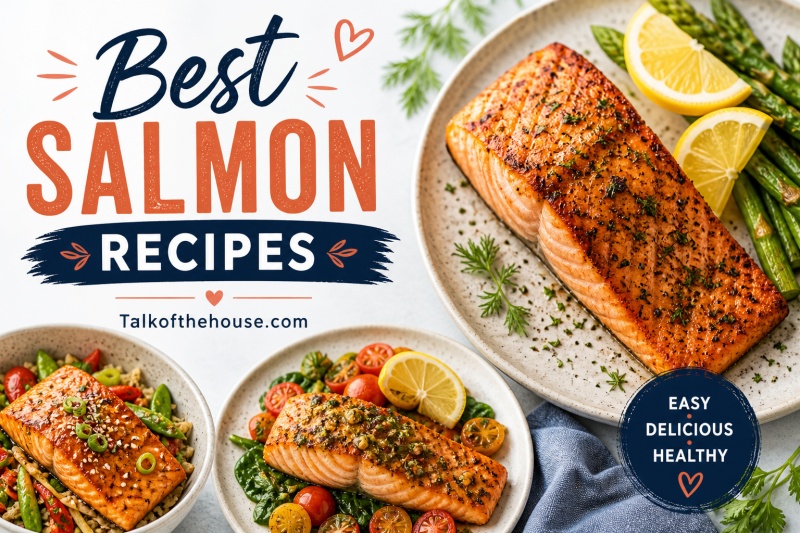
Salmon has earned its place as one of the most beloved proteins in home kitchens across America, and for good reason. This pink-hued fish delivers incredible versatility, impressive health benefits, and a rich, buttery flavor that works beautifully with countless seasonings and cooking methods. When I first started cooking salmon at home, I was intimidated by the fear of overcooking. Now, after years of testing different techniques and flavor combinations in 2026, I can confidently say that salmon is actually one of the most forgiving proteins once you understand a few key principles.
The best salmon recipes share common traits: they highlight the fish’s natural richness while adding complementary flavors that enhance rather than overwhelm. Salmon is packed with omega-3 fatty acids that support heart health, high-quality protein for muscle maintenance, and essential B vitamins. Whether you are looking for a quick weeknight dinner that comes together in 20 minutes or an impressive centerpiece for a dinner party, this collection of salmon recipes has something for every occasion in 2026.
What makes these recipes truly special is their accessibility. You do not need a culinary degree or expensive equipment to create restaurant-quality salmon at home. From crispy pan-seared fillets to tender baked portions glazed with honey and garlic, these easy salmon recipes will transform how you think about cooking fish. I have organized this collection by cooking method so you can quickly find the perfect recipe based on your available time, equipment, and mood.
Table of Contents
Understanding Salmon Cooking Methods
Before diving into specific recipes, let us explore the fundamental cooking methods that produce exceptional salmon. Each technique creates different textures and flavor profiles, and understanding these differences will help you choose the right approach for any meal. The best way to cook salmon depends largely on your desired outcome: crispy skin versus tender flakiness, quick cooking versus hands-off preparation, smoky char versus delicate poaching.
The internal temperature is the single most important factor in perfectly cooked salmon. The FDA recommends cooking salmon to 145 degrees Fahrenheit, but many chefs prefer removing the fish from heat at 125 to 130 degrees for medium-rare, allowing carryover cooking to bring it to the ideal temperature. A meat thermometer is your best friend here. Overcooked salmon becomes dry and chalky, while properly cooked salmon remains moist and flakes gently with a fork.
Baked Salmon
Baking is arguably the most forgiving method for cooking salmon, making it perfect for beginners and busy weeknights. Set your oven to 400 degrees Fahrenheit and expect 12 to 15 minutes of cooking time for a standard fillet. The enclosed environment of the oven ensures even heat distribution, and you can cook multiple portions simultaneously. Baked salmon pairs beautifully with glazes and crusts, as the consistent heat helps toppings caramelize without burning.
Grilled Salmon
Grilling imparts a smoky char that complements salmon’s natural richness. Preheat your grill to medium-high heat and oil the grates well to prevent sticking. Skin-on fillets work best here, as the skin protects the flesh and creates a natural barrier. Expect 6 to 8 minutes per side depending on thickness. Cedar plank grilling takes this method a step further, infusing the fish with woody, aromatic notes that feel distinctly Pacific Northwest.
Pan-Seared Salmon
For the crispiest skin and fastest cooking time, pan-searing is unbeatable. Heat a heavy skillet over medium-high heat until nearly smoking, add oil with a high smoke point like avocado or grapeseed, and place the salmon skin-side down. Press gently for the first minute to ensure contact, then let it cook undisturbed for 4 to 5 minutes. Flip and cook 2 to 3 minutes more. The result is shatteringly crisp skin atop tender, medium-rare flesh.
Air Fryer Salmon
The air fryer has revolutionized home salmon cooking, producing crispy exteriors with minimal oil in record time. Set your air fryer to 400 degrees and cook for 8 to 10 minutes depending on fillet thickness. The circulating hot air creates an effect similar to convection baking but faster. This method is ideal for weeknight dinners in 2026 when you want crispy salmon without heating up the entire oven or standing over a stove.
Best Salmon Recipes by Cooking Method
Now we arrive at the heart of this collection: twenty-two exceptional healthy salmon recipes organized by cooking method. Each recipe has been selected for its flavor impact, reliability, and accessibility for home cooks. Whether you prefer the hands-off nature of baking, the speed of pan-searing, or the smoky depth of grilling, you will find multiple options to add to your regular rotation.
Baked Salmon Recipes
Baking salmon in the oven is my go-to method when cooking for a crowd or when I want to prepare a complete sheet pan dinner with minimal cleanup. These baked salmon recipe options range from simple preparations that let the fish shine to more elaborate glazed and crusted versions perfect for special occasions.
1. Garlic Butter Baked Salmon
This recipe exemplifies why sometimes the simplest preparations are the most satisfying. Arrange four salmon fillets on a foil-lined baking sheet. Mix six tablespoons of melted butter with four minced garlic cloves, two tablespoons of fresh lemon juice, and a teaspoon each of salt and black pepper. Pour this mixture over the salmon and bake at 400 degrees for 12 to 14 minutes. The butter creates a luxurious sauce while the garlic infuses the fish with aromatic depth.
I make this recipe at least twice a month because it requires ingredients I always have on hand and produces consistently excellent results. The key is not skimping on the garlic butter sauce. Spoon the pooled sauce over the salmon when serving alongside roasted asparagus or green beans for a complete meal.
2. Honey Glazed Baked Salmon
For a sweet-savory glaze that caramelizes beautifully in the oven, this recipe delivers restaurant-quality results with minimal effort. Whisk together a quarter cup of honey, three tablespoons of soy sauce, two tablespoons of rice vinegar, and one tablespoon of sesame oil. Pour over salmon fillets arranged in a baking dish and bake at 400 degrees for 12 to 15 minutes, basting with the glaze halfway through.
The honey creates a lacquered exterior while the soy sauce provides umami depth. I particularly love this preparation when entertaining because the glossy, golden fillets look impressive on the plate. Serve with steamed rice and quick-pickled cucumbers to balance the sweetness with acidity and freshness.
3. Lemon Herb Baked Salmon
This Mediterranean-inspired preparation highlights the classic pairing of lemon and fresh herbs with salmon’s richness. Arrange fillets on a parchment-lined baking sheet. Combine the zest and juice of two lemons, three tablespoons of olive oil, two minced garlic cloves, and two tablespoons each of fresh dill and parsley. Season generously with salt and pepper, then spoon the mixture over the salmon.
Bake at 425 degrees for 10 to 12 minutes for a slightly quicker, higher-heat method that creates a delicate crust. The fresh herbs should be added after baking if you prefer brighter flavor, or before if you enjoy the more mellow, baked-herb taste. This is my summer go-to when I want something light, fresh, and naturally low-carb.
4. Maple Dijon Sheet Pan Salmon
Sheet pan dinners revolutionized my weeknight cooking in 2026, and this maple Dijon salmon is a standout example of why. Whisk together three tablespoons of maple syrup, two tablespoons of Dijon mustard, one tablespoon of whole grain mustard, and a tablespoon of apple cider vinegar. Spread baby potatoes and Brussels sprouts on a sheet pan, toss with olive oil, and roast for 15 minutes. Add the salmon topped with the mustard mixture and return to the oven for 12 to 14 minutes.
The maple Dijon glaze creates a complex sweet-tangy crust that cuts through the salmon’s richness. Meanwhile, the vegetables absorb the rendered fat and glaze drippings, becoming caramelized and deeply flavorful. This is a true one-pan wonder that delivers a complete dinner with minimal dishes.
5. Mediterranean Baked Salmon with Vegetables
This colorful preparation brings the sunny flavors of the Mediterranean to your dinner table. Arrange cherry tomatoes, sliced zucchini, red onion wedges, and Kalamata olives around salmon fillets on a large sheet pan. Drizzle everything with olive oil, sprinkle with dried oregano and minced garlic, and season well. Top each fillet with thin lemon slices.
Roast at 400 degrees for 15 to 18 minutes until the vegetables are blistered and the salmon is cooked through. Finish with crumbled feta cheese and fresh oregano. The combination of briny olives, sweet tomatoes, and tangy feta creates a complete flavor profile that needs no additional sides beyond crusty bread.
6. Cajun Baked Salmon
When I crave bold, spicy flavors, this Cajun preparation satisfies completely. Mix two tablespoons of Cajun seasoning with one tablespoon of brown sugar and a teaspoon each of paprika and garlic powder. Rub this mixture generously over salmon fillets, then drizzle with melted butter. The sugar helps create a caramelized crust while the spices provide heat.
Bake at 425 degrees for 10 to 12 minutes for maximum crust development. Serve with dirty rice and a cooling cucumber salad to balance the heat. I especially love this recipe during cooler months when I want something that warms from the inside out.
7. Pesto Crusted Salmon
Store-bought or homemade pesto transforms into an elegant crust when combined with breadcrumbs. Spread two tablespoons of pesto over each salmon fillet, then press a mixture of panko breadcrumbs and grated Parmesan on top. The pesto provides herbaceous flavor and moisture, while the breadcrumb mixture creates a satisfying textural contrast.
Bake at 400 degrees for 12 to 14 minutes until the crust is golden and the salmon flakes easily. This is an excellent way to use up leftover pesto and creates a dish that feels far more elaborate than its effort level suggests. Pair with orzo pasta tossed with additional pesto and pine nuts.
Grilled Salmon Recipes
Grilled salmon captures the essence of summer cooking: smoky, charred edges, minimal cleanup, and the satisfaction of cooking outdoors. These recipes work on gas grills, charcoal grills, and even grill pans indoors when weather does not cooperate.
8. Classic Grilled Salmon with Lemon
Master the fundamentals with this timeless preparation that lets the salmon shine. Pat four skin-on salmon fillets completely dry, then brush with olive oil and season generously with kosher salt and freshly cracked black pepper. Preheat your grill to medium-high and oil the grates thoroughly.
Place the salmon skin-side up on the grill and cook for 4 to 5 minutes until grill marks form and the fish releases easily. Flip and cook 4 to 6 minutes more on the skin side. Serve immediately with lemon wedges for squeezing over the top. This is the foundation upon which all other grilled salmon recipes build.
9. Sweet Chili Grilled Salmon
This Asian-inspired glaze creates a sticky, caramelized exterior that pairs beautifully with grilled salmon’s smoky notes. Whisk together a third cup of sweet chili sauce, two tablespoons of soy sauce, one tablespoon of lime juice, and a teaspoon of grated fresh ginger. Brush half the glaze over the salmon before grilling, then brush with the remaining glaze during the last 2 minutes of cooking.
The sugars in the chili sauce char slightly on the grill, creating complex flavor. I serve this with coconut rice and steamed broccoli for a complete Thai-inspired meal. The glaze also works beautifully on shrimp if you want to create a mixed seafood platter.
10. Cedar Plank Salmon with Maple Glaze
Cedar plank grilling infuses salmon with aromatic, woody notes that feel distinctly special occasion. Soak a cedar plank in water for at least one hour before grilling. Place the salmon on the plank, brush with a mixture of maple syrup, Dijon mustard, and fresh thyme, then place the plank directly on the grill grates.
Close the lid and cook for 12 to 15 minutes. The plank will smolder slightly, creating a smoky, cedar-scented environment that flavors the salmon beautifully. The fish never touches the grates directly, so sticking is impossible. This method produces salmon that flakes apart with the gentlest touch.
11. Blackened Grilled Salmon
Blackening creates a deeply seasoned, almost crispy crust that seals in the salmon’s moisture. Mix two tablespoons of paprika, one tablespoon each of dried thyme and oregano, two teaspoons of garlic powder, and cayenne pepper to taste. Melt butter and dip each fillet into the butter, then dredge in the spice mixture.
Place directly on a hot grill and cook for 3 to 4 minutes per side. The spices toast on the exterior, creating that characteristic blackened appearance and intense flavor. This preparation demands a cooling sauce, so serve with a quick remoulade or creamy dill sauce spooned over the top.
12. BBQ Salmon with Brown Sugar Rub
Barbecue sauce and salmon might sound unusual, but the combination works surprisingly well when balanced correctly. Create a dry rub with two tablespoons of brown sugar, one tablespoon of smoked paprika, and a teaspoon each of garlic powder, onion powder, and black pepper. Rub this over the salmon and let rest for 20 minutes.
Grill for 3 minutes per side, then brush with your favorite barbecue sauce and continue grilling for 2 minutes more. The brown sugar caramelizes while the barbecue sauce reduces and becomes sticky. Serve with classic cookout sides like coleslaw and cornbread for a summer gathering that surprises and delights.
Pan-Seared Salmon Recipes
When time is short and you want restaurant-quality results, pan seared salmon delivers. The key is patience: let the pan get properly hot, do not move the fish prematurely, and trust the process. These recipes produce crispy-skinned fillets with tender flesh in under 15 minutes.
13. Pan-Seared Salmon with Garlic Lemon Butter Sauce
This recipe produces the kind of salmon you would pay thirty dollars for at a restaurant, made in your own kitchen for a fraction of the cost. Heat a heavy stainless steel or cast-iron skillet over medium-high heat until nearly smoking. Add two tablespoons of neutral oil with a high smoke point.
Place two salmon fillets skin-side down and press gently with a spatula for 30 seconds to ensure contact. Cook undisturbed for 4 to 5 minutes until the skin is deeply golden and crisp. Flip and cook 2 to 3 minutes more. Remove the salmon and add three tablespoons of butter, four minced garlic cloves, and the juice of half a lemon to the pan. Swirl until the butter browns slightly, then spoon over the salmon.
14. Crispy Skin Salmon with Dill Sauce
The skin is the best part when executed correctly, and this recipe ensures shatteringly crisp results every time. Score the salmon skin lightly with a sharp knife, being careful not to cut into the flesh. Season generously with salt and let sit at room temperature for 15 minutes to dry the surface.
Heat oil in a cold pan, then add the salmon skin-side down before turning on the heat to medium. This gradual heating helps render the fat slowly, creating the crispiest possible skin. Cook for 6 to 7 minutes, then flip briefly just to finish the top. Serve with a dill sauce made from Greek yogurt, fresh dill, lemon, and capers.
15. Teriyaki Glazed Pan Salmon
Homemade teriyaki sauce elevates this quick-cooking method to weeknight staple status. Combine a third cup of soy sauce, three tablespoons of mirin, three tablespoons of sake, and two tablespoons of sugar in a small saucepan. Simmer until reduced by half and syrupy.
Sear the salmon skin-side down in a hot pan for 4 minutes, then flip and pour the teriyaki glaze over the top. Continue cooking for 2 to 3 minutes, spooning the glaze over the salmon repeatedly. The glaze caramelizes on the hot pan and salmon, creating a lacquered finish. Serve over rice with steamed edamame.
16. Salmon with Creamy Tuscan Sauce
This restaurant-style preparation feels indulgent but comes together quickly. Sear the salmon as described above, then remove to a plate. In the same pan, saute minced garlic and sun-dried tomatoes until fragrant. Add half a cup of heavy cream and a quarter cup of chicken broth, simmering until slightly thickened. Stir in fresh spinach and grated Parmesan until the spinach wilts.
Return the salmon to the pan and spoon the sauce over the top. The combination of creamy sauce, tangy tomatoes, and savory salmon creates a dish that feels far more elaborate than its 25-minute cooking time suggests. Serve with crusty bread to soak up every drop of sauce.
Air Fryer Salmon Recipes
The air fryer salmon method has become my secret weapon for weeknight dinners in 2026. It produces crispy exteriors and moist interiors faster than traditional baking, with no preheating required. These recipes showcase the air fryer’s capabilities for creating restaurant-quality salmon at home.
17. Basic Air Fryer Salmon
Master the fundamentals before adding complex coatings or glazes. Pat two salmon fillets completely dry and brush lightly with olive oil. Season with salt, pepper, and garlic powder. Place skin-side down in the air fryer basket, ensuring the fillets do not touch.
Cook at 400 degrees for 8 to 10 minutes depending on thickness. The salmon is done when it flakes easily with a fork and reaches an internal temperature of 145 degrees. This basic method is your template for endless variations and produces consistent results every time.
18. Parmesan Crusted Air Fryer Salmon
This crispy coating rivals any breadcrumb crust without the heaviness. Mix a third cup of grated Parmesan, two tablespoons of almond flour, a teaspoon of Italian seasoning, and half a teaspoon of garlic powder. Press this mixture onto the top of each salmon fillet, pressing firmly so it adheres.
Air fry at 400 degrees for 8 to 10 minutes until the crust is golden and the salmon is cooked through. The Parmesan creates a savory, umami-rich crust that contrasts beautifully with the tender fish beneath. This preparation feels particularly indulgent while remaining low-carb and keto-friendly.
19. Everything Bagel Crusted Air Fryer Salmon
Everything bagel seasoning has rightfully earned its place as a pantry staple in 2026, and it creates a spectacular crust on salmon. Brush the salmon with melted butter or olive oil, then press everything bagel seasoning generously over the top. The mixture of sesame seeds, poppy seeds, dried garlic, dried onion, and salt creates a crunchy, flavorful coating.
Air fry at 380 degrees for 8 to 10 minutes. The lower temperature prevents the garlic and onion from burning while still crisping the seeds. Serve with cream cheese mixed with fresh dill for dipping, playing up the bagel theme deliciously.
Specialty Salmon Recipes
These final recipes showcase alternative cooking methods that produce unique textures and flavors. From the umami depth of miso to the delicate silkiness of poached salmon, these preparations expand your salmon repertoire beyond the basics.
20. Miso Glazed Salmon
Miso provides savory depth and natural sweetness that complements salmon beautifully. Whisk together three tablespoons of white miso paste, two tablespoons of mirin, one tablespoon of sake, and one tablespoon of sugar until smooth. Spread this mixture over salmon fillets and let marinate for at least 30 minutes or up to overnight.
Broil or bake at 425 degrees for 10 to 12 minutes until the glaze is deeply caramelized and the salmon is cooked through. The miso creates a complex, savory-sweet glaze that tastes distinctly Japanese and sophisticated. Serve with steamed rice and pickled ginger for an authentic presentation.
21. Poached Salmon with Hollandaise
Poaching produces the most delicate, silky salmon texture and is perfect for brunch presentations. Bring a mixture of water, white wine, lemon slices, and aromatics to a gentle simmer in a wide pan. Carefully lower the salmon into the liquid and poach at a bare simmer for 8 to 10 minutes until just cooked through.
Remove carefully with a slotted spoon and serve with homemade or quality store-bought hollandaise sauce. The pale, tender salmon and rich, buttery sauce create a classic combination that feels elegant and special. Add asparagus and you have a complete brunch worthy of any restaurant.
22. Smoked Salmon Pasta
This recipe uses hot-smoked salmon rather than raw, creating a pasta dish with deep, smoky flavor. Cook your pasta of choice until al dente. In a large skillet, melt butter and saute shallots and garlic until soft. Add a splash of white wine and reduce, then stir in heavy cream and lemon zest.
Flake hot-smoked salmon into the sauce along with capers and fresh dill. Toss with the pasta and finish with grated lemon zest and black pepper. The combination of smoky fish, briny capers, and creamy sauce creates a sophisticated pasta dish that comes together in 20 minutes.
What to Serve with Salmon: Sides and Pairings
No salmon dinner is complete without thoughtfully chosen accompaniments. The right side dishes and beverages can elevate your meal from good to memorable. After years of experimenting with different combinations, I have discovered some pairings that consistently impress.
Vegetable Sides
Salmon’s richness pairs beautifully with vegetables that offer either brightness or earthy depth. Roasted asparagus is the classic choice, and for good reason: the slight bitterness cuts through the fatty fish perfectly. Simply toss asparagus spears with olive oil, salt, and pepper, then roast at 425 degrees for 12 to 15 minutes. A squeeze of lemon before serving brightens everything.
Green beans almondine provides elegant contrast with its crisp-tender texture and nutty crunch. Sauteed spinach with garlic wilts down to a silky accompaniment that works particularly well with pan-seared preparations. For something more substantial, roasted Brussels sprouts or broccoli caramelized at high heat offer earthy sweetness that complements glazed salmon beautifully.
Starch Accompaniments
Rice is perhaps the most versatile starch for salmon dishes. Steamed jasmine rice soaks up sauces and glazes without competing for attention. For something more flavorful, try lemon herb rice or coconut rice with Asian-inspired preparations. Risotto, particularly lemon or asparagus versions, turns salmon dinner into an elegant affair.
Roasted potatoes, whether fingerlings tossed with rosemary or crispy smashed potatoes, provide satisfying heft. For weeknight ease, sheet pan dinners cook salmon and potatoes simultaneously. Crusty bread should never be underestimated, particularly when serving salmon with creamy pan sauces that demand sopping up.
Salads and Lighter Options
A simple green salad with lemon vinaigrette provides necessary acidity to balance rich salmon. For a more composed option, try a cucumber salad with dill and yogurt dressing alongside spicy preparations like blackened or Cajun salmon. Grain bowls with quinoa, farro, or couscous create complete meals when topped with salmon and roasted vegetables.
In warmer months, I love serving salmon with a fresh corn salad or tomato-cucumber salad dressed simply with olive oil and red wine vinegar. These preparations echo the Mediterranean salmon recipes and keep the meal feeling light and seasonal.
Wine and Beverage Pairings
Choosing the right wine can elevate your salmon dinner significantly. For baked and simply prepared salmon, reach for a crisp Sauvignon Blanc or unoaked Chardonnay. The bright acidity cuts through the richness while complementing herbal preparations. Pinot Grigio works well with lighter, citrus-forward recipes.
Pan-seared and butter-based salmon preparations pair beautifully with oaked Chardonnay that can match the richness. For Asian-inspired recipes with soy, ginger, or teriyaki, consider an off-dry Riesling or Gewurztraminer whose slight sweetness balances the savory elements. Sparkling wine, from affordable Prosecco to celebratory Champagne, works surprisingly well with almost any salmon preparation.
If you prefer red wine, choose carefully to avoid overwhelming the fish. A light-bodied Pinot Noir from Oregon or Burgundy offers enough structure without tannic heaviness. Avoid big, bold Cabernets or Malbecs that will clash with salmon’s delicate flavor.
Non-alcoholic options include sparkling water with lemon, iced green tea with Asian preparations, or cucumber water for a spa-like pairing. The key is choosing beverages with enough acidity to cleanse the palate between bites of rich fish.
How to Cook Perfect Salmon Every Time
After sharing twenty-two exceptional recipes and pairing suggestions, I want to address the most common questions and challenges home cooks face when preparing salmon. These techniques and tips will elevate your salmon cooking regardless of which recipe you choose.
Choosing the Right Salmon
The quality of your starting product matters immensely. Look for salmon with firm, moist flesh that springs back when pressed. The color should be vibrant and consistent, not pale or discolored. Fresh salmon should smell like the ocean, not fishy. If you cannot find excellent fresh salmon, frozen is often a better choice than mediocre fresh. Thaw frozen salmon overnight in the refrigerator, never at room temperature.
Wild-caught salmon offers more robust flavor and firmer texture, while farm-raised tends to be fattier and milder. Both work beautifully in these recipes. King salmon is the fattiest and most luxurious, sockeye is leaner and more intensely flavored, and coho strikes a balance between the two. Atlantic salmon is reliably fatty and widely available in 2026.
How to Tell When Salmon is Done
The most reliable method is using an instant-read thermometer. Insert it into the thickest part of the fillet and look for 125 degrees for medium-rare or 145 degrees for fully cooked according to FDA guidelines. Without a thermometer, look for the flesh to turn from translucent to opaque and become flaky. A knife inserted into the center should meet slight resistance but slide through easily.
The salmon will continue cooking from residual heat after removal, so pulling it slightly before it reaches your target temperature prevents overcooking. Remember that the thinner tail sections cook faster than the thick center, so consider buying center-cut fillets for more even cooking.
Preventing Dry Salmon
Overcooking is the primary cause of dry salmon, but other factors matter too. Bringing salmon to room temperature for 15 to 20 minutes before cooking ensures more even heat penetration. Cooking skin-on fillets helps protect the flesh from direct heat and keeps moisture locked in. Basting salmon with butter or oil during cooking adds fat and prevents surface drying.
If you do overcook salmon slightly, all is not lost. Flake it into pasta, salads, or fried rice where the added moisture from other ingredients will compensate. A sauce served alongside can also rescue slightly dry fish beautifully.
Best Seasonings and Marinades
Salmon pairs beautifully with bright, acidic flavors that cut through its richness. Lemon, lime, and vinegar are classic companions. Fresh herbs like dill, parsley, and chives complement without overwhelming. Soy sauce, miso, and fish sauce provide umami depth. Sweet elements like honey, maple syrup, and brown sugar create caramelized glazes.
When marinating salmon, keep it brief: 15 to 30 minutes is usually sufficient. Acidic marinades can actually begin to cook the fish if left too long, creating an unpleasant texture. Oil-based marinades can stay on longer but rarely need more than an hour to impart flavor.
Frequently Asked Questions About Salmon Recipes
What is the tastiest way to cook salmon?
The tastiest way to cook salmon depends on personal preference, but pan-searing produces the most flavorful results for most home cooks. The high heat creates crispy skin and caramelized exterior while keeping the interior moist and tender. For smoky flavor, grilling on a cedar plank is unmatched. Baked salmon with glazes offers the best balance of flavor and convenience for weeknight dinners in 2026.
How does Gordon Ramsay cook salmon perfectly?
Gordon Ramsay cooks salmon by seasoning generously with salt and pepper, heating oil in a pan until smoking hot, and placing the salmon skin-side down. He presses the fish gently to prevent curling and cooks for 4-5 minutes without moving to create crispy skin. He finishes by adding butter, garlic, and herbs to the pan, basting the salmon with the melted butter mixture while it cooks through.
What temperature should salmon be cooked to?
The FDA recommends cooking salmon to an internal temperature of 145 degrees Fahrenheit. However, many chefs prefer removing salmon from heat at 125-130 degrees for medium-rare, allowing carryover cooking to bring it to 135-140 degrees. At this temperature, the salmon remains moist and flakes gently. Use an instant-read thermometer inserted into the thickest part of the fillet for accuracy.
How long should you marinate salmon?
Salmon should be marinated for 15 to 30 minutes maximum. Unlike tougher meats that benefit from long marinating, salmon is delicate and absorbs flavors quickly. Acidic marinades with lemon, lime, or vinegar can actually begin to cook the fish if left too long, creating a mushy texture. Oil-based marinades can stay on longer but rarely need more than one hour to impart full flavor.
What sides go best with salmon?
Salmon pairs beautifully with a wide variety of sides. Classic choices include roasted asparagus, steamed green beans, or a simple green salad. Starchy sides like roasted potatoes, rice pilaf, or crusty bread complement the protein. For complete meals, sheet pan recipes combine salmon with vegetables like Brussels sprouts, broccoli, or cherry tomatoes that roast alongside the fish.
Start Cooking the Best Salmon Recipes Today
This collection of salmon recipes for dinner represents years of kitchen testing and refinement. From the simplest garlic butter baked salmon to the more elaborate cedar plank preparation, each recipe offers a reliable path to delicious results. The beauty of cooking salmon at home is that even the most basic preparation, executed well, surpasses what most restaurants serve.
I encourage you to start with the cooking method that feels most comfortable for your skill level and equipment. If you are new to salmon, the baked recipes offer the most forgiving introduction. For experienced cooks seeking crispy skin perfection, pan-searing will become your new obsession. And if you have not yet discovered the magic of air fryer salmon in 2026, prepare to be amazed by what this countertop appliance can achieve.
The best salmon recipes share one essential quality: they let the fish shine while adding complementary flavors that enhance without overwhelming. Whether you are cooking for a quiet weeknight dinner or hosting a special gathering, salmon provides the perfect foundation for memorable meals. Choose your recipe, gather your ingredients, and discover why this remarkable fish deserves its place at the center of your table.