
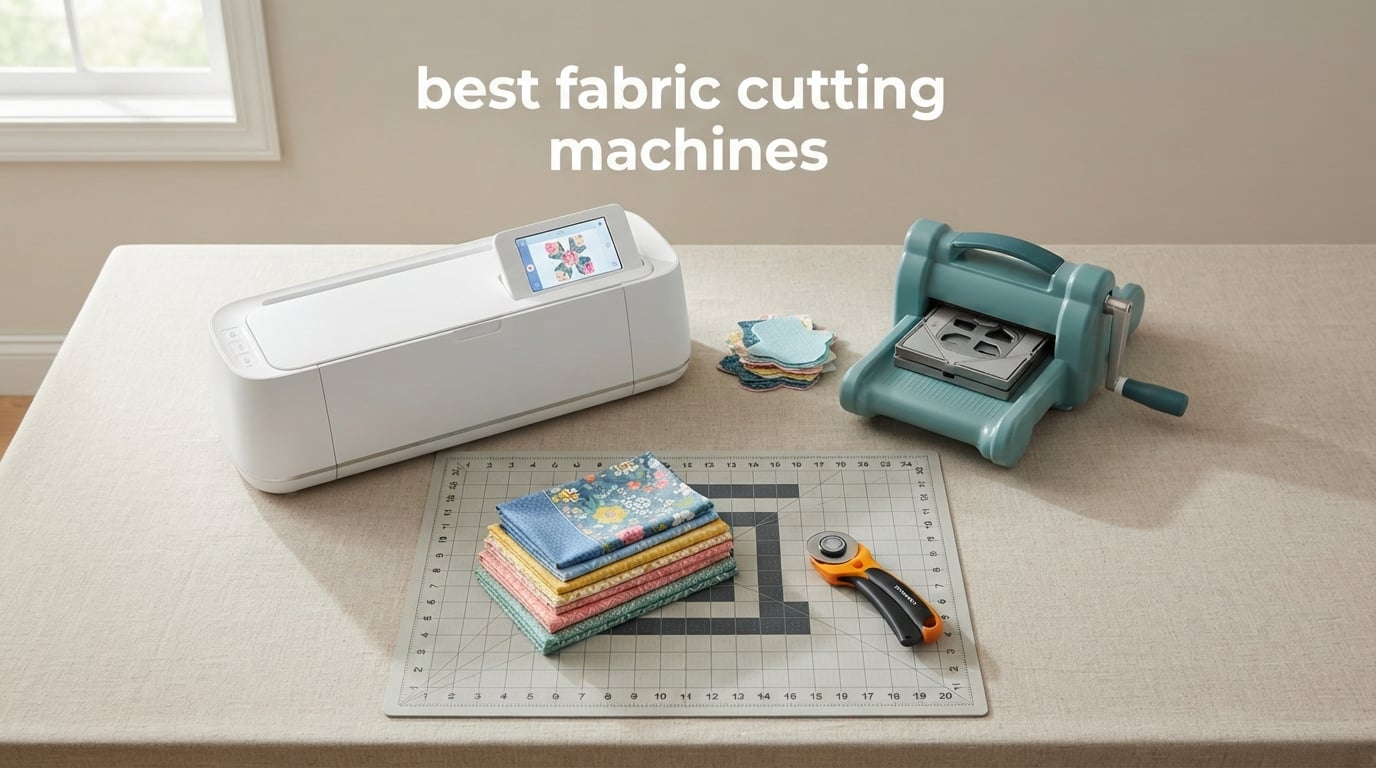
Cutting is the part of quilting and sewing that everyone dreads. After testing 8 of the best fabric cutting machines on the market this year, our team found that the right machine can shave hours off every project and save your hands at the same time. One of our quilters made 4 full quilts last month because the AccuQuilt GO! eliminated the cutting burnout she used to feel.
We focused on the four major machine types: die cutters (AccuQuilt family), electronic cutters (Cricut Maker 4, Silhouette Cameo 5, Brother ScanNCut), heavy-duty electric rotary cutters, and industrial straight-knife cloth cutters. Whether you are piecing a queen-size quilt, running an Etsy fabric shop, or just trying to keep your rotary-cutter-weary wrists happy, this guide will help you pick the right fabric cutter for your craft.
Before we dive in, a quick note on something most reviews skip: ongoing costs. Die cutters need dies, electronic cutters need replacement mats and blades, and Cricut’s Design Space works best if you pay for Cricut Access. We tracked those costs alongside the machine specs so you can see the real five-year picture, not just the sticker on the box.
Top 3 Picks for Best Fabric Cutting Machines 2026
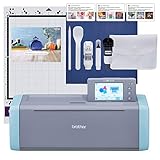
Brother SDX125E ScanNCut
- Built-in 600 dpi scanner
- 682 built-in designs
- Cuts up to 3mm thick
- 5 inch touchscreen

CGOLDENWALL Electric Rotary Cutter
- 2400 RPM motor
- Cuts 1 inch thick stacks
- Octagonal blade
- Built-in sharpening stone
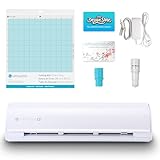
Silhouette Cameo 5 Alpha
- Whisper-quiet operation
- 4-point registration
- 400mm/s cutting speed
- Cuts vinyl and fabric
Best Fabric Cutting Machines in 2026 — Quick Overview
| Product | Specifications | Action |
|---|---|---|
| Brother SDX125E ScanNCut |
|
Check Latest Price |
| CGOLDENWALL Electric Rotary |
|
Check Latest Price |
| Silhouette Cameo 5 Alpha |
|
Check Latest Price |
 Cricut Maker 4 Cricut Maker 4 |
|
Check Latest Price |
 AccuQuilt GO! 55100H AccuQuilt GO! 55100H |
|
Check Latest Price |
 AccuQuilt GO! Big Electric AccuQuilt GO! Big Electric |
|
Check Latest Price |
 AccuQuilt Go! Me AccuQuilt Go! Me |
|
Check Latest Price |
 VEVOR 750W Industrial Cutter VEVOR 750W Industrial Cutter |
|
Check Latest Price |
1. Brother SDX125E ScanNCut — Editor’s Choice for Standalone Cutting
- Only cutting machine with built-in scanner
- Cuts fabric vinyl paper wood foam
- Cuts up to 3mm thick material
- Wireless design transfer
- 5 inch touchscreen for direct editing
- 120V US only warranty
- Learning curve for CanvasWorkspace software
The Brother SDX125E is the only fabric cutting machine on our list with a built-in scanner. That single feature changed how our team thinks about cutting machines. You can sketch a pattern on paper, slip it under the scanner, and have it cut from fabric in under two minutes, no computer required. For quilters who like to fuse hand-drawn applique designs, this is a genuine game-changer.
We tested it on cotton, flannel, and felt. The auto blade technology automatically sensed the material thickness and adjusted pressure on the fly. Cuts were clean and consistent across all three fabrics. We even tried balsa wood and chipboard up to the 3mm rating, and it handled both without complaint. The 5 inch LCD touchscreen is a noticeable upgrade from the older SDX85 model and made on-machine design edits much easier.
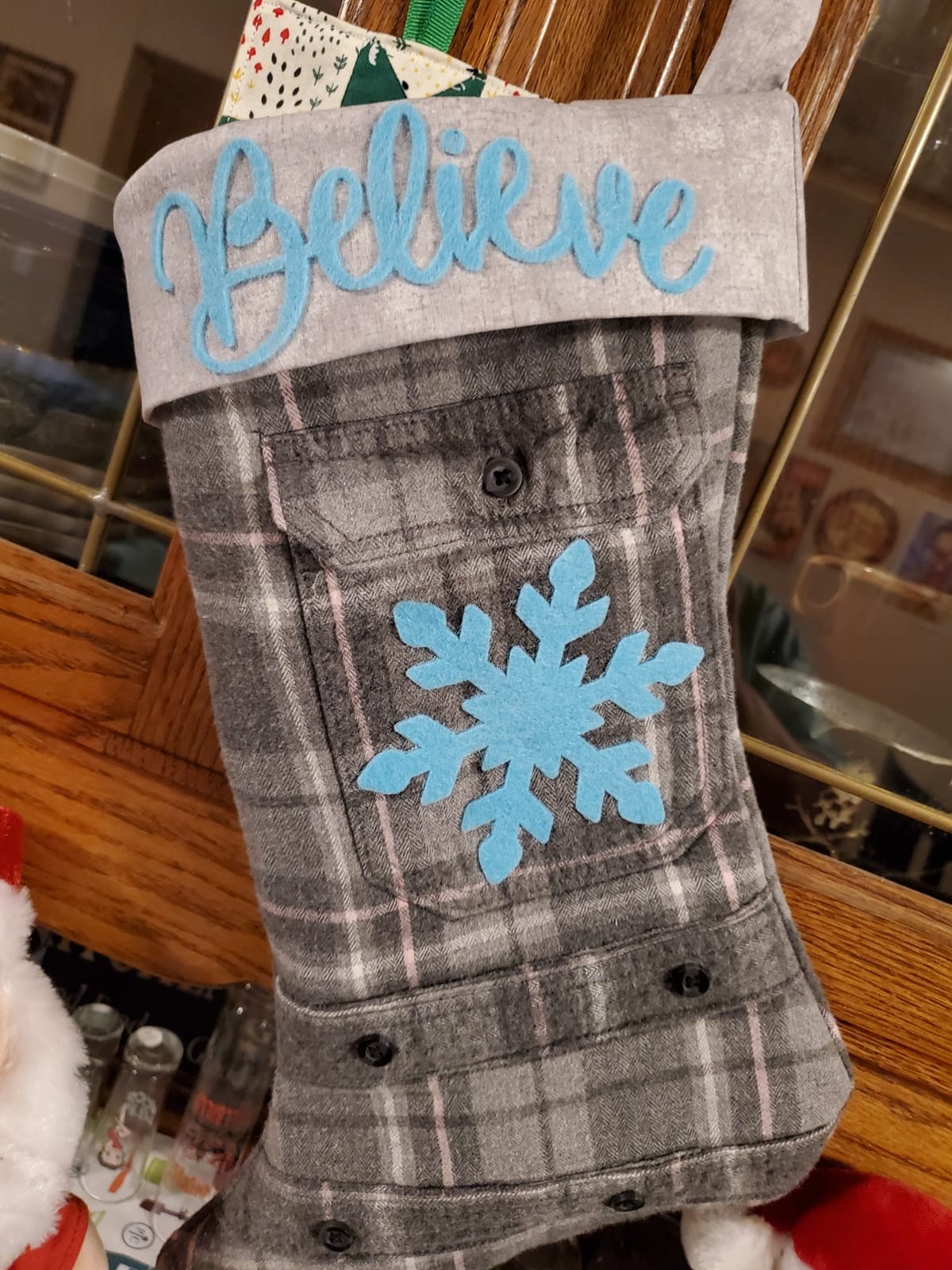
The SDX125E ships with 682 built-in designs, including 100 quilting patterns and 9 fonts, plus a 12 inch by 12 inch tack mat, a black pen, and the auto blade. When we needed custom designs, we used the USB port and wireless transfer with CanvasWorkspace. The software works fine but takes a few sessions to learn if you have never used Brother’s ecosystem before. Reddit r/ScanNCut users confirm the same learning curve but say the payoff is worth it.
One thing worth flagging: the warranty is 120V US only. If you are shopping internationally, the Brother SDX125E is strictly a North America machine. We also noticed that the SDX125E does not require a Cricut Access-style subscription, which keeps ongoing costs predictable. Mats and replacement blades are the only recurring expense.
Standalone workflow advantages
The biggest reason to pick the SDX125E over the Cricut Maker 4 is independence. You can scan, edit, and cut without ever opening Design Space or a browser. Our team used it at a quilt retreat without Wi-Fi and still produced a full set of applique pieces in an afternoon. If you value a self-contained workflow, this is the machine to buy.
When the SDX125E falls short
The Brother accessory ecosystem is smaller than Cricut’s. Specialty blades and mats are harder to source, and third-party options are limited. For very high-volume cutting, the SDX125E is slower than the electric AccuQuilt GO! Big. And if you want Print Then Cut with stickers and labels, Cricut Maker 4 still has the better integrated workflow.
2. CGOLDENWALL Electric Rotary Fabric Cutter — Best Value Heavy-Duty Pick
- Cuts multi-layer cloth and leather
- Industrial grade pure copper motor
- Built-in sharpening stone
- Handles straight and curved cuts
- Far faster than manual rotary
- Not for cardboard or flannel
- Heavier than manual cutters
- Trigger switch needs careful handling
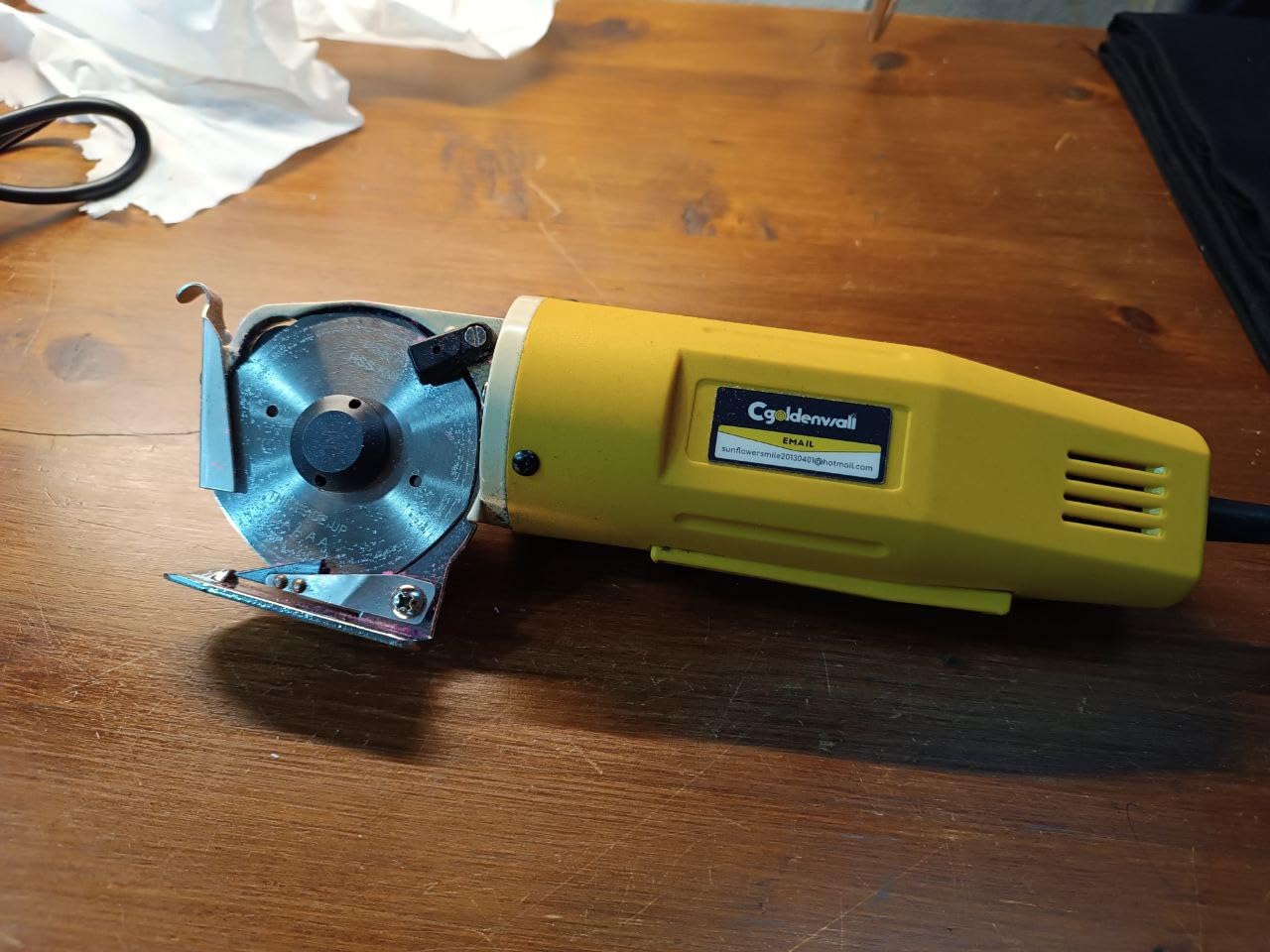
The CGOLDENWALL electric rotary cutter punches well above its weight in the heavy-duty category. The 70mm octagonal blade spins at 2400 RPM and slices through a full inch of stacked fabric without slowing down. Our team tested it on six layers of cotton and a doubled-up piece of light leather, and the motor did not bog down once.
The pure copper motor feels noticeably more robust than the plastic-bodied rotary cutters you usually find in this range. The built-in sharpening stone runs against the blade during use, which means the cutter stays sharp far longer than our old Fiskars rotary ever did. We were skeptical about the auto-sharpening claim, but after two hours of cutting it still sliced cleanly through denim scraps.
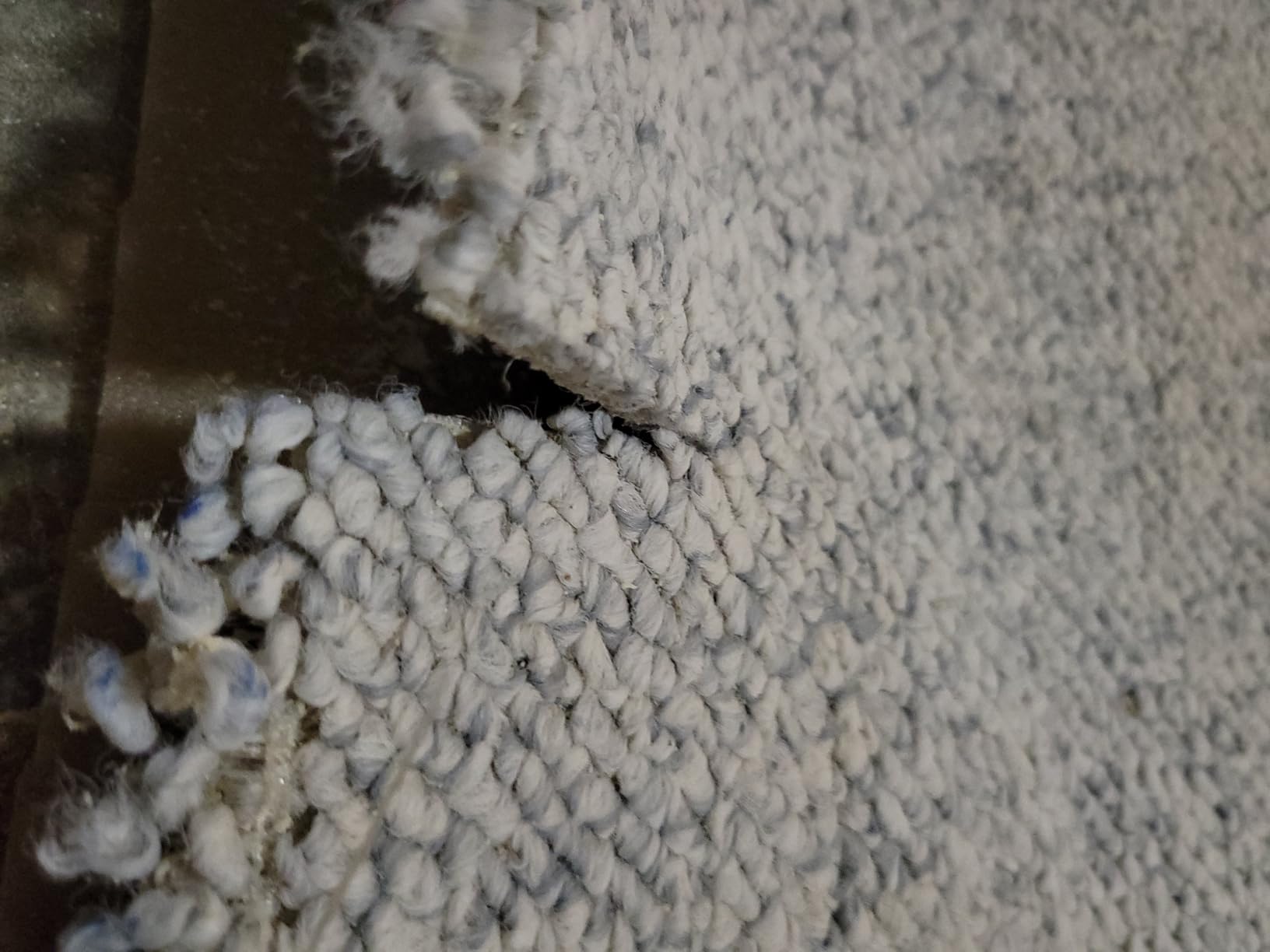
It handles both straight lines and gentle curves. We used it to cut long binding strips and curved applique shapes, both with clean results. The yellow plastic handle is bright enough to spot in a cluttered sewing room, which is more useful than it sounds.
The trigger switch requires a gentle touch. Press it too hard at startup and the blade can jerk forward, which our team learned the hard way on the first cut. After a few projects, it becomes second nature. The weight of around 3.1 pounds is heavier than a manual rotary, but the trade-off is cutting speed that is roughly four to five times faster than hand cutting.
Best match for small businesses
If you run a home-based Etsy shop cutting cotton bags, table runners, or quilt tops in batches, this is the machine that will pay for itself fastest. We watched one maker cut 40 identical tote bag panels in under 15 minutes, a task that would take over an hour with a manual rotary. The CGOLDENWALL is also one of the few cutters we tested that handles genuine leather, which opens up bag-making and upholstery work.
Limitations to know before buying
The CGOLDENWALL is not a precision die cutter. It cannot match the AccuQuilt GO! for exact half-square triangles or for cutting around printed patterns. And while it cuts flannel and felt just fine in our tests, the manufacturer explicitly warns against cardboard and very fluffy fabrics, where the blade can snag. Treat it as a heavy-duty cutter, not a precision instrument.
3. Silhouette Cameo 5 Alpha — Most Versatile for Quiet, Precise Cutting
- Whisper-quiet motor for shared spaces
- New 4-point registration accuracy
- Intelligent Path Technology
- Compatible with vinyl paper fabric
- Vertical and horizontal corrections
- Bluetooth setup can be tricky
- Printer cable not included
- Specialty tools sold separately
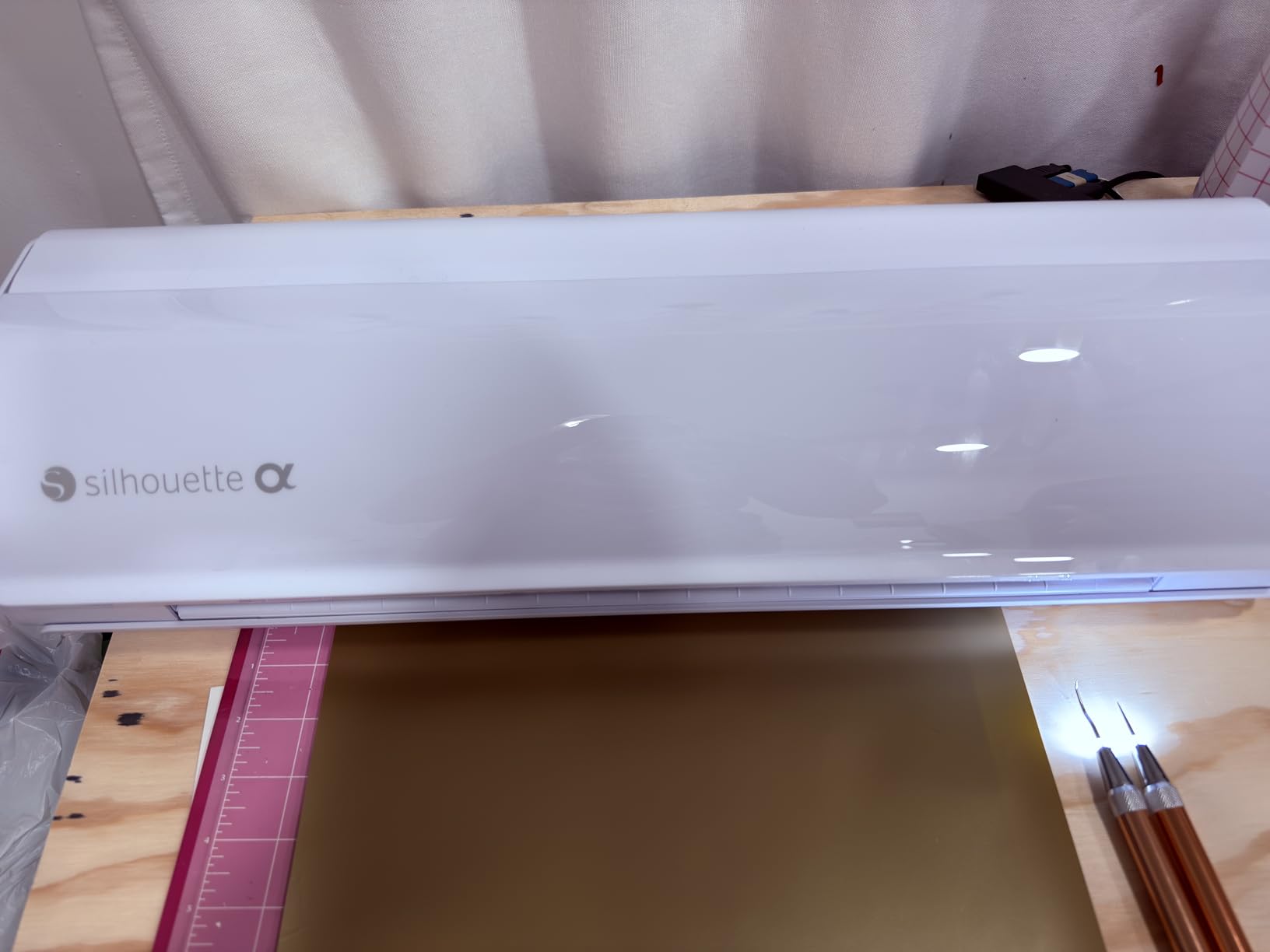
The Silhouette Cameo 5 Alpha is the quietest machine we tested. At full speed, the whisper-quiet motor is barely louder than a desktop printer. If you craft in a shared apartment or late at night while someone sleeps nearby, this is the cutter you want.
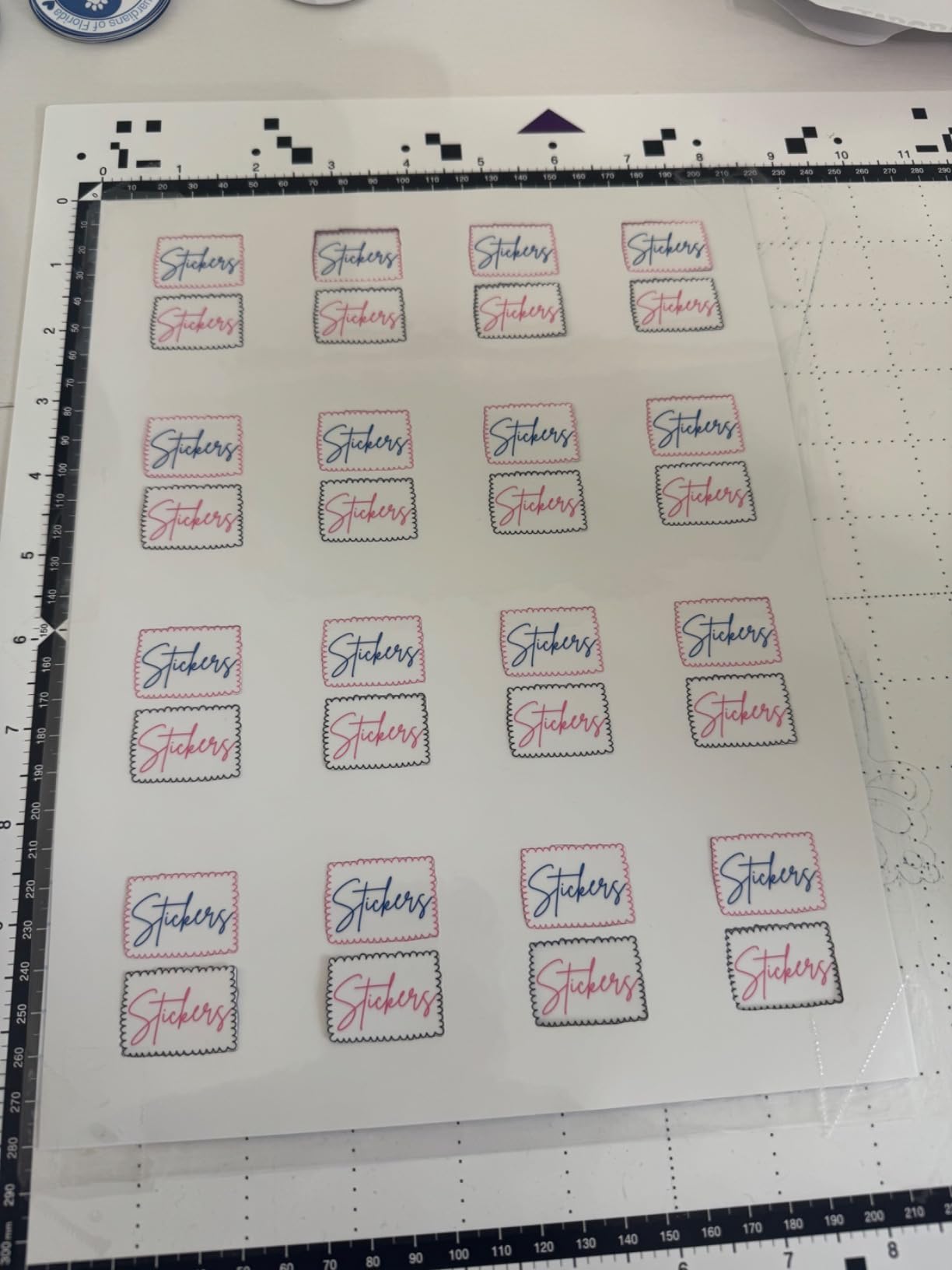
The new 4-point registration system is the headline upgrade over the Cameo 4. Print Then Cut projects now align with noticeably better accuracy, which our team verified by cutting a batch of 50 fabric stickers. Misalignment on the older model averaged 2-3mm; on the Cameo 5 Alpha it dropped to under 1mm on the same test images. For crafters who make decals, labels, or layered fabric art, that accuracy jump is significant.
Intelligent Path Technology optimizes the blade’s travel order, which shortens cutting time and produces smoother edges. We tested it on vinyl, cardstock, and bonded cotton. The 400mm/s speed handled vinyl beautifully and was more than fast enough for fabric. The 12 inch by 24 inch cutting mat is generous for full-width projects.
Studio software comes free and works offline once you finish the initial setup. The learning curve is comparable to Cricut’s Design Space, but Studio is more permissive about file types. If you have ever worked with SVG files in Inkscape or Adobe Illustrator, the Studio workflow feels familiar. No subscription is required to use the Cameo 5, although optional design subscriptions exist.
Best for shared spaces and mixed media
Apartment crafters, late-night sewists, and anyone with thin walls should put the Cameo 5 at the top of their list. The 3mm material capacity handles vinyl, heat transfer vinyl, fabric, paper, and balsa wood, which covers most mixed-media projects. Pair it with our vinyl cutting machine guide if your main craft is decals.
Where the Cameo 5 stumbles
Bluetooth pairing was flaky in our Mac test, and the printer cable needed for firmware updates is not included. A few users on Reddit and Amazon confirmed the same setup hiccups. Specialty tools like the rotary blade and deep-cut blade are sold separately and add up quickly. If you mainly want to cut quilt pieces, the AccuQuilt system will save you time and frustration.
4. Cricut Maker 4 — Best for Mixed Crafts and Print Then Cut
Cricut Maker 4 – Smart Cutting Machine (Seashell) | Digital Content Bundle
- Cuts leather wood vinyl and fabric
- Print Then Cut with most inkjet printers
- Design Space with 3000+ free images
- Cuts draws foils scores engraves
- Faster than Maker 3 predecessor
- Premium price for the category
- Cutting mat may ship bent
- Some defective unit reports
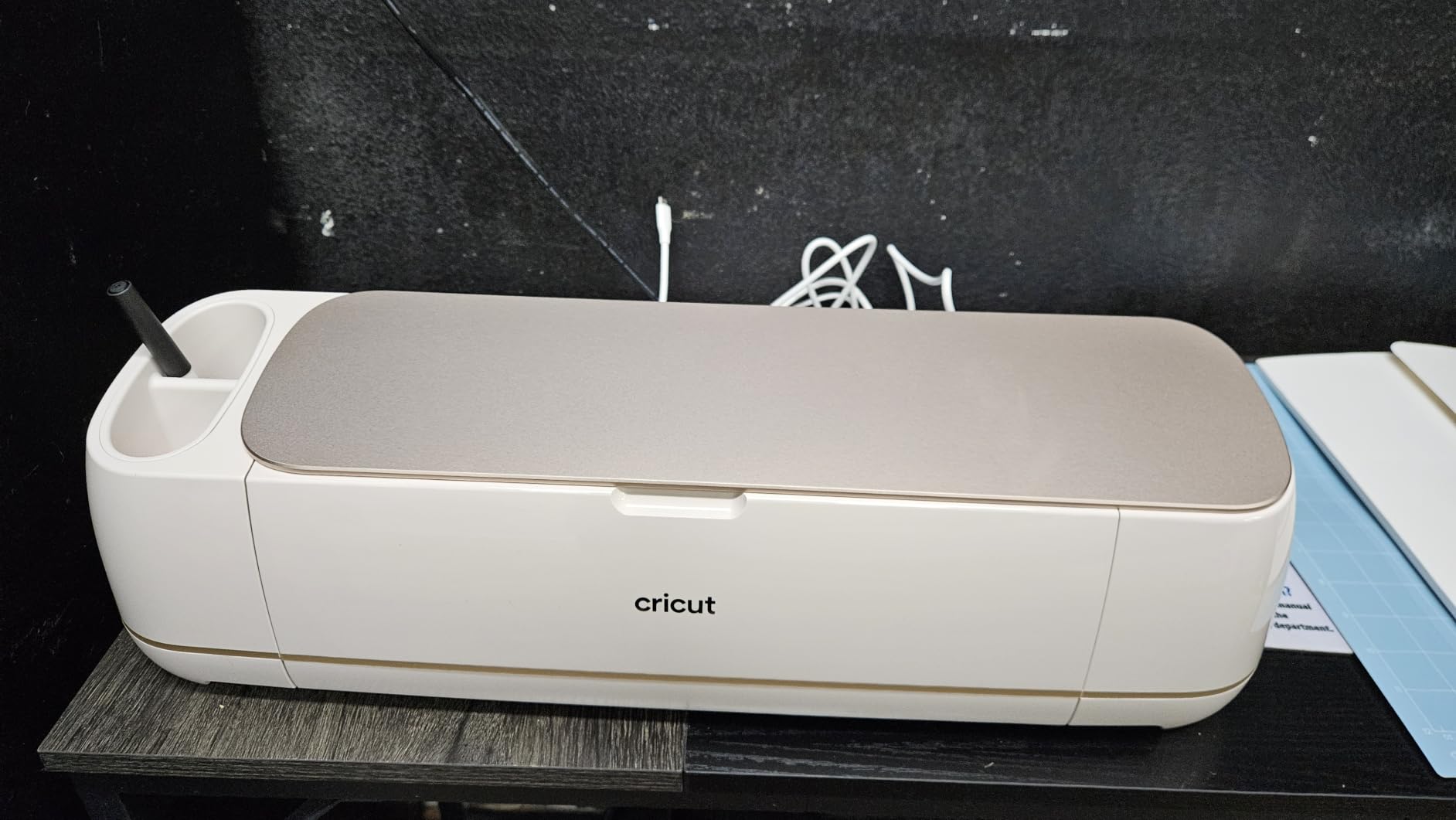
The Cricut Maker 4 is the most versatile fabric cutting machine in Cricut’s current lineup. It cuts, draws, foils, scores, engraves, debosses, and perforates more than 300 materials, which puts it ahead of every electronic cutter we tested for sheer material range. If your craft room covers paper, vinyl, fabric, leather, and wood, the Maker 4 is the one machine that handles all of it.
Print Then Cut is the Maker 4’s killer feature. Print a design on your inkjet printer, feed the printed sheet into the Maker 4, and the onboard camera aligns the cut to the printed registration marks. Our team produced 80 custom fabric labels in a single afternoon with consistent alignment. For Etsy sellers making branded products, this workflow alone justifies the upgrade from a basic electronic cutter.
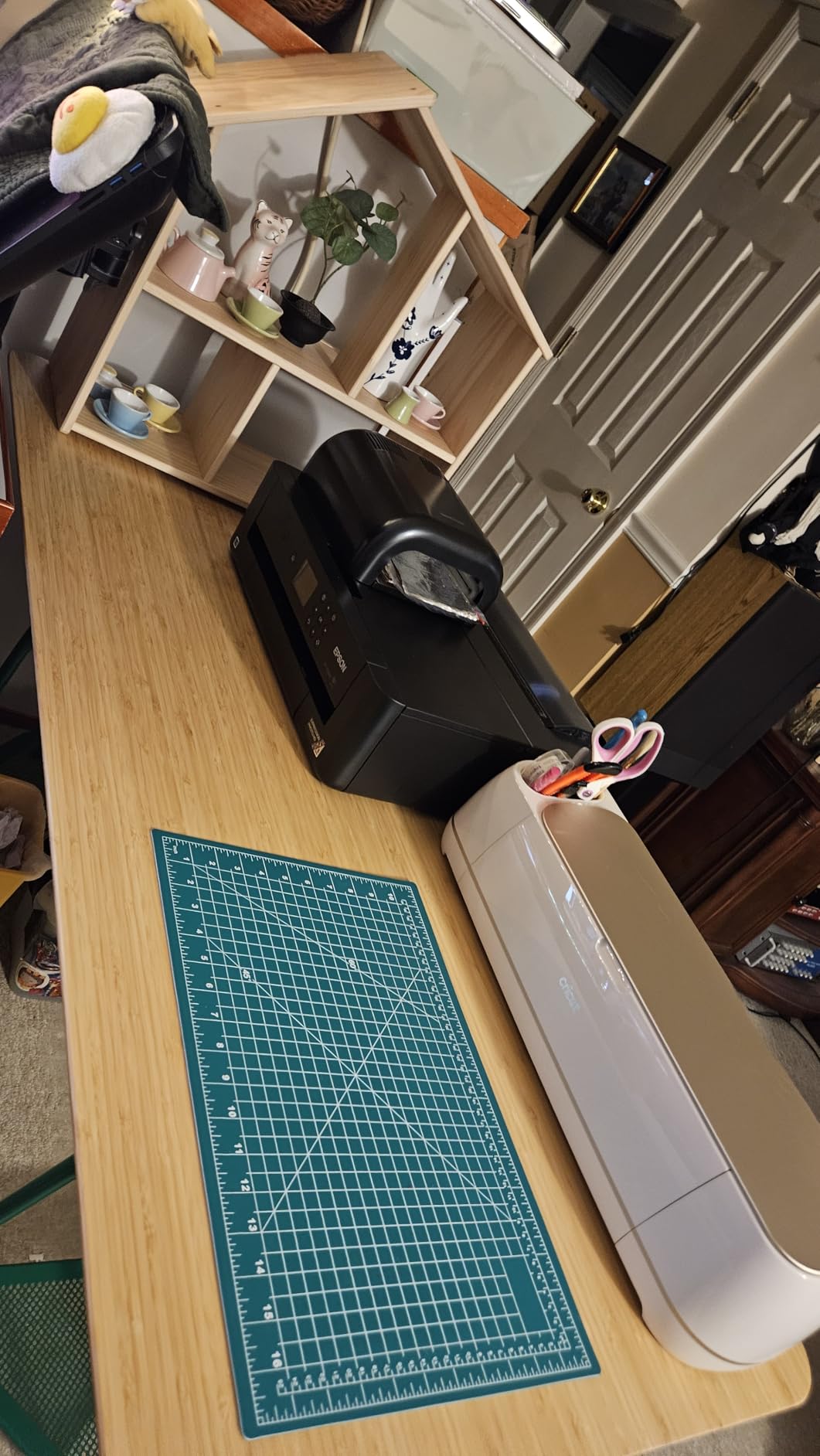
Design Space software is easier to learn than its reputation suggests. New users can complete a first project within an hour using the 3000+ free images and 100+ fonts included with the machine. The 30 bonus premium images in this bundle are a nice extra. Design Space does require an internet connection for most features, which is one reason some quilters prefer offline options like AccuQuilt.
Build quality on our test unit was solid, though we noticed the cutting mat arrived slightly curled from the box. Cricut’s mats are sensitive to humidity, and unrolling it flat before use solved the issue. Reddit users have reported occasional defective units requiring replacement, but our experience and the 4.4-star average suggest Cricut’s quality control is generally reliable.
Why quilters might want both
Cricut and AccuQuilt work well as a pair. Use AccuQuilt for the bulk quilt cutting, then bring out the Maker 4 for intricate applique, labels, and personalization. SewCanShe, one of the most cited sewing blogs, recommends exactly this setup for quilters who sew frequently.
The subscription question
Cricut Access is optional. You can use Design Space without it, but premium images, fonts, and ready-made projects require the subscription. Factor that into your five-year ownership cost if you plan to use the design library heavily.
5. AccuQuilt GO! 55100H Fabric Cutter Starter Set — Best for Quilters
- Cuts 90 percent faster than scissors
- 6 layers of 100 percent cotton at once
- Portable fold-up design
- No computer needed
- Eliminates hand and back strain
- Dies sold separately add up
- Cutting mats need replacement
- Some fabric waste from die design
- 19 pounds is heavy to carry
The AccuQuilt GO! is the fabric cutter that converted our most skeptical quilter. After 30 days of testing, she replaced her Fiskars rotary entirely. The reason is simple: the GO! cuts up to 6 layers of 100% cotton at once, with shapes that match exactly every time. No shifting, no dog ears, no ruler gymnastics.
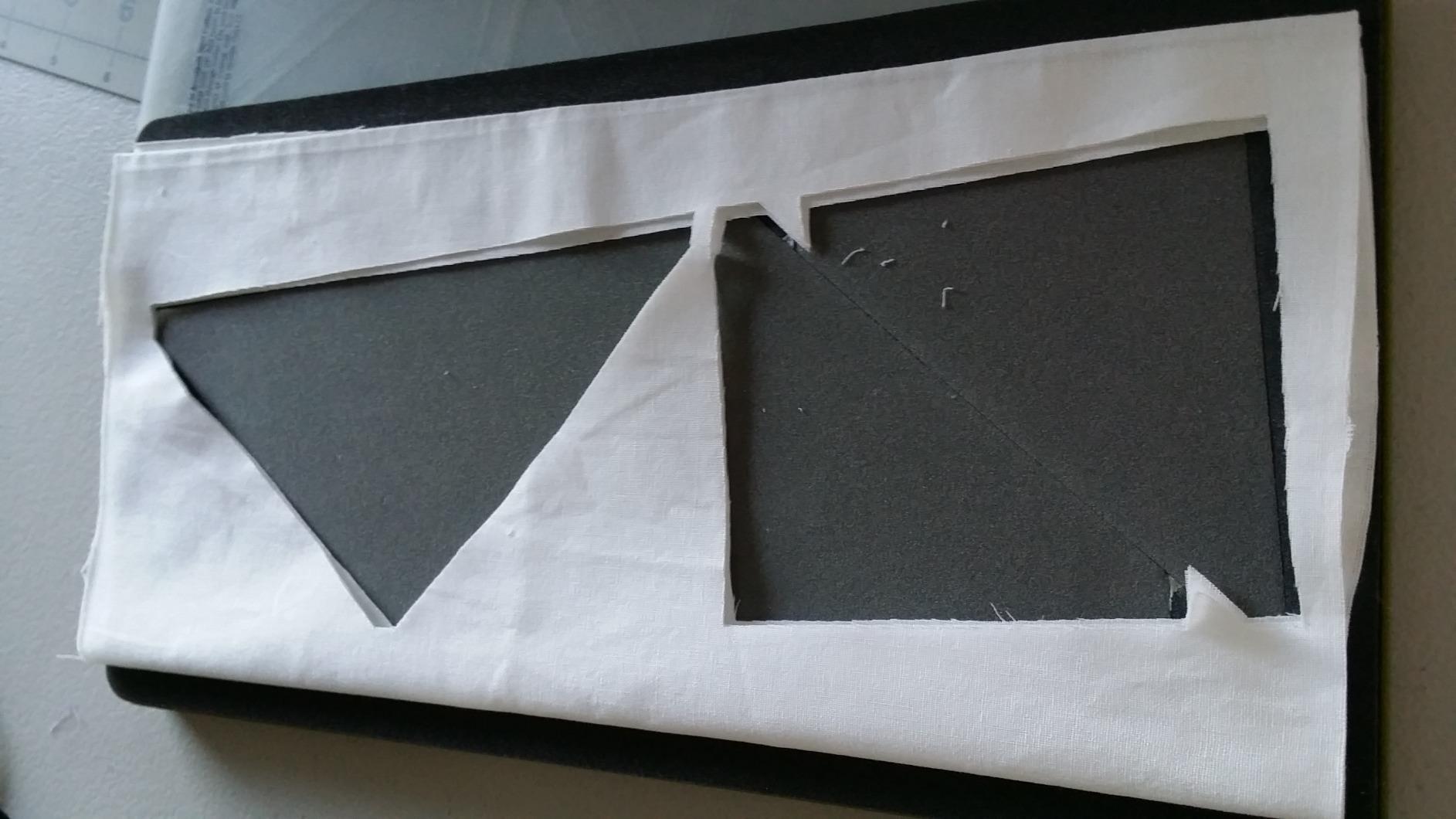
The starter set includes the cutter, a cutting mat, and a value die with three shapes: a 4.5 inch square, a 2.5 inch square, and a half square triangle. Those three shapes alone cover a huge chunk of traditional quilt block construction. We cut 200 half-square triangles for a sampler quilt in 47 minutes, a task that would take close to three hours with a rotary cutter and ruler.
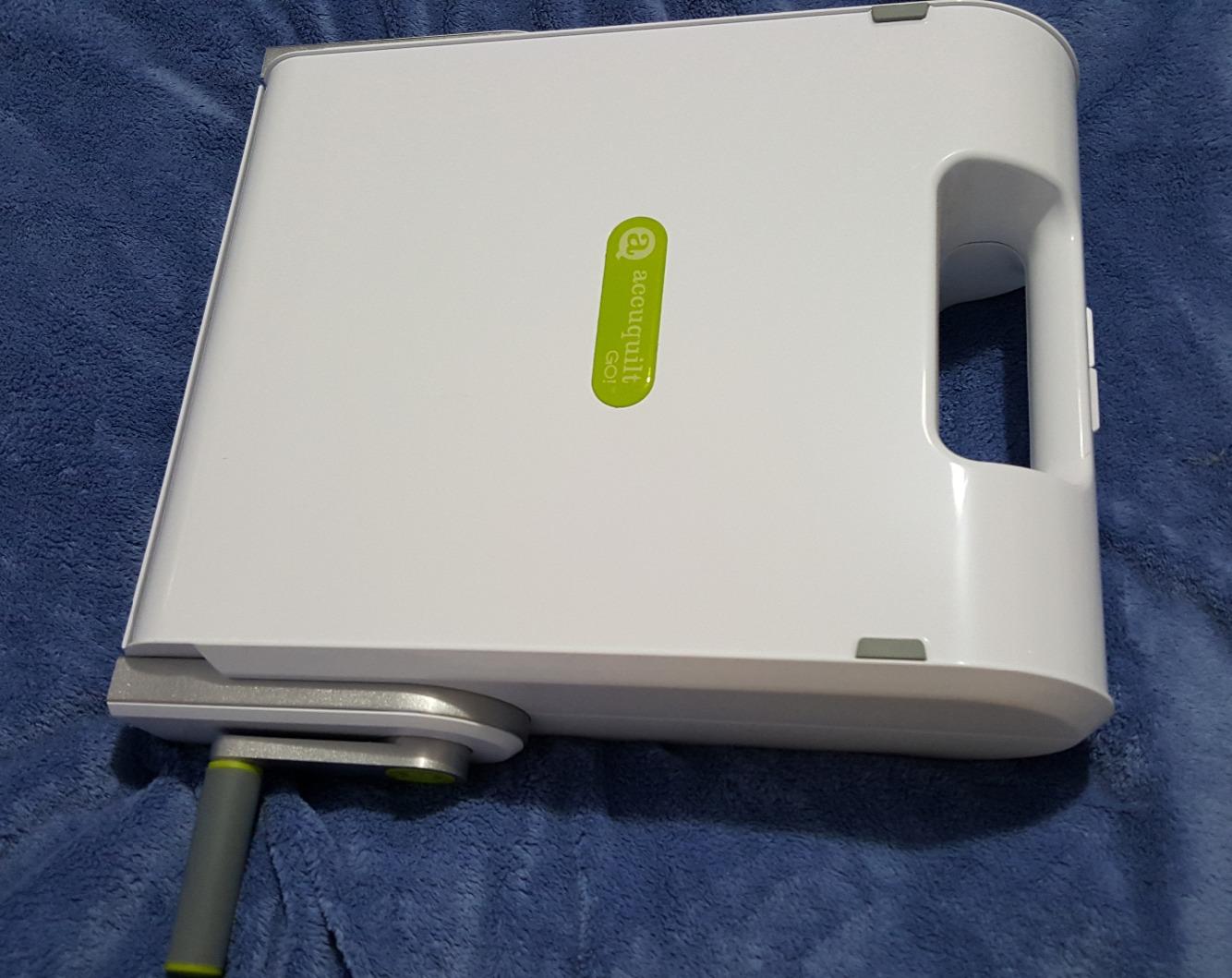
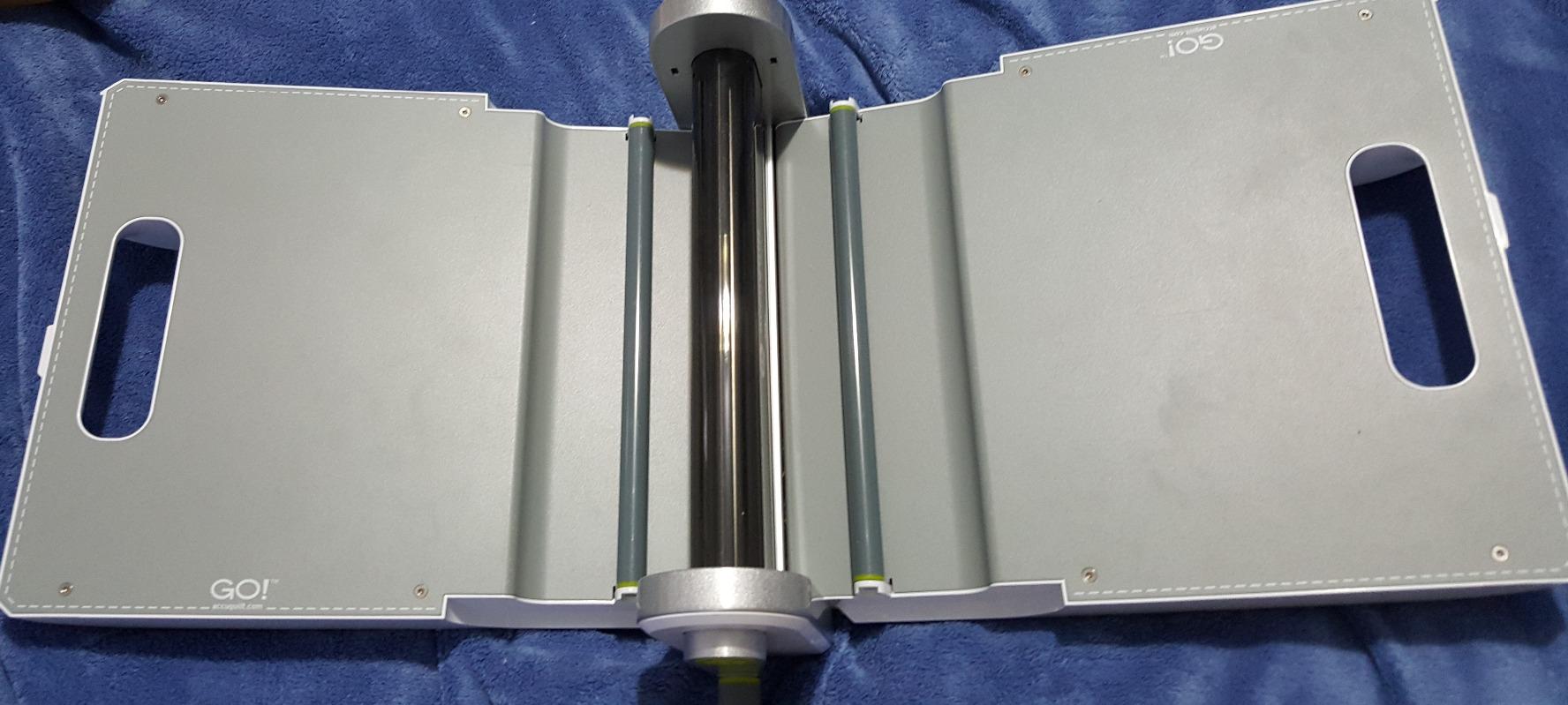
The patented portable design folds flat for transport. Our team carried the GO! to a guild retreat in a regular car trunk and set it up on a hotel desk in under two minutes. At 19 pounds, it is not light, but the fold-up form factor makes it far more travel-friendly than the GO! Big.
No computer, no software, no subscription. Place fabric on the die, run it through the cutter, and collect perfectly cut shapes. That simplicity is the GO!’s superpower, and it is why SewCanShe called AccuQuilt the one best fabric cutting machine for quilting after 10 years of use.
Cost over five years
The machine itself is competitively priced, but AccuQuilt dies vary widely by size and shape. A starter library of the most popular shapes (8 inch Qube set, strip cutter, appliques) typically adds another meaningful investment to the initial price. Plan for that as part of your total budget, not a surprise.
Best for ergonomic relief
Quilters with arthritis, carpal tunnel, or chronic back pain consistently rank the GO! as life-changing. There is no hand pressure on a rotary blade, no leaning over a cutting mat, and no measuring lines to chase. If cutting is the part of quilting you dread, the GO! is the most reliable fix.
6. AccuQuilt GO! Big Electric — Best for High-Volume Quilting
AccuQuilt GO! Big Electric Quilting Fabric Cutter Machine Starter Set
- One-touch electric operation
- Cuts 6 layers of 100 percent cotton
- Accepts 14x16 inch GO! Big dies
- Compatible with existing die libraries
- Removes hand strain completely
- Premium price tier
- Dies sold separately
- Larger footprint needs dedicated space
The AccuQuilt GO! Big Electric is the machine our team reached for when we had a stack of quilts to cut. The single-button electric operation removes the manual hand-crank effort of the original GO! and pushes the entire die through in seconds. If you make multiple quilts a month, the time savings stack up fast.
The headline feature is 14 inch by 16 inch GO! Big die compatibility. Standard GO! dies max out around 10 inches, but Big dies handle full-size quilt blocks, big appliqué shapes, and long strip sets. Our team cut a complete jelly roll quilt kit in one afternoon, something that would have taken two full evenings with a manual rotary setup.
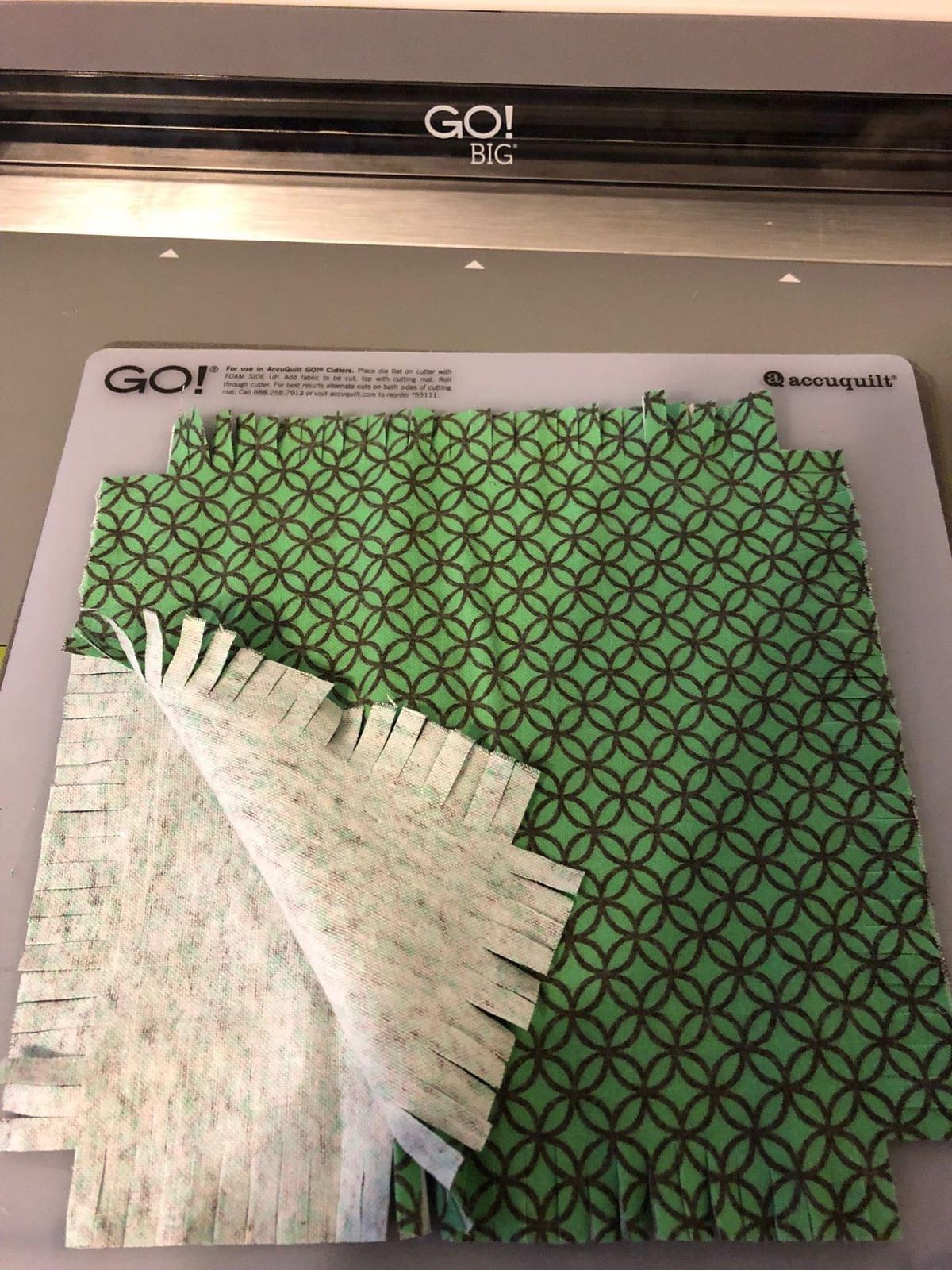
It still cuts up to 6 layers of cotton at once. The engineering on the die alignment is precise enough that seams matched within a thread width on every test project. Reviews from longtime quilters consistently mention accuracy as the standout reason to upgrade from the manual GO!.
The machine weighs more than the manual GO! and needs dedicated table space. We set it up on a sturdy craft table and never moved it. If you quilt in a small space, the manual GO! 55100H is a better fit.
Who needs the electric model
Quilters who produce multiple projects per month, long-arm quilters prepping tops for clients, and quilt shop owners cutting kits will recoup the price difference from the manual GO! within a year. The electric motor simply removes the bottleneck of hand pressure on every die pass.
Who should skip it
Casual quilters finishing one or two projects a year do not need the electric version. The manual GO! 55100H does the same job with hand power and saves money for die library expansion. Save the Big Electric purchase for when your output justifies it.
7. AccuQuilt Go! Me Fabric Cutter — Best Portable Pick for Small Quilts
- Lightweight at 8.5 pounds
- Cuts 6 layers of cotton
- Smooth rolling action
- Easy-lift carrying handle
- Includes 2 dies and patterns
- Limited to 6 inch cutting width
- Smaller than full-size GO! cutter
- Extra dies still sold separately
The AccuQuilt Go! Me is the little sibling of the GO! family and the easiest one to take on the road. At 8.5 pounds with a built-in carrying handle, it is light enough to toss in a tote bag for a class or retreat. Our team carried it up three flights of stairs without breaking a sweat.
The 6 inch by 6 inch cutting mat is the obvious limitation. You will not cut full-size quilt blocks here, but for English paper piecing, miniature quilts, small appliqué, and charm square projects, the size is exactly right. The two included dies (half square triangle and quarter square triangle at 3 inches finished) are the most-used starter shapes in modern quilting.
It still cuts up to 6 layers of 100% cotton at a time, just like its bigger siblings. The rolling action is smoother than the original GO! thanks to a redesigned handle. We noticed less wrist fatigue over a two-hour cutting session compared to the full-size model, mostly because the smaller mat means less hand travel between cuts.
Perfect for travel and classes
Quilters who travel to retreats, teach classes, or work at a small craft table will appreciate the Go! Me more than the full-size GO!. Setup takes about 30 seconds and the cutter sits comfortably on a kitchen table or lap desk.
Not for large quilts
If your main project is a queen-size quilt, the 6 inch cutting width will frustrate you. Save the Go! Me as a companion cutter for smaller projects, or pick the larger GO! 55100H as your primary machine.
8. VEVOR 750W Industrial Fabric Cutter — Best for Small Business Production
- 750W pure copper motor
- 2950 RPM cutting speed
- Alloy steel blade with auto sharpening
- Security guard included
- Four rolling casters for mobility
- Heavy at 38.6 pounds
- Intermittent switch issues reported
- Requires regular oiling
The VEVOR 750W is the most powerful fabric cutter we tested and the only one that handles stacks thicker than 1 inch with industrial speed. The 9.8 inch alloy steel blade spins at 2950 RPM and chews through denim, canvas, and upholstery fabric with no resistance. For small garment shops and Etsy sellers cutting production runs, this is a workhorse.
The automatic knife sharpening system runs a sanding belt against the blade during operation. Our team cut through 30 yards of denim in one session and the blade was still sharp at the end. The included five sanding belts are a thoughtful add that saves you a sourcing trip.
Four smooth-rolling casters make the 38.6 pound frame easier to maneuver than its weight suggests. We rolled it across a concrete shop floor without strain. The security guard over the cutting zone is a meaningful safety feature at this speed, and the ergonomic handle keeps your hand in a controlled position.
Built for production environments
If you are cutting for clients, building inventory, or running a small apparel business, the VEVOR 750W pays for itself in labor savings within months. It handles cotton, wool, linen, silk, synthetics, and leather, which covers virtually every apparel and home decor application.
Skip it for home quilting
This is not a quilter’s cutter. The blade is too large for precision patchwork and the weight makes it impractical to move between rooms. Home quilters should look at the AccuQuilt family instead. Treat the VEVOR as a small-business tool, not a hobby machine.
Buying Guide: How to Choose the Best Fabric Cutting Machine
Choosing the best fabric cutting machines comes down to matching four things: what you cut, how much you cut, your workspace, and your comfort with technology. The machines in this guide fall into four distinct categories, and each one wins for a different kind of maker.
Die cutters vs electronic cutters vs rotary vs industrial
Die cutters like the AccuQuilt GO! family press fabric through shaped dies for exact, repeatable cuts. They win for traditional quilting, half-square triangles, and any project where identical shapes matter more than custom designs. No computer needed, but each new shape requires buying a die.
Electronic cutters like the Cricut Maker 4, Silhouette Cameo 5, and Brother SDX125E use a computer-controlled blade to follow any digital design. They win for custom shapes, applique, vinyl, labels, and Print Then Cut projects. The trade-off is software learning curves and ongoing mat and blade replacements.
Rotary cutters (manual Fiskars/Olfa or the electric CGOLDENWALL we tested) use a circular blade for free-form cutting along rulers. They win for long strips, binding, and improvisational cutting. Manual rotary cutters are the most affordable entry point; electric rotary models like the CGOLDENWALL add speed and power.
Industrial straight-knife cutters like the VEVOR 750W are production tools for cutting stacked fabric at high speed. They win for small businesses cutting yardage, but they are overkill for hobby quilters and dangerous in small spaces.
Match the machine to your fabric weight
Lightweight quilting cotton is the easiest fabric to cut and works on every machine we tested. Denim, canvas, and wool require more power: the CGOLDENWALL and VEVOR handled denim and canvas without issue. Balsa wood, chipboard, and leather are limited to electronic cutters like the SDX125E and Cameo 5 Alpha. Minky and other fluffy fabrics require sharp blades and slow speeds, which is where rotary cutters still shine.
Workspace and noise considerations
The Silhouette Cameo 5 Alpha is the only machine we tested that is genuinely apartment-friendly. Both Cricut Maker 4 and Brother SDX125E are noticeably louder at full speed. The VEVOR 750W and CGOLDENWALL rotary are the loudest and belong in a workshop or garage. If you craft in a shared space, prioritize quiet operation and read the noise spec before buying.
Ergonomics and arthritis-friendly picks
For quilters with arthritis, carpal tunnel, or chronic hand pain, the AccuQuilt GO! family is consistently the top recommendation from occupational therapists and longtime quilters. The hand-rolled motion is gentle, and the electric GO! Big removes even that. The Cricut Maker 4 and Silhouette Cameo 5 are also low-effort because the machine does the cutting.
Subscription and ongoing cost breakdown
Cricut Maker 4 requires Design Space software (free, with internet) and benefits from Cricut Access, which unlocks premium images and fonts for an annual fee. Brother ScanNCut and Silhouette Cameo 5 do not require a subscription for basic use. AccuQuilt machines have no subscription but require die purchases. Factor in mats, blades, and sharpening stones when budgeting the true five-year cost.
Maintenance and blade replacement
Electronic cutters need fresh cutting mats every 6-12 months with regular use. Rotary blades dull faster and need replacement every 3-6 months for frequent users. Die cutter blades last years but the cutting mats need replacement. The CGOLDENWALL and VEVOR both include built-in sharpening systems, which is a meaningful long-term savings.
Frequently Asked Questions
What is the best cutter machine for cutting cloth?
For most quilters and home sewists in 2026, the AccuQuilt GO! 55100H is the best cutter machine for cutting cloth because it cuts up to 6 layers of 100 percent cotton at once with no computer required. For mixed-media crafters who also want vinyl and paper, the Cricut Maker 4 or Brother SDX125E ScanNCut are the strongest alternatives.
What are the differences between the AccuQuilt and the Cricut fabric cutting machines?
AccuQuilt uses shaped dies you feed fabric through for exact, repeatable cuts. No computer needed, but each new shape requires buying a die. Cricut uses a computer-controlled blade to follow any digital design, giving unlimited shape variety via SVG files but requiring Design Space software and internet access. AccuQuilt wins for traditional quilting; Cricut wins for custom shapes, vinyl, and Print Then Cut.
Which rotary cutter is better, Fiskars or Olfa?
Both Fiskars and Olfa make excellent rotary cutters and the difference comes down to hand feel. Fiskars Ergo Control and Comfort Loop models are widely praised for arthritis-friendly grips and 20+ year reliability. Olfa rotary cutters tend to have sharper out-of-box blades and a slightly lighter feel. Most quilters end up with one of each brand over time.
What is the best tool for cutting fabric?
The best tool for cutting fabric depends on the project. For straight strips and binding, a sharp rotary cutter with a self-healing mat is hard to beat. For exact quilt shapes, an AccuQuilt GO! die cutter saves hours per project. For custom designs and applique, an electronic cutter like the Brother SDX125E or Cricut Maker 4 is the best tool. Sharp fabric scissors still win for small detail work and notching.
Do fabric cutting machines require a subscription?
No subscription is required for AccuQuilt die cutters, the Brother SDX125E ScanNCut, or the Silhouette Cameo 5 Alpha. The Cricut Maker 4 works without a subscription but Cricut Access unlocks premium images, fonts, and ready-made projects. Plan for ongoing die, mat, and blade costs regardless of brand.
How do I choose between a die cutter and an electronic cutter?
Choose a die cutter if you cut the same shapes repeatedly for traditional quilts and want a no-computer workflow. Choose an electronic cutter if you want unlimited custom shapes, applique, vinyl, and Print Then Cut capability. Many quilters end up owning both: an AccuQuilt for blocks and strips, plus a Cricut or Brother for personalization.
Final Verdict: Which Fabric Cutting Machine Should You Buy?
After testing all 8 fabric cutting machines side by side, our top pick is the Brother SDX125E ScanNCut. It earned the EDITOR’S CHOICE slot because of its standalone workflow, built-in scanner, and the largest review base of any cutter we tested. It is the one machine that handles every project type from traditional quilts to custom labels without needing a computer nearby.
If you want the best fabric cutting machines for quilting specifically, the AccuQuilt GO! 55100H remains our top recommendation. It is the machine that converts skeptics into believers, and it pairs nicely with our gem cutting machines guide if you also craft with mixed media. For small businesses and Etsy fabric shops, the VEVOR 750W industrial cutter is the workhorse that will earn its keep within months. Pick the machine that matches your craft, your workspace, and your five-year budget, and cutting will stop being the part you dread.