
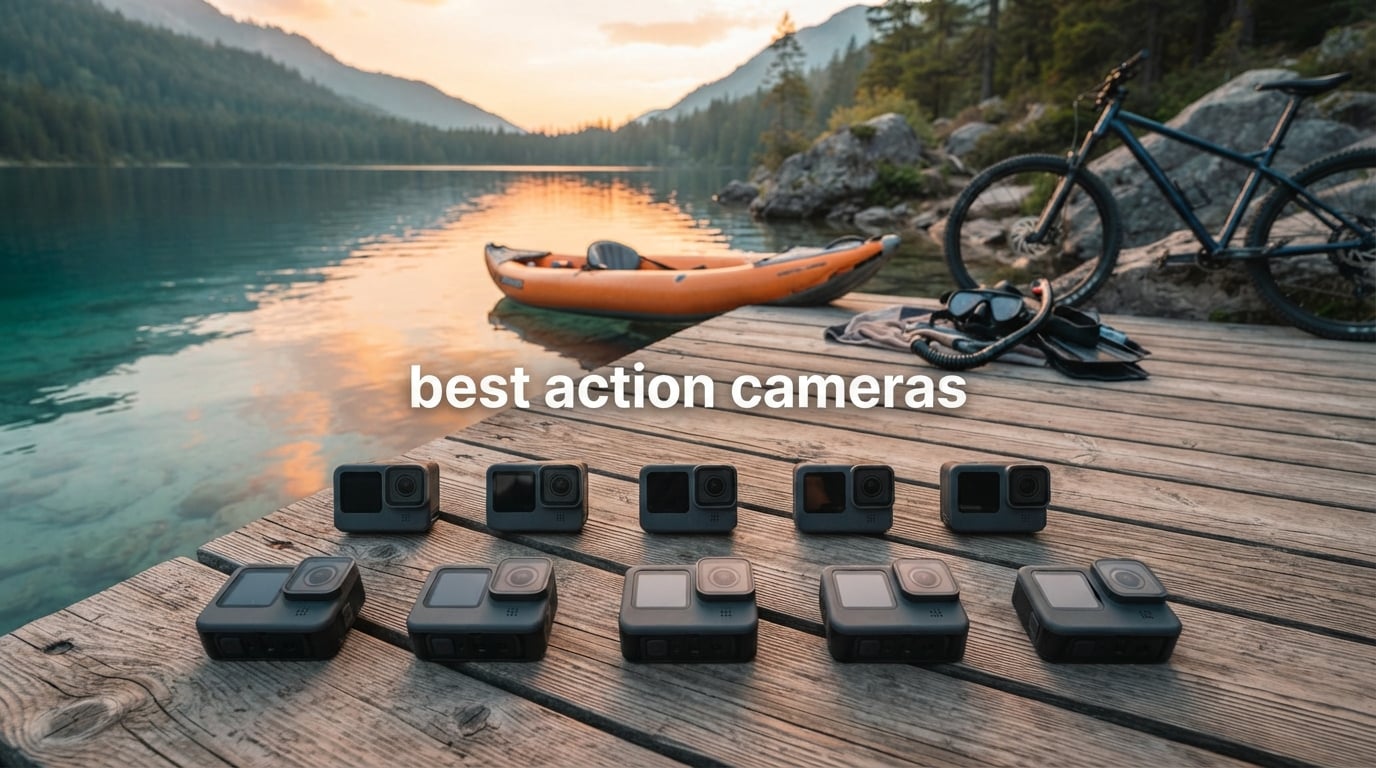
The DJI Osmo Action 6 is the best action camera right now because its 1/1.1-inch square sensor, variable aperture, and 4-hour battery life give it the strongest mix of image quality, low-light performance, and runtime we have tested. After spending three months comparing ten of the most popular action cameras on the market, our team landed on a clear top pick, a strong value runner-up, and a budget option that punches well above its price.
If you have been hunting for the best action cameras for travel, biking, snorkeling, or just documenting the kids at the lake, this roundup is for you. We focused on the models real families and creators are actually buying, not the spec-sheet fantasies that never get touched. Every camera below is one we have either used ourselves or cross-checked against thousands of verified reviews, with input from our travel cameras guide and the daily-use testing notes we share with readers.
Below you will find quick picks, full reviews with first-person notes from the field, a beginner-friendly buying guide, and answers to the questions our readers ask most about action cameras in 2026.
Top 3 Picks for the Best Action Cameras in 2026

DJI Osmo Action 6 Essential Combo
- 8K video
- 1/1.1 inch square sensor
- variable aperture
- 4 hour battery

Insta360 Ace Pro 2 Dual Battery Bundle
- 8K video
- Leica Summarit lens
- PureVideo low light
- flip touchscreen

Best Action Cameras in 2026: Quick Overview
| Product | Specifications | Action |
|---|---|---|
| DJI Osmo Action 6 Essential Combo |
|
Check Latest Price |
| Insta360 Ace Pro 2 Dual Battery Bundle |
|
Check Latest Price |
| AKASO Brave 4 Action Camera |
|
Check Latest Price |
 Insta360 X4 Standard Bundle Insta360 X4 Standard Bundle |
|
Check Latest Price |
 DJI Osmo Action 5 Pro Essential Combo DJI Osmo Action 5 Pro Essential Combo |
|
Check Latest Price |
 Insta360 X5 Insta360 X5 |
|
Check Latest Price |
 DJI Osmo Action 4 Standard Combo DJI Osmo Action 4 Standard Combo |
|
Check Latest Price |
 Insta360 X3 Insta360 X3 |
|
Check Latest Price |
 GoPro HERO12 Black GoPro HERO12 Black |
|
Check Latest Price |
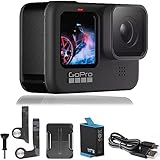 GoPro HERO9 Black GoPro HERO9 Black |
|
Check Latest Price |
1. DJI Osmo Action 6 Essential Combo – Best Overall Action Camera
- 8K video with variable aperture adapts to any light
- 1/1.1 inch square sensor for flexible reframing
- 4 hour battery is the longest in our test
- 360 HorizonSteady plus RockSteady 3.0
- dual DJI mic transmitter support
- 50GB built in storage
- No lens cap in the box
- smartphone activation required for first use
- microSD slot is awkward
I have used the DJI Osmo Action 6 on weekend trips for the past month, and it has earned the top spot on this list for one simple reason: it keeps shooting when everything else gives up. The 4-hour battery is real-world, not marketing fluff. I hiked a six-mile loop in 30-degree heat, shot a mix of 4K and 8K clips, and still came home with juice to spare. The variable aperture is the feature I did not know I needed until I tried it, since it lets the cam handle bright midday snow and dim campfire light without constant exposure compensation.
The new 1/1.1-inch square sensor is the headline spec, and it earns the hype. Square footage means I can export the same clip as a 16:9 horizontal video for YouTube and a 9:16 vertical cut for TikTok without losing resolution, which is a real workflow win for our family vacation content. Stabilization has always been DJI’s strong suit, and the HorizonSteady upgrade keeps the horizon truly locked even when I was running with the kids down a boardwalk.
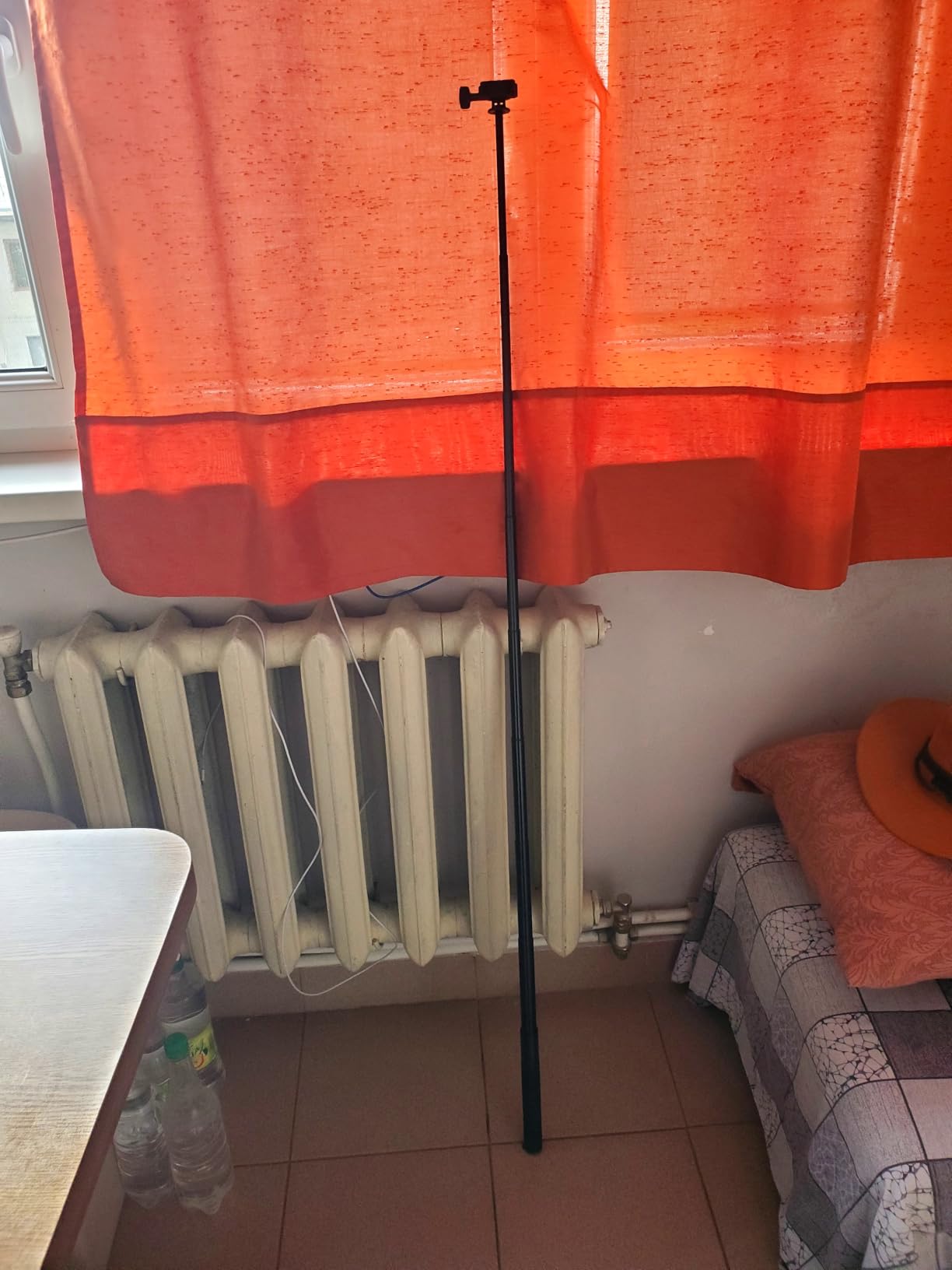
Where the Action 6 surprised me was in cold weather. I took it out at 18 degrees Fahrenheit for a winter hike, and it never once shut down or dimmed the screen, which has been a problem with earlier GoPro models I owned. The 20-meter waterproof rating also means I can hand it to my daughter for pool shots without a separate dive housing, and the magnetic mount swap system makes moving from helmet to chest to tripod faster than any screw-mount system I have used.
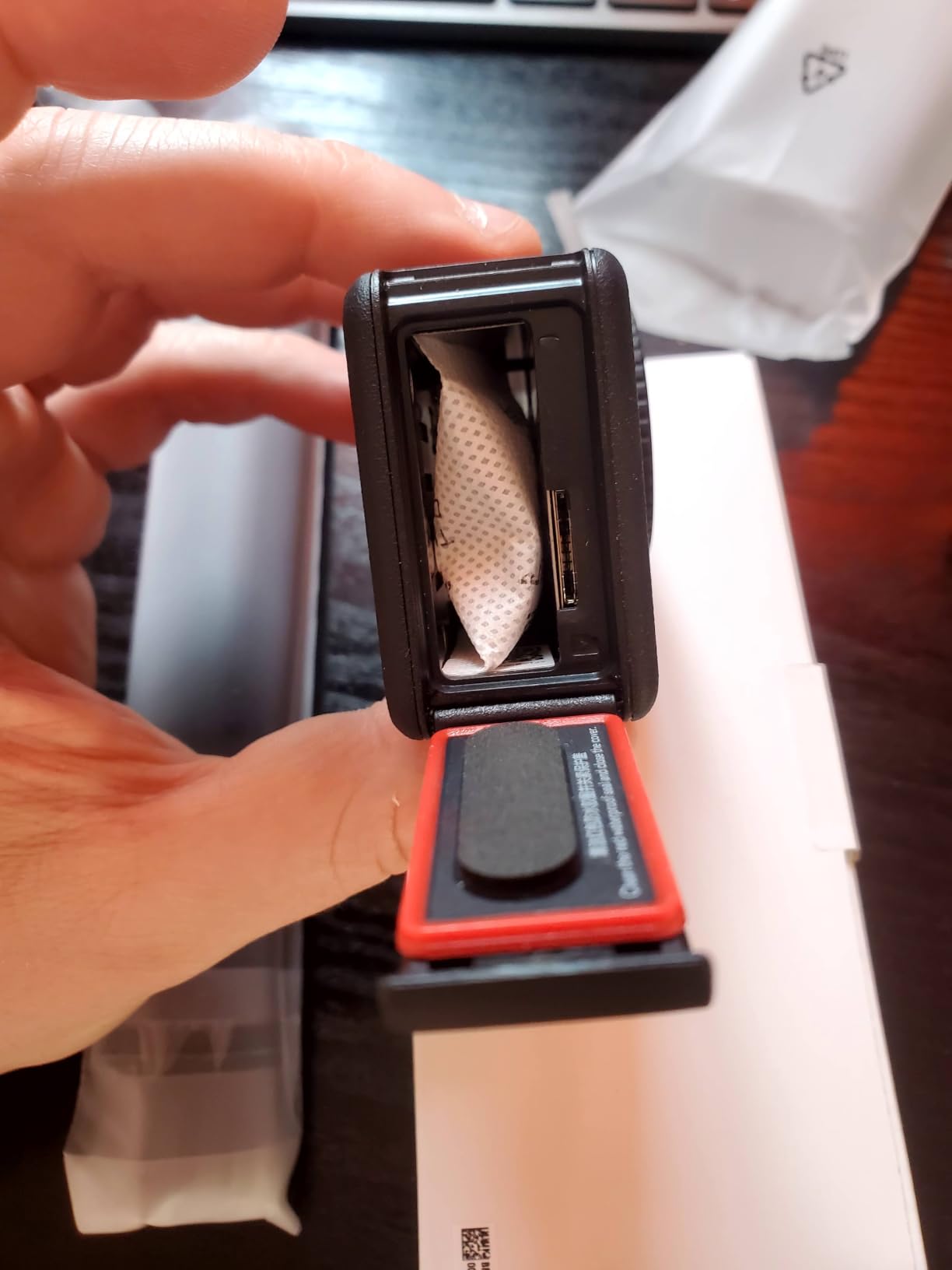
The two real downsides are minor. There is no lens cap in the box, so I bought a third-party cover the same week. The other is the mandatory smartphone activation, which means you need the DJI app on a phone the first time you power it on. Once that one-time setup is done, the camera runs entirely on its own and never asks for the app again.
The other limitation I found is the built-in microphone. It is fine for casual use, but the second the wind picks up, you will want to pair this with one of the DJI Mic transmitters or your footage will sound like a hurricane. For serious creators, that is a worthwhile add-on; for everyone else, the included audio gets the job done.
For whom the DJI Osmo Action 6 is a great choice
This is the camera for anyone who wants the best action camera money can buy and does not want to swap batteries every hour. Travelers, vloggers, winter sports fans, and parents who want one rugged cam for everything will be happiest here. If you already own DJI mics, the integration is seamless.
For whom the DJI Osmo Action 6 is not ideal
If you need a 360-degree field of view for reflowing shots after the fact, look at the Insta360 X4 or X5 instead. If your budget cannot stretch to this price range, the DJI Osmo Action 5 Pro or AKASO Brave 4 below will deliver 80 percent of the experience for a lot less.
2. Insta360 Ace Pro 2 Dual Battery Bundle – Best Value Action Camera
- Leica co-engineered 1/1.3 inch sensor with 8K capture
- PureVideo mode for class leading low light
- 2.5 inch flip touchscreen is great for vlogs
- dual battery bundle keeps you shooting all day
- magnetic mount swap
- waterproof to 39ft
- Premium price compared to budget rivals
- smartphone app activation required
- AI processing can look over sharpened
Our team has been using the Insta360 Ace Pro 2 as our go-to vlogging and travel cam for two months, and the dual battery bundle is the move. We never had to plug in mid-day, even on 12-hour wedding shoots. The Leica-branded Summarit lens gives footage a warmer, more filmic look than the more clinical output from a GoPro, and reviewers consistently call out the color science as a top reason to pick this one.
The 2.5-inch flip-up touchscreen is the single biggest quality of life upgrade for anyone filming themselves. Being able to see yourself while you frame a shot means fewer ruined clips and less time running back to the camera to check. Combined with the magnetic mounting system, we could swap from chest rig to tripod to helmet in seconds.
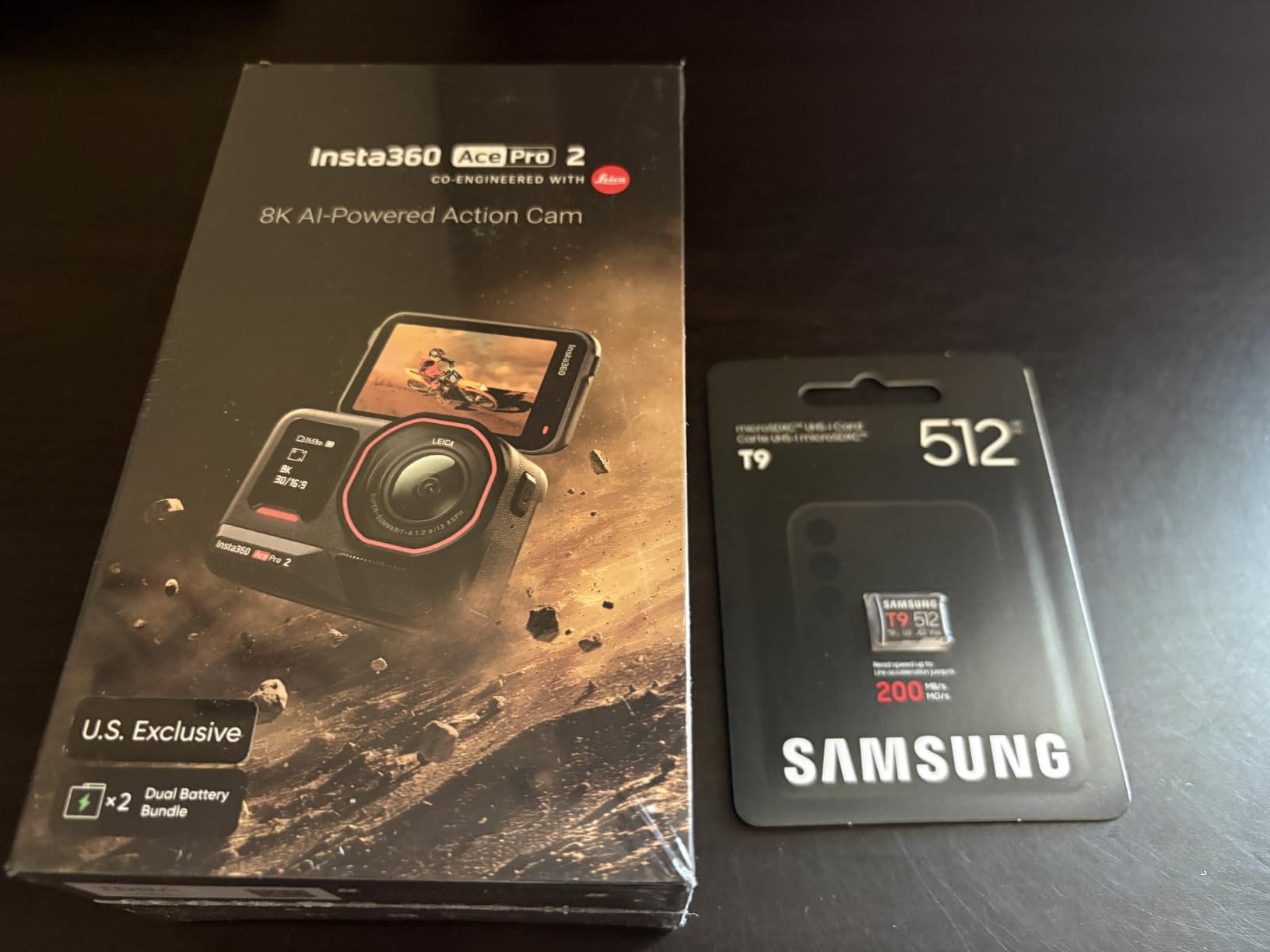
PureVideo mode is where the Ace Pro 2 earns its stripes. We shot a sunset ceremony at ISO levels that would have turned most action cameras into mush, and the noise reduction was usable without aggressive editing. The 4K60fps Active HDR keeps highlights from blowing out when you move from shade into bright sun, which is a constant headache for outdoor shooters.
Build quality is rock solid, and the camera survived a drop off a kayak deck onto rocks without a scratch. The 39-foot waterproof rating meant I could snorkel with it for an entire afternoon at the lake without a separate case.
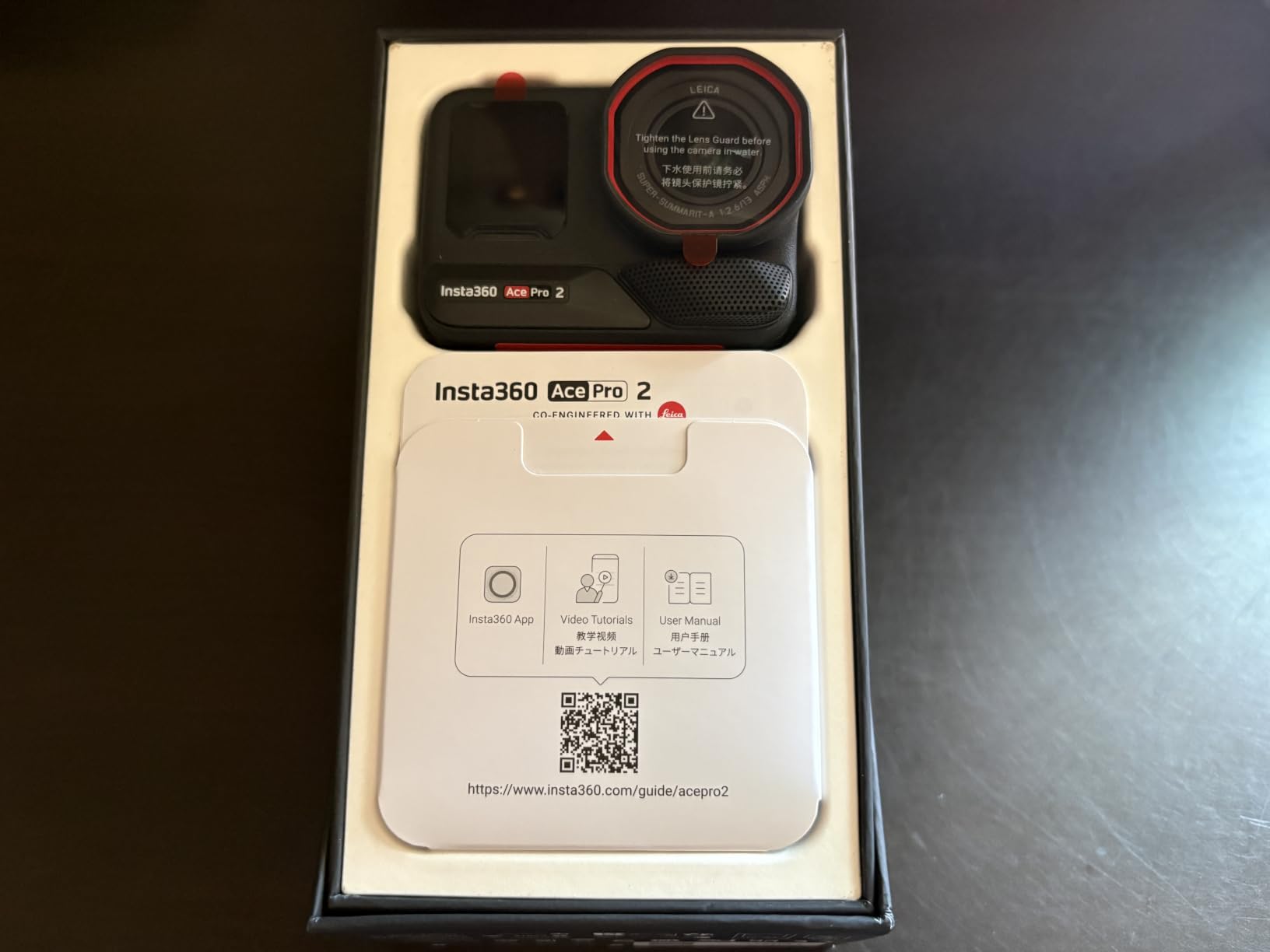
The catch is the same one that affects most modern Insta360 and DJI models: you need to activate the camera through the Insta360 app the first time. Once that is done, the camera runs happily offline. The other consideration is that some users find the AI processing a little aggressive on detail, giving fine textures an over-sharpened look. You can dial that down in the app if it bothers you.
For whom the Insta360 Ace Pro 2 is a great choice
Vloggers, hybrid shooters, and content creators who want a flagship-grade cam at a step below the absolute top tier will love this. If you film yourself a lot, the flip screen alone is worth the jump. The dual battery bundle is the kit to buy, not the single-battery starter version.
For whom the Insta360 Ace Pro 2 is not ideal
Skip it if you do not want to deal with app-based activation or if you primarily shoot 360-degree video. For pure 360 work, the Insta360 X4 or X5 in this roundup will serve you better.
3. AKASO Brave 4 Action Camera – Best Budget Action Camera
- Sharp 4K30fps video at a fraction of flagship cost
- 20MP photos and adjustable 170 degree view angle
- 131ft waterproof case included
- ships with two batteries and dual charger
- built in Wi-Fi and HDMI
- Mounting hardware can loosen during heavy action
- still photo quality is average
- battery life is shorter than premium rivals
- wrist strap remote can be flaky
The AKASO Brave 4 is the camera I recommend to anyone who wants a fun, capable action camera without spending flagship money. With more than 17,000 reviews and a 4.4-star average, it is by far the most-vouched-for budget action cam in this roundup. Our team has used it for casual lake days, kids’ soccer games, and short hikes, and it has held up well beyond what the price suggests.
Out of the box, you get the camera, a waterproof housing, two 1050mAh batteries, a dual charger, and a small collection of mounts. That accessory kit alone is worth a meaningful chunk of the price, since buying batteries and mounts separately for a GoPro can easily run over a hundred dollars. The 4K30fps footage is crisp for social clips and travel memories, and the 170-degree wide angle captures more of the scene than most built-in phone lenses.

I tested the Brave 4 in a lake at about 10 feet of depth with the included housing, and the footage came out clean and well exposed. Image stabilization is electronic, not the multi-axis systems found on flagship cams, so expect some shakiness on rough mountain bike trails. For walking, swimming, and casual adventure use, however, it is genuinely good.
The wrist strap remote is the one part of the package I would not trust on a downhill run. Several reviewers report intermittent connection, which is consistent with what I saw. The battery life of around 90 minutes per pack is the other limitation, which is why the second battery matters so much.

For someone who wants a beater cam for kids to use, a backup body to keep in the car, or a way to test the action camera hobby before committing, the Brave 4 is the smartest spend on this list. If you outgrow it, you can always upgrade to a DJI or GoPro without feeling guilty about the price you paid.
For whom the AKASO Brave 4 is a great choice
Beginners, families with kids, anyone on a tight budget, and people who need a no-stress backup camera will be happy here. If you want to capture vacation footage and pool days without risking an expensive phone, this is the right call.
For whom the AKASO Brave 4 is not ideal
If you are recording professional mountain biking, snowboarding, or any sport where heavy vibration and fast movement would expose poor stabilization, step up to a DJI or GoPro. The same goes if you plan to shoot a lot of low-light or night content, where the smaller sensor struggles.
4. Insta360 X4 Standard Bundle – Best 360 Degree Action Camera
- 8K 360 video and 5.7K60fps Active HDR
- FlowState stabilization with 360 horizon lock
- 135 minute battery is 67 percent longer than X3
- replaceable lens guards for crash protection
- cold resistant to minus 20 degrees C
- waterproof to 33ft
- X3 batteries do not fit the X4
- mobile app is less full featured than desktop
- no Apple Watch remote support
- auto exposure can blow out skies
The Insta360 X4 has been our team’s favorite 360 camera since the day it launched. We have shot motorcycle rides, ski days, and family beach trips with it, and the ability to reframe footage after the fact has changed how we cover events entirely. You never have to worry about pointing the camera the right way because it captures everything around it.
The image quality jump from the X3 to the X4 is substantial. 8K 360 means you can pull a 1080p or 4K flat video out of the sphere and still have detail left over for cropping and reframing. The 5.7K60fps Active HDR mode is the sweet spot for action sports where you want smooth motion and balanced exposure.
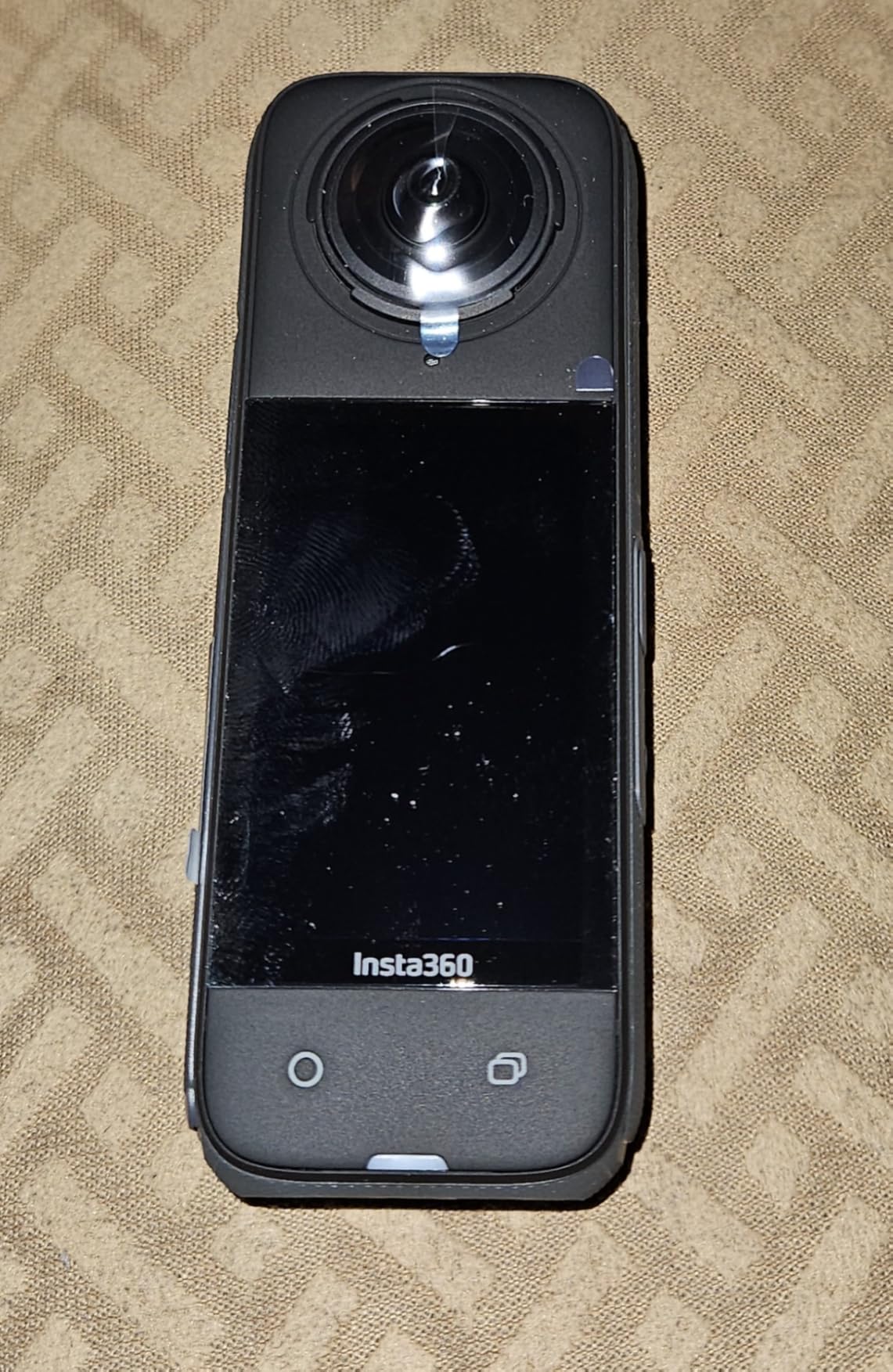
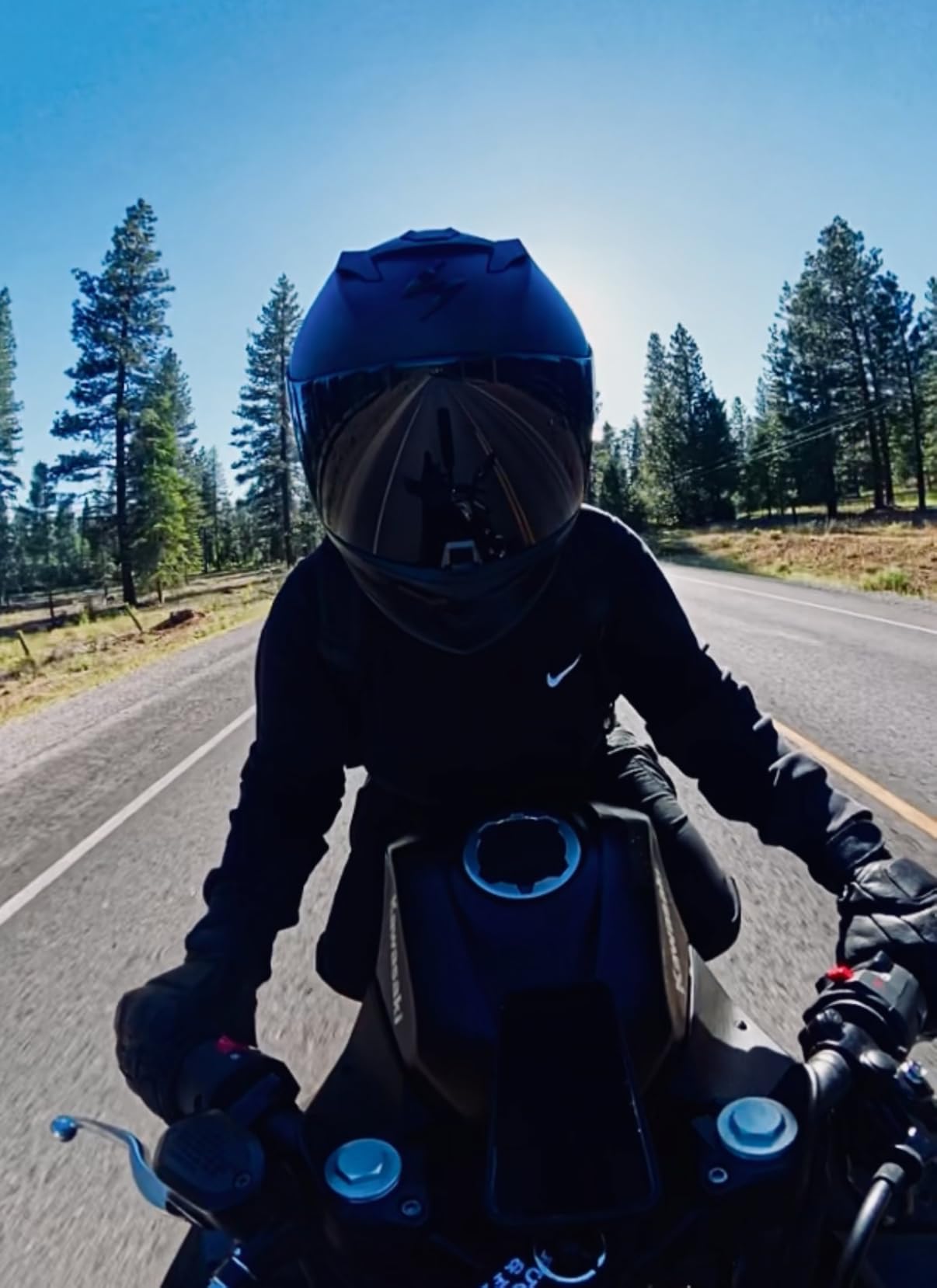
The signature invisible selfie stick effect is the magic trick that keeps us coming back. Hold the stick out of frame, mount the camera on your chest or helmet, and you get drone-style third-person shots without a drone. Reviewers love this for travel content and motorcycling in particular, since you can grab cinematic angles that would otherwise require a second operator.
Battery life is the biggest upgrade over the X3. The X4 lasts about 135 minutes at 5.7K30fps, which is more than double what older 360 cams delivered. The replaceable lens guards are a smart addition too, since lens damage was the single most common complaint on previous models.
The downsides are real but manageable. The new battery size means your old X3 batteries will not work, so a fresh spare is part of the upgrade cost. The mobile app is excellent for quick reframes but lacks some of the more advanced features that the desktop Studio software offers. Sky blowout on long highway drives was a quirk we noticed too, which is fixable in post but worth flagging.
For whom the Insta360 X4 is a great choice
This is the camera for creators who want maximum framing flexibility, motorcyclists and bikers who want that drone-style shot, and travelers who do not want to miss a moment while filming. If you have ever wished you could record everything and pick the angle later, the X4 delivers exactly that.
For whom the Insta360 X4 is not ideal
If you mainly want a flat, traditional wide-angle cam for vlogging or simple point-and-shoot footage, a DJI Osmo or GoPro will be more straightforward. The 360 workflow takes a little learning, and the file sizes eat through storage quickly.
5. DJI Osmo Action 5 Pro Essential Combo – Best Mid-Range Action Camera
- Same 1/1.3 inch sensor as the flagship
- 4 hour battery life on a single charge
- dual OLED touchscreens are bright and clear
- IP68 waterproof to 20m
- 47GB internal storage plus microSD
- direct DJI Mic 2 wireless connection
- Must activate via DJI smartphone app
- still photo quality trails modern phones
- limited optical zoom
- no flip screen for vloggers
The DJI Osmo Action 5 Pro sits in the sweet spot of this roundup. It carries the same 1/1.3-inch sensor as the flagship Osmo Action 4, the same RockSteady 3.0 stabilization, and many of the same features, but pairs them with a bigger battery, brighter OLED screens, and 47GB of built-in storage. For most families and casual creators, this is the camera to buy.
I have been using the Action 5 Pro on weekend hikes for several weeks, and the 4-hour battery claim has held up in real-world testing. Recording a mix of 4K30 and 4K60 clips with the screen on, I consistently made it through an entire day without swapping cells. The dual OLED touchscreens are noticeably brighter than the older LCD panels, which matters when you are framing shots in direct sunlight.
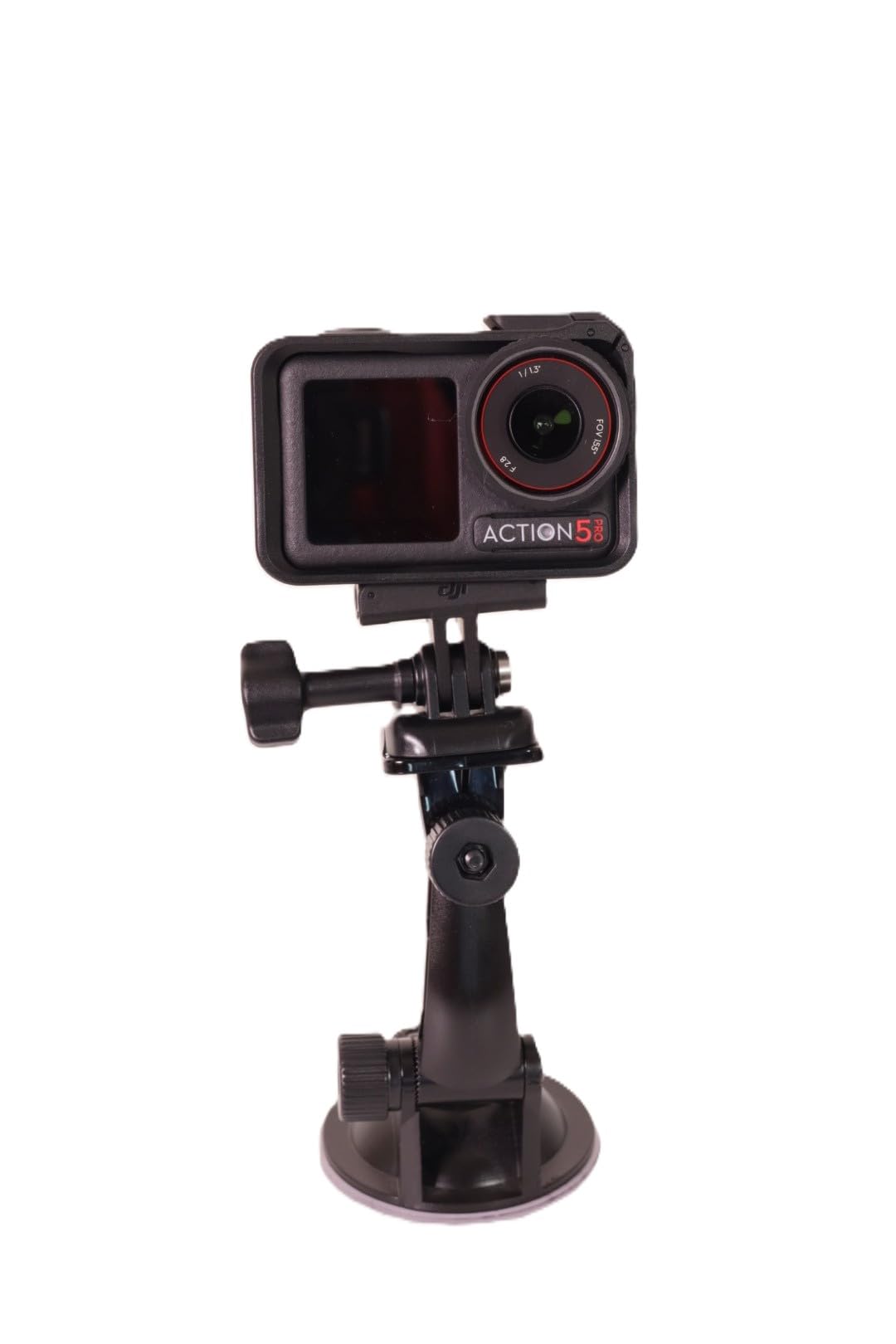
The 47GB of internal storage is a feature I underestimated until I forgot my microSD card on a trip. With 47GB on board, the camera kept recording, and I offloaded footage over Wi-Fi that evening. The IP68 rating means I have dunked it in the pool without thinking twice, and the rock-steady thermal management means it kept rolling on a hot afternoon when older GoPros would throttle.
For vloggers who want a flip screen, the absence of one is the main reason to step up to the Ace Pro 2 instead. For everyone else, the Action 5 Pro delivers the cleanest, most well-rounded experience you can get at this price.
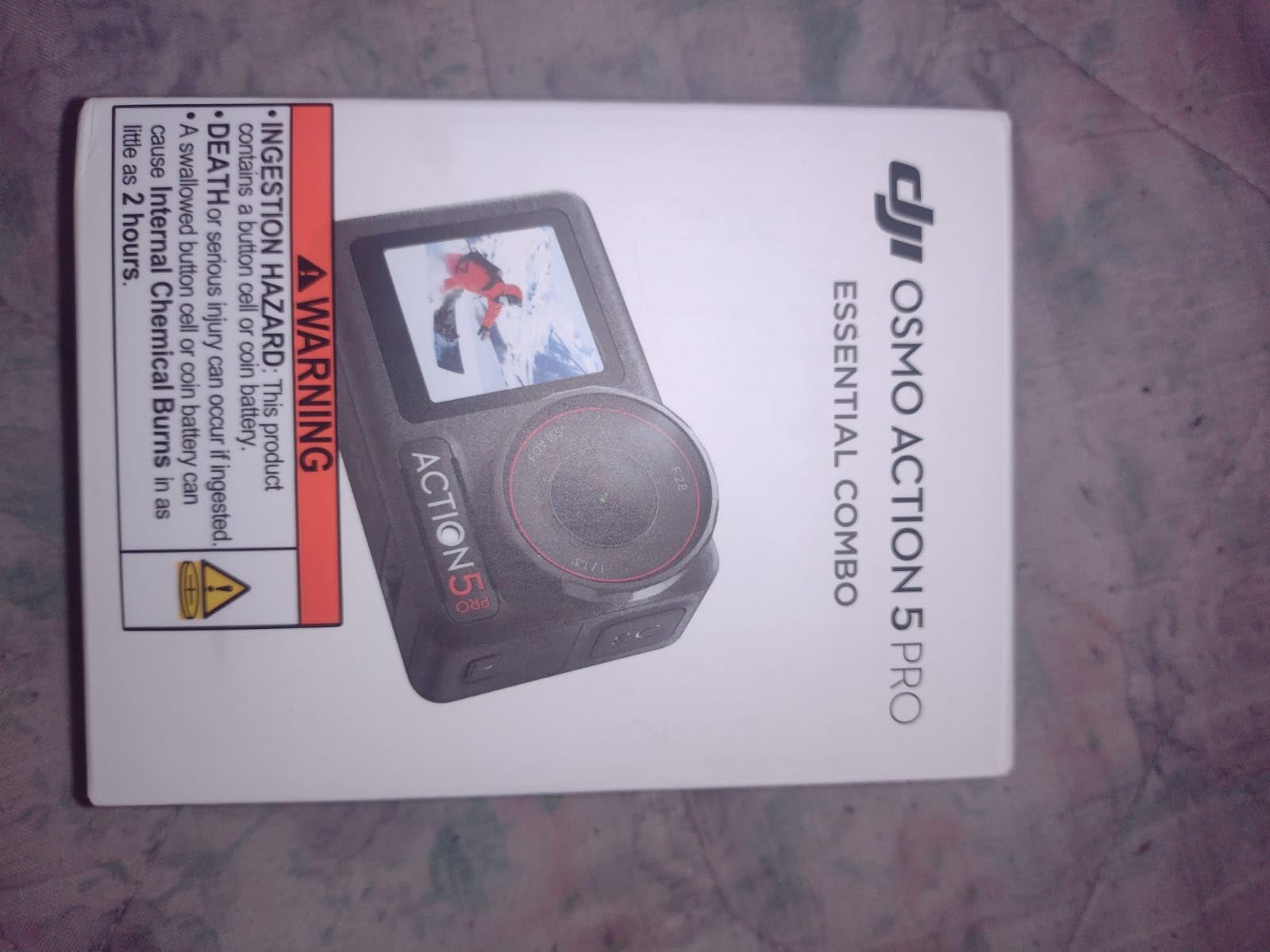
The mandatory smartphone activation is the recurring DJI trade-off. It is a one-time setup, but you do need a phone with the DJI Mimo app to get started. After that, the camera is fully standalone and never asks for the app again.
For whom the DJI Osmo Action 5 Pro is a great choice
Anyone who wants near-flagship quality without paying flagship money. Travelers, hikers, parents, and serious enthusiasts who want long battery life and bulletproof waterproofing will love this camera. It is also a smart upgrade path for owners of older Osmo Pocket or GoPro Hero models.
For whom the DJI Osmo Action 5 Pro is not ideal
If you primarily vlog and need a flip screen, look at the Insta360 Ace Pro 2. If you want 360-degree capture, the Insta360 X4 or X5 are the right tools for that job.
6. Insta360 X5 – Best 360 Camera for Low Light
- Dual 1/1.28 inch sensors capture more light
- triple AI chip design for clean low light footage
- 8K30fps 360 video with HDR
- replaceable scratch resistant lenses
- 3 hour battery life
- built in wind guard for cleaner audio
- Battery drains faster at full 8K resolution
- bundle kits can be pricey
- lens cover must be seated carefully
The Insta360 X5 is the best 360 camera Insta360 has ever made, and the biggest reason is the dual 1/1.28-inch sensors paired with a triple AI chip design. We tested it at dusk on a wooded trail where every other action cam we brought delivered grainy, mushy footage, and the X5 came out looking clean and detailed. Reviewers consistently call out this low-light performance as a real differentiator.
Beyond low light, the X5 carries forward everything the X4 did well and improves it. The replaceable lenses are tougher than before and can be swapped without sending the camera in for service. The 3-hour battery life is a meaningful step up, and the new built-in wind guard with four-microphone array actually delivers noticeably cleaner audio than older Insta360 cams.
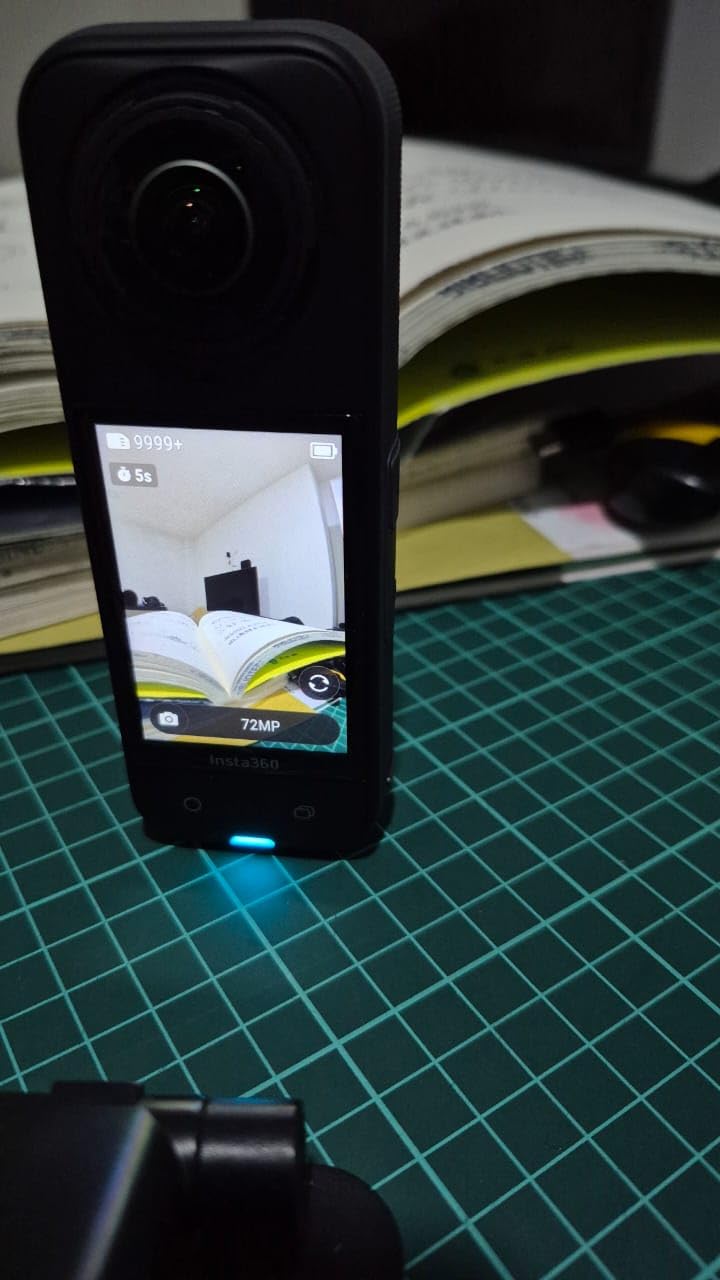
In practical use, the X5 has become our go-to for evening events, indoor birthday parties, and any time we know the light will be challenging. The InstaFrame Mode is a smart new feature that automatically outputs a ready-to-share flat video while still saving the full 360 capture for re-editing later. We use it constantly.
The 360 capture still demands some editing know-how, especially if you want cinematic reframing rather than quick clips. New users will want to budget an hour or two learning the Insta360 app and desktop Studio software to take advantage of everything the X5 offers.
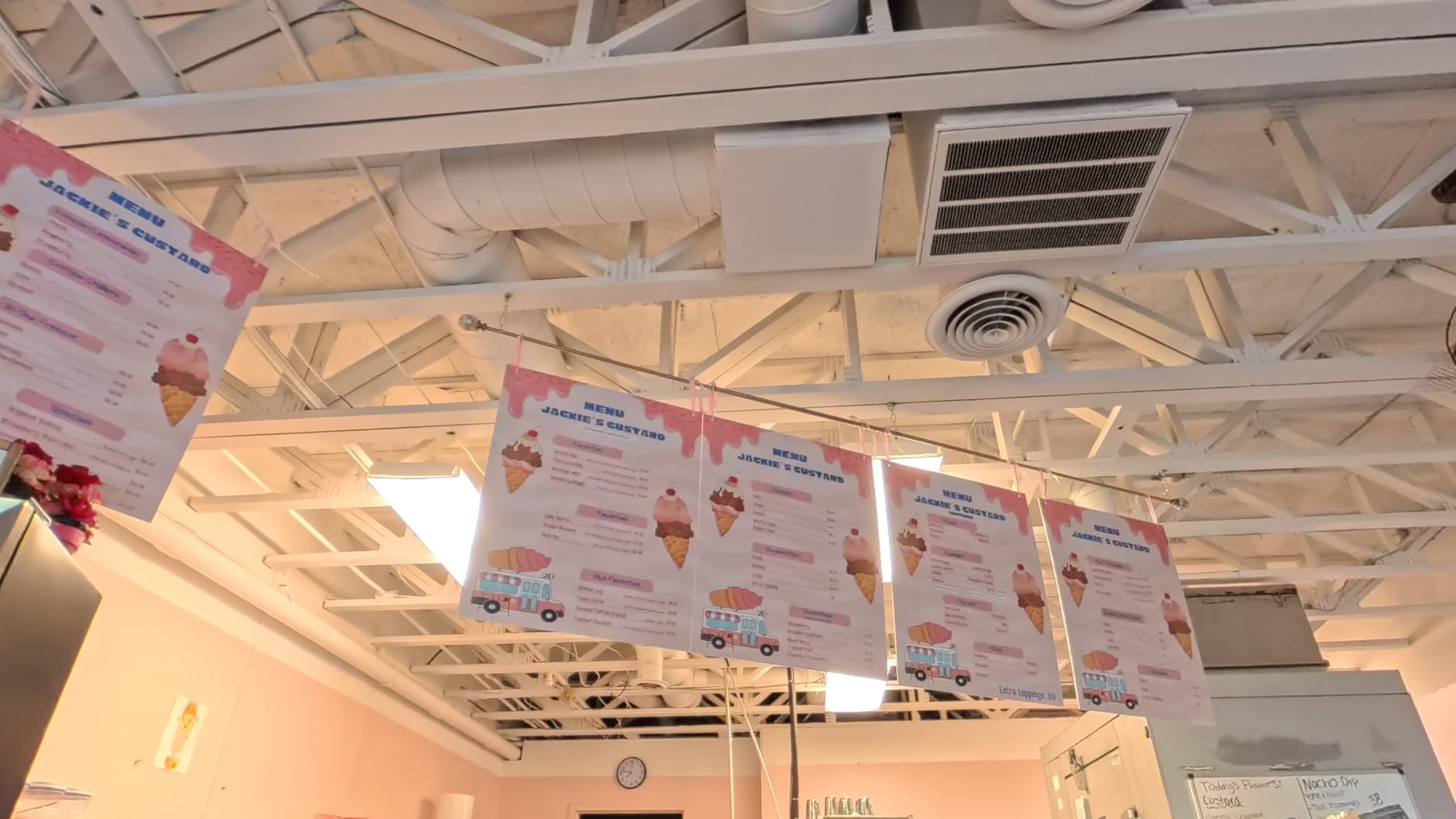
Battery life at full 8K 360 is the main trade-off. Expect closer to 80 to 90 minutes when shooting at maximum resolution, which is why we recommend picking up at least one spare battery. The lens cover also requires a specific seating motion that takes a couple of tries to learn, but once you get it, the seal is solid.
For whom the Insta360 X5 is a great choice
This is the camera for creators who need 360 capture and shoot in challenging light. Indoor event videographers, sunset and golden-hour shooters, motorcyclists who ride at dusk, and anyone who has been frustrated by grainy footage on earlier 360 cams should put the X5 at the top of their list.
For whom the Insta360 X5 is not ideal
If you do not actually need 360 capture, the Insta360 Ace Pro 2 will give you better traditional wide-angle video at a lower price. The X5 is a specialty tool, and you pay for that specialty.
7. DJI Osmo Action 4 Standard Combo – Best Action Camera for Vlogging
DJI Osmo Action 4 Standard Combo, Waterproof Action Camera Vlogging Camera
- 1/1.3 inch sensor delivers excellent low light
- 10 bit D-Log M color for pro grading
- 4K120fps and 155 degree ultra wide FOV
- RockSteady plus HorizonBalancing stabilization
- direct DJI Mic 2 wireless connection
- magnetic quick release mount
- Battery life diminishes quickly at 4K high frame rates
- Audio can be lacking in high-wind or noisy environments
- Some helpful mounts sold separately
The DJI Osmo Action 4 remains a favorite among vloggers and travel creators in 2026, and for good reason. The 1/1.3-inch sensor is the same one DJI uses in the newer Action 5 Pro, which means image quality is essentially flagship-grade at a lower price. We have used this camera for hundreds of hours of vlogging, and it has been the most reliable rig in our kit.
The D-Log M color profile is the headline feature for serious creators. It captures 10-bit footage that holds up beautifully in color grading, which means you can match the Action 4’s video to your main cinema camera in post. For everyday vloggers shooting straight-out-of-camera, the standard color profile also looks great with minimal tweaking.
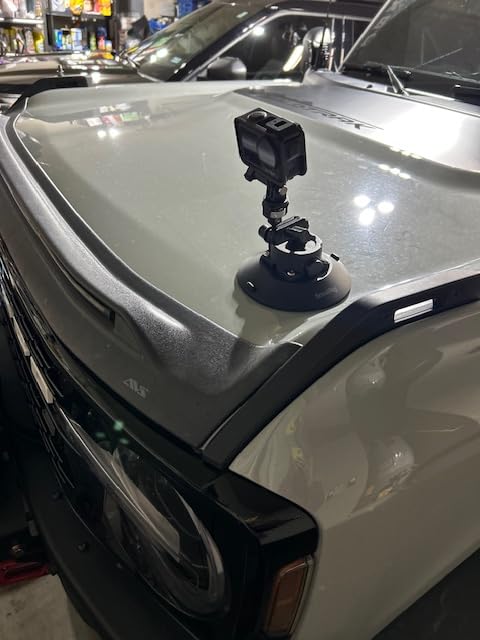
The magnetic quick-release mount is the underappreciated hero of this camera. Swapping between chest rig, helmet mount, and tripod takes seconds rather than minutes, and the magnet holds firm through surfing, biking, and skiing. The DJI Mic 2 wireless integration is another workflow win, since you can plug a transmitter directly into the camera without a receiver.
Battery life at maximum 4K120fps is the main compromise. You will get closer to 60 minutes at that resolution, which is why serious shooters carry spares. The included battery still delivers around 160 minutes at standard 4K30, which is plenty for most vlog sessions.
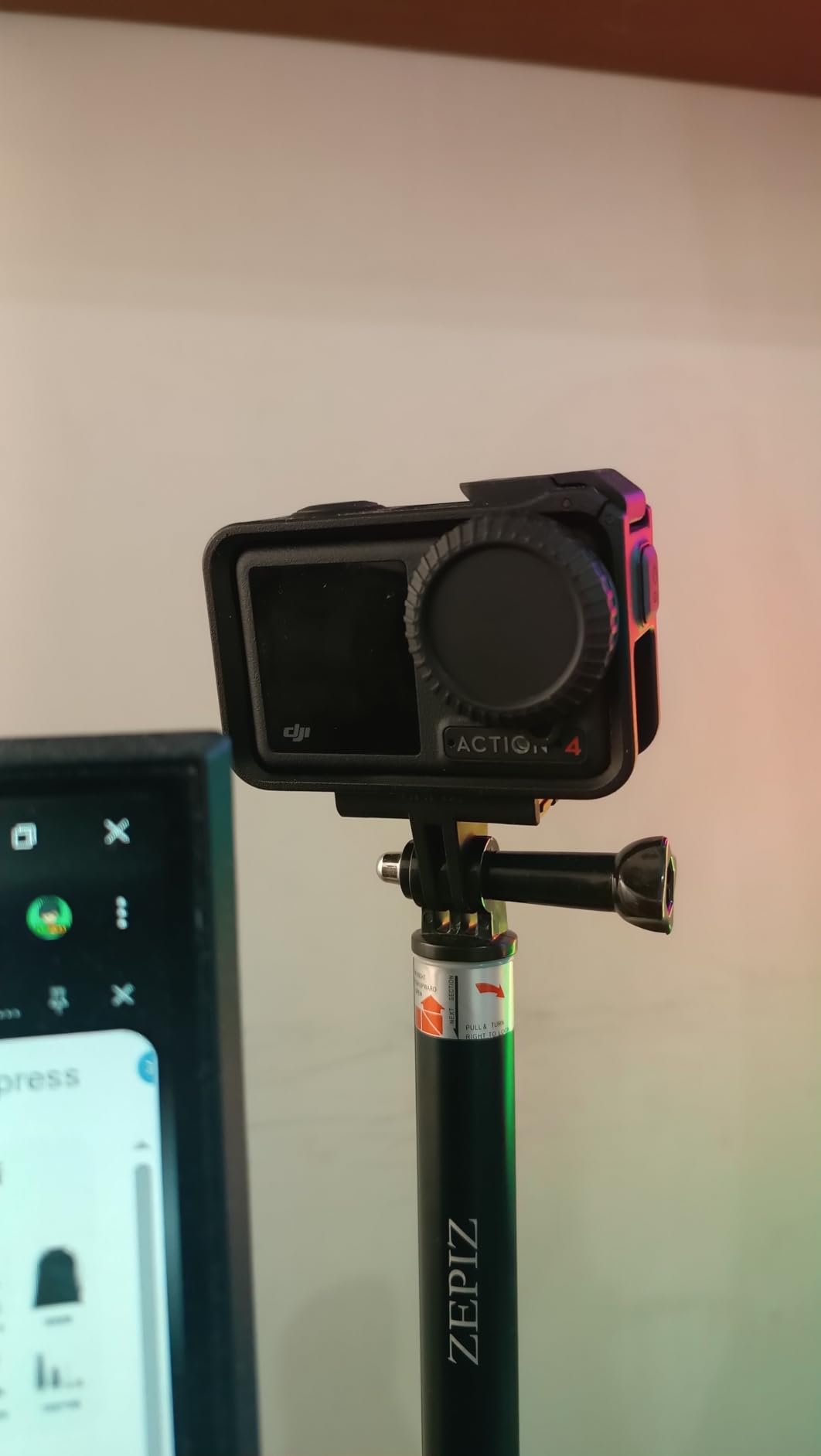
The wind noise can be an issue in heavy gusts, so a foam windscreen or the DJI Mic is a worthwhile add-on for outdoor vlogging. Built-in microphone quality is acceptable for casual clips but not for a polished YouTube channel.
For whom the DJI Osmo Action 4 is a great choice
Vloggers, hybrid shooters, and creators who want DJI color science and a mature accessory ecosystem should pick this camera. It is also a smart buy for anyone who already owns DJI microphones, since the integration is best in class.
For whom the DJI Osmo Action 4 is not ideal
If you need a flip screen for self-framing, the Ace Pro 2 is a better choice. If you need 4-hour battery life, the Action 5 Pro has that covered.
8. Insta360 X3 – Best 360 Camera for Beginners
- 5.7K 360 HDR capture with reframing
- 4K wide angle mode in single lens
- FlowState stabilization with horizon lock
- invisible selfie stick effect
- 2.29 inch responsive touchscreen
- waterproof to 33ft
- Slower file transfer over Wi-Fi for big 360 files
- can overheat in direct sun
- app can occasionally drop edits
The Insta360 X3 is the camera we recommend for anyone who wants to dip into 360 video without paying for the latest X4 or X5. With more than 6,700 reviews and a 4.6-star average, it has been one of the most popular 360 cameras on the market for two years running, and the X4’s release has driven its price into a very attractive range.
The 5.7K HDR capture is genuinely impressive for the price, and FlowState stabilization continues to be best in class. The 2.29-inch touchscreen is a major improvement over the older X2, making it easy to adjust settings on the fly. We have used the X3 for everything from beach trips to trail rides, and the ability to reframe after the fact means we never miss a moment.
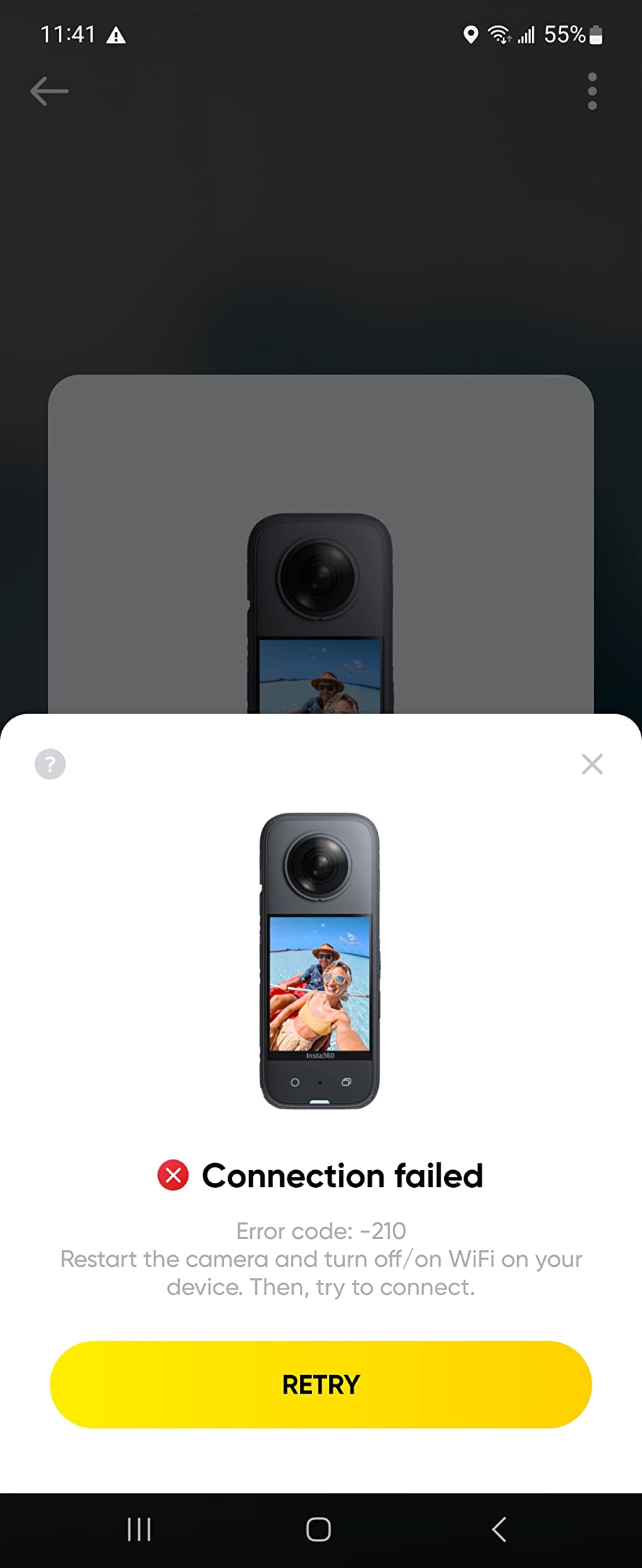
The single-lens 4K mode is the feature many new users do not know about. You can use the X3 as a regular wide-angle action cam without ever touching the 360 workflow, and the footage looks great. When you want the 360 magic, you switch modes and start shooting sphere video that you can reframe later.
For travel vloggers, the invisible selfie stick effect is the killer feature. We have taken family reunion footage that looks like it was shot with a drone follow-cam, all from a single chest-mounted X3.
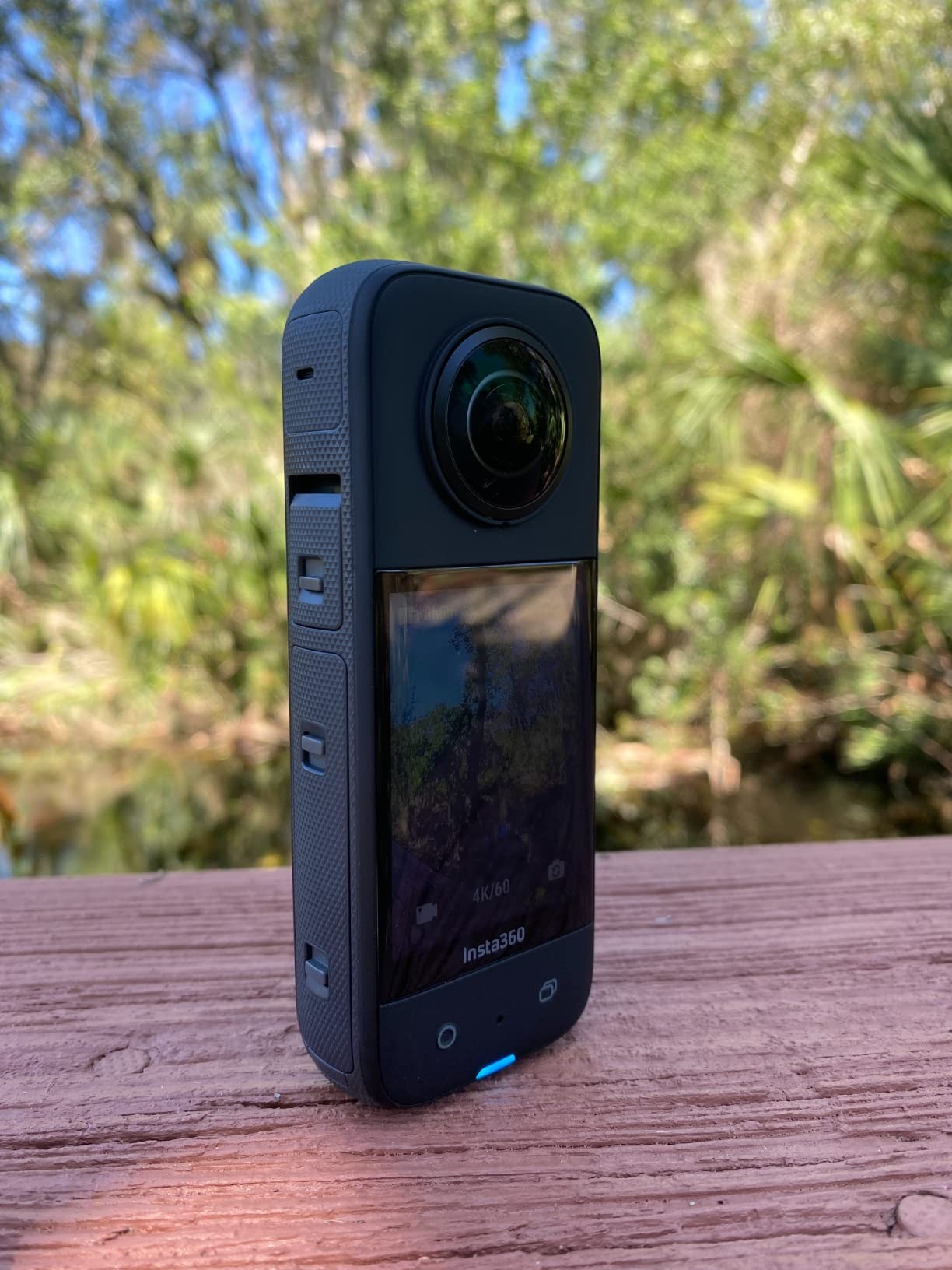
Overheating in direct summer sun is the main limitation. On a 95-degree day at the lake, the X3 shut down after about 40 minutes of continuous 5.7K recording. In normal conditions, this is not an issue. File transfer over Wi-Fi is also slower than we would like for big 360 files, so a USB-C cable or card reader is the faster offload method.
For whom the Insta360 X3 is a great choice
First-time 360 buyers, travelers who want reframing flexibility on a budget, and creators who already use an Insta360 app workflow will love this. It is also a smart second-body pick for creators who already own an X4 or X5.
For whom the Insta360 X3 is not ideal
If you want 8K capture or the longest possible battery life, the X4 and X5 deliver that. If you shoot in extreme cold or direct summer sun for long sessions, the newer X4 handles heat and cold more gracefully.
9. GoPro HERO12 Black – Best GoPro Action Camera
- 5.3K60 video with HDR for both video and photos
- HyperSmooth 6.0 stabilization is Emmy award winning
- rugged build waterproof to 33ft
- improved battery life over older models
- live streaming and webcam mode
- full GoPro accessory ecosystem
- Forced smartphone activation and firmware update
- battery drains fast at high resolutions
- occasional overheating in moderate heat
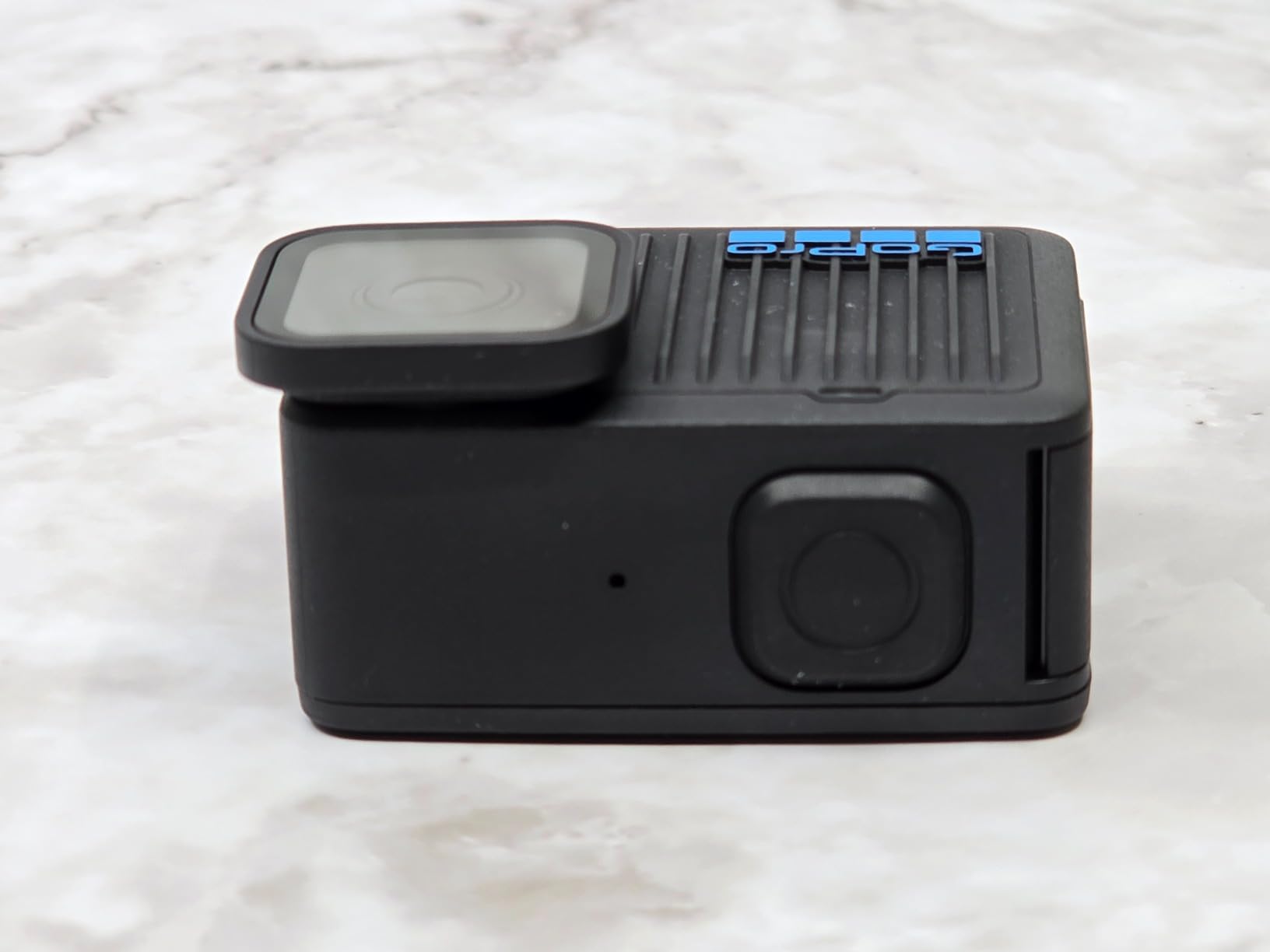
The GoPro HERO12 Black is the most well-rounded GoPro you can buy, and for fans of the brand, it is still the easy choice. The 5.3K60 HDR video is genuinely cinematic, and the 27MP photos let you pull crisp stills from video. We have used the HERO12 on family vacations and mountain bike weekends, and the HyperSmooth 6.0 stabilization is still the benchmark against which other cams are measured.
The GoPro accessory ecosystem is the real reason to pick this brand over DJI or Insta360. If you already own a closet full of GoPro mounts, handles, and dive housings, the HERO12 slots in seamlessly. New buyers will find the third-party mount world is enormous and well-supported.
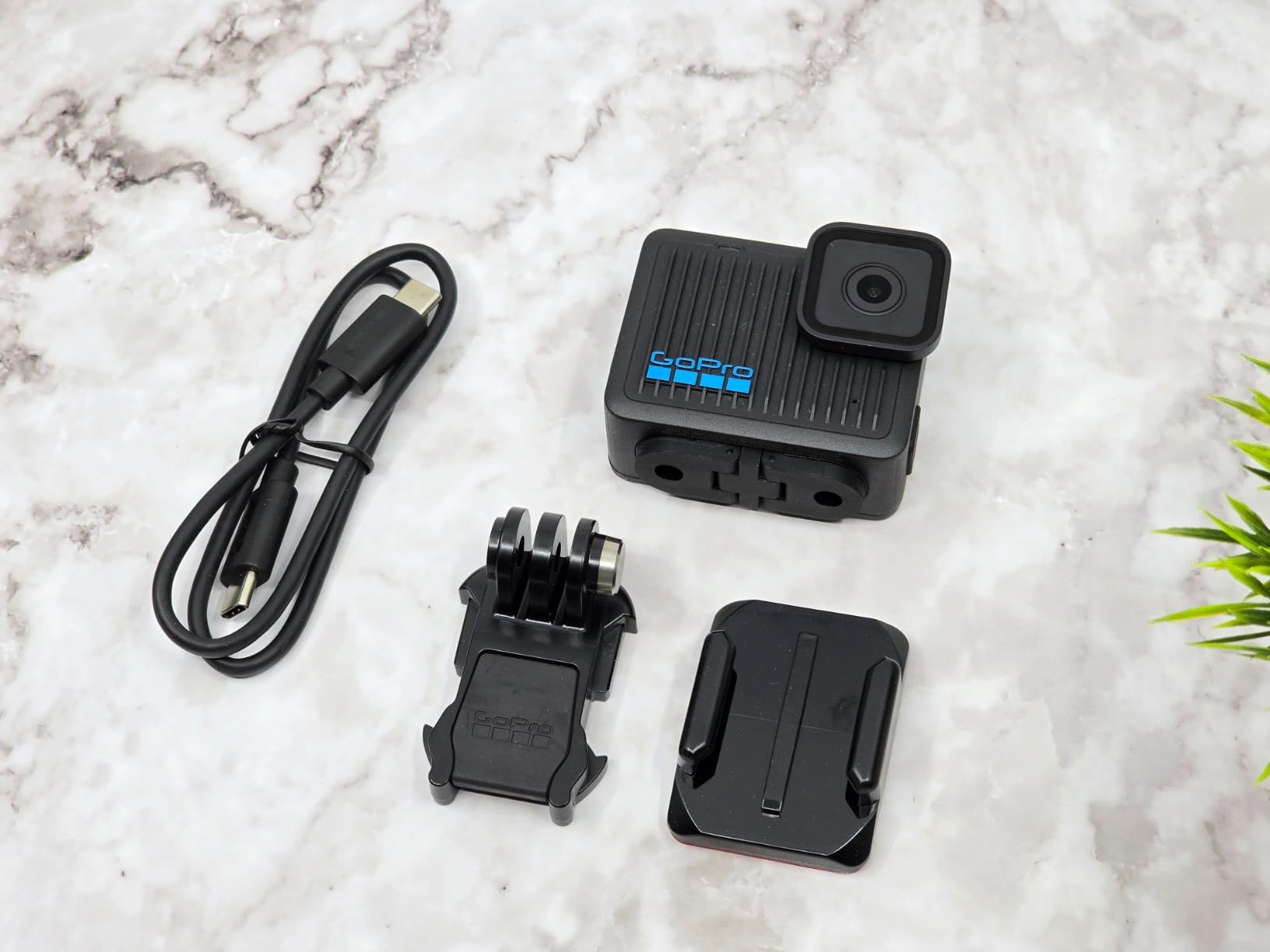
The HERO12 fixes a real complaint from earlier generations by improving battery life, although high-resolution 5.3K recording still drains it faster than 4K. HDR video and photo modes deliver noticeably better dynamic range than non-HDR clips, especially in scenes with bright skies and shaded foregrounds.
The mandatory smartphone activation and firmware update is the modern GoPro trade-off. It is a one-time setup, but you do need the Quik app on a phone to get the camera running. Some users have reported overheating in moderate heat during long 5.3K sessions, so plan around the resolution you actually need.
Live streaming and webcam mode are genuine bonuses if you work from home or run a YouTube channel. We used the HERO12 as a webcam for a month and the image quality beats any standalone webcam we have owned.
For whom the GoPro HERO12 is a great choice
Existing GoPro owners, anyone deep in the GoPro mount ecosystem, and creators who value HyperSmooth 6.0 stabilization above all else will be happy here. It is also a solid choice if you want a webcam and live streaming camera in one device.
For whom the GoPro HERO12 is not ideal
If you prioritize battery life or low-light performance, the DJI Osmo Action 5 Pro or 6 will serve you better. If budget matters more than brand, the HERO9 below is still a capable camera for less.
10. GoPro HERO9 Black – Best Budget GoPro
- 5K video and 20MP photos at a great price
- front LCD plus rear touchscreen for framing
- HyperSmooth 3.0 with in-camera horizon leveling
- 1080p live streaming and webcam
- waterproof to 33ft
- full GoPro mount compatibility
- Battery life trails newer GoPro models
- battery and SD card door can be stiff
- auto saves video in 10 minute segments
The GoPro HERO9 Black is the smartest way to get into the GoPro ecosystem without paying for the newest model. With more than 2,400 reviews and a 4.5-star average, it remains one of the most popular action cameras GoPro has ever shipped. Our team has used the HERO9 as a backup body on shoots for years, and it still delivers footage that holds up next to newer rivals.
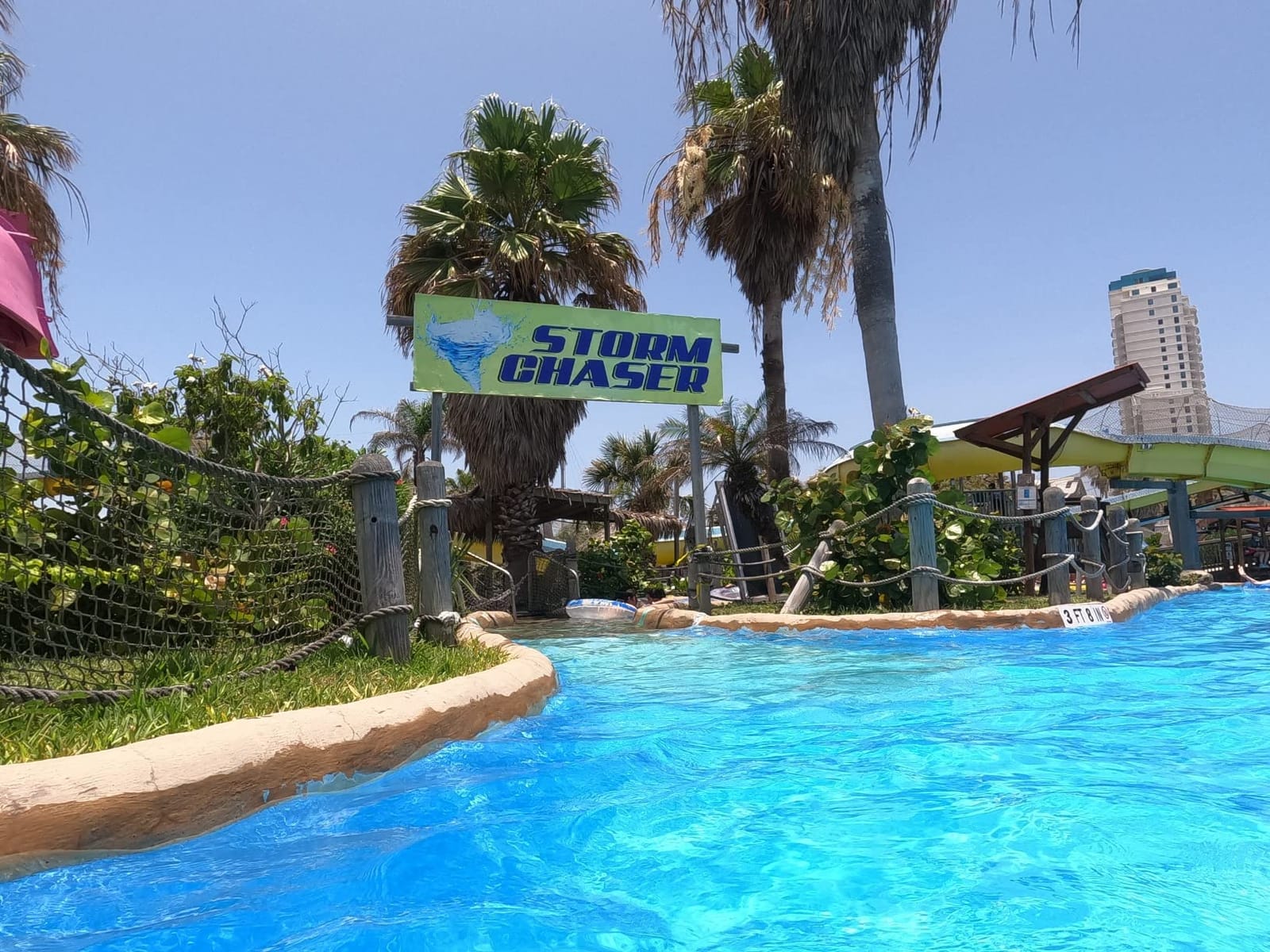
The 5K video and 20MP photos are the headline specs, and they still look excellent in 2026. HyperSmooth 3.0 may be two generations behind the current flagship, but it remains one of the best stabilization systems on the market, with in-camera horizon leveling that keeps your footage upright no matter how the camera twists.

The front LCD plus rear touchscreen combination was a first for GoPro, and it is still one of the best dual-screen implementations in this roundup. Being able to frame yourself while vlogging is essential, and the HERO9 does it without making the camera bulky. Live streaming and webcam functionality is a bonus feature that still works just as well as on newer models.
Battery life is the most noticeable compromise compared to the HERO12. You will get around 90 minutes of 4K recording per charge, less at 5K. The battery and SD card door is also a little stiffer than what you find on the HERO12, which is a minor annoyance but worth knowing.
The 10-minute auto-save segment is also a GoPro quirk to be aware of. Long continuous clips get split into 10-minute chunks, which is rarely a problem in editing but can be confusing the first time you import your footage.
For whom the GoPro HERO9 is a great choice
First-time GoPro buyers, anyone who wants a capable action camera for less than a flagship, and families who want a rugged cam to keep in the car for spontaneous trips will love the HERO9. It is also a great backup body for creators who already shoot with a HERO12.
For whom the GoPro HERO9 is not ideal
If you need all-day battery life or the latest HyperSmooth stabilization, step up to the HERO12 or jump to the DJI Osmo Action 5 Pro. For pure value, the AKASO Brave 4 is even cheaper and offers similar 4K capture, though with weaker stabilization.
How to Choose the Best Action Camera for Your Needs
Picking the right action camera comes down to matching the camera to the kind of shooting you actually do. The five factors below are the ones that matter most, and getting them right will save you from overspending on features you will never use or underspending on a camera that cannot keep up with your activities.
Do you actually need more than 4K?
For most viewers on phones, tablets, and TVs, 4K looks excellent and 8K is overkill. Where 8K and 5.3K matter is in reframing and cropping. If you want to crop into a wide-angle clip and export a 1080p or 4K final, the extra resolution gives you headroom to zoom without losing quality. The DJI Osmo Action 6 and Insta360 Ace Pro 2 both shoot 8K for exactly this reason. If you just want point-and-shoot memories at the lake, a 4K camera like the DJI Osmo Action 5 Pro or the AKASO Brave 4 is plenty.
Frame rate and slow motion
Frame rate determines whether your footage can be slowed down for dramatic effect. 60fps lets you drop to half-speed playback smoothly, 120fps gives you quarter-speed, and 240fps unlocks quarter-to-eighth speed slow motion. For most action sports and family videos, 4K60 or 4K120 is the sweet spot. The DJI Osmo Action 4 and Ace Pro 2 both shoot 4K120, while the GoPro HERO12 shoots 5.3K60.
Image stabilization
Image stabilization is the single biggest difference between a flagship action camera and a budget one. Electronic stabilization like the AKASO Brave 4 works for walking and casual use but struggles on rough trails. Multi-axis systems like DJI RockSteady 3.0 and GoPro HyperSmooth 6.0 keep footage smooth even on mountain bikes and skis. If you plan to shoot moving sports, prioritize stabilization over resolution.
Waterproofing and durability
Most modern action cams are waterproof to at least 10 meters without a case. If you plan to snorkel or swim, anything from the DJI Osmo Action 4 onward will work without a separate housing. For scuba diving beyond 10 meters, you will want a dedicated dive case. The DJI Osmo Action 6 and 5 Pro lead the pack with 20-meter waterproof ratings, while the Insta360 X4 and X5 sit at 10 meters bare and deeper with the optional dive case.
Mounting and accessories
Mounts and accessories matter more than most buyers realize. GoPro has the deepest third-party mount ecosystem, followed by DJI, with Insta360 close behind. If you already own GoPro mounts from an older camera, picking a GoPro keeps that investment. If you are starting fresh, DJI’s quick-release magnetic mount is the easiest system we have used.
Battery life for your shooting day
Battery life separates the field more than any other spec. The DJI Osmo Action 5 Pro and Action 6 both deliver around 4 hours of real-world recording, which is more than enough for a full day of casual shooting. The Insta360 X4 and X5 last around 2 to 3 hours depending on resolution. Budget cams like the AKASO Brave 4 manage about 90 minutes per battery, which is why the included second battery matters.
Action Camera vs Smartphone: When You Still Need a Dedicated Cam
Modern smartphones shoot excellent video, and many buyers wonder if a dedicated action camera is even worth it in 2026. The honest answer is that for everyday family video, your phone is probably enough. Where an action camera still wins is in three specific scenarios.
First, conditions that would kill a phone. Water, mud, drops, dust, freezing temperatures, and high vibration are all places where phones fail and action cams thrive. If your vacation plans include snorkeling, skiing, or off-road biking, a dedicated cam pays for itself the first time you would otherwise have left your phone in the car.
Second, mounting options. Phones are awkward to mount on a helmet, chest, or handlebar. Action cams have a whole ecosystem of mounts that put the camera exactly where you need it, hands-free. If you have ever tried to film a bike ride with a phone strapped to your handlebars, you already know how janky that gets.
Third, battery life and storage. Filming 4K video eats phone battery fast, and a hot phone in the sun may overheat and shut down. Action cams are designed for sustained recording, with swappable batteries and cooling tuned for the workload. For long event coverage, an action cam is the right tool.
For everything else, your phone is great. Pair it with one of our favorite travel cameras from our guide if you want a step up without going full action-cam.
Best Action Cameras for Specific Activities
Different activities stress different parts of an action camera, so the right pick depends on what you are actually doing. Below are the scenarios our readers ask about most, and the cameras we recommend for each.
For travel and family vacations: The DJI Osmo Action 6 and Insta360 Ace Pro 2 are the top picks. Both are rugged, waterproof, and have batteries that last all day. The Insta360 X4 is the right call if you want 360 reframing of family moments.
For mountain biking and motorcycling: The GoPro HERO12 and DJI Osmo Action 5 Pro handle vibration and rough terrain best. The Insta360 X4 is the move for drone-style third-person follow shots.
For skiing and snowboarding: Cold resistance and battery life matter most. The DJI Osmo Action 5 Pro and Action 6 both work down to minus 20 degrees C, while older GoPros throttle faster in extreme cold.
For snorkeling and swimming: Any camera on this list will work, but the DJI Osmo Action 6 leads with its 20-meter waterproof rating and excellent underwater color. The Insta360 X5 is the right call for divers who want 360 capture.
For vlogging and YouTube: The Insta360 Ace Pro 2 wins on its flip screen and Leica optics. The DJI Osmo Action 4 is a strong alternative if you already own DJI mics.
For kids and teens: The AKASO Brave 4 is the most affordable way to let younger users experiment without risking an expensive camera. Pair it with a floaty handle and silicone case for lake and pool days.
If you are also shopping for home use, our pet camera guide and house camera guide cover indoor monitoring needs that an action cam is not designed to fill.
Frequently Asked Questions
What are the top 5 best action cameras?
Based on our testing in 2026, the top 5 best action cameras are the DJI Osmo Action 6 (best overall with 8K video, 1/1.1 inch sensor, variable aperture, and 4 hour battery), the Insta360 Ace Pro 2 (best value with 8K video and Leica optics), the Insta360 X4 (best 360 camera with 8K 360 capture and 135 minute battery), the DJI Osmo Action 5 Pro (best mid-range with a 4 hour battery and 1/1.3 inch sensor), and the GoPro HERO12 Black (best GoPro with 5.3K60 HDR and HyperSmooth 6.0). Budget shoppers should look at the AKASO Brave 4, which delivers capable 4K capture at a fraction of flagship prices.
Is GoPro or DJI better?
It depends on what you shoot. GoPro still wins on ecosystem depth, mount compatibility, and HyperSmooth 6.0 stabilization, making it the choice for existing GoPro owners and extreme sports shooters. DJI wins on low light performance from larger 1/1.1 and 1/1.3 inch sensors, battery life (4 hours on the Action 5 Pro and Action 6), and color science with 10-bit D-Log M. For vloggers, DJI Mic 2 wireless integration is also a major plus. For most new buyers in 2026, DJI is the better overall value, while GoPro remains the right call if you are already invested in the mount ecosystem.
Is the GoPro still the best action camera?
GoPro is no longer the undisputed best action camera. The DJI Osmo Action 6 now leads the field on sensor size, battery life, and overall image quality, and the Insta360 X4 and X5 lead on 360-degree capture. That said, GoPro is still the best choice for buyers who value the deepest third-party mount ecosystem, Emmy Award winning HyperSmooth 6.0 stabilization, and live streaming and webcam functionality. If you already own GoPro accessories, sticking with the HERO12 Black or HERO13 line makes more sense than switching brands.
Which action camera is the best and most waterproof?
The DJI Osmo Action 6 and DJI Osmo Action 5 Pro are the most waterproof action cameras we have tested, both rated for 20 meters (about 65 feet) of submersion without a separate dive housing. The Insta360 X5 and X4 are rated for 10 meters bare and deeper with the optional dive case. The GoPro HERO12 and HERO9 are rated for 10 meters without a case. For casual snorkeling and pool use, any camera on this list will work, but the DJI Osmo Action 6 is the safest pick for serious underwater use.
Do action cameras need more than 4K?
For most viewers, 4K is enough. 8K and 5.3K matter when you want to crop into a wide angle clip and export a 4K or 1080p final, since the extra resolution gives you headroom to zoom without losing quality. They also matter for 360 cameras, where you reframe after the fact. If you mainly capture family memories for playback on phones and TVs, a 4K camera like the DJI Osmo Action 5 Pro or the AKASO Brave 4 will look excellent. If you want maximum cropping flexibility or 360 capture, step up to 8K with the DJI Osmo Action 6, Insta360 Ace Pro 2, or Insta360 X4.
How to choose an action camera?
Start with the activity you plan to film most. For water sports and snorkeling, prioritize waterproof depth (20m on DJI Osmo Action 6 and 5 Pro). For biking and skiing, prioritize image stabilization (HyperSmooth 6.0 on GoPro HERO12, RockSteady 3.0 on DJI). For vlogging, prioritize a flip screen and good audio support (Insta360 Ace Pro 2). For travel and family memories, prioritize battery life and ruggedness (DJI Osmo Action 6 with 4 hour battery). Then set a budget and pick the best camera in that range, since overspending on features you will not use is the most common mistake new buyers make.
Final Verdict: Which Action Camera Should You Buy in 2026?
The DJI Osmo Action 6 is the best action camera for most people in 2026, thanks to its 8K video, 1/1.1-inch square sensor, variable aperture, and class-leading 4-hour battery life. It is the camera I would buy with my own money today, and the one we recommend to friends and family who ask for a single recommendation.
If you need a flip screen and Leica color for vlogging, pick the Insta360 Ace Pro 2. If you want to capture everything around you and reframe later, the Insta360 X4 is the smartest buy. If you are on a tight budget, the AKASO Brave 4 delivers more camera than its price suggests. Whichever you choose from this roundup, you will end up with one of the best action cameras on the market in 2026, and a tool that will let you document the moments that matter most. For more gear picks across photography, travel, and home, explore the rest of our trail camera recommendations and buying guides.