
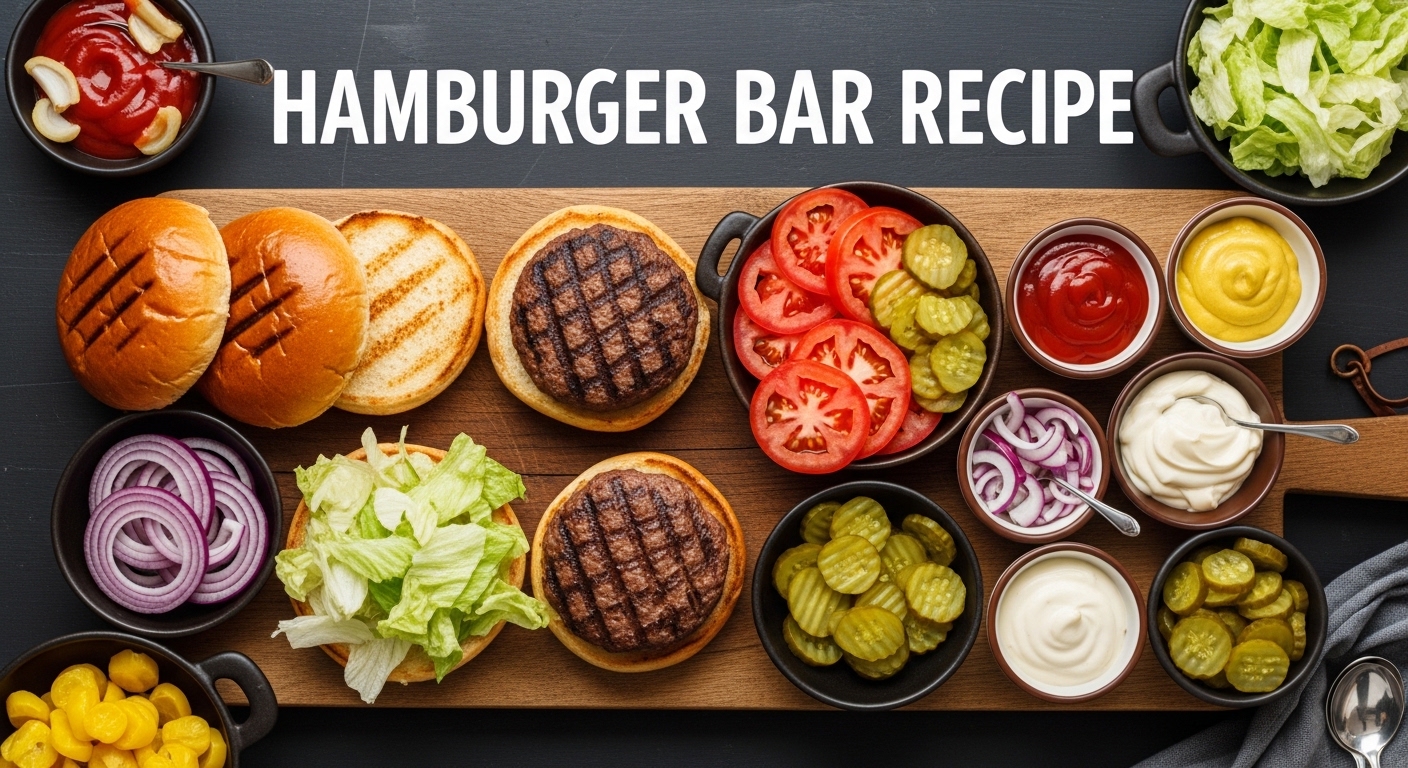
There is something wonderfully communal about gathering friends and family around a table where everyone gets to build their perfect meal. I discovered the magic of a hamburger bar recipe setup three summers ago when hosting a backyard celebration for twenty guests. The stress of plating individual meals vanished, conversations flowed naturally around the toppings station, and I actually enjoyed my own party.
A build your own burger bar transforms casual entertaining into an interactive experience your guests will remember. This guide combines my years of hosting experience with tested techniques for creating a seamless, delicious burger party. Whether you are planning a summer cookout, game day gathering, or birthday celebration in 2026, you will find everything needed to execute with confidence.
From selecting the perfect 80/20 ground chuck to creating an elegant presentation that would make any table setting enthusiast proud, this complete hamburger bar recipe covers every detail. I have included portion calculations for different group sizes, a detailed make-ahead timeline, and presentation ideas that elevate this casual concept into something truly special.
Table of Contents
What to Include in a Burger Bar
A complete hamburger bar consists of five essential components that guests combine to create their perfect burger. Here is exactly what you need for a successful setup:
- Patties: 80/20 ground chuck formed into 6-ounce portions, seasoned simply with salt and pepper
- Buns: Brioche, pretzel, kaiser, or slider options, lightly toasted
- Cheeses: Cheddar, Swiss, pepper jack, and blue cheese crumbles
- Fresh Toppings: Lettuce, tomato, onion, pickles, and avocado
- Cooked Toppings: Bacon, caramelized onions, sauteed mushrooms
- Condiments: Ketchup, mustard, mayonnaise, barbecue sauce, and specialty spreads
The beauty of this approach lies in customization. Guests with dietary restrictions can easily adapt their selections, picky eaters stay happy, and adventurous food lovers can experiment with unique combinations. I always include at least one vegetarian patty option to ensure everyone feels welcomed.
The Perfect Burger Patty Recipe
After testing countless combinations, I consistently return to 80/20 ground chuck for the ideal balance of flavor and juiciness. The 80 percent lean to 20 percent fat ratio prevents dry patties while avoiding excessive shrinkage during cooking. For gourmet results, ask your butcher to freshly grind beef brisket mixed with chuck.
Handle the meat gently when forming patties. Overworking creates dense, tough burgers. I form six-ounce portions into loose balls, then press into patties slightly wider than my buns to account for shrinkage. Creating a small thumbprint depression in the center prevents the dreaded burger dome that makes stacking toppings impossible.
Seasoning should be simple: kosher salt and freshly ground black pepper applied just before cooking. Adding salt too early draws out moisture, resulting in dry patties. For deeper flavor, I sometimes add a teaspoon of Worcestershire sauce per pound of meat along with a pinch of garlic powder.
The 5-6-7 Rule for Cooking Burgers
The 5-6-7 rule provides foolproof timing for cooking burgers on a medium-high grill or stovetop. Five minutes per side yields medium-rare results for standard half-inch patties. Six minutes per side reaches medium doneness. Seven minutes per side produces well-done burgers for guests who prefer no pink.
Always verify doneness with an instant-read meat thermometer inserted into the thickest part. The USDA recommends 160 degrees Fahrenheit for ground beef safety. Remove patties from heat five degrees before target temperature, as they continue cooking during the brief rest period.
Complete Toppings Guide by Category
Organizing toppings by category simplifies both preparation and guest navigation. I arrange my burger toppings bar from savory to sweet, allowing logical flavor building. Here is my comprehensive list developed through years of hosting:
Classic Toppings
These timeless options satisfy traditionalists and provide the foundation for any great burger. Iceberg lettuce adds satisfying crunch without overwhelming other flavors. Thick-sliced ripe tomatoes should be lightly salted to enhance their natural sweetness. Thinly sliced red onions provide sharp bite, though I always offer caramelized onions as an alternative for those who prefer milder flavor.
- Iceberg or butter lettuce leaves
- Beefsteak tomato slices
- Red onion rings (raw and caramelized)
- Dill pickle slices and pickle chips
- Sliced avocado
Cheese Options and Melting Tips
Cheese selection dramatically impacts burger character. Sharp cheddar offers classic American flavor with excellent meltability. Swiss provides nutty sophistication that pairs beautifully with mushrooms. Pepper jack brings gentle heat for adventurous palates. Blue cheese crumbles deliver bold, tangy intensity for gourmet combinations.
For perfect cheese melting, add slices during the final two minutes of cooking and cover briefly to trap heat. Pre-sliced cheese from the deli case melts more evenly than thick hand-cut pieces. Consider offering one smoked cheese variety for unexpected depth.
Gourmet and Unique Toppings
Elevate your hamburger bar recipe with unexpected additions that spark conversation. These sophisticated options transform casual burgers into memorable culinary experiences. I discovered that guests particularly love building sweet-savory combinations they would never attempt at home.
- Crispy bacon strips (cook one pound for every eight guests)
- Sauteed mushrooms with thyme and butter
- Grilled pineapple rings
- Fried eggs for topping
- Crispy onion straws
- Sliced jalapenos (fresh and pickled)
- Arugula for peppery bite
- Crumbled feta or goat cheese
Three unique toppings that consistently surprise guests include maple-glazed bacon, quick-pickled red onions, and herb-forward compound butter. These additions require minimal extra effort while creating significant wow factor.
Condiments and Sauces
Condiments tie flavor profiles together and allow guests to customize intensity. Offer classics alongside creative options for range. I serve sauces in small ramekins with tiny spoons to prevent cross-contamination and maintain an elegant presentation.
- Ketchup and mustard (yellow and Dijon)
- Mayonnaise and garlic aioli
- Barbecue sauce (sweet and spicy varieties)
- Sriracha mayo
- Thousand Island dressing
- Special burger sauce (mayo, ketchup, pickle relish, mustard blend)
- Steak sauce
- Chimichurri for fresh herb brightness
Bun Selection and Preparation
Bun choice profoundly affects burger enjoyment. Brioche buns offer buttery richness and subtle sweetness that complements beef beautifully. Pretzel buns provide chewy texture and distinctive appearance perfect for gourmet presentations. Classic kaiser rolls hold up well to juicy patties and generous toppings.
Slider buns transform your hamburger bar into a tasting experience, allowing guests to sample multiple combinations. I particularly love using Martin’s potato rolls for their pillowy texture and slight sweetness.
Always toast buns lightly before serving. This creates a protective barrier that prevents bottom bun disintegration from meat juices. Brush cut sides with melted butter, then toast cut-side down on the grill for thirty seconds until golden. For indoor setups, a grill pan or even a toaster oven works beautifully.
Make-Ahead Timeline for Stress-Free Hosting
Successful entertaining requires strategic preparation. This timeline breaks tasks into manageable segments, allowing you to enjoy your own party. I developed this schedule through years of hosting and refined it specifically for burger bar setups.
- Three Days Before: Shop for all non-perishable items including buns, shelf-stable condiments, paper goods, and serving supplies. Prepare any homemade sauces or compound butters. These keep beautifully refrigerated and develop better flavor with time.
- Two Days Before: Purchase meat and cheese from your butcher or deli. Form burger patties and place them between parchment paper layers in an airtight container. Refrigerate until cooking day. Caramelize onions and cook bacon, then refrigerate.
- One Day Before: Wash and dry all vegetables thoroughly. Slice tomatoes and store between paper towels to absorb excess moisture. Prepare pickled vegetables if using homemade. Clean and slice mushrooms. Set up your serving station with empty vessels to test layout.
- Morning Of: Slice cheese if not pre-sliced. Wash lettuce and pat completely dry. Slice onions for raw topping. Prepare any cold sauces remaining. Arrange serving platters and utensils. Set up the burger bar flow without food to identify any logistical issues.
- Two Hours Before: Remove meat from refrigeration to approach room temperature for even cooking. Saute mushrooms and any other cooked toppings requiring warmth. Prepare all condiment ramekins. Set out room-temperature items like pickles and sauces.
- Thirty Minutes Before: Begin cooking patties in batches. Toast buns as guests arrive. Arrange hot toppings in warming dishes or slow cookers set to low. Step back and admire your setup before greeting guests.
Portion Sizing Guide for Any Group
Calculating quantities prevents the twin hosting disasters of running out or wasting food. These measurements assume hungry guests with hearty appetites. Adjust downward slightly for events with substantial side dishes or multiple protein options.
For eight guests: Prepare five pounds of ground beef yielding approximately thirteen patties. Purchase sixteen buns (guests often want seconds). Buy one and a half pounds of cheese total across varieties. Provide two heads of lettuce, four large tomatoes, and three pounds of raw toppings combined.
For twelve guests: Seven and a half pounds of meat creates twenty patties. Twenty-four buns ensures everyone can build two burgers. Two and a quarter pounds of cheese provides generous coverage. Three heads of lettuce, six tomatoes, and five pounds of assorted toppings maintains abundant selection.
For twenty guests: Twelve pounds of beef yields thirty-two patties. Forty buns accommodates seconds and a few extras. Four pounds of cheese across four varieties offers variety without overwhelming. Five heads of lettuce, ten tomatoes, and eight pounds of toppings creates impressive abundance.
For thirty guests: Eighteen pounds of meat produces forty-eight patties. Sixty buns ensures plentiful supply. Six pounds of cheese maintains generous portions. Eight heads of lettuce, fifteen tomatoes, and twelve pounds of toppings creates professional caterer-level presentation.
Bacon requires one pound for every eight guests. Condiments need eight ounces per sauce for twenty guests. Always prepare twenty percent more than calculated for unexpected plus-ones and hearty appetites.
How to Set Up Your Burger Bar
Thoughtful arrangement transforms ingredient display into an efficient, enjoyable guest experience. The goal is logical flow that prevents bottlenecks while encouraging creativity. After hosting dozens of these events, I have refined this system for maximum success.
Kitchen Organization for Prep
Create designated prep zones to maintain sanity during cooking. Establish a patty station with meat, forming tools, and parchment paper. Designate a topping prep area with cutting boards, knives, and storage containers. Set up a cooking zone with grill or stovetop access, spatulas, and thermometers. Finally, create an assembly area for transferring cooked items to serving vessels.
Clear labeling prevents confusion during the rush of final preparation. I use painter’s tape and permanent marker for temporary labels that peel off cleanly. Organize refrigerator space by timing, grouping items needed later toward the back.
Burger Bar Flow and Layout
Arrange your serving table in assembly-line order: buns first, followed by patties, then cheeses, toppings, and finally condiments. This mimics how guests naturally build burgers. Position plates and napkins at the beginning of the line.
Place cooked items (bacon, caramelized onions, sauteed mushrooms) in warming trays or slow cookers set to low. Cold items stay refrigerated until thirty minutes before service, then transfer to chilled serving dishes nested over ice for outdoor events.
Include small serving utensils with every topping to prevent cross-contamination. Tongs work better than spoons for most items. Label everything clearly, including cheese varieties and condiment names. Consider dietary restriction indicators for vegetarian options.
Table Setting and Presentation Ideas (2026)
The Talk of the House approach elevates burger bars from casual backyard fare to polished entertaining. Beautiful presentation enhances guest perception and creates memorable dining experiences. These techniques require minimal additional effort while delivering significant visual impact.
Choose serving vessels that complement your entertaining style. White ceramic ramekins create clean, modern presentation for condiments. Wooden cutting boards add warmth when displaying cheeses. Clear glass bowls showcase colorful toppings while keeping them visible and appealing.
Create height variation using cake stands or overturned bowls as risers. This adds visual interest and makes back-row items accessible. Arrange toppings by color for visual impact: red tomatoes, green lettuce, yellow cheese, white onions.
Fresh herbs make beautiful, edible garnishes around serving platters. Sprinkle chopped parsley or whole herb sprigs between dishes. For outdoor events, place small potted herbs as decorative elements guests can also use as toppings.
Consider the overall table composition. Use a table runner in your color scheme as foundation. Space items so guests can reach without disturbing adjacent dishes. Leave adequate room for plates to rest while building. Add ambient lighting for evening events, string lights create magical atmosphere.
Labeling deserves special attention. Chalkboard labels offer rustic charm and easy changes. Small picture frames with printed cards create polished formality. For themed parties, coordinate label style with your overall aesthetic.
Suggested Side Dishes
Complete your hamburger bar recipe experience with complementary sides that round out the meal without competing for attention. I choose items that can be largely prepared ahead and served at room temperature.
- Classic Sides: Potato salad, coleslaw, and baked beans provide nostalgic comfort. These traditional cookout favorites satisfy expectations while requiring minimal last-minute attention. Serve in large bowls with long-handled spoons for easy self-service.
- Fresh Options: Corn on the cob, watermelon slices, and green salad offer lighter alternatives for health-conscious guests. These refreshing choices balance burger richness. Cut watermelon into sticks for easy grab-and-go eating.
- Crunchy Additions: Potato chips, tortilla chips with salsa, and pickle spears add textural contrast. These simple additions require zero preparation and satisfy snacking impulses before the main meal.
- Dessert Suggestions: Keep dessert simple after a substantial meal. Ice cream sandwiches, brownies, or fruit cobbler conclude the experience sweetly. Set up a separate dessert station to prevent congestion at the burger bar.
Helpful Tips and Variations
These additional insights address common concerns and offer creative adaptations for different occasions and guest needs.
Vegetarian and Alternative Options
Inclusive hosting requires thoughtful alternatives for non-meat eaters. Beyond Burger and Impossible Burger products offer convincing beef alternatives that cook similarly and satisfy cravings. Black bean patties provide homemade options with Southwestern flair. Portobello mushroom caps marinated in balsamic vinegar create substantial, meaty textures.
Turkey burgers offer leaner alternatives for health-conscious guests. Mix ground turkey with minced garlic, Worcestershire sauce, and dried herbs to combat inherent dryness. Cook to 165 degrees Fahrenheit internal temperature.
Slider Variations
Sliders transform your hamburger bar into a tasting experience, allowing guests to sample multiple combinations without committing to full-size burgers. The muffin tin method creates perfectly uniform mini patties ideal for entertaining.
Press two ounces of meat into each cup of a muffin tin, creating slight indentations. Bake at 400 degrees Fahrenheit for fifteen minutes. This technique yields twelve identical sliders simultaneously without grill monitoring. Top with cheese during final two minutes for melting.
Slider buns, often labeled as dinner rolls, work perfectly. Hawaiian sweet rolls offer unexpected flavor contrast that guests love. Cut entire rolls in half sheet-style for efficient assembly.
Temperature and Food Safety
Maintaining safe food temperatures protects guest health, particularly for outdoor events in warm weather. Keep cold toppings below 40 degrees Fahrenheit using ice-filled trays beneath serving dishes. Replace ice as it melts throughout the event.
Hot foods must stay above 140 degrees Fahrenheit. Slow cookers, warming trays, or chafing dishes maintain safe temperatures for cooked toppings. Do not leave perishable foods at room temperature longer than two hours, or one hour if outdoor temperature exceeds 90 degrees.
Cook all beef patties to 160 degrees Fahrenheit minimum internal temperature. Turkey and chicken patties require 165 degrees. Use separate thermometers for meat and other foods, or sanitize thoroughly between uses.
Complete Hamburger Bar Recipe
This consolidated reference provides everything needed for successful execution. Print this section for kitchen use during preparation.
Yield: 12 servings (scale using portion guide above)
Prep Time: 45 minutes
Cook Time: 20 minutes
Total Time: 1 hour 5 minutes
Ingredients for Patties:
- 2.5 pounds 80/20 ground chuck
- 1.5 teaspoons kosher salt
- 1 teaspoon freshly ground black pepper
- 1 tablespoon Worcestershire sauce (optional)
- 1/2 teaspoon garlic powder (optional)
Ingredients for Toppings:
- 12 brioche or kaiser buns
- 12 slices cheddar cheese
- 1 head iceberg lettuce, separated into leaves
- 2 large beefsteak tomatoes, sliced
- 1 red onion, thinly sliced
- 12 slices bacon, cooked crisp
- 1 cup caramelized onions
- 2 cups sauteed mushrooms
- Dill pickle slices
- Ketchup, mustard, and mayonnaise for serving
Instructions:
1. Form patties: Gently divide meat into twelve 6-ounce portions without overworking. Form into patties slightly wider than your buns. Create thumbprint depression in center of each. Season both sides with salt and pepper.
2. Prepare toppings: Caramelize onions in butter over low heat for 30 minutes. Saute mushrooms in butter with thyme until golden. Cook bacon until crisp. Wash and dry lettuce. Slice tomatoes and onions. Arrange all toppings in serving vessels.
3. Toast buns: Brush cut sides with melted butter. Toast cut-side down on medium heat until golden, about 1-2 minutes.
4. Cook patties: Heat grill or skillet to medium-high. Cook patties 5-6 minutes per side depending on desired doneness. Add cheese during final 2 minutes, covering briefly to melt. Verify internal temperature reaches 160 degrees Fahrenheit.
5. Assemble bar: Arrange buns, patties, cheeses, toppings, and condiments in logical order. Place plates and napkins at beginning of line. Include serving utensils with each topping.
6. Serve: Invite guests to build their perfect burger. Replenish toppings as needed throughout service.
Frequently Asked Questions
What to include in a burger bar?
A complete burger bar includes five components: patties (80/20 ground chuck recommended), buns (brioche, pretzel, or kaiser), cheeses (cheddar, Swiss, pepper jack, blue cheese), fresh toppings (lettuce, tomato, onion, pickles, avocado), and condiments (ketchup, mustard, mayo, specialty sauces). Add cooked toppings like bacon, caramelized onions, and sauteed mushrooms for gourmet options.
What is the 5-6-7 rule for burgers?
The 5-6-7 rule provides timing guidance for cooking half-inch patties on medium-high heat. Five minutes per side yields medium-rare, six minutes per side produces medium, and seven minutes per side creates well-done burgers. Always verify with a meat thermometer, aiming for 160 degrees Fahrenheit for food safety.
How to host a burger bar party?
Host a successful burger bar by: 1) Creating a make-ahead timeline starting three days before, 2) Preparing 6-ounce patties from 80/20 ground chuck, 3) Organizing toppings by category (classic, gourmet, condiments), 4) Setting up assembly-line flow with buns first and condiments last, 5) Using warming trays for hot toppings and ice trays for cold items, 6) Providing clear labels and serving utensils.
What are 3 unique burger toppings that are actually really good?
Three surprisingly delicious gourmet toppings include: 1) Grilled pineapple rings that add sweet caramelized contrast to savory beef, 2) Fried eggs that create rich, runny yolk sauce when broken, 3) Crispy onion straws that provide crunch and sweet allium flavor without raw onion bite. Other favorites include maple bacon, blue cheese crumbles with honey, and quick-pickled red onions.
Can a diabetic have a burger?
Yes, burgers can fit into a diabetic meal plan with thoughtful modifications. Choose a lettuce wrap instead of a bun to reduce carbohydrates, or select whole-grain thin buns. Focus on protein-rich patties and load up on non-starchy vegetable toppings like lettuce, tomato, onions, and pickles. Avoid sugary condiments like barbecue sauce and ketchup, opting instead for mustard, mayo, or aioli. Monitor portion sizes and balance with low-carb sides like salad instead of fries.
What is the secret to fluffy hamburger buns?
For bakery-style fluffy buns at home, start with high-protein bread flour and ensure your yeast is fresh and active. Allow proper rising time in a warm, draft-free environment until dough doubles in size. Brush tops with egg wash before baking for golden color and soft crust. For store-bought buns, steam them briefly in the microwave wrapped in a damp paper towel, or brush with melted butter and warm in the oven wrapped in foil.
Conclusion
A well-executed hamburger bar recipe creates memorable entertaining experiences that guests discuss long after the party ends. The combination of quality 80/20 ground chuck patties, thoughtfully categorized toppings, and beautiful presentation elevates this casual concept into sophisticated hosting. Your investment in advance preparation pays dividends when you actually enjoy your own gathering rather than hovering over a hot grill.
Whether hosting an intimate summer dinner for eight or a sprawling backyard celebration for thirty, the principles remain consistent. Organized preparation, strategic timing, and attention to presentation transform simple burgers into an interactive dining experience. In 2026, embrace the build your own burger bar trend and discover why this format has become my signature entertaining approach. Your guests will thank you, and you might even find time to eat while the food is still hot.