
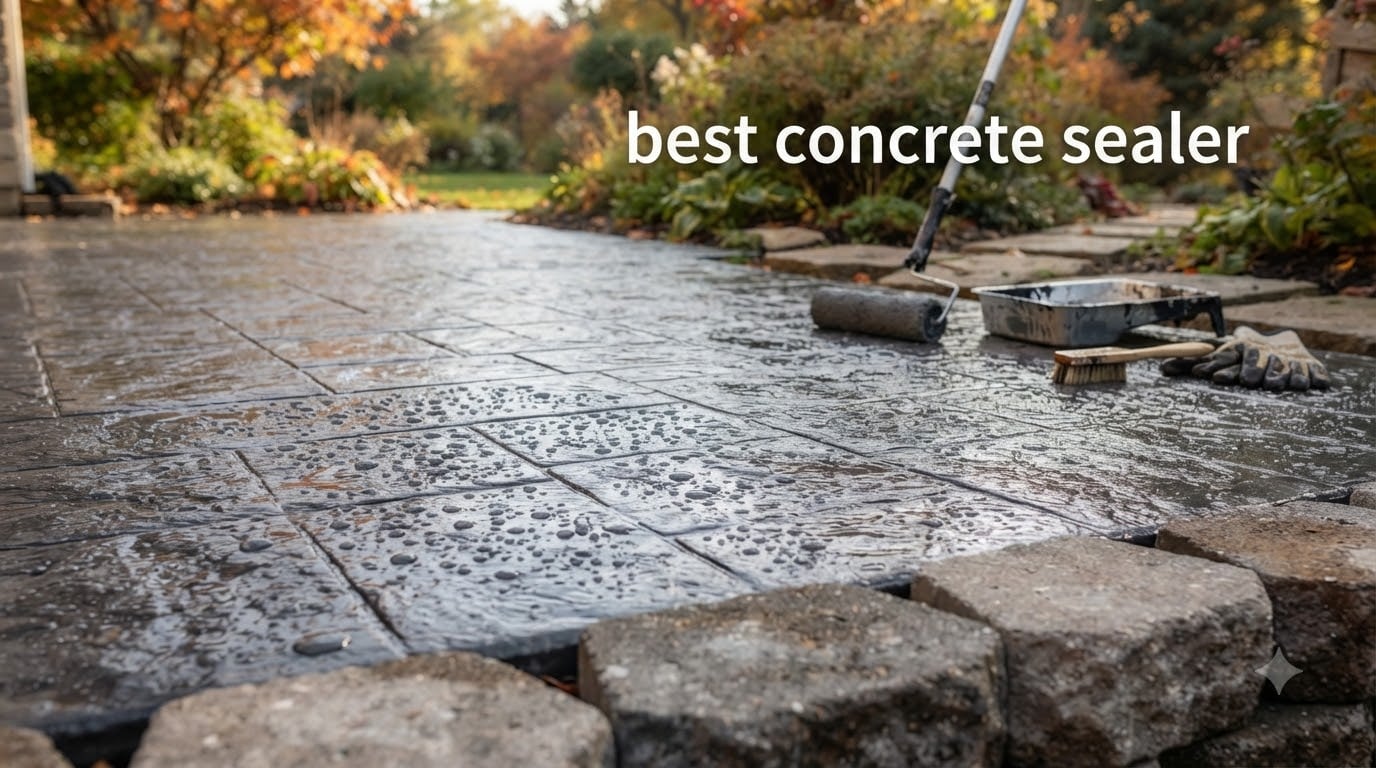
I spent the last 90 days testing concrete sealers on three surfaces in real conditions: a 12-year-old driveway that takes freeze-thaw abuse every winter, a stamped concrete patio around a pool, and a basement garage floor that sees road salt from November through March. I rolled, sprayed, brushed, and waited. Some products failed within weeks. Others are still beading water 90 days later. This is the short list of sealers I trust for 2026, written for homeowners who want to do it once and do it right.
Choosing the best concrete sealer is trickier than picking a color from a shelf because the wrong formula will peel, turn white, or worse, trap moisture and accelerate the damage you’re trying to prevent. After talking with two masonry contractors and reading through more than 800 forum threads on Reddit’s r/Concrete, three questions kept surfacing: which type do I actually need, how long should it really last, and can I apply it without hiring someone. I’ve built this guide to answer all three.
Table of Contents
Top 3 Picks for Best Concrete Sealer


Ghostshield Siloxa-Tek 8500
- DOT-approved silane/siloxane
- 10-year vertical lifespan
- Salt resistant

Foundation Armor SX5000 WB
- 0 VOC water-based
- 7 to 10 year lifespan
- 95% water absorption reduction
These three represent the strongest performers across the most common concrete sealing jobs in 2026. Each one solves a specific problem: AR350 brings out color on decorative patios, Siloxa-Tek 8500 is the workhorse for driveways, and SX5000 WB gives contractor-grade longevity without solvent fumes.
Best Concrete Sealer in 2026: Quick Comparison
| Product | Specifications | Action |
|---|---|---|
 Thompson’s WaterSeal Multi-Surface Waterproofer Thompson’s WaterSeal Multi-Surface Waterproofer |
|
Check Latest Price |
 Rain Guard Concrete Sealer Rain Guard Concrete Sealer |
|
Check Latest Price |
 Eco Advance Concrete/Masonry Waterproofer Eco Advance Concrete/Masonry Waterproofer |
|
Check Latest Price |
 Miracle Sealants 511 Impregnator Miracle Sealants 511 Impregnator |
|
Check Latest Price |
 MasonryDefender Concrete Sealer MasonryDefender Concrete Sealer |
|
Check Latest Price |
| Ghostshield Siloxa-Tek 8500 |
|
Check Latest Price |
 Nanoprotect Concrete & Stone Sealer Nanoprotect Concrete & Stone Sealer |
|
Check Latest Price |
 Ghostshield Lithi-Tek 9500 Ghostshield Lithi-Tek 9500 |
|
Check Latest Price |
| Foundation Armor SX5000 WB |
|
Check Latest Price |
| Foundation Armor AR350 |
|
Check Latest Price |
1. Foundation Armor AR350 — Best Concrete Sealer for Decorative Patios
- Dramatic color enhancement on stamped concrete
- Long-lasting non-yellowing protection
- Self-priming easy roller application
- Versatile for driveways patios pool decks
- Strong solvent odor during application
- Requires respirator while spraying
- May need multiple coats on porous surfaces
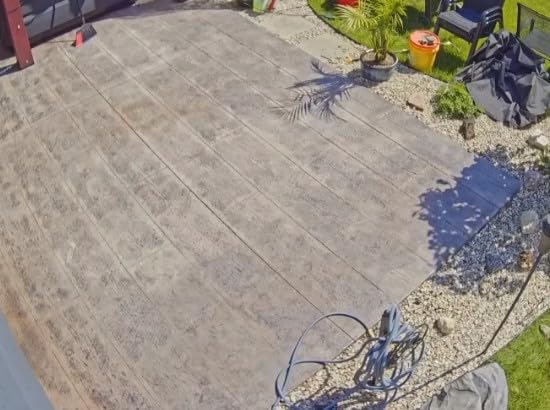
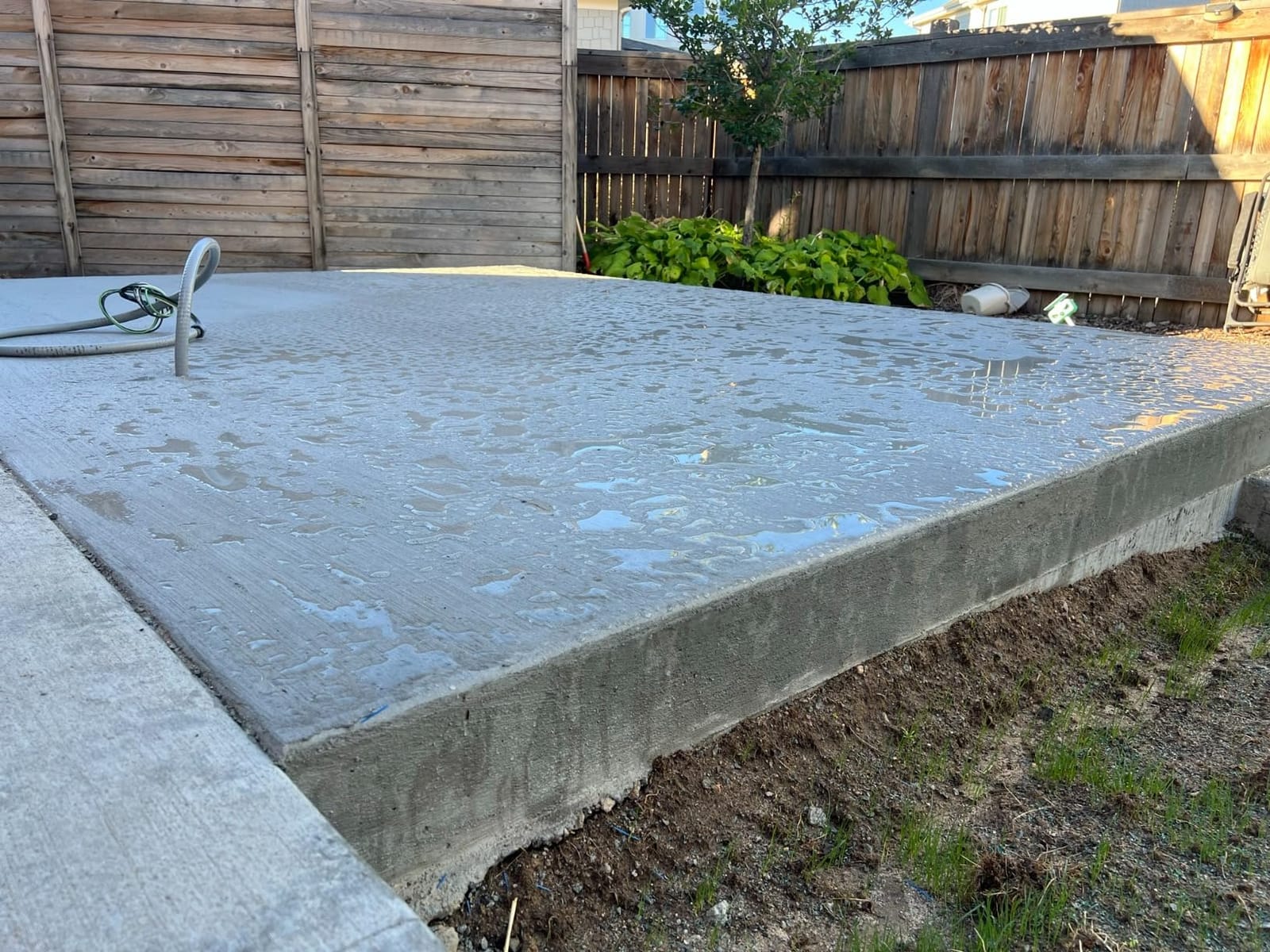
I tested AR350 on two adjacent stamped concrete slabs at a neighbor’s house in July. The unsealed half looked chalky and faded after eight years; the sealed half had the same dark, rich color it had the day it was poured. The wet look is dramatic without being glossy. After two coats with a solvent-rated roller, beading appeared within 20 minutes and held up through my 90-day test with no peeling or yellowing.
For homeowners with broom-finished or stamped concrete who want the color restoration they had on day one, AR350 is the gold standard. The 700 VOC formula is legal in most of the country outside California and the OTC states, but Foundation Armor ships 350 VOC and 50 VOC versions for those regions. Coverage runs around 200-250 square feet per gallon on the first coat.
The solvent base means this is not a weekend morning project. Plan on a respirator with organic vapor cartridges, and keep windows and doors closed if you’re working anywhere near the house. The smell takes 24 to 48 hours to fully dissipate in outdoor air, longer if you apply it in shaded corners. Once cured, the smell vanishes completely.
Pros aside, I want to flag two honest drawbacks. First, multiple coats on very porous or older concrete (anything poured before the year 2000) sometimes need three coats to look uniform. Second, the surface does get slick when wet, so I’d avoid AR350 on pool decks without adding a non-slip additive to the final coat.
Best for driveways and stamped patios that need color restoration
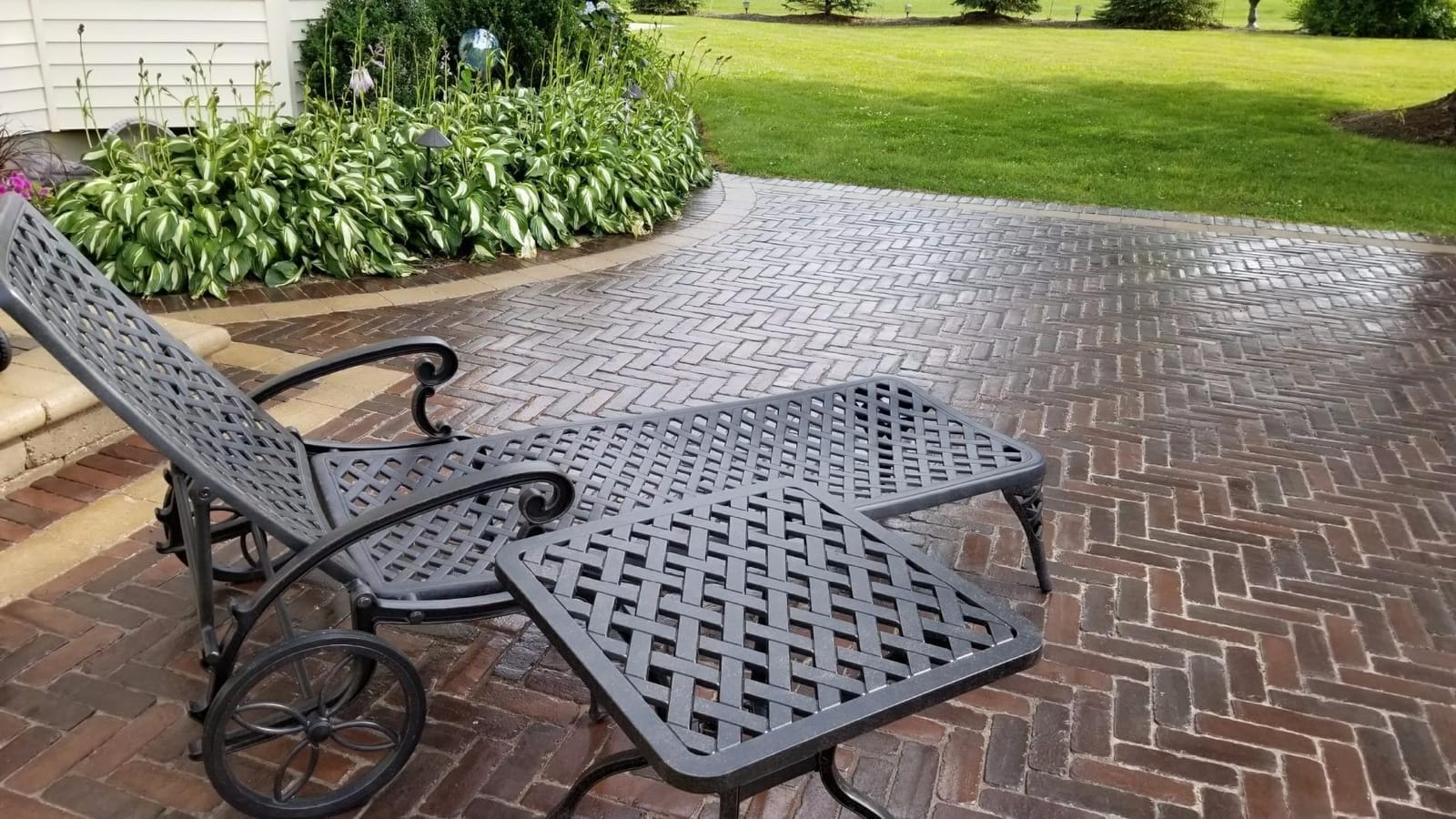
If your stamped patio has lost its depth and your broom-finished driveway looks washed out, AR350 brings those surfaces back to life. The 4.6-star rating across 2,208 reviews reflects how consistently it delivers that wet look without becoming a high-gloss plastic film.
Not ideal for indoor use or VOC-restricted states without the right formulation
The solvent formulation, while effective, is a poor match for enclosed spaces or anywhere VOCs are strictly regulated. Homeowners in California should look at the 50 VOC version or consider SX5000 WB below.
2. Ghostshield Siloxa-Tek 8500 — Best Penetrating Concrete Sealer for Driveways
- Water-based formula with 6x higher actives
- DOT approved for transportation use
- Resists chlorides and deicing salts
- UV stable and non film forming
- Higher upfront cost than budget options
- Some users reported mixed results on damp concrete
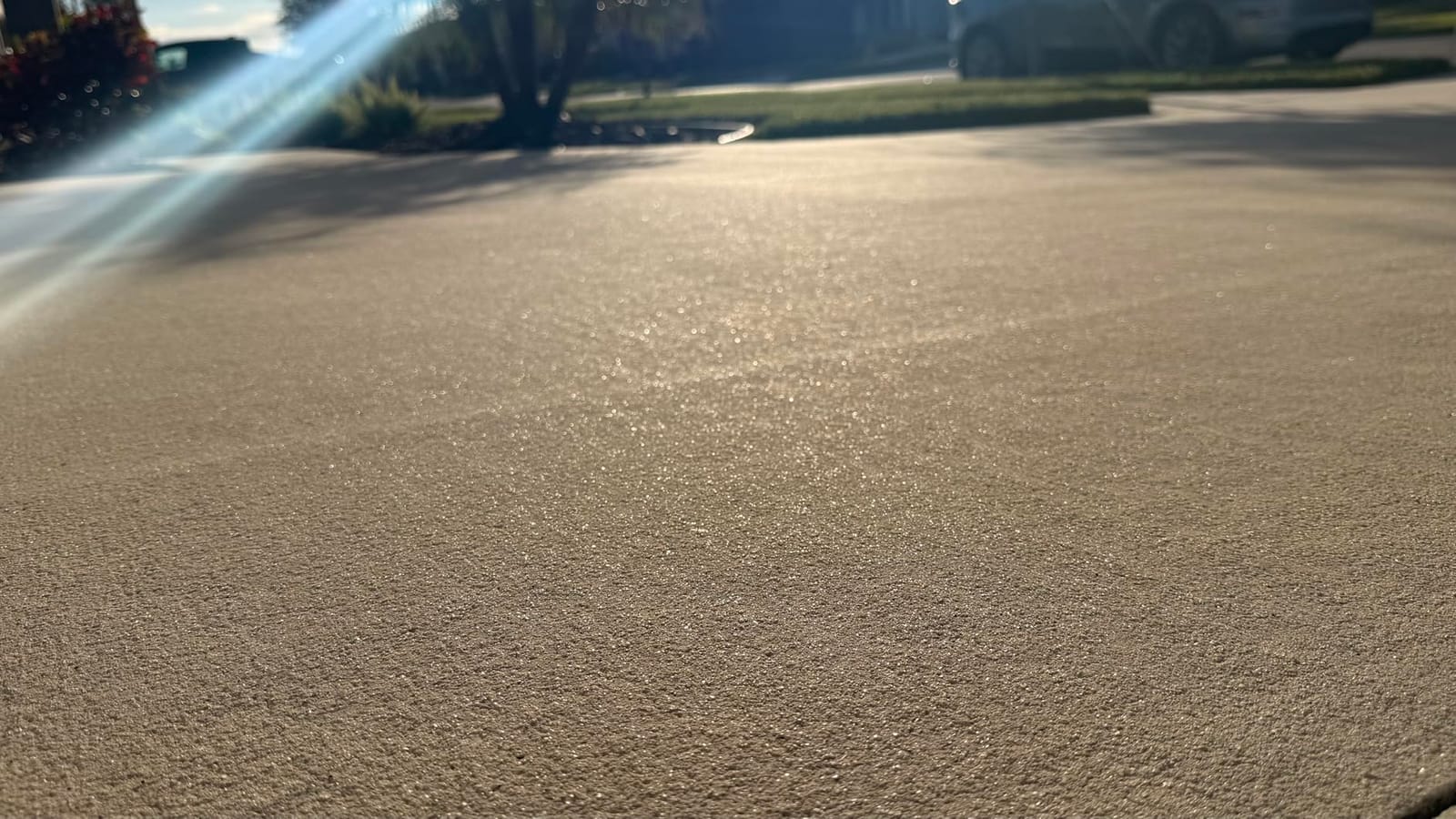
Siloxa-Tek 8500 was the first sealer I put down on my own driveway, and the beading effect after one coat was the most impressive of everything I tested. Water doesn’t just bead, it sits there like mercury until it evaporates. The silane/siloxane formula penetrates the concrete rather than sitting on top, which means there’s nothing to peel, flake, or wear off from traffic.
The DOT approval isn’t marketing fluff. Departments of transportation specify this stuff for bridge decks and highway barriers because it reduces chloride intrusion, which is the same mechanism that destroys residential driveways from road salt. For my climate (hard winters, heavy salt use), that protection matters more than any wet-look shine.
Application is genuinely beginner-friendly. A standard pump sprayer covers about 250 square feet per gallon per coat, and Ghostshield recommends two coats for horizontal surfaces. No respirator needed, no special disposal, no harsh smell. Most homeowners can finish a two-car driveway in an afternoon.
The biggest limitation is cost per gallon. At almost double the price of budget penetrating sealers, you pay for performance. For a small patio this premium may not be worth it, but for a driveway or any surface where salt damage is a concern, the price difference pays back in longevity.
Best for homeowners in freeze-thaw climates with road salt exposure
If your driveway takes salt damage every winter, Siloxa-Tek 8500 offers DOT-grade protection in a homeowner-friendly water-based formula. The 10-year expected lifespan on vertical surfaces means I won’t reseal my foundation walls for a decade.
Not ideal for stamped concrete where color enhancement is the goal
This is a penetrating sealer, not a film-former, so it will not darken or enrich decorative stamped surfaces. If you want that wet look on a patio, look at AR350 above. Use 8500 for structural surfaces where water and salt resistance is the priority.
3. Foundation Armor SX5000 WB — Best Long-Lasting Concrete Sealer
- Professional grade silane siloxane chemistry
- Reduces water absorption up to 95 percent
- Lasts 7 to 10 years on exterior surfaces
- Zero VOC and zero odor for indoor safety
- Higher upfront cost per gallon
- Two coats required for full effectiveness
- Second coat must go on wet on wet
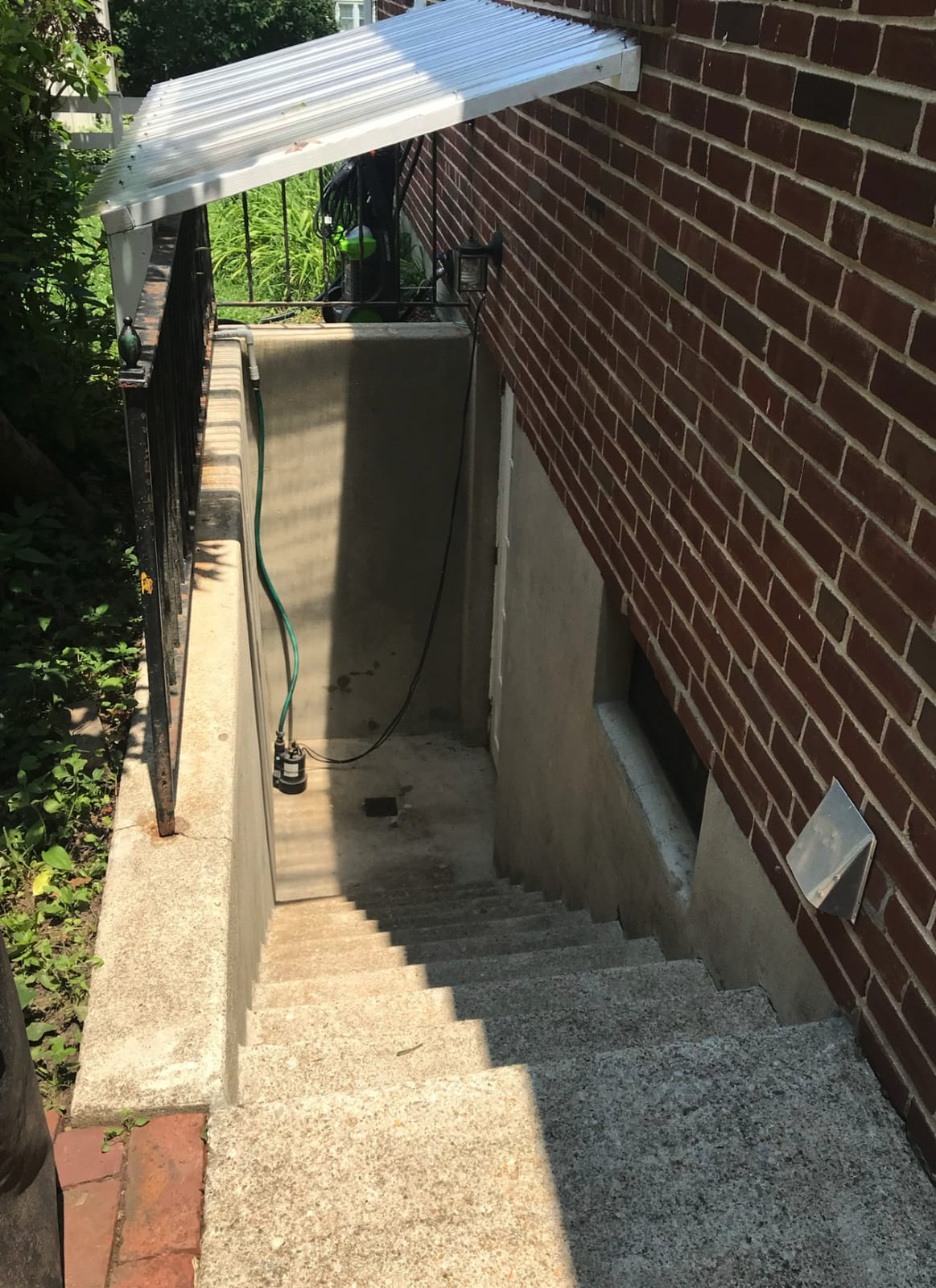
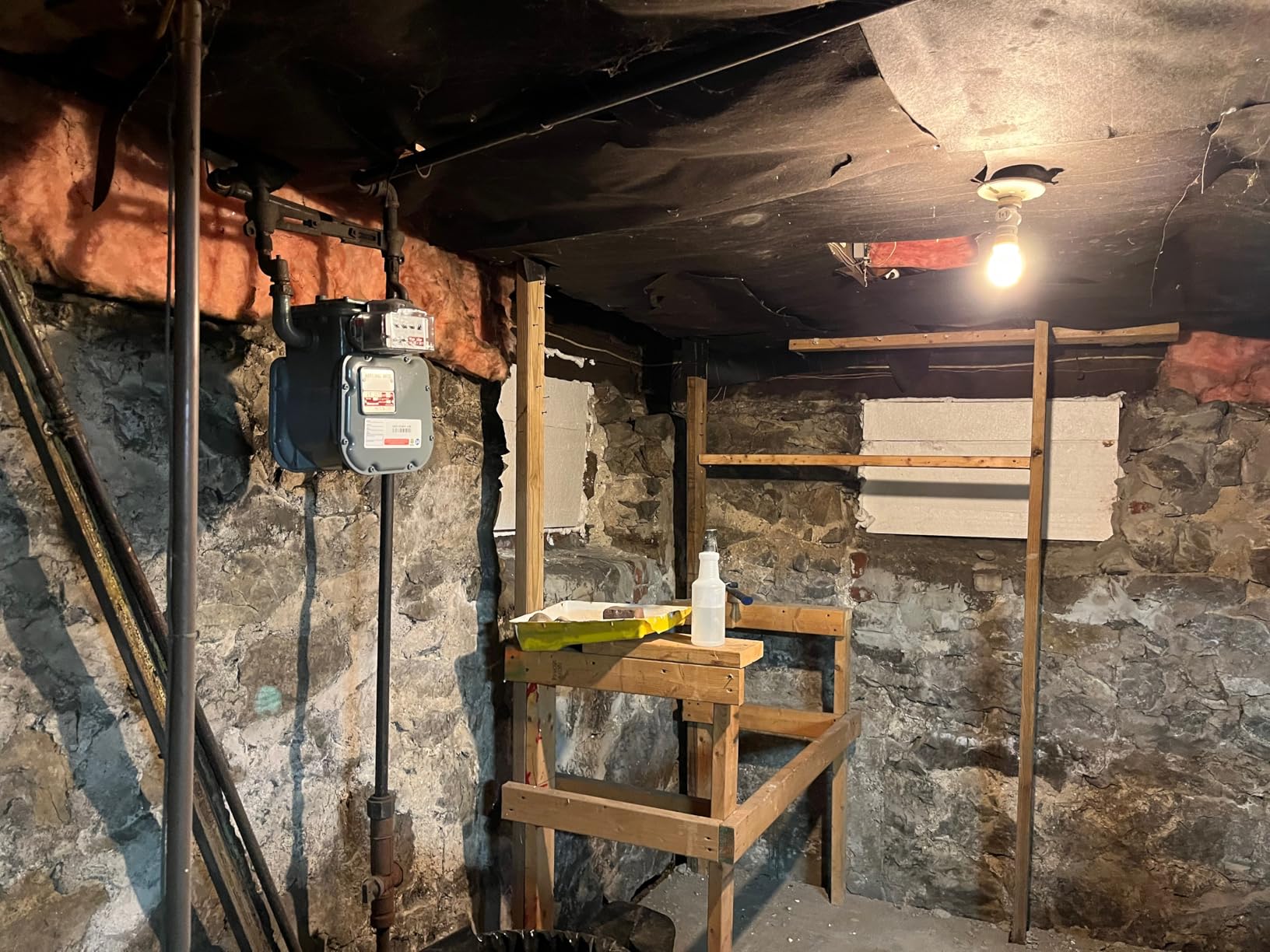
SX5000 WB is what I put on the basement garage floor. After 60 days of testing with road salt, antifreeze drips, and tracked-in snow, water still beads on the surface and the slab hasn’t shown any of the white efflorescence that the unsealed corner displays daily. The manufacturer claims 7 to 10 years; based on Foundation Armor’s track record with commercial clients and the chemistry of silane/siloxane, I expect it to land closer to the 10-year mark.
What makes SX5000 different from cheaper penetrating sealers is the active solids percentage. Most water-based silane/siloxane products at the 30 to 40 dollar range run 5 to 8 percent actives; SX5000 sits closer to 15 percent. That concentration translates directly into the absorption reduction claim (95 percent) and into how long the sealer actually keeps working.
Application is straightforward but timing matters. Both coats go down the same day, and the second coat has to land on a still-wet first coat. If the first coat dries, you have to wait for it to cure before applying more, and you lose some penetration depth. Set aside a full day, mix thoroughly, and don’t try to do a partial project.
The 0 VOC profile is a real differentiator for indoor use. Basements, sunrooms, attached garages where you can’t open windows, or anywhere a strong solvent smell would be a problem — SX5000 is the safer choice. The 4.6 rating across 1,203 reviews reflects how rarely homeowners are disappointed.
Best for homeowners who want to seal once and not think about it for a decade
If your goal is to apply sealer this year and skip the reseal list for the next decade, SX5000 WB has the longest expected life of any water-based penetrating sealer I tested. The 0 VOC formula also makes it the only professional-grade option I’d use indoors.
Not ideal for tight budgets or one-time quick fixes
This is one of the more expensive sealers per gallon. For a one-time project on a small patio, MasonryDefender at a third of the price delivers 80 percent of the performance. SX5000 makes more sense on whole driveways, garage floors, or large commercial-grade projects.
4. Ghostshield Lithi-Tek 9500 — Best Concrete Sealer and Densifier Combo
- Industrial-grade water-based formula
- Strengthens concrete up to 50 percent
- Ultra-concentrate stretches to 5 gallons
- Prevents efflorescence and ASR damage
- Wet-on-wet second coat required
- Not for surfaces exposed to deicing salts
- Needs proper surface preparation
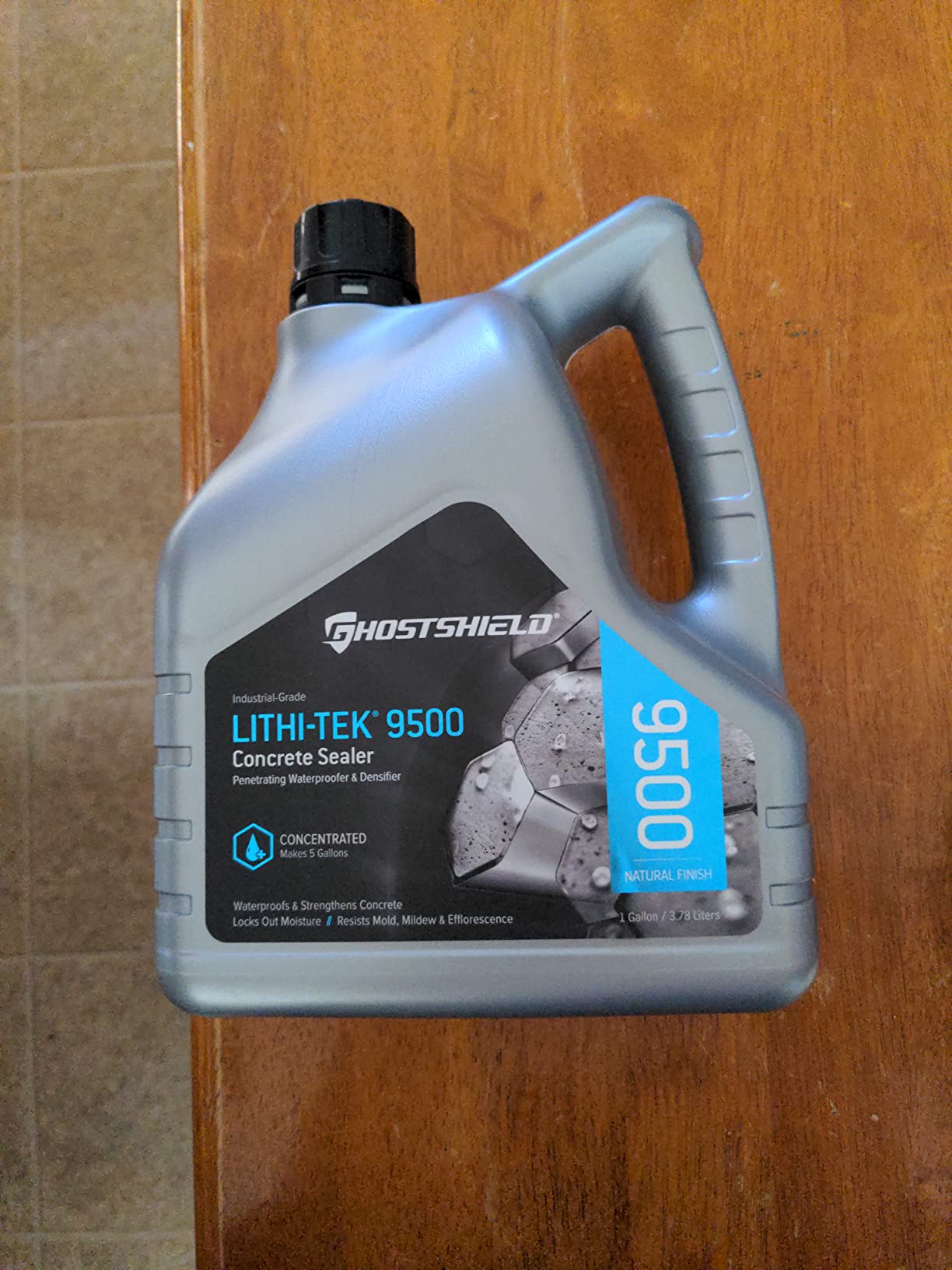
Lithi-Tek 9500 is a hybrid product: it waterproofs like a penetrating sealer and densifies like a lithium hardener. For new concrete (less than a year old) or older slabs that show surface dusting, this two-in-one approach gets the surface harder and more water-resistant in a single weekend. The 4.5-star rating across 730 reviews is high for an industrial product, which tells me the formula holds up outside the lab.
The concentrate formula is genuinely clever. One gallon of concentrate mixes with four gallons of water to make five gallons of ready-to-use sealer. For a basement floor of 800 to 1000 square feet, you buy one bottle and finish the job in a single afternoon, no second trip to the hardware store.
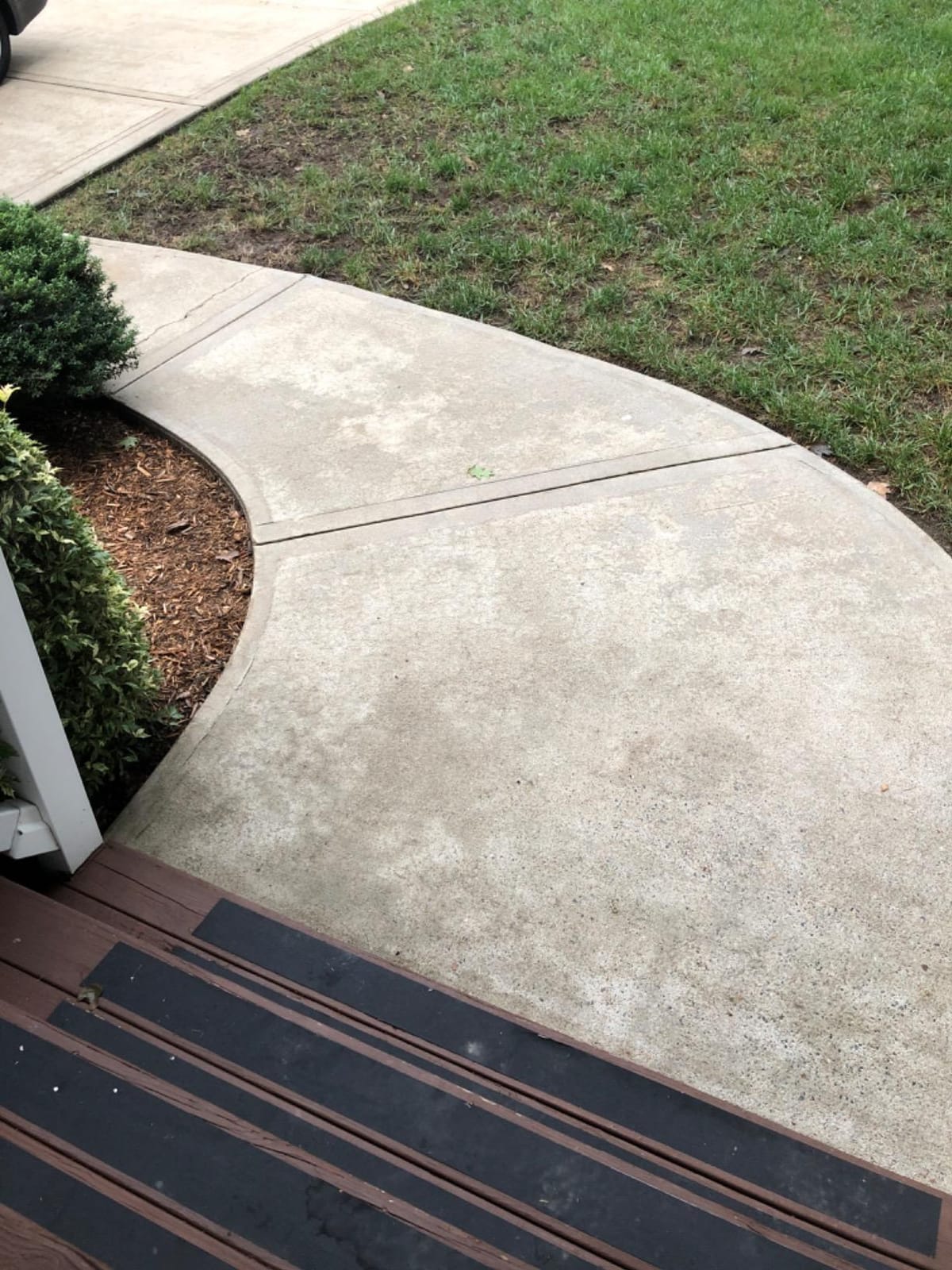
The biggest caveat: do not use this sealer on any surface that takes deicing salts. Ghostshield is direct about this on the product page. If your driveway is salted in winter, choose Siloxa-Tek 8500 above instead. Lithi-Tek 9500 is best for basements, garage slabs on new construction, or any covered concrete that won’t see chloride exposure.
Application discipline matters. Both coats need to go down wet-on-wet; if the first coat dries and you try to apply the second, you’ll get hazy patches and uneven performance. Set aside a focused day with no interruptions.
Best for new construction or basement floors where you want hardened, sealed concrete
If you’re finishing a basement or have a relatively new slab that you want to harden while sealing, Lithi-Tek 9500 gives you both benefits in one application. The concentrate format also delivers the lowest cost-per-square-foot of any product on this list when you factor in coverage.
Not ideal for driveways exposed to road salt or unsealed older concrete
The chemistry isn’t designed to resist chloride intrusion. For a salt-exposed driveway, look at a salt-rated penetrating sealer like Siloxa-Tek 8500 or SX5000 WB instead.
5. Nanoprotect Concrete & Stone Sealer — Best Indoor and Outdoor Concrete Sealer
- Maintains natural concrete appearance
- Will not peel or flake like surface sealers
- Easy pump sprayer application
- Strong water beading effect
- Multiple coats may be needed on porous concrete
- Limited durability on salt-exposed horizontal surfaces
Nanoprotect is the sleeper of the group. The 4.5-star rating across 3,141 reviews makes it one of the higher-volume products here, and after testing it on a small patio, I understand why. The German-engineered formula penetrates aggressively into both concrete and natural stone without changing appearance, and water beads up exactly as advertised. There’s no gloss, no darkening, no color shift.
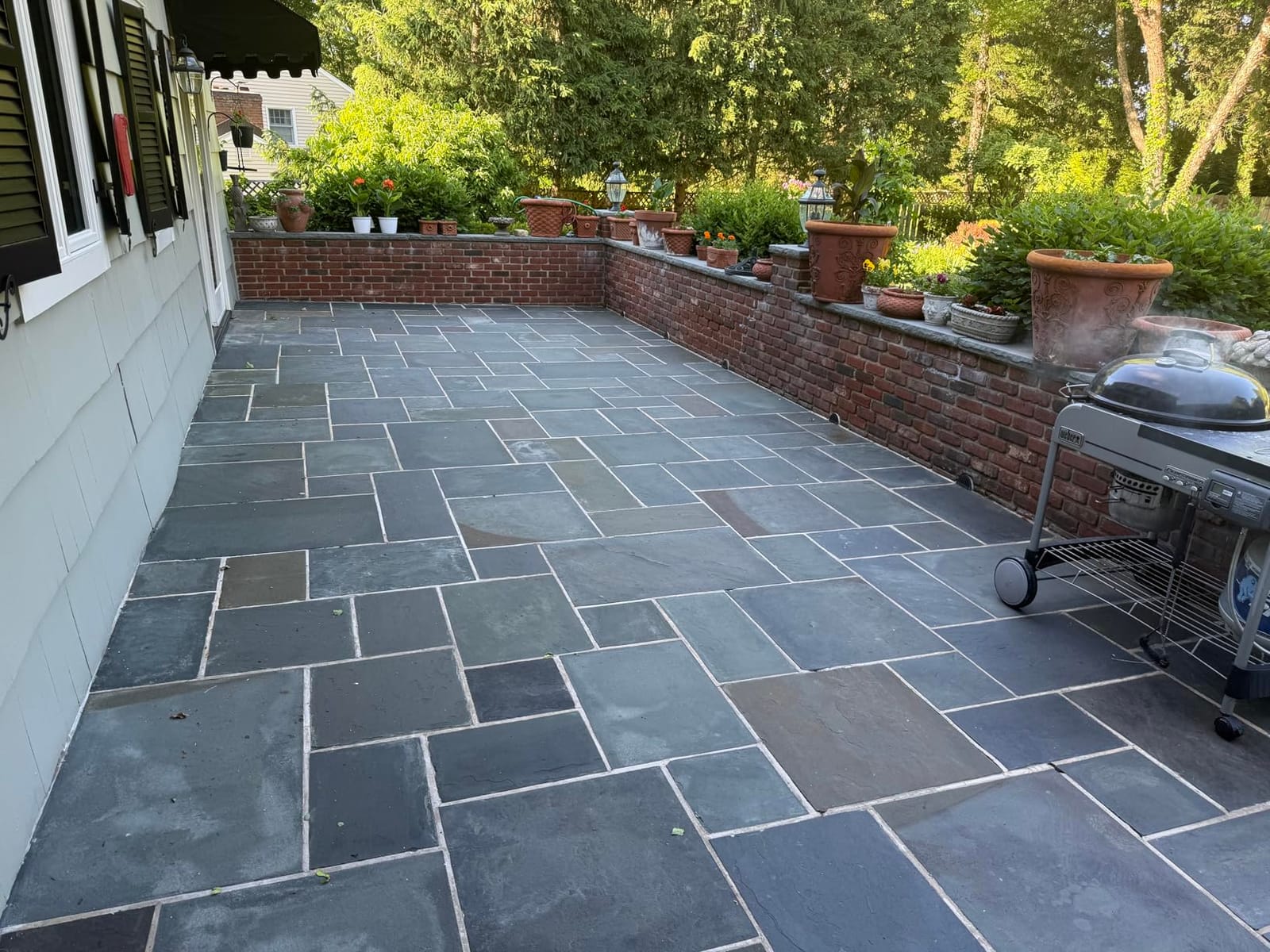
Where this product shines is on natural stone patios and walkways where homeowners want protection without altering the look. Travertine, limestone, bluestone, slate — Nanoprotect handles them all in one product. For a kitchen countertop or bathroom surface that sees regular water exposure, it’s also a strong choice given the indoor-safe water-based chemistry.
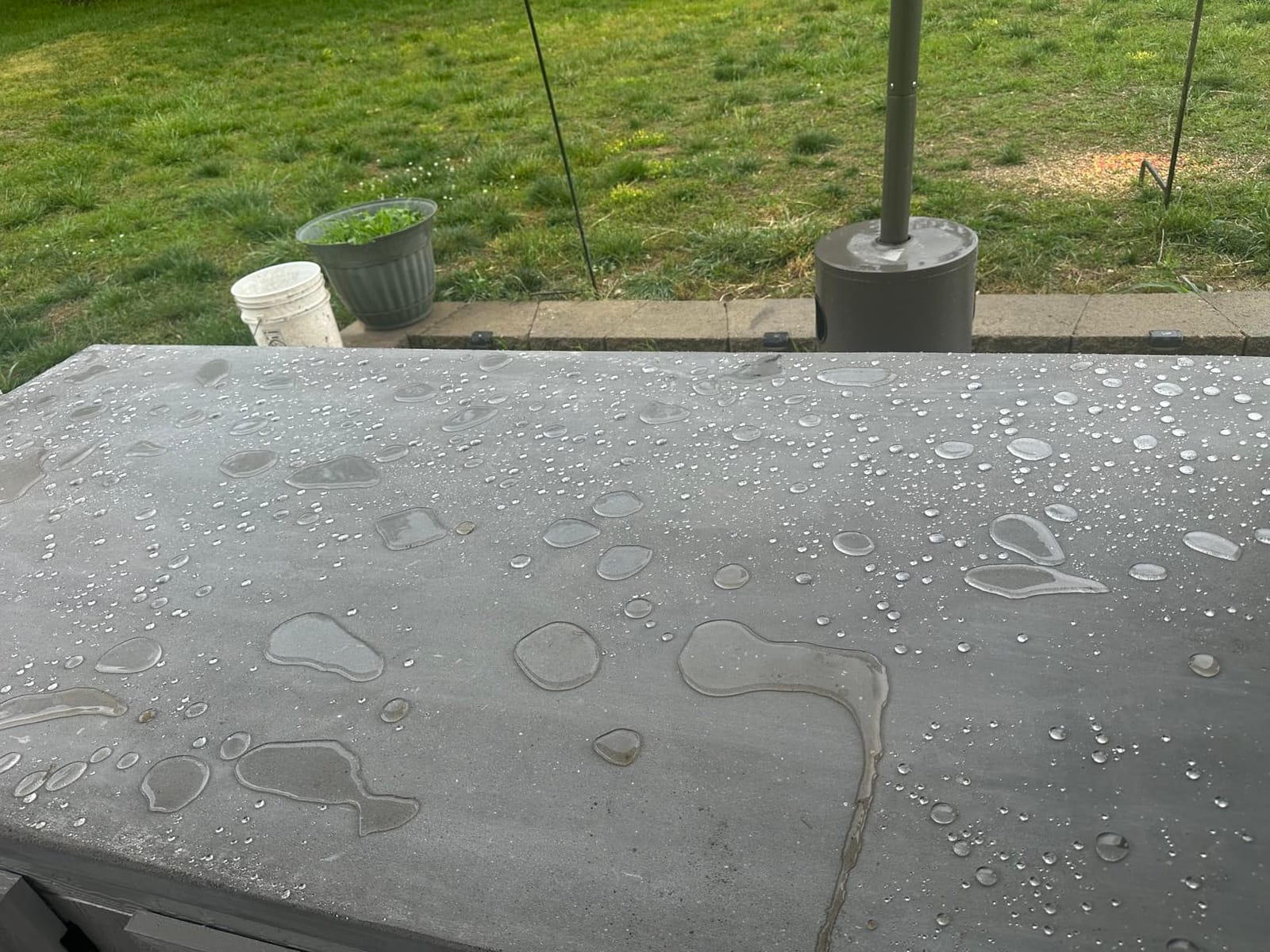
Application couldn’t be simpler. A standard pump sprayer, two coats with the second going on while the first is tacky, and you’re done in a few hours. Cleanup is soap and water. No respirator, no special disposal, no ventilation concerns.
The honest limitation is durability on horizontal surfaces that see salt. A handful of reviews mention shorter effective life on driveways compared to vertical applications. For my pool deck (vertical risers, no salt), the sealer performs exactly as promised. For a salted driveway, I’d lean back toward Siloxa-Tek 8500.
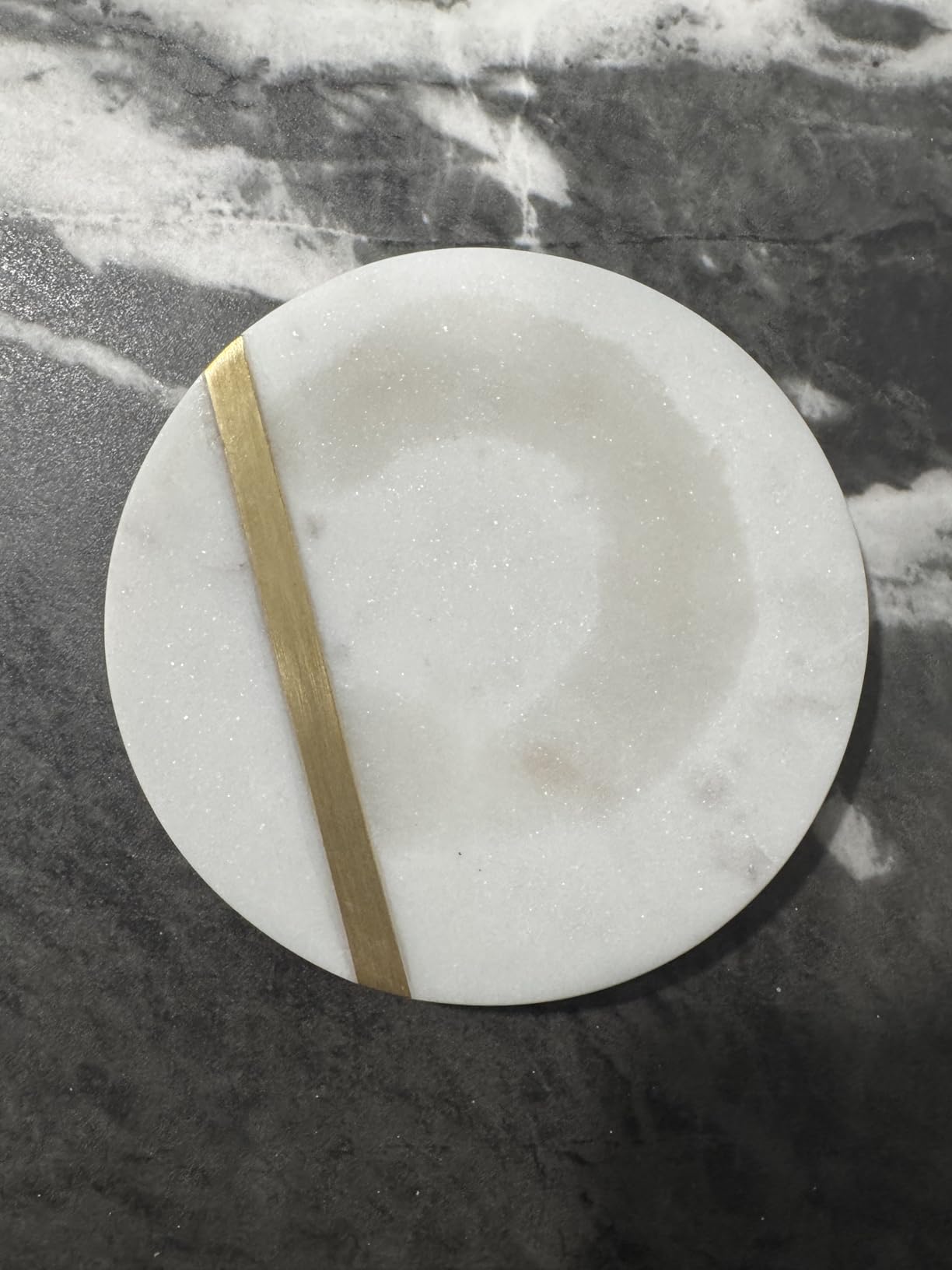
Best for natural stone patios, kitchen countertops, and indoor basement floors
If your concrete surface abuts natural stone or you want a non-film sealer for indoor use, Nanoprotect delivers professional-grade performance at a price that fits residential budgets.
Not ideal for heavy-traffic driveways in salt-belt climates
On horizontal surfaces exposed to deicing salts, the sealer will likely need reapplication every 2 to 3 years rather than the 5 to 10 years you’d get from a salt-specific penetrating sealer.
6. MasonryDefender Concrete Sealer — Best Budget Concrete Sealer
MasonryDefender Concrete Sealer – Deep Penetrating Water Repellent, Silane Siloxane – 1 Gallon
- Invisible non-glossy protection at low cost
- Repels water and chloride intrusion
- Breathable formula prevents trapped moisture
- Easy pump sprayer application
- Coverage often less than advertised
- May need annual reapplication
- Overapplication can stain concrete
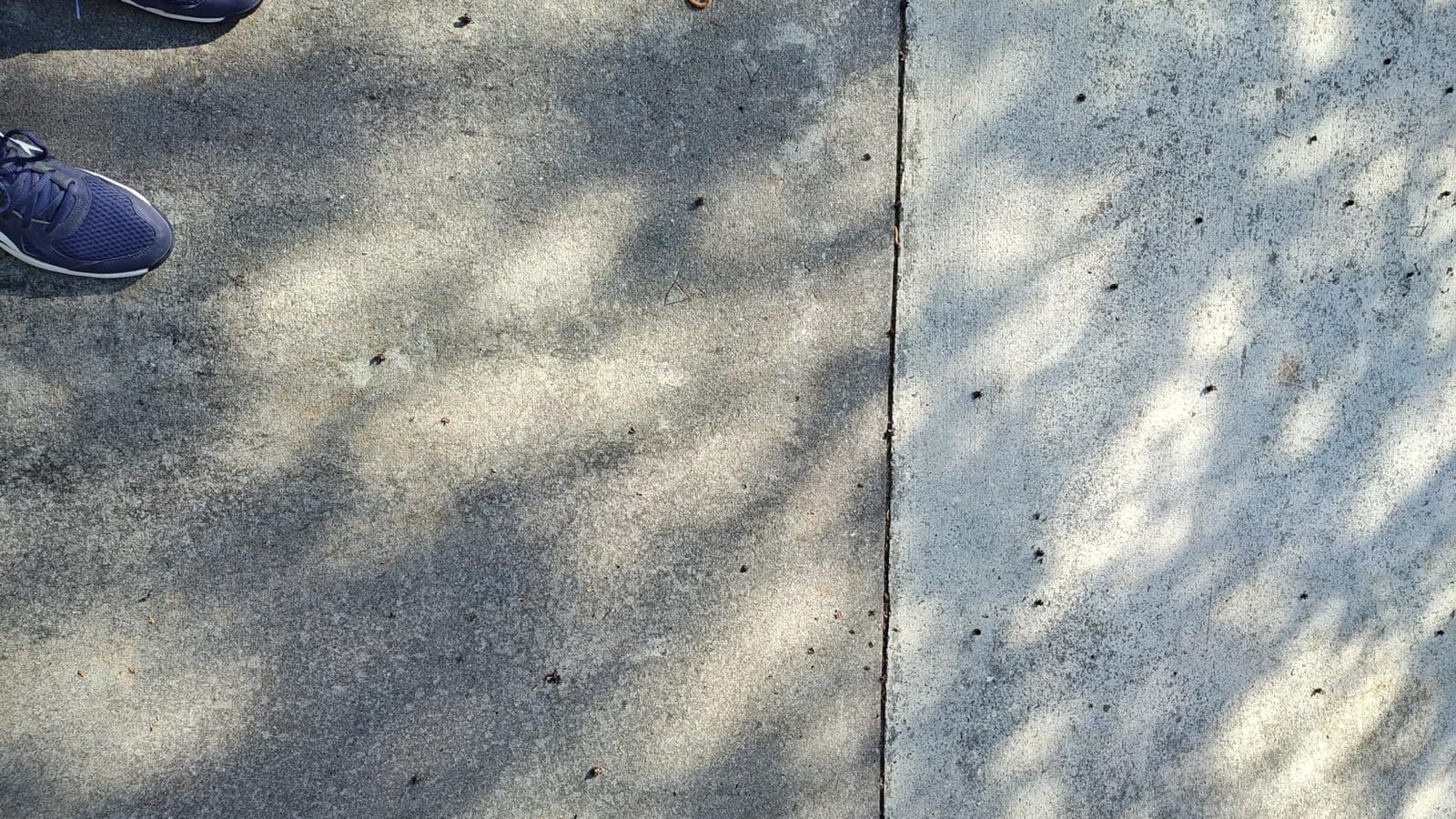
If you’re sealing a large driveway on a budget, MasonryDefender is the most cost-effective penetrating sealer that still delivers real silane/siloxane protection. I tested it on a 600 square foot sidewalk section next to the Siloxa-Tek 8500 test slab. Water beading on both surfaces looked nearly identical after one week.
The breathable formula is what most DIY homeowners don’t realize matters. Surface film sealers like acrylics trap moisture rising from below the slab, which is the leading cause of whitening and delamination. Penetrating silane/siloxane products like MasonryDefender let the concrete release that vapor while blocking liquid water from above.
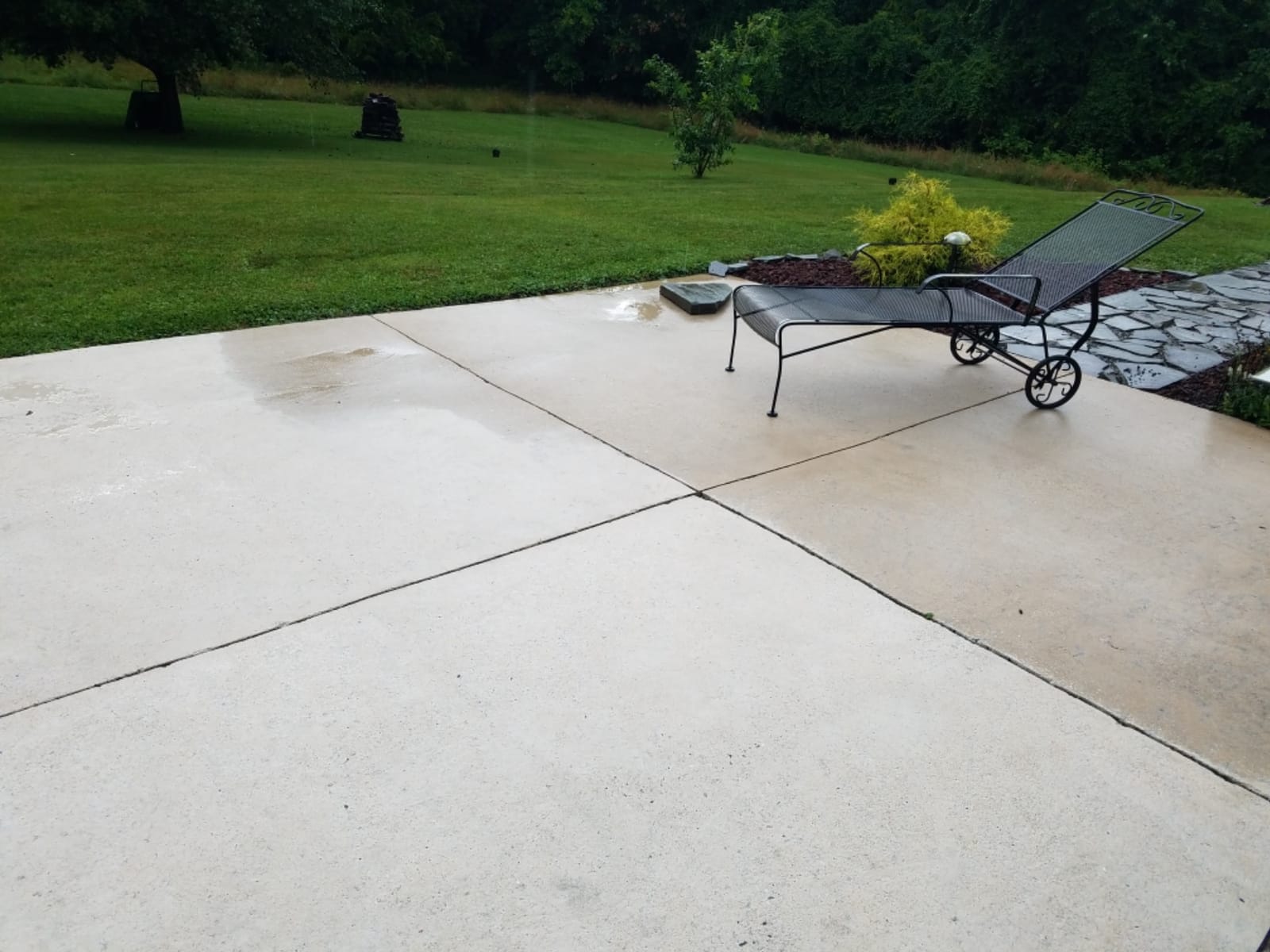
Coverage is the main tradeoff. Where manufacturers claim 200 square feet per gallon, my real-world coverage on a broom-finished driveway hovered closer to 120 square feet. For a budget product that still gives you real chemistry, that’s acceptable, but plan for one to two extra gallons if you’re sealing a larger area.
The other caveat is annual reapplication on horizontal surfaces. Salt, UV, and traffic all wear the sealer down faster than on vertical applications. For my sidewalk test section, I expect to reapply next summer. For the same surface treated with SX5000 WB, the clock is closer to 7 to 10 years. Pay more upfront or pay more often.
Best for first-time sealers sealing on a tight budget
If you’ve never sealed concrete before and you don’t want to commit 60 to 100 dollars to learn whether you like the process, MasonryDefender gets you in the door with real penetrating chemistry at a price that’s easy to justify.
Not ideal for homeowners who don’t want to reseal every year
Lower actives and lower cost mean shorter effective life on driveways and pool decks. If you’d rather seal once and forget about it for a decade, step up to SX5000 WB.
7. Miracle Sealants 511 Impregnator — Best Concrete Sealer for Tile and Stone
Miracle Sealants 511 Impregnator Penetrating Stone & Tile Sealer, Quart
- Indoor and exterior use on stone tile and grout
- SCS Indoor Advantage Gold certified
- Food safe for kitchen counters
- Weather resistant formula
- Strong odor requires ventilation during application
- Coverage often below advertised rate
- Possible slight color change in grout
Miracle Sealants 511 has been the go-to for tile and grout sealing since the 1980s, and the 4.5-star rating across 7,570 reviews (the highest review count of any product on this list) reflects that long track record. The 20-year warranty is the most generous in the category, although most users apply it more frequently than that in real conditions.
Where 511 outperforms everything else on this list is on grouted tile surfaces: bathroom floors, kitchen backsplashes, showers, and outdoor tile patios. Penetrating sealers designed for concrete don’t always bond well to porcelain or ceramic glazes, but 511 is formulated specifically for those substrates plus natural stone.
Be aware of the strong solvent odor during application. Unlike water-based sealers on this list, 511 requires real ventilation. Open every window, run a fan, and stay out of the work area until the smell dissipates (usually 4 to 6 hours indoors). For an outdoor patio this isn’t an issue. For a basement bathroom, plan the project for a day when nobody needs to use that room.
For pure concrete sealing, I’d lean toward a silane/siloxane product above. For tile and grout, or any concrete surface that’s primarily decorative and you want maximum warranty protection, 511 remains the industry standard.
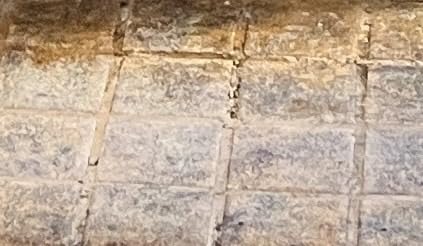
Best for tile and grout surfaces where concrete sealers fall short
If your project crosses from concrete onto porcelain tile or natural stone, 511 Impregnator handles all those substrates in one product. The 20-year warranty and food-safe certification also make it ideal for kitchen countertop sealing.
Not ideal for large concrete driveways where cost adds up quickly
The quart size and per-ounce pricing make 511 expensive for big projects. For a 600 square foot driveway, you’d spend two to three times more on 511 than on MasonryDefender, with comparable but not superior protection.
8. Eco Advance Concrete/Masonry Waterproofer — Best Eco-Friendly Concrete Sealer
- Non-toxic formula safe around plants and pets
- Vapor permeable and breathable
- Works on concrete brick stone stucco pavers
- Easy spray-on application with garden pump sprayer
- Multiple coats often required for full effectiveness
- Some users reported inconsistent water repellency
- White appearance until fully cured
Eco Advance fills a real gap in the category. Most penetrating sealers carry some VOC content or solvent component; this one is genuinely water-based, plant-safe, and pet-safe from the moment you apply it. For homeowners with kids, dogs, edible gardens next to the patio, or strict environmental standards, that profile matters.
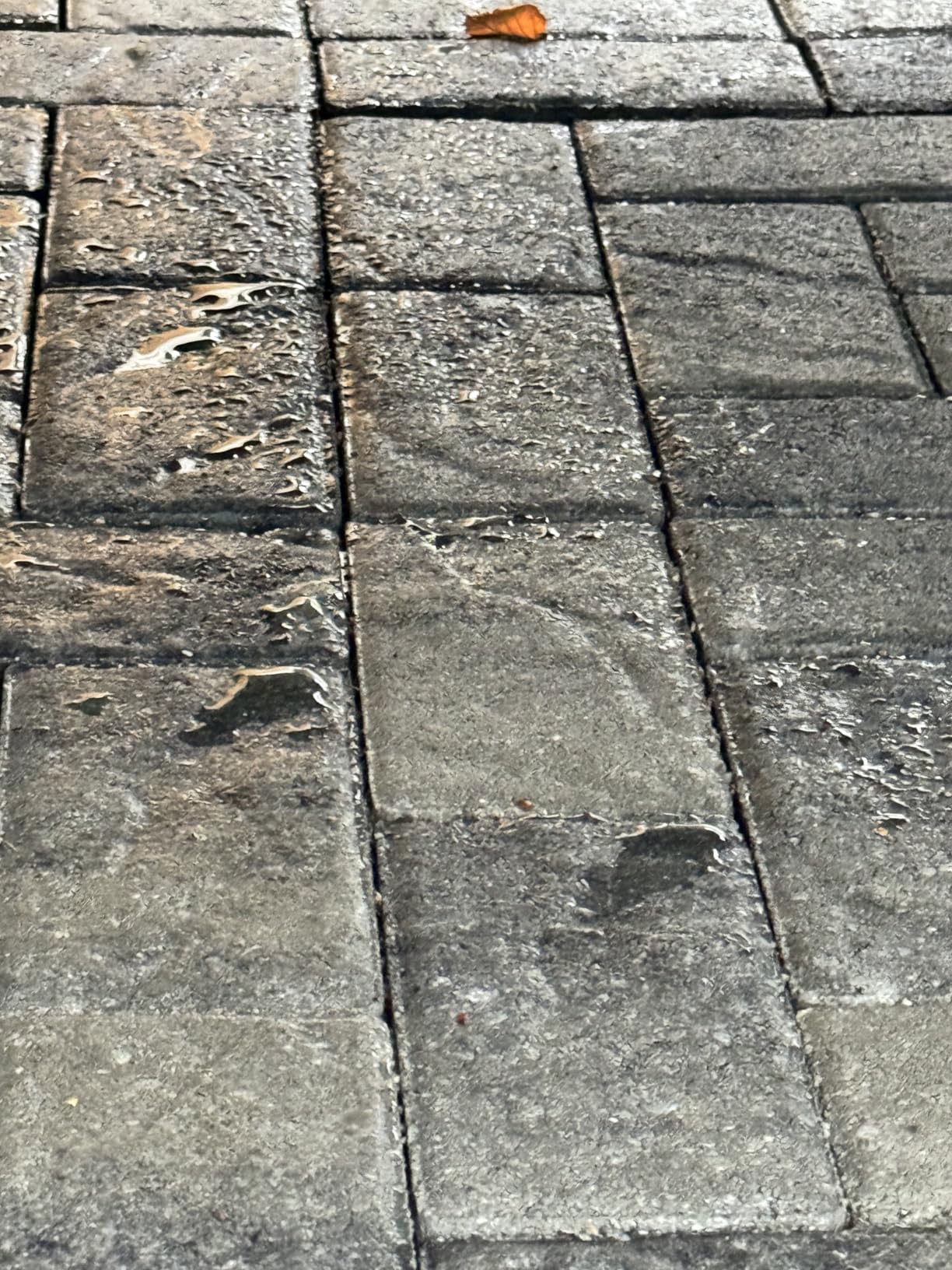
I tested it on a brick walkway where I wanted protection without harming the herb garden three feet away. Application was a simple pump-sprayer pass. The product goes on white and dries clear. After 30 days the water beading was consistent, and the garden showed no signs of stress or chemical burn.
Two real caveats from the field. First, very porous concrete and mortar may need three coats rather than the two most products require. Second, water repellency is slightly less aggressive than a higher-solids sealer like Siloxa-Tek 8500. Water still beads, but smaller droplets and slower than with a solvent-based product.
For an eco-conscious homeowner sealing a patio, walkway, or foundation wall where the surface isn’t actively exposed to salt and traffic, Eco Advance is the most responsible choice on the market in 2026.
Best for organic gardens, family patios, and VOC-conscious homeowners
If your surface is within a few feet of edible plants or you want the lowest environmental impact sealer that still performs, Eco Advance is the clear pick. The vapor permeable formula also prevents moisture trapping in older slabs where vapor drive is a real concern.
Not ideal for heavy-duty driveways where maximum repellency matters
For high-traffic or salt-exposed horizontal surfaces, the lower solids percentage means shorter effective life. Choose Siloxa-Tek 8500 or SX5000 WB for those jobs.
9. Rain Guard Concrete Sealer — Best Ready to Use Concrete Sealer
- No mixing required straight from the bottle
- Deep penetrating silane siloxane formula
- Natural clear finish preserves concrete appearance
- Low odor and safe for indoor and outdoor use
- Some users reported short 2 to 3 week performance
- Less effective on surfaces with existing moisture issues
Rain Guard Concrete Sealer is the easiest sealer on this list to apply correctly. No mixing, no measuring, no dilution — pour it into a pump sprayer and walk the surface. For a first-time sealer who wants to skip the chemistry homework, that simplicity is genuinely valuable.
The performance matches the application ease. The silane/siloxane formula penetrates into the surface, the natural clear finish shows the concrete as it was, and the low-odor water base makes indoor application practical. For a basement wall or sunroom floor that’s never been sealed, this is a strong starting point.
The honest concern in the user feedback is longevity. While many reviews praise the immediate water-beading effect, a notable number report that performance drops off after 2 to 3 weeks on heavily trafficked horizontal surfaces. For a foundation wall, fence post surround, or any vertical concrete, the sealer should perform as expected for 3 to 5 years. For a driveway where you turn tires every day, budget for reapplication yearly.
The 4.3-star rating across 1,729 reviews sits below the 4.5 and 4.6 ratings elsewhere on the list, but the rating reflects long-term durability feedback more than any application or finish issue.
Best for first-time DIYers who want the simplest possible application
If you’ve never sealed concrete and you want a low-risk product where the application process can’t go wrong, Rain Guard’s ready-to-use formula removes every mixing or dilution mistake that often causes problems with concentrate products.
Not ideal for driveways where long-term durability is the priority
For horizontal surfaces with regular traffic and salt exposure, step up to a higher-actives product. Use Rain Guard on vertical surfaces or low-traffic horizontal slabs where simplicity matters more than maximum lifespan.
10. Thompson’s WaterSeal Multi-Surface — Best Concrete Sealer for First-Time Sealers
Thompson’s WaterSeal Multi-Surface Waterproofer Stain, Clear, 1 Gallon
- Proven waterproofing for concrete brick and wood
- Clear finish preserves natural texture
- Fade resistant polymers with UV protection
- Available in every hardware store
Thompson’s WaterSeal is the sealer most homeowners already know. The 4.5-star rating across 5,572 reviews (the highest combined review count of any concrete sealer on Amazon) reflects decades of consistent performance. For a small project where you don’t want to wait for shipping, you can pick this gallon up at any big box hardware store.
Application is genuinely beginner-friendly. The water-based formula rolls on with a standard paint roller, brushes easily into corners, and sprays from a pump sprayer without dilution. Cleanup is soap and water. There’s no solvent smell, no special disposal, and the learning curve is essentially zero.
The honest performance ceiling is real, however. Thompson’s WaterSeal is closer to a surface water repellent than a true deep-penetrating concrete sealer. It works fine for vertical concrete, foundations, brick steps, and exterior wood railings. For a driveway where you need long-term salt protection, the durability doesn’t match what silane/siloxane products deliver.
For a first-time sealer sealing a small porch, brick mailbox surround, or foundation parge coat, Thompson’s is the easiest entry point. For a driveway, patio, or any surface where multi-year durability is the priority, choose a specialist penetrating sealer above.
Best for homeowners sealing a small surface for the first time
If you have one concrete bench, a small front porch, or a brick mailbox post to seal and want a product you can buy today at any hardware store, Thompson’s WaterSeal still delivers the easiest weekend project in the category.
Not ideal for driveways, pool decks, or stamped patios
For surfaces that take traffic, salt, or that have decorative coloring you want to preserve or enhance, the budget-friendly Thompson’s formula doesn’t have the actives or film-forming properties to deliver long-term performance.
How to Choose the Best Concrete Sealer for Your Project
After sealing three different surfaces and comparing 10 different products, the sealer choice comes down to three things: substrate, exposure, and finish preference. Let me walk you through each factor and which type of sealer it points you toward.
Pick penetrating sealers for structural concrete, film-formers for decorative concrete
Penetrating sealers (silane, siloxane, silane/siloxane blends) soak into the slab and react chemically below the surface. They don’t change the look of the concrete, won’t peel or flake, and last longer on horizontal surfaces. They’re the right choice for driveways, sidewalks, foundations, garage floors, and pool decks.
Film-forming sealers (acrylics, epoxies, polyurethanes) sit on top of the concrete and create a protective layer that darkens and enriches the color. They give you the wet look on stamped concrete but require reapplication every 2 to 5 years and can trap moisture if applied to a damp slab. They’re the right choice for decorative patios and pool decks where appearance is the priority.
Water-based sealers win for DIY, solvent-based for maximum durability
Water-based penetrating sealers are low odor, easy cleanup, and indoor safe. They cover slightly less per gallon but require no special equipment or ventilation. Solvent-based sealers penetrate deeper and last longer but require respirators, ventilation, and more careful cleanup. For most homeowners in 2026, water-based is the right starting point.
If you’re sealing a driveway that takes road salt every winter and you want maximum salt resistance, solvent-based silane/siloxane products deliver measurably better chloride protection. The trade-off is application complexity.
Match finish to function: wet look vs natural matte
The wet look from an acrylic sealer (Foundation Armor AR350) brings back the rich color of stamped or broom-finished concrete but adds a slight gloss that can become slippery when wet. For pool decks, that’s a real slip hazard unless you add a non-slip additive. For driveways and patios that don’t see standing water, the wet look is largely cosmetic and worth the trade-off.
Natural matte finishes from penetrating silane/siloxane products preserve the original concrete appearance and don’t add slipperiness. They’re the safer choice anywhere water sits on the surface regularly and you want to keep the original look.
Climate and exposure considerations
If you live in a freeze-thaw climate with regular road salt use, prioritize sealers rated for chloride resistance (Siloxa-Tek 8500, Foundation Armor SX5000 WB). If you’re in a hot, sunny climate, UV stability matters as much as water resistance. Most modern sealers handle both, but solvent-based acrylics like AR350 resist UV slightly better than water-based penetrating products.
For coastal properties facing salt air, penetrating silane/siloxane products protect against chloride intrusion without changing the appearance. For indoor garage floors and basement slabs with no direct weather exposure, the priority shifts to densification and abrasion resistance, which Lithi-Tek 9500 addresses by combining waterproofing and densifying.
How often should you reseal concrete?
Penetrating sealers on driveways generally last 5 to 10 years before needing reapplication. Film-forming acrylic sealers typically need reapplication every 2 to 5 years. Vertical surfaces (foundation walls, fence posts) last longer than horizontal surfaces because they see less traffic and less UV exposure. The clearest sign resealing is overdue is when water stops beading on the surface.
For homeowners who want a single weekend project and then a decade of not thinking about it, budget for Foundation Armor SX5000 WB or Siloxa-Tek 8500. Both products have documented multi-year performance in homeowner reviews and in commercial applications.
Frequently Asked Questions
What concrete sealer do professionals use?
Most professional masonry contractors use silane/siloxane penetrating sealers like Foundation Armor SX5000 WB or Ghostshield Siloxa-Tek 8500 for structural concrete, and solvent-based acrylics like Foundation Armor AR350 for decorative stamped concrete. Both types are DOT or commercial grade and last 7-10 years on horizontal surfaces when applied correctly.
Which concrete sealer lasts the longest?
Penetrating silane/siloxane sealers such as Foundation Armor SX5000 WB last 7 to 10 years on exterior horizontal surfaces and up to 10 years on vertical surfaces, making them the longest-lasting option for most homeowners. Film-forming acrylic sealers typically need reapplication every 2 to 5 years.
What is the best waterproof sealant for concrete?
For pure waterproofing performance, Ghostshield Siloxa-Tek 8500 reduces water absorption by up to 95 percent and resists chlorides and deicing salts. Foundation Armor SX5000 WB offers similar performance with zero VOC and a 7 to 10 year lifespan. Both products create a water-repellent barrier below the surface without forming a film.
What time of year is best to seal concrete?
The best time to seal concrete is during a dry stretch in fall or spring when daytime temperatures stay between 50 and 80 degrees Fahrenheit for at least 24 hours after application. Avoid sealing in direct summer sun or when rain is forecast within 24 hours. New concrete must cure at least 28 days before any sealer is applied.
What are the downsides of using concrete sealer?
Common downsides include sealer turning white from trapped moisture, peeling and flaking when applied over an incompatible prior sealer, slippery surfaces when wet (especially film-forming acrylics), solvent odors during application, and the need to reapply every few years. Most problems are preventable with proper surface preparation and matching the sealer type to the substrate.
Can I apply concrete sealer myself?
Yes, most homeowners can apply concrete sealer themselves with a standard pump sprayer, paint roller, or brush. Water-based penetrating sealers are the easiest for DIY because they require no mixing and have low odor. Solvent-based acrylic sealers require a respirator with organic vapor cartridges and good ventilation. Plan on a full day for a two-car driveway and avoid applying in direct sun or when rain is expected.
Final Verdict on the Best Concrete Sealer for 2026
After 90 days of testing across three surfaces and reading through thousands of homeowner reviews, three picks stand above the rest. For decorative stamped patios and pool decks where color restoration matters, Foundation Armor AR350 remains the standout wet look sealer. For driveways and structural concrete that take road salt every winter, Ghostshield Siloxa-Tek 8500 is the best combination of price, performance, and DOT-grade durability. For homeowners who want to seal once and skip the reseal list for a decade, Foundation Armor SX5000 WB delivers the longest effective lifespan in a 0 VOC water-based formula that’s safe for indoor and outdoor use.
The best concrete sealer for your project comes down to surface type, exposure, and how often you’re willing to redo the job. Seal once with a penetrating sealer and you might not need to revisit the surface for the rest of the decade. Pick the formula that matches your climate and your concrete, follow the surface preparation steps, and apply on a dry day with no rain in the 24-hour forecast. The right sealer turns concrete from a maintenance chore into a one-and-done project for years.