
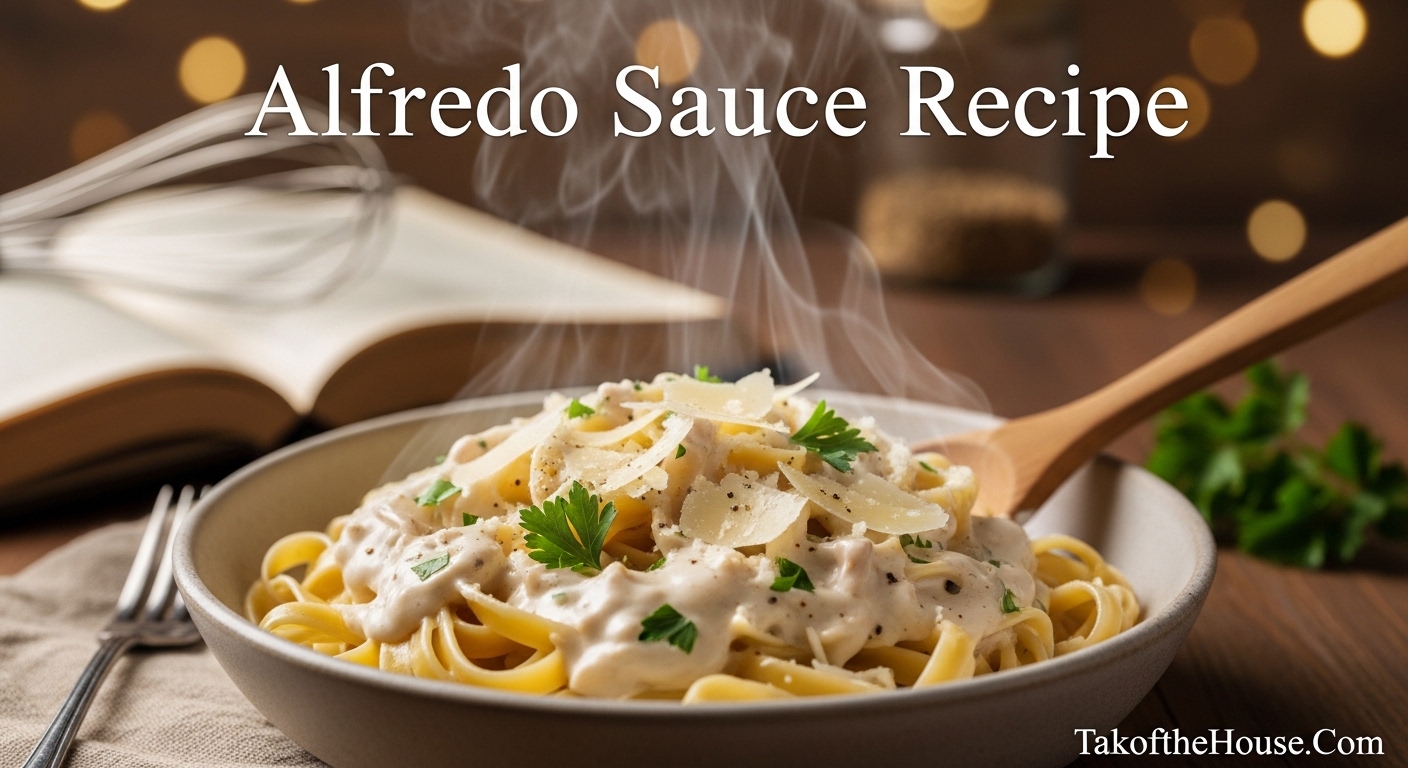
Learning how to make a perfect alfredo sauce recipe at home transforms an ordinary weeknight dinner into something that tastes like it came from your favorite Italian restaurant. This creamy, rich white sauce comes together in just 15 minutes using five simple ingredients you probably already have in your kitchen. Whether you are serving it over fettuccine, tossing it with grilled chicken, or using it as a base for vegetables, this homemade version beats anything from a jar.
In this guide, I will walk you through everything you need to know to master this classic sauce. We will cover the difference between authentic Italian Alfredo and the American version most of us grew up with, plus share tips I have learned from years of testing to prevent the common problems that cause grainy or broken sauce.
Table of Contents
What is Alfredo Sauce
Alfredo sauce is a rich, creamy Italian white sauce traditionally made with butter, Parmesan cheese, and pasta water. The dish originated in Rome in the early 1900s, created by restaurateur Alfredo di Lelio to tempt his pregnant wife’s appetite.
The authentic Italian version is surprisingly simple. It contains no cream or garlic, just butter and freshly grated Parmigiano Reggiano cheese tossed with hot pasta and a splash of starchy pasta water. The heat from the pasta melts the cheese and butter into a silky coating that clings to every strand.
The American adaptation most of us know adds heavy cream and garlic for an even richer, more decadent sauce. This version is thicker, more sauce-like, and what you typically find in restaurants across the United States. Both versions are delicious, and I will show you how to make the creamy American style that my family requests at least once a week.
Ingredients You’ll Need
Gathering quality ingredients makes the difference between good Alfredo sauce and great Alfredo sauce. Here is exactly what you need:
For the Sauce:
- 1/2 cup (1 stick) unsalted butter
- 2 cups heavy cream
- 3 cloves garlic, minced
- 2 cups freshly grated Parmesan cheese
- 1/2 teaspoon salt
- 1/4 teaspoon freshly ground black pepper
- 1/4 teaspoon white pepper (optional but recommended)
- 1/4 cup reserved pasta water
Important Note About Cheese: Freshly grated block Parmesan is non-negotiable here. Pre-shredded cheese contains cellulose to prevent clumping, and that same additive prevents smooth melting. I learned this the hard way when my first attempts came out grainy no matter how carefully I cooked them. Buy a wedge of real Parmigiano Reggiano or domestic Parmesan and grate it yourself. Your sauce will be infinitely smoother.
How to Make Alfredo Sauce
Follow these steps exactly for perfectly creamy results every time. The entire process takes about 15 minutes from start to finish.
Step 1: Bring a large pot of salted water to boil for your pasta. Cook your fettuccine or pasta of choice according to package directions. Before draining, reserve 1/2 cup of the starchy pasta water and set aside.
Step 2: While the pasta cooks, melt the butter in a large skillet over medium heat. Once melted, add the minced garlic and saute for 1 minute until fragrant. Do not let the garlic brown, or it will turn bitter.
Step 3: Pour in the heavy cream slowly, whisking constantly to combine with the butter. Reduce the heat to medium-low. You want a gentle simmer, not a rolling boil. Boiling causes the cream to separate and can lead to a broken sauce.
Step 4: Let the cream mixture simmer gently for 3 to 4 minutes until it thickens slightly. The sauce should coat the back of a spoon. Keep whisking occasionally to prevent a skin from forming on top.
Step 5: Remove the pan from heat completely. This step is critical. Adding cheese to hot liquid over a flame causes the proteins to seize up and create grainy texture.
Step 6: Gradually add the grated Parmesan cheese, about 1/2 cup at a time, whisking constantly until each addition melts completely before adding more. The sauce should become smooth, glossy, and thick.
Step 7: Stir in the salt, black pepper, and white pepper if using. Taste and adjust seasoning as needed. Parmesan brings saltiness, so start light and add more if necessary.
Step 8: Toss the cooked pasta directly into the sauce, adding reserved pasta water a tablespoon at a time until the sauce reaches your desired consistency. The starch in the pasta water helps the sauce cling to the noodles instead of pooling at the bottom of the bowl.
Step 9: Serve immediately while hot. Alfredo sauce waits for no one, it is at its absolute best right off the stove.
Why This Recipe Works
Understanding the science behind this sauce helps you troubleshoot when things go wrong. The magic happens through emulsification, where fat molecules from the butter and cream wrap around water molecules to create a stable, creamy mixture.
The high fat content in heavy cream prevents the sauce from breaking. When you try substituting with lower-fat milk, you lose that protective fat barrier, making separation more likely. The starch released from pasta cooking water acts as a natural thickener and binding agent, helping the sauce adhere to pasta rather than sliding off.
Freshly grated cheese melts smoothly because it has not been treated with anti-caking agents. When you buy pre-shredded cheese, those same agents that keep shreds separate in the bag also keep them from melting together properly in your pan.
Tips for the Best Alfredo Sauce
After making this sauce hundreds of times, here are the techniques that guarantee success:
- Grate your own cheese from a block. I cannot emphasize this enough. The ten minutes of grating saves you from grainy, clumpy sauce disappointment.
- Keep the heat low. Medium-low is your friend here. High heat causes the cream proteins to seize and the butterfat to separate. Gentle warming is all you need.
- Whisk continuously when adding cheese. Constant motion keeps the temperature even and prevents hot spots that can cause clumping.
- Use room temperature ingredients. Cold cream or cheese shocks the mixture and can cause separation. Let everything sit out for 15 minutes before starting.
- Salt your pasta water well. The sauce itself is relatively mild. Properly salted pasta water seasons the noodles from the inside out, creating better overall flavor.
- Serve immediately. Alfredo sauce thickens as it cools. Have your pasta ready and your bowls warmed before you start the sauce.
Troubleshooting Common Problems
Even experienced cooks encounter issues sometimes. Here is how to fix the most common Alfredo problems:
- Grainy or Gritty Texture: This happens when cheese is added over high heat or when using pre-shredded cheese. Unfortunately, once grainy, you cannot fully fix it. Prevention is everything here. For slightly grainy sauce, whisking in an extra tablespoon of warm cream can sometimes help smooth things out.
- Sauce Breaking or Separating: If you see butterfat pooling or liquid separating from solids, your sauce has broken. This usually means the heat was too high. Remove from heat immediately and whisk in an ice cube or two tablespoons of cold cream while stirring vigorously. The temperature shock can sometimes bring it back together.
- Sauce Too Thin: Simmer the cream mixture longer before adding cheese, letting it reduce by about one-third. You can also whisk in an extra 1/4 cup of cheese or add a teaspoon of cornstarch slurry (cornstarch mixed with cold water).
- Sauce Too Thick: Thin with reserved pasta water, warm cream, or milk until you reach the desired consistency. Add liquid one tablespoon at a time.
Substitutions and Variations
While traditional ingredients yield the best results, sometimes you need alternatives. Here are tested substitutions that work:
Heavy Cream Alternatives: Half-and-half works in a pinch but produces a thinner sauce. Whole milk can work if you add a roux (flour and butter mixture) as a thickener first. Evaporated milk is another option that creates surprisingly rich results.
Cheese Options: Parmigiano Reggiano is the gold standard, but domestic Parmesan works well. For variation, try replacing up to half the Parmesan with Pecorino Romano for a sharper, saltier flavor, or add 1/4 cup of mozzarella for extra stretchiness.
Garlic-Free Version: For authentic Italian style, simply omit the garlic. The sauce will be milder and more purely focused on the butter and cheese flavors.
Protein Additions: Grilled chicken, sauteed shrimp, or crispy bacon bits transform this into a complete meal. Add cooked protein in Step 8 when tossing with pasta.
Herb Variations: Stir in fresh basil, parsley, or thyme at the end for brightness. A pinch of nutmeg adds warmth without being detectable as a distinct flavor.
What to Serve With Alfredo Sauce
Fettuccine Alfredo is the classic pairing for good reason. The wide, flat noodles provide plenty of surface area for the sauce to cling to. However, this sauce works beautifully with many pasta shapes.
Try it with penne for easier eating, linguine for elegance, or rigatoni whose ridges trap extra sauce in every bite. For a lighter option, toss with zucchini noodles or spaghetti squash.
Complete the meal with a simple green salad dressed with lemon vinaigrette to cut through the richness. Garlic bread or crusty Italian bread is essential for scooping up every last drop. For wine pairing, a crisp Pinot Grigio or lightly oaked Chardonnay complements the creamy sauce without competing.
Storage and Reheating
Alfredo sauce is best enjoyed fresh, but leftovers happen. Store cooled sauce in an airtight container in the refrigerator for up to 3 days.
Reheating requires patience. Warm gently over low heat in a saucepan, whisking constantly and adding splashes of milk or cream to loosen the sauce as it warms. Microwaving works in 30-second bursts with stirring between, though the texture will never be quite as smooth as fresh.
Freezing is not recommended. Cream-based sauces separate when frozen and thawed, resulting in grainy texture that cannot be recovered. Make only what you plan to eat within a few days.
Frequently Asked Questions
What are the main ingredients in Alfredo sauce?
The main ingredients in traditional American Alfredo sauce are butter, heavy cream, garlic, and Parmesan cheese. Authentic Italian Alfredo uses only butter, Parmigiano Reggiano, and pasta water. Both versions are seasoned with salt and pepper.
What is the secret to a good Alfredo sauce?
The secret is using freshly grated block Parmesan cheese rather than pre-shredded, keeping the heat low to prevent breaking, and whisking continuously when adding cheese. Removing the pan from heat before adding cheese is also critical for smooth results.
Can you use milk instead of heavy cream for Alfredo?
Yes, you can use milk, but you need to modify the technique. Create a roux by cooking 2 tablespoons flour with the butter before adding milk, or the sauce will be too thin and may separate. Whole milk works better than lower-fat options.
What are common mistakes making Alfredo sauce?
Common mistakes include using pre-shredded cheese with anti-caking additives, boiling the cream instead of simmering gently, adding cheese over high heat, and not reserving pasta water for adjusting consistency. These errors cause grainy, broken, or poorly adhering sauce.
Conclusion
Mastering this alfredo sauce recipe opens up endless dinner possibilities. Once you taste the difference between homemade and jarred, you will never go back. The investment of 15 minutes and five simple ingredients rewards you with restaurant-quality results that impress family and guests alike.
Remember the keys to success: grate your own cheese, keep the heat gentle, and serve immediately. With these principles in mind, you are ready to create creamy, dreamy Alfredo sauce that rivals anything from your favorite Italian restaurant. Give it a try tonight and taste the difference fresh ingredients and proper technique make.