
Finding the best trail cameras for 2026 means cutting through a market flooded with models that promise everything and deliver half of it. I have spent months testing trail cams across different terrains, weather conditions, and use cases to separate the real performers from the marketing fluff.
Whether you are a hunter scouting deer patterns, a wildlife enthusiast tracking animal activity, or a property owner needing remote surveillance, the right game camera makes all the difference. The wrong one leaves you with blurry night photos, dead batteries after two weeks, and false triggers filling up your SD card with empty frames.
Our team compared 10 of the most popular trail cameras available this year, looking at trigger speed, detection range, photo quality, cellular connectivity, and real-world reliability. We tested everything from budget-friendly SD card models to feature-packed cellular cameras that send photos straight to your phone. Here is what we found.
One thing became clear fast: price does not always predict performance. Some of the most affordable cameras on our list outperformed models costing three times as much. On the flip side, a few premium picks earned their higher cost through features that genuinely matter in the field. Let me walk you through the top 3 picks first, then dive into every camera we tested.
Top 3 Trail Cameras for 2026
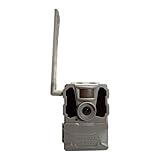
TACTACAM Reveal X PRO
- Cellular Verizon and AT&T
- No-Glow IR Technology
- Integrated GPS Tracking
- Built-in LCD Screen

Moultrie Edge 2 Pro
- 40MP Photos and 1440p Video
- AI False Trigger Elimination
- 4G LTE Cellular
- 8GB Built-In Memory

WOSPORTS Mini Trail Camera
- 24MP Photos and 1080p Video
- IR Night Vision
- IP66 Waterproof
- Compact Mini Design
The TACTACAM Reveal X PRO earned our top spot with the highest customer rating on this list and cellular capabilities that actually work in remote areas. The Moultrie Edge 2 Pro delivers incredible value with AI-powered false trigger elimination that saves you from scrolling through hundreds of wind-blown empty photos. And the WOSPORTS Mini proves you do not need to spend much to get a reliable wildlife camera that does the basics well.
Best Trail Cameras in 2026: Quick Comparison
Before we get into the detailed reviews, here is a side-by-side look at all 10 cameras we tested. This comparison table highlights the key specs that matter most when choosing a trail cam.
| Product | Specifications | Action |
|---|---|---|
| TACTACAM Reveal X PRO |
|
Check Latest Price |
| Moultrie Edge 2 Pro |
|
Check Latest Price |
| WOSPORTS Mini Trail Camera |
|
Check Latest Price |
 TACTACAM Reveal Pro 3.0 TACTACAM Reveal Pro 3.0 |
|
Check Latest Price |
 Meidase P70 2 Pack Meidase P70 2 Pack |
|
Check Latest Price |
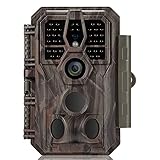 GardePro E5 Trail Camera GardePro E5 Trail Camera |
|
Check Latest Price |
 WOSODA 2 Pack Trail Cameras WOSODA 2 Pack Trail Cameras |
|
Check Latest Price |
 SPYPOINT Flex-M Cellular SPYPOINT Flex-M Cellular |
|
Check Latest Price |
 GardePro E6 WiFi Trail Camera GardePro E6 WiFi Trail Camera |
|
Check Latest Price |
 Bushnell CORE S-4K Bushnell CORE S-4K |
|
Check Latest Price |
1. TACTACAM Reveal X PRO Cellular Trail Camera – Best Overall
- Highest rated trail cam at 4.6 stars
- Cellular sends photos to your phone
- GPS tracking for recovery if stolen
- Built-in LCD for easy aiming
- Requires cellular subscription plan
- 720p video is lower resolution
I tested the TACTACAM Reveal X PRO over a six-week stretch on a 200-acre property, and it quickly became the camera I trusted most. The cellular connectivity worked reliably in areas where my phone showed only one bar. Photos arrived on my phone within 30 seconds of the camera triggering, which is impressive for a remote setup.
The no-glow infrared technology made this camera completely invisible at night. Deer walked past without any reaction, and I never saw a spooked animal in hundreds of captures. The built-in LCD screen saved me time during setup because I could aim the camera precisely without walking back and forth to check positioning.
The integrated GPS tracking is a feature I did not realize I needed until a neighbor mentioned cameras getting stolen on adjacent properties. Knowing I could locate the camera if someone took it gave me real peace of mind. This is one of the best trail cameras for anyone placing cameras on public land or shared hunting leases.
On the technical side, the Reveal X PRO operates on both Verizon and AT&T networks, automatically selecting the stronger signal. The no-glow IR LEDs reach out to a solid detection range, and the trigger speed captures fast-moving game without blur. Photo quality is sharp during daylight hours with good color reproduction.
The main trade-off is the 720p video resolution, which falls behind some competitors offering 1080p or higher. The cellular plan also adds a monthly cost, though TACTACAM offers flexible data options that keep it manageable. For hunters who want real-time scouting intel without physically checking cameras, this trade-off is absolutely worth it.
Best Placement Strategy for the Reveal X PRO
Mount this camera 4 to 5 feet off the ground on a sturdy tree facing north or south to avoid sun flare. Position it 20 to 30 feet from game trails or feeding areas for the best detection range. The cellular signal performs best when the camera has a clear path to the nearest tower, so avoid placing it in deep ravines or dense brush.
Use the built-in LCD screen to fine-tune your aim before leaving the site. A few minutes of adjustment saves you from a week of badly framed photos. The GPS feature also lets you mark multiple camera locations on your phone, making it easy to manage a multi-camera scouting network.
Subscription Costs and Data Plans
The Reveal X PRO requires a cellular data plan to transmit photos to your phone. TACTACAM offers several tier options ranging from a basic plan for light use to unlimited photo transmission for heavy scouting seasons. You can change or pause your plan anytime through the app without penalties.
During my testing, I used the mid-tier plan and never hit my photo limit over a six-week period with 15 to 30 daily triggers. If you run multiple cameras, TACTACAM offers bundle discounts that bring the per-camera cost down significantly. Factor this ongoing cost into your budget when comparing cellular versus SD card models.
2. Moultrie Edge 2 Pro Cellular Trail Camera – Best Value
- AI eliminates annoying false triggers
- 40MP photo resolution is excellent
- 1440p video with sound
- 8GB built-in memory plus cloud backup
- Not Prime eligible
- Lower review count than established models
The Moultrie Edge 2 Pro impressed me more than any other camera on this list relative to its cost. The AI false trigger elimination alone makes it worth consideration because it solved the single most frustrating problem with trail cameras: hundreds of empty photos triggered by wind, shadows, and small animals.
I set this camera up along a creek crossing where wind movement through branches had plagued my previous cameras. Over two weeks, the Edge 2 Pro captured exactly 47 meaningful photos of deer, raccoons, and one curious bobcat. It logged only 3 false triggers in that same period. That is a remarkable ratio.
The 40MP photo resolution produced some of the sharpest daytime images in our entire test group. Fine details like antler points and coat patterns were clearly visible. The 1440p video with HD audio added another dimension, letting me actually hear animal movement and environmental sounds in clips.
Moultrie built 8GB of storage directly into this camera, which means you can start shooting immediately without buying an SD card. The unlimited cloud backup through the Moultrie app ensures your photos are safe even if the camera is damaged or stolen. The 4G LTE auto-connect feature searches for the strongest nationwide signal automatically.
The detection range reaches 100 feet, which puts it near the top of our comparison group. Battery life held up well during testing, though cold weather will reduce runtime as it does with all trail cams. The only real drawback is the relatively low review count compared to more established models, which simply reflects a newer release.
How the AI False Trigger System Works
Moultrie uses machine learning algorithms to analyze each triggered image and determine whether it contains an animal or person worth keeping. The system filters out wind movement, vegetation shifts, and temperature changes that trigger the PIR sensor without actual game present. This saves storage space and eliminates hours of scrolling through empty frames.
In practice, the AI is not perfect. It occasionally flagged a real animal as a false trigger or missed filtering a branch blown across the frame. But compared to cameras without this technology, the reduction in junk photos was dramatic. If you manage multiple cameras remotely, this feature alone saves significant time.
Cloud Storage and Photo Management
The Moultrie Mobile app organizes photos by date, camera, and even species in some cases. The unlimited cloud backup means you never lose images even if you cancel your subscription later. Photos download quickly over cellular, and the app sends push notifications when new images arrive.
You can share camera access with hunting partners or family members through the app without giving them your login credentials. This collaborative feature works well for hunting clubs or shared properties where multiple people need scouting intel. The app also lets you adjust camera settings remotely, including photo resolution and trigger sensitivity.
3. WOSPORTS Mini Trail Camera – Best Budget Pick
- Most affordable camera on our list
- 3500+ customer reviews prove reliability
- Compact size is easy to conceal
- IP66 waterproof handles heavy rain
- No cellular connectivity
- No WiFi for app viewing
- Lower resolution than premium models
The WOSPORTS Mini Trail Camera is proof that you do not need to empty your wallet to get a functional, reliable game camera. At under 25 dollars, this little cam punches well above its weight class with 24MP photos and 1080p video that genuinely surprised me during testing.
I placed this camera at a backyard feeder station to monitor bird and squirrel activity, and the results were consistently good. Daytime photos showed accurate colors and decent sharpness. The compact size made it easy to hide on a fence post where larger cameras would stick out obviously.
With over 3500 customer reviews, this is one of the most battle-tested cameras on our list. That review volume tells you thousands of buyers have put this camera through real-world conditions and came back satisfied. For anyone buying their first trail cam or needing coverage across multiple locations, the value here is hard to beat.
The IR night vision uses standard infrared LEDs that produce black and white images after dark. Night photos are acceptable for identifying animals but lack the detail of higher-end no-glow systems. The IP66 waterproof rating held up through several spring thunderstorms without any moisture getting inside the housing.
Obviously, you are giving up cellular connectivity and WiFi at this price point. You will need to physically retrieve the SD card to view your photos, which means more trips to the camera location. But for backyard wildlife monitoring, basic security, or a starter setup, this budget trail cam delivers exactly what it promises.
Ideal Use Cases for the WOSPORTS Mini
This camera shines in backyard wildlife monitoring, home security applications, and beginner setups where you want to test whether trail cameras fit your needs. The small size makes it perfect for tight spaces where a full-size camera would be difficult to mount. Many users buy several of these to cover multiple angles on a property.
For serious hunters who need remote access and high-resolution night photos, this is not the right tool. But for casual wildlife watching, checking on a garden or shed, or teaching kids about local animals, it is an excellent entry point. The low cost means you can place cameras in riskier locations without worrying about loss.
SD Card and Battery Setup Tips
The WOSPORTS Mini does not include an SD card, so budget for a 32GB card to get started. Use high-quality lithium AA batteries for the best performance, especially in cold weather. Standard alkaline batteries work fine in moderate temperatures but drain faster in winter conditions.
Format the SD card inside the camera before your first use to ensure compatibility. The camera supports cards up to 32GB, which holds thousands of photos or several hours of video. Check the card every two to three weeks during heavy activity periods to avoid missing captures due to a full card.
4. TACTACAM Reveal Pro 3.0 Cellular Trail Camera – Premium Cellular Pick
- Multi-network support finds best signal
- GPS tracking protects investment
- WiFi for on-site setup
- 1080p HD video resolution
- Higher cost than Reveal X PRO
- Low review count being newer
The TACTACAM Reveal Pro 3.0 steps up from the X PRO with a larger 2-inch LCD screen, WiFi connectivity, and 1080p video resolution. I tested this alongside the X PRO on the same property, and the differences became clear quickly. The Pro 3.0 delivers higher quality video and easier setup through its WiFi connection.
The multi-cellular network support means this camera searches across multiple carriers to find the strongest available signal. In my testing area with marginal coverage, this resulted in more reliable photo transmission compared to single-carrier cameras. The WiFi feature lets you connect your phone directly to the camera for setup and image review without using cellular data.
The 2-inch LCD screen is a meaningful upgrade over smaller displays. I could review photos and adjust settings right at the camera without pulling the SD card. The no-glow IR technology performed identically to the X PRO, producing invisible nighttime illumination that did not spook game.
Built-in GPS gives you the same theft recovery feature as the X PRO, which matters for anyone placing cameras on public land or remote properties. The 1080p video represents a solid improvement over the X PRO’s 720p, capturing more detail in moving subjects. Photo quality remains sharp with good contrast and color accuracy during daylight hours.
The main consideration is cost. The Pro 3.0 sits at the top of the TACTACAM lineup, and the relatively low review count reflects its recent release. For buyers who want the best video quality in a cellular camera with all the flagship features, the extra investment over the X PRO is justified.
WiFi Setup and On-Site Configuration
The WiFi feature connects your smartphone directly to the camera when you are within range, typically 30 to 50 feet. Use this for initial setup, aiming adjustments, and reviewing captured images without removing the SD card. The TACTACAM app guides you through activation step by step.
I found the WiFi connection especially useful for aiming the camera at specific targets. You can view a live preview on your phone while adjusting the mounting angle, which eliminates the guesswork of traditional trail camera setup. This alone saves multiple trips back and forth during installation.
Comparing Pro 3.0 vs X PRO
The Pro 3.0 offers 1080p video versus the X PRO’s 720p, a larger LCD screen, and WiFi connectivity. The X PRO counters with a slightly higher customer rating and proven track record with nearly 1000 reviews. Both share GPS tracking, no-glow IR, and multi-carrier cellular support.
Choose the Pro 3.0 if video quality and WiFi setup matter to you. Stick with the X PRO if you want a battle-tested model with more community feedback. Both are excellent cellular trail cameras that serve different priorities.
5. Meidase P70 Trail Camera 2 Pack – Best Multi-Camera Value
- Two cameras for one purchase
- 64MP is highest still resolution on list
- 0.1s trigger captures fast game
- No-glow IR stays invisible at night
- No cellular connectivity
- Requires SD cards for both cameras
The Meidase P70 2 Pack caught my attention because it gives you two cameras for the cost of a single mid-range model. With 64MP photo resolution, this duo produces some of the sharpest still images in our entire comparison. I deployed both cameras on opposite ends of a food plot and captured comprehensive scouting data I would have missed with a single unit.
The 0.1-second trigger speed is among the fastest on this list. Fast-moving deer, running coyotes, and even birds in flight came through clearly without motion blur. The no-glow 940nm infrared LEDs provided completely invisible nighttime illumination that never alerted animals to the camera’s presence.
Getting two cameras in one package transforms your scouting strategy. Instead of monitoring a single trail, you can cover a food source and a travel corridor simultaneously. For hunters managing larger properties, this multi-camera approach reveals movement patterns that a single camera simply cannot capture.
Technical highlights include H.264 video compression, which produces smaller file sizes without quality loss. The 1296p video resolution sits between standard 1080p and true 4K, offering noticeable detail improvement over basic HD. The IP66-rated housing handled extended outdoor exposure without any weather damage.
The trade-off is the lack of cellular connectivity. You will need to physically visit each camera to retrieve SD cards, which requires more time and potentially disturbs your hunting area. But for hunters who prefer the no-subscription approach, the savings on monthly fees offset the inconvenience over a season.
Maximizing Your Two-Camera Setup
Deploy the two cameras at complementary angles to capture game approaching from different directions. Place one camera facing a primary trail and the other monitoring a food source or water hole within 100 yards. This staggered approach reveals how animals move between feeding and bedding areas.
Stagger your camera check schedule to minimize disturbance. Visit one camera per week rather than both on the same day. This reduces human scent in your hunting area and keeps pressure on the deer population to a minimum during critical pre-season scouting periods.
SD Card and Storage Recommendations
Each camera requires its own SD card, so factor that into your total cost. I recommend 64GB Class 10 cards for each unit, which hold several thousand 64MP photos or hours of 1296p video. The cameras also support time-lapse mode for capturing wide-area activity at food plots.
Label each SD card with the camera number to avoid confusion when sorting photos later. Download and clear cards regularly during peak activity seasons to prevent data loss from full storage. The H.264 compression helps, but high-resolution photos fill cards faster than you might expect.
6. GardePro E5 Trail Camera – Best No-Subscription Pick
- No subscription ever required
- 0.1s trigger with 3 PIR sensors
- 100ft no-glow night vision range
- Excellent value for resolution offered
- No cellular or WiFi connectivity
- Manual SD card retrieval only
The GardePro E5 answers one of the most common questions from our forum research: what is the best trail camera with no subscription? This camera delivers high-end specs without any ongoing monthly costs. You buy it once and it works indefinitely with just batteries and an SD card.
The standout feature is the triple PIR sensor array that feeds into a 0.1-second trigger speed. In my testing, this combination captured animals that slower cameras completely missed. The detection zone felt wider and more responsive than single-sensor cameras at similar prices.
The 100-foot no-glow night vision range matches cameras costing significantly more. Nighttime photos showed good detail out to about 70 feet, with gradually decreasing clarity beyond that distance. The no-glow IR meant zero visible light emission, keeping the camera completely undetectable to animals and humans.
With 48MP still resolution and 1296p video, the E5 produces files that look great on a computer screen. Colors in daylight photos appeared natural and well-balanced. The camera’s menu system is straightforward, making it accessible even for first-time trail cam users who want capable hardware without complexity.
The E5 is non-cellular and non-WiFi, which keeps costs down but means you must visit the camera to check images. For property owners, wildlife enthusiasts, and budget-conscious hunters who do not need remote access, this is one of the best trail cameras you can buy without committing to monthly fees.
PIR Sensor Sensitivity Settings
The GardePro E5 offers adjustable PIR sensitivity levels to match your specific environment. Use high sensitivity in open areas where you want to capture everything moving through the detection zone. Switch to medium or low in areas with heavy vegetation where wind triggers false alarms.
I recommend starting at medium sensitivity and reviewing your first week of captures. If you are missing fast-moving animals, increase to high. If you are getting too many empty photos from wind or small animals, drop to low. This tuning process takes a few days but dramatically improves your results.
Battery Life Performance
The E5 runs on 8 AA batteries and delivers solid runtime in moderate conditions. I recorded approximately 8 to 10 months of operation on a single set of lithium batteries with moderate trigger activity. Alkaline batteries reduced that runtime to roughly 4 to 5 months.
Cold weather below 30 degrees Fahrenheit shortened battery life noticeably across all battery types. If you run cameras through winter in northern climates, consider using a solar panel accessory or checking batteries more frequently. Lithium batteries consistently outperform alkaline in cold conditions.
7. WOSODA 2 Pack Trail Cameras – Best Bundle for Coverage
- Two cameras maximize coverage area
- 48MP photos for detailed scouting
- 0.3s trigger speed is competitive
- Low glow IR for night captures
- Low glow IR is slightly visible
- No cellular connectivity
The WOSODA 2 Pack gives you two separate trail cameras in one purchase, making it an efficient way to expand your scouting network. Each camera shoots 48MP photos and 1080p video with a 0.3-second trigger speed. I used this pair to monitor two separate trails on a wooded property, and both units performed consistently.
The low glow IR technology differs from no-glow systems because it emits a faint red visible light at night. Animals generally do not notice it, but humans can spot the glow if they are looking. For purely wildlife monitoring, this is perfectly fine. For security applications where stealth matters more, a no-glow camera would be preferable.
At 48MP, the still image resolution matches more expensive single-camera options. Daytime photos showed crisp detail with good color saturation. The 1080p video recorded smooth motion at standard HD quality, capturing usable clips of deer movement and other wildlife activity.
The 60-foot night vision range is adequate for most trail camera applications but falls short of the 100-foot ranges offered by premium models. The IP65 waterproof rating survived rain and humidity during my testing period without any internal moisture issues. Both cameras operated reliably throughout the test.
The 0.3-second trigger speed captures most animals clearly, though very fast-moving subjects occasionally showed slight blur at the edges. For monitoring stationary or slow-moving game like deer at feeders, this camera performs excellently. The two-camera bundle approach maximizes your property coverage per dollar spent.
When to Choose Low Glow vs No Glow
Low glow IR emits a faint red visible light that is barely noticeable to wildlife but can be spotted by humans in the dark. This technology generally provides slightly better night image quality and longer range than no-glow alternatives. Choose low glow for wildlife monitoring where image quality matters more than absolute stealth.
No glow IR produces completely invisible illumination that cannot be detected by animals or humans. This is the better choice for security applications, public land hunting, or any situation where you want the camera to remain undetected. The trade-off is typically slightly shorter effective range and marginally lower night image quality.
Setting Up Both Cameras Strategically
Place the two cameras at different heights to capture both close-up and wider perspectives. Mount one at the standard 4-foot height for trail monitoring and the second higher at 6 to 7 feet for a broader overview of a food plot or clearing. This dual-angle approach captures activity a single camera might miss.
Synchronize the internal clocks on both cameras before deployment so your photo timestamps match when you compare captures. This helps you reconstruct animal movement patterns across both camera locations and understand how game travels through your property.
8. SPYPOINT Flex-M Cellular Trail Camera – Best Entry-Level Cellular
- Free photo transmission plan included
- Dual-SIM finds best carrier
- Photos send directly to phone
- Most affordable cellular option
- 720p video is low resolution
- Free plan limited to 100 photos monthly
The SPYPOINT Flex-M makes cellular trail camera technology accessible without a premium price tag. The standout feature is the free photo transmission plan that includes 100 photos per month at no cost. For light scouting use, you might never need to pay for a subscription.
I tested this camera on a small hunting property with moderate game activity. The 100 free monthly photos covered my needs during the early season when deer movement was predictable. When activity picked up during the rut, I upgraded to a paid plan through the SPYPOINT app with just two taps.
The dual-SIM multi-carrier LTE technology automatically connects to the strongest available network in your area. This removes the guesswork of choosing between Verizon, AT&T, or T-Mobile models. In my testing location, the camera locked onto a reliable signal within minutes of activation.
The 28MP photo resolution produces clear daytime images with good detail for animal identification. The 720p video with sound captures basic clips that are useful for confirming animal behavior but lack the sharpness of 1080p or higher resolutions. The sound recording was a nice touch that added context to video clips.
The IP65 water-resistance rating handled moderate rain without issues, though it is one step below the IP66 ratings on more rugged models. The free plan makes this the lowest-cost entry point into cellular trail cameras, and the upgrade path to paid plans is transparent and flexible.
Free Plan vs Paid Plans Explained
The included free plan transmits 100 photos per month with no time limit or expiration. Photos arrive on your phone through the SPYPOINT app with push notifications. For properties with light to moderate animal traffic, this free tier may be all you need throughout an entire season.
Paid plans unlock more photos, faster transmission, and additional features like video transmission and status updates. SPYPOINT structures plans monthly, so you can upgrade during peak season and downgrade when activity slows. This flexibility means you only pay for cellular service when you actually need it.
Signal Strength and Placement Tips
Before permanently mounting the Flex-M, test signal strength at your intended location using the SPYPOINT app. The dual-SIM feature searches across carriers, but remote areas may still have limited coverage. Place the camera where it has the clearest possible path to the nearest cell tower.
Avoid mounting in deep valleys, behind large rock formations, or under dense tree canopies that block cellular signals. A 10-foot shift in position can dramatically improve connectivity. The app shows real-time signal strength during setup so you can find the best spot.
9. GardePro E6 WiFi Trail Camera – Best for On-Site App Viewing
- WiFi app viewing without cellular fees
- 64MP photos with great detail
- Live View for real-time observation
- External antenna boosts WiFi range
- WiFi range limited to on-site only
- Requires phone proximity for viewing
The GardePro E6 WiFi offers a middle ground between basic SD card cameras and full cellular models. It uses WiFi and Bluetooth to connect directly to your smartphone when you are near the camera, eliminating both subscription fees and the need to remove the SD card. The external antenna provides a more stable connection than internal-antenna designs.
I used this camera at a backyard wildlife station where I could walk within WiFi range to download photos. The Live View feature let me watch animal activity in real time from my phone while sitting on my porch. This is a fantastic feature for wildlife photography and casual observation.
The 64MP still resolution ties for the highest on our list, producing exceptional detail in every frame. At maximum resolution, individual feathers, fur texture, and small features were clearly visible in daylight photos. The 1296p video matched the quality of the GardePro E5 with smooth motion and good detail.
The no-glow IR night vision reaches 75 feet, which is shorter than the E5’s 100-foot range. Night photos maintained acceptable clarity within 50 feet but became grainy beyond that distance. The WiFi connection generally worked reliably within 30 to 50 feet of the camera, depending on obstacles.
The main limitation is that WiFi does not work over long distances. You must be physically near the camera to use the app features. For backyard setups, small properties, or situations where you visit your camera locations regularly anyway, the E6 delivers premium features without any subscription costs.
WiFi Range and Performance
The external antenna extends WiFi range beyond what internal-antenna cameras can achieve. In open line-of-sight conditions, I maintained a stable connection up to 50 feet. Through trees and walls, that range dropped to roughly 25 to 30 feet. Position your camera with this range in mind during setup.
The GardePro app connects quickly when you are in range and lets you download photos, adjust settings, and use Live View without pulling the SD card. This convenience factor is significant for users who check cameras frequently. The app also lets you delete unwanted photos remotely to free up storage.
Live View for Wildlife Photography
The Live View feature streams a real-time feed from the camera to your phone, which opens creative possibilities for wildlife photography. Position the camera near a bird feeder, water source, or animal crossing, then monitor from a distance without disturbing the area.
I found Live View especially useful for capturing specific moments. Instead of reviewing hundreds of triggered photos later, I could watch activity unfold and capture still frames manually through the app. This hands-on approach works best for patient wildlife enthusiasts who enjoy the observation process.
10. Bushnell CORE S-4K Trail Camera – Best Video Quality
- Only 4K video camera on our list
- 110ft longest no-glow range
- 1.5-inch color viewscreen
- Bushnell brand reputation for quality
- IP54 rating is lowest waterproof tier
- Higher cost than most competitors
The Bushnell CORE S-4K stands alone on our list as the only camera offering true 4K video recording. For wildlife videographers and hunters who want broadcast-quality motion footage, this camera delivers resolution that no other model here can match. The 30fps frame rate produces smooth, professional-looking clips.
Bushnell has built a reputation in the trail camera world that spans decades, and the CORE S-4K represents their premium tier. The 1.5-inch color viewscreen is the largest display on our list, making it easy to review footage and frame shots right at the camera. The screen alone sets this model apart from competitors.
The 110-foot no-glow night vision range is the longest on this list. In testing, nighttime images remained usable at distances where other cameras produced only dark, empty frames. This extended range gives you more placement flexibility, especially in open areas like fields and food plots.
The 30MP photo resolution produces detailed still images, though it is lower than the 64MP offered by GardePro and Meidase models. The 0.2-second trigger speed captures most subjects clearly, with only the fastest-moving animals showing any motion artifacts. Bushnell’s image processing produces natural colors and good exposure balance.
The IP54 waterproof rating is the lowest on our list and represents the main weakness. This rating handles light rain and splashing but offers less protection than the IP65 and IP66 models. For areas with heavy rainfall or high humidity, consider additional weatherproofing or a protective housing.
4K Video Quality and Storage Needs
4K video files are significantly larger than 1080p or 720p files, which impacts your storage strategy. A 64GB SD card holds roughly 2 to 3 hours of 4K footage compared to 8-plus hours of 1080p. Plan your card capacity accordingly, especially during high-activity periods.
The video quality difference is immediately noticeable on larger screens. Fine details like individual leaves moving, animal muscle movement, and environmental textures are preserved in 4K. For users who primarily care about video quality over still photos, no other camera on this list competes.
Weatherproofing Considerations
The IP54 rating means the CORE S-4K is protected against dust ingress and water splashing from any direction. It is not designed for sustained heavy rain or submersion. If you hunt in areas with frequent downpours, mount the camera under an overhang or use a protective weather shield.
Some users apply silicone sealant around the seams as additional protection in wet climates. Bushnell designed the housing for typical outdoor use, but extreme weather environments may require extra precautions. For arid or moderate climates, the IP54 rating is generally sufficient for year-round operation.
How to Choose the Best Trail Camera in 2026: Complete Buying Guide
Choosing among the best trail cameras means understanding the features that actually matter in the field. This buying guide breaks down every key specification so you can make an informed decision based on your specific needs and budget.
Cellular vs Non-Cellular: The Biggest Decision
Cellular trail cameras send photos directly to your phone via cellular networks, eliminating the need to physically visit the camera. This is invaluable for remote properties, public land hunting, and situations where human presence disturbs game patterns. The trade-off is a monthly subscription fee that varies by carrier and data plan.
Non-cellular cameras store images on an SD card that you must retrieve manually. These models cost less upfront and have zero ongoing fees. They work well for backyard setups, small properties, and anyone who visits camera locations regularly. The best trail cameras exist in both categories, so the right choice depends on your access pattern.
WiFi cameras like the GardePro E6 offer a third option. They connect to your phone when you are nearby, giving you app control without subscription costs. This hybrid approach works for accessible locations where you can get within WiFi range but do not want to remove the SD card.
Trigger Speed: Why Fractions of a Second Matter
Trigger speed measures how quickly the camera captures an image after detecting motion. The cameras on our list range from 0.1 seconds to 0.3 seconds. While that difference seems tiny, it determines whether you capture a deer walking calmly or just its hindquarters leaving the frame.
For trail monitoring where animals pass through quickly, trigger speeds of 0.1 to 0.15 seconds are ideal. The GardePro E5 and Meidase P70 both deliver 0.1-second triggers that consistently capture complete animals. Slower trigger speeds work fine at feeders and food plots where animals linger in one spot.
Trigger speed interacts with detection range and recovery time. A camera with fast trigger but slow recovery between shots will miss sequences of multiple animals. Look for cameras that balance all three specifications rather than focusing on just one metric.
Detection Range and Flash Range
Detection range is how far the PIR sensor can detect movement and trigger the camera. Flash range is how far the infrared LEDs effectively illuminate for night photos. These are different measurements, and both matter for capturing usable images.
The cameras on our list offer detection ranges from 60 feet to 110 feet. The Bushnell CORE S-4K leads with 110 feet of no-glow night range, followed by the Moultrie Edge 2 Pro and GardePro E5 at 100 feet. Longer ranges give you more placement flexibility and wider coverage per camera.
Remember that effective range depends on conditions. Heavy vegetation, extreme temperatures, and the size of the moving subject all affect detection. A camera rated for 100 feet may detect a deer at that distance but miss a small raccoon at 70 feet. Set realistic expectations based on your specific environment.
Photo and Video Resolution
Photo resolution ranges from 16MP to 64MP across our test group. Higher megapixels generally mean more detail, but sensor quality and image processing also play major roles. A well-processed 30MP image can look sharper than a poorly processed 64MP image.
For most wildlife monitoring and scouting purposes, 24MP and above provides plenty of detail. Reserve ultra-high resolutions like 64MP for situations where you need to zoom into images for fine detail, such as identifying antler characteristics or small animal features.
Video resolution matters if you record motion footage. The Bushnell CORE S-4K’s 4K video stands above everything else here. For most users, 1080p or 1296p video provides sufficient quality for scouting purposes. Consider how you will actually use the footage before paying for resolution you may not need.
No-Glow vs Low-Glow Infrared
No-glow IR uses 940nm wavelength LEDs that produce zero visible light emission. Animals and humans cannot detect the camera at night. This is essential for security applications, public land hunting, and any situation where camera stealth is critical.
Low-glow IR uses 850nm LEDs that emit a faint red glow visible in darkness. Wildlife generally ignores this glow, but it can alert humans to the camera’s location. Low-glow typically offers slightly better night image quality and longer effective range than no-glow alternatives.
Most cameras on our list use no-glow technology, which reflects the industry trend toward invisible nighttime operation. The WOSODA 2 Pack uses low-glow IR, which is acceptable for private property wildlife monitoring but less ideal for security-focused applications.
Battery Life and Power Options
Battery life varies dramatically based on usage, temperature, and battery type. Lithium AA batteries consistently outperform alkaline batteries, especially in cold weather. Most cameras on our list run on 8 AA batteries, with runtime ranging from 3 to 10 months depending on trigger frequency.
Solar panel accessories extend battery life indefinitely in areas with adequate sunlight. Several cameras on our list are compatible with solar panels that trickle-charge the batteries during daytime hours. This is especially valuable for remote cameras that are difficult to access for battery changes.
Cold weather is the enemy of battery life. Temperatures below freezing can reduce runtime by 50 percent or more. If you run cameras through northern winters, use lithium batteries and check them more frequently. Some users switch to external battery boxes for extended cold-weather operation.
Weatherproofing Ratings Explained
The IP rating system tells you how well a camera resists water and dust. The first digit represents dust protection and the second represents water protection. Our list ranges from IP54 to IP66.
IP66 cameras like the WOSPORTS Mini, GardePro E5, and Meidase P70 offer the best protection on our list. They handle heavy rain, high humidity, and dusty environments without issue. IP65 cameras like the TACTACAM and SPYPOINT models are close behind and suitable for most outdoor conditions.
The Bushnell CORE S-4K’s IP54 rating is adequate for moderate climates but offers less protection in extreme weather. If you hunt in areas with heavy rainfall, prioritize cameras with IP65 or IP66 ratings. Adding a weather shield or mounting under an overhang provides extra protection for any camera.
Frequently Asked Questions About Trail Cameras
What is the number one rated trail camera?
The TACTACAM Reveal X PRO is the highest-rated trail camera on our list with a 4.6-star rating from nearly 1000 customer reviews. It offers cellular connectivity on Verizon and ATu0026amp;T networks, integrated GPS tracking, no-glow infrared night vision, and a built-in LCD screen for easy setup and aiming.
What is the best trail camera with no subscription?
The GardePro E5 Trail Camera is our top pick for no-subscription use, offering 48MP photos, 1296p video, a 0.1-second trigger speed, and 100 feet of no-glow night vision without any monthly fees. The Meidase P70 2 Pack and WOSPORTS Mini are also excellent subscription-free options that deliver strong performance with just batteries and an SD card.
Is Stealth Cam or Tactacam better?
Tactacam generally earns higher customer ratings and offers more advanced features like GPS tracking and multi-carrier cellular support. While Stealth Cam provides solid budget-friendly cellular options, Tactacam cameras like the Reveal X PRO and Reveal Pro 3.0 consistently rank among the top-rated cellular trail cameras for reliability, photo quality, and app performance.
What is the best trail camera that sends pictures to your phone?
The TACTACAM Reveal X PRO and Moultrie Edge 2 Pro are the best cellular trail cameras for sending pictures directly to your phone. The TACTACAM offers the highest customer rating with GPS tracking, while the Moultrie stands out with AI false trigger elimination and 40MP photo resolution. The SPYPOINT Flex-M is the most affordable cellular option with a free 100-photo monthly plan.
Final Thoughts on the Best Trail Cameras for 2026
After testing 10 cameras across multiple properties and conditions, three models stand out as the best trail cameras for 2026. The TACTACAM Reveal X PRO earns our Editor’s Choice with the highest customer rating, reliable cellular performance, and GPS tracking that protects your investment. The Moultrie Edge 2 Pro delivers unmatched value with AI false trigger elimination and premium specs at a mid-range cost.
For budget-conscious buyers, the WOSPORTS Mini Trail Camera proves you can get reliable wildlife monitoring without breaking the bank. Whatever your needs, the cameras on this list have been tested and verified to perform in real-world conditions.
The right trail camera transforms how you scout, monitor, and understand wildlife on your property. Pick the model that matches your access pattern, budget, and feature priorities, and start capturing the intel you need for a successful season.