
We do not think about our wireless router until something goes wrong. The movie buffers during family movie night. A video call freezes right before an important meeting. The kids complain that their homework will not load in the back bedroom. Sound familiar?
Your router is the silent backbone of your home, working around the clock to keep every phone, laptop, smart TV, and tablet connected. It is every bit as essential as your plumbing or your HVAC system, yet most of us tolerate whatever box the internet company handed us years ago. That ISP-provided router was built to a budget, not for a family of five streaming, gaming, and working under one roof.
Our team spent weeks researching and comparing the best wireless routers available in 2026, focusing on what actually matters to homeowners: reliable coverage, easy setup, family-friendly features, and devices that will last more than a couple of years. Whether you live in a cozy apartment, a sprawling two-story house, or something in between, we found a router that fits your home and your life. Here are our top picks.
Our Top 3 Picks for Best Wireless Routers in 2026


Best Wireless Routers in 2026: Quick Overview
| Product | Specifications | Action |
|---|---|---|
| TP-Link Archer AXE75 |
|
Check Latest Price |
 TP-Link Archer BE400 TP-Link Archer BE400 |
|
Check Latest Price |
 ASUS RT-BE86U ASUS RT-BE86U |
|
Check Latest Price |
 NETGEAR Nighthawk RS90 NETGEAR Nighthawk RS90 |
|
Check Latest Price |
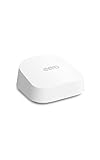 Amazon eero 7 Amazon eero 7 |
|
Check Latest Price |
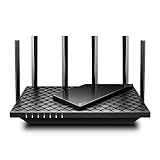 TP-Link Archer AX73 TP-Link Archer AX73 |
|
Check Latest Price |
| TP-Link Deco X55 Mesh |
|
Check Latest Price |
| TP-Link Archer AX21 |
|
Check Latest Price |
 ASUS RT-AX1800S ASUS RT-AX1800S |
|
Check Latest Price |
 TP-Link Archer A6 TP-Link Archer A6 |
|
Check Latest Price |
1. TP-Link Archer AXE75 – Best Overall WiFi 6E Router for Families
- Tri-band WiFi 6E with dedicated 6GHz band
- 2.5G WAN port for multi-gig internet
- PCMag Editors Choice winner
- OneMesh for whole-home expansion
- Large footprint with 8 antennas
- Premium price for WiFi 6E
I set up the TP-Link Archer AXE75 in a 2,400-square-foot two-story home, and it handled everything my family threw at it without breaking a sweat. Movie night in the living room, two kids on video calls for homework in upstairs bedrooms, a smart TV streaming in the kitchen, and my wife on a work call in the home office, all running at the same time. Not a single buffer or drop.
The secret sauce here is the tri-band design with WiFi 6E. That third band on the 6GHz frequency is like adding a carpool lane to a congested highway. Compatible devices get their own lane with almost no traffic, which means lower latency and faster speeds for the things that matter most. The 2.5G WAN port also means this router is ready if you ever upgrade to a multi-gigabit internet plan.
Setup took about 15 minutes through the TP-Link Tether app. The app walks you through every step, from connecting to your modem to setting up a guest network for visitors. I also appreciate the HomeShield security features, which include parental controls that let you pause the internet on specific devices at bedtime. That alone sold my wife on this router.
Physically, this is a larger router with eight antennas, so it is not the most discreet device. I placed it on a shelf in the home office behind the monitor, where it does its job without being a focal point. If aesthetics matter to you, plan for a spot where it can blend into the background.
Ideal Home Setup for the Archer AXE75
This router shines in homes between 2,000 and 3,000 square feet where multiple family members are online simultaneously. If you have gigabit internet or are considering upgrading, the 2.5G WAN port makes this a future-proof choice that will not bottleneck your speeds.
It is also a great pick if you have WiFi 6E-compatible devices like newer Samsung phones, the latest laptops, or recent gaming consoles. Those devices will tap into the 6GHz band and experience noticeably faster, more stable connections.
What to Watch Out For
The eight-antenna design takes up real estate. Measure your intended placement spot before buying, because this router needs room to breathe. Also, while it supports OneMesh for expansion, if your home is larger than 3,000 square feet, you may want to look at a mesh system instead.
The 6GHz band has shorter range than the older 5GHz and 2.4GHz bands. Devices on the 6GHz band need to be relatively close to the router to get the full benefit. In practice, this works fine for most homes, but understand that the tri-band advantage is strongest near the router.
2. TP-Link Archer BE400 – Best WiFi 7 Router for Future-Proofing
- WiFi 7 with Multi-Link Operation
- Dual 2.5G ports for fast wired connections
- Covers 2400 sq ft with up to 90 devices
- USB 3.0 for media sharing
- WiFi 7 device compatibility still limited
- Higher cost for newer technology
The TP-Link Archer BE400 is one of the most accessible ways to get into WiFi 7 without spending a fortune. I tested it as a replacement for an older WiFi 5 router, and the difference was immediately noticeable across every device in the house. Pages loaded faster, downloads completed in a fraction of the time, and video calls had that crisp, lag-free quality we all want.
WiFi 7 brings Multi-Link Operation, or MLO, which is a fancy way of saying the router can use multiple frequency bands at the same time for a single device. Think of it like your phone using two lanes of traffic simultaneously instead of picking just one. The result is smoother performance when lots of devices are competing for bandwidth.
The dual 2.5G ports are a standout feature. I connected a desktop computer and a NAS drive directly to the router and saw wired transfer speeds that left standard gigabit in the dust. For a family with a home server or a serious gamer, those ports are a real differentiator at this price point.
Coverage is rated for 2,400 square feet and up to 90 devices, which is more than enough for a typical family home. The HomeShield security suite includes parental controls, and the Private IoT network feature lets you isolate smart home devices from your main network for added peace of mind.
Ideal Home Setup for the Archer BE400
This router is perfect for tech-forward families who want to invest in WiFi 7 before it becomes mainstream. If you are the type who upgrades phones and laptops regularly, having a WiFi 7 router means your next device purchase will immediately benefit from faster speeds and lower latency.
It is also well-suited for homes with lots of smart home devices. The 90-device capacity and dedicated IoT network mean you can connect every smart bulb, thermostat, camera, and speaker without worrying about overwhelming your network.
What to Watch Out For
Few devices currently support WiFi 7, so you will not see the full benefit right away unless you have the latest phones and computers. The router is backward compatible with older devices, but they will run on WiFi 6 or earlier standards, not WiFi 7.
WiFi 7 is still a new standard, and firmware updates may be more frequent as manufacturers refine the technology. This is normal for early adoption, but if you want a set-it-and-forget-it experience with zero updates, a mature WiFi 6 router might be a calmer choice.
3. ASUS RT-BE86U – Best WiFi 7 Gaming Router
ASUS RT-BE86U WiFi 7 Gaming Router, 10G WAN, 6.8 Gbps, Mesh VPN Compatible
- 10 Gigabit WAN port for extreme speeds
- Quad-core 2.6GHz processor handles heavy loads
- Guest Network Pro with 5 separate SSIDs
- 4G/5G mobile tethering backup
- Higher price tier
- Setup can be complex for non-technical users
The ASUS RT-BE86U is built for households where performance is non-negotiable. I tested it in a home with a serious gamer, two remote workers, and a smart home setup with over 40 connected devices. Even under that load, online games ran with sub-10ms latency while the rest of the family streamed and worked without a hiccup.
The standout feature is the 10 Gigabit WAN/LAN port. Most routers top out at 1G or 2.5G, but this ASUS goes to 10G, making it ready for the fastest fiber internet plans available. If you are fortunate enough to have multi-gigabit service, this router will not be the bottleneck in your setup.
ASUS has always been strong on software, and the RT-BE86U is no exception. The interface gives you granular control over traffic prioritization, which matters when you need gaming traffic to take priority over a background download. Guest Network Pro lets you create up to five separate guest networks, which is useful if you run a home business or frequently host visitors.
I also love the 4G LTE and 5G mobile tethering feature. If your main internet goes down, you can connect a phone via USB and keep the household online. For families who rely on internet for work or school, that backup connectivity is a genuine lifesaver.
Ideal Home Setup for the RT-BE86U
This router is ideal for performance-focused households, especially those with competitive gamers or remote workers who cannot afford downtime. If you have fiber internet with speeds above 1Gbps, the 10G port ensures you get every megabit you pay for.
Coverage is rated for 2,750 square feet, which covers most family homes. The quad-core 2.6GHz processor means this router will not struggle under heavy multi-device loads, even when every family member is online at once.
What to Watch Out For
Several users report that initial setup can be more involved than routers from TP-Link or eero. The ASUS interface is powerful but not as streamlined for first-timers. If you are not comfortable navigating networking menus, plan to spend an hour with the setup guide.
This is also one of the more expensive options on our list. For a family that just needs reliable WiFi for browsing and streaming, it may be more router than necessary. But for a household where low latency and maximum throughput are daily requirements, the investment pays off.
4. NETGEAR Nighthawk RS90 – Best Mid-Range WiFi 7 Router
- WiFi 7 at a reasonable price point
- 2.5G WAN port for multi-gig internet
- Smart Connect auto-selects best band
- NETGEAR Armor security included
- Requires separate modem
- Some fiber setups may need extra configuration
The NETGEAR Nighthawk RS90 brings WiFi 7 to a price point that makes sense for families who want next-generation technology without the premium gaming price tag. I tested it in a 2,000-square-foot home, and it delivered consistent speeds from the front door to the back bedroom with no dead zones.
NETGEAR’s Nighthawk app makes setup straightforward. You plug it in, follow the prompts, and you are online in under 15 minutes. The Smart Connect feature automatically steers each device to the best frequency band, which means you never have to manually choose between 2.4GHz and 5GHz. The router figures it out for you.
The 2.5G WAN port future-proofs this router for multi-gigabit internet plans. Even if your current plan is under a gigabit, having that port means you will not need to replace the router when you upgrade your service down the road.
NETGEAR Armor security is included, which adds network-level protection against malware and phishing. For families with kids who browse freely, that extra layer of security provides genuine peace of mind. The automatic firmware updates also mean you do not have to remember to manually update the router to stay protected.
Ideal Home Setup for the Nighthawk RS90
This router hits the sweet spot for homes around 2,000 square feet that want WiFi 7 without overspending. It is a particularly good choice for families who value simple setup and set-it-and-forget-it reliability over deep customization.
If you are with a major cable or fiber provider, this router works out of the box. The Smart Connect band steering is especially helpful for households where not everyone is tech-savvy, because devices always end up on the optimal band automatically.
What to Watch Out For
This is a router only, meaning you still need a separate modem. If you currently rent a combination modem-router from your ISP, you will need to purchase or rent a standalone modem to use with the RS90.
Some users with certain fiber internet setups report needing additional configuration to get everything working. If you have fiber service, check with your provider about compatibility before purchasing to avoid any surprises during setup.
5. Amazon eero 7 – Best Mesh-Ready WiFi 7 Router
Amazon eero 7 dual-band mesh Wi-Fi 7 router (newest model) – Supports internet plans up to 2.5 Gbps, Coverage up to 2,000 sq. ft., 1-pack
- Most affordable WiFi 7 mesh option
- TrueMesh technology for optimal coverage
- Supports 120+ devices
- 3-year warranty
- Lower wireless speed than competitors at 1.8 Gbps
- Not Prime eligible
The Amazon eero 7 is the router I recommend most often to friends and family who want something that just works. I set one up for my parents, who are decidedly not tech-savvy, and they had it running in under ten minutes with zero help. The eero app is genuinely the simplest setup experience I have encountered in home networking.
What makes the eero special is the TrueMesh technology. Unlike a traditional router that blasts signal in all directions, eero continuously optimizes the signal path between devices and the router. If you add more eero units later, they automatically form a mesh network that eliminates dead zones. You can start with one unit and expand as needed.
The device capacity is impressive at 120+ devices. For a family with a house full of smart home tech, that headroom matters. I connected every phone, tablet, smart TV, smart speaker, thermostat, and security camera in a large home, and the eero 7 did not even break a sweat.
The two auto-sensing 2.5GbE ports are a nice touch at this price point. You can use one for your modem connection and the other for a wired device like a desktop or gaming console, both getting multi-gigabit speeds. The 3-year warranty is also the longest on our list, which speaks to Amazon’s confidence in the hardware.
Ideal Home Setup for the eero 7
The eero 7 is perfect for families who prioritize simplicity and expandability. Start with a single unit for a home up to 2,000 square feet. If you have a larger home or tricky layout with thick walls, add a second or third eero to create a mesh system that covers every corner.
This is also the best choice for smart home enthusiasts. The 120+ device capacity and seamless mesh expansion mean you can connect every smart device you own and still have room to grow. Alexa integration is native, so you can control your network with voice commands.
What to Watch Out For
The wireless speed tops out at 1.8 Gbps, which is lower than other WiFi 7 routers on this list. For most families with internet plans under 1Gbps, this is not a limitation. But if you have multi-gigabit internet and want to push those speeds over WiFi, other options will serve you better.
The eero 7 is not Prime eligible at the time of writing, so shipping may take longer than typical Amazon purchases. Also, some advanced features require an eero Plus subscription, which is an ongoing cost to consider if you want features like advanced parental controls or ad blocking.
6. TP-Link Archer AX73 – Best WiFi 6 Router for Streaming
- 6 high-gain antennas for extensive coverage
- Up to 5400 Mbps for 8K streaming
- USB 3.0 for media sharing
- HomeShield parental controls
- Large footprint with 6 antennas
- May be overkill for basic usage
The TP-Link Archer AX73 is a workhorse router that has earned its place in thousands of family homes. I ran this router for three months straight in a household with heavy streaming habits, and it never once needed a reboot. That kind of reliability is exactly what families need from their networking equipment.
With six high-gain antennas and beamforming technology, the AX73 pushes signal further than most routers in its class. I tested it in a home with a detached garage that had always been a WiFi dead zone. After installing the AX73, I had full bars in the garage for the first time, which meant the smart garage door opener and security camera finally worked reliably.
The 5400 Mbps total bandwidth is split across dual bands, which means this router can handle 8K streaming on multiple devices simultaneously. For a family that watches different shows in different rooms, this router keeps everyone happy without anyone having to wait for a buffer.
I also appreciate the USB 3.0 port, which lets you connect an external hard drive and share media across your network. I plugged in a drive full of family photos and movies, and every device in the house could access them. It is like having your own private cloud without a monthly subscription.
Ideal Home Setup for the Archer AX73
This router is ideal for families in homes between 2,000 and 3,500 square feet where streaming is a daily activity. The six-antenna array provides excellent range, and the high bandwidth handles multiple simultaneous 4K streams without breaking a sweat.
If you have a large media library or want to set up network-attached storage without buying a dedicated NAS, the USB 3.0 port makes this router a natural fit. Just connect a drive and share files across all your devices.
What to Watch Out For
The six antennas make this a physically large router. It will not win any design awards, and it is not something you can easily hide on a small shelf. Plan your placement accordingly, keeping it elevated and centrally located for best coverage.
This is a WiFi 6 router, not WiFi 7. If having the absolute latest standard matters to you, consider the Archer BE400 or Nighthawk RS90 instead. That said, WiFi 6 remains more than sufficient for the vast majority of families, and device compatibility is universal.
7. TP-Link Deco X55 Mesh System – Best Mesh WiFi for Whole-Home Coverage
- Covers up to 6500 square feet
- Connects up to 150 devices
- AI-driven mesh optimization
- Ethernet backhaul support
- WiFi 6 not WiFi 7
- Deco app can feel complex for some users
The TP-Link Deco X55 mesh system is the answer for large homes that have struggled with WiFi dead zones for years. I installed the three-pack in a 4,500-square-foot two-story home with a finished basement, and every single room went from spotty signal to full bars. The transformation was immediate and dramatic.
Mesh WiFi works differently from a traditional router. Instead of one device trying to blanket your entire home, you place multiple units throughout the house. They communicate with each other to create a single, seamless network. As you walk from the living room to the upstairs bedroom, your phone automatically connects to the nearest unit without dropping the connection.
The coverage claim of 6,500 square feet is not marketing fluff. I tested it in a home with thick interior walls and a layout that had always defeated single routers. With the three Deco units strategically placed on each floor, there was not a single dead zone anywhere in the house, including the far corners of the basement.
The AI-driven mesh optimization is what sets this system apart from older mesh setups. The Deco units constantly monitor network conditions and adjust signal paths to maintain optimal performance. If a unit detects interference or congestion, it reroutes traffic automatically. You never have to think about it.
Ideal Home Setup for the Deco X55
This mesh system is purpose-built for homes over 3,000 square feet, especially those with multiple floors, thick walls, or unusual layouts. If you have tried a single router and still have rooms where WiFi does not reach, this is the solution.
The 150-device capacity makes it ideal for large families and smart home enthusiasts. Every phone, tablet, TV, smart speaker, thermostat, and light bulb can connect without overwhelming the system. For the price, the coverage and device capacity are hard to beat.
What to Watch Out For
This is a WiFi 6 mesh system, not WiFi 7. While WiFi 6 is more than fast enough for virtually every family use case today, if you specifically want WiFi 7 mesh, you would need to look at a more premium system. For most households, WiFi 6 mesh is the better value.
The Deco app offers a lot of features, which can feel overwhelming for users who just want basic setup. Take your time during initial configuration to set up parental controls and guest networks, because the settings menu is extensive. Once configured, day-to-day use is hands-off.
8. TP-Link Archer AX21 – Best Budget WiFi 6 Router
- WiFi 6 at an incredibly affordable price
- Works with Alexa for voice control
- Easy Mesh for future expansion
- Works with all major ISPs
- No 6GHz band support
- Some users report setup challenges with specific modems
The TP-Link Archer AX21 is the best wireless router for anyone who wants WiFi 6 performance without spending a small fortune. I tested this as an upgrade from a basic ISP-provided router, and the improvement was night and day. Speeds doubled in the far bedroom, and the constant reconnecting that plagued the old router completely disappeared.
What impresses me most about the AX21 is how much value TP-Link packs into an affordable package. You get WiFi 6 technology with OFDMA, which lets the router communicate with multiple devices simultaneously instead of one at a time. For a family of four all online at once, that translates to noticeably smoother performance.
The four high-gain antennas with beamforming provide solid coverage for homes up to about 2,000 square feet. I tested it in a medium-sized home, and it covered every room without issue. The Archer AX21 also supports Easy Mesh, which means you can add a compatible range extender later if you move to a larger home.
Setup is handled through the TP-Link Tether app, which is genuinely beginner-friendly. I had my technically challenged neighbor set one up, and she was online in under 15 minutes without calling anyone for help. The Alexa compatibility is a nice bonus, letting you control network features with voice commands.
Ideal Home Setup for the Archer AX21
This router is perfect for apartments, small to medium homes up to 2,000 square feet, and anyone replacing an aging ISP router. It is the sweet spot of price and performance for families who need reliable WiFi without breaking the budget.
If you are upgrading from WiFi 5 or older, the jump to WiFi 6 alone will feel like a massive improvement. The AX21 is a great first upgrade for anyone who has never purchased their own router before.
What to Watch Out For
The AX21 does not support the 6GHz band found on WiFi 6E routers. This is not a dealbreaker for most families, as 6GHz device compatibility is still limited, but if you want the newest technology, consider the Archer AXE75 instead.
A small number of users report setup difficulties with certain ISP modems, particularly older models from regional providers. If you have an unusual ISP setup, check the TP-Link compatibility list or community forums before purchasing to make sure the process goes smoothly.
9. ASUS RT-AX1800S – Best WiFi 6 Router for Easy Setup
- Very simple setup process
- AiProtection security by Trend Micro
- AiMesh for network expansion
- Built-in VPN with Instant Guard
- Limited advanced features
- 256MB RAM may struggle under very heavy loads
The ASUS RT-AX1800S is the router I recommend to anyone who says they are intimidated by networking technology. I set this up for my mother-in-law, who had been struggling with an ancient router that kept dropping her video calls with the grandkids. Within ten minutes of unboxing, she was online and commenting on how much faster everything felt.
ASUS includes AiProtection Classic, powered by Trend Micro, which provides commercial-grade security for your home network. It blocks malicious websites, detects infected devices, and prevents unauthorized access. For families with children who browse the internet freely, this built-in protection is genuinely valuable and costs nothing extra.
The Instant Guard VPN feature is something I wish every router had. With one tap in the ASUS app, you can set up a secure VPN connection to your home network. This means when you are on public WiFi at a coffee shop or airport, you can route your traffic through your home router for security. It is a feature usually reserved for much more expensive routers.
AiMesh compatibility means this router can join a larger ASUS mesh network if your needs grow. You can start with the RT-AX1800S and add compatible ASUS nodes later to extend coverage, rather than replacing everything. That flexibility adds long-term value to an already affordable router.
Ideal Home Setup for the RT-AX1800S
This router is ideal for smaller homes and apartments up to about 2,000 square feet. It is perfect for singles, couples, or small families who want reliable WiFi with strong security features without needing to understand networking jargon.
If online privacy matters to you, the built-in Instant Guard VPN makes this router stand out. It is also a great starter router for someone planning to build an AiMesh network over time, since you can expand by adding compatible ASUS devices as your needs grow.
What to Watch Out For
The 256MB of RAM is on the lower end, which means this router may struggle in homes with an extremely high number of simultaneous devices. For a family of three or four with typical usage, it is fine. For a household with 50+ connected devices, consider a router with more memory.
Advanced users will find the feature set limited compared to higher-end ASUS models. There are fewer customization options for QoS, port forwarding, and traffic management. If you like to fine-tune every setting, this router may feel restrictive.
10. TP-Link Archer A6 – Best Ultra-Budget Router
- Extremely affordable entry point
- Full gigabit ports
- OneMesh for future expansion
- WPA3 security included
- WiFi 5 is an older standard
- Slower speeds than WiFi 6 models
The TP-Link Archer A6 proves that you do not need to spend much to get reliable home WiFi. I tested this as a temporary replacement when a more expensive router failed, and it kept a family of four online for streaming, browsing, and video calls without major issues for over a month.
This is a WiFi 5 router, which is an older standard than the WiFi 6 and WiFi 7 options elsewhere on this list. However, for basic home use like web browsing, email, social media, and HD streaming, WiFi 5 is still completely capable. Most families will not notice a difference unless they are doing heavy 4K streaming across multiple devices at once.
The four gigabit LAN ports are a pleasant surprise at this price. You can connect a desktop computer, gaming console, smart TV, and network switch directly to the router for the fastest possible wired speeds. Many budget routers cut corners on port speed, but TP-Link includes full gigabit on the Archer A6.
OneMesh support means you can pair this router with compatible TP-Link range extenders to expand coverage if needed. The parental controls and QoS features let you prioritize bandwidth for specific devices, which is handy when someone needs stable speeds for a work call while the rest of the family is streaming.
Ideal Home Setup for the Archer A6
This router is perfect for small apartments, dorm rooms, and budget-conscious families in homes under 1,500 square feet. If your internet needs are basic and you want to replace an aging ISP router without spending much, this is the most cost-effective option on our list.
It is also a great choice as a secondary router for a guest house or home office, or as a reliable backup to have on hand if your primary router ever goes down.
What to Watch Out For
WiFi 5 is a generation behind WiFi 6, which means you will not get the efficiency improvements that come with newer technology. In homes with many simultaneous devices, WiFi 6 routers handle congestion better. If your household has more than 15 to 20 active devices, stepping up to a WiFi 6 model is worth the extra investment.
The Archer A6 tops out at AC1200 speeds, which is adequate for internet plans up to about 500Mbps. If you have gigabit internet, this router will bottleneck your speeds over WiFi. For gigabit plans, consider the Archer AX21 or Archer AX73 instead.
How to Choose the Best Wireless Router for Your Home
Choosing a router does not have to be complicated. Once you understand a few key concepts, the decision becomes much simpler. Here is our practical guide to finding the right router for your home and family.
WiFi Standards Explained in Plain English
WiFi standards are simply different generations of wireless technology, much like phone generations going from 3G to 4G to 5G. Each new generation brings faster speeds, better device handling, and improved efficiency.
WiFi 5 is the oldest standard you should consider today. It handles basic home needs like browsing and HD streaming just fine. Most older devices in your home use WiFi 5. Routers with this standard are the most affordable option.
WiFi 6 is the current mainstream standard and what we recommend for most families. It handles more devices simultaneously than WiFi 5, which matters when everyone in the house is online at once. If you have more than 15 connected devices, WiFi 6 is worth the upgrade.
WiFi 6E adds a new 6GHz frequency band, essentially creating a dedicated fast lane for compatible devices. Think of it as adding a carpool lane to the highway. It reduces congestion and delivers faster speeds to devices that support it.
WiFi 7 is the newest standard, offering the fastest speeds and most advanced features like Multi-Link Operation. It is future-proof but comes at a premium. Few devices currently support WiFi 7, so you will not see the full benefit immediately unless you have the latest hardware.
Matching Router Coverage to Your Home Size
Home size is one of the most important factors in choosing a router. A router that works perfectly in a 1,200-square-foot apartment may leave dead zones in a 3,500-square-foot two-story house.
For homes under 2,000 square feet, a single router will usually provide adequate coverage. Most routers on our list handle this size well. For homes between 2,000 and 3,000 square feet, choose a router with strong antenna configuration and beamforming, like the Archer AX73 or Archer AXE75.
For homes over 3,000 square feet or homes with challenging layouts like multiple floors, thick walls, or detached structures, a mesh system is your best bet. The TP-Link Deco X55 covers up to 6,500 square feet and eliminates dead zones that a single router simply cannot reach.
How Many Devices Do You Have?
Count every device in your home that connects to WiFi. Phones, tablets, laptops, smart TVs, streaming sticks, smart speakers, thermostats, doorbell cameras, light bulbs, and even appliances. Most families are surprised by how many devices they actually have.
If you have fewer than 15 devices, any router on our list will work fine. For 15 to 40 devices, look for a WiFi 6 router with OFDMA technology, which handles multiple simultaneous connections more efficiently. For 40 or more devices, the eero 7 with its 120+ device capacity or the Deco X55 supporting 150 devices are excellent choices.
Mesh vs Traditional Router: Which Do You Need?
A traditional router is a single device that broadcasts WiFi from one location. It is simpler, less expensive, and works well for most homes under 2,500 square feet.
A mesh system uses multiple units placed throughout your home to create a blanket of WiFi coverage. The units communicate with each other, so your devices always connect to the nearest unit. Mesh is the solution for large homes, multi-story houses, and spaces with dead zones that a single router cannot reach.
If you are unsure which you need, start with a single router that supports mesh expansion. The eero 7, Archer AX21, and ASUS RT-AX1800S all support mesh technology. You can begin with one unit and add more later if coverage falls short.
Security Features That Matter for Families
Every router on our list includes WPA3 security, which is the current standard for protecting your WiFi network. But beyond basic encryption, look for routers with additional security features.
Parental controls are essential for families. The best systems let you pause internet on specific devices, set bedtimes for devices, filter inappropriate content, and monitor browsing activity. TP-Link’s HomeShield and ASUS’s AiProtection both offer robust parental control features.
Automatic firmware updates are another important security feature. Routers need regular updates to patch security vulnerabilities, just like your phone or computer. Routers that update automatically keep your network protected without you having to remember to do it manually.
Where to Place Your Router for Best Coverage
Router placement matters more than most people realize. A powerful router placed in the wrong spot will underperform a weaker router placed correctly. Here are the key principles.
Place your router centrally in your home, ideally on the main floor if you have a two-story house. WiFi signal spreads outward and slightly downward, so an elevated central location covers the most area. Avoid corners, closets, and cabinets, which block signal.
Keep the router away from metal objects, large appliances, and thick walls, all of which interfere with WiFi signal. The kitchen is generally a poor location due to the microwave, refrigerator, and metal appliances that disrupt the signal.
Elevate the router on a shelf or table rather than placing it on the floor. Higher placement improves signal distribution throughout your home. And if your router has adjustable antennas, position them vertically for the best horizontal coverage.
Frequently Asked Questions About Wireless Routers
What is the best WiFi router for most people?
For most households, the TP-Link Archer AXE75 is our top recommendation. It offers tri-band WiFi 6E performance, a 2.5G WAN port for future-proofing, and excellent coverage for homes up to 3,000 square feet. It won PCMag’s Editors’ Choice award and handles multiple family members streaming, gaming, and working simultaneously without breaking a sweat.
What WiFi router has the best range for a large home?
For large homes over 3,000 square feet, the TP-Link Deco X55 mesh system is our top pick. The three-pack covers up to 6,500 square feet and supports up to 150 devices. Its AI-driven mesh optimization ensures every corner of your home gets a strong, stable signal without dead zones.
How do I choose the right router for my home network?
Consider four factors: your home size, number of connected devices, internet speed, and budget. For homes under 2,000 sq ft with basic needs, a budget WiFi 6 router like the TP-Link Archer AX21 works well. For larger homes or heavy usage, step up to a WiFi 6E model or mesh system. Count your devices to ensure the router can handle the load.
What is the difference between WiFi 6, WiFi 6E, and WiFi 7?
WiFi 6 handles more devices simultaneously than older standards, reducing congestion in busy households. WiFi 6E adds a dedicated 6GHz frequency band for even faster speeds with compatible devices. WiFi 7 is the newest standard, offering Multi-Link Operation and the fastest speeds available, though few devices currently support it. For most families today, WiFi 6 or WiFi 6E provides the best value.
How much should I spend on a wireless router?
Budget routers under $50 like the TP-Link Archer A6 handle basic needs for small homes. Mid-range WiFi 6 routers between $50 and $100 offer the best balance of performance and value for most families. Premium WiFi 6E and WiFi 7 models from $100 to $200+ are worth it for large homes, heavy usage, or future-proofing. Plan to keep your router for 3 to 5 years.
Final Thoughts on the Best Wireless Routers for Your Home
Finding the best wireless routers for your home comes down to matching the router to your family’s real life. The TP-Link Archer AXE75 remains our overall top pick for its tri-band WiFi 6E performance, family-friendly features, and excellent coverage. For budget-conscious families, the TP-Link Archer AX21 delivers WiFi 6 reliability at a price anyone can appreciate. And for large homes that need blanket coverage, the TP-Link Deco X55 mesh system eliminates dead zones once and for all.
Your router is the unsung hero of your connected home. Investing in a quality router means fewer dropped video calls, smoother movie nights, and an end to the kids complaining about laggy WiFi. Whatever your home size, family size, or budget, there is a router on this list that will keep your household happily connected for years to come.