
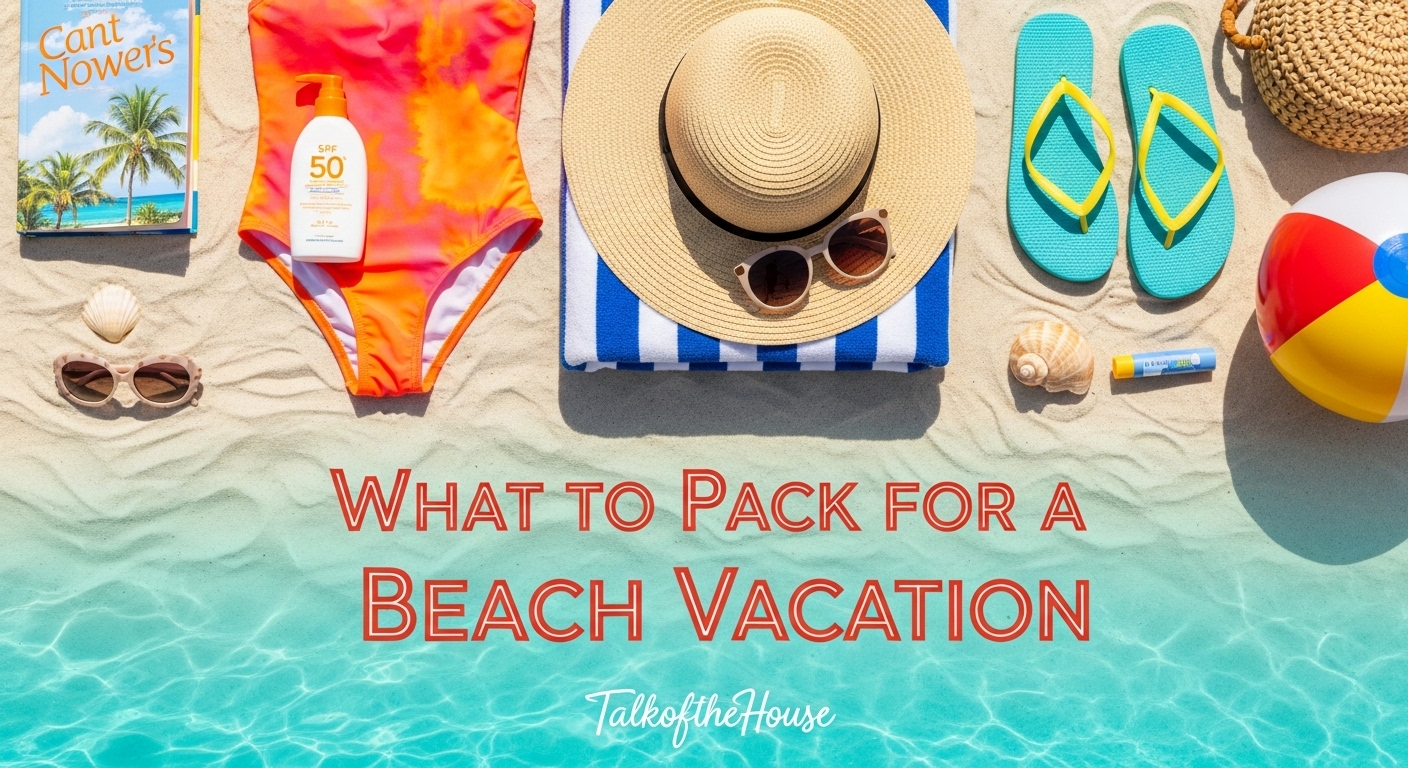
There is something magical about feeling the warm sand between your toes and hearing the rhythmic crash of waves against the shore. Whether you are heading to the Caribbean, the coast of California, or a hidden beach in Thailand, knowing exactly what to pack for a beach vacation can make the difference between a stress-free getaway and a frantic search for forgotten essentials. Our team has traveled to over 30 beach destinations across six continents, and we have learned through trial and error what deserves space in your suitcase and what should stay home.
This comprehensive guide answers the most common question travelers ask: what should I pack for a beach vacation? We cover everything from swimwear quantities to sun protection essentials, and we include the insider tricks that will help you pack smarter, not heavier. You will find strategies for every trip length, from quick weekend escapes to extended tropical retreats. By the end of this guide, you will have a clear plan for your beach vacation packing list 2026.
We have also included a quick reference checklist you can screenshot or print, plus answers to the most searched packing questions. Whether you are a first-time beach traveler or a seasoned sun-seeker looking to streamline your luggage, this guide has you covered.
Table of Contents
Quick Reference Beach Packing Checklist
Before diving into the details, here is your at-a-glance beach vacation packing checklist organized by category. Use this as your final check before zipping your suitcase.
Clothing and Swimwear:
- 2-3 swimsuits (depending on trip length)
- 2-3 cover-ups or sarongs
- 4-5 lightweight tops or tanks
- 2-3 pairs of shorts or lightweight pants
- 1-2 sundresses or casual dresses
- 1 light jacket or cardigan for evenings
- Undergarments for each day plus 2 extras
- 2-3 pairs of sleepwear
Footwear:
- 1 pair of flip-flops or casual sandals
- 1 pair of water shoes (if rocky beaches expected)
- 1 pair of walking shoes for excursions
- 1 pair of dressier sandals or shoes (optional)
Sun Protection and Toiletries:
- SPF 30+ sunscreen (reef-safe recommended)
- SPF lip balm
- Wide-brim sun hat
- Polarized sunglasses
- Aloe vera or after-sun lotion
- Toiletries and personal hygiene items
- Insect repellent
- Basic first aid kit
Beach Gear and Accessories:
- Beach bag or tote
- Microfiber beach towel
- Waterproof phone case
- Dry bag for electronics
- Reusable water bottle or insulated tumbler
- Beach reading material or e-reader
Documents and Essentials:
- Passport or ID
- Travel insurance documents
- Hotel and flight confirmations
- Emergency contact information
- Cash and cards
- Prescription medications
Clothing and Swimwear Essentials
Building the perfect beach vacation wardrobe starts with understanding the unique demands of sun, sand, and salt water. You need pieces that transition seamlessly from beach to boardwalk, dry quickly after a swim, and keep you cool in tropical heat. After testing countless fabric combinations across beach destinations from Bali to the Bahamas, we have identified the winning formulas.
Swimwear: How Much Is Enough?
The number one question we receive is how many swimsuits to pack for a beach vacation. Our rule of thumb is simple: pack two swimsuits for trips up to five days, and three for week-long or longer vacations. This gives each suit time to dry completely between wears, which is essential for comfort and hygiene. No one enjoys pulling on a damp bikini.
Choose swimsuits in versatile colors that mix and match with your cover-ups. A solid black or navy one-piece pairs with everything, while a vibrant print adds personality to your beach photos. If you plan active water sports like surfing or paddleboarding, include at least one athletic-style suit with secure straps.
Cover-Ups and Sarongs
Cover-ups are the unsung heroes of beach packing. They transform your swimwear into an outfit suitable for beachside cafes, resort lobbies, and casual sightseeing. We recommend packing two to three cover-up options: a lightweight tunic dress, a sarong, and perhaps a linen button-down shirt that doubles as sun protection.
Sarongs deserve special mention for their versatility. These simple pieces of fabric can be tied as skirts, dresses, head wraps, or beach blankets. They weigh almost nothing and take up minimal suitcase space. Our team never travels to beach destinations without at least one sarong in a quick-dry fabric.
Fabric Choices That Matter
Not all vacation clothing performs equally in beach environments. Natural fabrics like linen and cotton breathe beautifully in tropical heat and actually look better with a bit of wrinkling. Avoid heavy denim and synthetic fabrics that trap heat and take forever to dry.
Quick-dry synthetic blends work well for athletic wear and swim cover-ups. These fabrics wick moisture away from your skin and dry within hours rather than days. Look for clothing labeled UPF (Ultraviolet Protection Factor) for extra sun defense, especially for children and fair-skinned travelers.
Evening and Dining Options
Beach destinations rarely require formal attire, but you will want a few pieces for nice dinners or sunset cocktails. Pack one or two sundresses or lightweight pants paired with breathable tops. A simple maxi dress works for almost any beachside restaurant and transitions beautifully from day to evening with accessory changes.
One lightweight cardigan or beach wrap should handle any air-conditioned restaurants or breezy evening walks. Choose a neutral color that coordinates with everything else you packed. This layering piece has saved our team from discomfort on countless occasions.
Sun Protection Must-Haves
Nothing ruins a beach vacation faster than a painful sunburn on day one. Proper sun protection is not just about comfort; it is about health and safety. We have seen too many travelers cut their trips short because of severe sun damage. Invest in quality sun protection gear and use it consistently.
Sunscreen: The Non-Negotiable Essential
Your beach vacation packing list must include broad-spectrum sunscreen with SPF 30 or higher. Pack more than you think you need. A family of four can easily go through an 8-ounce bottle in three days of beach activities. We recommend bringing two bottles for a week-long trip.
Consider reef-safe sunscreen if you will be swimming in ocean waters, especially in destinations like Hawaii, Mexico, or the Caribbean where coral reefs are protected. These formulas omit oxybenzone and octinoxate, chemicals known to harm marine ecosystems. Many beach destinations now require reef-safe formulas by law.
Wide-Brim Hats for Face and Neck Protection
A baseball cap offers minimal sun protection for your face and leaves your neck exposed. Instead, pack a wide-brim hat with at least a 3-inch brim all around. Packable styles made from straw or fabric can be rolled or folded for travel without losing their shape.
Look for hats labeled with UPF ratings for maximum protection. A chin strap proves invaluable on windy beach days. Our team learned this lesson the hard way watching hats blow into the ocean during Caribbean trade winds.
Sunglasses That Actually Protect
Not all sunglasses offer equal eye protection. Choose polarized lenses that block 100% of UVA and UVB rays. Polarization reduces glare from water and sand, making beach time more comfortable and safer for your eyes. Dark lenses without UV protection actually cause more harm than good by dilating your pupils while letting in damaging rays.
Pack a sturdy case to protect your sunglasses in your beach bag. Salt water and sand can scratch lenses quickly. Consider bringing an inexpensive backup pair in case your primary sunglasses get lost or damaged during water activities.
SPF Lip Balm and After-Sun Care
Lips burn easily and are often forgotten in sun protection routines. Pack SPF 30+ lip balm and reapply it every few hours. After-sun lotion with aloe vera soothes skin after sun exposure and helps prevent peeling. Even with perfect sunscreen use, some sun exposure happens. Having after-sun care products on hand brings relief when you need it.
Footwear for Sand, Water, and Walking
Shoes take up valuable suitcase space, so every pair must earn its place. Beach vacations require a different footwear strategy than city trips. You need protection from hot sand, grip for slippery surfaces, and comfort for walking. Here is how to choose wisely.
Flip-Flops and Casual Sandals
One pair of quality flip-flops or slide sandals serves as your primary beach footwear. Look for styles with arch support and cushioned footbeds. Cheap foam flip-flops cause foot fatigue and offer no protection. Brands like Reef, Olukai, and Birkenstock make beach-worthy options that handle sand and water while keeping feet comfortable.
Water Shoes for Rocky Beaches
Many beautiful beaches have rocky shorelines or coral near the water entry point. Water shoes protect your feet while wading and provide grip on slippery surfaces. They are also essential for kayaking, paddleboarding, and other water sports. Modern water shoes drain quickly and dry fast. They fold flat for easy packing.
Walking Shoes for Excursions
Beach vacations often include sightseeing, hiking to viewpoints, or exploring local towns. One pair of comfortable walking shoes handles these activities. Lightweight sneakers or supportive sandals like Keens work well. Choose shoes you have already broken in to avoid blisters.
Some travelers attempt beach vacations with only flip-flops and regret it quickly. Your feet will thank you for bringing proper walking shoes for non-beach activities.
Beach Gear and Accessories
The right gear transforms a good beach day into a perfect one. These accessories enhance comfort, protect your belongings, and make beach time more enjoyable. While many beach destinations offer rental gear, having your own items ensures quality and availability.
The Perfect Beach Bag
Your beach bag carries everything for a day in the sun. Look for bags with sand-resistant or mesh bottoms that allow sand to fall through rather than collecting inside. Waterproof or water-resistant materials protect contents from splashes. Multiple compartments help organize sunscreen, sunglasses, reading materials, and snacks.
Size matters when choosing a beach bag. It should be large enough for towels, sunscreen, water bottles, and a change of clothes, but not so large that it becomes unwieldy to carry. Tote-style bags with comfortable shoulder straps work better than hand-carried options when you are walking any distance to the beach.
Microfiber Beach Towels
Traditional cotton beach towels are bulky, heavy, and take forever to dry. Microfiber towels changed the game for beach travel. They absorb multiple times their weight in water, dry within hours, and fold to a fraction of the size of cotton towels. A large microfiber towel takes up less space than a t-shirt in your luggage.
Pack one microfiber towel per person, plus an extra for shared use. Quick-dry properties mean you can use the same towel for morning and afternoon beach sessions. Many microfiber towels now come in beautiful prints and colors that rival traditional options.
Waterproof Protection for Electronics
Sand and water are natural enemies of smartphones. A waterproof phone case allows you to take photos in and around water without worry. Look for cases rated to at least 10 feet of water depth and test them before your trip. Dry bags offer additional protection for wallets, keys, and other items that cannot get wet.
For serious water photography, consider a waterproof phone pouch with a lanyard. These keep your phone accessible while swimming and prevent the dreaded pocket-dial during ocean dips. We recommend testing waterproof cases in a sink before trusting them with your phone at the beach.
Hydration and Snack Storage
Beach sun and salt air dehydrate you faster than you realize. An insulated water bottle or tumbler keeps drinks cold for hours in hot beach environments. Some beach destinations have limited concessions, making self-supplied hydration essential. A small cooler bag maintains snack freshness and provides cold water throughout the day.
Toiletries and Personal Care
Beach environments create unique personal care challenges. Salt water, sun exposure, and sand require different products than your home routine. Pack toiletries that address these specific conditions.
Beach-Specific Toiletries
Leave-in conditioner becomes your best friend at the beach. Salt water and sun damage hair quickly, and regular conditioner washes out with swimming. A good leave-in product protects hair and keeps it manageable between showers. Similarly, a clarifying shampoo removes salt and sand buildup that regular formulas miss.
Moisturizer is essential after sun exposure, even if your skin does not burn. The sun and salt dehydrate skin rapidly. Pack a lightweight, non-greasy body lotion and a quality facial moisturizer with SPF for daily use.
Anti-Chafe Protection
Sand, salt water, and walking create the perfect conditions for chafing. Anti-chafe sticks or balms prevent painful rubbing on thighs, underarms, and other friction points. This small item prevents vacation-ruining discomfort. Apply before any extended walking or water activities.
Insect Repellent and First Aid
Many beach destinations, particularly tropical ones, have mosquitoes and other biting insects. Pack insect repellent with DEET or picaridin for evening protection. A basic first aid kit with bandages, antiseptic wipes, and pain relievers handles minor cuts, scrapes, and headaches that can occur during active beach days.
Electronics and Entertainment
While beach vacations invite digital detox, some electronics enhance the experience. The key is choosing devices that handle beach conditions while providing genuine value. Avoid bringing expensive electronics that sand and salt can damage.
E-Readers for Beach Reading
Paper books and beach water do not mix well. An e-reader with a glare-free screen allows comfortable reading in bright sun while storing hundreds of books in one lightweight device. Waterproof e-readers handle accidental splashes without damage. The ability to adjust text size and backlighting makes reading easier in varying beach light conditions.
Portable Chargers and Power Management
Beach days drain phone batteries faster than usual. GPS, camera use, and bright screen settings in sunlight consume power rapidly. A portable charger ensures your phone stays operational for emergency calls and photos. Choose a waterproof or water-resistant model rated for outdoor use.
Entertainment for All Conditions
Not every beach day offers perfect sun. Rainy afternoons and relaxing evenings call for entertainment options. Download movies or shows to your device before traveling. A deck of cards or travel-sized games work without batteries and bring groups together. Consider a waterproof Bluetooth speaker for music, but be mindful of beach neighbors and local noise regulations.
Documents, Money, and Essential Items
The practical items often make or break a beach vacation. A forgotten passport or lost wallet can derail your entire trip. Keep these items secure, organized, and accessible.
Travel Documents and Identification
Carry passport or ID, travel insurance information, and booking confirmations in a waterproof document holder. Digital backups stored in cloud services provide redundancy if physical copies are lost. Share itinerary and contact information with someone at home for emergency situations.
Money and Payment Security
Beach destinations attract pickpockets and thieves targeting distracted tourists. An RFID-blocking wallet or money belt protects cards from electronic theft. Carry only the cash you need for the day, leaving the rest in your hotel safe. Notify banks of travel plans to prevent card blocks during your trip.
Medications and Health Essentials
Pack prescription medications in original containers with copies of prescriptions. Include basic over-the-counter remedies: antihistamines for allergic reactions, anti-diarrheal medication, motion sickness remedies if boat trips are planned, and any personal medications you might need.
Smart Packing Strategies for Beach Vacations
What you pack matters, but how you pack it matters just as much. Smart packing strategies maximize space, minimize wrinkles, and keep you organized throughout your trip. We have refined these techniques over hundreds of beach trips.
The 5-4-3-2-1 Rule Explained
One of the most searched packing questions is: what is the 5 4 3 2 1 rule for packing? This minimalist formula helps travelers pack light while ensuring they have everything needed for a week-long trip. Here is how it works:
The 5-4-3-2-1 rule means packing 5 tops, 4 bottoms, 3 dresses or pairs of shoes, 2 swimsuits, and 1 hat or accessory set. This creates 60+ outfit combinations from just 15 clothing items. The rule forces thoughtful choices about versatile pieces that coordinate well together.
Adapt this formula for beach vacations by adjusting the categories. For beach trips, we recommend 5 tops, 4 bottoms, 3 cover-ups, 2 swimsuits, and 1 sun hat. Add your sleepwear and undergarments separately. This framework prevents overpacking while ensuring you have appropriate clothing for beach days, dinners, and excursions.
Trip Length Comparison: Weekend vs Week vs Extended
Packing strategies change based on trip duration. Here is how to adjust your beach vacation packing list for different trip lengths:
| Category | 3-Day Weekend | 7-Day Vacation | 14+ Day Extended |
|---|---|---|---|
| Swimsuits | 2 | 3 | 4-5 |
| Tops | 3 | 5 | 7-8 |
| Bottoms | 2 | 4 | 5-6 |
| Cover-ups | 1 | 2 | 3 |
| Sunscreen (bottles) | 1 | 2 | 3-4 |
| Undergarments | 3 sets | 7+2 sets | 10+4 sets or plan to wash |
| Footwear pairs | 2 | 3 | 3-4 |
| Reading material | 1 book | 2-3 books or e-reader | E-reader essential |
| Toiletries | Travel sizes | Regular sizes | Regular + refill plan |
| Luggage type | Carry-on only | Checked or large carry-on | Checked bag essential |
For extended trips, plan laundry access into your itinerary. Many beach destinations have affordable laundry services. Washing clothes mid-trip lets you pack half as much while staying fresh throughout your vacation.
Sustainable and Eco-Friendly Packing
Responsible travelers minimize their environmental impact while enjoying beach destinations. Sustainable packing choices protect the marine ecosystems that make beach vacations possible. Here are strategies for eco-friendly beach packing:
Choose reef-safe sunscreen that protects coral reefs and marine life. These formulas exclude harmful chemicals like oxybenzone and octinoxate. Many beach destinations now ban non-reef-safe sunscreens, making this choice legally required as well as environmentally responsible.
Pack reusable items instead of disposables. A reusable water bottle eliminates plastic bottle waste. Cloth tote bags replace plastic shopping bags. Metal or bamboo straws reduce single-use plastic consumption. These small items significantly reduce your vacation waste footprint.
Select sustainable fabrics when possible. Organic cotton, linen, and hemp have lower environmental impacts than synthetic fabrics. These natural materials also perform better in beach environments. Avoid fast fashion pieces that will not survive multiple beach trips.
What NOT to Pack for a Beach Vacation
Overpacking creates more problems than it solves. Heavy luggage slows you down, incurs airline fees, and stresses you out. Here are items you should leave home when planning what to pack for a beach vacation:
Leave expensive jewelry at home. Beach vacations involve sand, salt water, and activities that can damage or lose valuable pieces. Costume jewelry provides the accessorizing you want without the risk. Many beach destinations have theft issues, making expensive jewelry a liability.
Skip heavy makeup and hair styling tools. The beach humidity defeats most makeup within minutes. Focus on SPF lip balm, waterproof mascara if needed, and maybe a tinted moisturizer with sunscreen. Hair dries naturally wavy at the beach, so embrace the low-maintenance look rather than fighting it with heat tools.
Do not pack full-size toiletries if traveling carry-on. TSA limits liquids to 3.4 ounces per container. Transfer your favorite products to travel-size bottles or buy travel sizes of beach essentials. Many beach destinations have stores where you can buy sunscreen and toiletries if needed.
Leave cotton towels at home. They take forever to dry and harbor mildew in humid beach climates. The bulky size consumes precious suitcase space. Microfiber towels outperform cotton in every beach-relevant metric.
Avoid packing “just in case” items you rarely use at home. That formal dress for a fancy dinner that might happen, the extra shoes for an activity you are unsure about, the book you have been meaning to read for two years. If you have not used it recently, you will not use it on vacation.
Organization and Packing Techniques
Rolling clothes instead of folding prevents wrinkles and maximizes space. Pack heavier items at the bottom of your suitcase near the wheels. Use packing cubes to organize categories: swimwear in one cube, evening clothes in another, undergarments in a third. This organization makes unpacking at your destination effortless.
Place liquids in sealed plastic bags even if containers claim to be leak-proof. Pressure changes during flights cause bottles to expand and leak. Nothing ruins a beach vacation faster than sunscreen covering your entire wardrobe. Double-bag particularly important items.
Frequently Asked Questions
What is the 5 4 3 2 1 rule for packing?
The 5-4-3-2-1 rule is a minimalist packing formula: 5 tops, 4 bottoms, 3 dresses or pairs of shoes, 2 swimsuits, and 1 hat or accessory set. This creates over 60 outfit combinations from just 15 clothing items. For beach vacations specifically, adapt it to: 5 tops, 4 bottoms, 3 cover-ups, 2 swimsuits, and 1 sun hat. This framework prevents overpacking while ensuring you have appropriate clothing for all activities.
What should I pack for a 7 day beach vacation?
For a 7-day beach vacation, pack 3 swimsuits, 5 lightweight tops, 4 bottoms, 2 cover-ups, 1 sundress, undergarments for 9 days, 3 pairs of footwear, 2 bottles of SPF 30+ sunscreen, a wide-brim hat, polarized sunglasses, a microfiber beach towel, a beach bag, and waterproof phone protection. Include one light jacket for air conditioning and evenings. This follows the 5-4-3-2-1 rule adapted for beach trips.
What is the most forgotten item when packing for vacation?
The most commonly forgotten vacation items are phone chargers, sunscreen, sunglasses, and medications. Many travelers also forget to pack a first aid kit, insect repellent, and copies of important documents. Charging adapters for international destinations are frequently overlooked. We recommend using a packing checklist and doing a final walkthrough of your home before leaving to spot forgotten essentials.
How many swimsuits should I pack for beach vacation?
Pack 2 swimsuits for trips up to 5 days and 3 swimsuits for week-long vacations. This allows each suit to dry completely between wears. For extended trips of two weeks or more, pack 4-5 swimsuits or plan to rinse and dry suits regularly. Choose versatile colors that mix with your cover-ups and bring at least one athletic-style suit if you plan water sports.
Do I need water shoes for beach vacation?
Water shoes are essential if your destination has rocky beaches, coral near shore, or you plan water sports like kayaking or paddleboarding. They protect feet from sharp rocks, hot sand, and marine life while providing grip on slippery surfaces. Many popular beach destinations including Hawaii, the Caribbean, and Mediterranean coasts have areas where water shoes improve safety and comfort. Modern water shoes fold flat for easy packing.
Final Thoughts
Creating the perfect beach vacation packing list comes down to understanding what you truly need versus what you think you might need. The strategies in this guide help you pack smarter, travel lighter, and enjoy your beach vacation without the stress of forgotten essentials or overweight luggage fees.
Remember that what to pack for a beach vacation depends on your specific destination, trip length, and planned activities. Use our quick reference checklist as your foundation, then customize based on your unique needs. The 5-4-3-2-1 rule keeps clothing manageable, while our category-by-category breakdown ensures nothing important gets left behind.
Most importantly, do not let packing anxiety overshadow your vacation excitement. With proper preparation, you will arrive at your beach destination ready to relax, explore, and create memories that last a lifetime. The sand, sun, and surf are waiting. Pack wisely, travel safely, and enjoy every moment of your beach vacation 2026.
If you are planning your next family beach vacation, check out our guide to family-friendly destinations for inspiration on where to use your new packing skills.