
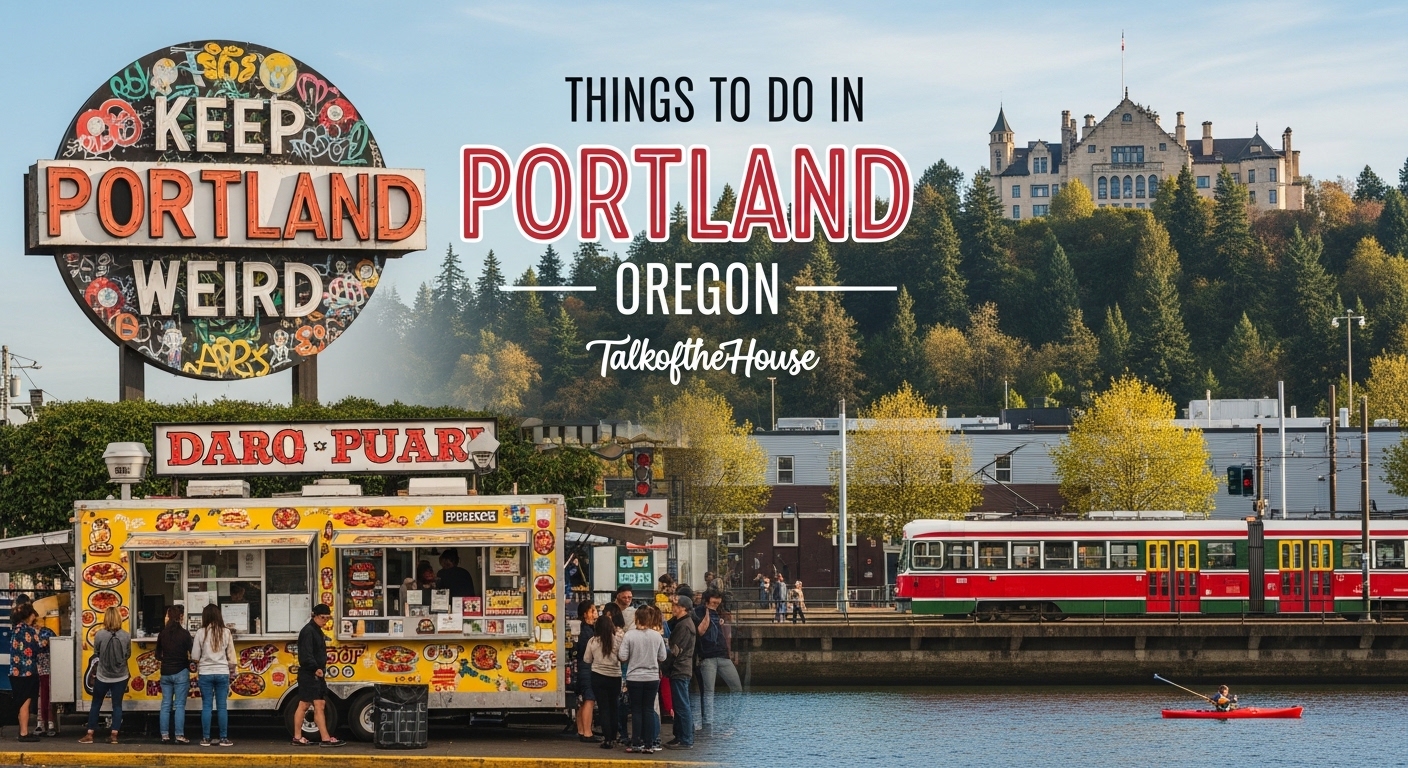
Portland, Oregon captured my heart the moment I first stepped off the MAX light rail and into a city that treats every street corner like a canvas. When friends ask me about things to do in Portland Oregon, I don’t just rattle off tourist spots. I tell them about the way morning light filters through Powell’s Books’ multi-story windows. I describe the deliberate tranquility of the Japanese Garden’s koi pond. I paint pictures of Alberta Arts District murals that transform ordinary brick walls into extraordinary conversations.
The Rose City offers something increasingly rare in American travel: a place where urban sophistication and natural beauty coexist without compromise. Our team has explored Portland’s neighborhoods over multiple visits, staying everywhere from industrial-chic lofts to Craftsman bungalows, and we’ve discovered that the best Portland experiences appeal directly to anyone with an eye for design, an appreciation for craftsmanship, and a love of aesthetic detail.
This guide focuses on Portland through that lens – highlighting beautiful spaces, thoughtfully designed attractions, and visually stunning experiences. Whether you’re planning a weekend getaway or a longer Pacific Northwest adventure, you’ll find inspiration in every recommendation.
Table of Contents
Quick Picks: Best of Portland at a Glance
Before we dive deep, here’s a categorized summary of Portland’s must-see attractions for busy travelers who want the highlights first.
Iconic Attractions
- Powell’s City of Books – The world’s largest independent bookstore spanning an entire city block
- Portland Japanese Garden – Five distinct garden styles on 12 meticulously landscaped acres
- International Rose Test Garden – Over 10,000 rose bushes with stunning downtown views
- Pittock Mansion – French Renaissance-style chateau with period furnishings and panoramic vistas
Natural Wonders
- Multnomah Falls – 620-foot tiered waterfall just 30 minutes from downtown
- Columbia River Gorge – Scenic drive with multiple waterfall viewpoints
- Forest Park – 5,200 acres of wilderness trails within city limits
- Leach Botanical Gardens – Hidden gem with themed garden rooms
Neighborhoods to Explore
- Pearl District – Converted warehouses housing galleries and boutiques
- Alberta Arts District – Colorful murals and independent shops on Northeast Alberta Street
- Hawthorne – Eclectic Southeast Portland strip with vintage character
- Division Street – Foodie corridor with craft eateries and unique storefronts
Culinary Experiences
- Food cart pods – Hundreds of carts offering global cuisine in pod settings
- Craft breweries – Beautiful taprooms emphasizing local ingredients and design
- Coffee culture – Artisan roasters with meticulously designed interiors
- Farmers markets – Saturday Market and neighborhood markets with local goods
Iconic Attractions for Design Lovers
Portland’s most famous attractions aren’t just popular – they’re visually stunning spaces that reward visitors who appreciate thoughtful design and aesthetic detail.
Powell’s City of Books: A Temple to Literature and Design
No visit to Portland is complete without getting lost in Powell’s City of Books. Occupying an entire city block in the Pearl District, this world’s-largest independent bookstore houses over one million books across multiple floors connected by colorful staircases and winding corridors. The Burnside entrance opens into the Gold Room, where natural light streams through enormous windows onto floor-to-ceiling wooden shelves.
I spent three hours here on my last visit and barely covered half the rooms. The Rare Book Room upstairs requires appointments but offers breathtaking glimpses into literary history. Even if you don’t buy anything, Powell’s demonstrates how retail spaces can become architectural experiences. The color-coded rooms help navigation while creating distinct atmospheres – the Blue Room’s technical focus feels completely different from the Red Room’s literature emphasis.
Photography tip: Visit early morning when the eastern light illuminates the main floor. The wooden shelves and colorful book spines create natural compositions without any staging needed.
Pittock Mansion: French Renaissance Splendor
Henry Pittock’s 1914 estate crowns the West Hills with French Renaissance architecture that would feel at home in the Loire Valley. The mansion’s interior preserves early 20th-century craftsmanship at its finest – hand-carved woodwork, original Tiffany glass, and period furnishings that transport visitors to Portland’s timber-boom era.
The real showstopper, however, is the view. From the mansion’s terraces, you can see the entire Portland skyline framed by Mount Hood on clear days. The grounds include formal gardens designed to complement the architecture. I recommend visiting in late afternoon when the setting sun gilds the stone facade and creates dramatic photo opportunities.
The mansion operates as a museum with rotating exhibits about Portland history. Admission runs $15 for adults, and the grounds are free to explore even if you skip the interior tour. Parking is limited, so arriving early or using rideshare prevents the frustration of circling for spots.
Lan Su Chinese Garden: Authentic Ming Dynasty Design
In the heart of the Old Town Chinatown district, Lan Su Chinese Garden offers 40,000 square feet of authentic Ming Dynasty garden design. Unlike Western gardens that prioritize flowers and open lawns, Lan Su focuses on architectural elements, water features, and carefully composed views that reveal themselves gradually as you walk the covered corridors.
The garden represents a collaboration between Portland and its sister city Suzhou, known as China’s garden capital. Every pavilion, bridge, and rock placement follows classical Chinese garden principles. The Teahouse serves traditional tea ceremonies that extend the meditative experience. I found myself sitting by the Lake Zither for nearly an hour, watching koi glide beneath reflected pavilion roofs.
Seasonal visits offer completely different experiences. Spring brings blooming peonies and magnolias. Summer showcases lotus flowers in the central lake. Fall color illuminates the maples. Even winter rain creates atmospheric scenes with mist rising from the water features.
Portland Art Museum: Visual Culture Collection
The Portland Art Museum anchors the cultural district with collections spanning Native American art, contemporary Northwest works, and European masters. The building itself underwent thoughtful renovation that respects its historic facade while adding modern gallery spaces. The outdoor sculpture court offers a peaceful retreat between exhibition halls.
Thursday evenings offer discounted admission and extended hours, making this an excellent indoor option for Portland’s frequent rainy days. The museum’s gift shop deserves special mention – it’s one of the best-curated museum shops I’ve encountered, featuring local artists and design-focused items that make meaningful souvenirs.
Portland’s World-Famous Gardens
Portland’s nickname “The Rose City” reflects more than marketing – it speaks to a genuine civic commitment to cultivated beauty. These gardens demonstrate landscape design at its finest, offering visitors spaces where nature and human vision achieve perfect balance.
Portland Japanese Garden: America’s Most Authentic
The Portland Japanese Garden sits within Washington Park, occupying 12 acres of hillside that the garden’s designers transformed into five distinct styles: the Flat Garden, Strolling Pond Garden, Tea Garden, Natural Garden, and Sand and Stone Garden. Each represents different Japanese landscape traditions, creating an educational journey through aesthetic philosophy.
The Cultural Village at the entrance, designed by renowned Japanese architect Kengo Kuma, sets the contemplative tone with its clean lines and natural materials. From there, paths wind uphill through meticulously maintained plantings that change dramatically with seasons. Spring cherry blossoms, summer irises, autumn maples, and winter structure each offer distinct visual experiences.
What makes this garden exceptional is its authenticity. The original designer, Takuma Tono, traveled from Japan in the 1960s to create a garden true to Japanese principles rather than Western interpretations. That dedication shows in details like the carefully raked gravel patterns representing water ripples, and the strategically placed rocks that suggest distant mountains.
The garden requires timed entry reservations on weekends and during peak seasons. Admission costs $19.95 for adults, but the experience justifies every dollar. Plan at least two hours to appreciate the space properly, and consider visiting the on-site Umami Cafe for tea with garden views.
International Rose Test Garden: 10,000 Blooms
Adjacent to the Japanese Garden, the International Rose Test Garden justifies Portland’s Rose City nickname with over 10,000 rose bushes representing 650 varieties. Established in 1917, the garden serves as America’s oldest continuously operated public rose test garden, where new varieties undergo evaluation before commercial release.
The garden’s formal layout creates stunning symmetrical compositions from the amphitheater’s stepped terraces. The Gold Medal Garden showcases award-winning varieties, while the Miniature Rose Garden proves that small spaces can deliver dramatic impact. June brings peak bloom, but repeat-blooming varieties ensure color from spring through fall.
The best photographs happen during early morning or late afternoon when the light rakes across the terraced beds. The downtown skyline visible behind the roses creates iconic Portland images that have appeared on countless postcards and Instagram feeds. Unlike the Japanese Garden’s meditative atmosphere, the Rose Garden feels celebratory – a party of color and fragrance.
Admission is free, making this one of Portland’s best value attractions. The garden shop sells rose-related products, and staff can provide information about specific varieties if you fall in love with particular blooms.
Outdoor Escapes: Nature’s Design
Portland’s location between the Pacific Ocean and Cascade Mountains puts extraordinary natural beauty within easy reach. These outdoor destinations showcase nature’s own design sense, from perfectly tiered waterfalls to ancient forests that have inspired Pacific Northwest design aesthetics for generations.
Multnomah Falls: The Crown Jewel
Multnomah Falls stands as Oregon’s tallest waterfall at 620 feet, dropping in two dramatic tiers connected by Benson Bridge. The sight of water plunging down columnar basalt cliffs represents Pacific Northwest scenery at its most dramatic. The falls lie just 30 miles east of Portland in the Columbia River Gorge, making them accessible for half-day trips.
However, based on forum discussions with locals, I need to share some practical warnings. Parking has become extremely challenging, especially on weekends between April and October. The lot fills by 9 AM on summer Saturdays, and the highway shoulder parking creates dangerous conditions. The Forest Service now requires timed permits for parking during peak season, and you should reserve these online before visiting.
For the best experience, arrive before 8 AM on weekdays. The 1.2-mile trail to Benson Bridge offers the classic viewpoint, while the steeper 2.4-mile trek to the top provides perspective on the Columbia River Gorge’s scale. The historic Multnomah Falls Lodge at the base serves meals with waterfall views through floor-to-ceiling windows.
Photographers should bring neutral density filters to capture the silky water effect, and arrive early for the best light on the falls’ western face. The falls face west, so afternoon light illuminates them most dramatically.
Columbia River Gorge: Waterfall Highway
Beyond Multnomah Falls, the Columbia River Gorge contains over 90 waterfalls on the Oregon side alone. The Historic Columbia River Highway, America’s first scenic highway, connects these natural wonders with viewpoints engineered to maximize dramatic vistas. Latourell Falls, Bridal Veil Falls, Wahkeena Falls, and Horsetail Falls each offer distinct characters and accessibility levels.
The highway’s design deserves appreciation – Samuel Lancaster and his engineers created a road that follows natural contours, using stone masonry that blends with the landscape. Vista House at Crown Point serves as both rest stop and architectural landmark, its octagonal design offering 360-degree views of the gorge.
For waterfall enthusiasts, the Eagle Creek Trail ranks among America’s most spectacular hiking routes. The trail clings to cliff faces, passing Punchbowl Falls and culminating at Tunnel Falls, where the trail actually passes behind the waterfall through a blasted rock tunnel. Note that sections of Eagle Creek Trail have experienced fire damage and rockfall in recent years, so check current conditions before planning this hike.
Forest Park: Wilderness Within the City
Portland’s Forest Park represents urban planning genius – 5,200 acres of old-growth forest preserved within city limits. The Wildwood Trail runs 30 miles through the park, but shorter loops near the Audubon Society provide accessible forest experiences without all-day commitments.
The park demonstrates how thoughtful trail design can make wilderness accessible without destroying its character. Boardwalks cross sensitive wetlands while main trails follow ridgelines with minimal environmental impact. The Forest Park Conservancy maintains this balance through volunteer efforts that Portland residents clearly value.
Hoyt Arboretum, located within Washington Park adjacent to Forest Park’s southern reaches, offers a more cultivated nature experience with 2,000 species of trees and shrubs from around the world. The arboretum’s organized collections provide year-round interest, from spring magnolias to autumn maples to winter silhouettes of conifers.
Leach Botanical Gardens: The Hidden Gem
Forum discussions with Portland locals consistently mentioned Leach Botanical Gardens as an underappreciated treasure. Located in Southeast Portland’s Johnson Creek watershed, this 16-acre garden features “garden rooms” with distinct themes – the Pollinator Garden, Medicinal Garden, and Children’s Garden each offer different experiences.
The garden’s treehouse, built sustainably into a large Douglas fir, provides elevated perspectives on the landscape. The stone pathways and carefully curated plant collections reflect decades of botanical passion by founders Lilla and John Leach. Unlike the more famous Washington Park gardens, Leach offers quiet contemplation without crowds.
Admission is free, though donations support maintenance. The garden hosts workshops on topics ranging from native plants to botanical illustration, extending its mission beyond passive appreciation into active education.
Exploring Portland’s Most Beautiful Neighborhoods
Portland’s neighborhoods each possess distinct personalities reflected in their architecture, streetscapes, and retail environments. Walking these districts offers the best way to understand Portland’s design sensibilities and discover unexpected treasures.
| Neighborhood | Vibe | Best For | Top Spots |
|---|---|---|---|
| Pearl District | Industrial chic, upscale | Gallery hopping, boutique shopping | Powell’s Books, Tanner Springs Park, Jamison Square |
| Alberta Arts District | Colorful, creative, eclectic | Mural viewing, vintage finds, local dining | Alberta Street murals, independent shops, Last Thursday art walk |
| Hawthorne | Bohemian, vintage, relaxed | Thrift shopping, cafe culture, people watching | Hawthorne Theatre, vintage boutiques, Bagdad Theatre |
| Division Street | Trendy, foodie-focused, energetic | Culinary exploration, cocktail bars | Ava Gene’s, Salt and Straw, creative eateries |
| Mississippi Avenue | Hip, residential, local | Neighborhood feel, local boutiques | Mississippi Studios, ReBuilding Center, local cafes |
The Pearl District: From Warehouses to Galleries
The Pearl District transformed from industrial wasteland to Portland’s premier design destination in just two decades. Former warehouses now house art galleries, furniture showrooms, and independent boutiques that showcase Pacific Northwest aesthetics. The architecture preserves industrial bones while adding contemporary elements.
Tanner Springs Park exemplifies the Pearl’s design philosophy. This tiny urban park features a boardwalk constructed from reclaimed railroad tracks, native wetland plantings, and an art wall incorporating railroad artifacts into a water feature. It demonstrates how thoughtful design can create meaningful green space even in dense urban environments.
The First Thursday art walk brings crowds monthly, but weekday visits offer better browsing experiences at galleries like Elizabeth Leach and Froelick. The district’s restaurant scene emphasizes design as much as cuisine – Andina’s contemporary Peruvian space and Bluehour’s courtyard dining both create memorable environments.
Alberta Arts District: Murals and Independent Spirit
Northeast Alberta Street stretches for 20 blocks of independent businesses, colorful murals, and some of Portland’s most creative food offerings. The Last Thursday art walk predates the Pearl’s First Thursday and maintains a more grassroots, community-oriented atmosphere.
The murals covering Alberta’s buildings represent Portland’s street art at its finest. Local and visiting artists have transformed blank walls into an outdoor gallery that changes as new works replace older pieces. The famous “Keep Portland Weird” mural provides a popular photo backdrop, but dozens of other pieces offer equal visual interest.
Shopping on Alberta emphasizes vintage and handmade goods. Stores like Red Light Clothing Exchange and Sub Rosa Vintage curate clothing selections that feel like costume departments for interesting lives. The food scene matches this creative energy – Portland’s famous Salt and Straw ice cream started here before expanding citywide.
Hawthorne and Division: Southeast Portland Character
Hawthorne Boulevard runs through Southeast Portland with a bohemian spirit that predates the Pearl’s gentrification. The Bagdad Theatre, a 1920s movie palace restored to glory, anchors the district’s vintage appeal. Surrounding businesses include independent bookstores, curiosity shops, and cafes that have resisted chain homogenization.
Division Street, running parallel several blocks south, has emerged as Portland’s culinary corridor. The street’s development demonstrates thoughtful urban infill – new construction respects existing residential scale while adding ground-floor retail and dining. Restaurants like Ava Gene’s and Harlow create interiors as carefully composed as their plates.
Both streets reward pedestrians. Street parking challenges encourage slower exploration, and the density of interesting storefronts means you won’t walk far without finding something worth entering. I recommend starting at one end and wandering until hunger or fatigue sets in.
Portland’s Aesthetic Food & Drink Scene
Portland’s culinary culture prioritizes local ingredients and creative execution, but the visual presentation receives equal attention. These food and drink experiences satisfy both appetite and aesthetic sense.
Food Cart Pods: Visual Variety and Global Flavors
Portland’s food cart culture has evolved far beyond individual carts into organized “pods” where dozens of vendors cluster in parking lots or dedicated spaces. The visual variety alone makes these worth visiting – hand-painted carts, vintage trailers converted to kitchens, and creative signage create outdoor food courts with more character than any indoor mall.
The Alder Street pod downtown offers the densest concentration, with over 60 carts representing global cuisines. The Cartopia pod on Hawthorne operates late-night, serving post-bar crowds with everything from poutine to wood-fired pizza. The Prost! pod on Mississippi combines German beer hall atmosphere with cart variety.
What makes Portland’s food carts special is their longevity – many have operated for years or decades, developing loyal followings that sustained them through pandemic challenges. These aren’t pop-up novelties but genuine small businesses that form Portland’s culinary backbone.
Craft Breweries and Beautiful Taprooms
With over 70 breweries within city limits, Portland claims the title of America’s craft beer capital. But it’s not just about the beer – many breweries invested heavily in taproom design, creating spaces worth visiting even for non-drinkers.
Deschutes Public House in the Pearl occupies a historic building with exposed brick and timber framing. Hair of the Dog Brewing in Southeast feels like a brewer’s workshop, with equipment visible behind glass and wooden barrels aging special releases. Breakside’s various locations each offer distinct design approaches, from industrial to neighborhood pub.
Brewery tours provide behind-the-scenes looks at production processes, and many offer food pairings that demonstrate beer’s culinary versatility. The Portland Brew Bus offers guided tours for visitors who prefer not to drive between locations.
Coffee Culture: Ritual and Design
Portland takes coffee seriously, with roasters approaching the craft with the dedication of winemakers. The best shops combine excellent beans with interiors that invite lingering – natural light, comfortable seating, and design details that reward attention.
Coava Coffee’s locations feature industrial minimalism that lets the coffee speak. Heart Coffee emphasizes Scandinavian simplicity with light woods and clean lines. Stumptown, Portland’s most famous coffee export, maintains its original location on Division Street where the third-wave movement took root.
Coffee roasting happens on-site at many locations, filling shops with aromas that no candle could replicate. The attention to detail extends to cup design – ceramic mugs in varied glazes make each latte an individual experience.
Farmers Markets: Fresh and Photogenic
The Portland Saturday Market, operating since 1974, claims status as America’s largest continuously operating outdoor arts and crafts market. Located in the Old Town waterfront district, the market features over 250 vendors selling handmade goods alongside fresh produce and prepared foods. The setting along the Willamette River provides natural beauty that complements the human creativity on display.
Neighborhood farmers markets operate throughout the city on different days. The PSU Saturday Market brings farmers and food producers to the university campus, creating a vibrant scene that mixes students, families, and tourists. These markets offer both shopping and social experiences, with live music and food vendors creating festival atmospheres.
Unique Experiences: Keep Portland Weird
Portland’s unofficial motto “Keep Portland Weird” reflects a civic identity that embraces the unconventional. These experiences capture that spirit while offering genuinely memorable moments.
Vintage and Thrift Shopping Treasure Hunts
Portland’s thrift store culture supports both sustainable fashion and treasure hunting. Unlike consignment shops in other cities, Portland’s vintage stores curate selections that feel like personal collections rather than castoffs. Red Light Clothing Exchange, Buffalo Exchange, and dozens of neighborhood shops offer the thrill of discovery.
The ReBuilding Center on Mississippi Avenue applies similar principles to architectural salvage. Need vintage doorknobs, reclaimed lumber, or period light fixtures? This nonprofit warehouse organizes donated building materials by category, creating a browser’s paradise for anyone interested in historic homes or unique design elements.
Tea Houses and Ritual
Portland’s tea culture rivals its coffee scene for dedication to craft. Unlike the hurried espresso culture, tea houses encourage slowing down. The Tao of Tea operates multiple locations with extensive selections and traditional preparation methods. Tea Chai Te on Hawthorne occupies a converted Victorian house where each room offers different seating experiences.
The Japanese Garden’s Umami Cafe offers tea ceremonies that extend the garden experience. These structured rituals, led by knowledgeable practitioners, reveal how tea preparation becomes meditation when approached with intention.
Independent Bookstores Beyond Powell’s
While Powell’s dominates attention, Portland supports numerous independent bookstores with distinct personalities. Broadway Books in Northeast focuses on literary fiction with a cozy neighborhood atmosphere. Annie Bloom’s Books in Multnomah Village has served the community for decades with carefully curated selections.
These smaller shops demonstrate Portland’s genuine reading culture – they survive because locals support them, not just because tourists visit. The staff recommendations at these shops often surpass algorithm-driven suggestions from larger retailers.
Ground Kontrol: Retro Gaming Bar
Ground Kontrol combines vintage arcade games with a bar atmosphere, creating a nostalgic experience that appeals to multiple generations. Classic cabinets from the 1980s and 90s line the walls, all maintained in working condition. Pinball machines, many with artistic backglasses worth appreciating, occupy separate rooms.
The space demonstrates how thoughtful curation creates experiences that transcend simple entertainment. The games are period-appropriate, the lighting matches arcade aesthetics, and the crowd ranges from Gen X reminiscers to Gen Z discoverers.
Free Things to Do in Portland
Portland offers remarkable value for budget-conscious travelers. These experiences cost nothing while delivering genuine Portland character and visual appeal.
Washington Park Exploration
Beyond the paid Japanese Garden, Washington Park contains numerous free attractions. The Vietnam Veterans Memorial creates a contemplative space designed with input from landscape architects. The Oregon Holocaust Memorial offers powerful artistic statements in a wooded setting. The park’s trail network connects these sites while offering city views through forest canopy.
The free Washington Park Shuttle operates seasonally, connecting the park’s various attractions without requiring car navigation. This service makes the park accessible without parking headaches or physical exhaustion from hiking between distant sites.
Public Art and Architecture Walks
Portland’s Percent for Art program ensures public spaces contain commissioned artworks. The Transit Mall downtown features works integrated into MAX stations. The South Park Blocks contain sculptures and monuments with historical significance. Simply walking through downtown becomes a self-guided art tour.
The Tillikum Crossing Bridge, Portland’s newest bridge across the Willamette, prohibits private vehicles – it’s reserved for transit, bikes, and pedestrians. Walking this bridge offers views of the downtown skyline and the river’s working waterfront that no car window can match.
Window Shopping and Neighborhood Exploration
Portland’s retail districts reward window shoppers with creative displays and unusual merchandise. The Pearl District’s furniture showrooms, Alberta’s vintage shops, and Hawthorne’s curiosity stores all offer visual interest without requiring purchases. The pleasure comes from discovering what Portland creators have imagined and built.
Many galleries participate in First Thursday or Last Thursday art walks with free admission and often complimentary wine. These monthly events turn art appreciation into social experiences without cover charges.
Practical Tips for Your Portland Visit
Based on our team’s experiences and insights from local forums, here are practical recommendations to maximize your Portland visit.
Getting Around: TriMet and Beyond
Portland’s TriMet system operates MAX light rail, buses, and the streetcar that connect major attractions efficiently. The MAX Red Line connects the airport to downtown in 40 minutes. Day passes cost $5 and cover all modes, making public transit the most economical choice for visitors.
Portland’s reputation for walkability is well-earned. The downtown core is compact, and many neighborhoods reward pedestrian exploration better than driving. If you stay central, you might not need a car for days at a time.
Bike rentals through Nike Biketown (the bright orange bikes seen everywhere) offer another option. Portland’s bike infrastructure includes protected lanes and neighborhood greenways that make cycling accessible even for visitors.
When to Visit Portland
Portland’s climate surprises first-time visitors. Summer (July-September) offers reliably dry, warm weather that brings the city outdoors. This is peak tourist season with corresponding crowds and hotel rates.
Spring (April-June) brings blooming gardens and occasional rain showers. The International Rose Test Garden peaks in June. Fall (September-November) offers crisp days, autumn colors, and harvest-season food experiences. Winter brings rain and gray skies, but also lower prices and fewer tourists.
Indoor attractions like Powell’s, museums, and breweries make Portland viable year-round. The frequent rain simply shifts emphasis from outdoor to indoor experiences.
Planning Your Portland Itinerary
Is three days enough for Portland? You can cover major highlights in three days, but the city rewards longer stays that allow deeper neighborhood exploration. A balanced three-day itinerary might look like this:
- Day One: Downtown and the Pearl District. Start at Powell’s Books, explore the Pearl’s galleries and shops, visit Lan Su Chinese Garden, and end with dinner in one of the Pearl’s acclaimed restaurants.
- Day Two: Washington Park attractions. Morning at the Japanese Garden, afternoon at the Rose Test Garden and Oregon Zoo, evening in Northwest Portland’s restaurant district.
- Day Three: Neighborhoods and nature. Morning in Alberta Arts District, afternoon at Multnomah Falls or another Columbia River Gorge destination, evening food cart exploration.
With additional days, add deeper neighborhood exploration, day trips to the coast or wine country, or simply slow down to appreciate Portland’s pace.
Parking and Practical Considerations
As noted in forum discussions, parking challenges deserve serious attention. Downtown street parking operates on meters with time limits. Garages exist but charge rates reflecting demand. Many visitors find it easier to park once and use transit, bikes, or walking for the day.
Waterfall visits require advance planning for permits during peak season. Check the Forest Service website before visiting Multnomah Falls or other Columbia River Gorge attractions. The frustration of arriving to find full lots can ruin otherwise perfect days.
Portland’s weather changes quickly. Layers work better than heavy coats, and a compact umbrella serves you better than hoping to dodge rain. The city’s unofficial motto about weather: “If you don’t like it, wait five minutes.”
Frequently Asked Questions
Is 3 days in Portland enough?
Three days covers Portland’s major highlights including Powell’s Books, the Japanese Garden, Rose Test Garden, and a Columbia River Gorge waterfall visit. However, the city’s neighborhoods reward deeper exploration, and food enthusiasts could spend weeks without exhausting options. For a first visit, three days provides a satisfying introduction. Add days if you want day trips to the coast, wine country, or Mount Hood.
What are some unique things to do in Portland?
Beyond standard attractions, Portland offers vintage and thrift shopping treasure hunts, authentic tea ceremonies, food cart pod exploration, architectural salvage browsing at the ReBuilding Center, retro arcade gaming at Ground Kontrol, and visits to lesser-known gardens like Leach Botanical Gardens. The city’s ‘Keep Portland Weird’ culture creates experiences that feel genuinely distinctive rather than tourist-generic.
What is Portland best known for?
Portland is best known for its food cart culture, craft beer scene, book-loving culture centered on Powell’s Books, ‘Keep Portland Weird’ independent spirit, proximity to natural wonders like Multnomah Falls, and beautiful gardens including the International Rose Test Garden and Portland Japanese Garden. The city balances urban sophistication with easy access to wilderness, creating a lifestyle that emphasizes sustainability, local business support, and outdoor recreation.
What are the hidden gems in Portland and Oregon?
In Portland, Leach Botanical Gardens offers quiet contemplation without crowds. Tanner Springs Park in the Pearl District demonstrates innovative urban park design. The Hoyt Arboretum provides less-visited botanical collections. Beyond Portland, the Oregon coast’s Cannon Beach offers iconic scenery, while the Willamette Valley wine country provides world-class Pinot Noir tasting within an hour’s drive. The Mount Hood National Forest offers year-round recreation just 90 minutes from downtown.
What are free things to do in Portland?
Free Portland activities include exploring Washington Park’s trails and memorials, visiting the International Rose Test Garden, walking the Tillikum Crossing Bridge, browsing neighborhood shops and galleries, attending First Thursday or Last Thursday art walks, exploring Forest Park’s wilderness trails, and window shopping at the Portland Saturday Market. The city’s abundant public art, accessible waterfront, and numerous parks make budget-friendly exploration genuinely rewarding.
Conclusion
Things to do in Portland Oregon extend far beyond any checklist can capture. This city rewards curiosity, patience, and an appreciation for design in all its forms – whether that design comes from landscape architects, baristas, booksellers, or nature itself. The Rose City offers one of America’s most distinctive urban experiences precisely because it refuses to follow predictable patterns.
Our team has left Portland already planning returns. The gardens change with seasons. The food scene evolves monthly. The neighborhoods reveal new layers with each visit. Whether you come for the waterfalls, the books, the beer, or simply the atmosphere, Portland delivers experiences that resonate long after you return home.
Start planning your 2026 Portland adventure with the confidence that whatever you choose from this guide, you’re experiencing the city at its design-loving, weird-keeping, rose-growing best.