
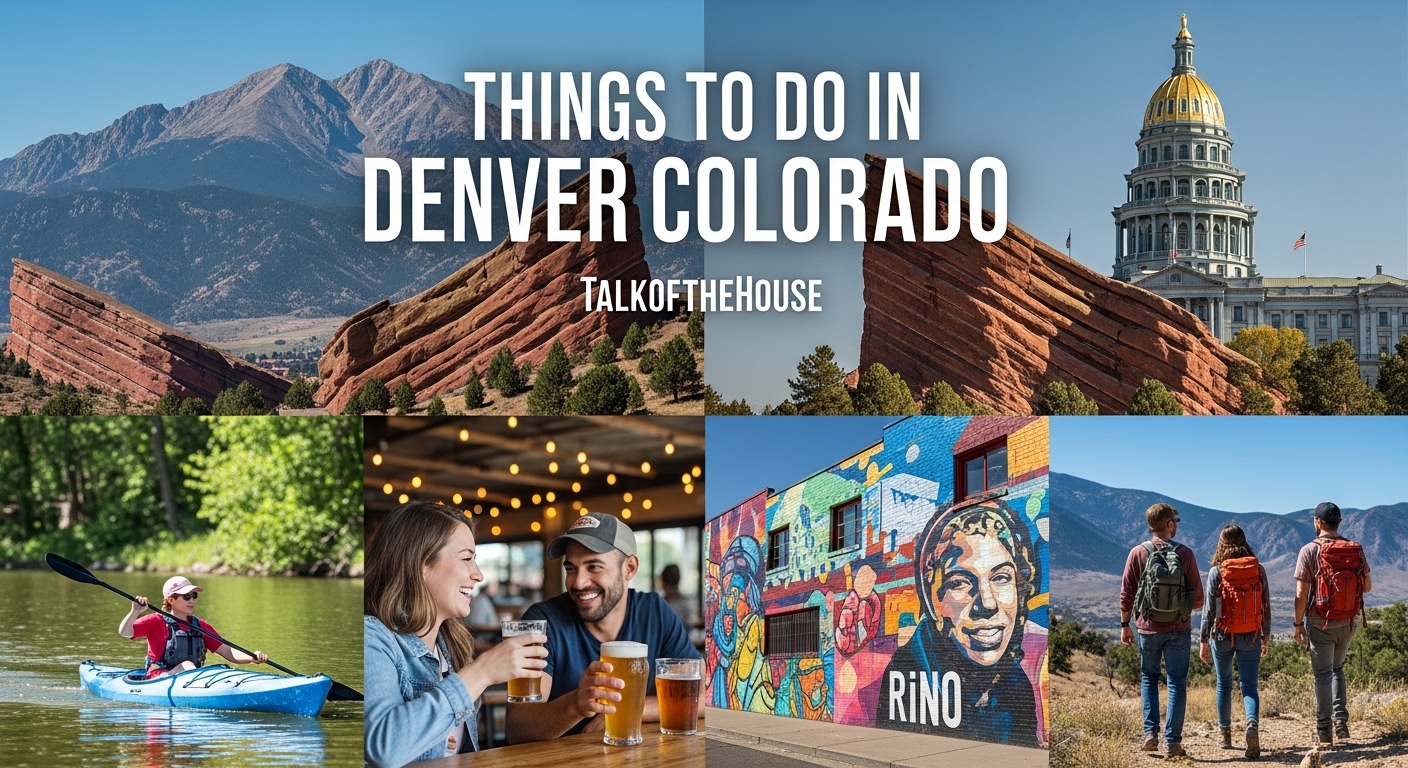
Denver sits exactly one mile above sea level, earning its nickname the Mile High City. This elevation gives the Colorado capital a unique character where urban sophistication meets mountain adventure. Whether you are planning a weekend getaway or an extended stay, there are countless things to do in Denver Colorado that blend craft beer culture, world-class museums, historic neighborhoods, and outdoor recreation.
I spent a full week exploring Denver last summer, and I quickly learned why locals love calling this place home. The city offers 300 days of sunshine annually, creating perfect conditions for patio dining, park picnics, and rooftop bar hopping. You can start your morning with a hike in the foothills, browse contemporary art galleries in the afternoon, and catch a live show at a legendary music venue by night.
This guide covers everything from iconic attractions like Red Rocks Amphitheatre to hidden neighborhood gems that locals treasure. I have organized the recommendations by interest and travel style, so you can build an itinerary that matches your priorities. Whether you are a solo traveler, couple, family, or group of friends, Denver delivers experiences that create lasting memories.
Table of Contents
What You Should Not Miss in Denver
Visitors often ask what they absolutely cannot skip during their first Denver trip. Based on my experience and countless conversations with locals, here are the essential experiences that define a Mile High City visit.
- Watch sunrise at Red Rocks Amphitheatre — Even without a concert ticket, this natural amphitheater offers stunning views and excellent hiking trails just 15 miles from downtown.
- Explore Union Station — This beautifully restored 1914 train station serves as Denver’s living room, featuring restaurants, bars, shops, and a boutique hotel.
- Wander through Larimer Square — Denver’s oldest and most charming block features historic buildings, string lights, and excellent dining options.
- Visit the Denver Art Museum — The Hamilton Building’s bold architecture houses an impressive collection including Western American art and contemporary exhibitions.
- Tour the Colorado State Capitol — Free guided tours take you to the dome for panoramic city views, and you can stand exactly one mile above sea level on the western steps.
- Experience Meow Wolf Convergence Station — This mind-bending immersive art installation offers four floors of surreal, interactive storytelling unique to Denver.
Each of these attractions showcases a different facet of Denver’s personality. Together, they provide a well-rounded introduction to what makes this city special.
2026 Top Attractions in Denver
Denver’s attraction lineup spans natural wonders, cultural institutions, historic landmarks, and modern entertainment venues. Here are the destinations that deserve a spot on your itinerary.
Red Rocks Park and Amphitheatre — The Number One Attraction
Red Rocks Amphitheatre stands as Denver’s most iconic attraction and one of the world’s most famous music venues. The naturally formed amphitheater seats 9,525 people between two massive 300-foot sandstone monoliths. Even when no concerts are scheduled, visitors flock here for sunrise yoga, hiking the Trading Post Trail, and photographing the dramatic rock formations against Colorado’s famous blue sky.
The venue hosts approximately 150 shows annually, spanning every genre from classical to electronic dance music. I attended a show there in 2026, and the acoustics truly live up to the hype. The sound bounces perfectly off the rocks, creating an intimate connection between artist and audience. Arrive early to explore the Colorado Music Hall of Fame and the visitor center, which details the geological and musical history of this remarkable place.
Union Station — Denver’s Living Room
Denver Union Station represents one of the country’s most successful historic preservation projects. The Beaux-Arts building reopened in 2014 after a $54 million renovation that transformed it from a neglected transit hub into the vibrant heart of Lower Downtown. Today it functions as both a working train station and a social destination with restaurants, bars, a boutique hotel, and rotating art installations.
Spend an afternoon here enjoying a craft cocktail at the Terminal Bar, browsing the Tattered Cover bookstore outpost, or simply people-watching from the grand hall’s leather sofas. The station serves as the starting point for many Denver tours and connects directly to the A-Line train to Denver International Airport. During my visit, I found myself returning to Union Station multiple times simply to absorb its energetic yet relaxed atmosphere.
Denver Art Museum — A Visual Masterpiece
The Denver Art Museum houses over 70,000 works across two architecturally striking buildings. The Hamilton Building, designed by Daniel Libeskind, features a jagged titanium exterior that has become a downtown landmark. Inside, the collection emphasizes Western American art, contemporary pieces, and Indigenous art of North America, including one of the most significant collections of Native American art in the world.
I spent an entire morning here and still did not see everything. The museum offers excellent family programming, including the popular Create-n-Take stations where children can make art inspired by current exhibitions. Admission is free for Colorado residents on select Saturdays and for everyone under 18. Plan at least two hours to explore the highlights, though art enthusiasts could easily fill a full day.
Meow Wolf Convergence Station
Meow Wolf Convergence Station brought the Santa Fe-based immersive art collective’s unique vision to Denver in 2021. This four-story permanent installation occupies 90,000 square feet in the Sun Valley neighborhood. Visitors enter a sci-fi narrative about interdimensional travel and discover a labyrinth of rooms, portals, and interactive elements that blur the line between art gallery and fantasy world.
The experience defies simple description. You might crawl through a refrigerator into a neon-lit alternate dimension, explore a forest made of recycled materials, or discover hidden clues that piece together the overarching story of the Catastrophe. Allow at least three hours for your first visit. Tickets range from $35-$59 depending on day and time, with discounts for Colorado residents on select dates.
Colorado State Capitol
The Colorado State Capitol building offers free guided tours that reveal both state history and architectural details. The most popular stop is the dome observation deck, reached by climbing 99 steps for 360-degree views of Denver’s skyline and the Rocky Mountains beyond. The building’s exterior features Colorado white granite, and the distinctive gold dome commemorates the Colorado Gold Rush.
On the western steps, you will find the “Mile High Step” marked exactly 5,280 feet above sea level. This makes for a classic Denver photo opportunity. Tours run weekdays and reservations are recommended, especially during summer months when demand peaks.
Larimer Square
Larimer Square holds the distinction of being Denver’s oldest commercial block, with buildings dating to the 1860s. The entire block is designated a historic district and features beautifully restored Victorian architecture. String lights crisscross above the pedestrian-friendly street, creating a magical atmosphere after sunset.
Today Larimer Square houses upscale boutiques, chef-driven restaurants, and craft cocktail bars. It is an ideal spot for dinner before a show or a leisurely afternoon of window shopping. The square hosts various events throughout the year, including a popular Valentine’s Day market and summer wine walks.
Denver Neighborhoods to Explore
Denver’s distinct neighborhoods each offer their own character, attractions, and local favorites. Exploring these areas on foot reveals the city’s true personality beyond the tourist hotspots.
River North Art District (RiNo)
RiNo has transformed from an industrial warehouse district into Denver’s most dynamic arts neighborhood. The area overflows with colorful street art and murals covering nearly every building surface. First Friday Art Walk draws thousands of visitors monthly to gallery openings, food trucks, and live music.
The Central Market anchors the food scene with eight artisan vendors under one roof. I spent an afternoon here sampling local cheeses, craft coffee, and wood-fired pizza while watching the neighborhood buzz with creative energy. After dark, RiNo offers excellent breweries, rooftop bars, and the Mission Ballroom concert venue.
Lower Downtown (LoDo)
LoDo centers on the historic district surrounding Union Station and Coors Field. The neighborhood features some of Denver’s best-preserved Victorian buildings, now housing restaurants, sports bars, and boutique shops. Baseball fans flock here during Colorado Rockies home games, creating an electric atmosphere along Blake Street.
During my visit, I found LoDo ideal for evening entertainment. The concentration of bars and restaurants within walking distance of each other makes bar-hopping easy and safe. Larimer Street and Market Street form the main entertainment corridors, with options ranging from craft cocktail lounges to casual brewpubs.
Cherry Creek
Cherry Creek represents Denver’s upscale shopping and dining destination. The Cherry Creek Shopping Center houses luxury brands and department stores, while the surrounding neighborhood features independent boutiques, art galleries, and highly rated restaurants. The tree-lined streets and pedestrian-friendly design encourage leisurely exploration.
Foodies should prioritize the Cherry Creek North dining scene, where local chefs have established acclaimed restaurants spanning global cuisines. The neighborhood also connects to the Cherry Creek Trail, a paved path perfect for walking, running, or biking through the city.
Capitol Hill
Capitol Hill sits adjacent to downtown and offers Denver’s most eclectic, bohemian atmosphere. The neighborhood centers on Colfax Avenue, once called the longest continuous commercial street in America. Victorian mansions, vintage shops, music venues, and diverse restaurants create a neighborhood that feels distinctly different from the polished downtown core.
I found Capitol Hill perfect for vintage shopping and discovering local coffee culture. The neighborhood hosts numerous music venues including the Fillmore Auditorium and Ogden Theatre, drawing national touring acts regularly. It is also home to the Molly Brown House Museum, commemorating the Titanic survivor and Denver philanthropist.
Outdoor Activities and Parks
Denver’s location at the foot of the Rocky Mountains provides unparalleled access to outdoor recreation. Even within city limits, green spaces and trails offer escapes into nature.
City Park
City Park spans 330 acres in east-central Denver and houses both the Denver Zoo and the Denver Museum of Nature and Science. The park features two lakes, jogging paths, picnic areas, and spectacular views of downtown framed by the mountains. On weekends, locals gather for fitness classes, family picnics, and paddle boating on Ferril Lake.
I visited on a Sunday morning and joined locals watching the sunrise over the lake while runners and cyclists circled the perimeter. The park offers a quintessential Denver experience: urban amenities with mountain backdrop views. Free summer concerts at the City Park Jazz series draw thousands for picnics and live music.
Washington Park
Locals affectionately call it “Wash Park,” and this 165-acre space ranks as Denver’s most beloved neighborhood park. Two lakes, flower gardens modeled after George Washington’s Mount Vernon estate, and a 2.6-mile running path make it a daily destination for active residents. The park’s expansive green lawns host volleyball games, frisbee, and sunbathers during summer months.
One unique experience I discovered: surrey bike rentals available near the boathouse. These four-wheeled, pedal-powered vehicles accommodate up to six people and provide a hilarious, bonding activity for groups. The park also connects to the South Platte River Trail system for longer bike rides.
Cherry Creek Trail
The Cherry Creek Trail runs 40 miles from downtown Denver through suburban areas, following the waterway that gave the trail its name. Within Denver city limits, the paved path accommodates cyclists, runners, and walkers while winding through parks and urban areas. The downtown section offers particularly scenic views of the skyline.
I rented a bike and rode the downtown section one afternoon, stopping at Confluence Park where Cherry Creek meets the South Platte River. The trail connects to numerous neighborhoods and attractions, making it practical for transportation as well as recreation. B-Cycle bike-share stations throughout the city make accessing the trail convenient for visitors without rental cars.
Mount Blue Sky Scenic Byway
Formerly known as the Mount Evans Scenic Byway, this road climbs to 12,183 feet making it the highest paved road in North America. The 28-mile drive from Idaho Springs offers alpine scenery, wildlife viewing opportunities, and hiking trail access. Mountain goats and bighorn sheep frequently appear near the summit parking area.
Note that this road typically opens Memorial Day through Labor Day, weather permitting. The high altitude requires acclimatization, and temperatures at the summit can be 30 degrees cooler than Denver. Even if you do not hike, the drive itself provides unforgettable Rocky Mountain views.
Museums and Cultural Experiences
Denver’s cultural institutions range from world-class art museums to quirky, only-in-Colorado attractions. The city’s Scientific and Cultural Facilities District provides funding that keeps many museums accessible and well-maintained.
Denver Museum of Nature and Science
The Denver Museum of Nature and Science stands as one of the largest natural history museums in the western United States. Permanent exhibits include Egyptian mummies, dinosaur skeletons, a planetarium, and an IMAX theater. The Gems and Minerals Hall showcases Colorado’s mining heritage with stunning specimens from around the world.
Families particularly appreciate the hands Discovery Zone for children and the prehistoric journey exhibit featuring animatronic dinosaurs. The museum’s location in City Park means you can combine your visit with zoo admission or outdoor time. SCFD Free Days offer complimentary admission several times annually.
History Colorado Center
The History Colorado Center tells the story of Colorado’s past through interactive, engaging exhibits rather than static displays. Visitors can ride a virtual ski jump, operate a silver mine elevator, and experience a Dust Bowl storm simulation. The museum effectively balances educational content with entertainment value.
I found the exhibits on Colorado’s indigenous history and the Chicano civil rights movement particularly informative. The building itself features a modern design with a rooftop terrace offering mountain views. Located near the State Capitol, it pairs naturally with a Capitol tour for a history-focused morning.
Denver Botanic Gardens
The Denver Botanic Gardens spans 24 acres in the Cheesman Park neighborhood and features themed gardens showcasing plants from various climates and regions. The Japanese Garden offers peaceful contemplation, while the Tropical Conservatory houses exotic plants in a climate-controlled dome. The gardens host summer concerts, plant sales, and holiday light displays.
York Street location serves as the main campus, with a second location at Chatfield Farms featuring a working farm and prairie restoration. The gardens demonstrate how Denver’s semi-arid climate supports surprisingly diverse plant life. I visited during summer bloom season and found the fragrances and colors intoxicating.
Denver’s Food and Drink Scene
Denver has evolved into a serious food destination, with award-winning chefs, innovative restaurants, and one of the country’s most dynamic craft beer scenes. The city’s culinary landscape reflects its Western heritage while embracing global influences.
Craft Brewery Culture
Denver claims more breweries per capita than any other major American city. The Great American Beer Festival, held annually in Denver, draws brewers and enthusiasts from across the country. Neighborhoods like RiNo and LoDo feature brewery clusters where you can walk between tasting rooms.
Notable stops include Great Divide Brewing Company in LoDo, Crooked Stave Artisan Beer Project in the Source Market Hall, and Denver Beer Company in the Highlands. Many breweries offer food menus or allow outside food, creating casual dining environments. I recommend the Denver Microbrew Tour, a guided walking tour that combines beer tasting with neighborhood history.
Food Halls and Markets
Denver’s food hall trend has created gathering places where multiple vendors operate under one roof. The Source in RiNo combines artisan food vendors with retail in a restored 1880s foundry building. Denver Central Market on Larimer Street offers prepared foods, fresh ingredients, and dining counters serving everything from sushi to wood-fired pizza.
Stanley Marketplace in the nearby Aurora neighborhood represents another food hall success story. Located in a former aviation manufacturing building, it houses restaurants, bars, boutiques, and a brewery. I found myself returning to Stanley multiple times for the diverse options and lively atmosphere.
Dining Districts
Denver’s dining scene clusters in distinct neighborhoods, each with its own personality. The Highlands neighborhood features innovative restaurants along 32nd Avenue, while South Broadway offers eclectic, affordable options. Cherry Creek North houses upscale dining, and RiNo combines industrial chic with culinary creativity.
Farmers markets operate throughout the city from May through October, with the Cherry Creek Fresh Market and Union Station Farmers Market ranking among the largest. These markets showcase Colorado produce and provide opportunities to meet local farmers and food producers.
Day Trips from Denver
Denver’s location makes it an ideal base for exploring Colorado’s mountain towns, national parks, and outdoor recreation areas. These day trips add variety to your urban exploration and showcase why Colorado attracts outdoor enthusiasts from around the world.
Rocky Mountain National Park
Rocky Mountain National Park sits just 90 minutes from downtown Denver and offers alpine lakes, wildlife viewing, and hiking trails suitable for all skill levels. The park’s Trail Ridge Road, typically open late May through October, climbs to 12,183 feet and provides sweeping mountain vistas.
I made the drive on a Tuesday morning and arrived early enough to beat the crowds. The Bear Lake area offers easy walks to scenic lakes, while more ambitious hikers can tackle Longs Peak or the Keyhole Route. Entry requires a timed reservation during peak summer months, so plan ahead. Estes Park, the gateway town to the park, offers restaurants, shopping, and accommodations if you decide to extend your visit.
Golden, Colorado
Golden lies just 20 minutes west of Denver at the foot of the foothills. This charming town served as the territorial capital before Denver and maintains a historic downtown along Clear Creek. The Coors Brewery offers tours including samples, while the Colorado School of Mines Geology Museum houses an impressive mineral collection.
Clear Creek runs through town and attracts kayakers, tubers, and sunbathers during summer months. The downtown Washington Avenue corridor features restaurants, shops, and the famous Buffalo Rose music venue. Golden makes an easy half-day trip that feels worlds away from Denver’s urban energy.
Boulder, Colorado
Boulder sits 30 miles northwest of Denver and offers a distinctively different mountain town experience. The pedestrian Pearl Street Mall serves as downtown’s heart, featuring street performers, boutiques, and restaurants under the shadow of the Flatiron rock formations. The University of Colorado campus adds youthful energy and cultural programming.
Outdoor enthusiasts can hike the Chautauqua Park trails leading directly into the Flatirons. The Celestial Seasonings Factory Tour offers free tastings of their famous herbal teas. Boulder Creek Path provides a scenic walking and biking route through town. I found Boulder more compact and walkable than Denver, making it ideal for a relaxed day of exploration.
Mount Blue Sky and Idaho Springs
Idaho Springs, located 45 minutes west of Denver on I-70, serves as the gateway to Mount Blue Sky and offers its own attractions. The historic mining town features the Argo Mill and Tunnel tour, where visitors learn about Colorado’s gold rush history. Beau Jo’s Pizza serves Colorado-style mountain pies with honey for crust dipping.
Indian Hot Springs provides geothermal pools for soaking after a day of hiking or skiing. The Mount Blue Sky Scenic Byway begins here, climbing to the highest paved road in North America. This route pairs perfectly with a stop at the aforementioned Red Rocks Park on your return to Denver.
Free Things to Do in Denver
Denver offers numerous free attractions that provide authentic local experiences without spending money. Budget-conscious travelers can fill several days with complimentary activities.
Free Attractions and Activities
- Red Rocks Park — Visit outside of concert times for free hiking, photography, and exploration of the amphitheater and visitor center.
- Colorado State Capitol Tours — Free guided tours include access to the dome observation deck with panoramic views.
- First Friday Art Walks — Monthly gallery openings in RiNo, Santa Fe Art District, and Golden Triangle feature free art, music, and refreshments.
- SCFD Free Days — The Scientific and Cultural Facilities District sponsors free admission days at museums throughout the year. Check the SCFD website for the current calendar.
- Denver Art Museum — Free for everyone under 18 and Colorado residents on select Saturdays.
- United States Mint — Free tours of the Denver Mint require advance reservations but offer fascinating insights into coin production.
- Hammond’s Candies Factory Tour — Free tours show how this Denver institution creates handmade candy canes and ribbon candy.
- City Park and Washington Park — Both offer free entry with walking paths, lakes, and mountain views.
- 16th Street Mall — Free MallRide shuttle connects Union Station to Civic Center along this pedestrian transit mall.
- Cherry Creek Trail — Free walking and biking along 40 miles of paved urban trail.
I structured several of my Denver days around these free attractions and found them just as rewarding as paid experiences. The First Friday Art Walk in particular offered authentic local culture without any cost beyond what I chose to spend at food trucks.
Best Time to Visit Denver
Denver’s 300 annual days of sunshine and semi-arid climate make it appealing year-round, but each season offers distinct advantages and considerations.
Spring (March to May)
Spring brings mild temperatures and the highest chance of precipitation, though Denver’s “rain” often manifests as brief afternoon showers. Wildflowers begin blooming in lower elevation parks by May. Hotel rates remain reasonable before summer peak season begins. March and April can still bring significant snowstorms followed by rapid melting.
Summer (June to August)
Summer offers warm, dry days with temperatures typically reaching the 80s and 90s Fahrenheit. Cool evenings make outdoor dining and rooftop bars particularly pleasant. This is peak tourist season, meaning higher hotel rates and more crowded attractions. Afternoon thunderstorms are common but brief. All mountain roads and trails are fully accessible.
Fall (September to November)
Fall brings comfortable temperatures, fewer crowds, and golden aspen trees in the mountains. September often delivers the year’s most reliable pleasant weather. Hotel rates drop after Labor Day. By November, mountain snow begins and some high-altitude attractions close for the season.
Winter (December to February)
Winter in Denver is milder than many expect, with daytime temperatures often reaching the 40s and 50s. Snow falls regularly but melts quickly in the city. Nearby ski resorts are 60-90 minutes away, making Denver an affordable base for ski vacations. Hotel rates are lowest in January and February. Indoor attractions like museums and breweries offer warm retreats.
I visited in July and found the weather ideal for outdoor activities, though afternoon thunderstorms required flexibility in planning. If I returned, I would consider September for the ideal combination of weather, accessibility, and reduced crowds.
Practical Tips for Your Denver Visit
These practical insights will help you navigate Denver efficiently, save money, and make the most of your time in the Mile High City.
Getting Around
Denver’s RTD public transit system includes buses and light rail lines connecting downtown, neighborhoods, and the airport. The A-Line train runs directly from Denver International Airport to Union Station in 37 minutes for $10.50. The free MallRide shuttle serves the 16th Street Mall pedestrian corridor.
Downtown and many neighborhoods are walkable, though distances between districts may require transit or rideshare. B-Cycle bike-share stations throughout the city offer convenient cycling options. Red Rocks Amphitheatre requires a car, rideshare, or shuttle service as public transit does not reach the venue.
Altitude Adjustment
Denver’s 5,280-foot elevation affects some visitors, particularly those arriving from sea level. Symptoms can include headache, fatigue, and shortness of breath. Drink more water than usual, limit alcohol intake initially, and pace yourself during physical activity. Symptoms typically resolve within 24-48 hours as your body adapts.
Sunscreen is essential at this elevation regardless of temperature. The thinner atmosphere provides less UV protection, making sunburns happen faster than at lower elevations. I learned this lesson after a two-hour park walk left me sunburned despite comfortable temperatures.
Money-Saving Strategies
- Visit during shoulder season (April-May or September-October) for lower hotel rates and smaller crowds.
- Take advantage of SCFD Free Days at museums and cultural institutions.
- Utilize the free MallRide shuttle along the 16th Street Mall instead of rideshares for downtown transport.
- Pack a picnic for City Park or Washington Park rather than dining out for every meal.
- Check for combined attraction passes if visiting multiple paid attractions.
- Book accommodations in neighborhoods outside downtown for better rates while remaining transit-accessible.
Solo Traveler Tips
Denver works exceptionally well for solo travelers. The food hall culture means you can enjoy diverse dining without the awkwardness of dining alone at formal restaurants. Brewery taprooms foster social environments where striking up conversations feels natural. Walking tours provide structured social interaction while exploring.
Neighborhoods like RiNo and LoDo feel safe and active during evening hours, though standard urban awareness applies. The hostel scene is limited compared to coastal cities, but budget hotels and Airbnb options are plentiful. I traveled solo for portions of my trip and never felt isolated or unsafe.
Pet-Friendly Options
Denver loves dogs, and many establishments welcome four-legged visitors. Off-leash dog parks are numerous, with Cherry Creek State Park’s 107-acre dog area being the most impressive. Many brewery patios allow dogs, and some restaurants offer dog menus. City Park and Washington Park permit leashed dogs throughout. Always carry water for your dog, as the altitude and dry climate increase hydration needs.
Frequently Asked Questions
What should I not miss in Denver?
The absolute must-see attractions include sunrise at Red Rocks Amphitheatre, exploring Union Station, walking through Larimer Square, visiting the Denver Art Museum, touring the Colorado State Capitol, and experiencing Meow Wolf Convergence Station. Each offers a distinct perspective on Denver’s culture, history, and creativity.
What is the number one attraction in Denver?
Red Rocks Park and Amphitheatre ranks as Denver’s most iconic attraction. This natural amphitheater formed between 300-foot sandstone monoliths hosts world-class concerts and offers free hiking, sunrise viewing, and visitor center exploration even when no shows are scheduled. It represents the perfect intersection of natural beauty and cultural significance that defines Denver.
What to do in 3 days in Denver?
Day 1: Focus on downtown attractions including Union Station, Larimer Square, the Colorado State Capitol, and the 16th Street Mall. Day 2: Visit Red Rocks Amphitheatre in the morning, then explore RiNo Art District for street art, galleries, and dining. Day 3: Choose between museum day (Denver Art Museum, Museum of Nature and Science) or a day trip to Rocky Mountain National Park, Golden, or Boulder.
What is Denver most popular for?
Denver is famous for being the Mile High City, sitting exactly one mile above sea level. It is known for its 300 days of annual sunshine, craft beer culture with more breweries per capita than any major US city, Red Rocks Amphitheatre, immediate access to Rocky Mountain outdoor recreation, and a unique blend of urban amenities with mountain lifestyle.
Is Denver worth visiting?
Denver is absolutely worth visiting for travelers who appreciate craft beer culture, outdoor recreation, live music, and mountain scenery combined with urban amenities. The city offers distinct seasons, world-class museums, excellent dining, and serves as a gateway to Colorado’s mountain adventures. Both city-focused visitors and outdoor enthusiasts find plenty to justify a multi-day stay.
How many days do I need in Denver?
Three to four days allows enough time to experience Denver’s major attractions, explore multiple neighborhoods, and potentially take one day trip to the mountains. A two-day visit covers the highlights but feels rushed. A week permits deeper exploration including multiple day trips and a more relaxed pace.
Conclusion
Denver delivers a rare combination of cosmopolitan culture and outdoor adventure that few American cities can match. From sunrise at Red Rocks to craft beer tasting in RiNo, from world-class museums to mountain day trips, there are things to do in Denver Colorado that appeal to virtually every travel style and interest.
I left Denver after my week-long visit already planning a return trip. The city revealed itself in layers: first the obvious attractions, then the neighborhood gems, then the local rhythms that make this place genuinely livable. Whether you have three days or two weeks, Denver rewards curiosity and exploration.
Start planning your Denver adventure today. Book that Red Rocks concert ticket, reserve your Meow Wolf time slot, and prepare to discover why the Mile High City continues attracting visitors who often become residents. Denver in 2026 awaits your arrival.