
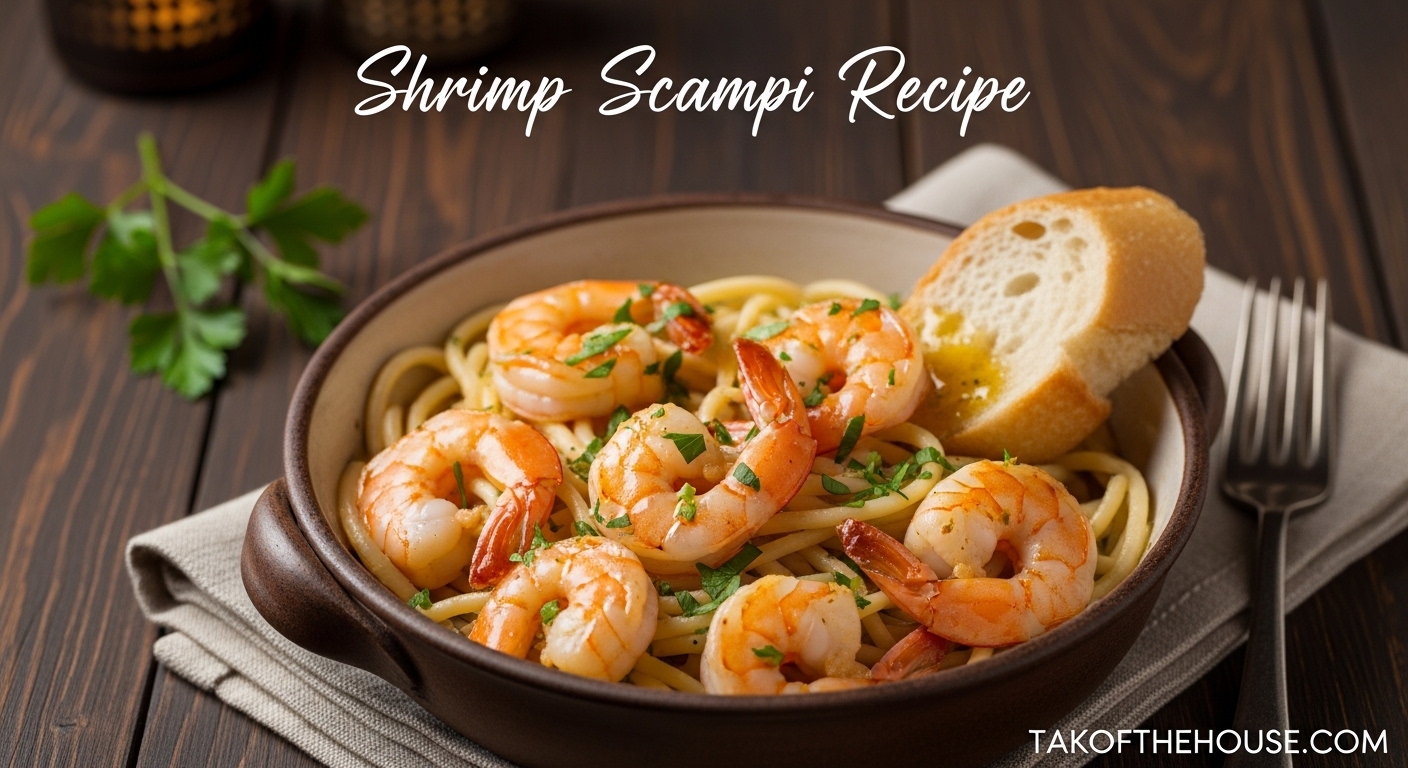
This shrimp scampi recipe has saved me more times than I can count. Whether it is a busy Tuesday night or unexpected guests arrive on Saturday, I can have a restaurant-quality dinner on the table in about 15 minutes. The combination of garlicky butter, bright lemon, and tender shrimp creates something that feels special without requiring hours in the kitchen.
I have tested dozens of variations over the years, and this is the method that consistently delivers the best results. The secret lies in a few specific techniques that prevent the common pitfalls of rubbery shrimp, burned garlic, and thin sauce. Once you master these basics, you will make this shrimp scampi recipe on repeat.
Table of Contents
What Is Shrimp Scampi
Shrimp scampi is a classic Italian-American dish that originated as a way to prepare langoustines (small lobsters called scampi in Italian) with garlic and butter. American cooks adapted the preparation using shrimp, and the dish became a staple of Italian restaurants across the United States.
Traditional shrimp scampi features large shrimp cooked quickly in a mixture of butter and olive oil, then tossed in a sauce made from garlic, white wine, lemon juice, and parsley. The sauce is light but intensely flavored, coating the shrimp and whatever you serve it with. Most people enjoy it over pasta, but it pairs equally well with crusty bread, rice, or vegetables.
Ingredients You Will Need
The beauty of this shrimp scampi recipe is its simplicity. You need just a handful of quality ingredients:
- 1.5 pounds large shrimp (16-20 count), peeled and deveined
- 3 tablespoons unsalted butter, divided
- 2 tablespoons extra-virgin olive oil
- 4-5 garlic cloves, minced
- Half cup dry white wine (Sauvignon Blanc or Pinot Grigio work well)
- 2 tablespoons fresh lemon juice (about 1 lemon)
- Quarter teaspoon red pepper flakes
- Quarter cup fresh parsley, chopped
- Salt and black pepper to taste
Fresh or frozen shrimp: Both work beautifully here. If using frozen, thaw them overnight in the refrigerator or place them in a bowl of cold water for 15 minutes. I prefer wild-caught shrimp when available, but any quality raw shrimp will produce excellent results.
Wine substitutions: If you prefer not to use wine, substitute with low-sodium chicken broth plus 1 teaspoon of white wine vinegar or lemon juice for acidity. Some cooks use shrimp bouillon dissolved in water for extra seafood flavor. Avoid “cooking wine” from the grocery store, as it contains salt and preservatives that affect the taste.
Why the butter and oil combination matters: Using both butter and olive oil serves two purposes. The oil raises the smoke point, preventing the butter from burning when you sear the shrimp. The butter contributes rich flavor and helps emulsify the sauce. This combination is crucial for achieving that golden sear without burned garlic or bitter butter.
How to Make Shrimp Scampi
Follow these steps for perfect results every time. Total cooking time is approximately 10 minutes once you start, so have everything prepped and ready before you turn on the stove.
Step 1: Prep the Shrimp
Pat the shrimp completely dry with paper towels. This is non-negotiable for getting a proper sear. Wet shrimp steam instead of sear, resulting in less flavor and texture. If you want to add extra depth, toss the dried shrimp with a pinch of salt and let them sit for 10 minutes while you prep other ingredients.
Step 2: Sear the Shrimp
Heat 1 tablespoon of butter and all the olive oil in a large non-reactive skillet (stainless steel or non-stick) over medium-high heat. When the butter stops foaming and just begins to turn golden, add the shrimp in a single layer. Work in batches if necessary to avoid crowding.
Cook for 1 to 2 minutes per side until the shrimp turn pink and begin to curl into a loose C-shape. They should be opaque throughout with some golden spots. Remove immediately to a plate. They will finish cooking in the sauce later.
Step 3: Build the Garlic Butter Base
Reduce heat to medium. Add the remaining 2 tablespoons of butter to the pan. Once melted, add the minced garlic and red pepper flakes. Sauté for 30 to 45 seconds until fragrant. Watch carefully, garlic burns quickly and becomes bitter.
Step 4: Create the Wine Sauce
Pour in the white wine, scraping up any browned bits from the bottom of the pan with a wooden spoon. These bits add tremendous flavor. Let the wine simmer and reduce by half, about 3 to 4 minutes. The sauce should thicken slightly and smell incredible.
Step 5: Finish with Lemon and Cold Butter
Remove the pan from heat. Stir in the lemon juice and half the parsley. Here is the technique that elevates this sauce: cut 1 tablespoon of cold butter into small cubes and whisk it into the warm sauce one piece at a time. This cold butter method, similar to making a beurre blanc, creates a velvety, emulsified sauce that coats the shrimp beautifully rather than pooling at the bottom of the plate.
Step 6: Combine and Serve
Return the shrimp and any accumulated juices to the pan. Toss gently to coat with the sauce. Taste and adjust seasoning with salt and pepper. The residual heat will finish cooking the shrimp perfectly. Serve immediately, sprinkled with remaining parsley.
Chef’s Tips for Perfect Shrimp Scampi
After making this dish countless times, I have identified the techniques that make the difference between good and great results.
Master the Butter and Oil Balance
The combination of butter and olive oil is not just about flavor. It is about control. Butter alone burns at around 350 degrees Fahrenheit, while olive oil handles higher heat. Together, they let you achieve the golden sear that adds depth to the dish without any burned taste. Do not skip either one.
Know When Shrimp Are Done
Overcooked shrimp become rubbery and unpleasant. Look for these signs of perfectly cooked shrimp: they curl into a loose C-shape (not a tight O), they turn from gray-blue to pink, and the flesh becomes opaque rather than translucent. When in doubt, remove them slightly early. They will finish cooking in the warm sauce.
Marinate for Extra Flavor
For deeper flavor, toss the dried shrimp with a mixture of 1 teaspoon lemon zest, 2 minced garlic cloves, and a pinch of salt. Let them marinate for 15 to 30 minutes before cooking. This technique, which I learned from a chef friend, infuses the shrimp itself with flavor rather than just relying on the sauce.
Choose the Right Pan
Use a non-reactive skillet such as stainless steel or non-stick. Avoid cast iron or aluminum, which can react with acidic ingredients like wine and lemon juice, creating off-flavors and discoloration. A 12-inch skillet gives you enough room to sear properly.
Use Real Wine, Not Cooking Wine
Cooking wine contains salt and preservatives that affect both flavor and texture. Use a dry white wine you would happily drink. Sauvignon Blanc and Pinot Grigio are my go-to choices. The wine should taste crisp and not overly sweet.
Build the Sauce in the Right Order
The sequence matters. Sear shrimp first while the pan is hot, then build the sauce in the same pan using the fond (those browned bits). Add garlic after reducing heat, then wine, then finish off-heat with lemon and cold butter. This order prevents burning while building maximum flavor.
Common Mistakes to Avoid
Even experienced home cooks run into trouble with shrimp scampi. Here are the most common errors and how to prevent them.
Overcooking the shrimp: This is the number one complaint I see in recipe comments. Shrimp cook in 1 to 2 minutes per side. Set a timer if needed. Remember they continue cooking from residual heat after you remove them from the pan.
Burning the garlic: Garlic goes from golden to burned in seconds. Keep the heat at medium when sautéing garlic, and have your wine ready to pour immediately if the garlic starts browning too quickly.
Using wet shrimp: Patting shrimp dry seems like a small step, but it makes a huge difference in browning and flavor development. Do not skip it.
Skipping the lemon finish: The acid from fresh lemon juice brightens the entire dish and balances the richness of the butter. Bottled lemon juice does not provide the same fresh quality.
Not making enough sauce: If serving over pasta or rice, the dish needs more sauce than you might expect. The pasta absorbs sauce quickly. This recipe as written provides adequate sauce for a pound and a half of shrimp and 12 ounces of pasta.
Serving Suggestions
Shrimp scampi is versatile and pairs well with many sides. Here are my favorite ways to serve it.
Over pasta: The classic presentation. Linguine and angel hair are traditional choices, but any long pasta works well. Toss the cooked pasta directly with the shrimp and sauce so every strand gets coated.
With crusty bread: For a lighter meal or impressive appetizer, serve the shrimp in a shallow bowl with plenty of sauce and a loaf of warm crusty bread for dipping. Ciabatta or a baguette are perfect choices.
Low-carb options: Serve over zucchini noodles (zoodles), cauliflower rice, or steamed spaghetti squash for a keto-friendly meal that does not sacrifice flavor. The sauce is rich enough to satisfy without the pasta.
With vegetables: Pair with roasted asparagus, steamed broccoli, or a simple green salad with lemon vinaigrette for a complete, balanced meal.
Storage and Reheating
While shrimp scampi is best enjoyed immediately, leftovers keep well for up to 3 days in an airtight container in the refrigerator.
To reheat, place the shrimp and sauce in a skillet over low heat with a splash of water or broth. Cover and warm gently for 3 to 5 minutes until just heated through. Avoid high heat or the microwave, which will toughen the shrimp further.
I do not recommend freezing shrimp scampi. The texture of cooked shrimp suffers when frozen and thawed, becoming mealy and unpleasant. Make only what you plan to eat within a few days.
FAQs
What are the ingredients for shrimp scampi?
The essential ingredients are shrimp, butter, olive oil, garlic, white wine, lemon juice, red pepper flakes, and fresh parsley. Optional additions include pasta or bread for serving.
Can I make shrimp scampi without wine?
Yes. Substitute low-sodium chicken broth plus 1 teaspoon white wine vinegar or extra lemon juice. Shrimp bouillon dissolved in water also works well for added seafood flavor.
How long should I cook shrimp for scampi?
Cook shrimp for 1 to 2 minutes per side until they turn pink and form a loose C-shape. They should be opaque throughout. Remove them from heat slightly early as they will finish cooking in the warm sauce.
Why is my shrimp scampi rubbery?
Rubbery shrimp indicates overcooking. Shrimp cook very quickly and become tough when exposed to heat too long. Watch for the C-shape curl and pink opaque color as your signal to remove them from the pan.
What is the best wine for shrimp scampi?
Dry white wines like Sauvignon Blanc or Pinot Grigio work best. Avoid sweet wines like Riesling or oaky wines like oaked Chardonnay. Never use cooking wine from the grocery store.
Should I use fresh or frozen shrimp?
Both work well. If using frozen, thaw completely and pat dry before cooking. Wild-caught shrimp often have better flavor and texture than farm-raised, but either will produce good results.
Conclusion
This shrimp scampi recipe delivers restaurant-quality results in your own kitchen with minimal effort and time. The key techniques, using both butter and oil, patting shrimp dry, watching for the C-shape doneness indicator, and finishing with cold butter for a velvety sauce, elevate a simple dish to something truly special.
I encourage you to try this recipe on a weeknight when time is short but you still want something delicious. Once you taste that perfect combination of garlicky butter, bright lemon, and tender shrimp, you will understand why this classic has endured for generations. Keep these techniques in mind, avoid the common mistakes, and you will nail it every time.