
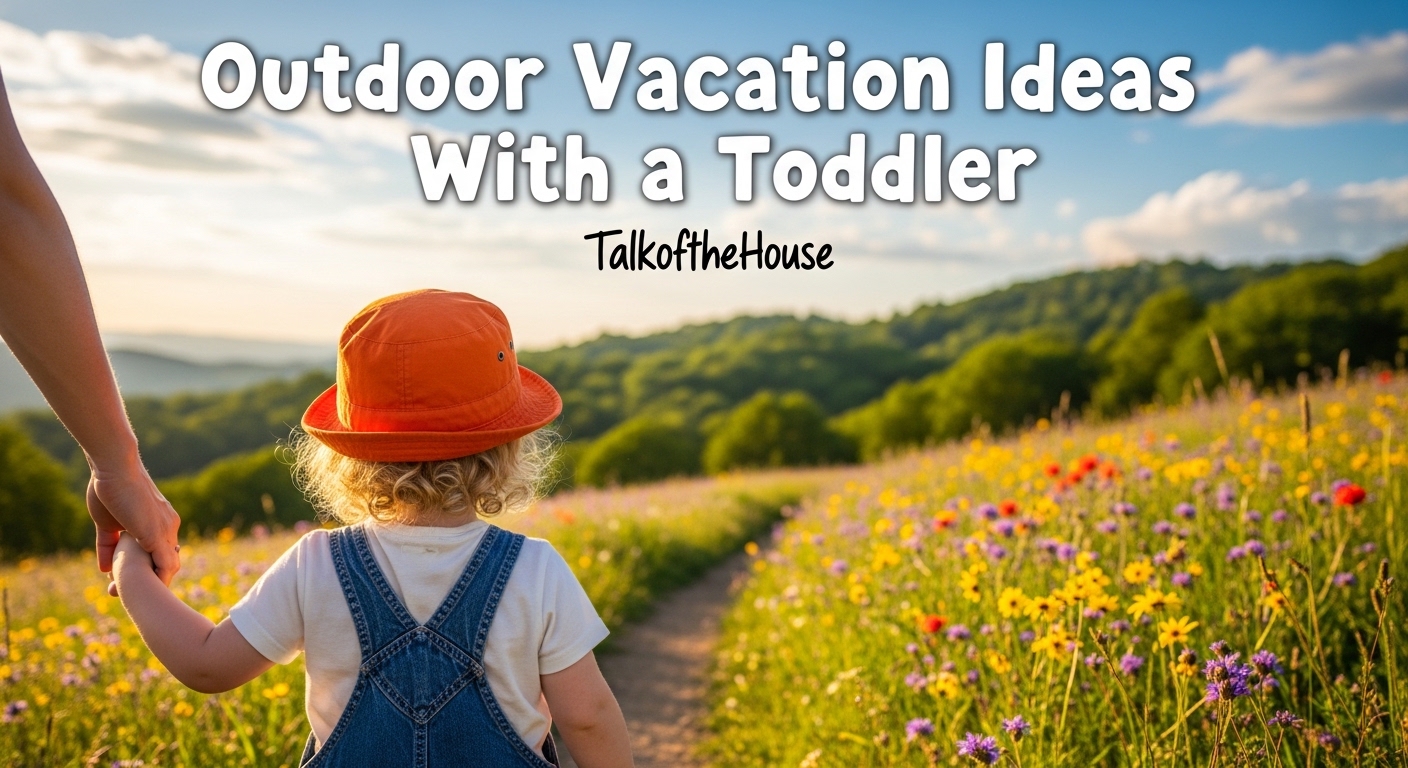
Planning outdoor vacation ideas with a toddler might feel overwhelming at first. I remember standing in my living room surrounded by packing lists, wondering if a hiking trip with an 18-month-old was pure madness. Three years and dozens of family adventures later, I can tell you that exploring nature with your little one creates some of the most precious memories you will ever make.
Toddlers between 1 and 3 years are at the perfect age to discover the outdoors. Their senses are fully awake to every new texture, sound, and color. A simple pinecone becomes a treasure. A shallow stream turns into the best playground they have ever seen.
In this guide, I am sharing everything our family has learned about planning outdoor vacations with toddlers. You will find specific destination recommendations organized by type and region. You will also get age-specific advice that most travel blogs skip over entirely.
Table of Contents
Quick Picks: Best Outdoor Vacation Destinations by Category
Sometimes you just need a straight answer. Here are my top recommendations based on what families actually enjoy with toddlers.
- For National Park Adventures: Yosemite, Great Smoky Mountains, and Acadia offer the best mix of accessible trails and toddler-friendly programs. These parks have paved paths, visitor centers with hands-on exhibits, and Junior Ranger activities designed for the youngest explorers.
- For Beach Lovers: The Gulf Coast of Florida and the Outer Banks in North Carolina provide calm, shallow waters perfect for wading toddlers. San Diego beaches also rank high for their mild weather and clean facilities.
- For Mountain Exploration: Asheville, North Carolina and the surrounding Blue Ridge Mountains offer easy waterfall hikes with big rewards. Big Sky, Montana provides wide open spaces where your toddler can run freely without constant worry about traffic or crowds.
- For First-Time Toddler Travelers: Start with a long weekend at a nearby state park or nature preserve. Build confidence with shorter trips before attempting a full week in an unfamiliar location.
Age-Specific Considerations for Outdoor Toddler Travel
Not all toddlers are the same. A 13-month-old who just started walking has completely different needs than a 3-year-old who can hike a full mile independently. Understanding these developmental stages will save you from frustration and help you pick the right destination.
1 to 2 Years: The Discovery Phase
Young toddlers are sensory sponges. They want to touch bark, throw rocks in water, and examine every leaf they spot on the trail. Their walking endurance is limited to about 15 to 30 minutes on flat ground.
Best activities for this age include short nature walks with a hiking carrier for backup, beach time with constant supervision, visiting petting zoos or farm stays, and exploring botanical gardens with wide pathways.
Choose destinations with minimal driving between activities. At this age, car seat tolerance drops sharply after 45 minutes. All-inclusive resorts or centralized cabin rentals work better than road trip itineraries with multiple hotel changes.
2 to 3 Years: The Independence Phase
Suddenly your toddler wants to walk everywhere themselves. They can handle easier hiking trails up to a mile with breaks. Their attention span stretches to 45 minutes for a focused activity.
This age group loves scavenger hunts, simple geocaching, splashing in creeks, helping set up camp, and collecting natural treasures like shells or pinecones.
You can attempt more ambitious trips at this stage. Multi-stop road trips become manageable. National parks with Junior Ranger programs offer real engagement. Consider destinations with variety so you can switch activities when attention fades.
The Hardest Age to Travel: What Parents Should Know
Every parent in travel forums agrees on one thing. The 18 to 24 month window is universally the toughest age for family trips. Your toddler has enough mobility to demand independence but not enough patience or communication skills to handle disruptions gracefully.
Nap strikes become common at this age. Food preferences narrow dramatically. Sitting still for flights or long drives tests everyone’s sanity.
If you are planning travel during this window, lower your expectations significantly. Choose destinations with short transit times. Prioritize accommodations with separate sleeping spaces so early bedtimes do not trap everyone in a dark hotel room at 7 PM.
National Parks with Toddlers: Where to Start
America’s national parks offer incredible value for families. The America the Beautiful Pass costs $80 for an entire year and covers entrance fees for everyone in your vehicle. Kids under 16 enter free anyway.
Yosemite National Park
Yosemite works surprisingly well for toddlers if you focus on the valley floor. The Lower Yosemite Fall trail is paved, stroller-friendly, and ends at a dramatic waterfall that mesmerizes children.
Swinging Bridge offers shallow, calm water perfect for wading. The valley shuttle buses feel like an adventure ride to young kids. Multiple picnic areas with flat grassy spaces give toddlers room to run safely.
Stay in the park if possible. The Ahwahnee and Yosemite Valley Lodge put you close to activities without constant driving. Even a simple stroll through Cook’s Meadow becomes magical with Half Dome looming in the background.
Great Smoky Mountains National Park
The Smokies offer the most accessible toddler hiking in the entire national park system. Laurel Falls trail is paved and only 2.3 miles round trip. Cades Cove provides a scenic loop where you can spot deer, bears, and wild turkeys from your car between short walking breaks.
Gatlinburg sits right outside the park entrance, giving you backup indoor options like aquariums and Ripley’s attractions when weather turns. The town also has plenty of family-friendly restaurants with quick service.
Spring wildflower season and fall color season get crowded. For toddler travel, consider visiting in late May or early September when crowds thin but weather stays pleasant.
Yellowstone National Park
Yellowstone captures toddler imagination like nowhere else. Geysers, hot springs, and bubbling mud pots look like something from another planet. The boardwalks at Old Faithful and Grand Prismatic keep small children safely contained while they watch nature’s spectacle.
The park’s vast size requires more driving than other destinations. Break up travel days with frequent stops at thermal features. Many pullouts have short boardwalk loops under half a mile.
Wildlife viewing happens right from your car window. Bison jams become exciting events rather than frustrations when you have a toddler pressed against the window in awe.
Grand Canyon: The Easy Way
Skip the grueling rim-to-river hikes. The South Rim’s paved Rim Trail offers 13 miles of flat walking with shuttle stops every mile or two. Mather Point and Yavapai Point provide iconic views without any hiking required.
Desert View Drive offers scenic overlooks where toddlers can spot the Colorado River far below. The Grand Canyon Village has ice cream shops and restaurants for necessary breaks.
Summer temperatures soar above 100 degrees at the rim. Spring and fall visits work better for little ones who heat up quickly and cannot communicate discomfort clearly.
Beach Destinations Perfect for Toddlers
Beach vacations with toddlers offer a simple formula. Sand plus water equals hours of entertainment. The key is choosing beaches with calm, shallow water and nearby amenities for when naps or snacks become urgent.
The Florida Gulf Coast
Siesta Key, Clearwater Beach, and Sanibel Island offer the calmest waters on the Gulf of Mexico. The gradual slope means toddlers can wade 20 feet out and still touch bottom. White sand stays cool even in summer heat.
Many Gulf beaches have gentle surf that does not knock small children over. Condominium rentals with full kitchens make meal preparation easier for picky eaters. Beach gear rentals including umbrellas, chairs, and toys eliminate packing bulk.
Spring break crowds descend in March. For quieter beach time with toddlers, visit in April, May, or late September through October.
The Outer Banks, North Carolina
The Outer Banks combines beach time with rich educational opportunities. Toddlers love climbing the sand dunes at Jockey’s Ridge. The Wright Brothers National Memorial offers wide open spaces for running with historic significance for parents.
Sound-side beaches on the western shore of the barrier islands have calmer water than ocean-side beaches. Duck and Southern Shores offer particularly toddler-friendly sound beaches with gentle waves.
Renting a beach house gives you outdoor showers for rinsing sandy feet, full kitchens, and private outdoor space for post-nap play. Many rental companies offer cribs, high chairs, and baby gates as add-on options.
San Diego, California
San Diego delivers the ideal toddler beach experience. La Jolla Shores has gentle waves, clean sand, and nearby restroom facilities. The tide pools at Shell Beach and Dike Rock provide safe exploration of sea creatures in shallow pools.
Mission Bay offers a sheltered lagoon with no waves at all. Belmont Park has a historic wooden roller coaster and carnival rides for older toddlers. The San Diego Zoo and Safari Park provide world-class backup activities for foggy beach mornings.
The mild climate means beach visits work year-round. Even January afternoons often reach 65 degrees, warm enough for sand play and wading.
Mountain and Forest Retreats for Active Families
Mountains offer cooler summer temperatures and natural playgrounds that do not require manufactured equipment. Forests stimulate imagination with hiding spots, climbing opportunities, and endless natural loose parts for creative play.
Asheville and the Blue Ridge Mountains
Asheville has become a hub for outdoor-loving families. The surrounding mountains offer over 50 accessible waterfalls. Looking Glass Falls requires no hiking at all, just a short walk from the parking area to the base of a 60-foot cascade.
DuPont State Forest provides flat, wide trails leading to multiple waterfalls including the famous triple falls seen in The Hunger Games. Sliding Rock, a natural water slide, entertains brave toddlers with parental assistance.
The city itself offers excellent breweries with outdoor seating and food trucks, plus the Biltmore Estate with its gardens and farm animals. Many cabin rentals sit within 20 minutes of both hiking trails and downtown restaurants.
Big Sky and Bozeman, Montana
Montana offers the wide open spaces that toddlers crave. Big Sky Resort operates summer scenic lift rides to the summit, where wooden boardwalks provide safe exploring at 11,000 feet. The surrounding Gallatin National Forest contains countless easy trails along rivers and meadows.
Bozeman’s Museum of the Rockies has one of the largest dinosaur fossil collections in the world, plus a dedicated children’s exploration area. The city maintains an extensive trail network right from downtown.
Ranch stays in this region offer authentic western experiences with toddler-friendly activities like feeding chickens, collecting eggs, and gentle pony rides. The lack of crowds means your toddler can explore freely without constant hovering.
New England Mountain Escapes
The White Mountains of New Hampshire offer family-friendly hiking with big rewards. The Flume Gorge boardwalk winds through a spectacular narrow canyon with waterfalls. Lost River Gorge provides wooden walkways and cave explorations that feel like true adventures.
Stowe, Vermont combines mountain scenery with a charming village center. The Stowe Recreation Path offers 5.3 miles of paved trail following a river, perfect for stroller walks or toddler bike rides with training wheels.
Fall foliage season draws crowds, but summer brings wildflowers and berry picking opportunities. Spring mud season can make trail conditions challenging, so plan summer through early fall for the best toddler hiking conditions.
Regional Quick Reference Guide
Sometimes you just need options close to home. Here are toddler-friendly outdoor destinations organized by region to help you find the perfect weekend getaway.
Southeast Favorites
Highlands and Cashiers, North Carolina offer mountain charm with easy access. Chattanooga, Tennessee combines outdoor adventure with aquarium visits and a children’s museum. The Florida springs like Silver Springs and Ichetucknee provide crystal clear tubing and swimming at 72 degrees year-round.
Assateague Island on the Maryland-Virginia border lets toddlers watch wild horses roam the beach. Congaree National Park in South Carolina offers a flat, elevated boardwalk through a spectacular old-growth hardwood forest.
West Coast Gems
Beyond San Diego, consider the Oregon Coast with its tide pools and sea lion caves. Cannon Beach offers the iconic Haystack Rock with tide pools accessible at low tide. Lake Tahoe provides beaches, easy hiking, and scenic gondola rides.
Sedona, Arizona delivers stunning red rock formations with stroller-friendly paths at Bell Rock and Courthouse Butte. The desert botanical garden in Phoenix offers shaded paths and butterfly exhibits perfect for younger toddlers.
Northeast Escapes
The Maine coast provides rocky beaches, lobster boat tours, and Acadia National Park. Cape Cod offers gentle bay beaches and the Cape Cod Rail Trail for family bike rides. The Finger Lakes region of New York has waterfall trails, farm stays, and boat tours.
Lake George in the Adirondacks offers beaches, miniature golf, and scenic boat cruises. The surrounding mountains contain numerous easy hikes to fire towers and summits with big views.
Southwest Surprises
Santa Fe and Taos, New Mexico offer high desert beauty with rich cultural experiences. Bandelier National Monument has ladders and cave dwellings that fascinate older toddlers. Carlsbad Caverns provides elevator access to spectacular underground formations.
Zion National Park’s Riverside Walk is paved, mostly flat, and ends at the entrance to the famous Narrows slot canyon. Toddlers can splash in the Virgin River while parents take turns hiking further into the canyon if desired.
Essential Toddler Travel Gear for Outdoor Adventures
The right equipment transforms outdoor toddler travel from stressful to enjoyable. After years of family trips, here is my complete packing checklist organized by activity type.
Hiking and Walking Essentials
A quality hiking carrier tops the list for any trail-based vacation. Look for models with a sunshade, storage pockets, and a frame that stands independently when you set it down. The Osprey Poco and Deuter Kid Comfort lines have served our family well through dozens of hikes.
Hiking boots or sturdy closed-toe shoes protect little feet from sharp rocks and thorns. Even on easy trails, toddler sneakers often lack the traction and protection needed for uneven terrain.
A lightweight, packable picnic blanket creates a clean space for snacks and diaper changes anywhere. We keep one permanently packed in our travel bag.
Beach and Water Gear
UV-protective swim shirts reduce sunscreen battles and provide better protection than lotion alone. Wide-brimmed hats with chin straps stay on active toddlers better than baseball caps.
Water shoes protect feet from shells, rocks, and hot sand. Look for quick-dry mesh styles that work for both beach and pool use.
A beach tent or umbrella provides essential shade for naps and lunch breaks. Pop-up style tents set up in seconds and weigh under five pounds.
Safety and Comfort Items
A basic first aid kit with toddler-specific supplies belongs in every travel bag. Include children’s pain reliever, antihistamine, blister bandages, tweezers for splinters, and extra diaper rash cream.
Portable blackout shades help maintain sleep routines in bright hotel rooms or cabins. The ones with suction cups attach to any window type.
A white noise machine or app masks unfamiliar sounds that might wake light-sleeping toddlers. This small item has saved countless vacation nights for our family.
Packing Strategy
Pack layers for mountain and northern destinations. Weather changes quickly at elevation, and toddlers cannot regulate body temperature as effectively as adults.
Bring more snacks than you think necessary. Outdoor activities burn energy fast, and hungry toddlers become cranky toddlers. Portable, non-refrigerated options like pouches, crackers, and dried fruit work best.
Keep a change of clothes easily accessible, not buried in a suitcase. Mud, water, and food accidents happen constantly with this age group.
Practical Tips for Outdoor Toddler Travel Success
Even perfect destinations require smart planning when toddlers are involved. These strategies come from real experiences, including some hard-learned lessons.
Managing Nap Schedules on Vacation
Maintaining sleep routines while traveling with toddlers requires flexibility and preparation. Plan your longest drives or most engaging activities during your toddler’s natural wake windows. Schedule driving during typical nap times when possible, the car often lulls them to sleep.
For accommodations, prioritize separate sleeping spaces when available. Hotel suites with living rooms, cabins with multiple bedrooms, or vacation rentals let you maintain adult time after early bedtimes. A portable crib or travel bed you can move to a closet or bathroom creates a dark, quiet space anywhere.
Do not overschedule your days. Toddlers need downtime between stimulating activities. A full morning hike followed by a quiet afternoon at the rental property works better than cramming three major activities into one day.
Safety Considerations for Outdoor Activities
Toddlers require constant supervision around water, even shallow water. Drowning happens silently and quickly. Designate one adult as the “water watcher” during beach or pool time, switching every 15 minutes to maintain alertness.
Trail safety starts with choosing appropriate difficulty levels. Steep drop-offs, narrow paths with exposure, and river crossings without bridges pose risks toddlers cannot recognize. When in doubt, choose the easier option.
Wildlife encounters require preparation. Keep toddlers close in bear country, make noise on trails, and store food properly at campsites. Teach basic “stop and wait” commands before your trip.
Sun protection matters more at elevation and near water. Reapply sunscreen every two hours and after swimming. The reflection off water and snow intensifies UV exposure significantly.
Weather Backup Plans
Always have indoor alternatives ready for weather disruptions. Visitor centers at national parks, local children’s museums, aquariums, and even mall play areas can save a rainy day.
Pack for weather changes even on clear days. Mountain thunderstorms develop quickly. Coastal fog rolls in without warning. Extra layers and rain gear keep everyone comfortable through surprises.
Know when to call it quits. A toddler shivering, crying, or showing signs of overheating needs immediate attention, not encouragement to continue. Cut activities short when conditions turn challenging.
Meal Planning for Picky Eaters
Vacation is not the time to introduce new foods or enforce strict eating rules. Pack familiar snacks and backup meal options your toddler will reliably eat.
Accommodations with kitchens simplify meal preparation significantly. Even a hotel room with a mini fridge and microwave helps. Stop at a grocery store immediately upon arrival to stock toddler favorites.
Restaurant strategies include early dining times before the dinner rush, outdoor seating where toddler noise matters less, and ordering appetizers immediately upon sitting down to prevent hunger meltdowns.
Handling Toddler Meltdowns
Meltdowns happen even on perfectly planned trips. The combination of schedule changes, stimulation, and fatigue overwhelms toddlers quickly. Recognize the warning signs: rubbing eyes, whining, refusal to participate, or sudden clumsiness.
When a meltdown strikes, stop the activity immediately. Find a quiet space away from crowds. Offer comfort and familiar items like a favorite stuffed animal or blanket. Sometimes simply removing the stimulation resolves the situation.
Build buffer time into every day for emotional recovery. A 30-minute rest in the car or stroller can reset a toddler’s mood completely. Pushing through rarely works and often makes the situation worse.
Frequently Asked Questions About Outdoor Vacation Ideas With a Toddler
Where to travel with a 3 year old?
For 3 year olds, national parks like Yosemite and Yellowstone offer Junior Ranger programs and accessible trails. Beach destinations including the Florida Gulf Coast and San Diego provide endless entertainment. Mountain retreats around Asheville, NC or Big Sky, MT work well for active toddlers ready to hike short distances independently.
What are some fun activities to do with a 2 year old?
Two year olds love collecting nature treasures like pinecones and shells, splashing in shallow creeks and tide pools, and short scavenger hunts for colors or shapes in nature. They enjoy feeding animals at farm stays, riding scenic trains or gondolas, and helping with simple camp tasks like gathering sticks. Sand play, chasing bubbles, and throwing rocks in water provide endless entertainment at this age.
Where is it good to go on holiday with a 2 year old?
The best holiday destinations for 2 year olds combine outdoor space with family-friendly amenities. All-inclusive beach resorts in Florida or Mexico reduce planning stress with meals and activities included. National park gateway towns like Gatlinburg, TN or Estes Park, CO offer nature access plus restaurants and shops for variety. Mountain cabin rentals in the Blue Ridge or Smoky Mountains provide private outdoor space for safe toddler play.
What is the hardest age to fly with a toddler?
The hardest age to fly with a toddler is between 18 and 24 months. At this stage, children have enough mobility to demand independence but lack the patience, communication skills, and self-regulation to handle the confinement of an airplane. They resist sitting still, cannot understand why they must remain buckled, and often experience nap disruptions that amplify frustration. Parents report this age as more challenging than flying with infants or older preschoolers.
Is it worth traveling with a 2 year old?
Absolutely, despite the challenges. Two year olds experience the world with wonder that older children and adults have lost. Seeing your toddler discover the ocean for the first time or spot a deer on a trail creates memories you will treasure forever. The key is choosing age-appropriate destinations and maintaining realistic expectations about pace and schedule flexibility.
How do I choose a destination based on my toddler’s personality?
Active toddlers who never stop moving thrive at beaches, wide open meadows, and destinations with variety. They need space to burn energy and multiple activities to switch between when attention fades. Cautious or observant toddlers often prefer structured experiences like botanical gardens, nature centers with exhibits, and quieter cabin settings where they can explore at their own pace without overwhelming stimulation.
What should I pack for a toddler outdoor vacation?
Beyond regular travel items, prioritize sun protection including sunscreen, UV shirts, and wide-brimmed hats. Pack a hiking carrier for trail destinations. Bring more snacks than you think you need. Include a portable white noise machine for sleep, a packable picnic blanket, and a basic first aid kit. Keep a change of clothes accessible for accidents.
How can I travel on a budget with a toddler?
National parks offer incredible value with the $80 annual pass covering an entire family for a full year. Camping costs significantly less than hotels, and many campgrounds have playgrounds and open spaces toddlers love. State parks often charge minimal entrance fees and provide beaches, trails, and picnic areas. Pack your own meals and snacks rather than eating every meal at restaurants.
Conclusion: Creating Outdoor Memories With Your Toddler
Outdoor vacation ideas with a toddler are more achievable than anxious parents imagine. The destinations covered in this guide offer proven combinations of natural beauty, age-appropriate activities, and family-friendly infrastructure. Whether you choose a national park adventure, a beach retreat, or a mountain escape, your toddler will benefit from time spent exploring the natural world.
Remember that the goal is not a perfect trip. It is shared experiences that build family connection and early positive associations with outdoor activity. Some moments will feel chaotic. Some plans will change. The tantrum you stress over today becomes a funny story you tell for years.
Start with a destination that matches your family’s current comfort level. Build confidence with a successful weekend getaway before planning longer adventures. Every trip teaches you something new about traveling with your unique toddler.
The investment you make in outdoor family travel 2026 will pay dividends for decades. You are raising a child who feels at home in nature, who knows the joy of discovery, and who has experienced the world beyond screens and schedules. That gift is worth every bit of extra planning.