
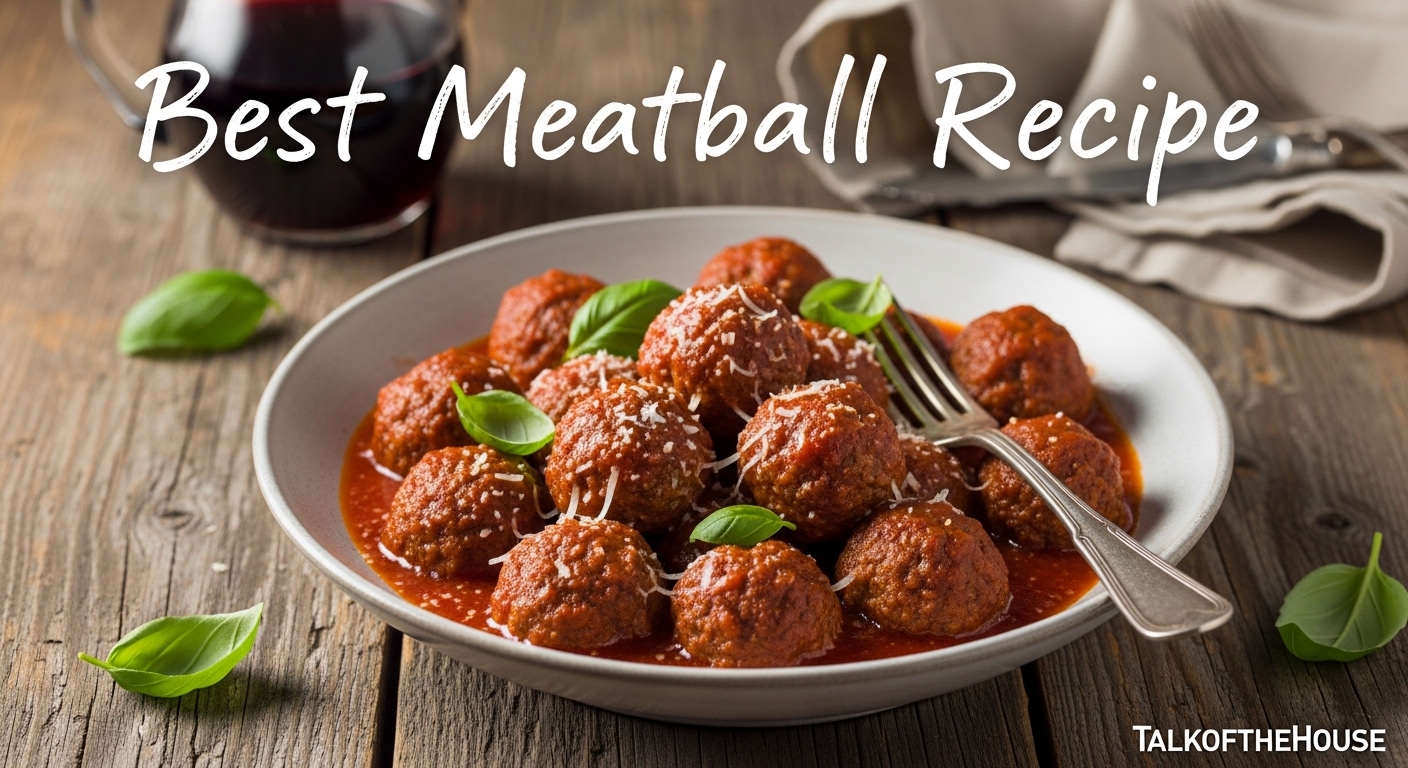
There is nothing quite like the smell of homemade meatballs simmering on the stove. After years of experimenting in my kitchen, I have finally perfected a meatball recipe that produces tender, juicy results every single time. Whether you are cooking for a cozy family dinner or prepping meals for the week ahead, this recipe will become your new go-to.
The secret to truly great meatballs lies in understanding a few simple techniques that prevent the common problems of tough, dense texture and meatballs that fall apart in the pan. I will walk you through everything you need to know, from choosing the right meat blend to mastering the panade technique that keeps these meatballs irresistibly moist.
Table of Contents
Why You’ll Love This Meatball Recipe
This meatball recipe has earned a permanent spot in my recipe collection for good reason. It strikes the perfect balance between flavor, texture, and convenience.
- Family-friendly: Kids and adults alike devour these tender meatballs
- Freezer-friendly: Make a double batch and freeze half for busy weeknights
- Incredibly versatile: Serve over spaghetti, tucked into subs, or as party appetizers
- Simple ingredients: Everything you need is probably already in your pantry
- Two cooking methods: Choose oven-baked for easy cleanup or pan-fried for extra browning
Our family has been making this recipe for over a decade, and it never fails to bring everyone to the table with empty plates and full hearts.
The Best Ingredients for Meatballs
What are the best ingredients to put in meatballs? The answer starts with quality ground meat and a few key supporting players that create the perfect texture and flavor profile.
Meat Selection
For the most flavorful meatballs, I recommend using a blend of ground beef and ground pork. The beef provides rich, savory depth while the pork adds subtle sweetness and extra moisture.
If using only ground beef, choose 80/20 ground beef. The 20% fat content is essential for juicy meatballs. Leaner blends result in dry, dense meatballs that lack the tender texture you are after.
The Panade Technique
Here is the science behind tender meatballs: the panade. This classic technique involves soaking breadcrumbs in milk before mixing them into the meat. The starches in the breadcrumbs absorb the liquid and create a moisture-retaining barrier that keeps the meatballs juicy even after cooking.
Without a panade, the proteins in the meat bind too tightly during cooking, squeezing out moisture and resulting in tough, rubbery meatballs. With it, you get that restaurant-quality tenderness at home.
Complete Ingredient List
- 1 pound ground beef (80/20) – Provides the meaty base flavor
- 1/2 pound ground pork – Adds moisture and sweetness (optional, can use all beef)
- 3/4 cup breadcrumbs – Italian-style or plain work equally well
- 1/3 cup milk – Whole milk creates the best panade
- 2 large eggs – Acts as a binder to hold everything together
- 1/2 cup grated Parmesan cheese – Adds salty, umami depth
- 1/4 cup fresh parsley, finely chopped – Fresh herbs make a noticeable difference
- 3 cloves garlic, minced – Essential for that authentic Italian flavor
- 1 teaspoon salt – Enhances all the other flavors
- 1/2 teaspoon black pepper – Freshly ground for best results
- 1 teaspoon Italian seasoning – The classic herb blend
For the best results, use fresh herbs when possible. Fresh parsley brightens the flavor in a way that dried herbs simply cannot match.
How to Make Meatballs
How to make meatballs is simpler than you might think. Follow these step-by-step instructions for perfect results every time.
Step 1: Create the Panade
In a small bowl, combine the breadcrumbs and milk. Stir gently and let the mixture sit for about 5 minutes. The breadcrumbs should absorb most of the liquid and form a soft, paste-like consistency. This panade is your insurance policy against dry meatballs.
Step 2: Mix the Meat and Seasonings
In a large mixing bowl, add the ground beef, ground pork (if using), eggs, grated Parmesan, chopped parsley, minced garlic, salt, pepper, and Italian seasoning. Add the prepared panade on top.
Using your hands or a wooden spoon, gently mix everything together. Stop as soon as the ingredients are evenly distributed. Overmixing is the enemy of tender meatballs.
Step 3: Form the Meatballs
Scoop out portions of the mixture using a cookie scoop or your hands. For appetizer-sized meatballs, use about 1 tablespoon of mixture. For dinner-sized meatballs, use about 2-3 tablespoons.
Roll each portion between your palms to form a smooth, round ball. Try not to pack the meat too tightly. Gentle shaping prevents dense meatballs.
Place the formed meatballs on a parchment-lined baking sheet. If you have time, refrigerate them for 15-30 minutes before cooking. Chilling firms up the meat and helps the meatballs hold their shape.
Step 4: Cook the Meatballs
You have two excellent options for cooking your meatballs. Choose the method that works best for your schedule and preferences.
Oven-Baked Method: Preheat your oven to 400 degrees Fahrenheit. Arrange the meatballs on a parchment-lined baking sheet, leaving space between each one. Bake for 18-20 minutes until cooked through and golden on the outside.
Pan-Fried Method: Heat 2 tablespoons of olive oil in a large skillet over medium heat. Working in batches to avoid overcrowding, add the meatballs and cook for 2-3 minutes per side until browned all over and cooked through, about 8-10 minutes total.
Regardless of the method you choose, ensure the internal temperature reaches 160 degrees Fahrenheit for food safety.
Baking vs Frying: Which Method is Best?
Is it better to pan fry or oven bake meatballs? The honest answer is that both methods produce delicious results, but they differ in texture, convenience, and cleanup.
Oven-baked meatballs are my go-to for weeknight dinners. The hands-off cooking method lets you focus on other parts of the meal while the meatballs cook evenly all around. You get a consistent result with minimal effort and only one baking sheet to wash.
Pan-fried meatballs develop a more pronounced crust and deeper browning thanks to the Maillard reaction. That crispy exterior adds textural contrast and richer flavor. However, they require active attention and more cleanup.
For the absolute best of both worlds, try this hybrid approach: bake the meatballs first, then give them a quick sear in a hot skillet or under the broiler for 1-2 minutes to add color.
What is the Secret to Making Good Meatballs?
The secret to making good meatballs comes down to five essential techniques that transform ordinary ground meat into something truly special:
- Use the panade technique: Soak breadcrumbs in milk before mixing to lock in moisture
- Choose the right fat ratio: 80/20 ground beef prevents dry, crumbly results
- Do not overmix: Mix just until ingredients combine to avoid tough texture
- Keep them uniform: Use a scoop for consistent sizing so they cook evenly
- Chill before cooking: A 15-minute rest in the refrigerator helps them hold shape
These five tips address the most common meatball complaints: dryness, toughness, falling apart, and uneven cooking. Master these techniques and you will never struggle with meatballs again.
Pro Tips for Perfect Meatballs Every Time
After making thousands of meatballs in my kitchen, I have learned a few additional tricks that make the process even smoother.
Grate your onion: Instead of dicing, grate the onion on a box grater. The fine texture distributes flavor more evenly and adds extra moisture without chunks.
Wet your hands: When forming meatballs, keep a small bowl of water nearby. Damp hands prevent the meat mixture from sticking and allow you to shape smoother balls faster.
Test one first: Before cooking the entire batch, fry a single test meatball. Taste it and adjust the seasoning of the remaining mixture if needed.
Simmer in sauce: For extra tender results, transfer oven-baked meatballs directly into simmering marinara sauce. Let them gently poach for 15-20 minutes. The sauce infuses them with even more flavor.
Use an ice bath for quick cooling: If you are making meatballs ahead, transfer cooked ones to an ice bath for 2 minutes before freezing. This rapid cooling prevents texture degradation.
Delicious Recipe Variations
Once you master the basic meatball recipe, try these tasty variations to keep dinner interesting:
Air Fryer Meatballs: Preheat your air fryer to 380 degrees Fahrenheit. Arrange meatballs in a single layer and cook for 10-12 minutes, shaking the basket halfway through. You get crispy exteriors with minimal oil.
Turkey Meatballs: Substitute ground turkey for the beef and pork. Add 2 tablespoons of olive oil to the mixture to compensate for the leaner meat.
Gluten-Free Option: Replace breadcrumbs with almond flour or crushed pork rinds. Use the same measurement and proceed with the recipe as written.
Cheese-Stuffed Meatballs: Form a meatball, flatten slightly, place a small cube of mozzarella in the center, and seal the meat around it. When cut open, the melted cheese center is delightful.
Swedish Meatball Variation: Add 1/4 teaspoon each of ground allspice and nutmeg to the mixture. Serve with a creamy gravy instead of marinara.
Serving Suggestions and Storage
How you serve and store your meatballs matters just as much as how you make them.
Serving Ideas
These meatballs shine in countless presentations. Spoon them over spaghetti with marinara sauce for the classic Italian-American experience. Nestle them into toasted hoagie rolls with melted mozzarella for hearty meatball subs. Serve them as appetizers with toothpicks and a side of warm marinara for dipping.
For a lighter option, pair them with zucchini noodles or roasted vegetables instead of pasta. They are equally delicious alongside creamy mashed potatoes or polenta.
Freezing and Reheating
Can you freeze homemade meatballs? Absolutely. This is one of the reasons I love this recipe so much.
To freeze cooked meatballs, let them cool completely on a baking sheet. Transfer the sheet to the freezer for 1 hour until the meatballs are firm. Then move them to a freezer-safe bag or container. This prevents them from sticking together.
To freeze raw meatballs, arrange them on a parchment-lined baking sheet and freeze until solid. Transfer to a freezer bag and store for up to 3 months. Cook from frozen, adding 5-7 minutes to the cooking time.
Reheat frozen meatballs in a 350 degree oven for 15-20 minutes, or simmer them in sauce on the stovetop until heated through. The microwave works in a pinch but can toughen the texture slightly.
Frequently Asked Questions
What is the secret to making good meatballs?
The secret is using the panade technique (soaking breadcrumbs in milk), choosing 80/20 ground beef for fat content, not overmixing the meat, keeping meatballs uniformly sized, and chilling them before cooking. These steps prevent tough, dry meatballs and ensure tender, juicy results.
What are the best ingredients to put in meatballs?
The best ingredients include 80/20 ground beef, ground pork for moisture, breadcrumbs soaked in milk (panade), eggs as a binder, grated Parmesan cheese, fresh parsley, minced garlic, and Italian seasoning. Fresh herbs provide brighter flavor than dried.
Is it better to pan fry or oven bake meatballs?
Both methods work well. Oven baking offers hands-off cooking with easier cleanup and even cooking. Pan frying creates more browning and a crispy exterior but requires active attention. For best results, bake then briefly sear under the broiler for color.
How do you keep meatballs from falling apart?
Use eggs as a binder and ensure your breadcrumb-to-meat ratio is correct. The panade technique (soaked breadcrumbs) helps bind while adding moisture. Chill formed meatballs for 15-30 minutes before cooking. Handle gently when forming and do not skip the rest time.
Why are my meatballs tough?
Tough meatballs usually result from overmixing the meat mixture, using lean meat without enough fat, or cooking at too high a temperature. Use 80/20 ground beef, mix just until ingredients combine, and cook at moderate heat to maintain tenderness.
How long do you bake meatballs?
Bake meatballs at 400 degrees Fahrenheit for 18-20 minutes until they reach an internal temperature of 160 degrees Fahrenheit. Larger meatballs may need 22-25 minutes. Use a meat thermometer to ensure food safety without overcooking.
Can you freeze homemade meatballs?
Yes, meatballs freeze beautifully both raw and cooked. Freeze individually on a baking sheet first, then transfer to freezer bags. Store up to 3 months. Cook frozen raw meatballs for 5-7 minutes longer than fresh. Reheat cooked meatballs at 350 degrees for 15-20 minutes.
Can a diabetic eat meatballs and spaghetti?
Meatballs themselves are generally suitable for diabetics as they are low in carbohydrates. However, traditional spaghetti is high in carbs. Diabetics can enjoy meatballs with whole wheat pasta, zucchini noodles, or over vegetables for a lower glycemic option.
Final Thoughts on This Classic Meatball Recipe
This meatball recipe has become a staple in my kitchen, and I hope it becomes one in yours too. The combination of the panade technique, the right fat ratio, and gentle handling produces meatballs that are tender, juicy, and packed with flavor.
Whether you are cooking for a special Sunday dinner or prepping freezer meals for busy weeknights, these meatballs deliver consistent, delicious results. Give them a try and let me know how they turn out in your kitchen.