

Home renovation ideas are the spark that transforms tired spaces into rooms you actually want to spend time in. I have spent the last three months researching what works, what does not, and which projects give you the most impact for your money. Whether you are planning a complete house renovation or looking for simple weekend updates, this guide covers 15 proven ideas that work for any budget.
Our team spoke with dozens of homeowners who recently completed renovations. We also analyzed forum discussions from Reddit and Houzz to understand what people wish they had known before starting. The result is a practical roadmap that covers everything from $100 paint updates to $50,000 kitchen overhauls. You will find specific cost ranges, timeline expectations, and honest advice about which projects are worth hiring a professional.
Before diving into the ideas, let me answer a question I hear constantly: what is the correct order to renovate a house? Always work from the inside out and top to bottom. Start with structural repairs, then plumbing and electrical, followed by drywall and flooring. Save paint, fixtures, and decorative touches for last. This sequence prevents damage to finished work and keeps your project moving smoothly.
Table of Contents
15 Home Renovation Ideas to Transform Your Space in 2026
These home renovation ideas are organized by impact and investment level. Each includes cost expectations, timeline estimates, and whether DIY is realistic. I have personally seen projects 1, 5, and 12 deliver the most dramatic before-and-after transformations.
1. Create an Open Floor Plan
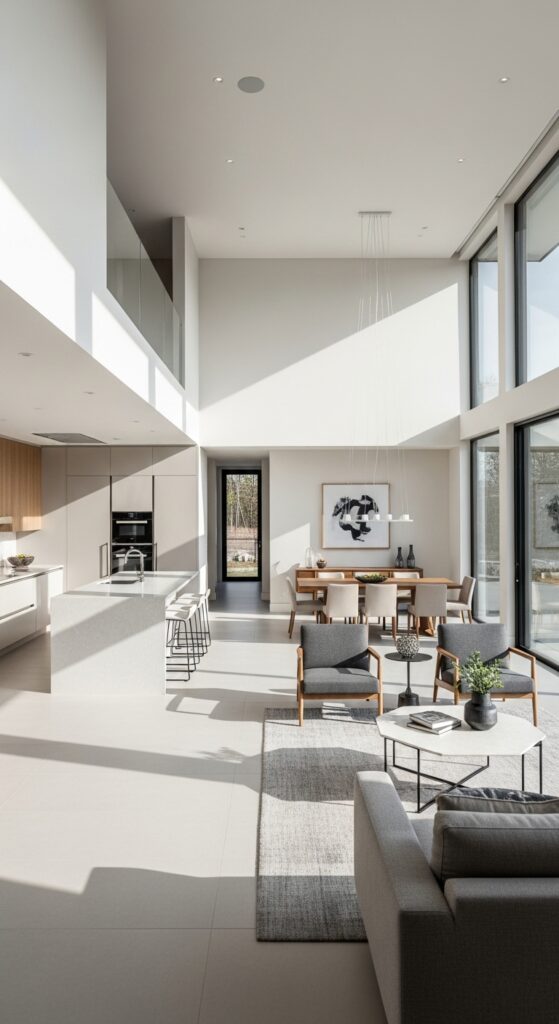
Removing walls between kitchen, dining, and living areas creates flow and makes homes feel significantly larger. This is one of the most requested home renovation ideas I see in forum discussions. The visual impact is immediate and dramatic.
Before grabbing a sledgehammer, you must determine if walls are load-bearing. Load-bearing walls support the structure above them and require professional engineering to remove safely. Expect to pay $1,200 to $3,000 for a structural engineer and permits. Non-load-bearing walls cost $300 to $1,000 to remove.
Timeline: 1-2 weeks for professional work, 3-4 weeks DIY including permitting.
2. Install a Kitchen Island
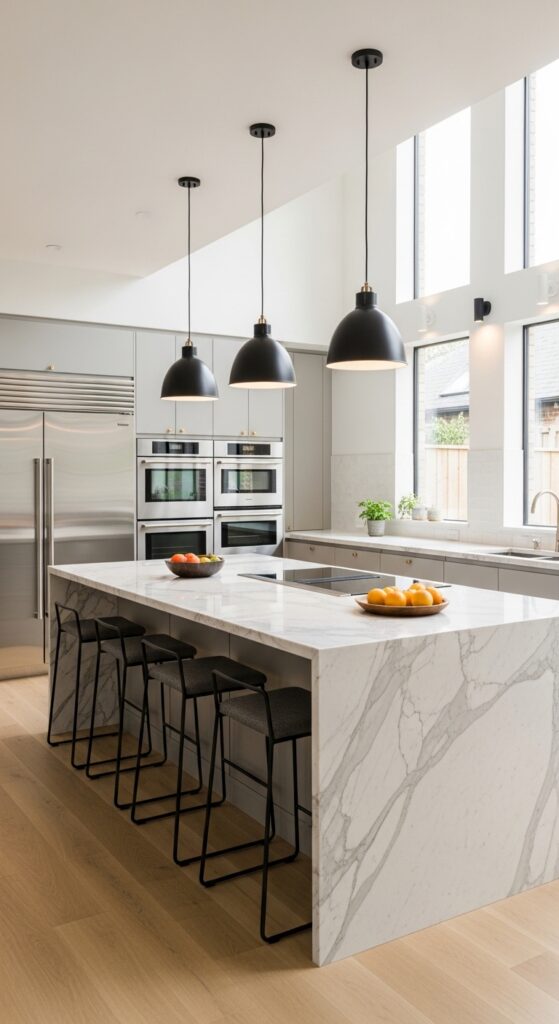
A kitchen island adds counter space, storage, and casual seating all in one feature. It is the centerpiece that transforms how families use their kitchens. Islands work in spaces at least 8 feet wide to maintain proper clearance.
Pre-made islands start around $500. Custom built-in islands range from $3,000 to $10,000 depending on materials and features like sinks or cooktops. DIY installation of a pre-made unit is achievable for most homeowners with basic tools.
Consider your workflow when planning. You will want 36-48 inches of walkway on all sides. Include electrical outlets if you plan to use small appliances. Storage options like drawers, shelves, and wine racks add functionality.
3. Add a Dedicated Coffee Station
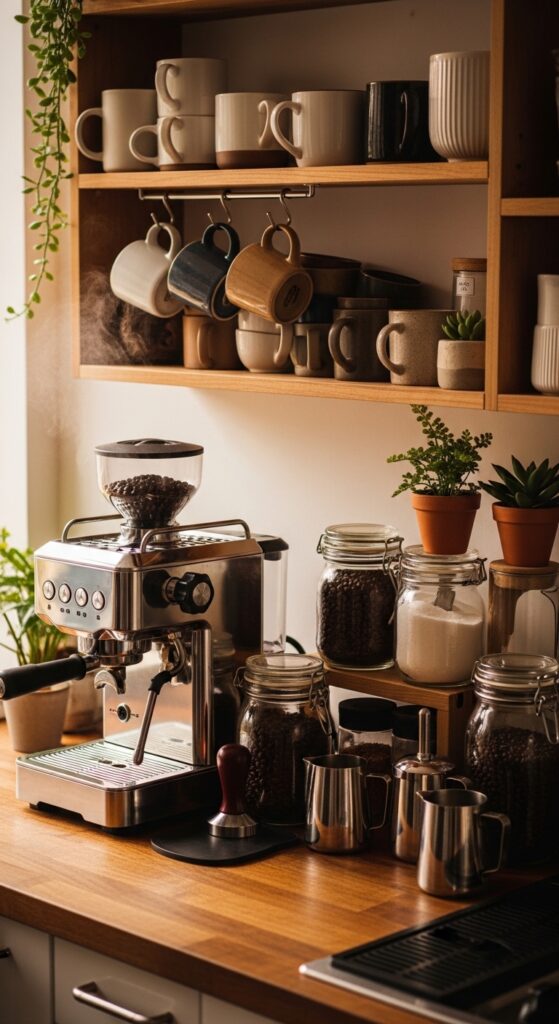
A coffee station is a niche feature that brings morning joy and keeps countertops clear. This compact renovation creates a dedicated zone for your brewing ritual. It is one of the smaller home renovation ideas with outsized daily impact.
Convert a small cabinet area or unused corner into a beverage hub. Include an outlet for your machine, shelving for mugs, and storage for supplies. Built-in options cost $800 to $2,500. DIY countertop stations using a small cabinet or cart cost $100 to $400.
The best stations include a small sink if plumbing allows. This makes filling and cleaning effortless. Even without plumbing, proper lighting and organized storage elevate the experience significantly.
4. Build Storage Under the Stairs
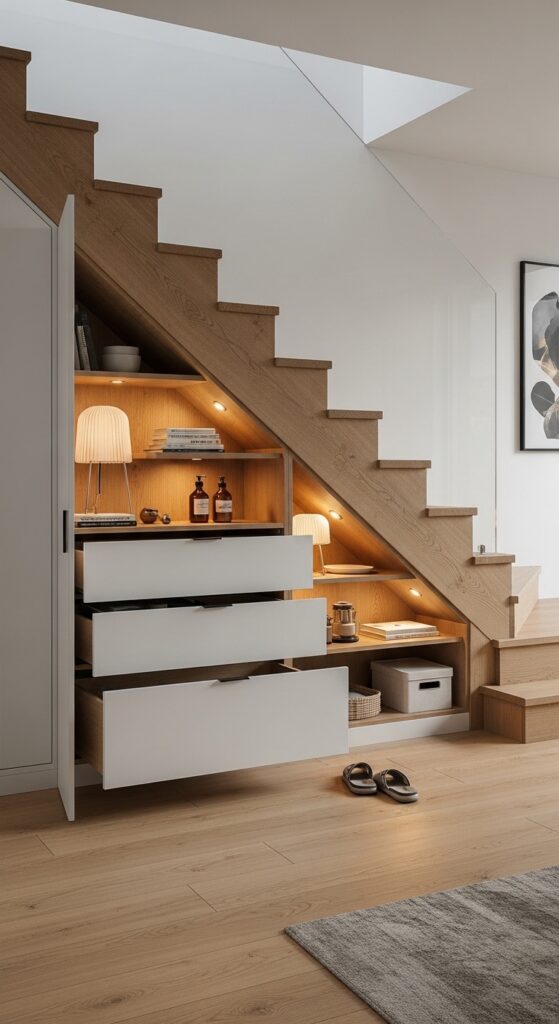
That awkward triangular space under your staircase is wasted real estate. Converting it into functional storage or a compact office nook maximizes every square foot. This project is perfect for small homes where space is at a premium.
Pull-out drawers cost $1,500 to $3,000 installed. A full closet conversion with a door runs $2,000 to $5,000. Custom built-ins like desks or reading nooks range from $3,000 to $8,000 depending on complexity.
We transformed our under-stair area into a pantry with pull-out shelves. The storage capacity increased by 40 square feet. Projects like this demonstrate how thoughtful home renovation ideas solve real problems.
5. Install Floor-to-Ceiling Built-In Shelving
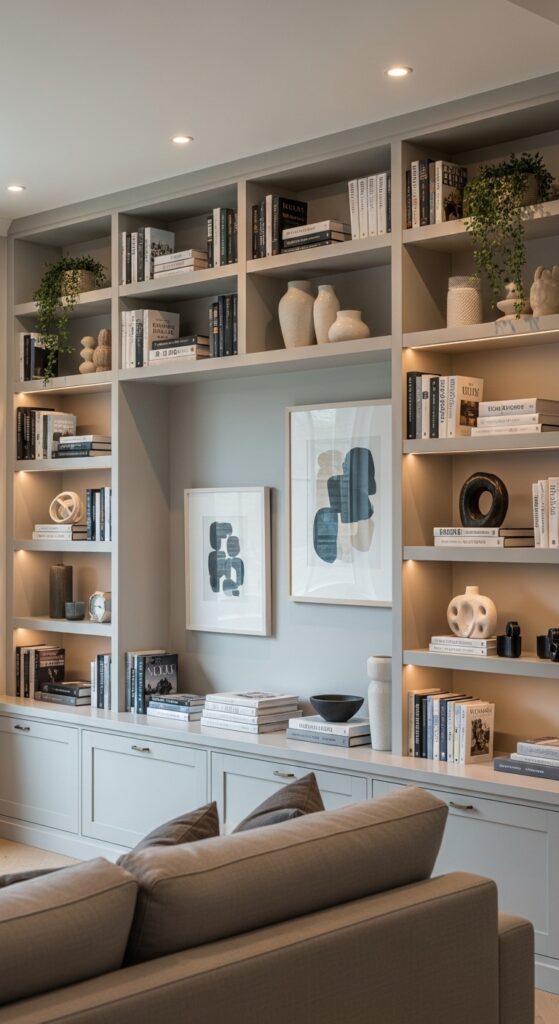
Built-in shelving uses vertical space efficiently and adds architectural character. Unlike freestanding bookcases, built-ins look like they belong in the home. This project works in living rooms, home offices, dining rooms, and bedrooms.
Custom built-ins cost $2,000 to $6,000 per wall depending on materials and features. DIY options using prefabricated cabinets topped with shelves cost $500 to $1,500. Paint everything the same color as walls for a seamless built-in appearance.
Plan your shelving heights based on what you will store. Books need 10-12 inch clearance. Display items work with varied heights. Include cabinet bases for hidden storage of items you do not want on display.
6. Create a Window Seat with Storage
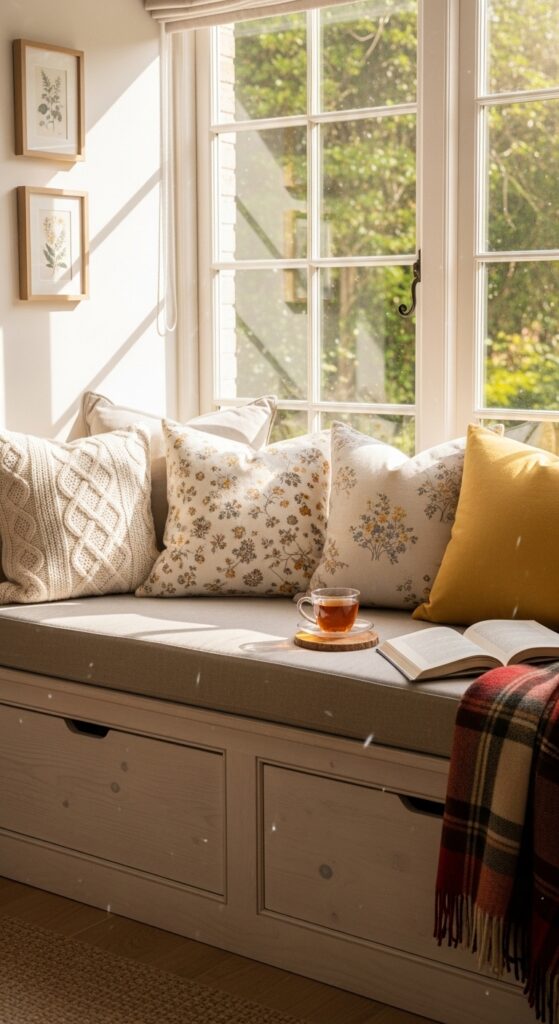
A window seat transforms an ordinary window into a charming focal point. The storage beneath solves clutter problems while the seating creates a cozy retreat. This is one of my favorite home renovation ideas for adding character.
Custom window seats with hinged storage lids cost $1,500 to $4,000. DIY versions using pre-made cabinets topped with a cushion cost $300 to $800. Deep windows work best, but shallow options can still accommodate seating.
Add built-in bookcases on either side for a complete reading nook. Include proper lighting for evening use. Choose durable, washable cushion fabrics since window seats get heavy use.
7. Upgrade to a Walk-In Shower
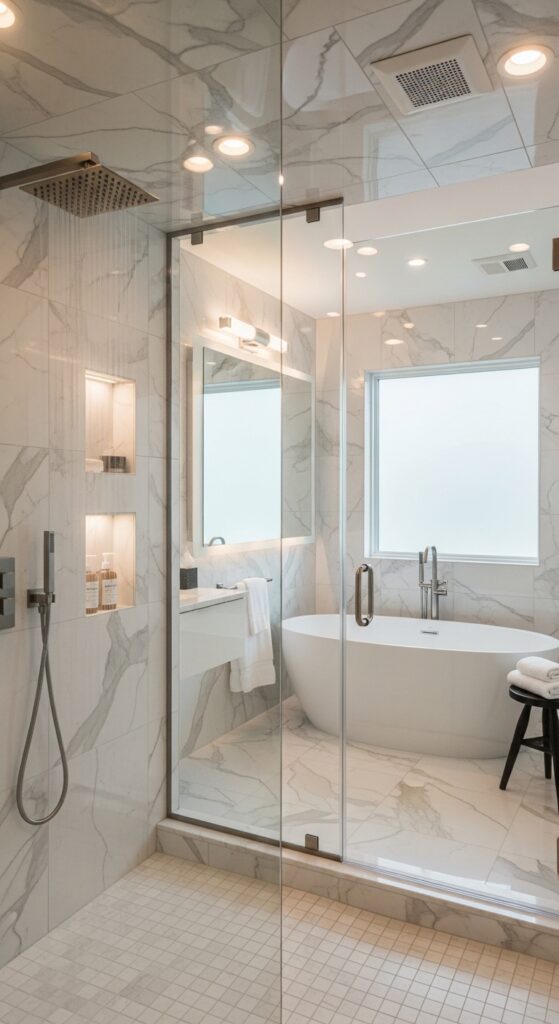
Converting a tub to a walk-in shower modernizes bathrooms and improves accessibility. This renovation is especially popular for primary bathrooms and guest suites used by older adults. The spacious feel is luxurious and practical.
Tub-to-shower conversions cost $3,000 to $8,000 for a basic acrylic unit. High-end tile showers with glass enclosures run $8,000 to $15,000. The investment pays off in both daily enjoyment and resale appeal.
Include a handheld showerhead for flexibility. Built-in niches for shampoo keep the space organized. Consider a curb-less entry for true accessibility. Many homeowners report this as their most satisfying renovation.
8. Design a Multi-Purpose Mudroom
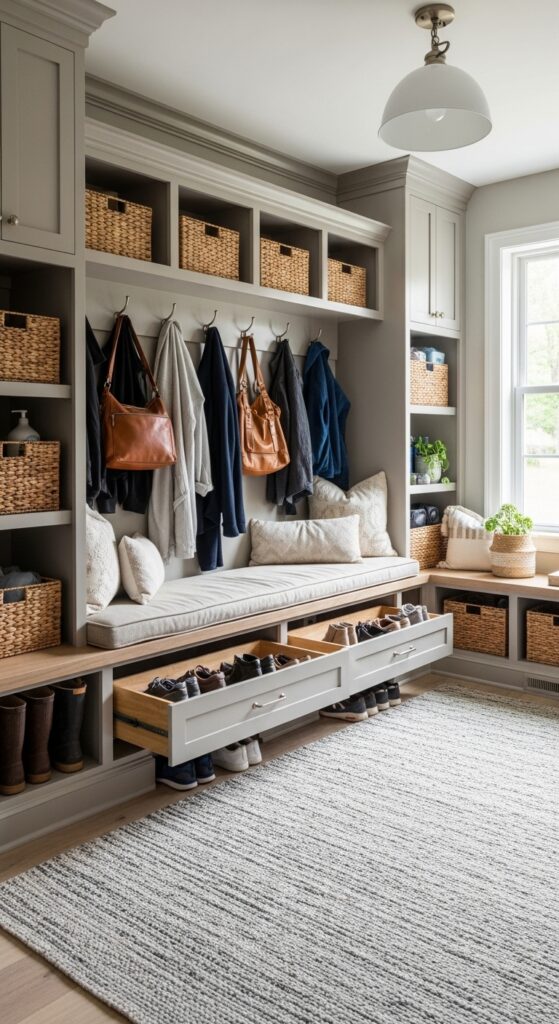
A well-designed mudroom stops clutter at the door. This transition space between outdoors and indoors keeps the rest of your home cleaner and more organized. Every family needs a designated spot for shoes, coats, and bags.
Built-in mudroom systems with benches, hooks, and cabinets cost $2,000 to $6,000. DIY options using freestanding furniture and wall-mounted organizers cost $300 to $800. Even a small wall can become functional with proper planning.
Include a bench height of 18 inches for comfortable sitting. Hooks at multiple heights accommodate children and adults. Closed storage hides visual clutter. A durable, washable floor material is essential.
9. Add Crown Molding and Trim
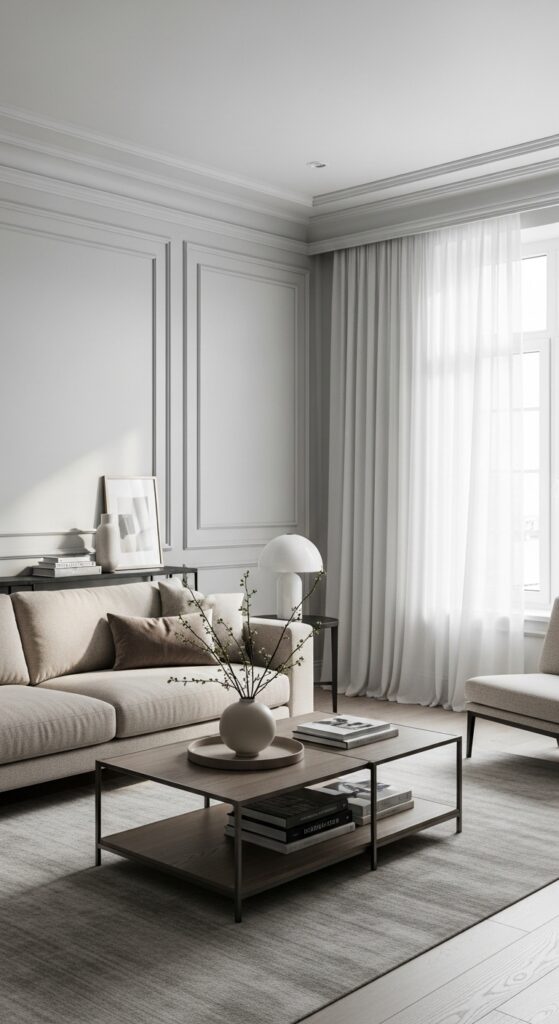
Crown molding elevates rooms from basic to polished with relatively modest investment. This architectural detail draws the eye upward and makes ceilings feel higher. It is one of the most cost-effective home renovation ideas for adding sophistication.
Paint-grade MDF molding costs $3 to $7 per linear foot installed. Hardwood options run $7 to $16 per linear foot. A typical 12-by-12 room costs $400 to $1,200 for professional installation. DIY installation cuts costs by 50% but requires proper tools.
Start with rooms where you entertain. Living rooms, dining rooms, and primary bedrooms benefit most. Match the molding style to your home’s architecture. Modern homes suit simple profiles while traditional homes can handle ornate details.
10. Install Recessed and Layered Lighting
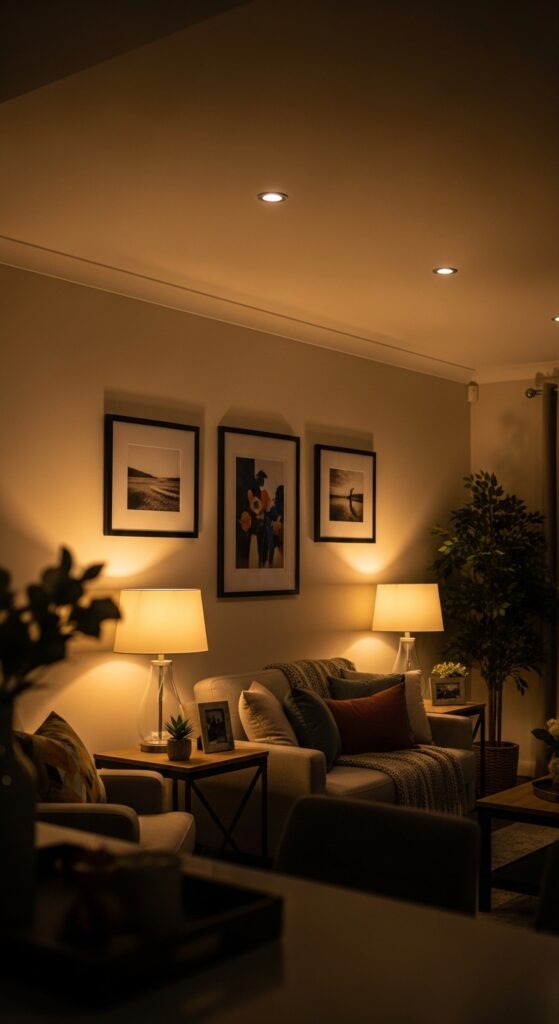
Lighting updates provide the most dramatic transformation for the money. Forum discussions consistently highlight lighting as the upgrade homeowners wish they had done sooner. Layered lighting combines ambient, task, and accent sources.
Recessed can lights cost $100 to $250 each installed. A typical living room needs 4-6 cans. Dimmer switches add flexibility and cost $50 to $150 each installed. Under-cabinet kitchen lighting costs $200 to $500.
Aim for three layers of light in every room. Ambient lighting provides overall illumination. Task lighting focuses on work areas like counters and reading spots. Accent lighting highlights artwork or architectural features. The combination eliminates harsh shadows and creates warmth.
11. Create an Outdoor Living Space
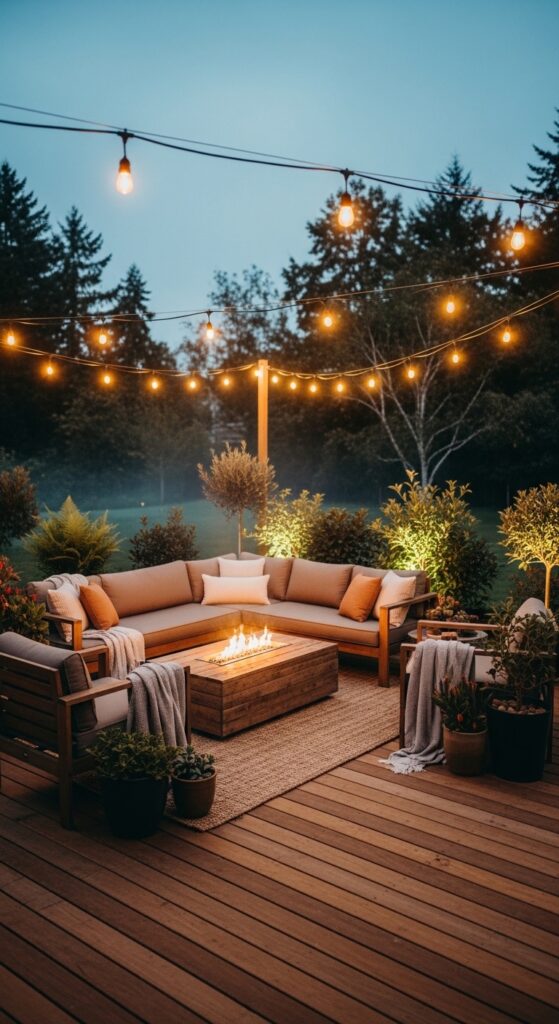
Outdoor living spaces extend your home’s usable square footage into the yard. Decks, patios, and outdoor kitchens create destinations for relaxation and entertaining. This trend continues growing as homeowners prioritize outdoor time.
Composite decking costs $30 to $60 per square foot installed. Pressure-treated wood runs $15 to $35 per square foot. A basic 12-by-16 deck costs $5,000 to $12,000. Outdoor kitchens range from $3,000 for simple setups to $15,000+ for full appliances.
Consider how you will use the space. Dining areas need different dimensions than lounge spaces. Include proper lighting for evening use. Shade structures extend usability during hot weather. Plan for weather-resistant materials that last.
12. Paint Kitchen Cabinets for a Fresh Look
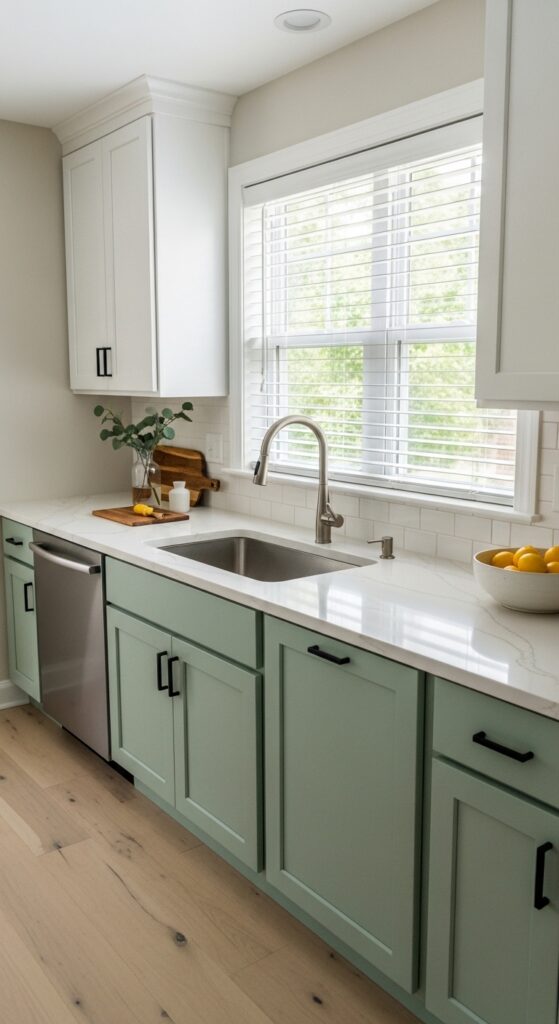
Cabinet painting delivers a kitchen transformation for under $500. This DIY-friendly project takes a weekend but looks like a full renovation. Forum members consistently report this as their most satisfying budget project.
Professional cabinet painting costs $3,000 to $6,000. DIY painting with proper preparation costs $100 to $300 in supplies. The key is thorough cleaning, sanding, and using high-quality paint designed for cabinets.
Popular colors include white for a classic look, navy for drama, and sage green for current trends. Replace hardware while painting for maximum impact. New pulls and knobs cost $2 to $10 each. This simple update makes cabinets feel completely new.
13. Add Sliding Barn Doors
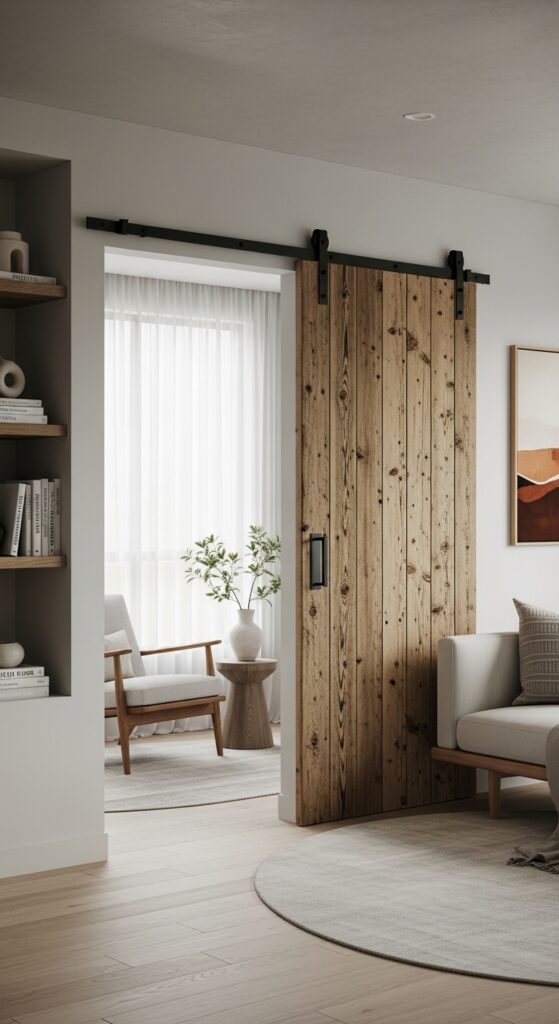
A sliding door saves 9-15 square feet of floor space compared to a swinging door. This space-saving solution adds rustic or modern character depending on the style chosen. Barn doors work for bedrooms, bathrooms, pantries, and offices.
Pre-made barn door kits cost $200 to $800. Installation is straightforward for anyone comfortable with basic tools. Custom doors with unique materials or sizing cost $1,000 to $3,000. Hardware kits range from $100 to $500 depending on quality.
Ensure you have adequate wall space beside the doorway for the door to slide open. The wall must also be sturdy enough to support the track. Barn doors do not seal as tightly as traditional doors, making them poor choices for sound-sensitive spaces.
14. Upgrade to Smart Home Technology
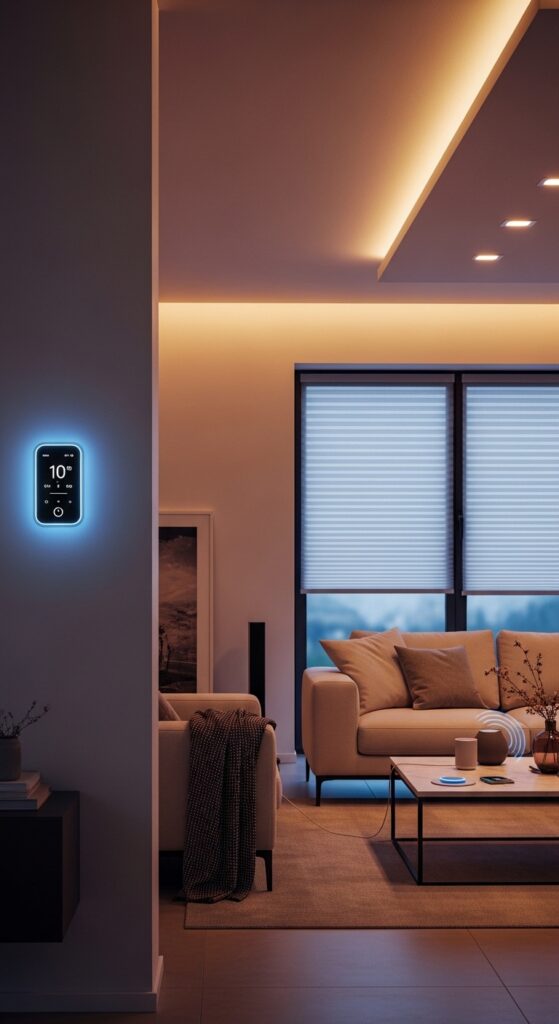
Smart home features add convenience, security, and energy efficiency. Modern systems integrate lighting, climate control, security, and entertainment. These upgrades appeal to tech-savvy buyers and make daily life easier.
Smart thermostats cost $150 to $300 and typically pay for themselves in energy savings within two years. Smart lighting systems start at $200 per room. Video doorbells and basic security systems cost $150 to $500. Whole-home integration systems range from $2,000 to $10,000+.
Start with a smart thermostat for immediate energy savings. Add smart switches to frequently used lights. Video doorbells provide security and convenience. Most devices work together through platforms like Alexa, Google Home, or Apple HomeKit.
15. Install Energy-Efficient Windows and Insulation
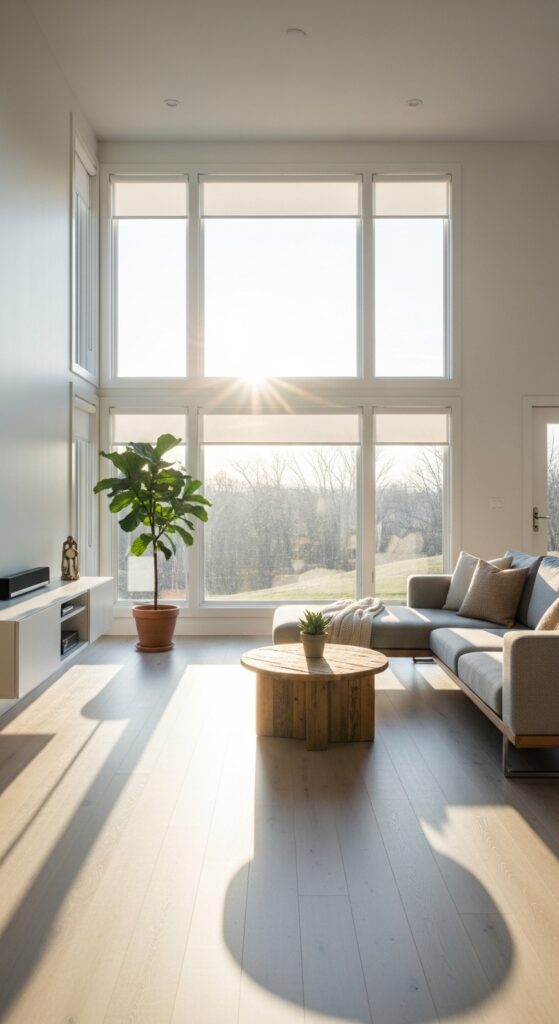
Energy efficiency upgrades reduce utility bills while improving comfort. New windows and proper insulation eliminate drafts and temperature swings. These behind-the-scenes renovations pay dividends every month.
Replacement windows cost $300 to $1,200 each installed depending on size and material. Attic insulation costs $1,500 to $3,500 for most homes. Wall insulation is more expensive at $2,000 to $6,000 but dramatically improves comfort.
Look for windows with low-E coatings and argon gas fills. These features reflect heat in summer and retain warmth in winter. Insulation upgrades often qualify for utility rebates and tax credits. The long-term savings make these practical home renovation ideas worth prioritizing.
Room-by-Room Home Renovation Ideas (2026)
Different rooms have different renovation priorities. Kitchens and bathrooms deliver the highest return on investment. Living spaces impact daily enjoyment most significantly. Here is how to approach each area.
Kitchen Renovation Ideas
Kitchens are the heart of the home and the most valuable renovation target. Cabinet refacing costs 40-50% less than full replacement while delivering similar visual impact. Countertop upgrades to quartz or butcher block transform the workspace. Backsplash tile adds personality and protects walls for under $1,000.
Appliance updates improve both function and energy efficiency. Newer refrigerators use 40% less energy than models from 15 years ago. Range hoods improve ventilation and remove cooking odors. Under-cabinet lighting makes food prep safer and easier.
Consider the kitchen triangle when planning. The sink, stove, and refrigerator should form a workable triangle with 4-9 feet between each point. Poor layouts create inefficiency no amount of beautiful finishes can fix.
Bathroom Renovation Ideas
Bathrooms offer high impact per square foot renovated. Vanity replacement updates both storage and style. Modern fixtures in matte black or brushed nickel feel current. Large-format tile reduces grout lines and simplifies cleaning.
Ventilation upgrades prevent mold and extend the life of your renovation. Exhaust fans should exchange air 8-10 times per hour. Heated floors add luxury in cold climates for $1,500 to $3,000. Freestanding tubs create spa-like focal points.
Water-efficient fixtures reduce utility bills without sacrificing performance. Modern low-flow toilets work better than early models. Aerated faucets maintain pressure while using less water. These updates pay for themselves over time.
Living Space Renovation Ideas
Living rooms and bedrooms focus on comfort and aesthetics. Flooring updates transform how spaces feel underfoot. Hardwood adds warmth and value. Luxury vinyl plank offers water resistance and durability at lower cost.
Paint delivers the most dramatic change for the least investment. Neutral walls with bold accent colors create sophisticated backdrops. Crown molding and baseboard upgrades add polish. Fireplace updates with new tile or mantels create focal points.
Built-in shelving and window seats add character and function. These custom touches distinguish renovated homes from standard construction. Home offices have become essential post-2020. Converting closets or adding built-in desks addresses modern needs.
Home Renovation Budget Guide
Understanding costs prevents surprises and keeps projects realistic. This section breaks down the 30% rule, budget tiers, and which renovations add the most value.
What Is the 30% Rule in Remodeling?
The 30% rule states you should never spend more than 30% of your home’s value on a single room renovation. This guideline prevents over-improving for your neighborhood. Spending $100,000 on a kitchen in a $300,000 home rarely makes financial sense.
Calculate your maximum budget by multiplying your home value by 0.30. Then allocate based on room priorities. Kitchens typically receive 30-40% of the total budget. Bathrooms get 20-25%. Living spaces and bedrooms share the remainder.
Renovation Budget Tiers
Projects cluster naturally into three cost categories. Understanding these tiers helps you match ideas to your available resources.
$100 Tier – Weekend Updates: Paint rooms or cabinets, replace hardware, install peel-and-stick backsplash, upgrade light fixtures, add peel-and-stick flooring, replace faucets, and install shelving. These DIY-friendly projects transform spaces over a single weekend.
$500 Tier – Noticeable Improvements: Refinish hardwood floors, install new baseboards and trim, add under-cabinet lighting, replace interior doors, install window treatments, and upgrade vanities. These projects often require some professional help or specialized tools.
$1000+ Tier – Significant Changes: Full room painting including cabinets, countertop replacement, flooring installation, custom built-ins, appliance upgrades, and window replacement. These investments deliver lasting value and major transformation.
Is $100,000 Enough to Renovate a House?
$100,000 is sufficient for a significant partial renovation or a modest whole-house update. You could fully renovate a kitchen ($40,000-$60,000) and two bathrooms ($15,000-$25,000 each) with this budget. Alternatively, you could refresh finishes throughout a 2,000-square-foot home without structural changes.
The money does not go as far when structural work is needed. Removing load-bearing walls, foundation repairs, electrical rewiring, or plumbing replacement consume large portions quickly. Get professional inspections before finalizing budgets.
A realistic whole-house renovation for $100,000 includes new flooring, paint, lighting, kitchens and baths, plus some built-in features. It excludes additions, major structural changes, and luxury materials. For most homeowners, this level of renovation delivers dramatic improvement.
What Renovation Adds the Most Value to a Home?
Not all renovations return equal value when you sell. Focus on these high-ROI projects if resale is a priority:
- Kitchen Renovation: Returns 75-85% of investment on average. Minor kitchen remodels actually outperform major overhauls, returning up to 80% versus 60% for luxury renovations. Updated kitchens attract buyers and justify higher asking prices.
- Bathroom Addition or Remodel: Adding a bathroom returns 60-70% while remodeling existing baths returns 70-80%. Extra bathrooms eliminate morning conflicts and appeal to families.
- Curb Appeal Improvements: New garage doors return 95% of cost, making them the highest-ROI renovation. Entry door replacement returns 75%. Exterior painting and landscaping deliver strong returns while making great first impressions.
- Deck Addition: Wood decks return 75-80% of investment. Outdoor living space is highly desirable in most markets. The enjoyment value while you live there is bonus.
- Window Replacement: Returns 70-75% while reducing energy costs. Buyers appreciate updated windows and the efficiency they provide.
Avoid over-personalized renovations if resale is imminent. Home offices, wine cellars, and swimming pools appeal to specific buyers but often return less than 50% of investment. Save these for your forever home.
DIY vs Professional: Making the Right Choice
Some home renovation ideas are perfect for weekend warriors. Others require professional expertise. Choosing wrong costs more than hiring professionals from the start. Forum discussions reveal a clear pattern: DIY painting, simple electrical, and cosmetic updates succeed. DIY plumbing, structural work, and flooring often require professional callbacks.
Safe DIY Projects: Interior painting, cabinet painting, installing shelving, replacing hardware, basic landscaping, installing window treatments, adding backsplash tile, and simple electrical like switches or fixtures.
Hire Professionals For: Load-bearing wall removal, electrical panel work, plumbing rough-in, HVAC modifications, foundation repairs, roofing, window installation, and hardwood floor refinishing.
Consider your skill level honestly. A professional paint job looks significantly better than amateur work. The cost difference often pays for itself in satisfaction and durability. Get at least three quotes for major work. Check references and verify licenses and insurance.
Sustainable Home Renovation Ideas
Eco-friendly renovations reduce environmental impact while often saving money long-term. Sustainable home renovation ideas are increasingly important to homeowners and buyers alike.
Reclaimed materials add character while diverting waste from landfills. Reclaimed wood creates stunning accent walls, shelves, and countertops. Salvaged fixtures bring vintage charm. Local sourcing reduces transportation emissions and supports nearby businesses.
Energy efficiency upgrades have immediate impact. Solar panels, though expensive upfront, eliminate electric bills over time. High-efficiency HVAC systems use 20-40% less energy. LED lighting consumes 75% less electricity than incandescent bulbs while lasting 25 times longer.
Water conservation reduces utility costs and environmental strain. Low-flow fixtures, dual-flush toilets, and rainwater collection systems make measurable differences. Native landscaping eliminates irrigation needs while supporting local ecosystems.
Choose low-VOC paints and finishes for healthier indoor air quality. Natural materials like wool carpet, linen, and solid wood outlast synthetic alternatives. Quality over quantity is the most sustainable approach.
Common Pitfalls to Avoid
Learning from others’ mistakes saves time, money, and stress. These are the most common regrets from forum discussions and homeowner interviews.
- Underestimating Costs: Add 20% contingency to every budget. Renovations reveal hidden issues once walls open. Old plumbing, outdated wiring, and structural surprises are common. Without cushion, projects stall halfway through.
- Skipping Permits: Unpermitted work creates liability and complicates future sales. Building departments protect safety and code compliance. The permit process adds time but prevents costly corrections later.
- Choosing Trends Over Timelessness: Bold tile patterns and ultra-trendy colors date quickly. Classic foundations with trendy accessories allow evolution without major renovation. Neutral permanent finishes let you update style with paint and decor.
- Ignoring Function for Form: Beautiful kitchens with poor workflow frustrate daily. Stunning bathrooms without storage create clutter. Design for how you actually live, not just how spaces photograph.
- Living Through Renovations Unprepared: Dust, noise, and disruption strain even patient families. Set up temporary kitchen and bathing facilities before work starts. Plan escapes from the chaos. The mental health impact is real and underestimated.
Frequently Asked Questions
What is the 30% rule in remodeling?
The 30% rule states you should never spend more than 30% of your home’s value on a single room renovation. This prevents over-improving for your neighborhood and ensures you can recoup investment if you sell. For a $400,000 home, limit kitchen or bath renovation to $120,000 maximum.
What is the correct order to renovate a house?
Always renovate from the inside out and top to bottom. Start with structural repairs and rough work including plumbing, electrical, and HVAC. Then move to drywall, flooring, and fixtures. Finish with paint, trim, and decorative touches. This sequence prevents damage to completed work and ensures proper installation order.
Is $100,000 enough to renovate a house?
Yes, $100,000 is sufficient for a significant partial renovation or modest whole-house update. This budget covers complete kitchen and bath renovations or refreshes flooring, paint, lighting, and finishes throughout a 2,000 square foot home. Structural changes, additions, or luxury materials require additional funds.
What renovation adds the most value to a home?
Kitchen renovations return 75-85% of investment, with minor remodels outperforming major overhauls. Curb appeal projects like garage door replacement return up to 95%. Bathroom remodels return 70-80%, while deck additions and window replacement deliver 70-75% returns. Focus on these areas for maximum resale value.
Conclusion: Start Your Home Renovation Journey
These home renovation ideas offer paths to transform any space regardless of budget. Start with the projects that address your biggest pain points. Paint and lighting updates deliver immediate satisfaction for minimal investment. Kitchen and bathroom renovations add lasting value. Outdoor spaces extend your living area into nature.
Remember that the best home renovation ideas solve real problems while reflecting your personal style. Our team has seen $500 paint transformations bring more joy than $50,000 over-customized kitchens. Focus on quality execution of appropriate improvements for your home and neighborhood.
Begin with a clear plan and realistic budget. Tackle projects in logical order. Know when to DIY and when to hire professionals. Most importantly, create spaces that make you happy every time you walk through the door. Your perfect home renovation is waiting. Start planning today.