
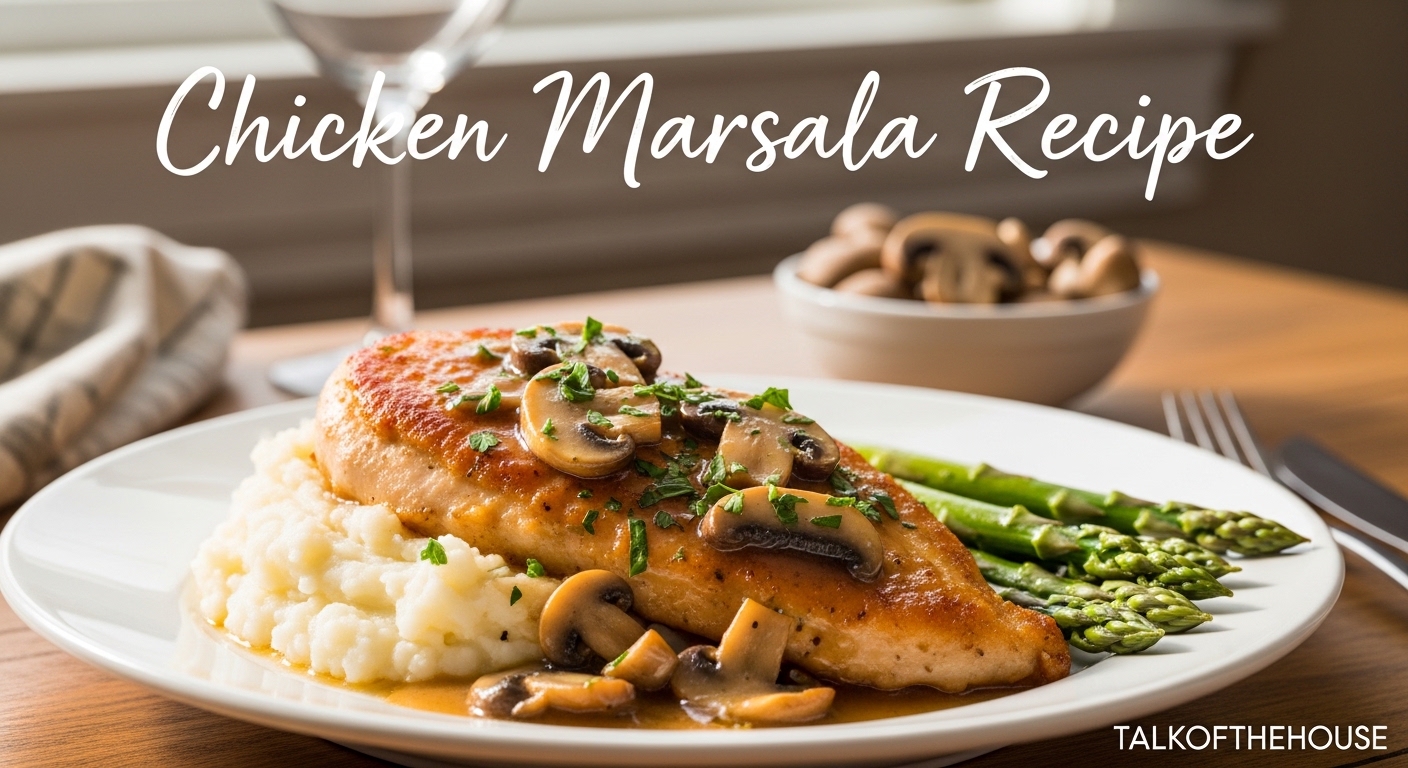
There is something deeply satisfying about creating a restaurant-quality dinner in your own kitchen. This chicken marsala recipe delivers exactly that experience. Golden pan-fried chicken cutlets swimming in a velvety mushroom wine sauce that tastes like it came from a trattoria in Little Italy.
Our team tested this recipe twelve times over three months to get every detail right. The result is a foolproof method that works whether you are cooking for a Tuesday night dinner or a special occasion. Best of all, you need just one pan and forty-five minutes.
The secret lies in understanding a few simple techniques. Properly pounding the chicken creates even cooking. A hot stainless steel pan delivers that coveted golden crust. And the Marsala wine reduction builds a sauce so good you will want to lick the plate.
In this guide, you will learn exactly how to make chicken marsala that rivals any restaurant version. We cover everything from selecting the right wine to troubleshooting common problems. By the end, you will have the confidence to make this Italian-American classic anytime.
Table of Contents
What is Chicken Marsala
Chicken Marsala is an Italian-American dish featuring golden pan-fried chicken cutlets and mushrooms in a rich Marsala wine sauce. It combines boneless chicken breast, earthy mushrooms, and fortified wine into a savory-sweet masterpiece.
The dish originated in the United States, not Italy. Italian immigrants in the 19th century adapted traditional scaloppine techniques using Marsala wine from Sicily. Authentic Sicilian versions typically skip the heavy cream that American cooks love to add.
The flavor profile balances the nutty, slightly sweet notes of Marsala wine with the umami depth of mushrooms. When properly executed, the sauce should coat the back of a spoon and cling to every piece of chicken.
Ingredients You Will Need
Quality ingredients make the difference between good and exceptional chicken marsala. Each component plays a specific role in building the final flavor. Let us look at what you need and why it matters.
For the Chicken
- Chicken breasts: Use 1.5 pounds of boneless, skinless chicken breast. Look for uniform thickness or be prepared to pound them thin. The goal is 1/4 inch thickness throughout for even cooking.
- All-purpose flour: One cup for dredging. This creates the golden crust and helps thicken the sauce. Season it well with salt and pepper for flavor in every bite.
For the Sauce
- Dry Marsala wine: One cup of good quality dry Marsala. This is the backbone of the sauce. Do not use “cooking wine” from the grocery store aisle.
- Cremini mushrooms: Eight ounces, also sold as baby bella mushrooms. These have deeper flavor than white button mushrooms. Slice them 1/4 inch thick for even cooking.
- Heavy cream: Half cup for richness and silkiness. This is optional for a more traditional version but highly recommended for that restaurant-style decadence.
- Chicken broth: Half cup of low-sodium broth. This adds savory depth and helps control saltiness.
- Shallots: Two large shallots, finely minced. They provide a milder, sweeter onion flavor than regular onions.
- Garlic: Three cloves, minced. Add at the right moment to prevent burning.
- Fresh thyme: One teaspoon of leaves, or 1/2 teaspoon dried. This herb bridges the gap between chicken and mushrooms beautifully.
- Unsalted butter and olive oil: Two tablespoons each. The combination handles high heat better than butter alone and adds richness.
For Serving
- Fresh parsley: Chopped, for brightness and color. Add at the very end.
- Lemon wedges: Optional, but a squeeze of fresh lemon balances the richness.
How to Make Chicken Marsala
Follow these steps carefully for perfect results every time. We have broken down each stage with the technique explanations that make the difference between good and great chicken marsala.
Step 1: Prepare the Chicken
Place each chicken breast between two sheets of plastic wrap or in a large ziplock bag. Use a meat mallet or rolling pin to pound to an even 1/4 inch thickness.
Work from the center outward using gentle, even strokes. Uniform thickness ensures the chicken cooks evenly without drying out. Pat the chicken completely dry with paper towels before proceeding.
Season both sides generously with salt and pepper. This seasoning layer is your foundation of flavor.
Step 2: Dredge in Flour
Place the flour in a shallow dish or large ziplock bag. Working with one piece at a time, dredge the chicken in flour, shaking off any excess.
A thin, even coating is what you want. Too much flour creates a gummy texture. Too little prevents that golden crust from forming. Lay the dredged chicken on a plate in a single layer.
Step 3: Sear the Chicken
Heat one tablespoon each of olive oil and butter in a large stainless steel skillet over medium-high heat. The pan is ready when a pinch of flour sizzles immediately.
Working in batches, add the chicken in a single layer. Do not crowd the pan. Crowding drops the temperature and causes steaming instead of searing.
Cook for three to four minutes per side until golden brown. The chicken should release easily from the pan when ready to flip. If it sticks, it needs more time.
Transfer cooked chicken to a clean plate. Tent loosely with foil to keep warm while you make the sauce.
Step 4: Cook the Mushrooms
Add another tablespoon each of oil and butter to the same pan. Add the sliced mushrooms in a single layer. Let them cook undisturbed for three minutes.
Stir and continue cooking for another three to four minutes until deeply browned. Resist the urge to stir constantly. Mushrooms need contact with the hot pan to brown properly.
Add the minced shallots and cook for two minutes until softened. Add the garlic and thyme, cooking for just thirty seconds until fragrant. Watch the garlic carefully to prevent burning.
Step 5: Deglaze with Marsala
Pour in the Marsala wine, scraping up all the browned bits from the bottom of the pan. These bits, called fond, contain incredible flavor.
Let the wine bubble and reduce by half, about three to four minutes. The alcohol cooks off, leaving behind concentrated wine flavor. You should smell the nutty, caramel notes intensifying.
Step 6: Build the Sauce
Add the chicken broth and bring to a simmer. Let it reduce slightly for two minutes. Pour in the heavy cream, stirring to combine.
Reduce the heat to medium-low and simmer gently for three to four minutes. The sauce should thicken enough to coat the back of a spoon. If it seems too thin, give it another minute or two.
Taste and adjust seasoning with salt and pepper. Remember that the sauce needs to be slightly bolder than you think, as it will be diluted by the chicken.
Step 7: Return Chicken to Pan
Nestle the cooked chicken back into the pan, spooning sauce over each piece. Simmer for two to three minutes until the chicken is heated through and has absorbed some sauce flavor.
The internal temperature should reach 165 degrees Fahrenheit. A meat thermometer removes all guesswork here.
Step 8: Serve
Transfer the chicken to warm serving plates. Spoon the mushroom sauce generously over each piece. Garnish with chopped fresh parsley and lemon wedges if desired.
Serve immediately with your chosen side dishes. This dish waits for no one.
Common Mistakes When Making Chicken Marsala
Avoid these eight errors that trip up home cooks. Learning from these common pitfalls will elevate your chicken marsala from good to restaurant-quality.
- Using thick chicken breasts. Thick chicken takes too long to cook through and dries out before the center reaches a safe temperature. Always pound to 1/4 inch thickness for quick, even cooking.
- Skipping the flour dredge. The flour coating creates the golden crust and provides thickening power for the sauce. Without it, you miss both texture and sauce body.
- Not searing properly. A hot pan and patience are required. Moving chicken too early tears the crust. The meat will release naturally when the sear is complete.
- Overcrowding the pan. Crowded chicken steams instead of sears. Work in batches even if it takes longer. The results are worth the extra few minutes.
- Not cleaning mushrooms properly. Mushrooms absorb water like sponges. Brush off dirt or give a quick rinse and immediate pat dry. Wet mushrooms never brown properly.
- Burning the garlic. Garlic goes from fragrant to bitter in seconds. Add it after the shallots have softened and cook just thirty seconds.
- Not deglazing the pan. Those brown bits stuck to the bottom contain concentrated flavor. The wine lifts them off and incorporates them into your sauce.
- Not reducing the sauce enough. Patience here rewards you. The sauce needs time to concentrate and thicken. Rushing produces a thin, watery result.
Expert Tips for the Best Chicken Marsala
These professional techniques take your chicken marsala to the next level. Small details make a significant difference in the final dish.
- Use a stainless steel pan. Nonstick pans prevent the fond from forming. Those stuck bits are pure flavor gold. Stainless steel or cast iron creates the browning you need.
- Room temperature chicken. Cold chicken hits the pan and lowers the temperature immediately. Let chicken sit out for fifteen minutes before cooking for more even results.
- The ziplock bag dredge. Place flour and chicken in a large bag and shake. This method coats evenly with less mess than traditional dredging.
- Seasoned flour. Mix salt, pepper, and even a pinch of garlic powder into your dredging flour. This layers flavor into every bite of chicken.
- Double the mushrooms. For mushroom lovers, use a full pound instead of eight ounces. The sauce becomes even more earthy and substantial.
- Chicken tenderloin shortcut. Short on time? Chicken tenderloins are already thin. Just flatten slightly and they are ready to go.
- Rest the chicken. Let cooked chicken rest for three minutes before serving. This allows juices to redistribute throughout the meat.
- Finish with butter. For extra richness, swirl in one tablespoon of cold butter at the very end. This technique, called mounting with butter, adds silkiness.
Marsala Wine Guide: What to Buy
Understanding Marsala wine transforms your cooking. This section explains what to look for at the store and why your choice matters.
Marsala is a fortified wine from Sicily, Italy. Brandy is added during production, raising the alcohol content and creating a wine with complex, nutty flavors. It comes in both dry and sweet varieties.
Dry Marsala is the traditional choice for savory dishes like chicken marsala. Even “dry” Marsala carries slight sweetness from the fortification process. This subtle sweetness balances the savory elements perfectly.
Sweet Marsala works better for desserts like zabaglione. Using it in chicken marsala can make the dish cloying. Stick with dry Marsala for the best results.
Look for bottles labeled “Dry Marsala” or “Marsala Secco” in the wine section. Avoid bottles labeled “cooking wine” found near vinegars. These contain salt and lack the quality needed for great sauce.
Recommended brands include Florio, Lombardo, and Cantine Pellegrino. Expect to spend twelve to eighteen dollars for a bottle that will enhance your cooking significantly.
After opening, store Marsala in a cool, dark place with the cork replaced. It stays good for several months, making it perfect for keeping on hand for this recipe and others.
What to Serve with Chicken Marsala
The right side dishes complete your chicken marsala experience. Choose accompaniments that complement without competing with the rich wine sauce.
Buttered egg noodles are the classic choice. Their mild flavor lets the sauce shine. Toss with a little butter and chopped parsley for color.
Risotto makes an elegant pairing. A simple parmesan risotto or even mushroom risotto creates a restaurant-quality plate. The creamy texture echoes the sauce beautifully.
Garlic mashed potatoes provide comfort food appeal. The potatoes soak up every drop of that delicious Marsala sauce.
Soft polenta offers an Italian alternative to potatoes. Its creamy corn flavor pairs wonderfully with the wine and mushrooms.
For vegetables, roasted asparagus or green beans add color and freshness. An Italian house salad with lemon vinaigrette cuts through the richness.
Consider dessert to complete the meal. Light options like lemon sorbet or panna cotta work beautifully after this rich main course. For more dessert pairing ideas, think about balancing the savory meal with something sweet.
For wine, serve the same dry Marsala you cooked with, or choose a medium-bodied red like Chianti or Pinot Noir. Sparkling water with lemon keeps things refreshing if you prefer non-alcoholic options.
Substitutions and Dietary Modifications
This chicken marsala recipe adapts to various dietary needs and ingredient availability. Here are tested substitutions that maintain the spirit of the dish.
Wine Substitutes
If you cannot find Marsala, dry sherry makes the best one-to-one substitute. Madeira wine works beautifully and creates an even richer sauce. In a pinch, use half dry white wine plus one tablespoon brandy.
Port wine can substitute but creates a sweeter result. Reduce any added sugar in other parts of your meal to compensate.
Cream Alternatives
Half and half works in place of heavy cream for a lighter sauce. Evaporated milk provides creaminess with less fat than heavy cream. Do not use regular milk, which curdles when boiled.
For dairy-free needs, full-fat coconut cream creates a surprisingly good alternative. The slight coconut flavor actually complements the dish. Another option is cashew cream blended with broth.
Gluten-Free Option
Replace all-purpose flour with a gluten-free flour blend or cornstarch. If using cornstarch, use half the amount and mix with cold water to prevent clumping.
For dredging, try almond flour mixed with a little cornstarch. It creates a different but delicious crust.
Other Substitutions
Yellow onions can replace shallots if needed. Use half the amount as onions are stronger. White button mushrooms work if cremini are unavailable, though the flavor will be milder.
Chicken thighs can substitute for breasts. Pound them slightly and expect a slightly longer cooking time. The result is juicier with deeper flavor.
Storage, Make-Ahead, and Reheating
Chicken marsala keeps well, making it perfect for meal prep or leftovers. Follow these guidelines for best results.
Refrigeration
Store leftover chicken marsala in an airtight container in the refrigerator for three to four days. Keep the sauce with the chicken to prevent drying.
The sauce may thicken considerably when cold. This is normal and fixes easily during reheating.
Freezing
Yes, you can freeze chicken marsala. Place cooled chicken and sauce in a freezer-safe container for up to three months. Cream-based sauces can separate slightly when thawed but still taste delicious.
Thaw overnight in the refrigerator before reheating. Never thaw at room temperature for food safety.
Make-Ahead Tips
Prep components in advance to save time. Pound and dredge chicken up to four hours ahead, storing covered in the refrigerator. Slice mushrooms and shallots the morning of cooking.
The entire dish can be made a day ahead and gently reheated. This actually improves the flavor as ingredients meld together.
Reheating Methods
Stovetop reheating produces the best results. Place chicken and sauce in a covered skillet over medium-low heat. Add a splash of broth or water to loosen the sauce. Heat until warmed through, about eight minutes.
Microwave works in a pinch. Cover the dish and heat at 50 percent power in one-minute intervals, stirring between each. Stop when just heated through to prevent toughening the chicken.
If the sauce has separated, whisk vigorously while reheating. A splash of fresh cream helps re-emulsify if needed.
Frequently Asked Questions
What is chicken marsala sauce made of?
Chicken marsala sauce is made primarily from Marsala wine, mushrooms, chicken broth, and aromatics. The sauce builds its rich flavor from the wine reduction, browned mushroom bits, and the fond created when searing the chicken. Heavy cream is often added in American versions for extra richness.
What is the best substitute for Marsala wine in chicken marsala?
Dry sherry is the best one-to-one substitute for Marsala wine. Madeira wine also works beautifully and creates an even richer sauce. If unavailable, combine dry white wine with a tablespoon of brandy as an emergency replacement.
What gives marsala sauce its flavor?
The unique flavor comes from Marsala wine, a fortified wine from Sicily containing nutty, caramel, and slightly sweet notes. The mushrooms add earthy umami depth. Deglazing the pan captures the fond, those browned bits from searing, which concentrate into incredible savory flavor.
What is better for chicken marsala, dry or sweet?
Dry Marsala is the traditional and preferred choice for chicken marsala. Even dry Marsala contains slight natural sweetness from the fortification process. Sweet Marsala is better suited for desserts and can make savory dishes taste too sugary.
Can I use milk instead of heavy cream in chicken marsala?
Regular milk is not recommended as it curdles when boiled. Evaporated milk makes a better substitute and holds up well when heated. Half and half works for a lighter sauce. For dairy-free needs, full-fat coconut cream creates excellent results with a subtle complementary flavor.
Can you freeze chicken marsala?
Yes, chicken marsala freezes well for up to three months. Store cooled chicken with the sauce in a freezer-safe container. Cream-based sauces may separate slightly when thawed but whisk back together during reheating. Thaw overnight in the refrigerator for best results.
How long does chicken marsala last in the refrigerator?
Properly stored in an airtight container, chicken marsala lasts three to four days in the refrigerator. Keep the sauce with the chicken to prevent the meat from drying out. The sauce will thicken considerably when cold but returns to proper consistency when reheated.
Conclusion
This chicken marsala recipe proves that restaurant-quality dinners are absolutely achievable at home. With the right techniques and quality ingredients, you create a dish that rivals any Italian-American restaurant.
The combination of golden pan-fried chicken, earthy mushrooms, and that velvety Marsala wine sauce is simply irresistible. Serve it to guests and watch their eyes widen with delight. Make it for yourself on a quiet Tuesday and savor every bite.
We would love to hear how your chicken marsala turns out. Leave a comment with your experience or any tips you discover along the way. This is one recipe that belongs in every home cook’s repertoire.