
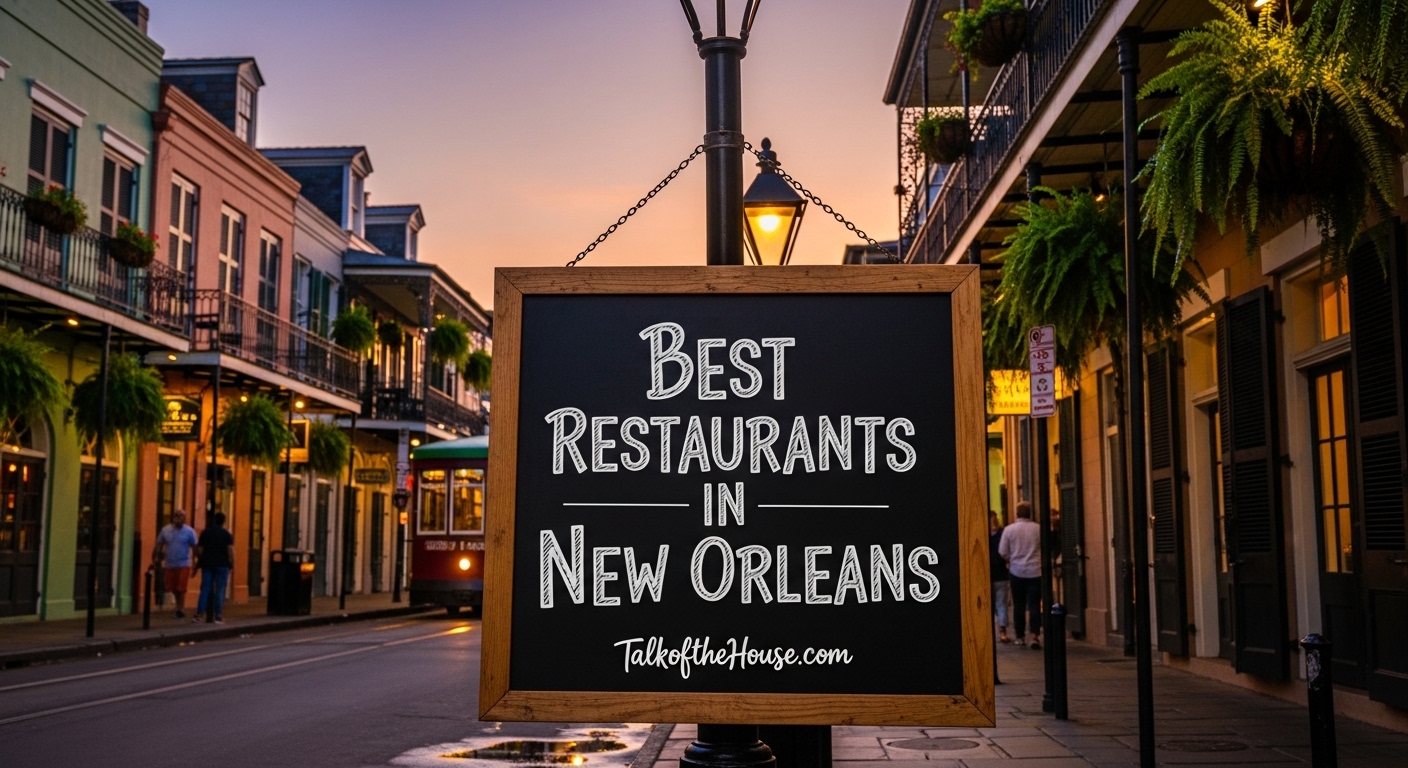
I still remember my first bite of turtle soup at Commander’s Palace. The rich, sherry-laced broth arrived tableside with a swirl of Madeira, and I knew immediately that dining in New Orleans is unlike anywhere else in America. This city doesn’t just serve food, it serves history on a plate, with recipes passed down through generations of Creole families and chefs who treat cooking as both art and heritage.
The best restaurants in New Orleans span nearly two centuries of culinary evolution. You’ll find establishments that opened before the Civil War serving the same Oysters Rockefeller recipe alongside modern tasting rooms where James Beard winners reimagine Senegalese-Louisiana fusion. Whether you’re seeking the white-tablecloth formality of the French Quarter or the casual po’boy shops locals treasure, this guide covers the 15 restaurants that define New Orleans dining in 2026.
I’ve organized this list into three categories to help you plan your meals. The Historic Creole Classics section features six institutions that have operated for over a century, each with signature dishes you simply cannot miss. The Modern Award-Winning Standouts highlight contemporary chefs pushing boundaries while respecting tradition. Finally, the Local Favorites section reveals where New Orleans residents actually eat when tourists aren’t watching. If you’re planning a family trip, these recommendations work for both special occasion dinners and casual lunches between sightseeing.
Table of Contents
Best Historic Creole Classic Restaurants in New Orleans (2026)
These six restaurants represent the foundation of New Orleans dining. Each has operated for at least 75 years, preserving recipes and techniques that define Creole cuisine. When locals speak of “The Trinity” in hushed, reverent tones, they’re referring to Commander’s Palace, Galatoire’s, and Antoine’s, the three pillars of traditional New Orleans fine dining.
1. Antoine’s Restaurant – America’s Oldest Family-Run Restaurant
Antoine’s has occupied the same corner of St. Louis Street in the French Quarter since 1840, making it the oldest continuously family-operated restaurant in the United States. The Alciatore family still owns and manages the establishment, now in its sixth generation. When you step through the doors, you’re walking into a living museum where every room tells a story of Mardi Gras krewes, celebrity visitors, and culinary innovation.
The must-order dish is Oysters Rockefeller, which Antoine’s invented in 1899. The recipe remains a closely guarded secret, though we know it contains neither spinach nor bacon despite what imitators use. The vibrant green sauce covering fresh Gulf oysters gets its color and complex flavor from a pureed blend of herbs, vegetables, and buttery richness. Each bite delivers the briny sweetness of the oyster followed by the silky, herbaceous sauce that made this dish famous worldwide.
Beyond the food, Antoine’s offers one of the most unique dining experiences in New Orleans. Request a tour of the Mardi Gras krewe rooms upstairs, where private dining spaces display memorabilia from Carnival organizations dating back over a century. The restaurant has hosted presidents from FDR to George W. Bush, and the walls hold thousands of photographs documenting this history. For dress code, jackets are required for gentlemen at dinner, preserving the formal atmosphere that has defined Antoine’s for nearly two centuries.
2. Commander’s Palace – The Crown Jewel of Garden District Dining
If food critics and locals had to crown a single winner as the best restaurant in New Orleans, Commander’s Palace would likely take the title. This turquoise Victorian mansion rising from the Garden District has won seven James Beard Awards, more than any other restaurant in the South. The kitchen has launched the careers of legendary chefs including Emeril Lagasse, Paul Prudhomme, and Tory McPhail, creating a dynasty of culinary excellence that continues under current executive chef Meg Bickford.
The turtle soup here defines the standard by which all others are measured. Made from snapping turtle meat simmered with tomatoes, herbs, and sherry, the soup arrives with a dramatic tableside presentation of additional Madeira poured into your bowl. The flavor is complex and earthy, with a slight tang from the tomatoes balanced by the rich, meaty broth. I recommend pairing it with the Creole bread pudding souffle for dessert, a lighter-than-air creation that takes 30 minutes to prepare and arrives towering above the ramekin, drizzled with whiskey sauce.
Commander’s Palace offers one of the best dining values in the city through its 25-cent martini lunch. Available weekdays in the Garden Room, this promotion lets you enjoy three small martinis for just 25 cents each when you order an entree. The martinis are classic, strong, and perfectly chilled, making this the most civilized way to spend a weekday afternoon in New Orleans. Reservations are essential here, and gentlemen should wear jackets at dinner, though business casual works for lunch.
3. Galatoire’s – Bourbon Street Institution with Old-World Charm
Galatoire’s has anchored the 200 block of Bourbon Street since 1905, serving French-Creole cuisine in a setting that transports you to another era. The dining room features white-jacketed waiters who have worked there for decades, many serving the same families across multiple generations. The atmosphere buzzes with conversation, clinking glasses, and the occasional spontaneous celebration as diners mark special occasions with the restaurant’s signature souffle potatoes.
The downstairs dining room operates on a first-come, first-served basis for lunch, creating a uniquely democratic New Orleans tradition. Locals line up before opening to secure a favorite table or waiter, often waiting an hour or more for a seat. This policy has remained unchanged for over a century, ensuring that anyone willing to wait can experience Galatoire’s regardless of their social status or reservation-making abilities.
Order the trout meuniere amandine, a simple preparation that showcases the kitchen’s mastery. The fish is lightly dredged in flour, pan-fried in butter, and finished with toasted almonds and brown butter. The result is crispy, delicate, and nutty, with the almonds adding texture to the silky fish. For dessert, the Creole bread pudding souffle rivals Commander’s Palace version, and the cafe brulot, a flaming spiced coffee prepared tableside, provides both caffeine and theater to end your meal.
4. Brennan’s – The Pink Palace Where Bananas Foster Was Born
Brennan’s occupies a distinctive pink building on Royal Street that has become one of the most photographed restaurants in the French Quarter. Founded in 1946 by Owen Brennan, this establishment invented one of the world’s most famous desserts: Bananas Foster. The dish was created in 1951 when Owen challenged his chef to create a dessert featuring bananas, a fruit imported through the port in large quantities. The result, flambeed tableside with butter, brown sugar, cinnamon, and banana liqueur, has been copied thousands of times but never duplicated.
Breakfast and brunch at Brennan’s have achieved legendary status among New Orleans visitors. The breakfast menu includes eggs Hussarde, a variation of eggs Benedict featuring Brennan’s own marchand de vin sauce, and the award-winning artichoke and goat cheese omelette. The morning meal stretches leisurely into afternoon, accompanied by jazz musicians who circulate through the courtyard and dining rooms, creating a festive atmosphere that feels quintessentially New Orleans.
The Rooster Bar offers one of the most elegant cocktail experiences in the city. Bartenders here have perfected classics like the Ramos Gin Fizz, a labor-intensive drink that requires shaking for several minutes to achieve its characteristic frothy texture. The bar also produces excellent Sazeracs, the official cocktail of New Orleans, made with rye whiskey, absinthe, Peychaud’s bitters, and a lemon peel. Reservations for brunch should be made weeks in advance, especially during festival seasons.
5. Dooky Chase’s – A Civil Rights Landmark with Legendary Fried Chicken
Dooky Chase’s represents something far more significant than excellent food, though it certainly provides that too. Founded in 1941 by Edgar “Dooky” Chase Jr. and his wife Leah, this Tremé institution became a meeting place for civil rights leaders during the 1960s. Martin Luther King Jr., the Freedom Riders, and local organizers gathered here to strategize over Leah Chase’s gumbo and fried chicken. President Barack Obama and First Lady Michelle Obama dined here during their New Orleans visits, continuing the restaurant’s tradition of hosting history-makers.
The fried chicken at Dooky Chase’s achieves that perfect balance of crispy, well-seasoned exterior and juicy, tender interior that home cooks spend lifetimes trying to replicate. The recipe is simple in concept but requires precise technique: chicken marinated overnight, dredged in seasoned flour, and fried in cast iron skillets until golden. The result shatters slightly when you bite, giving way to meat that drips with savory juices. This is the fried chicken that converted skeptics and comforted activists during the most turbulent years of the civil rights movement.
The restaurant also houses one of the most significant collections of African American art in the United States. Leah Chase began collecting works by local and national artists in the 1940s, and today the walls display pieces by Jacob Lawrence, Elizabeth Catlett, and John Biggers alongside local New Orleans talent. The collection transforms a meal here into a cultural experience that educates while it satisfies. Be sure to request a brief tour if Leah’s family is present, as they often share stories about the artwork and the restaurant’s history.
6. Arnaud’s – Three Restaurants in One Historic French Quarter Building
Arnaud’s offers one of the most versatile dining experiences in New Orleans through its three distinct concepts housed in a single historic French Quarter building. The main dining room serves classic Creole cuisine in a formal setting with live jazz during weekend brunch. The French 75 Bar provides an intimate cocktail experience with small plates, while the bistro section offers a more casual alternative to the grand dining room.
The French 75 Bar deserves special recognition as one of the best cocktail destinations in a city famous for drinks. Named after the classic cocktail of champagne, gin, lemon juice, and sugar, the bar features a menu that balances historical accuracy with creative innovation. The bartenders here have won numerous competitions, and the bar program emphasizes both technique and storytelling, with each drink connected to New Orleans history.
Upstairs, the Mardi Gras Museum displays costumes and memorabilia from over a century of Carnival celebrations. The collection includes intricate costumes worn by past kings and queens of Mardi Gras krewes, offering insight into the pageantry and tradition of New Orleans’ most famous celebration. Visitors can tour the museum before or after dining, making Arnaud’s a complete cultural experience rather than simply a meal. The Sunday jazz brunch pairs live Dixieland music with a buffet of Creole specialties, creating the kind of leisurely, music-filled morning that defines New Orleans hospitality.
Modern Award-Winning Restaurants in New Orleans
While the historic restaurants preserve tradition, these six modern establishments prove that New Orleans cuisine continues to evolve. Led by James Beard Award winners and Michelin-recognized chefs, these restaurants honor Creole foundations while incorporating global influences, sustainable practices, and innovative techniques. They represent the future of New Orleans dining without forgetting its past.
7. Dakar NOLA – James Beard Best New Restaurant 2024
Dakar NOLA made history in 2026 by becoming the first Senegalese restaurant to win the James Beard Award for Best New Restaurant. Chef Serigne Mbaye channels his Dakar upbringing through Louisiana ingredients, creating a tasting menu that draws surprising connections between West African and Southern American cooking traditions. The restaurant operates from a small space on Magazine Street with a communal table that seats just 16 guests, creating an intimate dining experience that feels more like a dinner party than a restaurant service.
The tasting menu changes seasonally but consistently features dishes like thieboudienne, Senegal’s national dish of fish and broken rice, reinterpreted with Gulf snapper and Louisiana vegetables. The accara, black-eyed pea fritters similar to hush puppies, arrive crispy and spiced with Scotch bonnet peppers, served with a tangy tamarind dipping sauce. Each course comes with stories about the ingredients and techniques, delivered by Chef Mbaye or his team, who treat education as part of the hospitality.
What distinguishes Dakar NOLA beyond the food is its mission. The restaurant explicitly connects the food of Senegal to the food of the American South, highlighting the African roots of Southern cuisine that are often erased or overlooked. This makes dining here both delicious and meaningful, a culinary education that happens to include some of the most innovative cooking in 2026. Reservations are released monthly and sell out within minutes, so plan ahead if you want to experience this groundbreaking restaurant.
8. Emeril’s New Orleans – The City’s Only Two-Michelin-Star Restaurant
When the Michelin Guide finally arrived in New Orleans, Emeril’s flagship restaurant in the Warehouse District became the city’s only two-star recipient. This recognition places Emeril’s among the most elite dining establishments in the world, a remarkable achievement for a restaurant that opened in 1990 and helped launch the celebrity chef phenomenon. Under current executive chef E.J. Lagasse, who happens to be Emeril’s son, the kitchen continues to evolve while maintaining the bold flavors that made “Bam!” a national catchphrase.
The menu emphasizes Gulf Coast ingredients treated with classical French technique and the occasional Creole flourish. The barbecue shrimp appetizer, served with a crispy sesame roll for sauce-sopping, balances richness with brightness through lemon and Worcestershire. The Andouille-crusted drumfish demonstrates the kitchen’s mastery of texture, with the spicy sausage crust providing crunch against the delicate white fish. For dessert, the banana cream pie has achieved cult status among regulars, layered with vanilla wafers, pastry cream, and fresh bananas under a torched meringue.
The dining room features an open kitchen that allows guests to watch the precise choreography of a high-end restaurant during service. The space balances elegance with warmth, avoiding the stuffiness that sometimes accompanies Michelin-starred dining. Sommelier selections pair expertly with the bold flavors, featuring both Old World classics and emerging American producers. Reservations are essential, especially for weekend dining, and the restaurant offers both a la carte and tasting menu options depending on your appetite and schedule.
9. Herbsaint – Donald Link’s St. Charles Avenue Institution
Herbsaint launched Donald Link’s restaurant empire in 2000, establishing him as one of New Orleans’ most influential chefs. Located on St. Charles Avenue with views of the streetcar line, this bistro-style restaurant has maintained its reputation for excellence through two decades of changing trends. The menu bridges French and Southern cooking, featuring dishes that sound simple on paper but reveal complexity with each bite.
The spaghetti with guanciale and fried egg has remained on the menu since opening night, a testament to its perfection. The house-cured pork jowl provides rich, unctuous flavor that coats the pasta, while the fried egg on top creates a sauce when broken. It’s a dish that explains why Herbsaint has lasted when so many restaurants have closed: they know when not to change something that works. The Louisiana shrimp with calas, rice fritters that are a dying New Orleans tradition, demonstrates Link’s commitment to preserving regional foodways while making them relevant to modern diners.
The bar program at Herbsaint focuses on American wines and craft cocktails that complement the food without overwhelming it. The space works equally well for business lunches, romantic dinners, or solo dining at the bar, where the bartenders are knowledgeable and welcoming. Unlike some fine dining establishments that feel rigid, Herbsaint maintains a relaxed atmosphere where guests can linger over wine without feeling rushed. This balance of serious food and casual hospitality defines the best of modern New Orleans dining.
10. Compere Lapin – Nina Compton’s Caribbean-Creole Fusion
Chef Nina Compton brought her St. Lucian heritage and Top Chef finalist experience to New Orleans when she opened Compere Lapin in 2015. The name means “brother rabbit” in French Creole, referencing both the Caribbean trickster figure and Compton’s playful approach to merging island flavors with Louisiana ingredients. In 2026, Compere Lapin remains one of the most exciting places to eat in New Orleans, with a menu that surprises and delights even repeat visitors.
The curried goat with sweet potato gnocchi exemplifies the restaurant’s fusion approach. The goat is braised until tender in a curry blend that reflects Caribbean traditions, then served with pillowy gnocchi that reference Italian and Creole influences. The result is neither strictly Caribbean nor Creole but something entirely new that could only exist in New Orleans. The broiled Gulf shrimp with jalapero and lime butter offers a lighter option that still delivers bold flavor through the combination of citrus, heat, and sweet shellfish.
Compton won the James Beard Award for Best Chef South in 2018, validating what locals already knew: she is one of the most talented chefs working in New Orleans today. The restaurant’s location in the Warehouse District puts it within walking distance of several hotels and the convention center, making it convenient for visitors. The dining room features an open kitchen and communal seating that encourages conversation with fellow diners. Reservations are strongly recommended, though the bar accepts walk-ins for those willing to wait.
11. Peche – Sustainable Seafood with Open Hearth Cooking
Peche represents the collaboration of chefs Ryan Prewitt, Donald Link, and Stephen Stryjewski, who shared the James Beard Award for Best Chef South in 2014. The restaurant focuses entirely on seafood, sourced sustainably from Gulf and Atlantic waters, prepared over an open wood hearth that imparts smoky depth to everything it touches. The space feels like a coastal fish house elevated to fine dining, with exposed brick, wooden tables, and the visible glow of the kitchen fire.
The whole grilled fish, scaled to serve 2-4 people depending on size, is the centerpiece of the Peche experience. Diners choose from whatever species looks best that day, and the kitchen grills it simply with olive oil, lemon, and herbs, allowing the freshness to speak for itself. The raw bar offers oysters, crudo, and ceviche that demonstrate the kitchen’s respect for seafood in its uncooked state. For something heartier, the smoked tuna dip served with saltine crackers has become a signature, bridging the gap between appetizer and entree with its rich, smoky flavor.
The cocktail program features rum prominently, appropriate for a seafood restaurant in a port city with Caribbean connections. The frozen rum drink, made with multiple rums and fresh citrus, has achieved Instagram fame while actually tasting good, a rare combination. The wine list emphasizes crisp whites and light reds that pair with seafood without overwhelming it. Peche accepts reservations but keeps some tables available for walk-ins, making it more accessible than some of the tasting-menu-only restaurants on this list.
12. MaMou – Parisian Brasserie Meets New Orleans Charm
MaMou opened in 2022 as a French brasserie that pays homage to both Parisian traditions and New Orleans’ French colonial history. The name references a Louisiana French phrase meaning “my dear,” setting the tone for a restaurant that treats guests with old-world hospitality. Located on Chartres Street in the French Quarter, the space features classic bistro elements: red leather banquettes, white tablecloths, and soft lighting that creates romance without stuffiness.
The menu focuses on brasserie classics executed with precision. The steak frites arrive with proper frites, twice-fried until crispy and golden, alongside a hanger steak cooked to specification and topped with compound butter. The escargot come sizzling in their ceramic dishes, swimming in garlic-parsley butter that demands to be sopped up with the accompanying bread. For dessert, the flambeed crepes Suzette provide tableside theater as the server ignites orange liqueur and pours the flaming sauce over delicate pancakes.
What distinguishes MaMou from other French restaurants in New Orleans is the attention to atmosphere. The music stays at a volume that allows conversation, the lighting flatters everyone, and the service strikes that perfect French balance of professionalism without obsequiousness. It’s the kind of restaurant where you want to spend three hours over dinner, working your way through multiple courses and bottles of wine. The relatively recent opening means reservations are easier to secure than at established classics, making MaMou a smart choice for spontaneous fine dining.
Local Favorites and Neighborhood Gems of New Orleans
The previous twelve restaurants represent New Orleans’ culinary excellence, but these next three represent where locals actually eat when they’re not celebrating anniversaries or hosting out-of-town guests. Discovered through Reddit discussions and local recommendations, these spots offer authenticity without the white-tablecloth formality. They prove that the best meals in New Orleans often happen at counter-service spots with paper napkins and no reservations required.
13. Turkey and the Wolf – Best Sandwiches in the City
Turkey and the Wolf has achieved cult status among New Orleans locals since opening in 2016, consistently voted the best sandwich shop in a city that takes its po’boys seriously. Chef Mason Hereford, a New Orleans native who cooked at high-end restaurants before opening this casual spot, applies fine-dining technique to comfort food classics. The result is sandwiches that cost under $15 but deliver flavors that rival $50 restaurant entrees.
The collard green melt deserves its reputation as one of the best sandwiches in America. House-made collard greens, melted Swiss cheese, and Russian dressing are pressed between rye bread until the exterior is crispy and the interior is a gooey, savory mess. The fried chicken sandwich, served with slaw and comeback sauce on white bread, elevates a fast-food standard into something craveable. The menu changes seasonally, but these two sandwiches remain constants that locals order repeatedly.
The space feels like a rec room from the 1970s, with vintage toys, board games, and eclectic decorations creating a playful atmosphere. There are no reservations, and the line often stretches out the door during lunch hours, but the wait moves quickly and the food is worth it. This is where New Orleans chefs eat on their days off, a reliable indicator of quality. Located on Jackson Avenue in the Lower Garden District, it’s a short streetcar or rideshare ride from the French Quarter hotels.
14. Parkway Bakery and Tavern – The Local Po’Boy Institution
Parkway Bakery and Tavern has operated in various forms since 1911, making it nearly as old as some of the fine dining establishments on this list, but with a completely different atmosphere. This is a neighborhood tavern that happens to serve what many locals consider the best po’boys in New Orleans. The building has survived floods, fires, and neighborhood changes, remaining a constant in Mid-City where families, construction workers, and food enthusiasts line up for overstuffed sandwiches.
The surf and turf po’boy exemplifies the excess that makes New Orleans food culture so beloved. Half the sandwich contains fried oysters, the other half roast beef debris, all dressed with lettuce, tomatoes, pickles, and mayonnaise on Leidenheimer baking company French bread. The contrast between briny, crispy oysters and rich, gravy-soaked beef creates a sandwich that requires both hands and several napkins. The bread is the key: Leidenheimer has supplied New Orleans po’boy shops for generations, and their crusty-yet-tender French bread achieves the perfect texture for holding massive fillings without disintegrating.
The tavern section offers Abita beer on tap and a full bar, making Parkway suitable for both quick lunches and leisurely afternoons. The outdoor patio, shaded by ancient oak trees, provides one of the most pleasant casual dining settings in the city. Parking is easier here than in the French Quarter, and the prices are significantly lower than tourist-trap alternatives. For an authentic local experience that costs under $20, Parkway delivers satisfaction that rivals meals costing ten times as much.
15. Saba – Mediterranean Excellence from Chef Alon Shaya
Saba, located on Magazine Street in Uptown, represents chef Alon Shaya’s return to New Orleans after his departure from the Domenica group. The restaurant focuses on Mediterranean and Israeli cuisine, bringing flavors that are relatively uncommon in a city dominated by Creole and Cajun cooking. Despite the departure from local tradition, Saba has been embraced by New Orleans diners who recognize excellence regardless of cuisine type.
The pita bread here deserves special mention. Baked fresh throughout service in the restaurant’s wood-fired oven, it arrives at your table puffy, warm, and slightly charred. The hummus, served with various toppings from mushrooms to lamb ragu, demonstrates how this simple dish can become something extraordinary when prepared with care and quality ingredients. The shakshuka, eggs poached in spiced tomato sauce and served with that same perfect pita, works equally well for brunch or dinner.
Reddit discussions consistently name Saba among the best restaurants in the city, with locals praising both the food and the atmosphere. The space is bright and modern, a departure from the dark wood and velvet of traditional New Orleans restaurants. The wine list features interesting Mediterranean selections that complement the food without breaking the bank. Reservations are recommended but not always essential, making Saba a good option for spontaneous dining when other spots are fully booked.
2026 Practical Dining Tips for New Orleans
Understanding New Orleans dining customs will help you navigate these restaurants successfully and avoid common tourist mistakes. The city has unique traditions around reservations, dress codes, and timing that differ from other American food destinations. These practical tips come from both personal experience and the collective wisdom of local Reddit discussions where residents share advice with visitors.
Reservations and Booking Strategy
Fine dining restaurants in New Orleans typically require reservations, especially for weekend dinners. Commander’s Palace, Emeril’s, and Antoine’s should be booked weeks or even months in advance for prime dinner slots. Many restaurants use OpenTable or Resy, but some historic establishments still require phone reservations, so check their websites carefully. For popular brunch spots like Brennan’s, morning reservations often fill up faster than dinner slots.
Walk-in options do exist for spontaneous diners. Galatoire’s downstairs dining room operates first-come, first-served, creating a unique opportunity to experience fine dining without advance planning, though you may wait an hour or more during peak times. Peche, Herbsaint, and Compere Lapin keep some tables available for walk-ins, and their bar areas often accept guests without reservations. The local favorites section of this guide, Turkey and the Wolf, Parkway, and Saba, rarely take reservations at all.
Dress Code Guidelines
Dress codes vary significantly across New Orleans restaurants, creating confusion for visitors. The historic Creole classics generally maintain formal standards: Antoine’s and Galatoire’s require jackets for gentlemen at dinner, while Commander’s Palace encourages them though doesn’t strictly enforce the rule. These restaurants are opportunities to dress up, so consider them when planning your packing list. For ladies, business casual to cocktail attire works well at all fine dining establishments.
Modern restaurants like Emeril’s, Compere Lapin, and Dakar NOLA have relaxed their dress codes while maintaining elegance. Business casual is universally appropriate: collared shirts for men, nice blouses or dresses for women, no athletic wear or flip-flops. The local favorites have no dress codes at all, shorts and t-shirts are perfectly acceptable at Turkey and the Wolf and Parkway. When in doubt, call the restaurant or check their website, as policies can change.
Best Times to Visit
New Orleans restaurant schedules differ from typical American dining patterns. Lunch is a serious meal here, with many fine dining establishments offering lunch service that rivals their dinner menus at lower prices. Commander’s Palace 25-cent martini lunch, mentioned earlier, exemplifies the value available during midday dining. Galatoire’s lunch is actually more popular than dinner among locals, with the Friday lunch tradition bringing out the city’s social elite.
Festival seasons transform dining availability. During Mardi Gras, Jazz Fest, and major conventions, restaurant reservations become scarce and prices often increase. If visiting during these periods, book restaurants before you book flights. The summer months, despite the heat, offer easier reservations and occasionally reduced prices as tourism slows. Many restaurants close for a week or two during August for staff vacations, so verify operating hours if visiting then.
Neighborhood Navigation and Parking
The French Quarter restaurants on this list, Antoine’s, Brennan’s, Arnaud’s, Galatoire’s, and MaMou, are all within walking distance of each other, making it easy to combine multiple experiences. However, parking in the Quarter is challenging and expensive. Consider staying at a French Quarter hotel and walking, or using rideshare services to avoid parking hassles. The Garden District’s Commander’s Palace offers valet parking, a worthwhile splurge given the neighborhood’s limited street parking.
The Warehouse District, home to Emeril’s, Herbsaint, Compere Lapin, and Peche, has more parking options including street meters and lots. This neighborhood is walkable from the French Quarter if you don’t mind a 15-minute stroll, or you can take the streetcar along St. Charles Avenue. Uptown restaurants like Saba and Turkey and the Wolf are best reached by car or rideshare from downtown hotels, as public transit options are less convenient for these locations.
Frequently Asked Questions
What is the #1 restaurant in New Orleans?
While opinions vary, Commander’s Palace is frequently cited as the #1 restaurant in New Orleans. This Garden District institution has won seven James Beard Awards and launched the careers of legendary chefs including Emeril Lagasse. For Michelin recognition, Emeril’s is currently the city’s only two-star restaurant, making it the top choice for fine dining enthusiasts.
Where do celebrities dine in New Orleans?
Celebrities frequent several New Orleans institutions. Antoine’s has hosted presidents including FDR, Dooky Chase served Martin Luther King Jr. and the Obamas, and Commander’s Palace regularly welcomes Hollywood stars. Contemporary hotspots like Emeril’s and Herbsaint also attract celebrity diners seeking award-winning cuisine.
What New Orleans restaurants have Michelin stars?
Emeril’s New Orleans is currently the city’s only two-Michelin-star restaurant, led by Chef E.J. Lagasse. The Michelin Guide recently arrived in New Orleans, and several restaurants have earned Bib Gourmand recognition for exceptional value, including Dakar NOLA, which also won the James Beard Award for Best New Restaurant in 2024.
Where do locals eat in New Orleans?
Locals favor restaurants outside the French Quarter tourist corridor. Turkey and the Wolf serves the city’s best sandwiches according to residents, Parkway Bakery offers authentic po’boys in Mid-City, and Saba provides excellent Mediterranean cuisine in Uptown. Historic institutions like Dooky Chase’s and Galatoire’s also maintain loyal local followings alongside tourist traffic.
What should I eat in New Orleans?
Essential New Orleans dishes include Oysters Rockefeller at Antoine’s, turtle soup at Commander’s Palace, Bananas Foster at Brennan’s, and a surf and turf po’boy at Parkway Bakery. Modern must-tries include the tasting menu at Dakar NOLA and the spaghetti with guanciale at Herbsaint. Don’t leave without trying beignets, gumbo, and at least one Sazerac cocktail.
Which New Orleans restaurants require jackets?
Antoine’s and Galatoire’s require jackets for gentlemen at dinner service. Commander’s Palace encourages jackets but doesn’t strictly enforce the rule. Most modern restaurants including Emeril’s, Compere Lapin, and Herbsaint accept business casual attire. When in doubt, check the restaurant’s website or call ahead to confirm current dress code policies.
Conclusion
The best restaurants in New Orleans offer something no other American city can replicate: a direct connection to culinary traditions that span three centuries. From Antoine’s Oysters Rockefeller, unchanged since 1899, to Dakar NOLA’s groundbreaking Senegalese-Louisiana fusion, these fifteen establishments represent both preservation and innovation. They prove that New Orleans remains America’s most important food city, where every meal connects you to history, culture, and community.
Whether you choose the white-tablecloth formality of Commander’s Palace, the casual excellence of Turkey and the Wolf, or the civil rights heritage of Dooky Chase’s, you’ll understand why locals speak of their restaurants with such fierce pride. These aren’t just places to eat; they’re institutions that have shaped American cuisine and continue to define what hospitality means. Plan your reservations early, pack a jacket for the classics, and prepare to understand why New Orleans food commands such devotion. In 2026, these remain the restaurants that matter most.