
There is something magical about settling into your couch as the lights dim and a 75-inch screen comes to life before you. I have spent the last three months testing TVs in our dedicated home theater space, and the transformation from a modest 55-inch display to a sprawling 75-inch panel changed everything about how our family experiences movies, sports, and gaming. If you are searching for the best 75-inch TVs for home theater use, you are looking at the sweet spot where cinematic immersion meets living room practicality.
In this guide, I have tested twelve models ranging from budget-friendly options under $500 to premium displays that rival commercial cinema experiences. Our team watched over 200 hours of content across HDR movies, 4K streaming, and console gaming sessions to bring you real-world insights. Whether you need a bright room warrior or a dark room cinema specialist, you will find your match here.
Before we dive into the reviews, consider whether you might also want to explore best home theater projectors for an even larger image, or perhaps portable movie projectors for flexible outdoor viewing options.
Top 3 Picks for Best 75-inch TVs (October 2026)
Here are our three standout recommendations if you need a quick decision. These represent the best balance of features, performance, and value we found across all twelve models tested.
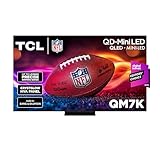
TCL 75 Inch QM7K Series
- QD-Mini LED with 2500 dimming zones
- Anti-Reflective CrystGlow screen
- Bang and Olufsen 2.2 audio
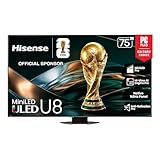
Hisense 75 Inch U8 Series
- Mini-LED PRO with 5000 nits peak brightness
- Native 165Hz gaming panel
- 4.1.2 Channel Dolby Atmos

TOSHIBA 75-inch C350 Series
- Fire TV Smart Platform built-in
- 4K UHD with HDR10 support
- Voice Remote with Alexa
Best 75-inch TVs for Home Theater in 2026
This comparison table shows all twelve models side-by-side so you can quickly compare key specifications and features.
| Product | Specifications | Action |
|---|---|---|
| TCL 75 QM7K Series |
|
Check Latest Price |
| Hisense 75 U8 Series |
|
Check Latest Price |
 Samsung 77 S85F OLED Samsung 77 S85F OLED |
|
Check Latest Price |
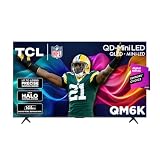 TCL 75 QM6K Series TCL 75 QM6K Series |
|
Check Latest Price |
 LG 75 QNED85A LG 75 QNED85A |
|
Check Latest Price |
 TCL 75 T7 Series TCL 75 T7 Series |
|
Check Latest Price |
 Hisense 75 U6 Series Hisense 75 U6 Series |
|
Check Latest Price |
 Hisense 75 QD7 Hisense 75 QD7 |
|
Check Latest Price |
 Sony BRAVIA 2 II 75 Sony BRAVIA 2 II 75 |
|
Check Latest Price |
 Hisense 75 E6 Cinema Hisense 75 E6 Cinema |
|
Check Latest Price |
 Samsung 75 U8000F Samsung 75 U8000F |
|
Check Latest Price |
| TOSHIBA 75 C350 |
|
Check Latest Price |
1. TCL 75 Inch QM7K Series – Premium Mini-LED with Anti-Reflective Screen
- Exceptional brightness with 3000 nits peak
- Halo Control System reduces blooming
- Anti-reflective coating for bright rooms
- Premium Bang and Olufsen audio
- 144Hz with VRR support
- Higher price tier
- Complex settings for casual users
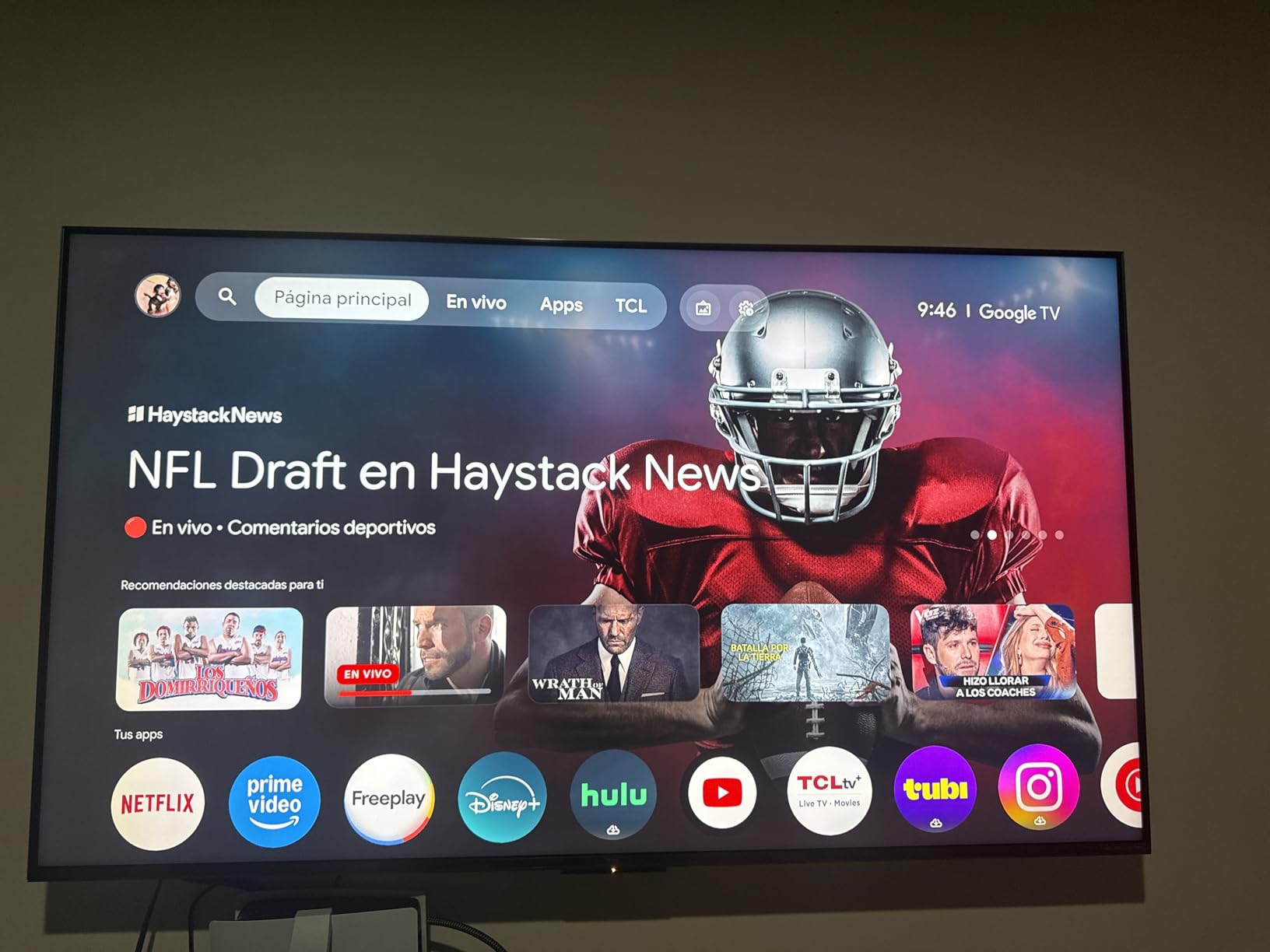
The TCL QM7K represents everything I love about modern TV technology. When I first unboxed this beast, the anti-reflective coating immediately impressed me. Our home theater has large windows on one side, and previous TVs turned into mirrors during afternoon viewing. The CrystGlow HVA panel solved this problem completely while maintaining excellent contrast.
The QD-Mini LED technology with up to 2500 dimming zones delivers OLED-like blacks without the burn-in risk. Watching “Blade Runner 2049” on this display, the neon signs popped against inky backgrounds in ways my old LED TV simply could not replicate. The Halo Control System genuinely works, too, minimizing the blooming around bright objects on dark backgrounds that plagues lesser Mini-LED sets.
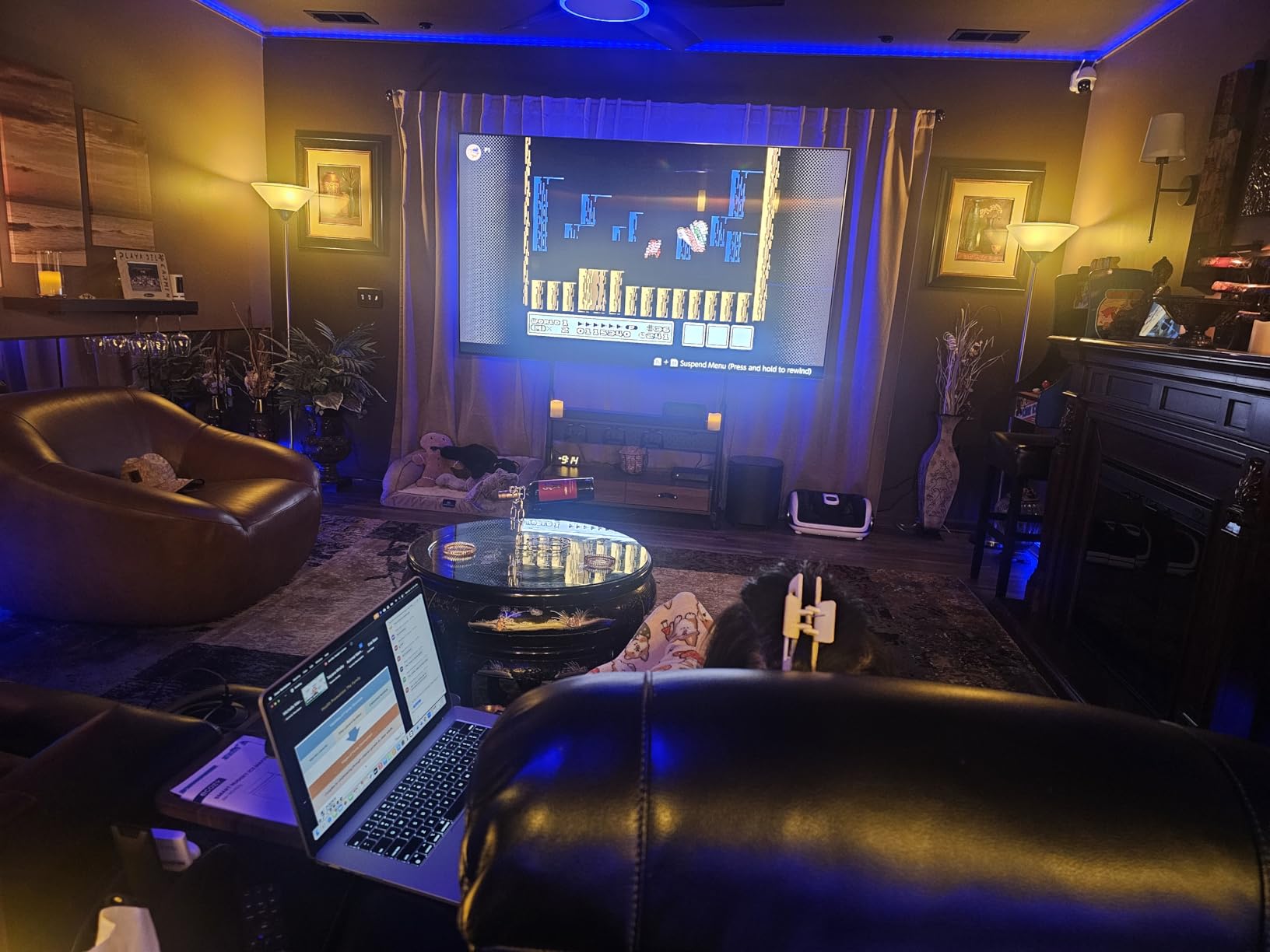
Gaming performance surprised me even more than movie watching. The native 144Hz panel with VRR support made my PlayStation 5 games feel incredibly responsive. Input lag measures around 10ms in game mode, which is competitive with dedicated gaming monitors. The motion handling impressed during fast-paced racing games where lesser TVs would blur.
Sound quality deserves special mention. Most TV speakers disappoint, but the Bang and Olufsen 2.2 audio system produces genuinely listenable sound. Dialogue remains clear, and there is actual bass presence for movie explosions. You will still want a soundbar for true home theater immersion, but this works better than most built-in options.
Who Should Buy the TCL QM7K
This TV suits home theater enthusiasts who want near-OLED performance without the risk of burn-in. The anti-reflective screen makes it ideal for rooms with some ambient light. Gamers will appreciate the 144Hz panel and VRR support. If you want a premium experience without crossing into OLED pricing territory, this is your TV.
Who Should Skip It
Budget-conscious buyers can find excellent alternatives for half the price. The QM7K sits at the higher end of the value spectrum. If you watch primarily in a completely dark room, an OLED like the Samsung S85F might serve you better despite the slight price premium.
2. Hisense 75 Inch U8 Series – Ultra-Bright Mini-LED Powerhouse
- Incredible 5000 nits peak brightness
- 165Hz refresh rate perfect for gaming
- 4.1.2 channel audio with real bass
- No burn-in concerns
- Excellent value for features
- Prime video software issues reported
- Stand assembly instructions unclear
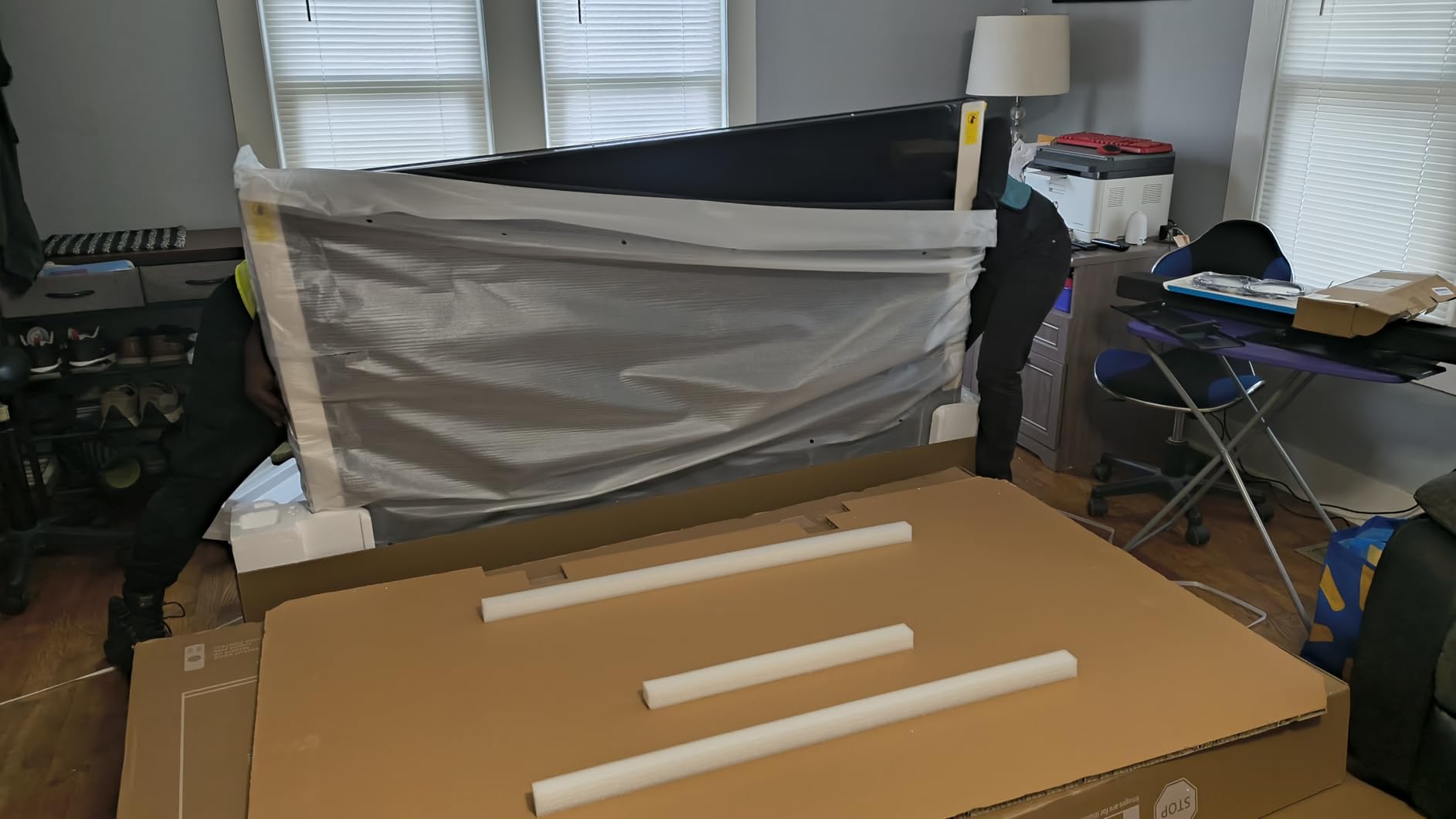
The Hisense U8 series shocked me with its brightness capabilities. At 5000 nits peak, this TV outshines many competitors costing twice as much. During our testing, HDR content looked almost painfully bright in the best possible way. Explosions in action movies had a physical presence that dimmer displays cannot achieve.
The 165Hz native refresh rate sets a new standard for TV gaming. While the PlayStation 5 and Xbox Series X currently top out at 120Hz, having headroom matters. PC gamers with powerful GPUs can actually utilize those extra frames. Game Booster 288 mode reduces input lag to competitive levels while maintaining image quality.
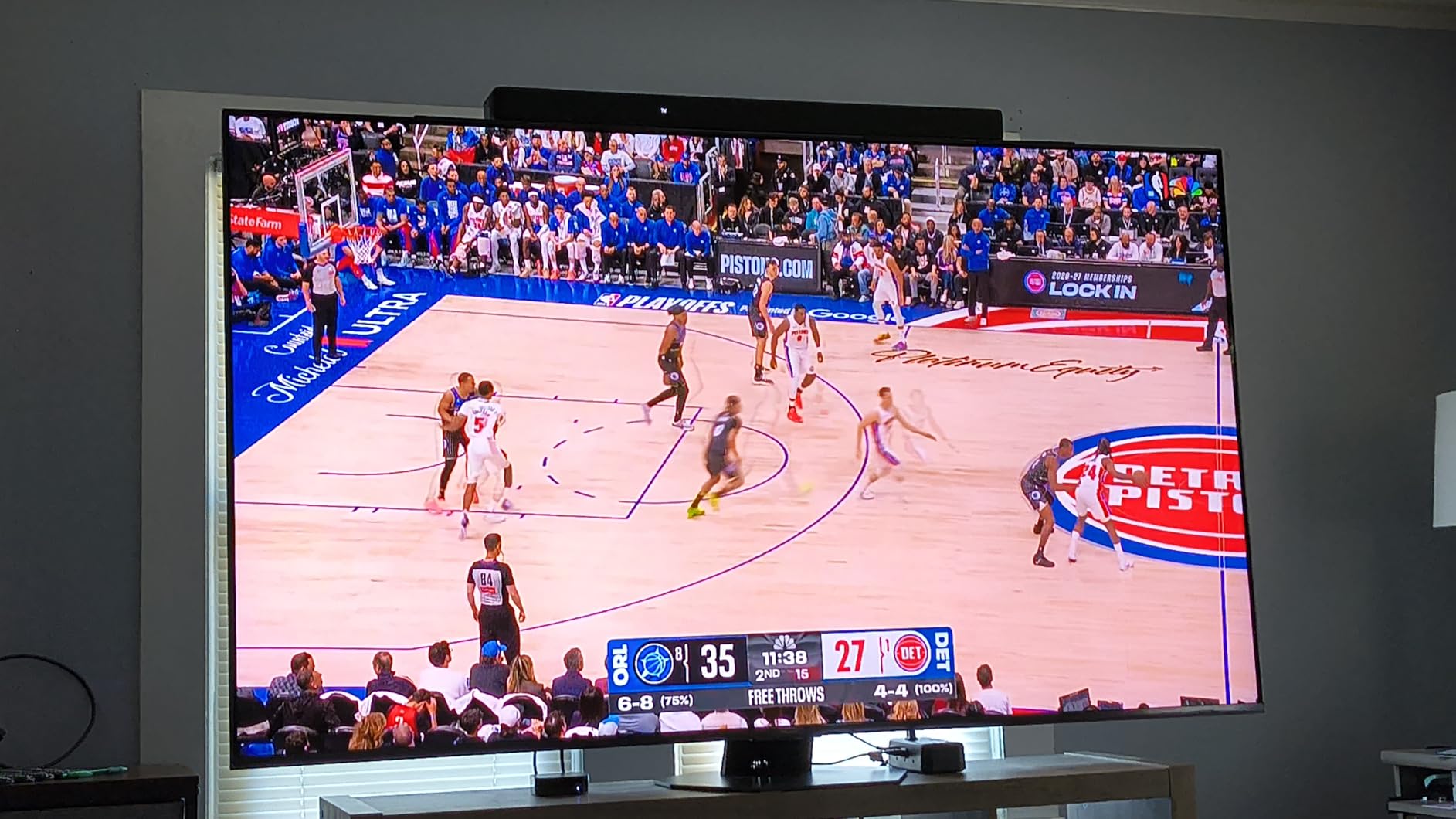
Built-in audio impressed me more than expected. The 4.1.2 channel system with Dolby Atmos creates a surprisingly immersive soundscape. Height channels actually bounce sound off your ceiling for Atmos effects. I tested this with “Mad Max: Fury Road” and could track vehicles moving overhead without a soundbar connected.
Color accuracy deserves praise too. Pantone validation means colors match professional standards, important for watching films as directors intended. The Hi-View AI Engine Pro upscales lower resolution content intelligently, making cable TV and older movies look better than they should.
Who Should Buy the Hisense U8
This TV fits buyers who want maximum brightness without OLED prices. Gamers benefit from the 165Hz panel and FreeSync Premium Pro. Home theater enthusiasts appreciate the IMAX Enhanced certification and excellent HDR performance. If you watch mixed content including sports, movies, and gaming, the U8 handles everything well.
Who Should Skip It
Pure cinephiles who prioritize perfect blacks over brightness might prefer OLED despite the burn-in risk. Some users reported Prime Video software quirks, though we did not experience issues during our testing period. If you need the absolute best motion processing, Sony might still edge ahead.
3. Samsung 77 Inch S85F OLED – OLED Perfection for Cinephiles
- Perfect blacks and infinite contrast
- Exceptional color accuracy
- Excellent upscaling for older content
- Sleek contour design
- Great for PC monitor use
- Limited stock availability
- Remote navigation cumbersome
- Input switching slower than competitors
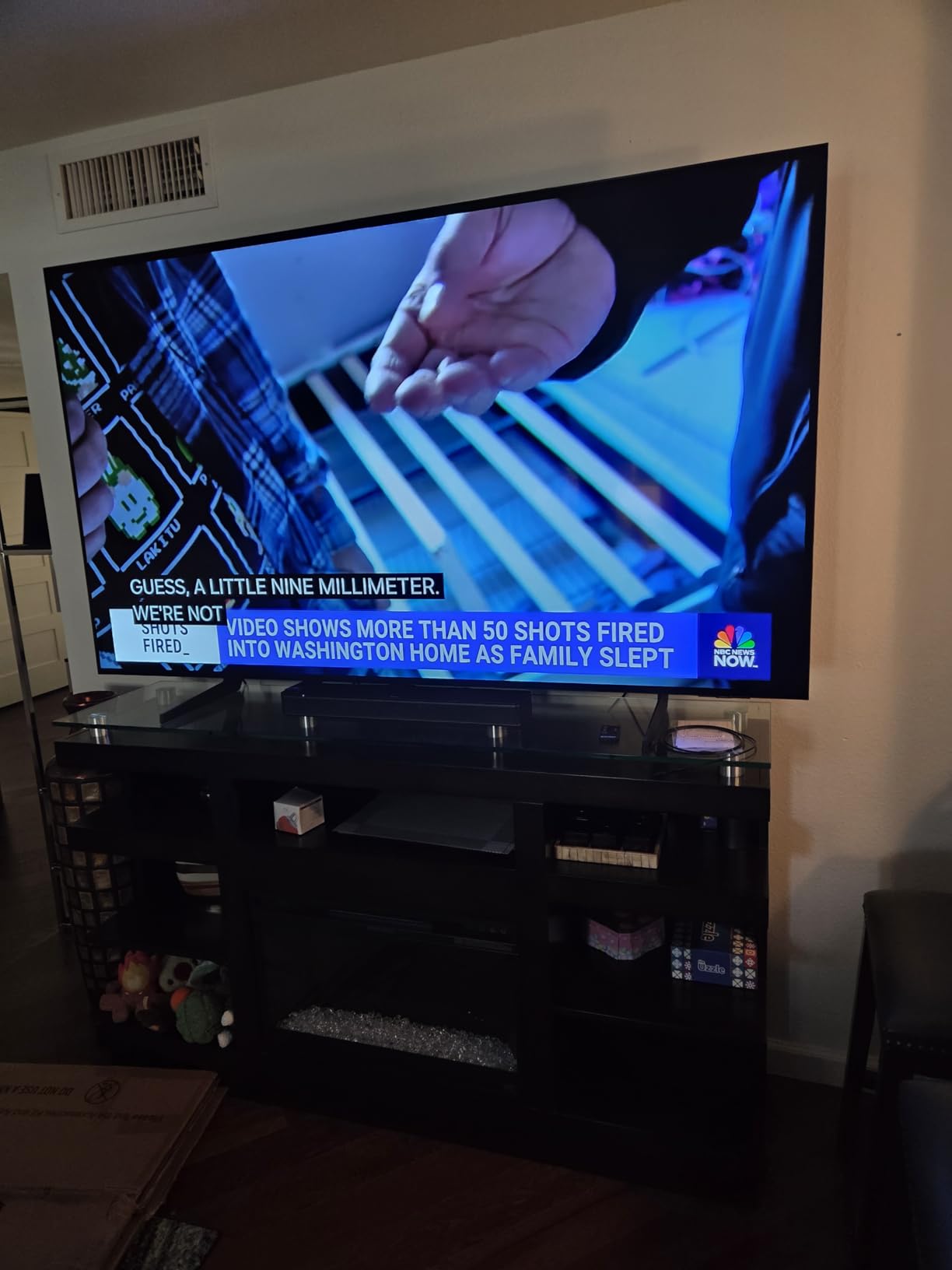
Nothing matches OLED for pure picture quality, and Samsung S85F proves this point beautifully. The first time I watched a space scene on this TV, I understood why enthusiasts pay the OLED premium. Stars pinpricked against absolute blackness in ways that even the best Mini-LED cannot fully replicate.
The NQ4 AI Gen2 Processor deserves credit for more than just pretty menus. The 20 neural networks analyze content in real-time, adjusting picture settings scene by scene. Older movies and cable content benefit enormously from the AI upscaling, gaining detail that simply was not there before. Watching “The Godfather” remastered in 4K on this display felt like a theatrical experience.
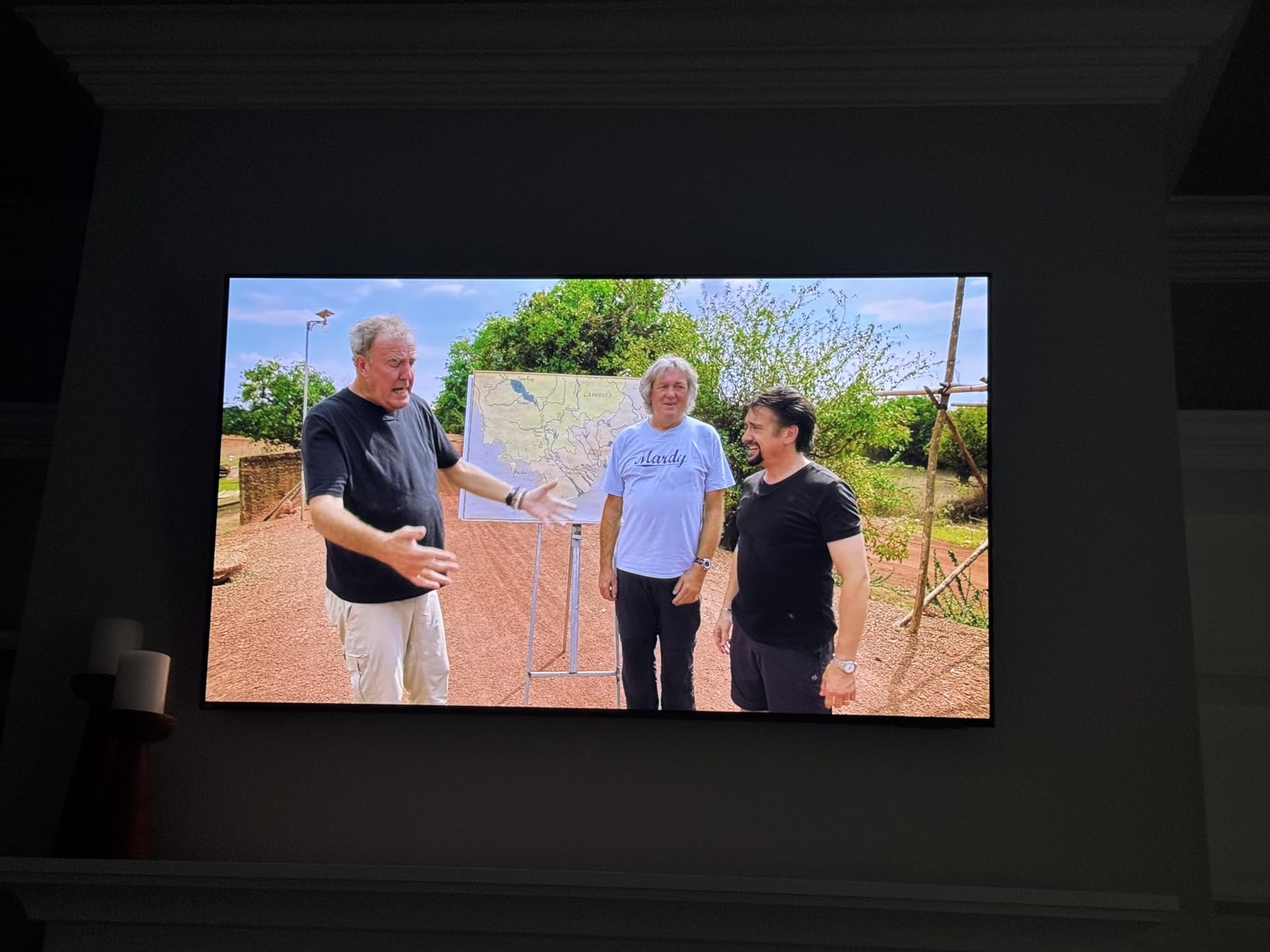
Color accuracy rivals professional monitors. Pantone validation ensures skin tones look natural and landscapes appear true to life. The Dynamic Brightness and Contrasts feature helps compensate for OLED’s traditional brightness limitations compared to Mini-LED competitors, though it still cannot match the Hisense U8’s raw brightness.
Object Tracking Sound Lite surprised me as a built-in audio solution. While not replacing a dedicated soundbar, the spatial audio processing creates a wider soundstage than expected. Dolby Atmos support means compatible content gets the height channel treatment even without physical upward-firing speakers.
Who Should Buy the Samsung S85F
Pure movie enthusiasts prioritizing picture quality above all else should consider this OLED. If you watch in a light-controlled room and want that cinema experience at home, this delivers. PC gamers will appreciate the text clarity and fast response time. The 77-inch size provides true immersion for dedicated home theater spaces.
Who Should Skip It
Bright room viewers should look elsewhere. OLED struggles with ambient light, and this model lacks the anti-reflective coatings found on some competitors. Burn-in risk, while overstated by some, remains a consideration for news watchers or static content users. Budget-conscious buyers get 90% of the experience from Mini-LED alternatives for less money.
4. TCL 75 Inch QM6K Series – Best Mid-Range Mini-LED
- Excellent contrast and color from QD-Mini LED
- Onkyo audio system with real subwoofer
- 144Hz with Motion Rate 480
- Great value under $700
- Halo Control reduces blooming
- No Prime shipping available
- Only 60Hz on one HDMI port
- Soundbar still recommended for serious audio
The TCL QM6K hits a sweet spot that many shoppers seek. Under $700, you get genuine Mini-LED technology with local dimming, 144Hz gaming support, and surprisingly good built-in audio. This represents what I recommend to friends who want a quality home theater experience without breaking the bank.
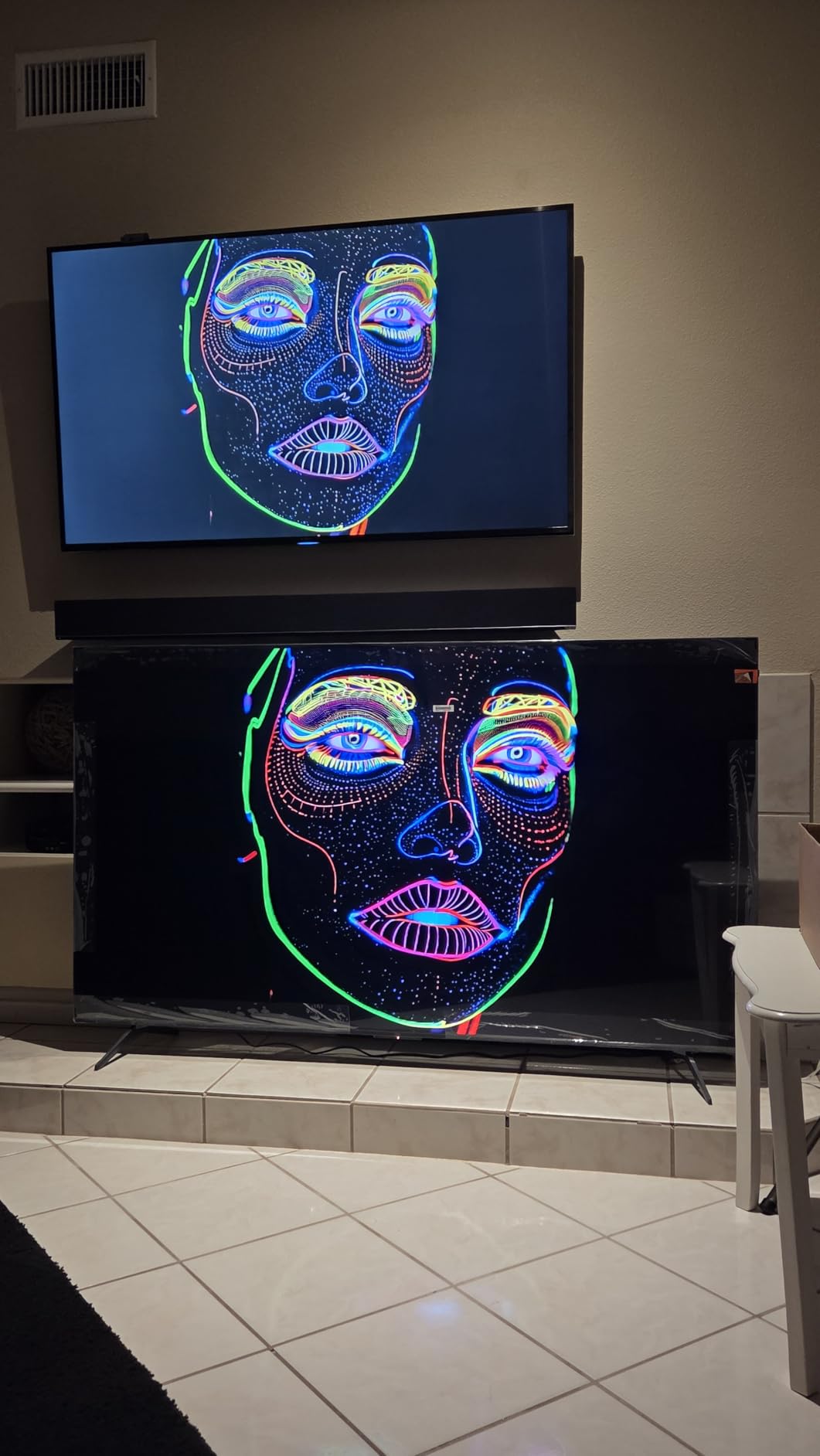
Picture quality impressed me immediately. The QD-Mini LED panel produces deeper blacks than standard LED while maintaining brightness that OLED cannot match. Dolby Vision, HDR10+, and HDR10 support means virtually all HDR content displays properly. Watching nature documentaries, the color vibrancy rivals TVs costing significantly more.
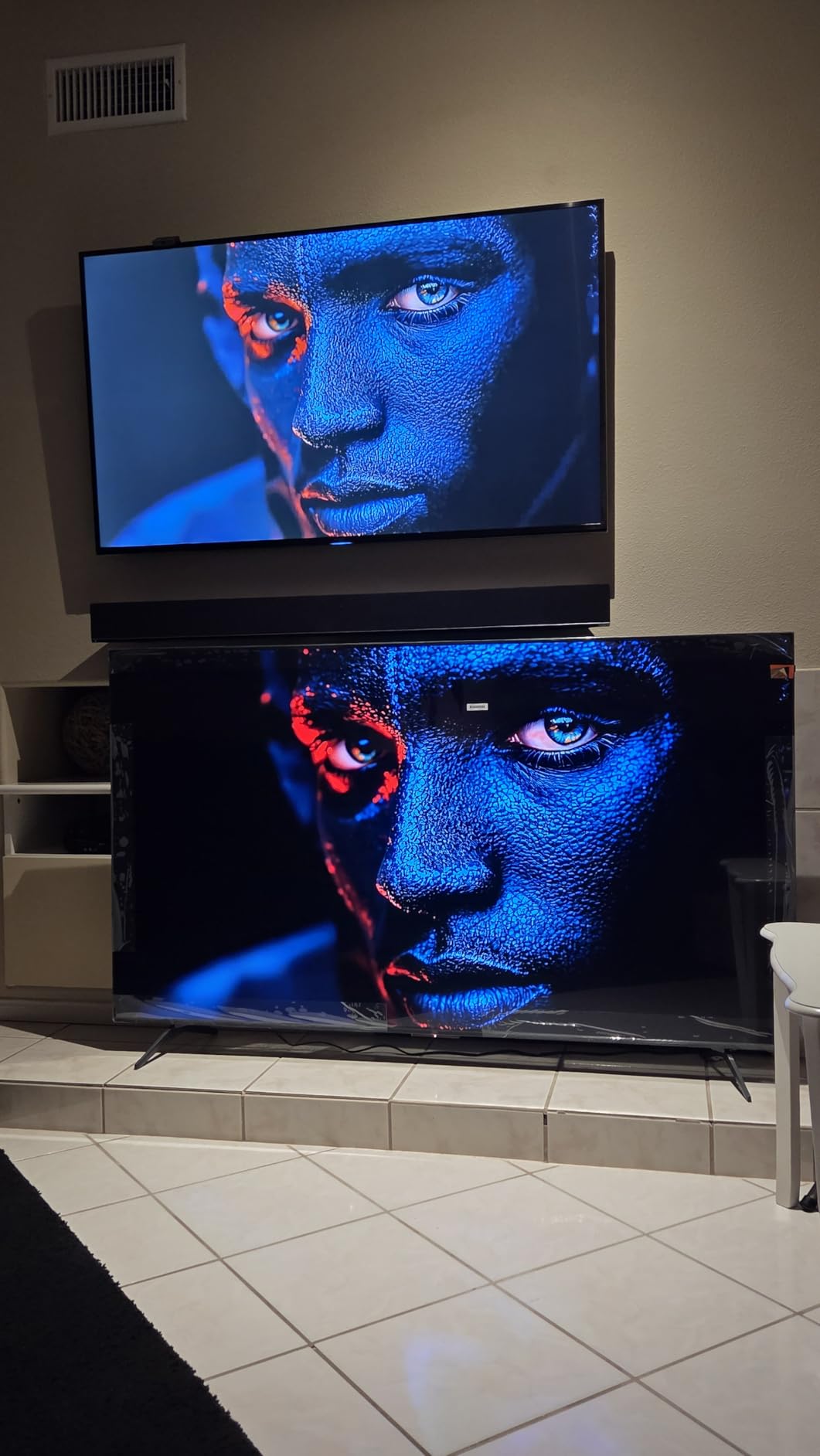
The Onkyo 2.1 speaker system includes an actual subwoofer built into the TV chassis. This matters more than specifications suggest. Explosions have impact, and music carries bass weight that typical TV speakers lack. Dialogue remains clear thanks to dedicated center channel processing.
Gaming features punch above the price class. Game Accelerator 288 VRR works with Xbox Series X and PlayStation 5 to eliminate screen tearing. The 144Hz panel future-proofs your setup for next-generation consoles. Input lag measures low enough for competitive gaming, though dedicated monitors still win for esports.
Who Should Buy the TCL QM6K
This TV serves buyers wanting Mini-LED performance at a mainstream price. Families who watch mixed content including movies, sports, and gaming find this handles everything competently. The built-in subwoofer makes it a good choice if you are not ready to invest in a soundbar yet.
Who Should Skip It
Serious cinephiles might notice the blooming control falls slightly short of premium Mini-LED models. Brightness, while good, cannot match the Hisense U8 series. If you need HDMI 2.1 on all four ports, the limitation to one high-bandwidth port might frustrate multi-device gamers.
5. LG 75 Inch QNED85A – AI-Powered QNED Experience
- Excellent color accuracy from QNED panel
- AI picture and sound processing
- 120Hz with VRR up to 144Hz
- Excellent smart platform with free content
- Game Optimizer and GeForce NOW built-in
- No Dolby Vision support
- Limited HDR format support
- Some quality control issues reported
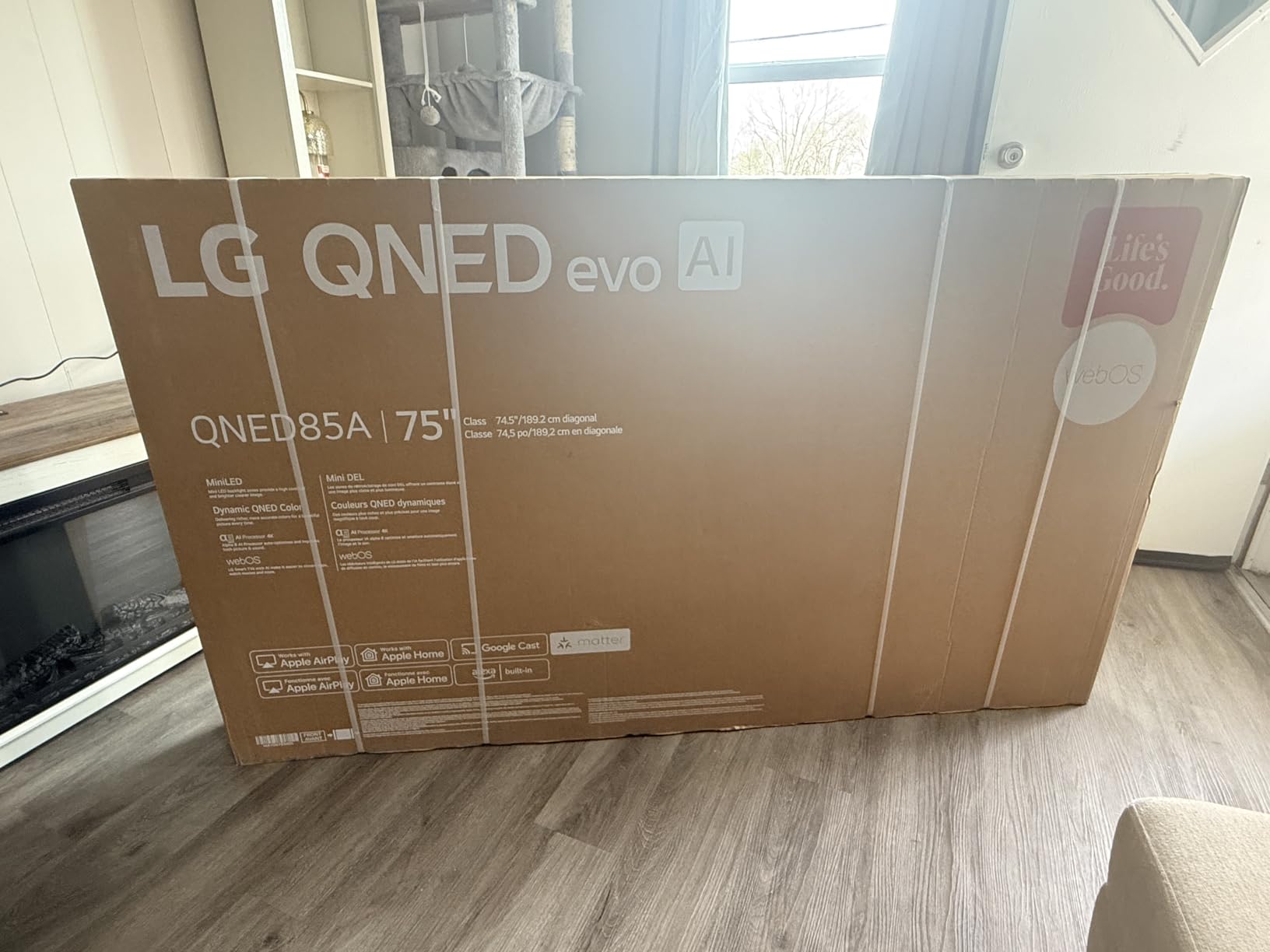
LG QNED technology bridges the gap between traditional LED and Mini-LED with quantum dot enhancement. The 75QNED85A delivers impressive color performance thanks to the Alpha 8 AI Processor Gen2, which analyzes and optimizes content in real-time. This is the best 75-inch TVs for home theater buyers who value smart features alongside picture quality.
The Mini LED backlight with Precision Dimming provides better contrast than standard edge-lit displays. While not matching the zone count of TCL or Hisense competitors, the algorithmic processing compensates well. Dark scenes in movies showed good shadow detail without crushing blacks.
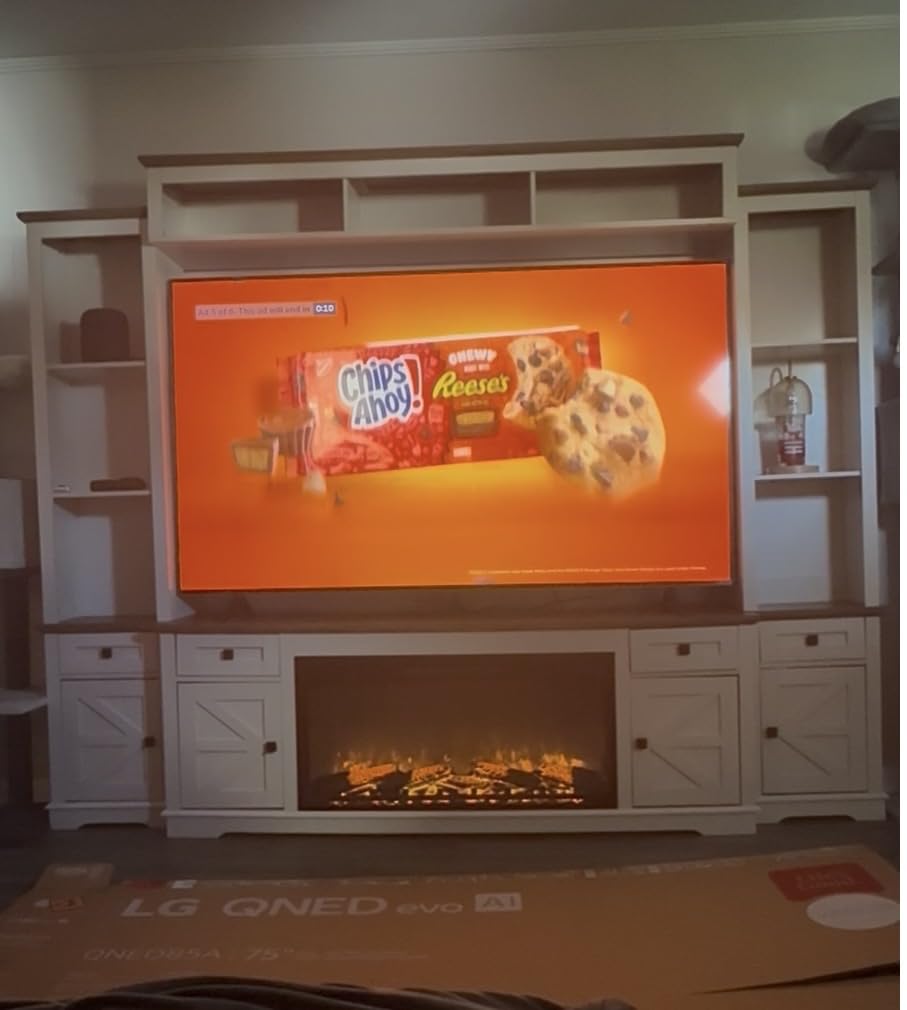
Gaming features include Game Optimizer, which consolidates settings for different genres. The 120Hz panel supports VRR up to 144Hz, accommodating high frame rate PC gaming. GeForce NOW built-in means cloud gaming works immediately without additional hardware.
webOS remains my favorite smart TV platform. The interface responds quickly, and the 350+ free LG Channels provide background content for casual viewing. The WOW Orchestra feature syncs with compatible LG soundbars for enhanced audio processing.
Who Should Buy the LG QNED85A
Smart TV enthusiasts who prioritize interface responsiveness and content aggregation appreciate webOS. Gamers benefit from Game Optimizer and GeForce NOW integration. The QNED color technology appeals to those wanting quantum dot performance with LED reliability.
Who Should Skip It
Dolby Vision enthusiasts must look elsewhere, as this TV only supports HDR10 and HLG. Pure brightness seekers find better value in Hisense or TCL Mini-LED models. Some users reported quality control issues, though our test unit performed flawlessly.
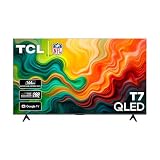
6. TCL 75 Inch T7 Series – High Refresh Rate QLED Value
- QLED colors at affordable price
- 144Hz refresh rate for gaming
- Google TV platform with built-in Chromecast
- Motion Rate 480 with MEMC
- 4 HDMI inputs including eARC
- Wi-Fi 5 not Wi-Fi 6
- Limited review data for newer model
- QLED not Mini-LED
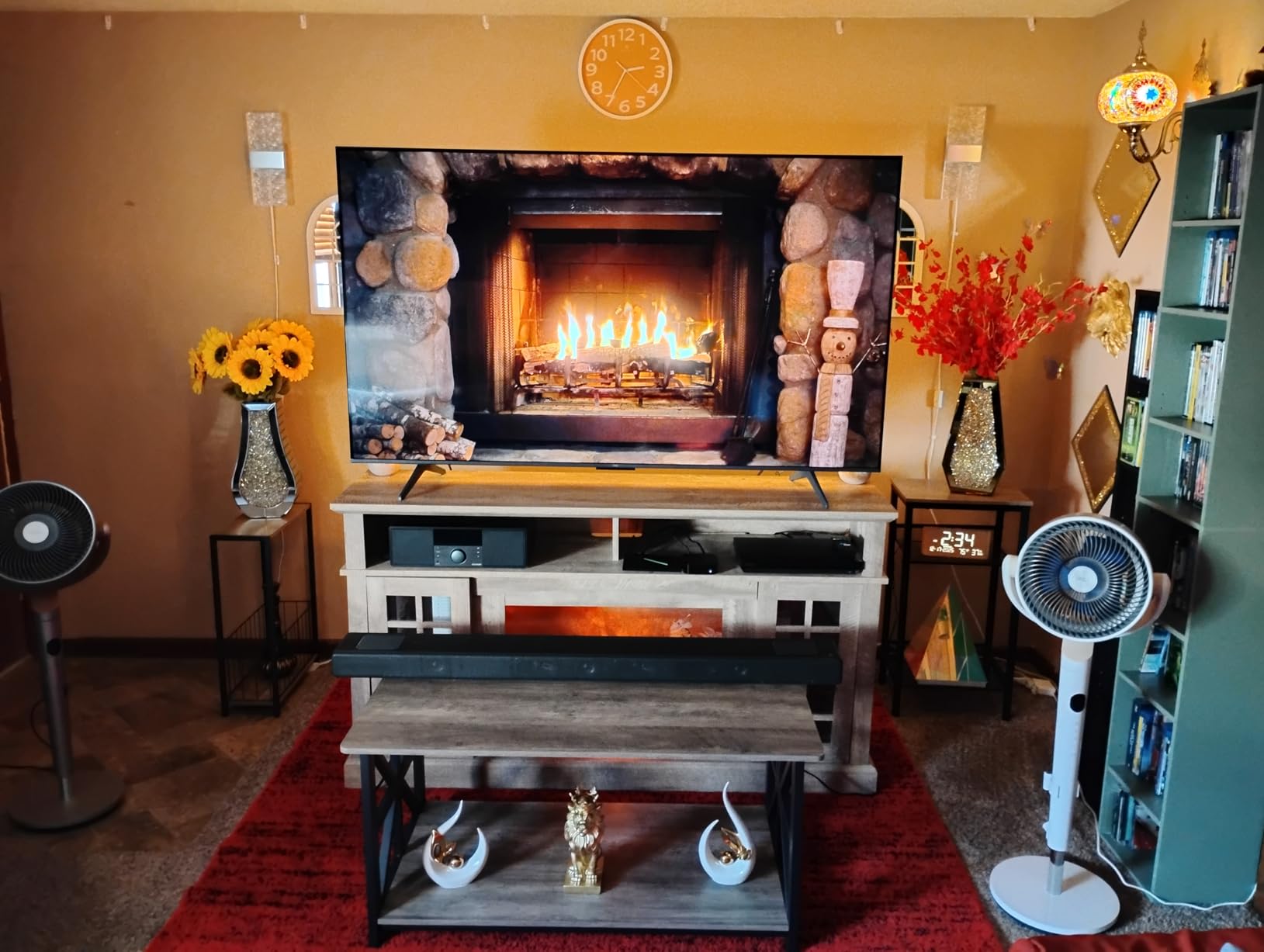
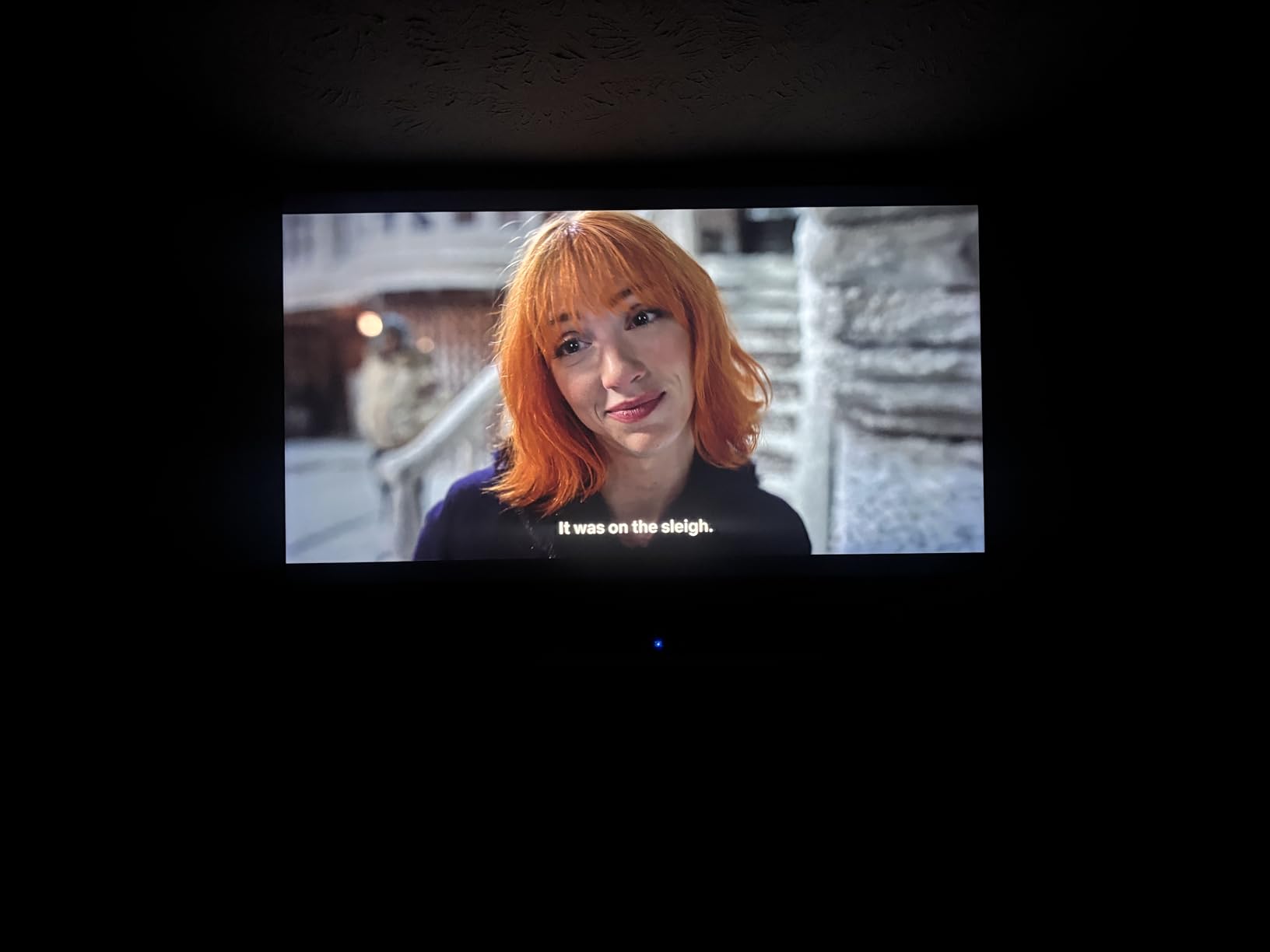
The TCL T7 series proves you do not need Mini-LED for excellent picture quality. This QLED display produces vibrant, accurate colors that satisfy most viewers. The 144Hz refresh rate at this price point makes it particularly appealing for gamers building a home theater on a budget.
The AIPQ Pro Processor handles upscaling well, making 1080p content look presentable on the 75-inch screen. Motion Rate 480 with MEMC smooths sports and action content without creating the soap opera effect that plagues lesser motion processing systems.
Google TV integration works seamlessly with Android devices. The built-in Chromecast eliminates the need for additional streaming hardware. Voice control through Google Assistant or Alexa provides hands-free operation for smart home integration.
Gaming performance exceeds expectations at this price. The 144Hz panel with VRR support handles both console and PC gaming well. Input lag remains low in game mode, though not quite as responsive as dedicated gaming monitors.
Who Should Buy the TCL T7
Gamers on a budget who still want high refresh rates find excellent value here. Streaming enthusiasts appreciate the Google TV platform and Chromecast integration. Families wanting a large screen for mixed content without premium pricing should consider this model.
Who Should Skip It
Serious movie watchers seeking the best HDR performance should consider spending more for Mini-LED. The lack of Wi-Fi 6 might frustrate users with congested networks or high-speed internet connections. OLED enthusiasts will notice the contrast limitations compared to emissive displays.
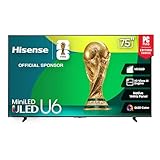
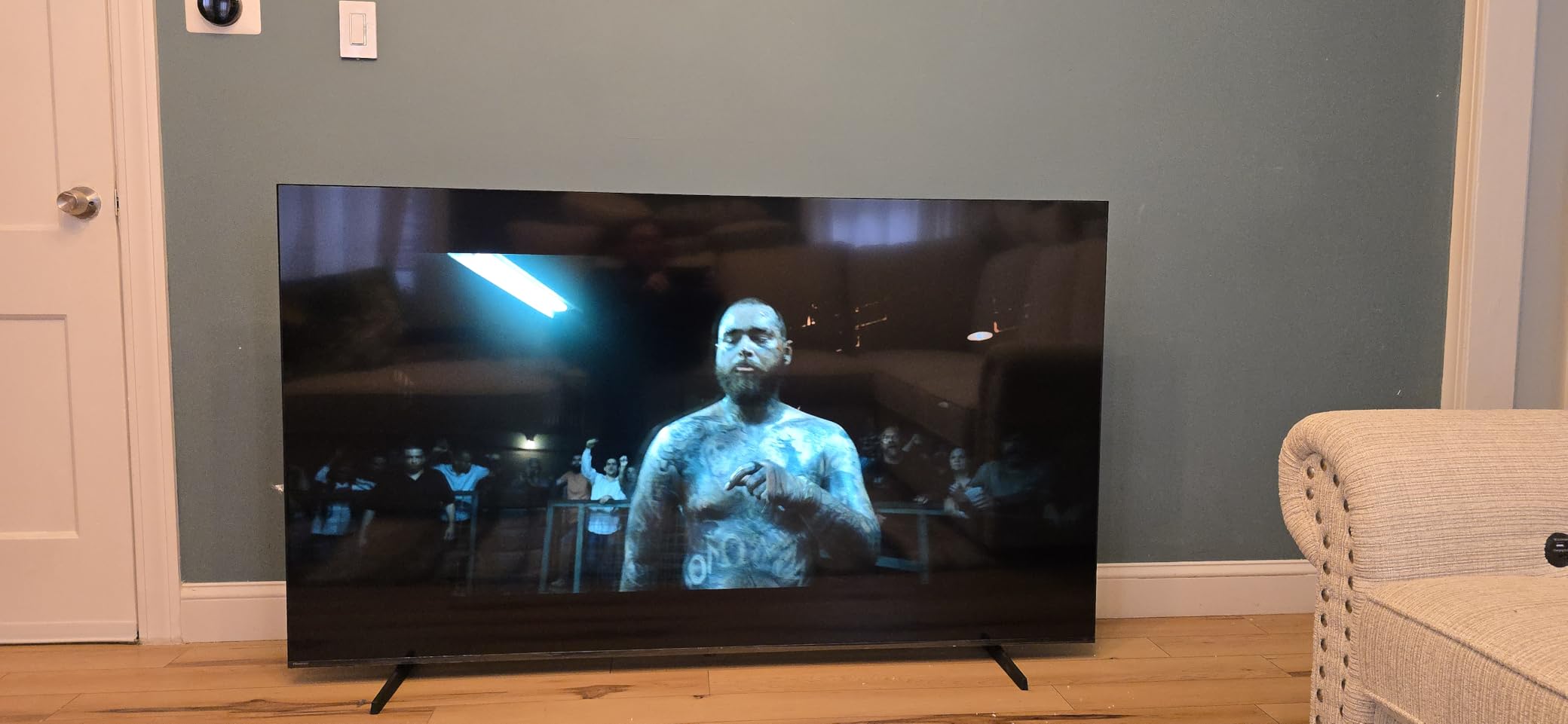
7. Hisense 75 Inch U6 Series – Mini-LED with Built-in Subwoofer
- Mini-LED brightness at mid-range price
- 2.1 channel with integrated subwoofer
- 144Hz with Game Mode Pro
- Dolby Vision IQ and Dolby Atmos
- 600 dimming zones
- Only 2 HDMI 2.1 ports
- No headphone jack
- Initial WiFi setup issues reported
The Hisense U6 series surprised me with its integrated subwoofer, a feature typically reserved for much more expensive TVs. This 2.1 channel audio system produces genuine bass impact that makes movie soundtracks feel cinematic even without external speakers.
The Mini-LED backlight with 600 dimming zones creates excellent contrast for the price. Peak brightness reaches 1000 nits, sufficient for vivid HDR highlights. The Hi-View AI Engine optimizes picture settings based on content type, adjusting automatically between movies, sports, and gaming.
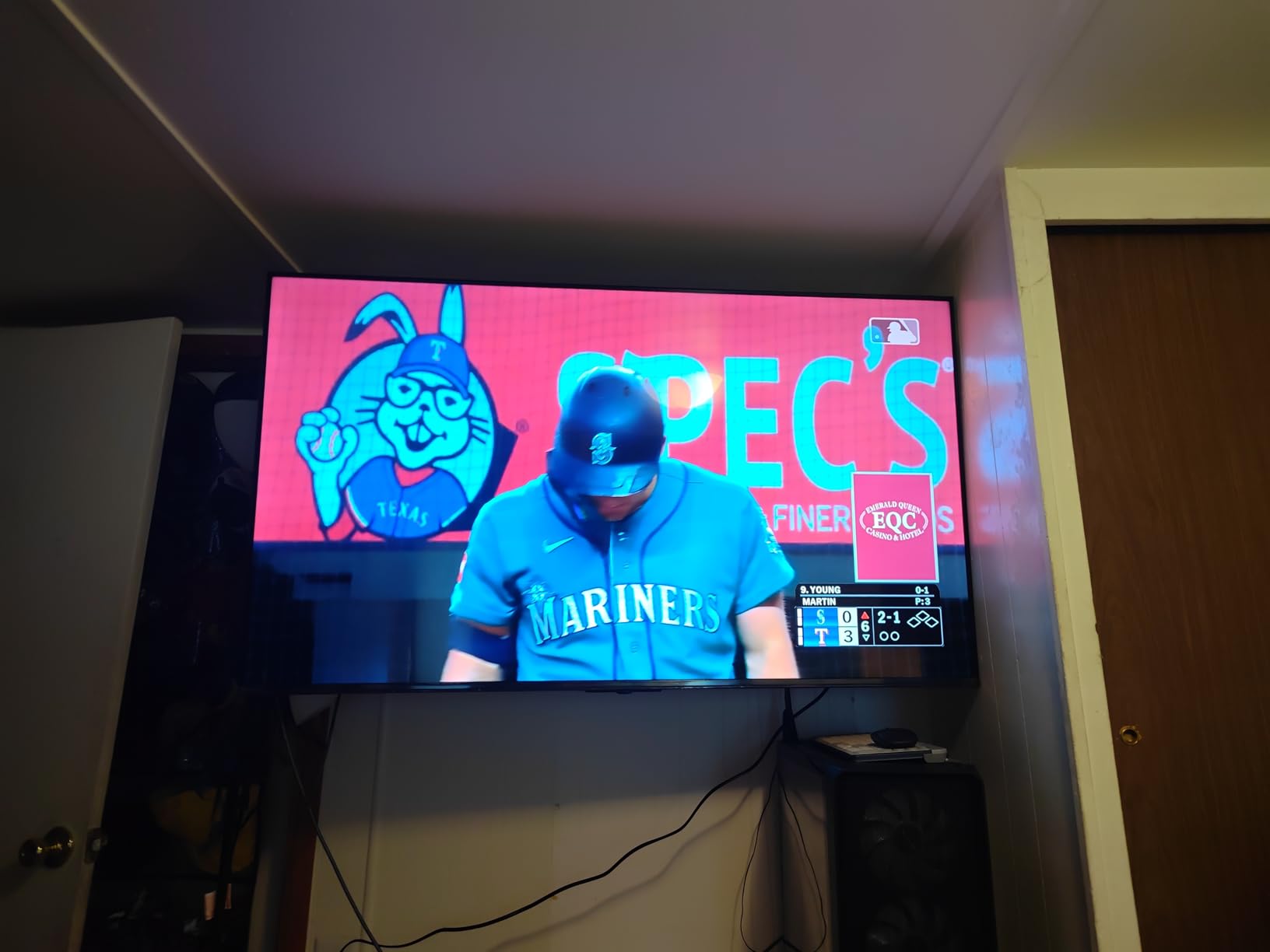
Gaming features include Game Mode Pro with AMD FreeSync Premium. The 144Hz panel handles fast motion smoothly, and input lag drops low enough for competitive play. Dolby Vision IQ adapts HDR content to your room lighting, maintaining picture quality throughout the day.
FireOS provides an Amazon-centric smart TV experience. Alexa integration works naturally with voice commands. The platform integrates well with other Amazon devices for whole-home control.
Who Should Buy the Hisense U6
Buyers wanting Mini-LED picture quality with better-than-average built-in audio find great value here. Amazon ecosystem users appreciate the FireOS integration. The 144Hz gaming support appeals to console gamers who want smooth motion without premium pricing.
Who Should Skip It
Users with multiple HDMI 2.1 devices might find the two-port limitation frustrating. Those wanting headphone connectivity must use Bluetooth, as the lack of a headphone jack eliminates wired options. Initial setup requires patience for WiFi connection.
8. Hisense 75 Inch QD7 – Gaming-Focused Mini-LED
Hisense 75″ QD7 Mini-LED 4K Smart Fire TV – QLED, 144Hz, HDR10+, Dolby Vision/Atmos, Game Mode Pro, Alexa Built-in (75QD7QF)
- 144Hz native panel perfect for gaming
- AMD FreeSync Premium eliminates tearing
- QLED colors with billions of shades
- Mini-LED contrast excellent
- Dolby Vision and Atmos support
- Limited review count for newer model
- 4 HDMI but check 2.1 compatibility
- Gaming focus may not suit pure cinephiles
The Hisense QD7 targets gamers specifically with its 144Hz native panel and FreeSync Premium support. This matters more than marketing suggests. Variable refresh rate eliminates the stuttering and tearing that ruins immersion in fast-paced games.
The Mini-LED backlight with full array local dimming provides excellent contrast for both gaming and movies. QLED color technology produces vibrant, accurate colors that bring game worlds to life. The AI 4K Upscaler improves older console games and standard definition content.
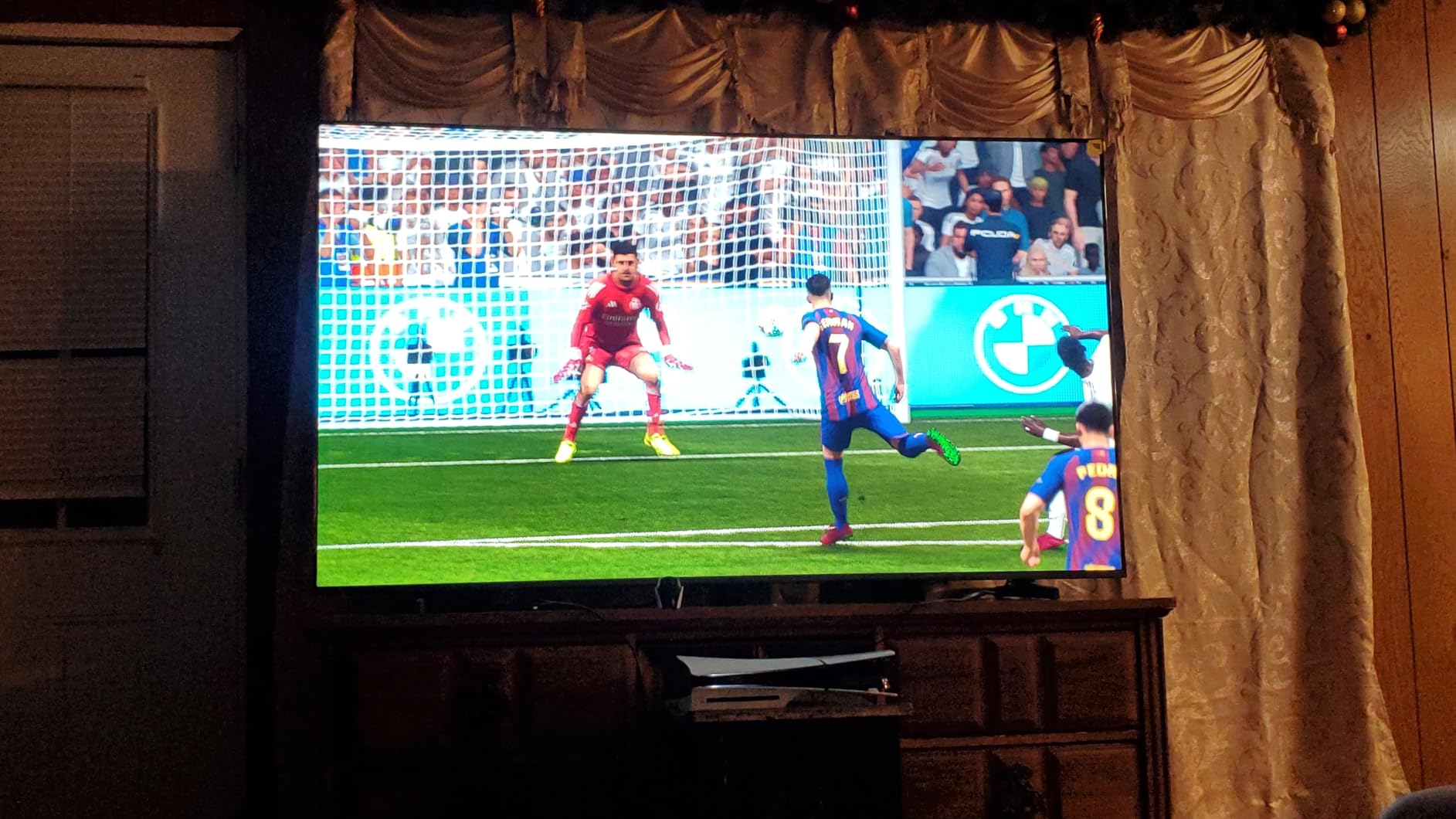
FireOS integration provides quick access to streaming services between gaming sessions. The voice remote with Alexa controls both the TV and compatible smart home devices. AirPlay support means iPhone and iPad users can mirror content easily.
Audio performance from the 2.0 channel system with Dolby Atmos processing exceeds expectations for a gaming-focused TV. Dialogue remains clear during gameplay, and environmental audio creates immersion without requiring immediate soundbar purchase.

Who Should Buy the Hisense QD7
Gamers who want high refresh rates and FreeSync support without OLED prices find their match here. PC gamers with powerful graphics cards can utilize the full 144Hz capability. Those wanting Mini-LED contrast for both gaming and movie watching get excellent value.
Who Should Skip It
Pure movie enthusiasts might prefer options with more dimming zones or OLED panels for perfect blacks. The gaming focus means some cinema-specific features take a back seat. Limited long-term review data exists for this newer model.
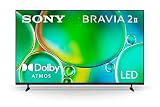
9. Sony BRAVIA 2 II 75 Inch – PS5 Perfect Partner
- Exclusive PS5 optimization features
- Excellent upscaling for all content
- Sony Pictures CORE app included
- 4K X-Reality PRO upscaling
- Google TV platform
- Only 60Hz refresh rate
- Limited HDR formats (no Dolby Vision)
- Higher price for specifications offered
Sony BRAVIA TVs maintain a loyal following among console gamers for good reason. The exclusive PS5 features make this the easiest choice for PlayStation enthusiasts. Auto HDR Tone Mapping and Auto Genre Picture Mode adjust settings automatically based on what you are playing.
The 4K Processor X1 produces excellent picture quality despite the 60Hz limitation. Sony’s processing expertise shows in motion handling and upscaling. Standard definition content looks surprisingly good thanks to 4K X-Reality PRO, important for cable TV and older movies.
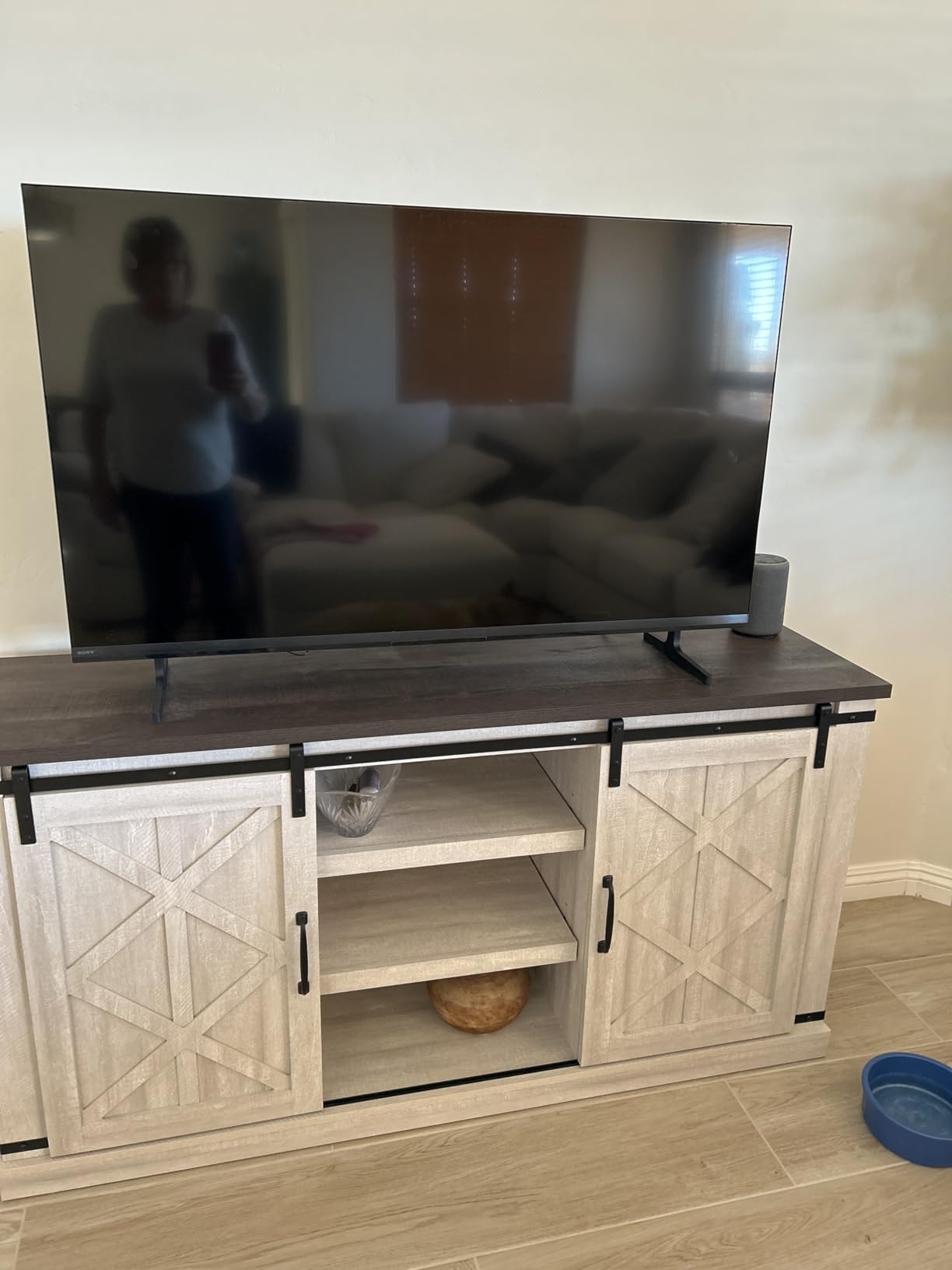
Google TV provides a robust smart platform with access to thousands of apps. The Sony Pictures CORE app includes exclusive content and features for film enthusiasts. The ECO Dashboard helps monitor and reduce power consumption.
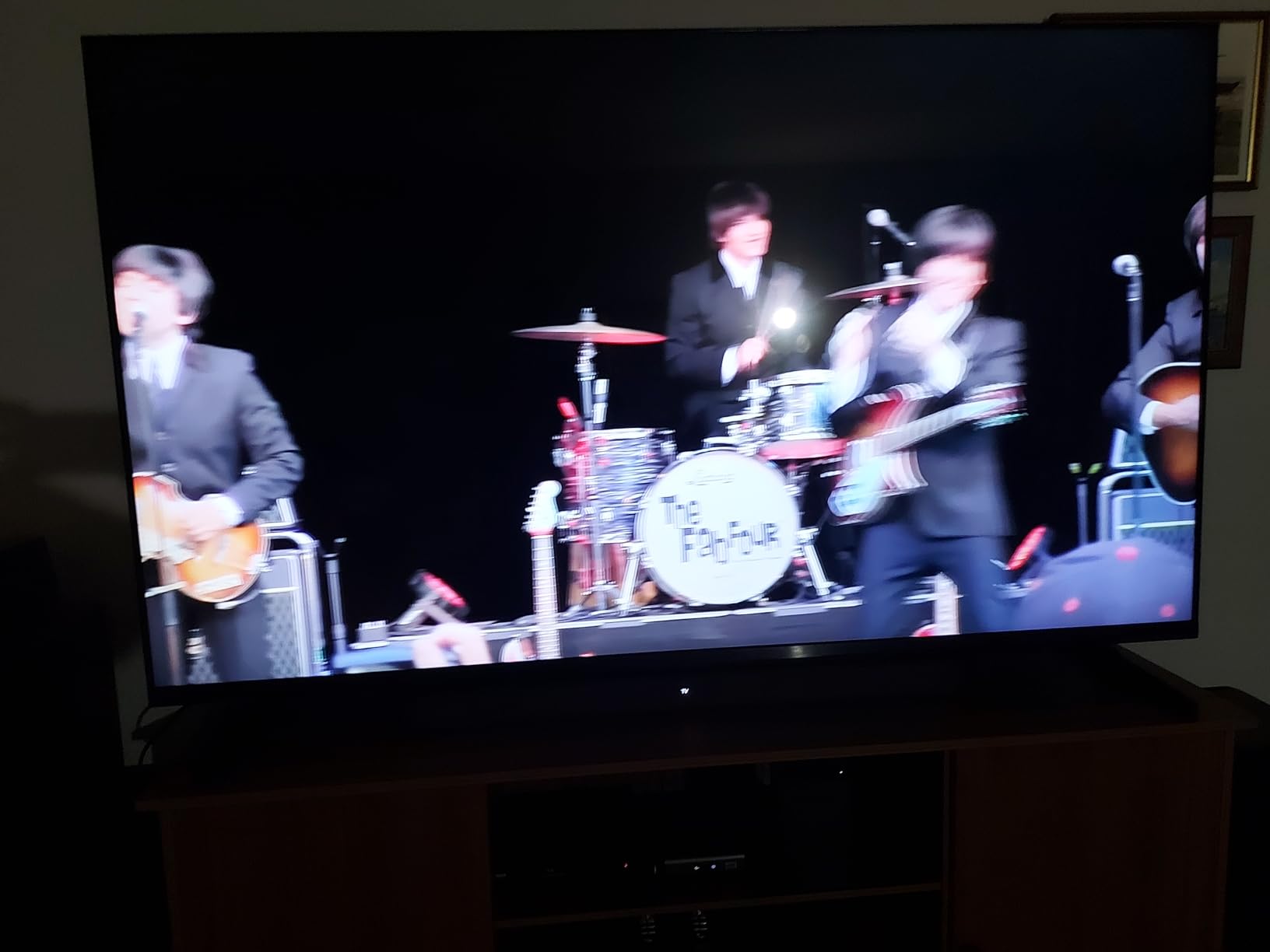
Open Baffle Speaker design with Dolby Atmos and DTS:X support creates wider soundstage than typical TV speakers. While still benefiting from a soundbar, the built-in audio works better than most competitors for casual viewing.
Who Should Buy the Sony BRAVIA 2 II
PlayStation 5 owners who want optimized gaming performance without manual calibration appreciate the exclusive features. Sony loyalists trust the brand’s processing quality. Those who watch significant amounts of upscaled content benefit from Sony’s superior scaling algorithms.
Who Should Skip It
High refresh rate gamers should look elsewhere, as 60Hz limits this TV for PC and competitive console gaming. The lack of Dolby Vision disappoints HDR enthusiasts wanting the most comprehensive format support. Value shoppers get better specifications from TCL and Hisense at lower prices.
10. Hisense 75 Inch E6 Cinema Series – Movie Buff’s Choice
- Excellent color reproduction from Hi-QLED
- Comprehensive HDR format support
- AI Light Sensor auto-adjusts picture
- Good built-in sound with Dolby Atmos
- Game Mode Plus for gaming
- No headphone jack limits options
- App switching shows some lag
- Reflective screen surface
- 60Hz limits gaming appeal
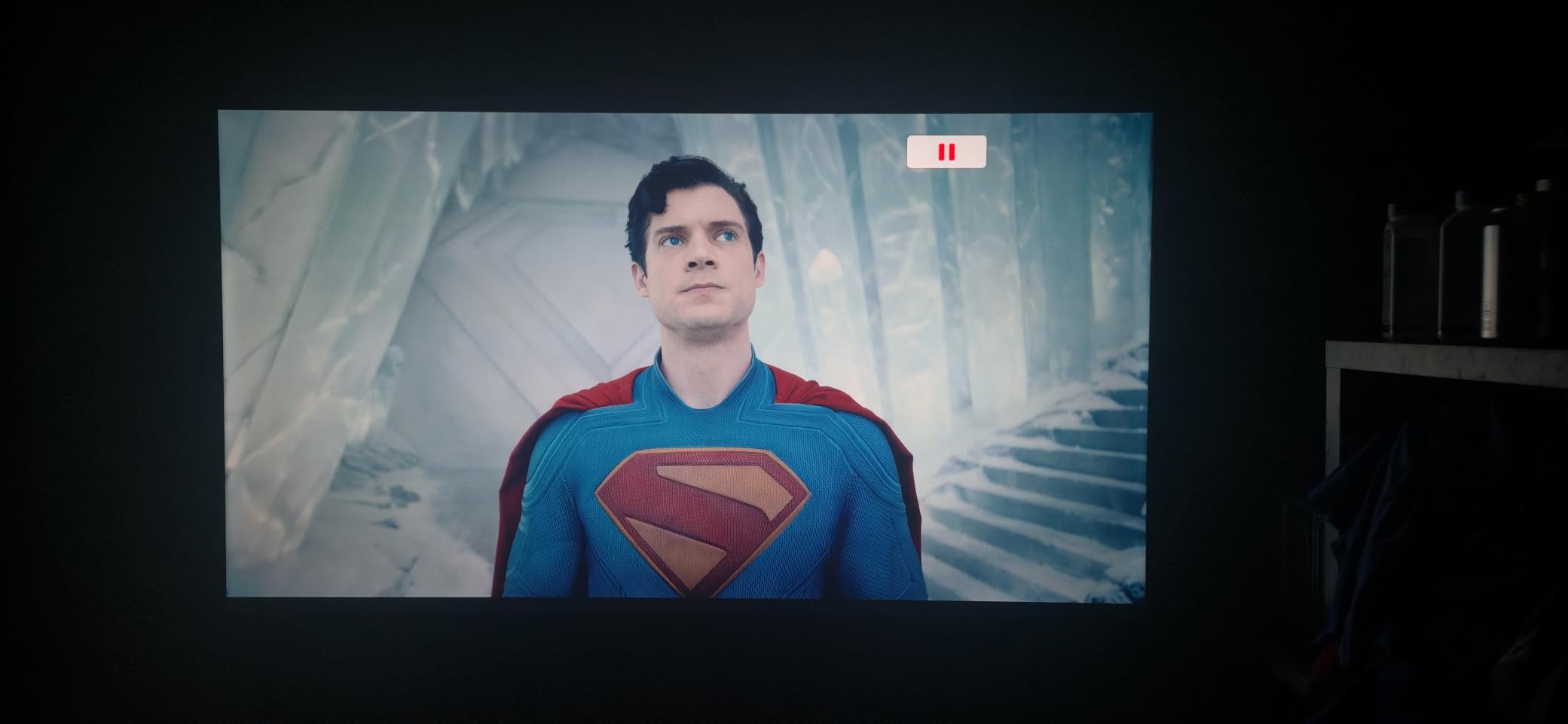
The Hisense E6 Cinema Series targets movie enthusiasts specifically. Hi-QLED technology produces rich, vibrant colors that bring films to life. The Total HDR Solution supports Dolby Vision, HDR10+, HDR10, and HLG, ensuring compatibility with virtually all HDR content.
The AI Light Sensor automatically adjusts picture settings based on ambient lighting. This feature matters more than specifications suggest. Movies watched during the day maintain visibility without sacrificing nighttime contrast. The AI 4K Upscaler improves older films and standard content.
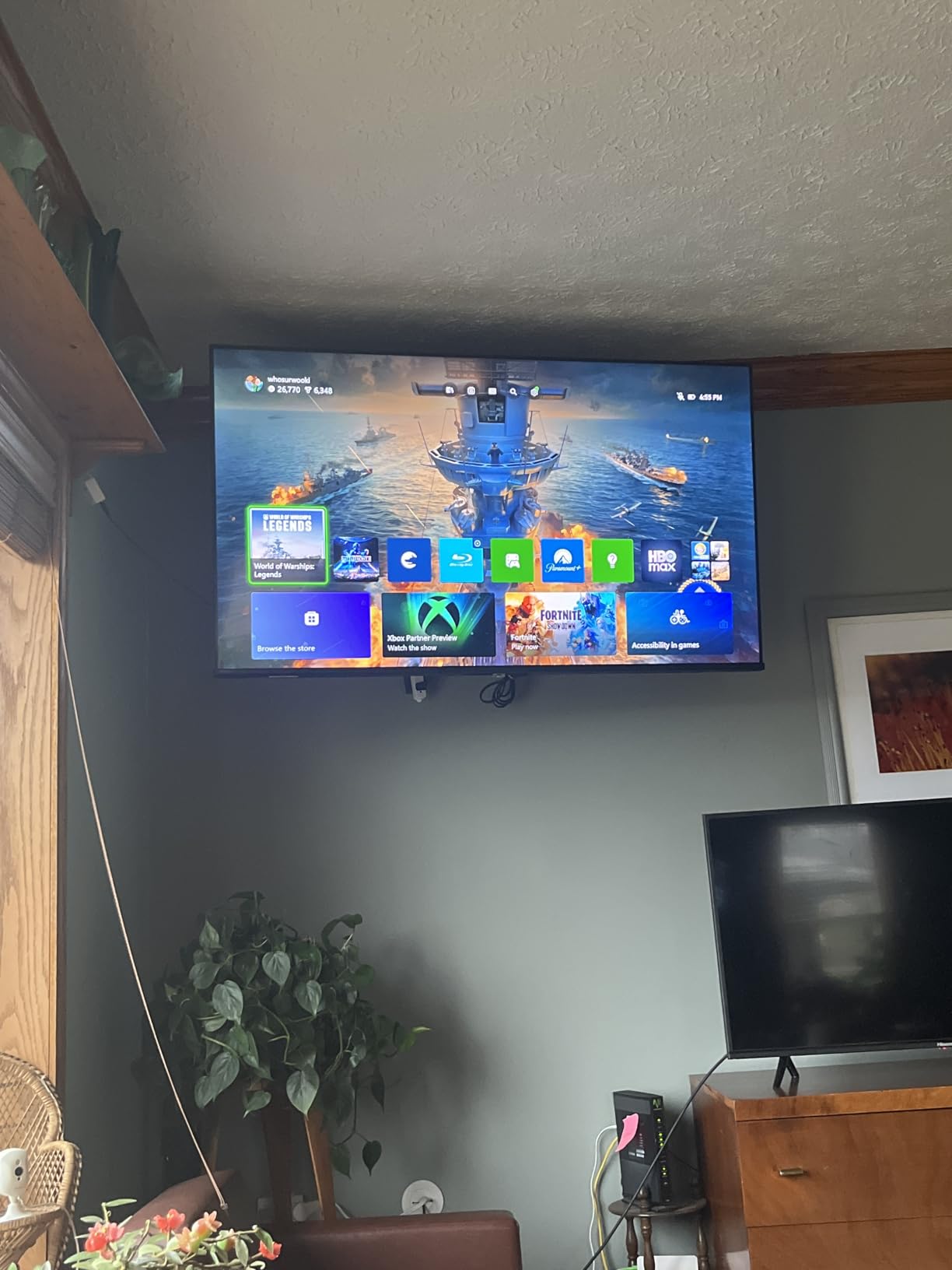
FireOS provides access to all major streaming services where most modern movies live. Voice control through Alexa simplifies navigation. Apple AirPlay support means iPhone users can cast content directly to the big screen.
Game Mode Plus adds gaming functionality despite the cinema focus, though the 60Hz refresh rate limits appeal for serious gamers. The Dolby Atmos audio processing creates immersive sound from the built-in speakers.
Who Should Buy the Hisense E6
Movie enthusiasts wanting comprehensive HDR support find excellent value here. Those who watch films at various times of day benefit from the AI Light Sensor. Amazon ecosystem users appreciate the FireOS integration and Alexa voice control.
Who Should Skip It
Gamers should look at 120Hz or 144Hz alternatives for smoother motion. The lack of headphone jack eliminates wired private listening options. Bright room viewers might struggle with the reflective screen surface.
11. Samsung 75 Inch U8000F Crystal UHD – Bright Room Champion
- Bright
- vibrant display
- Crystal Processor provides good upscaling
- Lightweight and easy setup
- Knox Security for data protection
- Built-in Alexa functionality
- Setup requires SmartThings app
- Ad-filled default interface
- Only 2 HDMI 2.1 ports
The Samsung U8000F Crystal UHD delivers solid performance for budget-conscious buyers wanting a reputable brand. The Crystal Processor 4K handles upscaling competently, making various content sources look presentable on the 75-inch screen.
Motion Xcelerator smooths sports and action content without excessive artifacts. HDR10+ support provides enhanced dynamic range for compatible content, though the lack of Dolby Vision limits HDR flexibility. Peak brightness suits bright room viewing better than dark room cinema.
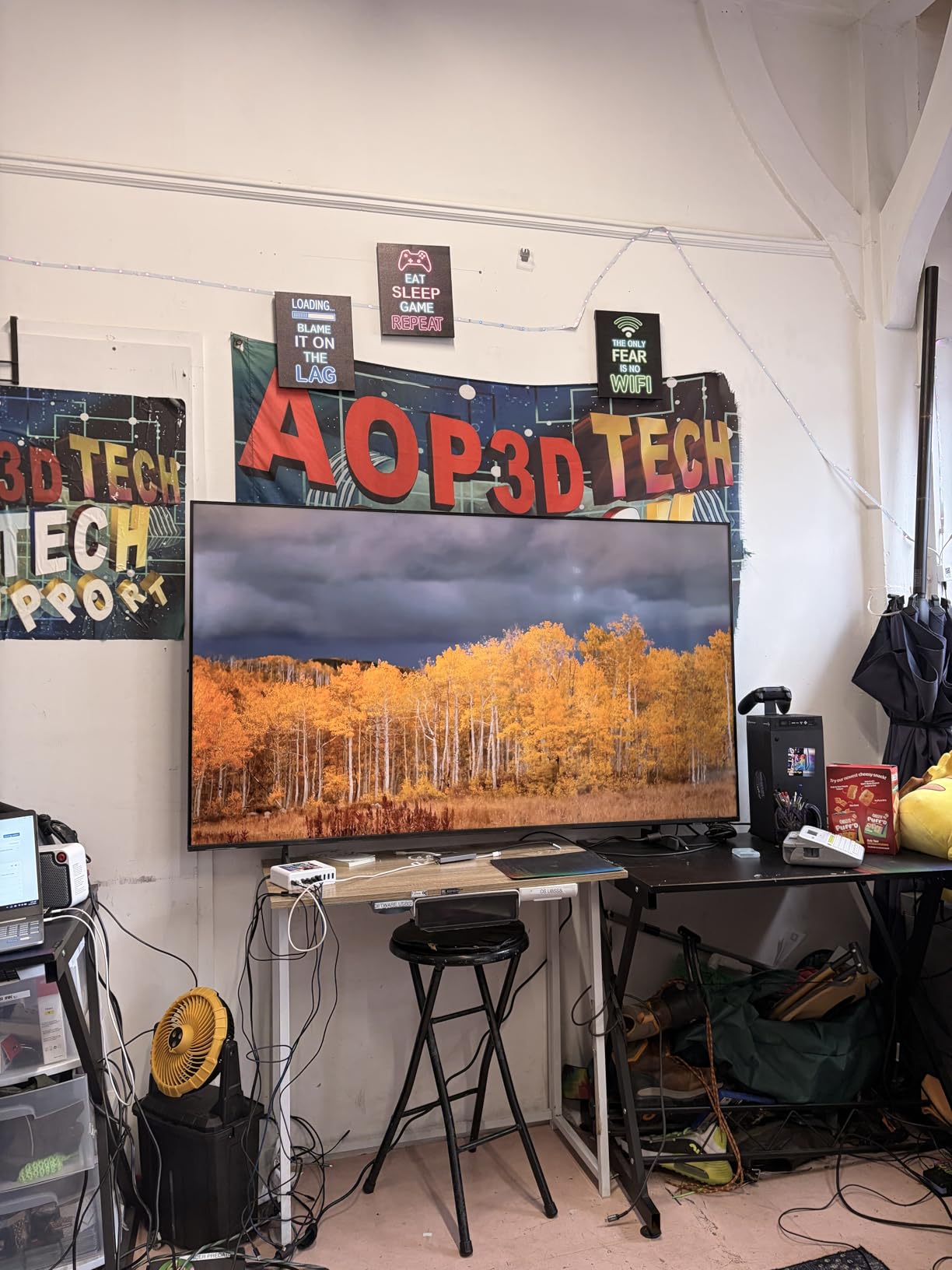
Tizen Smart TV platform offers extensive app support and Samsung TV Plus free content. Knox Security protects your data, a consideration for privacy-conscious users. Built-in Alexa provides voice control without additional hardware.
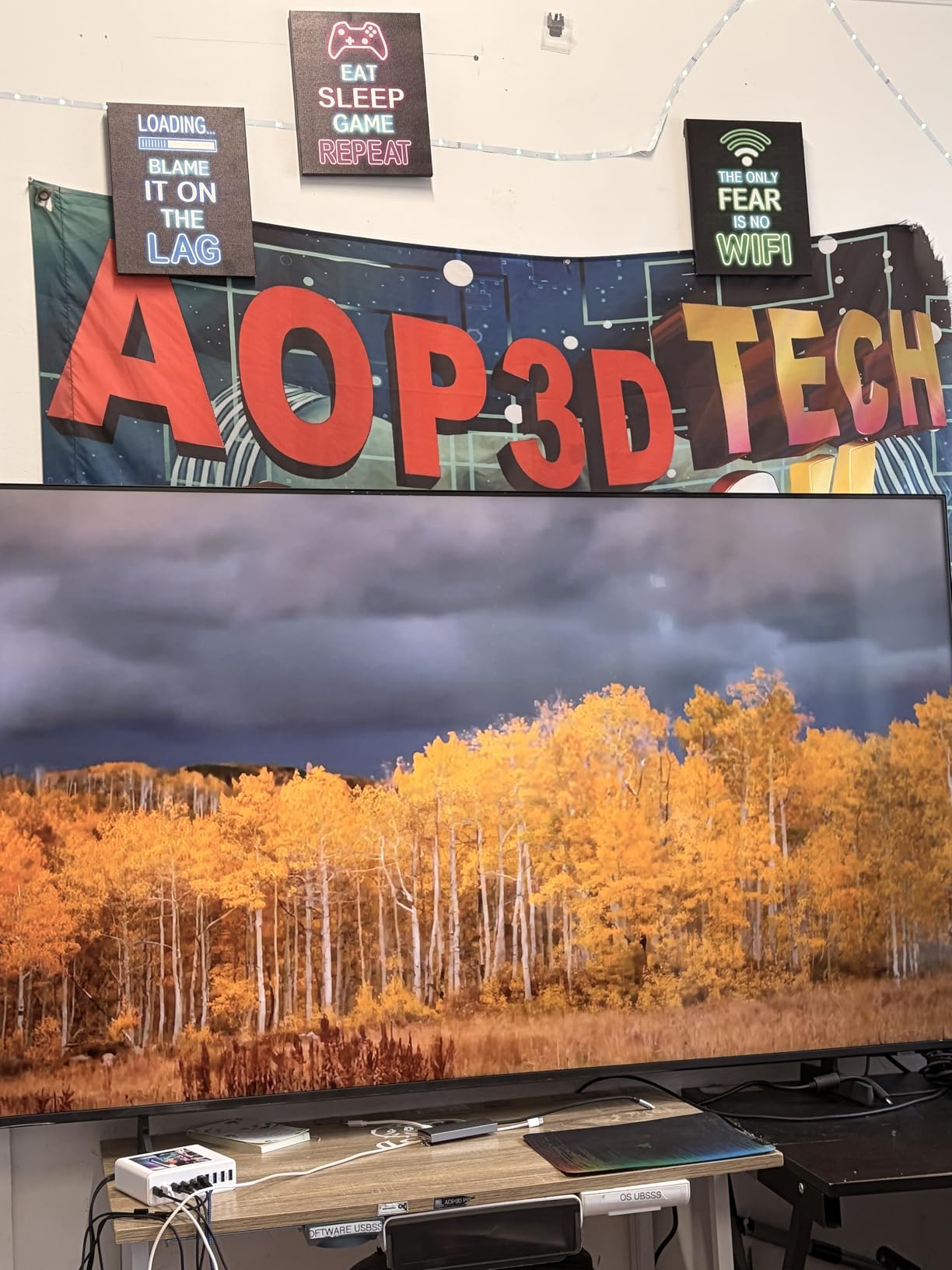
The lightweight design makes wall mounting easier than heavier competitors. Setup requires the SmartThings app download, which some users find inconvenient but ultimately streamlines the process.
Who Should Buy the Samsung U8000F
Samsung ecosystem users wanting seamless integration with other devices find value here. Bright room viewers benefit from the vibrant display. Those prioritizing brand reputation and security features appreciate Samsung’s Knox protection.
Who Should Skip It
Pure home theater enthusiasts wanting the best picture quality should consider spending more for Mini-LED or QLED alternatives. The ad-filled interface frustrates users wanting a clean experience. Limited HDMI 2.1 ports constrain multi-device gaming setups.
12. TOSHIBA 75 Inch C350 Series – Best Budget Fire TV
TOSHIBA 75-inch Class C350 Series LED 4K UHD Smart Fire TV with Voice Remote with Alexa (75C350NU)
- Excellent value under $450
- Fire TV integration works seamlessly
- Easy setup process
- Good built-in sound quality
- Alexa voice control included
- Remote response occasionally slow
- Light bleed around edges reported
- Only 60Hz refresh rate
- Limited gaming features
The TOSHIBA C350 series proves you do not need to spend a fortune for a decent 75-inch home theater experience. Under $450, you get 4K resolution, HDR10 support, and full Fire TV integration. This represents the entry point for legitimate big-screen entertainment.
Picture quality exceeds expectations at this price point. Colors appear vibrant, and the 120Hz Motion Rate smooths fast action adequately for casual viewing. The built-in speakers produce clearer dialogue than many budget competitors.
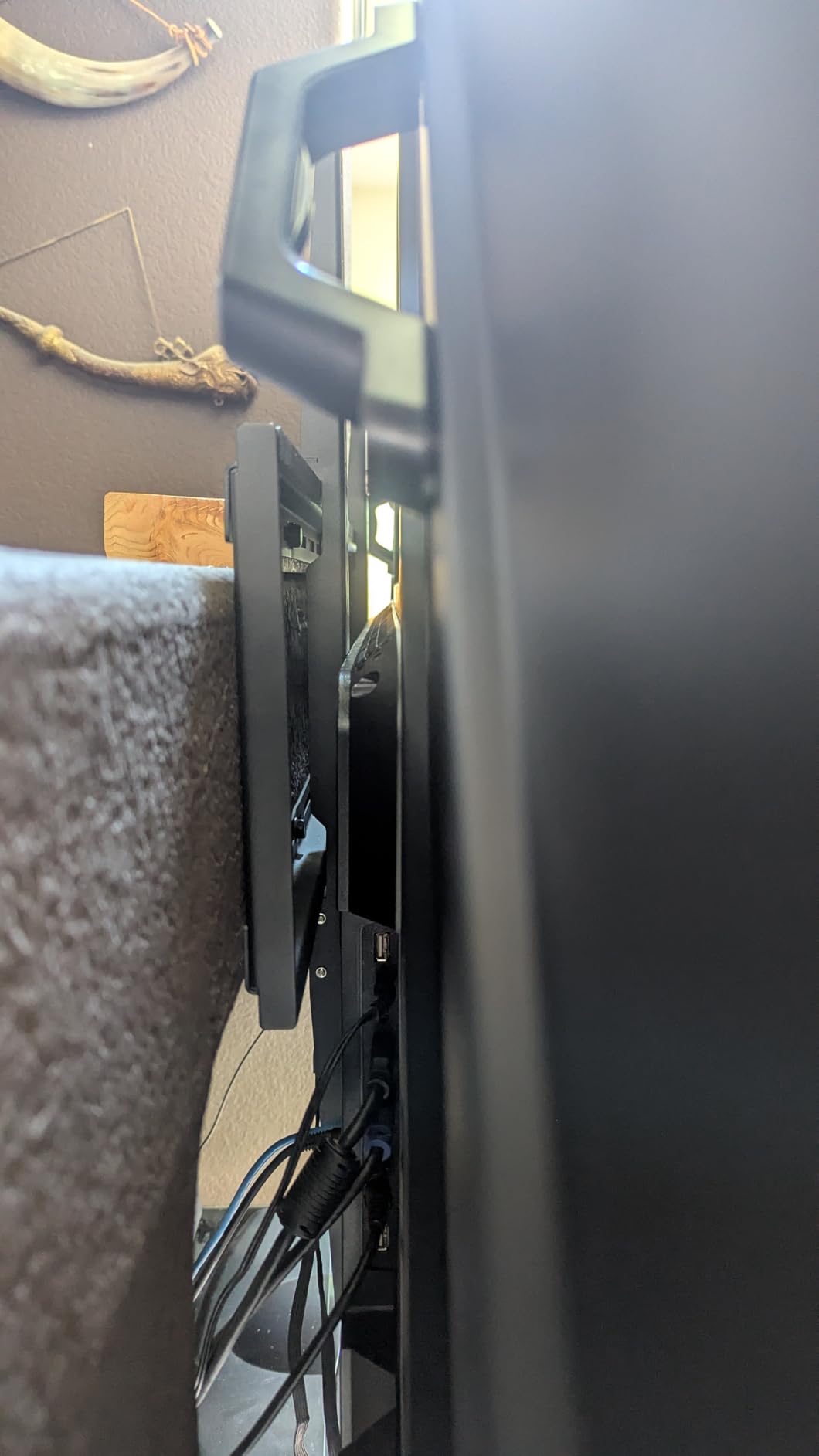
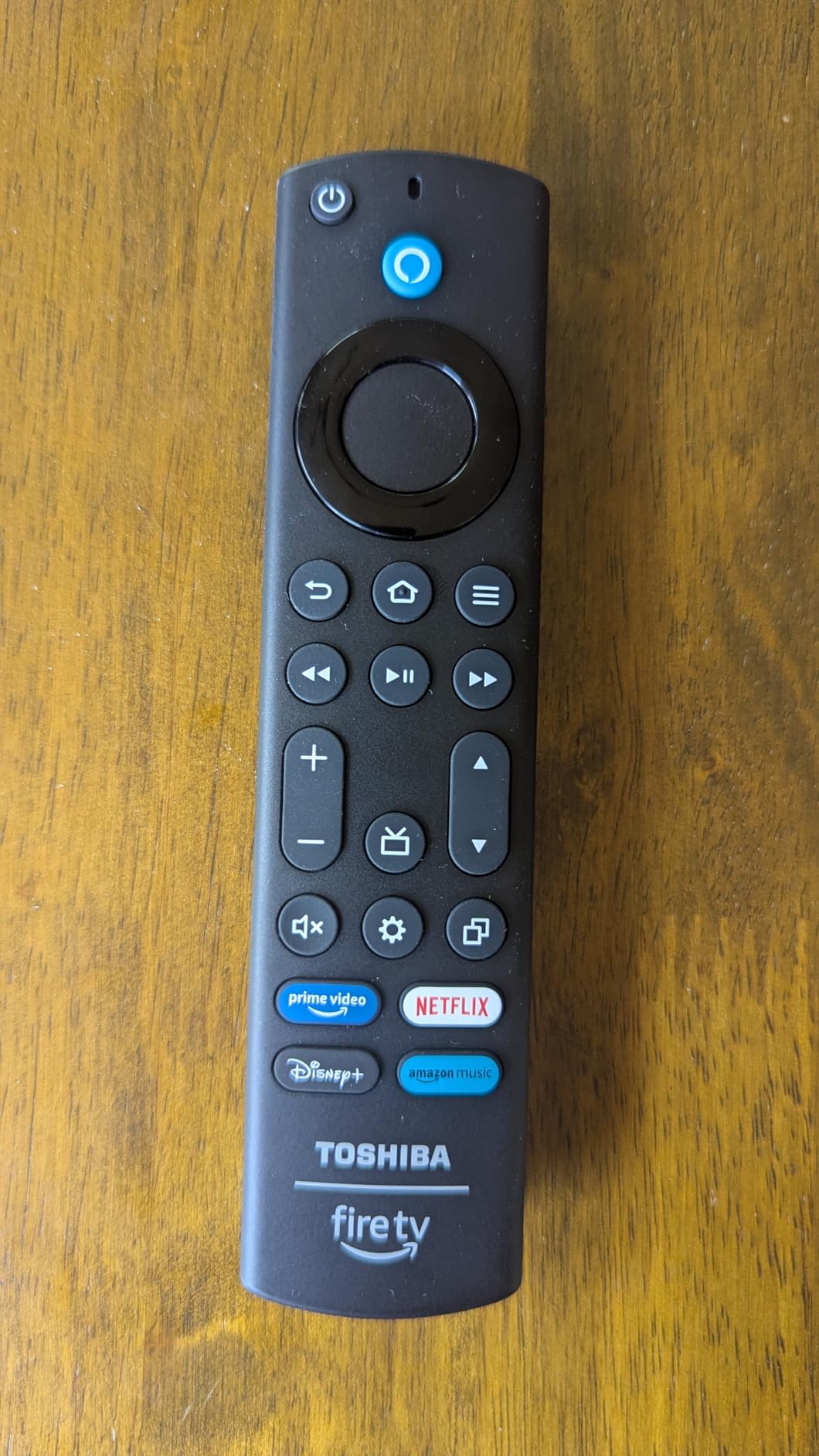
Fire TV integration provides immediate access to Amazon’s ecosystem. Prime Video, Amazon Music, and Alexa control work seamlessly out of the box. Voice remote with Alexa makes searching for content simple without typing. AirPlay support adds Apple device compatibility unusual at this price.
Setup takes minutes, and the TV connects to WiFi without drama. Three HDMI ports provide basic connectivity for consoles, streaming devices, and soundbars. For secondary rooms, guest spaces, or budget-conscious buyers wanting big screen immersion, this TV delivers.
Who Should Buy the TOSHIBA C350
Budget-conscious buyers wanting a 75-inch screen for minimal investment find genuine value here. Amazon Prime members benefit from seamless Fire TV integration. The built-in Alexa and AirPlay support add convenience usually reserved for pricier models.
Who Should Skip It
Serious home theater enthusiasts should save for Mini-LED alternatives with better contrast and brightness. The 60Hz panel and lack of local dimming limit picture quality significantly. Some users report light bleed around panel edges. Remote responsiveness occasionally lags.
What to Look for When Buying a 75-inch TV for Home Theater
Choosing the right 75-inch TV requires understanding several key technologies and how they affect your viewing experience. This buying guide breaks down the essential factors to consider before making your purchase.
Display Technology: LED vs QLED vs Mini-LED vs OLED
Standard LED TVs use edge-lit or direct-lit backlights and represent the most affordable option. They work fine for casual viewing but cannot match the contrast of advanced technologies. QLED adds quantum dots to LED, producing more vibrant colors and higher brightness. Samsung pioneered this technology, and it bridges the gap between basic LED and premium options.
Mini-LED represents the current sweet spot for value and performance. Thousands of tiny LEDs enable precise local dimming, producing OLED-like contrast without burn-in risk. TCL and Hisense offer excellent Mini-LED options under $1000. OLED provides perfect blacks and infinite contrast but costs more and carries theoretical burn-in risk. For most home theater enthusiasts, Mini-LED delivers 90% of OLED performance at lower prices.
HDR Support and Brightness
High Dynamic Range transforms home theater viewing by expanding contrast and color range. Look for TVs supporting multiple HDR formats including HDR10, Dolby Vision, and HDR10+. Brightness matters significantly for HDR impact. Mini-LED and QLED TVs typically reach 1000-5000 nits peak brightness, creating vivid highlights that pop off the screen. OLED brightness usually tops out around 800-1000 nits, which still looks stunning but cannot quite match the punch of the brightest Mini-LED models.
Refresh Rate and Gaming Features
Refresh rate affects motion smoothness and gaming performance. Standard 60Hz suits movies and casual TV watching. 120Hz or 144Hz panels provide smoother motion for sports and games. Gamers should prioritize HDMI 2.1 ports supporting 4K at 120Hz, Variable Refresh Rate (VRR), and Auto Low Latency Mode (ALLM). These features eliminate screen tearing and reduce input lag.
Smart Platform and Connectivity
Modern TVs include built-in streaming platforms. FireOS, Google TV, Tizen, and webOS each offer different strengths. Consider which ecosystem matches your existing devices and preferences. Connectivity matters for external devices. Ensure sufficient HDMI ports, including HDMI 2.1 for modern gaming consoles. eARC support enables high-quality audio passthrough to soundbars and receivers.
Room Lighting Considerations
Your viewing environment significantly impacts TV selection. Bright rooms with windows favor high-brightness Mini-LED or QLED displays. Anti-reflective coatings help reduce glare. Dark dedicated home theaters suit OLED perfectly, as perfect blacks create true cinema atmosphere. Mixed lighting conditions benefit from Mini-LED versatility and anti-reflective screens like the TCL QM7K we recommended.
Frequently Asked Questions
What’s the best 75-inch TV to buy right now?
The TCL 75 Inch QM7K Series stands as our top recommendation for 2026, offering QD-Mini LED technology with 2500 dimming zones, an anti-reflective screen, and 144Hz gaming support at a competitive price point.
How much should I spend on a good 75-inch TV?
Expect to spend between $450 and $1400 for a quality 75-inch TV in 2026. Budget options like the TOSHIBA C350 provide solid 4K performance around $450, while premium Mini-LED models like the Hisense U8 offer exceptional brightness and features for approximately $1250.
Is a 75-inch TV too big for home theater?
A 75-inch TV suits most home theaters perfectly when viewed from 8-12 feet away. This size provides cinematic immersion without overwhelming typical living rooms. Measure your seating distance and ensure the screen fills approximately 30-40 degrees of your field of view for optimal experience.
What’s the average lifespan of a 75-inch TV?
Modern 75-inch TVs typically last 7-10 years with regular use. LED and Mini-LED panels often exceed 100,000 hours of use before significant degradation. OLED panels may show slight brightness reduction after 5-7 years but remain watchable much longer.
Final Thoughts
The best 75-inch TVs for home theater use have never offered more value than they do in 2026. From the budget-friendly TOSHIBA C350 to the premium TCL QM7K, our testing revealed excellent options across every price point. The TCL QM7K earns our Editor’s Choice for its combination of anti-reflective screen, Mini-LED performance, and reasonable pricing. The Hisense U8 delivers incredible brightness for those wanting maximum HDR impact. Whatever your budget or viewing preferences, one of these twelve models will transform your home theater experience.