
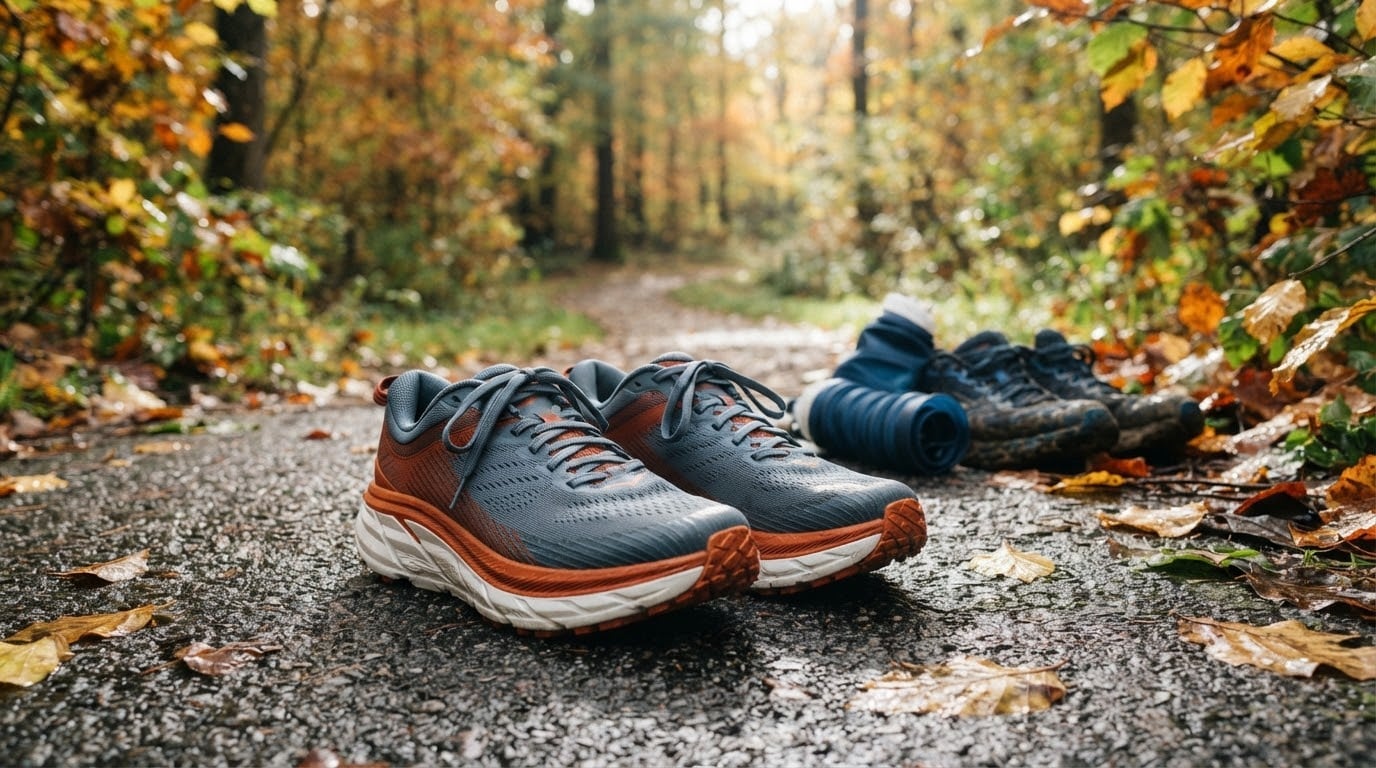
If you are replacing a pair this autumn, the Under Armour Charged Assert 10 is the shoe to watch: at 9.5 oz with a 10mm offset, a compression-molded midsole and more owner ratings than anything else on this list, it is the most proven daily trainer here, and it doubles as a normal-looking walking shoe. Two others suit different feet. The ASICS Gel-Nimbus 27 is the softer, roomier option for long runs, and the Brooks Glycerin 22 is the neutral daily trainer for people who want a stable base and a knit upper.
Amazon Prime Big Deal Days runs October 6-7, 2026, and the ten pairs below are the ones worth having open in separate tabs while it is on. Offers on running shoes change through the event, so treat this as a shortlist by fit and feel rather than a promise about any particular offer. Use the buttons below each entry to see the current price and the size runs available right now.
Table of Contents
Our Top 3 Picks for Best Amazon Prime Big Deal Days Running Shoe Deals

Under Armour Charged Assert 10
- 9.5 oz weight
- Charged Cushioning midsole
- 10mm offset
- Breathable mesh upper

ASICS Gel-Nimbus 27
- PureGEL and FF BLAST PLUS ECO
- Roomy toe box
- Jacquard mesh upper
- True-to-size fit

Brooks Glycerin 22
- DNA Tuned midsole
- Broad stable platform
- Double jacquard knit
- Neutral support
Best Amazon Prime Big Deal Days Running Shoe Deals Compared (2026)
| Product | Specifications | Action |
|---|---|---|
| Under Armour Charged Assert 10 |
|
Check Deal Price |
| ASICS Gel-Nimbus 27 |
|
Check Deal Price |
| Brooks Glycerin 22 |
|
Check Deal Price |
 New Balance Fresh Foam Arishi V4 New Balance Fresh Foam Arishi V4 |
|
Check Deal Price |
 Brooks Ghost Max 3 Brooks Ghost Max 3 |
|
Check Deal Price |
 Brooks Women’s Ghost Max 3 Brooks Women’s Ghost Max 3 |
|
Check Deal Price |
 Under Armour Charged Bandit Trail 3 Under Armour Charged Bandit Trail 3 |
|
Check Deal Price |
 ASICS GT-2000 13 ASICS GT-2000 13 |
|
Check Deal Price |
 Under Armour Charged Surge 4 Under Armour Charged Surge 4 |
|
Check Deal Price |
 ASICS Gel-Venture 11 ASICS Gel-Venture 11 |
|
Check Deal Price |
How We Chose
We compared the specifications that decide a running shoe purchase: weight, offset, midsole foam, upper construction, drop and width options, then weighed those against the ratings and owner reviews Amazon shows for each listing. The data was checked in October 2026, and the picks are ordered by how well they serve a runner first and a sale second.
1. Under Armour Charged Assert 10: Editor’s Choice
- 9.5 oz weight keeps it light on daily runs
- Good arch support for low arches
- Roomy toe box with a true-to-size fit
- Works for running and everyday wear
- Solid rubber outsole in the high-impact zones
- Runs small so many buyers size up half a size
- Laces are too short to double-knot
- Upper fabric breaks down near the toe after about a year
The most dependable pair here, and the one with the widest owner history. The Charged Assert 10 carries 24776 ratings at 4.5 stars, a review volume that dwarfs every other shoe in this roundup. That matters on a sale list: a model that thousands of people have already run in is a safer bet than a deep cut on something half as reviewed.
What stands out is the balance. At 9.5 oz the shoe is light without feeling thin, the 10mm offset gives a familiar heel-to-toe drop, and the compression-molded Charged Cushioning midsole is the kind of foam that feels good on the first short run rather than after a break-in period. The solid rubber outsole is placed in the high-impact zones, so the wear is where your foot actually lands.
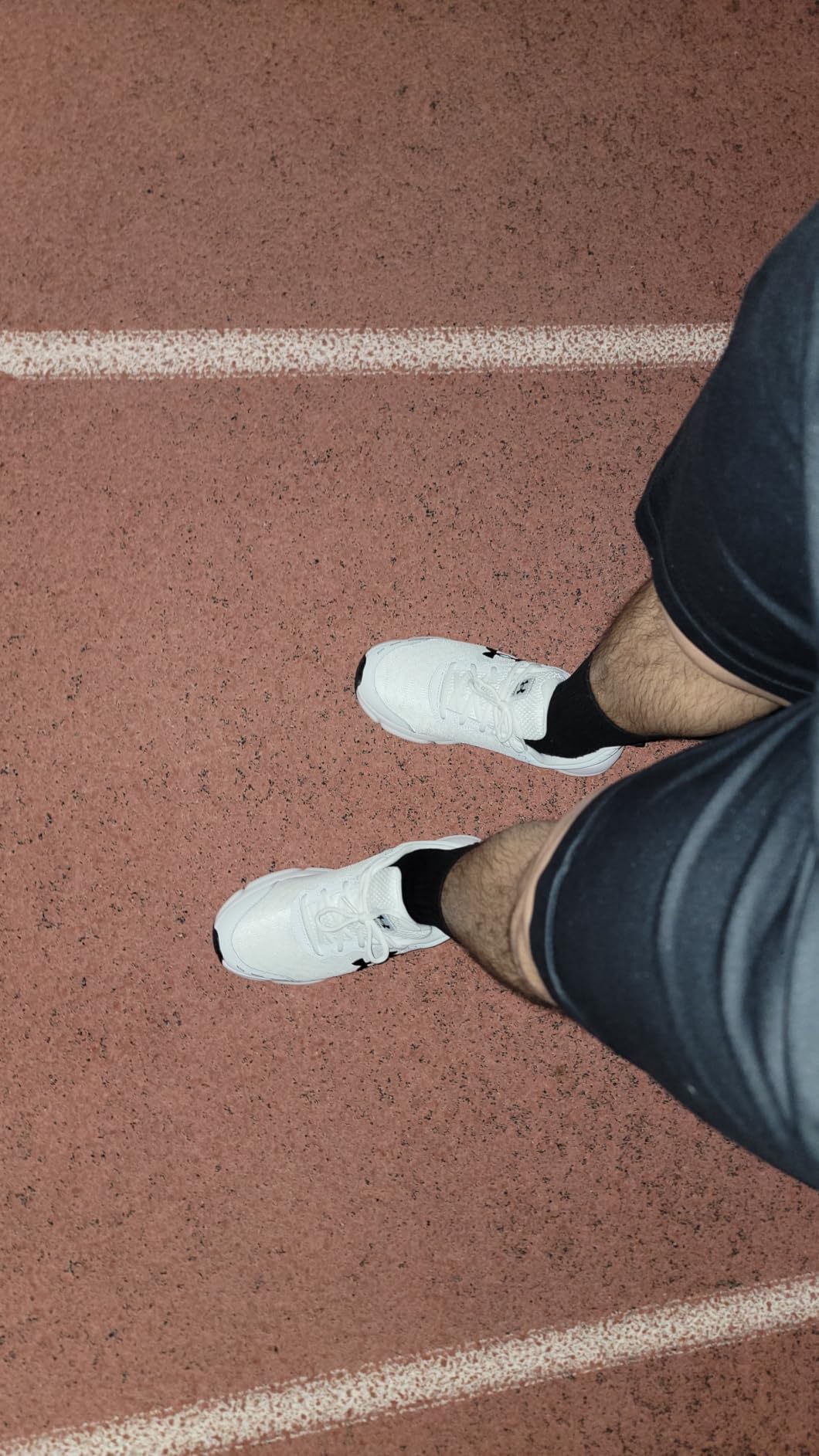
Owners describe it as equally good for the school run, a long shift on your feet and an easy 5k, which is a rare combination. Reviewers also single out the arch support for low arches, and the toe box is regularly called roomy rather than pinched.
Good to know: the fit runs small, and this is the single most repeated note in the reviews. If you are between sizes or you have a high instep, size up half a size and try both on indoors before you commit. The laces are also shorter than most, so they will not double-knot, and the mesh upper tends to break down near the toe after roughly a year of daily use.
The Brooks Glycerin 22 further down takes the opposite approach: it is lighter and simpler, with a more casual look that works away from running, while the Glycerin 22 adds a broader, softer landing and the certified diabetic classification. The ASICS Gel-Nimbus 27 is softer still underfoot, so long-easy runners will find the Nimbus more comfortable and the Assert more versatile.
Skip it if you run technical mountain trails; the road-focused outsole and mesh upper are not built for that. For a daily trainer, a gym shoe and an everyday sneaker in one, it is the pick we would put in front of most people first.
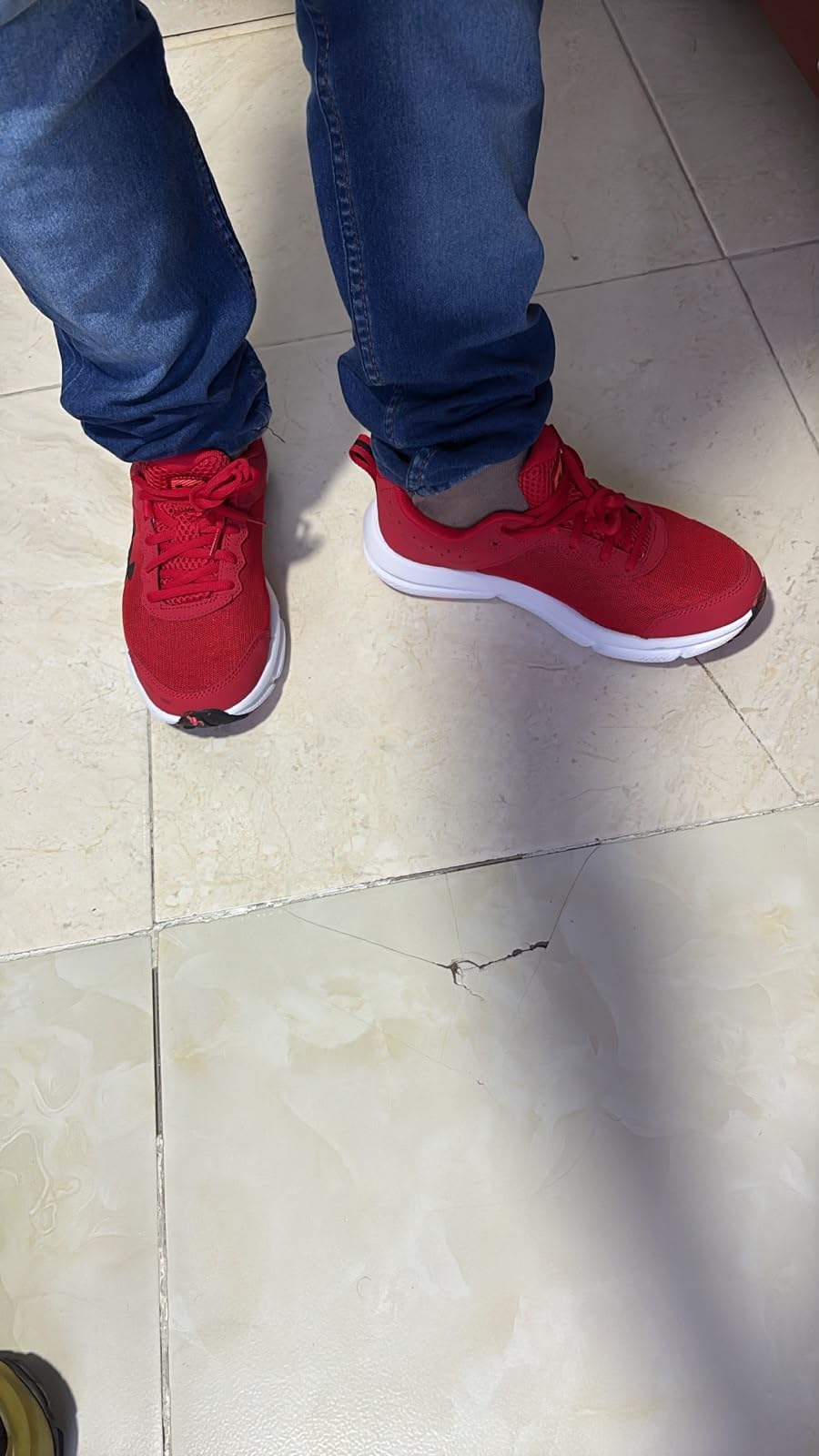
2. ASICS Gel-Nimbus 27: Best for Long Runs
ASICS Men’s Gel-Nimbus 27 Running Shoe, 11.5, Indigo Fog/Denim Blue
- Exceptionally plush cushioning for long runs and walks
- Roomy toe box with extra lateral room for the big toe
- Breathable upper keeps feet cool
- Sizing runs true and consistent
- Responsive toe-off from the FF BLAST PLUS midsole
- Bulky midsole that some buyers dislike
- A few reports of the outsole coming unglued early
- One review reports visible wear after about six months
The softest ride in the list, built for the long end of the run. Two layers of cushioning do the work here: PureGEL for softer landings and an FF BLAST PLUS ECO midsole made with roughly 24% bio-based content for a more responsive toe-off. It is the only shoe in this roundup with that pairing, and it is why the Nimbus keeps showing up as the answer when people ask about shoes for 20-mile weekend runs.
The toe box gets more attention in the reviews than any other part of this shoe. Owners with wide feet or a bunion history repeatedly describe extra lateral room for the big toe, which is the single most common reason people trade up from a cheaper trainer. Support is present without the shoe feeling heavy, and 80% of the ratings that come in are five stars.
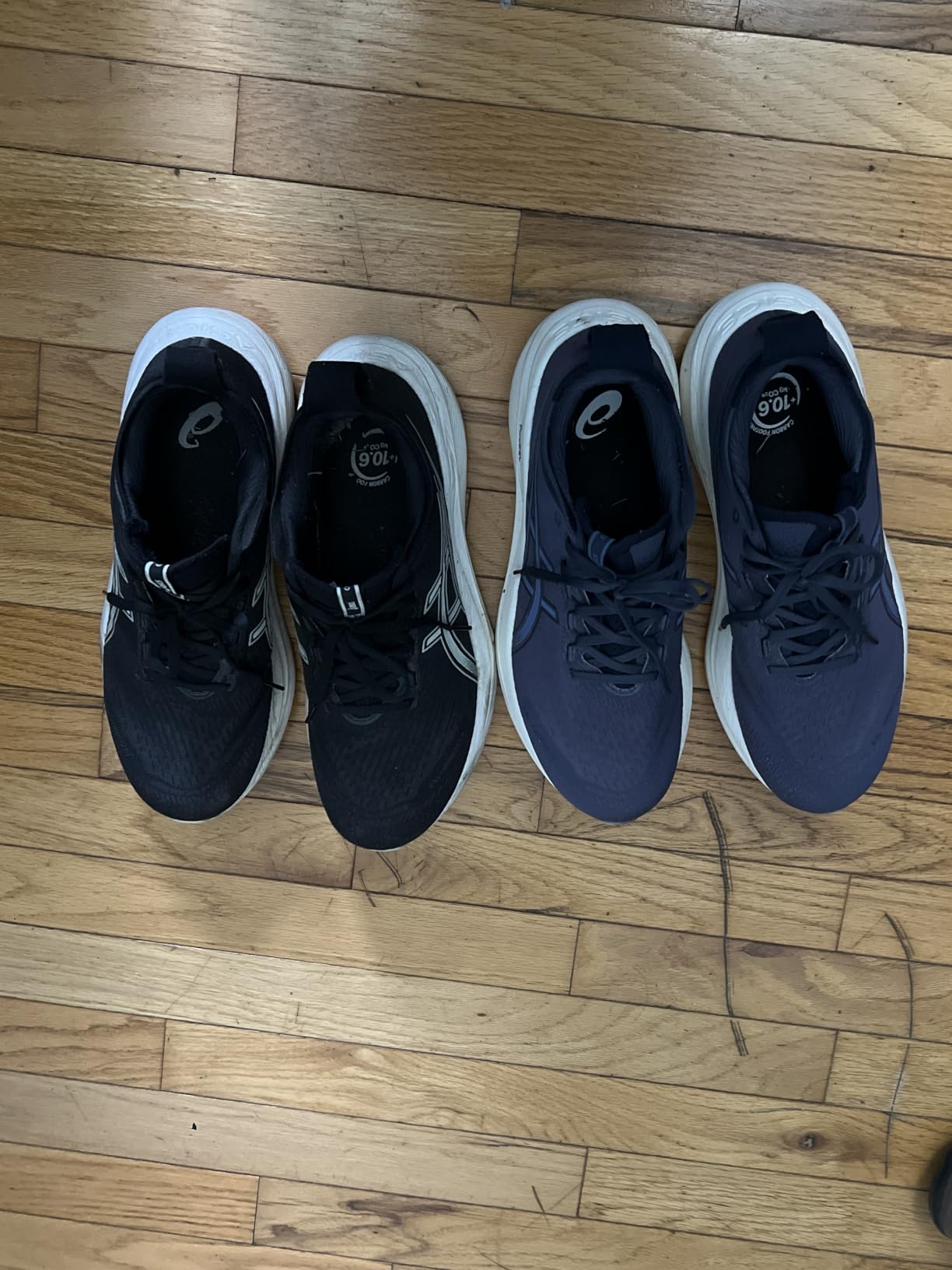
There is a sustainability angle too, though it is not the reason to buy: at least 75% of the main upper material is recycled content, and the sockliner is solution-dyed, which the manufacturer says cuts water use by about 33% and carbon emissions by about 45% compared with conventional dyeing.
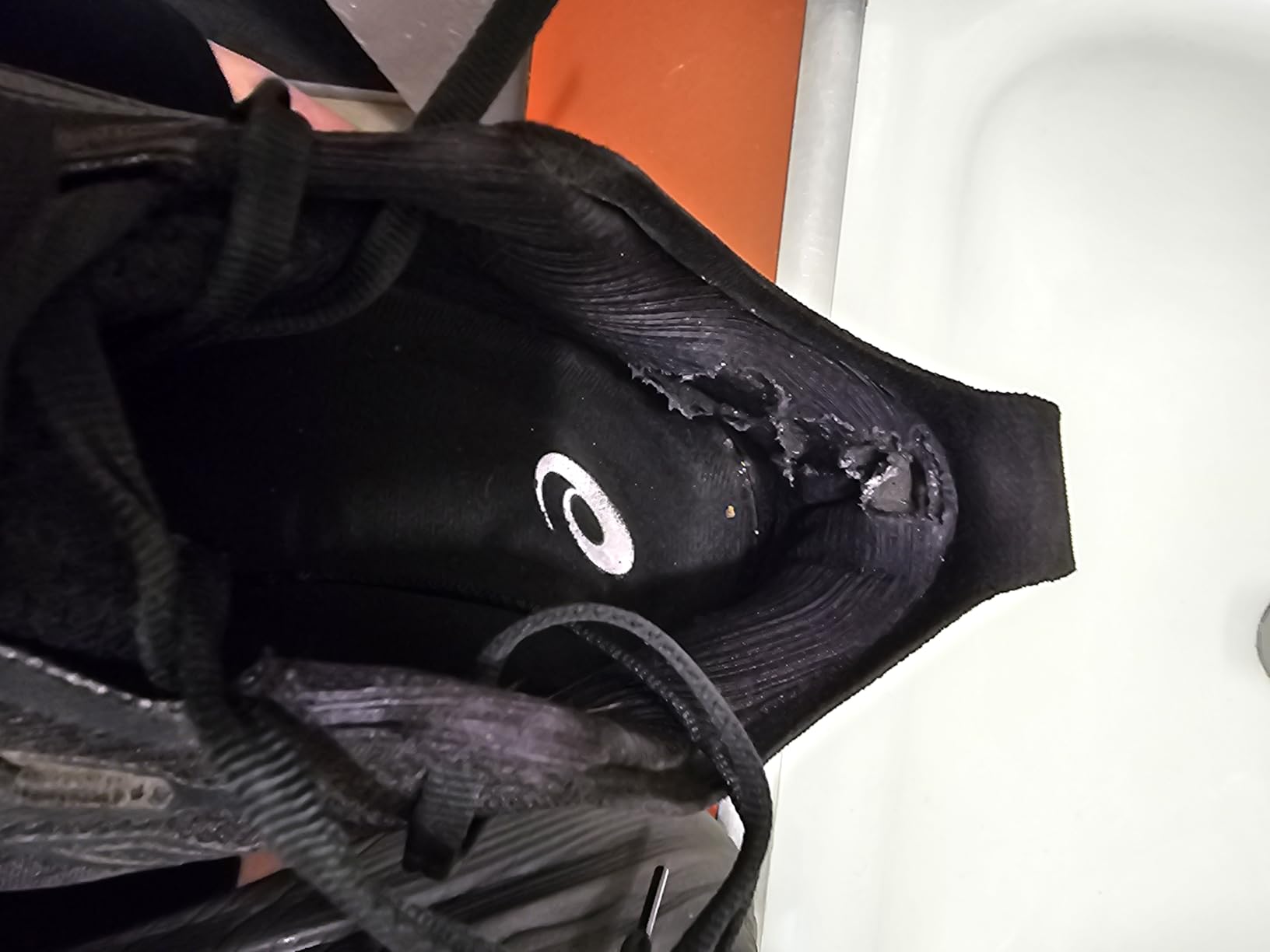
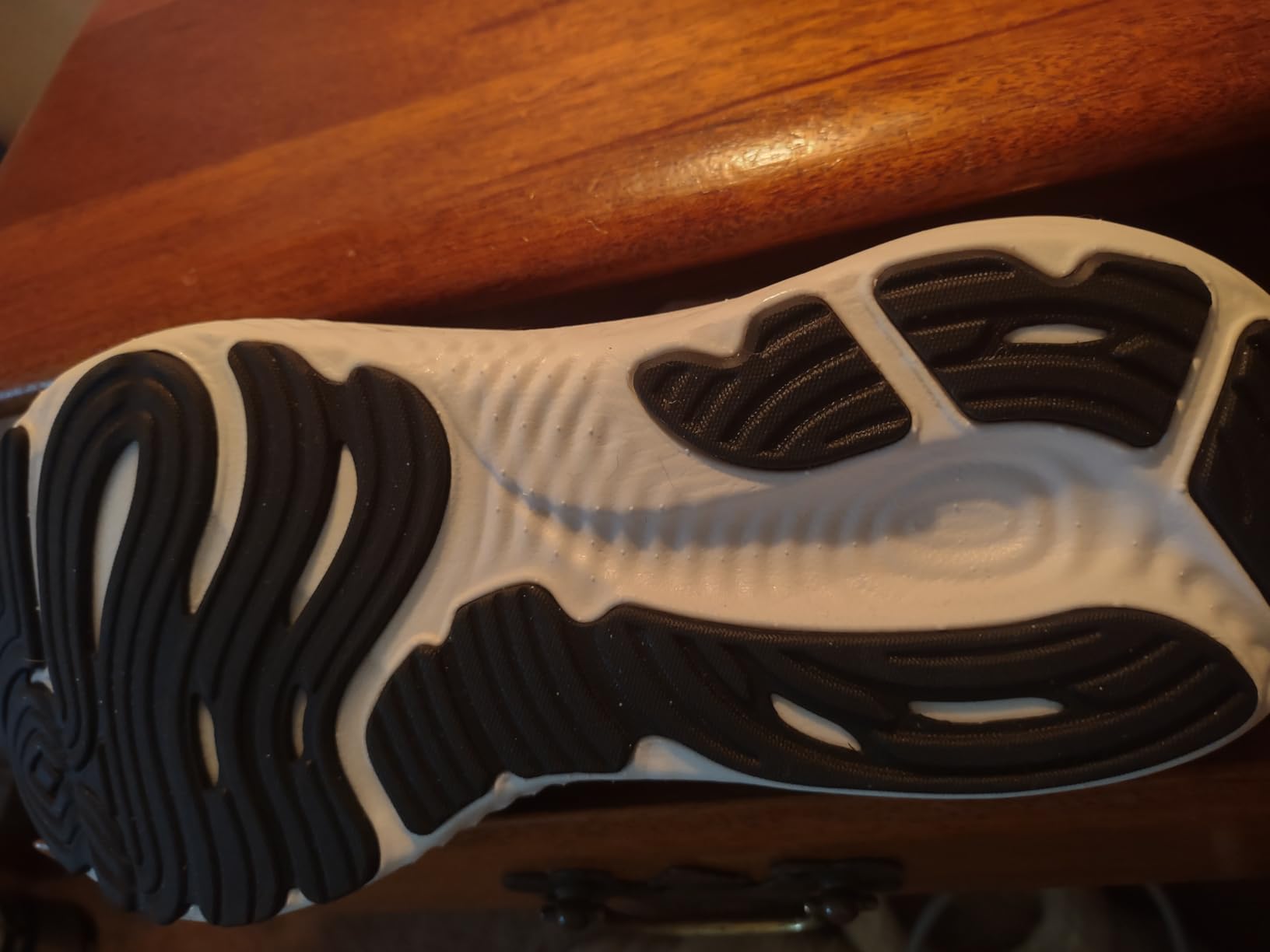
Good to know: the midsole is a tall, wide platform, and buyers who want a slim road shoe find it bulky. A small number of owners report a section of the outsole coming unglued early in the shoe’s life, and one review describes rapid visible wear after about six months. None of that reflects the majority view, but it is worth knowing before a long block of mileage goes into the same pair.
Where it sits against the rest: the ASICS GT-2000 13 later in the list is the stability-led option from the same brand, with a 3D Guidance System instead of pure plushness. The Brooks Glycerin 22 gives a similarly soft landing with a broader, flatter platform and a knit upper. And the Brooks Ghost Max 3 has an even higher stack, so anyone who wants maximum cushioning should look there rather than here.
Buy the Nimbus 27 if your runs are long, your feet are hard to fit or you spend real time walking in the same pair. Size true, and check that the extra toe room works with your socks.
3. Brooks Glycerin 22: Best for Daily Training
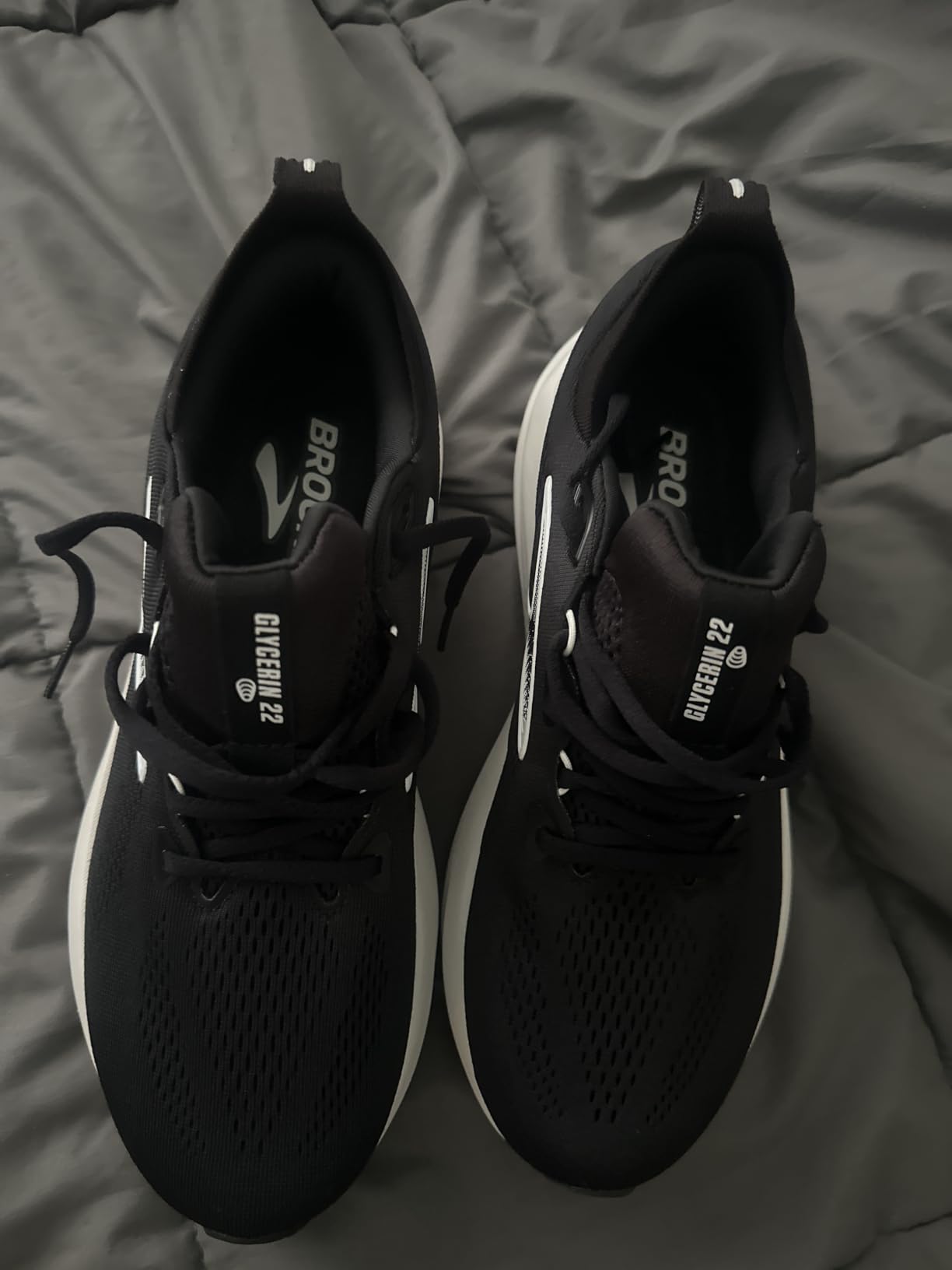
Brooks Men’s Glycerin 22 Neutral Running Shoe – White/Grey/Black – 12.5 Medium
- DNA Tuned foam is plush on landing and lively on toe-off
- Broad platform resists side-to-side roll
- Double jacquard knit upper stretches and breathes
- Certified PDAC A5500 diabetic shoe
- Durable mesh that resists staining
- Toe box reads narrow for some feet
- Some buyers had to order a size up
- Not the softest option for very long distances
The high-mileage default, and the shoe most trainers graduate to. The Glycerin 22 is a neutral shoe with a maximum-cushioning brief, built for road running, the gym and cross training in roughly that order of use. Owners running three or four times a week tend to be the loudest advocates, and 81% of its ratings come in at five stars.
The midsole is the story. Brooks DNA Tuned foam blends dual-size cells, with larger cells in the heel for soft landings and smaller cells in the forefoot for a toe-off that still has some life in it. The broad platform underneath is what keeps the foot from rolling side to side, and the tuned heel and forefoot smooth the transition from one to the other.
Two certifications matter more than the marketing language. This is a certified PDAC A5500 diabetic shoe, which means it was built to the width and cushioning standard that organisation requires, and it carries the APMA Seal of Acceptance from the American Podiatric Medical Association. If you have diabetes, a history of plantar fasciitis or just want a shoe a podiatrist is unlikely to argue with, those two lines do real work.
Compared with the Assert 10: the Glycerin 22 is a step up in foam and platform, with a taller and heavier build than the 9.5-oz Assert. You feel the difference after about an hour, not in the first kilometre. The knit upper is also more stretchy and more breathable, and it holds its shape and resists staining better over a season.
The trade-off owners report is the toe box. A number of buyers describe it as somewhat narrow, and some had to order a size up, so the fit is worth testing on both feet indoors. Brooks also sells this same style with added support as the Glycerin GTS 22, which is the version to look at if plain neutral feels flat to you.
Good for daily miles, easy runs and long slow distance. Not the first choice if you want the very softest landing underfoot, where the Ghost Max 3 or the Gel-Nimbus 27 pull ahead.
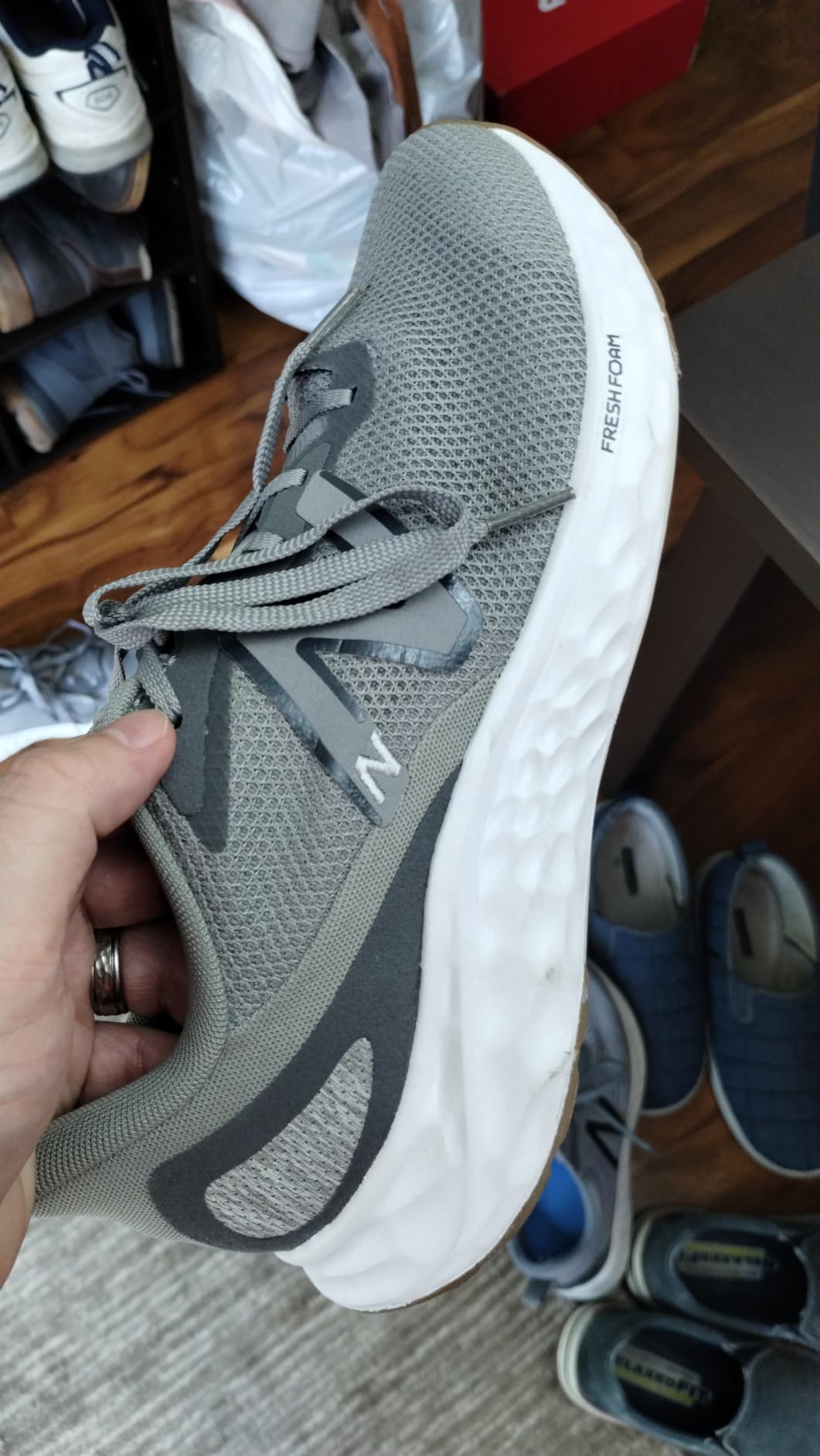
4. New Balance Fresh Foam Arishi V4: Budget Pick
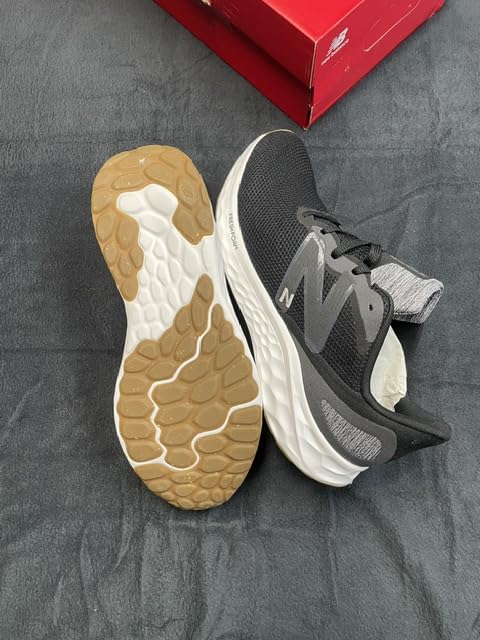
New Balance Men’s Fresh Foam Arishi V4 Running Shoe, Marblehead/Castlerock/Silver Metallic, 9.5
- Light at 9.5 oz per shoe
- Fresh Foam midsole absorbs road miles
- Consistent true-to-size fit across repeat orders
- Rubber outsole grips roads and sidewalks
- Clean look that works with casual clothes
- Runs small so a half size up is common
- Mesh upper has little water resistance
- Upper fabric thins near the toe over about a year
The cheapest pair on the list and the one most people buy twice. At 9.5 oz per shoe with a 6mm heel-to-toe drop, the Arishi V4 sits at the opposite end of the stack height spectrum from the Brooks Ghost Max 3, and the 9516 ratings at 4.3 stars say it is a repeat-purchase shoe rather than a one-season experiment.
What owners actually use it for is walking. The Fresh Foam midsole absorbs impact mile after mile on the road, the mesh upper with suede and knit accents looks clean enough for everyday clothes, and the no-sew overlay construction keeps weight down while adding midfoot structure. Reviewers frequently describe buying it a second or third time because the fit stays consistent.
The 6mm drop is worth noting if you are switching from a 10mm or 12mm shoe. A smaller drop moves the heel slightly closer to the forefoot, which some people find more natural and some feel in the calves for the first week or two. The rubber outsole is described as reliable on roads and sidewalks, which is exactly what the shoe is built for.
Two things are worth knowing before this one goes on your feet. It is the pair here that most owners describe as a walking and everyday athletic sneaker rather than a running shoe, so it handles easy road miles comfortably but it is not a shoe for a training plan. And the mesh upper offers almost no water resistance, which means wet weather is not its moment. Several reviewers also note that it runs small.
The Under Armour Charged Surge 4 is the nearest alternative: it plays the same everyday role, sits lower in price and gets better reviews on long-term upper durability, while the Arishi is lighter on paper with a lower drop. The ASICS Gel-Nimbus 27 is the opposite trade, since it holds up to a 30-mile week the way the Arishi does not.
Best for: a first pair, a treadmill habit, or a shoe that has to pass at the office. Size up if you are between sizes, and expect to be checking the toe area for wear after a year of daily use.
5. Brooks Ghost Max 3: Best for Walking All Day
Brooks Men’s Ghost Max 3 Neutral Running & Walking Shoe – Black/Navy/Acid Lime – 9.5 Medium
- High stack of DNA Loft v3 reduces underfoot pressure
- Wide base with raised sidewalls for a secure ride
- GlideRoll rocker smooths heel-to-toe transitions
- Linear last leaves room for orthotics
- Handles both running and walking
- Rocker-driven ride feels unfamiliar at first
- Bulkier than a standard daily trainer
- Too soft a ride for some gaits and joint issues
The most protective shoe here, and Brooks built it for walkers as much as runners. The Ghost Max 3 carries the highest stack of nitrogen-infused DNA Loft v3 cushioning in this roundup, and Brooks pairs it with a wide base that reduces pressure underfoot. For anyone who spends a working day standing, walking a hospital corridor or pushing a stroller, that combination does more than most trainers at three times the foam height.
Two design details do the heavy lifting. Raised sidewalls add bending stiffness for a snug supportive fit, and the linear last construction adds volume across the shoe, which is what makes it usable with insoles or orthotics. On top of that, the GlideRoll rocker geometry actively supports heel-to-toe transitions, so each step rolls forward rather than pushing off flat.
It is also a certified carbon neutral product, and like the Glycerin 22 it is a certified PDAC A5500 diabetic shoe with the APMA Seal of Acceptance. Three separate certifications on one listing is unusual, and it tells you how seriously Brooks took the medical-foot side of the design.
Skip it if you dislike a bouncy ride. Owners report that the rocker geometry takes a few weeks to get used to, and a minority say the softness does not suit their gait or existing foot and joint problems. It is also visibly bulkier than a standard trainer, which matters if your work dress code is unforgiving.
Compared with the Glycerin 22 in the same family, the Ghost Max 3 is the softer, taller, more rocker-driven option, while the Glycerin 22 is the flatter, more responsive daily trainer. Compared with the Gel-Nimbus 27, the Brooks has the roomier platform and the orthotic-friendly last, while the ASICS has the roomier toe box. If you take long walks and also want to run in the same pair, this is the one to pick.
Owners who switch to this from a thin everyday sneaker tend to notice the difference in the first afternoon. The upper is a soft-hand textile paired with engineered mesh, so it vents well without feeling flimsy.
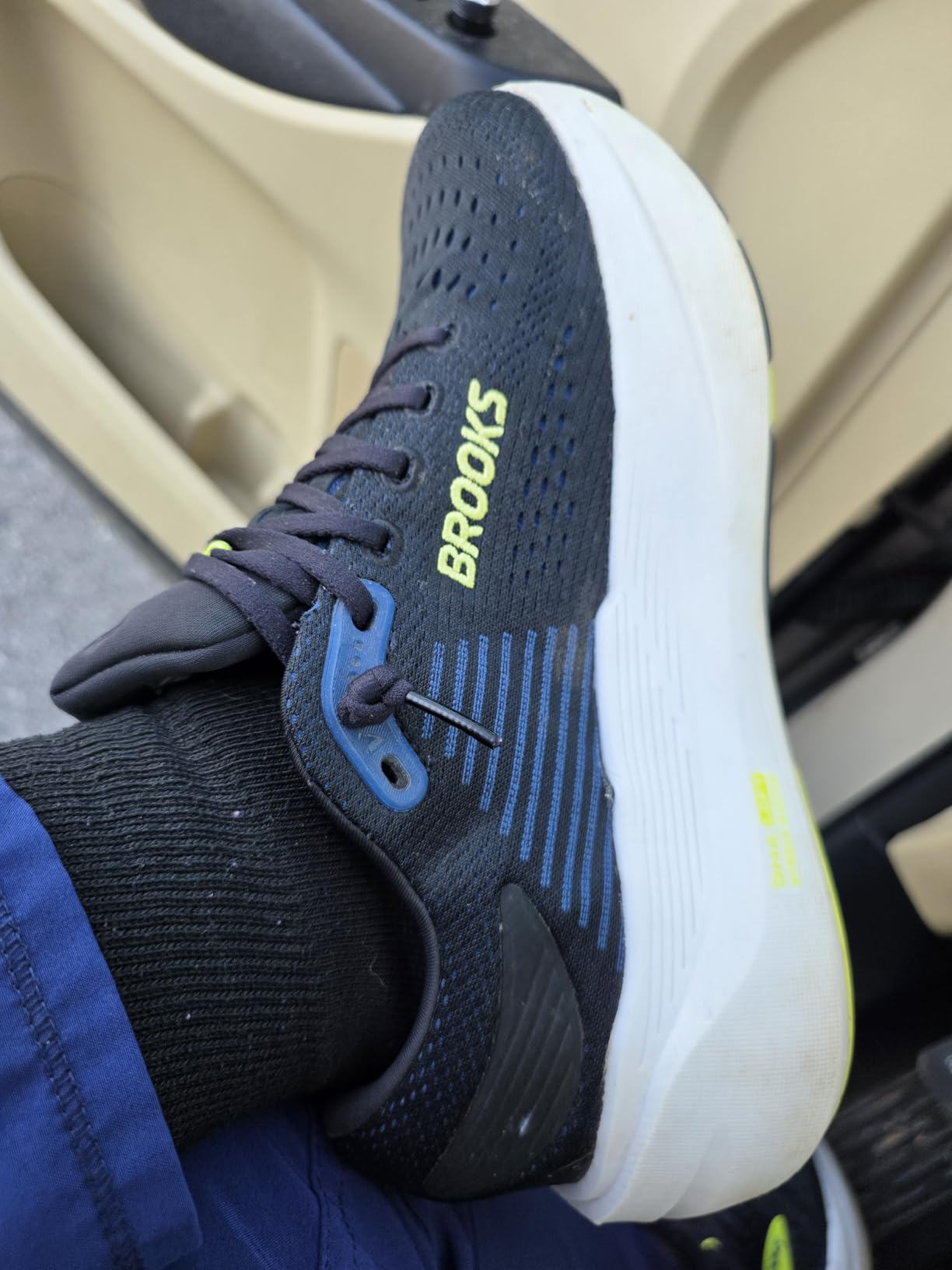
6. Brooks Women’s Ghost Max 3: Best for Wide Feet
Brooks Women’s Ghost Max 3 Neutral Running & Walking Shoe – Skyway/Coconut/Sand – 7 Medium
- One of the roomiest wide and extra-wide shoes here
- Pillow-like cushioning that eases long walks
- Wide base stops the ankle rolling
- Deep heel cup with room for insoles and orthotics
- 6mm low offset suits many walking gaits
- Runs small so a half size up is common
- Bouncy feel needs an adjustment period
- Few colorways in the widest sizes
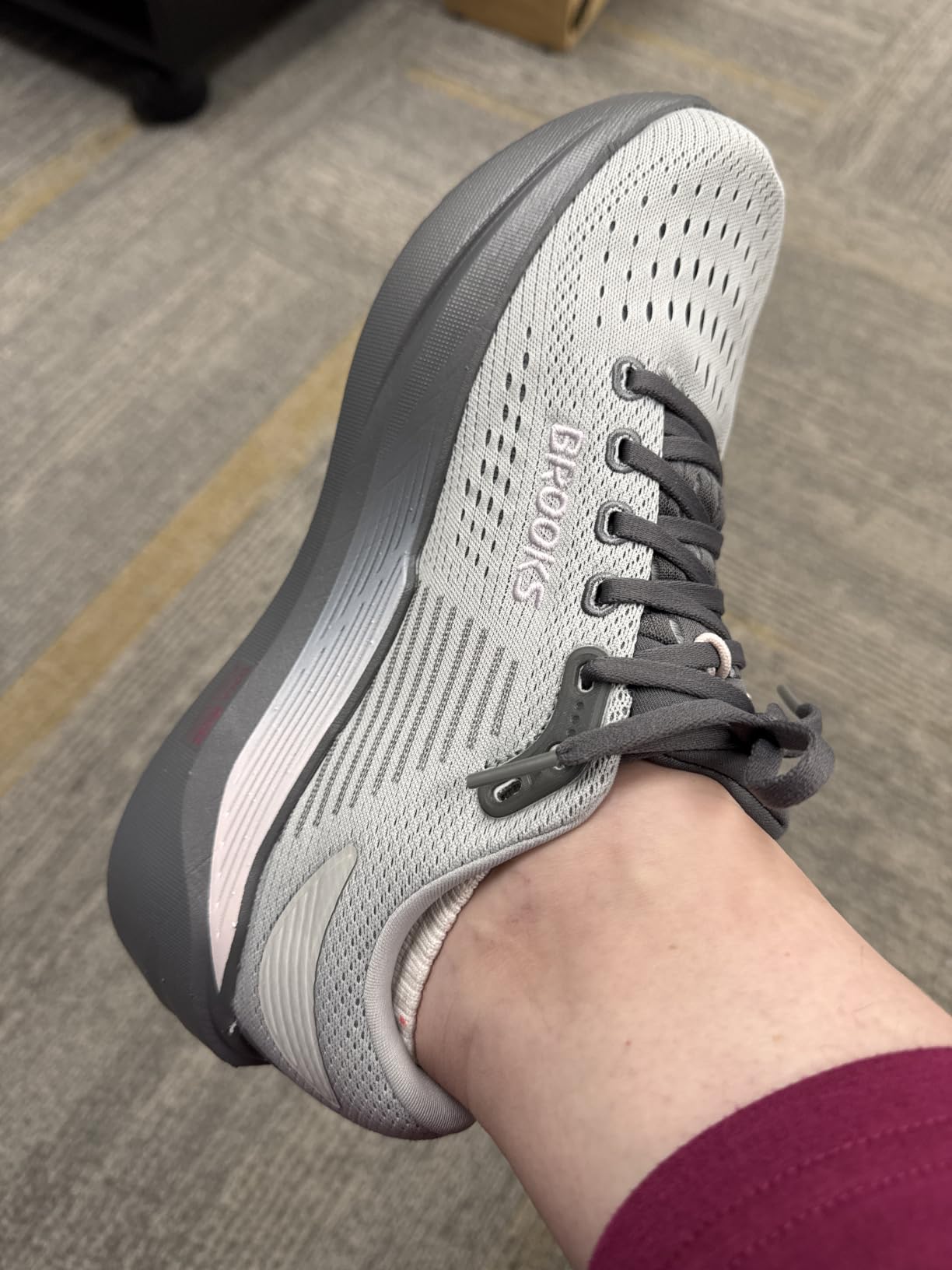
The same protective platform as the men’s Ghost Max 3, built on a last that gives you real room. This is the women’s version of the shoe above, and it is the answer for anyone who has given up on narrow women’s lasts. The reviews are unusually consistent about one thing: the width.
Owners with high-volume feet describe it as one of the roomiest wide and extra-wide options they have found, and the fit gets specific praise from people who wear orthotics or insoles. The deep heel cup and wide base are credited with stopping ankle rolling, and several reviewers mention relief from heel and toe-joint pain on long walks that other shoes had not delivered.
It carries the same credentials as the men’s pair: high-stack DNA Loft v3 cushioning, a certified PDAC A5500 diabetic classification, the APMA Seal of Acceptance and carbon neutral certification. The 6mm low offset with gentle roll motion is what makes it workable for walking gaits that do not want a big drop.
The main thing to sort out before you order: it runs small. Several buyers recommend sizing up a half size, which sounds contradictory for a wide shoe but is about the length of the last, not the width. Second, only a limited number of colorways are offered in the extra-wide sizes, so if you need the widest fit you may have a narrow choice of colors. Third, the wide sole can catch on stairs, which matters more than it sounds if you are on concrete all day.
The two Brooks Ghost Max 3 shoes apart, the alternatives here are worth knowing. The ASICS GT-2000 13 has an OrthoLite sockliner and more stability structure, but it is a road shoe with a much smaller stack, so it will not carry a long day of walking the way this one does. The Gel-Nimbus 27 has a roomy toe box and a softer landing, while this Brooks gives you more volume across the whole foot.
Choose it for wide or extra-wide feet, long walks, or a standing job where underfoot pressure is the main complaint. Give it a week of wear to get used to the bounce before you decide.
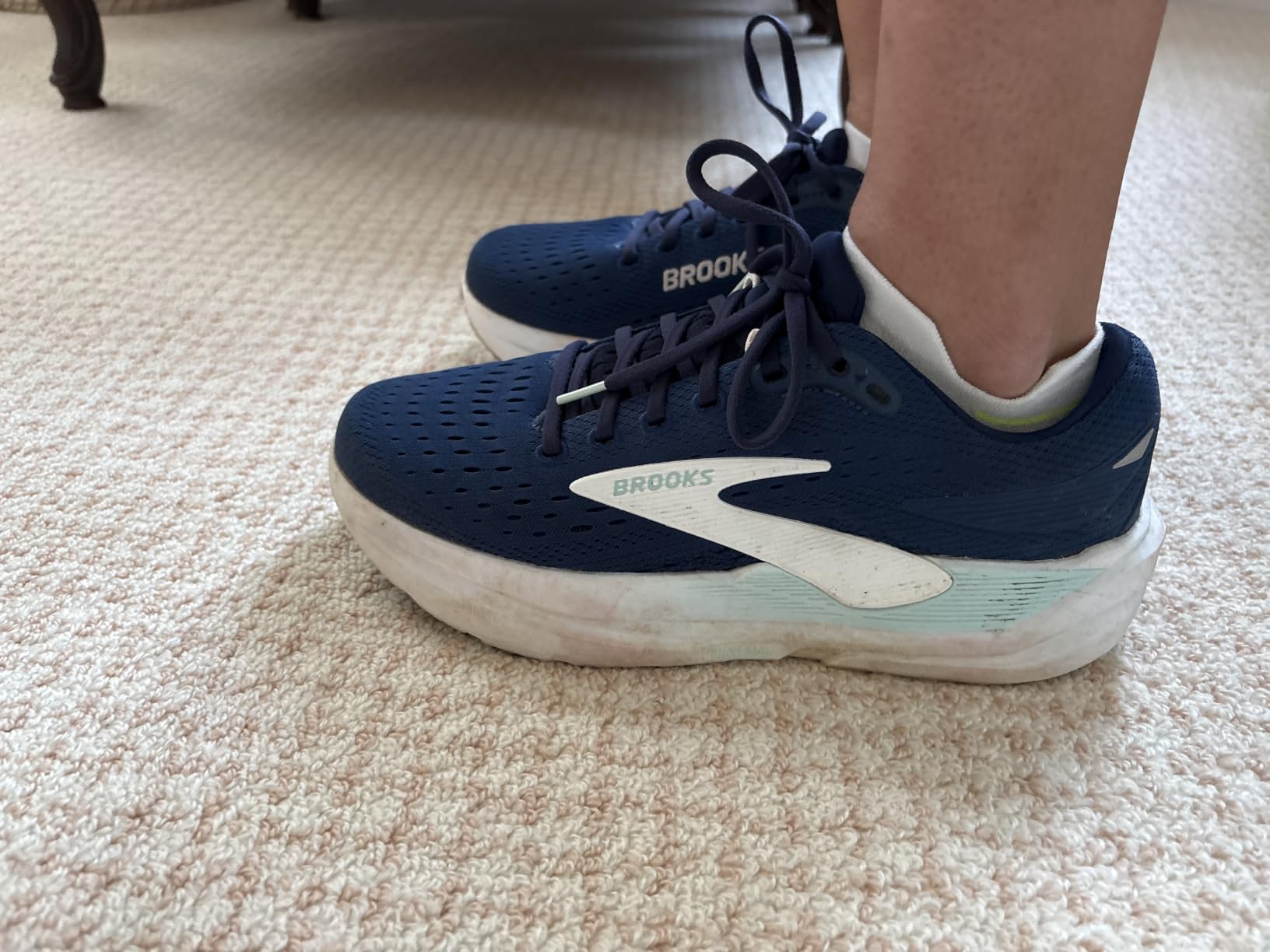
7. Under Armour Charged Bandit Trail 3: Best for Trail
- Trail lugs grip descents and loose ground
- Two-toned engineered mesh upper vents well
- Strategic overlays in the high-abrasion zones
- Molded sockliner stops the foot slipping
- Responsive compression-molded midsole
- Trail lugs and mesh suit trail ground not road
- Less protective than a waterproof hiking shoe in wet conditions
The dedicated trail pick, rated 4.6 from 1115 owner reviews. The Charged Bandit Trail 3 is built for the specific job of going up and down loose ground, and at 80% five-star ratings the owners are unambiguous about what that means: the outsole lugs hold on descents and the mesh upper keeps the foot cool on the climb back.
Under Armour built it in layers. A lightweight two-toned engineered mesh gives ventilation, strategic overlays sit in the high-abrasion areas where rock and root hit the shoe, and a molded sockliner forms to the foot so it does not slide around inside. Underneath, the same compression-molded Charged Cushioning midsole as the road shoe on this list keeps the ride responsive.
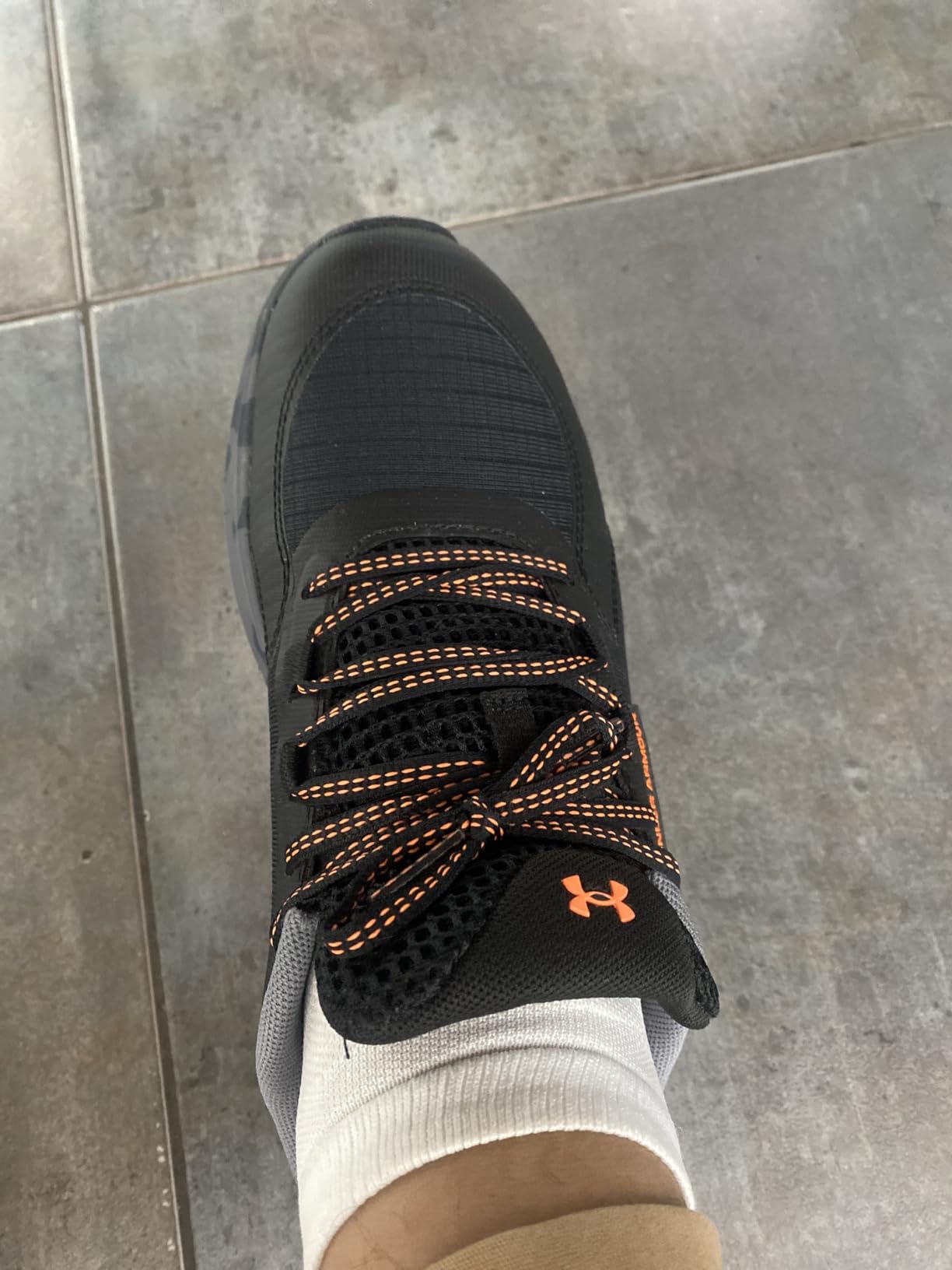
Good to know: this is not a road shoe and should not be bought as one. The lug pattern and mesh upper are optimized for trail terrain, and reviewers who tried it on pavement report that the grip and ventilation advantages largely disappear. In wet conditions it is also less protective than a genuinely waterproof or rugged hiking shoe, which matters in the Pacific Northwest this time of year.
Against the ASICS Gel-Venture 11 at the end of this list, the choice is about terrain and volume. The Bandit is the lighter, faster, more breathable of the two and has more overlay protection; the Gel-Venture has a molded rubber outsole, an OrthoLite sockliner and an enormous width range, but it is heavier and reads more as a walking shoe that can handle a trail. Neither one is a technical mountain shoe, and buyers expecting that are disappointed.
For a soft gravel loop, a woodland path or a dry summer trail season, the Bandit is a strong, well-reviewed option. Plan ahead for anything longer than an hour and carry water.
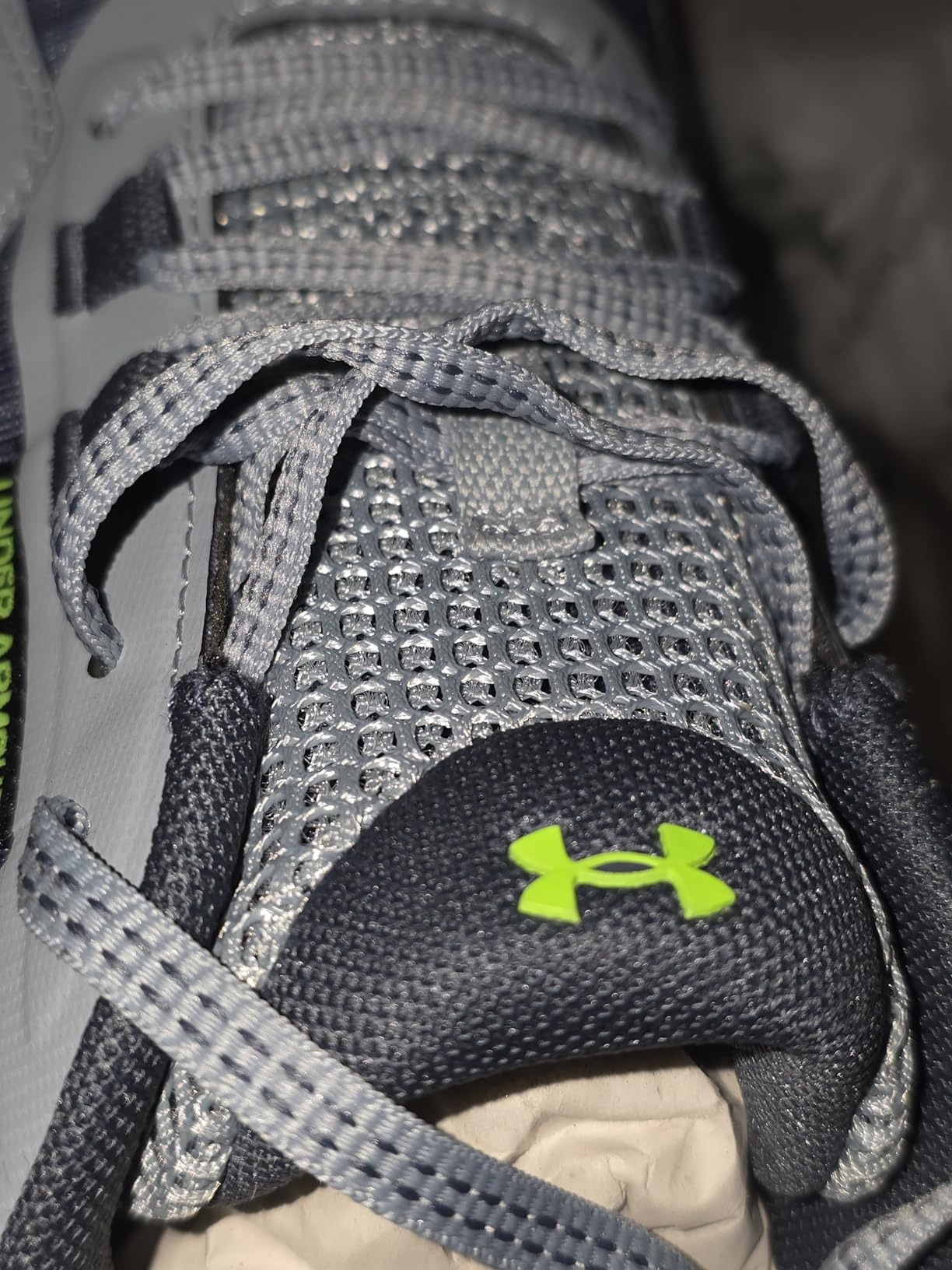
8. ASICS GT-2000 13: Best for Stability
ASICS Women’s GT-2000 13 Running Shoe, 7.5, Concrete/Watershed Rose
- 3D Guidance System gives structured stability
- Rearfoot PureGEL softens landings
- Jacquard mesh upper with a supportive foothold
- Wide base adds balance confidence
- Width range includes narrow fits
- Tongue has no padding
- Sizing varies across the ASICS line
- Newer mesh wears out near the toe
The pick if your foot rolls inward or your arch is high. Everything else in this roundup is neutral, and the GT-2000 13 is the one with a built-in structure: the 3D Guidance System sits in the midsole and is designed to add stability for a smoother stride, which is the piece runners with overpronation look for and neutral shoes do not give them.
The cushioning underneath that structure is a two-part setup. FF BLAST PLUS handles lightweight impact absorption and a responsive rebound, and rearfoot PureGEL sits under the heel to soften landings. The result is a shoe with visible support that still has enough give to run in for an hour, and 72% of the ratings come back at five stars.
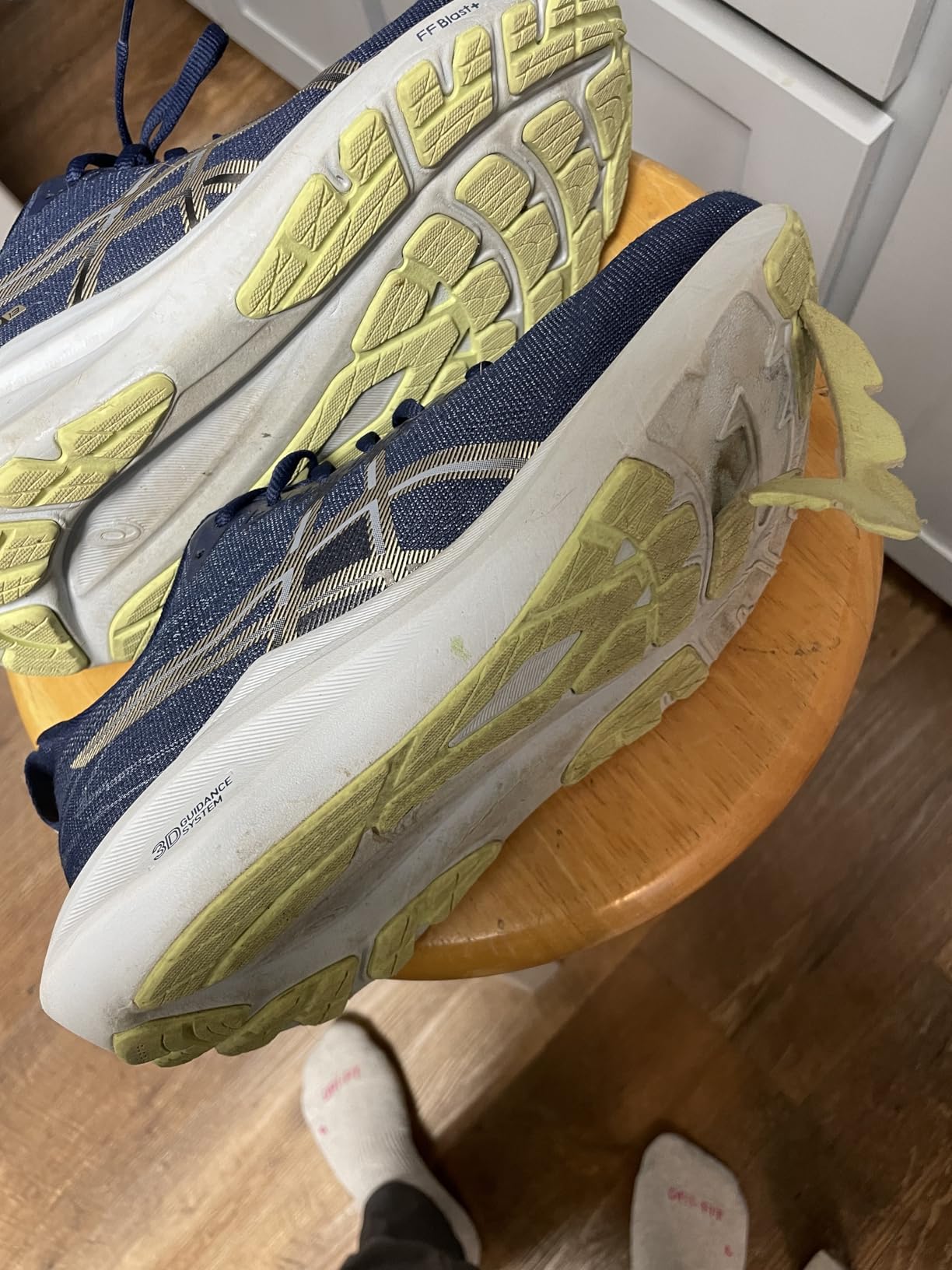
Two things owners praise beyond stability. The jacquard mesh upper gives a supportive, comfortable foothold without squeezing, and the broad base adds a sense of balance confidence that people notice immediately. Several reviewers also mention wearing it through long shifts on their feet, and the width range from ASICS, including narrow fits, is appreciated by people who have spent years in wide-only lasts.
The most cited flaw is the tongue, which has no padding. That is the single most repeated complaint in the reviews and it is worth knowing before a 20-mile week. The newer mesh upper is also reported to wear out and get holey near the toe over time, and because sizing can be inconsistent across the ASICS line, buyers often have to try more than one size. Note also that the sole extends slightly past the upper, which can catch on stairs.
Compared with the Gel-Nimbus 27, both are ASICS but they do different jobs: the Nimbus is plush, neutral and built for long distances, while this one adds structure and drops a little of the height. Compared with the Glycerin 22, the Glycerin is neutral and flattest, so if you have never needed stability before, try both and see whether the guidance structure feels like help or deadening.
At least 50% of the main upper material is recycled content, and the sockliner is solution-dyed to cut water use and emissions.
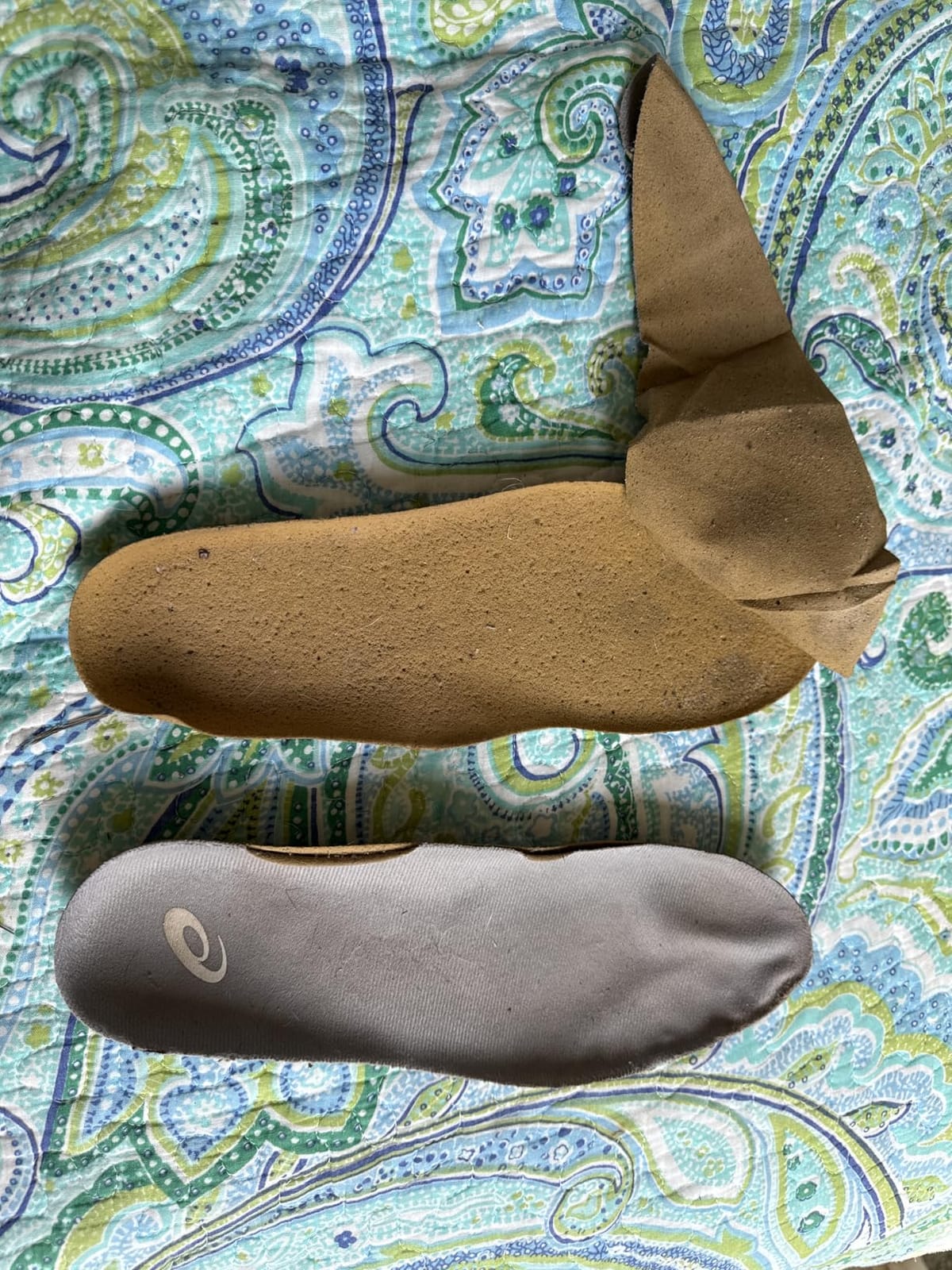
9. Under Armour Charged Surge 4: Best for Beginning Runners
Under Armour Women’s Charged Surge 4 Running Shoe, Off White Pink, 8.5
- Charged Cushioning midsole for all-day comfort
- Deluxe Comfort System sockliner molds to the foot
- Breathable mesh with synthetic overlays add support
- Enhanced cushioning around the ankle collar
- Flexible rubber outsole at toe-off
- Synthetic upper is less durable than leather
- Standard cushioning rather than a max-protection stack
The easiest first pair here, and the least demanding shoe to get used to. The Charged Surge 4 has 7126 ratings at 4.4 stars, and owners are consistent about why: the Deluxe Comfort System sockliner molds to the foot for step-in comfort and the Charged Cushioning midsole stays comfortable from the first walk.
There is no stack to speak of and no rocker geometry. That is the point. If you are starting a run habit, you want a shoe that does not introduce a dramatic new ride, and this one is a straightforward everyday trainer with a breathable mesh upper, synthetic overlays for structure and enhanced cushioning around the ankle collar for comfort on days when you are on your feet more than you are running.
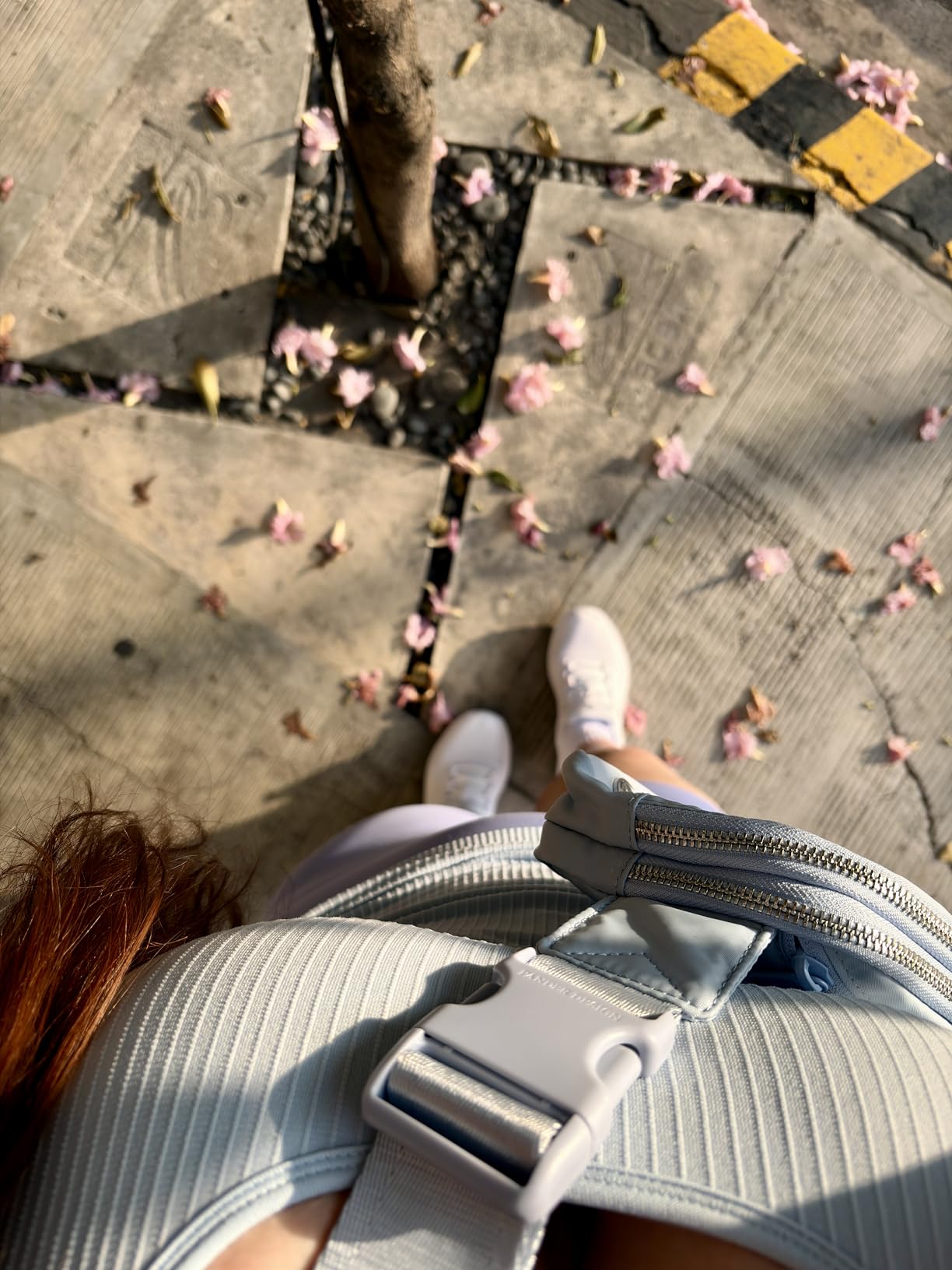
The outsole is designed with flexibility where you need it at toe-off, so the shoe bends rather than fighting you through the transition. The reviews describe it as dependable rather than remarkable, which for a first pair is the right kind of dependable.
Good to know: durability of the synthetic upper is the limitation raised most in reviews, and it is the reason the shoe does not push higher on our list. The cushioning is a standard Charged setup, not the max-protection stack you would find in the Brooks Ghost Max 3, so if you are already running 30 miles a week and feel hammered at the end of long runs, this is the wrong level of protection.
Compared with the Under Armour Charged Assert 10, both use the same compression-molded Charged midsole, but the Assert is the road trainer with a 10mm offset and a solid rubber outsole in the impact zones, while the Surge leans toward comfort and casual wear. Compared with the New Balance Arishi V4, the Arishi is lighter and cheaper, and reviewers are more positive about long-term upper durability on the Surge, so the two trade places depending on whether weight or wear matters more to you.
Choose the Surge if your mileage is still building, if you wear one pair for everything, or if you want the comfort without a tall platform. Buy two sizes if you can and keep the pair that feels better on day one.
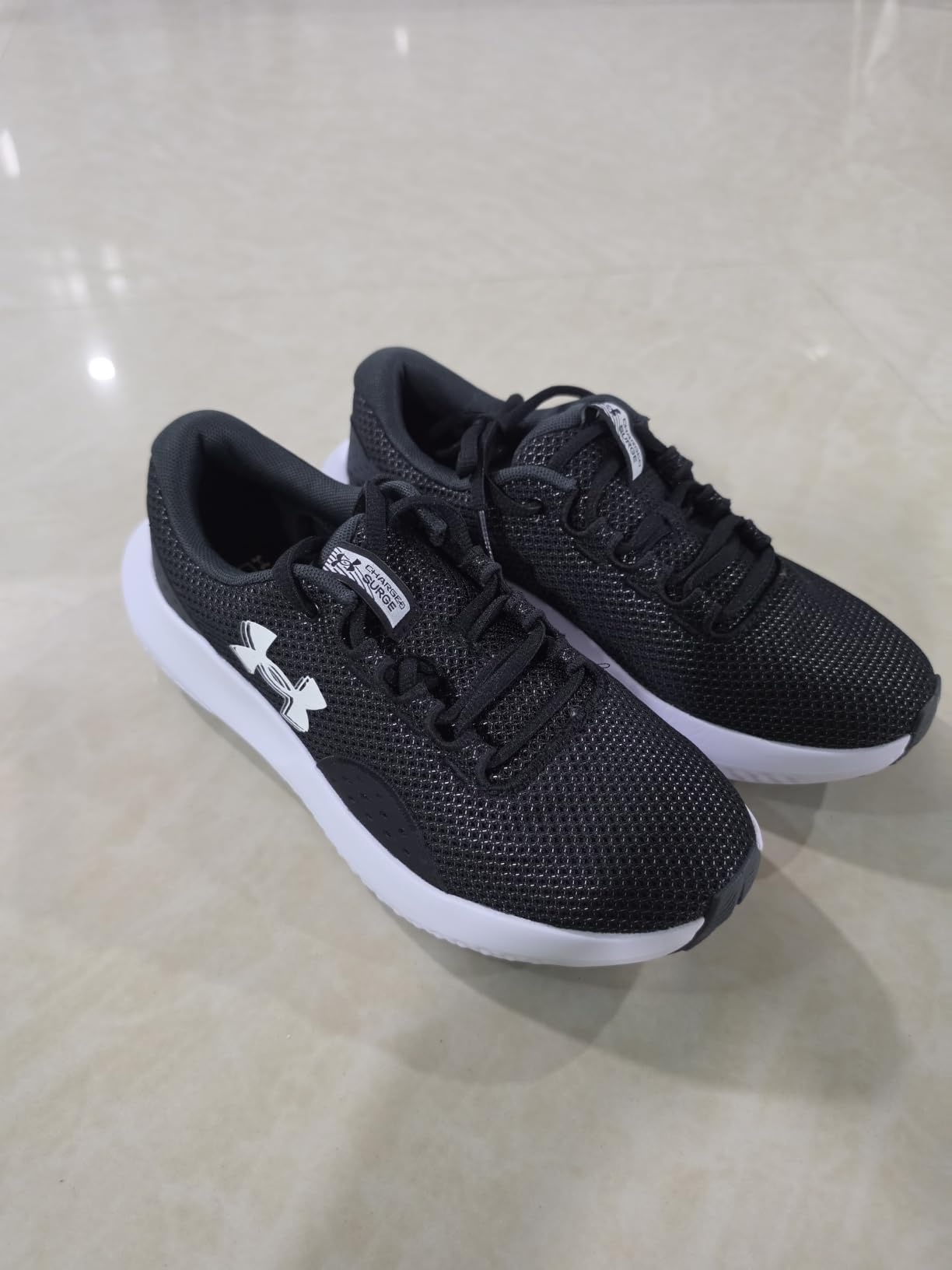
10. ASICS Gel-Venture 11: Best for Mixed Terrain
ASICS Men’s Gel-Venture 11 Running Shoes, 8, Midnight/Grey Blue
- GEL and AMPLIFOAM PLUS give a stable cushioned ride
- Molded rubber outsole grips dirt grass and pavement
- Width range includes 2E and X-Wide
- Works for trail running walking and light hiking
- OrthoLite sockliner manages moisture
- Brand flags the fit as running small
- Mesh upper soaks in wet grass
- Heavier than a technical trail shoe
- Quieter response than other ASICS models
The one that works on both surfaces, which is most people’s actual week. Very few runners keep separate shoes for the pavement and the park, and the Gel-Venture 11 is the pair on this list designed for exactly that. Reviewers describe the molded rubber outsole as slip resistant and durable across dirt, grass and pavement, even though it is built as a trail model rather than a road one.
The cushioning is rearfoot GEL for shock attenuation paired with AMPLIFOAM PLUS, which is a softer and more comfortable ride than standard AMPLIFOAM. The result is stability and cushioning in balance, which is what lets the same shoe handle a gravel path on Saturday and a pavement loop on Tuesday.
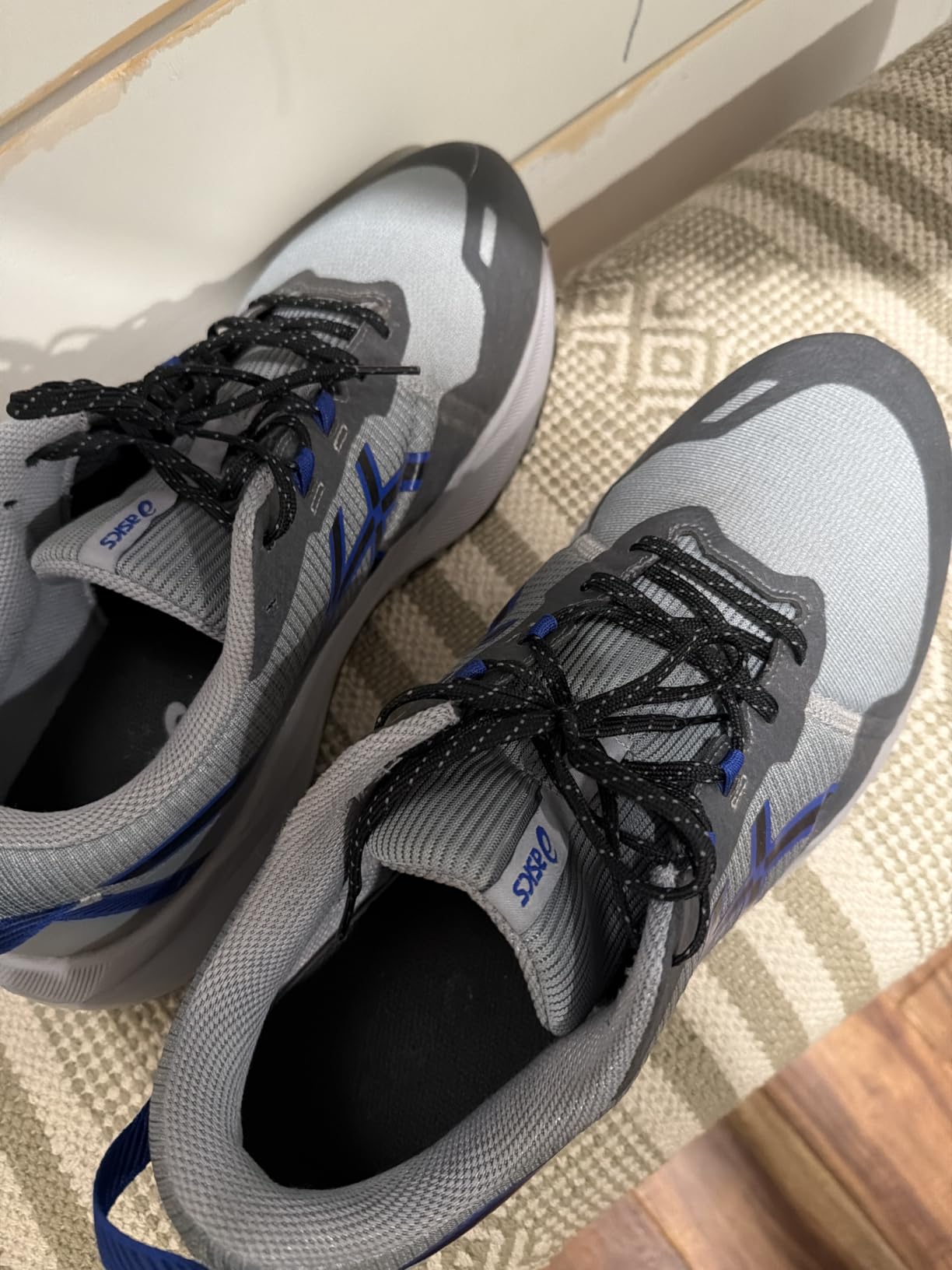
The width range is the sleeper feature. ASICS offers this model in 2E and X-Wide, and reviewers with wide feet or post-surgical support needs call that a major reason for buying. The OrthoLite Hybrid Max Lite sockliner is designed for moisture management and breathability as well as cushioning, which matters on the hotter trail runs of a 2026 autumn.
Read the fit note before you order: ASICS itself lists this model as running small, and many buyers size up. That is unusual for a brand to state plainly, and it saves you a return. The mesh upper also soaks quickly in wet grass, and the shoe is on the heavy side for technical mountain running, so it is not a choice for steep, rocky routes.
The Under Armour Charged Bandit Trail 3 is the lighter, faster and more breathable of the two trail shoes here, with more overlay protection, while the Gel-Venture offers far more width options and a more stable, less trail-specialized ride. Against the ASICS Gel-Nimbus 27 from the same brand, you trade some of that plushness and toe room for outsole grip and a lower, more grounded feel.
If your runs split between trail and road, this is the one that avoids a second pair. Size up, and keep it away from the wettest weeks of the year.
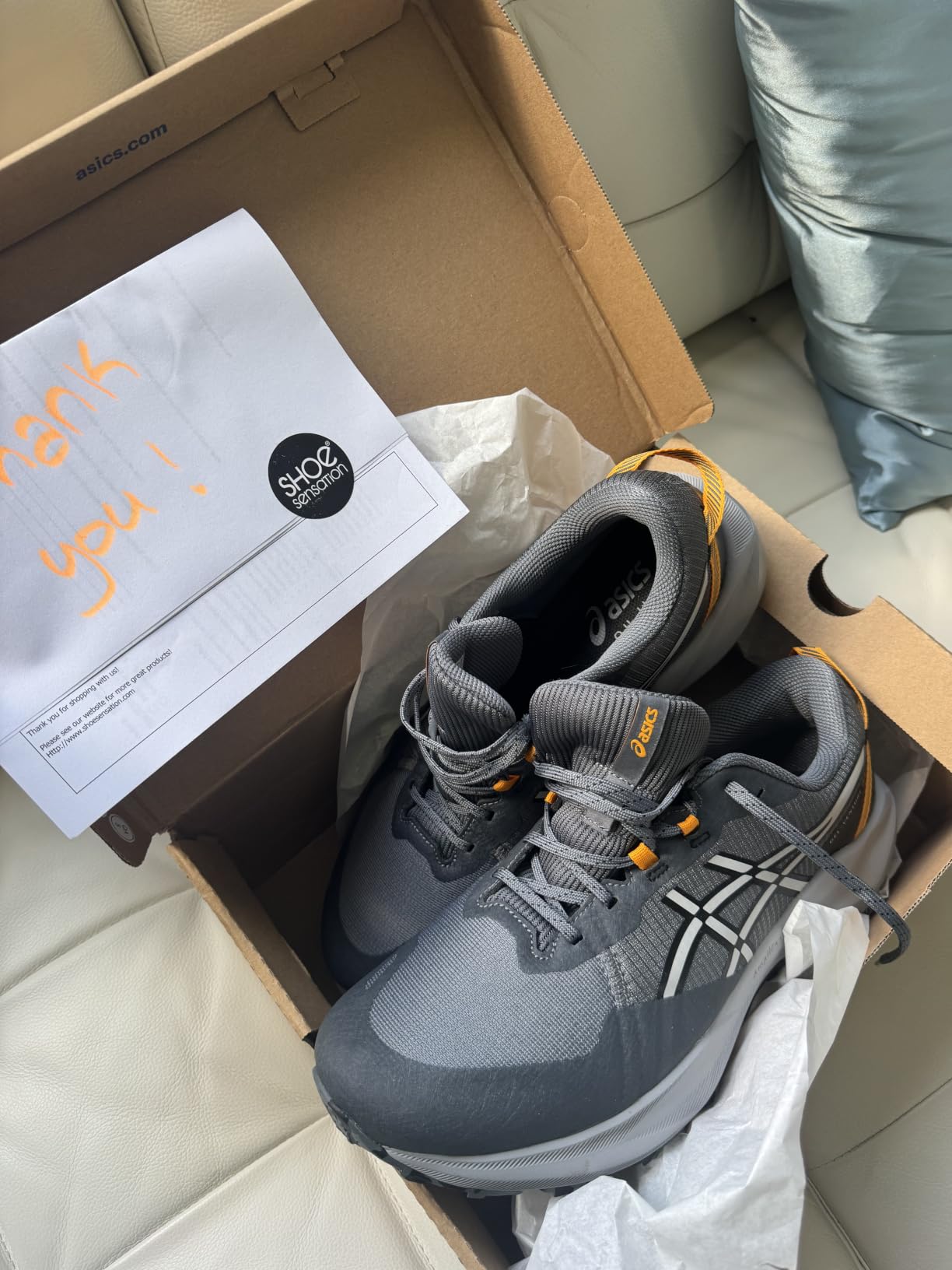
How to Choose Running Shoes During Prime Big Deal Days
A sale is the worst possible time to buy a shoe on impulse, because every listing looks urgent and sizes thin out fast. The approach that works is to choose the fit before the event, then use the event to buy the pair you already decided on.
Match the Fit to Your Running Style
Fit beats every other feature, and you can only judge it with the shoe on your foot. Look at the forefoot width, whether the heel is held without lifting when you lift your foot, and whether you have roughly a thumb’s width in front of your longest toe. Try both shoes in the socks you actually run in, and walk rather than jog, because most sizing mistakes are heel and toe-box problems that show up in a walk.
Between the ten here, the ASICS Gel-Nimbus 27 has the roomiest toe box, the Brooks Women’s Ghost Max 3 has the widest overall volume, the ASICS Gel-Venture 11 offers 2E and X-Wide options, and the Glycerin 22 reads narrow to some feet. If your feet are hard to fit, the two Brooks models and the Gel-Venture are the shortlist.
Choose the Right Cushioning Level
Cushioning comes down to stack height and how it feels, not to a number on the box. Responsive shoes sit low and encourage you to run quickly; neutral shoes give moderate protection; highly cushioned shoes trade some ground feel for impact absorption. Road running and long distance reward the taller stacks, tempo and interval work does not.
On this list the low end is the New Balance Arishi V4 at a 6mm drop with a standard Fresh Foam midsole, and the tall end is the Brooks Ghost Max 3 with its high stack of DNA Loft v3. The middle, where most people belong, is the Glycerin 22, the Gel-Nimbus 27 and the Charged Assert 10.
Determine the Support You Need
Neutral shoes let your foot move the way it wants and suit most runners. Stability shoes add a structure under the midfoot for feet that roll inward. Motion control designs are firmer and more prescriptive, and are now less common. If you have never needed support, buy neutral and reassess; if you already know you overpronate or have high arches, start with a stability model rather than paying for extra foam that will not fix the rotation.
Only one shoe here is a stability design, the ASICS GT-2000 13, with its 3D Guidance System and rearfoot PureGEL. Everything else on the list is neutral, which is why nine of the ten work as daily trainers without further thought.
Balance Weight and Durability
Every gram you carry costs you on long runs, but a very light shoe usually means less outsole and a shorter life. The two road shoes listed at 9.5 oz, the Charged Assert 10 and the Arishi V4, are your speed-leaning options; the taller, heavier builds of the Glycerin 22 and both Ghost Max 3 pairs are your high-mileage options, and they trade weight for cushioning depth and a broad platform.
For durability, look at the outsole coverage rather than the price. The Charged Assert 10 places solid rubber in the high-impact zones, the Gel-Venture 11 uses a full molded rubber outsole, and the trail shoes use lugs that will wear differently from road rubber. When you retire a pair, keep it out of the rotation rather than in a heap; our picks for under-bed shoe organizers are a better home for old mileage than a closet floor.
Trail runs add a different kind of weight question: how much water and gear you are carrying. Our guide to hydration packs for trail running covers how to cut that load without cutting the run short.
Assess the Listing and Seller Details
During a big event the same model appears in a dozen listings, so check the model number, the generation, the men’s or women’s variant, your size and the colorway before you buy. Running shoes are versioned: Ghost Max 2 and Ghost Max 3, Glycerin 21 and Glycerin 22, GT-2000 12 and 13 are different shoes with similar names, and a deal on a superseded generation is a different product entirely.
Also check the condition, what is actually in the box, whether the seller is the brand itself or a third party, and the delivery details shown on the page. Where the same shoe appears at very different prices from different sellers, compare the model number first and the seller rating second.
How to Shop Running Shoe Deals During the Sale
On a running shoe listing, confirm the model number and generation, the men’s or women’s variant, your exact size, the colorway, whether the pair is new, and who is selling and fulfilling it before you check out. Most running shoe offers during Prime Big Deal Days need a Prime membership, and a free trial counts, so sign in before you browse. Offers change through the event, so keep your cart list ready and re-check the sizes you need rather than waiting for a specific colorway to come back.
A short checklist before you commit to any of these ten:
- Know your size in the specific brand, since sizing varies between Under Armour, ASICS and Brooks.
- Check the model number for the generation, not just the name.
- Confirm men’s or women’s variant, because the lasts are different.
- Read the reviews for fit first, since fit complaints dominate these listings.
- Plan to wear the new pair indoors and return them if the fit is wrong.
- Have a second colorway in mind, because sizes narrow quickly during the event.
Frequently Asked Questions
When do the best Amazon Prime Big Deal Days running shoe deals start?
Amazon Prime Big Deal Days runs October 6-7, 2026, and running shoe offers are usually live for the full two days. Most offers need an Amazon Prime membership, and a free trial counts. Prices and size runs can change during the event, so check the listing again before you check out.
Do you need Prime to get running shoe deals during the sale?
Most Prime Big Deal Days offers are for Prime members only, and a free trial counts if you do not already have one. Some deals are visible to everyone but the price only drops once you are signed in. Signing in before you browse is the simplest way to see the same price everyone else sees.
How do I know if a running shoe listing shows the right size and model?
Check the model number at the bottom of the listing, since names repeat across generations and the number changes with each version. Then confirm the mens or womens variant, because the lasts are different, and check the size chart against a pair you already own from the same brand. Sizing varies more between brands than within them.
How often should runners replace their training shoes?
Most runners replace a daily trainer every 400 to 500 miles, or earlier when the midsole stops absorbing impact and the outsole wears smooth. Lightweight shoes and trail shoes with exposed lugs usually go first. Walking-only wear stretches that out considerably, so check the upper and the foam rather than counting months.
Should I choose road running shoes for a trail running plan?
Road shoes are built for smooth, predictable surfaces and give up grip and protection on dirt, roots and wet ground. If your trail work is a few gravel loops, a mixed-surface model such as the ASICS Gel-Venture 11 will handle both. For technical mountain terrain, choose a shoe with trail lugs and a protective upper instead.
What should I check before buying running shoe deals during the sale?
Confirm the model number and generation, the mens or womens variant, your size, the colorway, whether the pair is new, and who is selling and fulfilling it. Offers on running shoes change through the event, so re-check the size runs you need rather than waiting on one colorway. Wear the new pair indoors before you wear them outside.
Final Verdict: Best Amazon Prime Big Deal Days Running Shoe Deals
Buy the Under Armour Charged Assert 10 if you want one pair that runs, walks and passes at the office, and if the size you need is the priority over a taller foam stack. It has more owner ratings than anything else here, a 9.5 oz build and a 10mm offset that needs no adjustment period.
For the budget alternative, the New Balance Fresh Foam Arishi V4 is the cheapest pair on the list at 9.5 oz, and reviewers treat it as a repeat-purchase walking and everyday shoe. Size up half a size and accept that the mesh upper will not handle a wet winter.
Buy the ASICS Gel-Nimbus 27 for long runs and roomy toe boxes, and the Brooks Glycerin 22 if you want a neutral daily trainer with a certified diabetic classification and a knit upper. For walking all day, both Brooks Ghost Max 3 pairs are the answer, the men’s version for cushioning depth and the women’s version for wide feet. The ASICS GT-2000 13 is the only stability option here, and the Under Armour Charged Bandit Trail 3 and ASICS Gel-Venture 11 cover trail and mixed terrain.
Decide on fit first, then open the listing during the event and check the current price on the model you chose. These ten pairs are worth watching, not worth rushing for.