
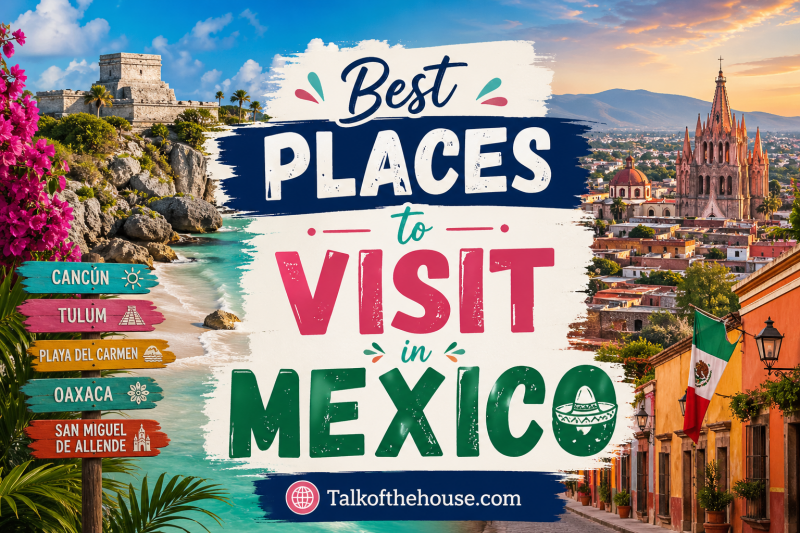
When I think about the best places to visit in Mexico, my mind immediately fills with images of colorful colonial streets, turquoise waters, and the intoxicating smell of fresh tortillas drifting from corner markets. Mexico is not just a destination. It is a collection of living postcards, each region offering its own distinct personality and charm.
After spending months exploring this incredible country over the past few years, I have narrowed down the destinations that truly capture its essence. Whether you are planning your first trip or returning for a deeper dive, this guide covers the most beautiful and culturally rich spots to add to your 2026 travel itinerary.
Table of Contents
Cultural Cities & Colonial Charm
Mexico’s interior cities tell stories through their architecture, art, and centuries-old traditions. These four destinations showcase the country’s colonial heritage and creative spirit.
Mexico City: The Cultural Capital
Mexico City surprised me in ways I never expected. What started as a quick stopover turned into a week-long love affair with one of the world’s most underrated capitals. The Centro Historico alone could fill days of exploration, with the stunning Palacio de Bellas Artes and the Zocalo, one of the largest public squares anywhere.
The neighborhoods here feel like distinct villages. Roma and Condesa are particularly appealing for anyone interested in design and aesthetics. Tree-lined streets, Art Deco buildings, and some of the best coffee shops I have found in Latin America make these districts perfect for leisurely strolls.
The food scene deserves its own article. From street tacos that cost less than a dollar to world-class restaurants like Pujol and Quintonil, Mexico City has become a global culinary destination. I spent an entire day just hopping between markets, eating tlacoyos in Coyoacan and churros in the historic center.
The Frida Kahlo Museum in Coyoacan is essential, but book weeks ahead. For architecture enthusiasts, the UNAM campus offers incredible modernist design and is a UNESCO World Heritage site. I also loved the floating gardens of Xochimilco, where you can hire a colorful trajinera boat and float past marimba bands and floating kitchens.
San Miguel de Allende: The Artist’s Haven
Walking through San Miguel de Allende feels like stepping into a painting. The entire historic center is a UNESCO World Heritage site, and it is easy to see why. Pink, orange, and ochre buildings cascade down cobblestone hills, with the neo-Gothic Parroquia de San Miguel Arcangel rising above the main square like a pink wedding cake.
This city has attracted artists and expats since the 1940s, and that creative energy remains palpable. Galleries fill the centro, and you will find excellent handicrafts from all over Mexico sold in beautiful shops. The Fabrica la Aurora, a former textile factory converted into art galleries, became one of my favorite afternoon destinations.
The rooftop bars here are spectacular. I spent sunset after sunset watching the sky turn purple over the church spires while sipping mezcal cocktails. For accommodations, boutique hotels like Casa No Name and Live Aqua offer stunning interior design that blends colonial architecture with modern luxury.
Oaxaca: Where Tradition Lives
Oaxaca City feels like the Mexico of old films. Indigenous culture thrives here in a way that feels authentic, not performative. The central square buzzes with activity, from indigenous women selling handmade textiles to students gathering at the portales to talk politics and poetry.
The food in Oaxaca is arguably the best in Mexico. This is the land of seven moles, complex sauces made from dozens of ingredients that take days to prepare. I took a cooking class here and learned to make mole negro from scratch, roasting chiles and chocolate on a comal until the kitchen filled with intoxicating smoke.
The nearby ruins of Monte Alban offer a fascinating glimpse into Zapotec civilization, with stunning views over the Oaxaca Valley. I also loved the textile villages surrounding the city, particularly Teotitlan del Valle, where families have been weaving rugs using natural dyes for generations. The colors these artisans achieve from cochineal insects and indigo plants are extraordinary.
Guadalajara: Mexico’s Second City
Guadalajara often gets overlooked by international visitors, which makes it feel like a secret discovery. This is the birthplace of mariachi music, tequila, and charreria, Mexico’s national sport. The historic center has beautiful plazas, impressive museums, and a more relaxed pace than the capital.
The Hospicio Cabanas, a former orphanage with jaw-dropping murals by Jose Clemente Orozco, is worth the trip alone. I spent hours studying his “Man of Fire” mural, one of the masterpieces of Mexican muralism. The surrounding Tlaquepaque and Tonala neighborhoods offer incredible shopping for ceramics, blown glass, and traditional furniture.
For an authentic tequila experience, take a day trip to the town of Tequila itself, about an hour away. The Jose Cuervo and Herradura distilleries offer tours, but I preferred visiting smaller family operations where you can see traditional production methods and taste incredible aged varieties most tourists never encounter.
Beach Paradises & Coastal Escapes
Mexico’s coastlines are legendary for good reason. From the Caribbean’s turquoise shallows to the Pacific’s dramatic shores, these beach destinations offer very different experiences depending on what kind of coastal escape you seek.
Tulum: Bohemian Beach Bliss
Tulum has transformed from a sleepy backpacker hideaway into a global hotspot for wellness-focused travelers. The beach zone stretches for miles, dotted with eco-chic hotels that blend rustic aesthetics with luxury amenities. I stayed in a cabana with no electricity, falling asleep to the sound of waves and waking to spectacular sunrises over the Caribbean.
The beach clubs here are Instagram-famous for good reason. Places like Gitano and Hartwood serve excellent food in stunning open-air settings. During the day, you can explore the Tulum ruins, ancient Mayan temples perched dramatically on cliffs above the sea. The contrast of stone structures against turquoise water is unforgettable.
The cenotes near Tulum are magical. These natural sinkholes filled with fresh water offer incredible swimming and snorkeling opportunities. I visited Gran Cenote early in the morning before the crowds arrived and had the crystalline water nearly to myself. The Sian Ka’an Biosphere Reserve, a UNESCO site just south of town, offers kayaking through mangroves and encounters with manatees and sea turtles.
Cancun and Riviera Maya: Resort Excellence
Cancun gets a reputation for spring break crowds, but the Hotel Zone offers some of Mexico’s most polished resort experiences. The beaches here are powder-white and the water shades of blue that seem almost artificial. I stayed at an all-inclusive for a friend’s wedding and appreciated the effortless luxury after weeks of budget backpacking.
The Riviera Maya stretches south from Cancun along the coast, offering a more relaxed alternative. Playa del Carmen has excellent restaurants and shopping on Quinta Avenida, while the smaller towns of Akumal and Puerto Morelos offer quieter beach experiences. I particularly loved Akumal Bay, where sea turtles graze on seagrass just offshore and you can snorkel with them in their natural habitat.
From this region, you can easily visit the magnificent ruins of Chichen Itza, one of the New Seven Wonders of the World. I visited at opening time to beat both the heat and the tour buses, watching the sunrise illuminate El Castillo pyramid. The nearby Ik Kil cenote is spectacular for a post-ruins swim, with vines dangling down into deep blue water.
Puerto Vallarta: Pacific Charm
Puerto Vallarta sits on Mexico’s Pacific coast in a bay framed by jungle-covered mountains. The Malecon boardwalk stretches for miles along the water, lined with sculptures, restaurants, and excellent people-watching opportunities. I loved the blend of traditional Mexican culture and international sophistication here.
The Zona Romantica, the old town south of the river, has cobblestone streets, whitewashed buildings, and some of the best restaurants in town. The pier at Los Muertos Beach has become an iconic photo spot, particularly at sunset when the metal sails light up against the orange sky. For a different perspective, hike or taxi up to the Mirador Cerro de la Cruz for panoramic views over the entire bay.
Day trips from Puerto Vallarta are spectacular. Yelapa, accessible only by boat, feels like a secret hideaway with a beautiful waterfall hike and fresh seafood served on the beach. The Marietas Islands offer incredible snorkeling and the famous Hidden Beach, a crater-like beach inside an island accessible only by swimming through a tunnel.
Cabo San Lucas: Desert Meets Sea
At the tip of the Baja California peninsula, Cabo San Lucas offers a dramatic landscape where desert mountains crash into the Pacific Ocean and Sea of Cortez. The rock formations at Land’s End, including the iconic El Arco arch, are genuinely stunning. I took a boat tour at sunset and watched sea lions play while the sky turned brilliant orange and pink.
The resorts here cater to luxury travelers, with beautiful properties like Esperanza and The Cape offering stunning architecture and world-class dining. The marina area has excellent seafood restaurants where you can eat fish caught that morning. I particularly loved the farm-to-table restaurants in the nearby San Jose del Cabo art district, where old colonial buildings house galleries and creative kitchens.
The Sea of Cortez is called the aquarium of the world for good reason. Snorkeling and diving here offer encounters with whale sharks, manta rays, and countless tropical fish. From December through April, gray and humpback whales migrate through these waters, and whale watching tours offer unforgettable close encounters with these magnificent creatures.
Hidden Gems & Off-the-Beaten-Path
Beyond the famous destinations, Mexico holds incredible places that most tourists never discover. These spots offer authentic experiences away from the crowds, often at a fraction of the cost.
Puebla: Mexico’s Best-Kept Secret
Puebla surprised me as perhaps my favorite city in Mexico. Just two hours from Mexico City, this colonial gem has remained remarkably undiscovered by international tourists. The historic center is a UNESCO World Heritage site filled with stunning churches, colorful tile-covered buildings, and some of the best food in the country.
The Baroque architecture here is extraordinary. The Biblioteca Palafoxiana, the first public library in the Americas, has soaring shelves of ancient books. The Amparo Museum offers incredible pre-Hispanic and colonial art in a beautifully designed modern building. I spent days just wandering the streets, discovering hidden courtyards and small cafes.
Puebla is the birthplace of mole poblano and chiles en nogada, and the culinary scene is exceptional. The street food is particularly impressive. I ate tacos arabes, a local invention inspired by Lebanese shawarma, and visited the Candy Street where shops sell traditional sweets made from sweet potato and milk fudge. The nearby town of Cholula has the world’s largest pyramid by volume, topped with a colonial church offering panoramic volcano views.
Guanajuato: The Colorful Mountain Town
Guanajuato defies description. This former silver mining town tumbles down a narrow valley, with houses painted in every shade of the rainbow stacked impossibly on hillsides. The entire city is a pedestrian maze of alleys, tunnels, and staircases that lead to surprising viewpoints around every corner.
The city has a young, artistic energy thanks to its university population. I visited during the International Cervantino Festival, when the streets fill with performers from around the world, but the cultural calendar is full year-round. The Museo de las Momias, while morbid, offers a fascinating glimpse into local burial traditions, with naturally mummified bodies on display.
The nightlife here is unexpected and fun. The callejoneadas are roving musical parties led by student bands that wind through the narrow alleys at night, with participants drinking wine from ceramic mugs and singing traditional songs. It is touristy but genuinely enjoyable, and I found myself swept up in the energy and community spirit.
Bacalar: The Lake of Seven Colors
Bacalar remains relatively unknown compared to the Caribbean coast’s more famous destinations, which makes it feel like a genuine escape. This small town sits on a stunning freshwater lagoon that shifts from pale turquoise to deep indigo as the light changes throughout the day.
The lagoon itself is the main attraction. I spent days kayaking through narrow channels lined with mangroves, swimming in cenote-fed sinkholes within the lake, and watching the colors shift at sunset. The Cocalitos area has stromatolites, ancient living rock formations that create shallow pools perfect for wading and photography.
The town has a relaxed, backpacker-friendly vibe without the party atmosphere of Tulum. Boutique hotels like Casa Bakal and Mango y Chile offer beautiful accommodations with lagoon access at reasonable prices. The nearby ruins of Kohunlich and Dzibanche see a fraction of Chichen Itza’s visitors but are equally impressive, with pyramids you can still climb.
Isla Holbox: Car-Free Island Paradise
Holbox feels like a different country entirely. This small island off the Yucatan coast has no paved roads and no cars, just sandy streets where golf carts serve as taxis and bicycles are the preferred transportation. The pace here is dictated by the sun and the tide, not schedules.
The beaches are wide and shallow, with water so warm it feels like a bath. During the summer months, whale sharks gather in the waters offshore, and swimming with these gentle giants is a once-in-a-lifetime experience. I visited in June and spent an unforgettable morning floating alongside fish the size of buses, watching them filter-feed just meters away.
The island has a distinctly bohemian character. Street art covers many buildings, and the food scene ranges from excellent fresh ceviche to surprisingly good international cuisine. I loved waking early to walk the empty beach, watching flamingos wade in the shallow lagoons, and falling asleep to the sound of waves in a hammock strung between palm trees.
Planning Your Mexico Adventure
Planning a trip to Mexico requires some preparation to ensure you get the most from your visit. Here are the essential factors to consider for your 2026 journey.
Best Time to Visit
Timing your visit depends on where you plan to go. The dry season from November through April offers the most reliable weather across the country. This is peak tourist season, particularly around Christmas and Easter week, when Mexican families also travel.
The rainy season from May through October sees afternoon showers that rarely last long but can be intense. This is when the countryside is greenest and prices are lowest. Hurricane season officially runs June through November, though direct hits are rare and modern forecasting provides plenty of warning.
I prefer visiting in shoulder months like late October or early November. The weather is still excellent, crowds are thinner, and you will find better deals on accommodations. The Day of the Dead celebrations in late October and early November are unforgettable if you can time your visit accordingly.
Getting Around
Mexico’s bus system is excellent and affordable. First-class buses are comfortable, safe, and often have wifi and movies. For longer distances, domestic flights connect all major destinations and are reasonably priced if booked in advance.
Renting a car gives you flexibility, particularly for visiting smaller towns and archaeological sites. Highway driving is generally safe and well-maintained, though city traffic can be chaotic. I have driven extensively in Mexico and found it manageable with patience and GPS navigation.
Safety Considerations
Most tourist destinations in Mexico are statistically safer than many American cities. The violence you hear about in the news is concentrated in specific areas far from where visitors typically travel. Basic precautions like not flashing expensive items, using official taxis or ride-sharing apps, and staying aware of your surroundings are sufficient for most travelers.
I have traveled extensively through Mexico as a solo woman and never felt genuinely threatened. The people are warm and helpful, and tourism is a vital industry that communities work hard to protect. Use the same common sense you would in any unfamiliar place, and you will likely find Mexico more welcoming than expected.
Frequently Asked Questions
What is the safest place to visit in Mexico?
Merida, Yucatan is consistently rated as one of the safest cities in Mexico, with low crime rates and a welcoming atmosphere. Other safe destinations for tourists include Puerto Vallarta, San Miguel de Allende, and Campeche. The key is staying in established tourist areas and using common sense precautions.
How many days do I need to visit Mexico?
For a first visit, plan at least 10 to 14 days to experience multiple regions without rushing. A week allows you to explore one area thoroughly, such as the Yucatan Peninsula or Central Mexico. Two weeks lets you combine beach time with cultural city exploration for a well-rounded trip.
What is the cheapest month to go to Mexico?
September and October are typically the cheapest months to visit Mexico, falling during the rainy season and after summer vacation ends. You will find the lowest hotel rates and flight prices during this period. May and June also offer good value before peak summer and hurricane season concerns begin.
Do I need a visa to visit Mexico?
Citizens of the United States, Canada, European Union, and many other countries do not need a visa for tourist visits up to 180 days. You will receive a tourist card upon entry that you must keep and return when leaving. Ensure your passport has at least six months validity remaining beyond your planned departure date.
What should I avoid when visiting Mexico?
Avoid drinking tap water and instead stick to bottled or purified water. Do not buy drugs or engage with illegal activities, as penalties are severe. Avoid isolated beaches or streets at night, and do not flaunt expensive jewelry or electronics. Skip restaurants with no local customers, as they are often tourist traps with mediocre food.
Start Your Mexican Journey
The best places to visit in Mexico offer something for every type of traveler. From the cultural richness of Oaxaca and Mexico City to the beach paradises of Tulum and Puerto Vallarta, this country rewards exploration and curiosity.
My advice is to slow down and savor the experience. Mexico is not a destination to rush through checking boxes. It is a place to linger over long lunches, get lost in colorful streets, and connect with locals who take genuine pride in sharing their culture.
Start planning your 2026 Mexico adventure today. Whether you have one week or one month, these destinations will give you a true taste of what makes this country so special. The tacos are waiting. The beaches are calling. And somewhere in Mexico, there is a perfect spot with your name on it.