
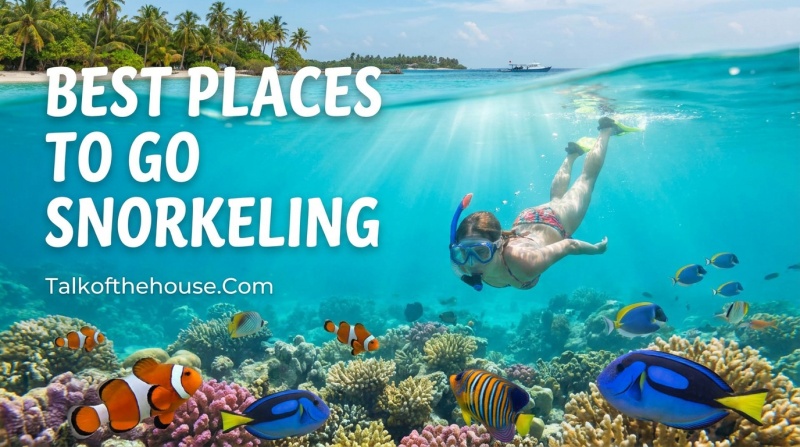
There is something magical about floating weightlessly above a coral reef, watching tropical fish dart through crystal clear water as sunlight filters down from above. The best places to go snorkeling offer more than just pretty views; they provide windows into entire underwater ecosystems teeming with life, color, and wonder.
After exploring dozens of destinations across the Caribbean, Pacific, and Indian Ocean, I have learned that the world’s top snorkeling spots share common traits: healthy coral reefs, excellent underwater visibility, abundant marine life, and accessible entry points for all skill levels. Whether you are a beginner looking for calm, shallow waters or an experienced snorkeler seeking encounters with manta rays and whale sharks, this guide will help you find your perfect underwater paradise in 2026.
Top snorkeling destinations include Raja Ampat for the world’s highest marine biodiversity, the Maldives for crystal clear water and overwater bungalow access, Bonaire for pristine shore snorkeling, Belize for its magnificent barrier reef, and the Galapagos Islands for unique wildlife encounters found nowhere else on Earth.
Table of Contents
Quick Picks: Top Snorkeling Destinations at a Glance
Before diving into detailed destination profiles, here is a quick comparison of the top 10 snorkeling destinations to help you narrow down your choices based on budget, difficulty, and what you want to see.
| Destination | Region | Best For | Difficulty | Access | Budget |
|---|---|---|---|---|---|
| Raja Ampat | Indonesia | Marine biodiversity | Intermediate | Boat | High |
| Maldives | Indian Ocean | Crystal clear water | Beginner | Shore/Boat | High |
| Bonaire | Caribbean | Shore snorkeling | Beginner | Shore | Mid |
| Belize Barrier Reef | Caribbean | Barrier reef | Beginner | Boat | Mid |
| Palau | Pacific | Jellyfish lake | Intermediate | Boat | High |
| French Polynesia | Pacific | Easy access | Beginner | Shore | High |
| Galapagos Islands | Pacific | Unique wildlife | Advanced | Boat | High |
| Great Barrier Reef | Pacific | Iconic reef | All levels | Boat | Mid-High |
| St. John, USVI | Caribbean | Family friendly | Beginner | Shore | Mid |
| Hawaiian Islands | Pacific | Sea turtles | Beginner | Shore | Mid |
Best Snorkeling in the Caribbean
The Caribbean Sea offers some of the most accessible and beginner-friendly snorkeling in the world. Warm waters, gentle currents, and extensive fringing reefs make this region perfect for first-time snorkelers and families.
Belize Barrier Reef: A UNESCO World Heritage Treasure
The Belize Barrier Reef is the second largest barrier reef system on Earth, stretching over 190 miles along the country’s coastline. This UNESCO World Heritage Site offers exceptional snorkeling with healthy coral formations and remarkable underwater visibility that often exceeds 100 feet.
Hol Chan Marine Reserve and Shark Ray Alley are the crown jewels of Belize snorkeling. At Hol Chan, you will swim through channels cutting through the reef, surrounded by schools of colorful tropical fish, eagle rays, and the occasional sea turtle. Shark Ray Alley offers the thrilling opportunity to snorkel alongside harmless nurse sharks and southern stingrays in shallow, clear water.
The best time to visit Belize for snorkeling is during the dry season from late November to mid-May. Water temperatures hover around 80 degrees Fahrenheit year-round, making it comfortable for extended snorkeling sessions. Most snorkel sites require a short boat ride from Ambergris Caye or Caye Caulker, though some areas near Placencia offer shore access.
St. John, US Virgin Islands: America’s Caribbean Paradise
St. John is often called the crown jewel of the US Virgin Islands, with two-thirds of the island protected as national park land. This protection extends underwater, preserving some of the healthiest coral reefs in the Caribbean and creating a snorkeler’s paradise with over 40 marked underwater trails.
Trunk Bay is the island’s most famous snorkeling spot, featuring an underwater snorkeling trail with plaques identifying coral formations and marine life. The beach offers calm, clear water perfect for beginners, while more experienced snorkelers can swim to the rocky outcrops on either side of the bay to find sea turtles and larger fish.
Waterlemon Cay offers some of the best snorkeling on the island for those willing to swim a bit further. The small island sits just offshore from Leinster Bay, and the surrounding reef is home to vibrant coral gardens, parrotfish, and frequent sea turtle sightings. Water temperatures remain comfortable year-round, though the peak season runs from December to April when conditions are calmest.
Bonaire: The Shore Snorkeling Capital
Bonaire has earned its reputation as the shore snorkeling capital of the Caribbean, and for good reason. The entire coastline is a protected marine park, and the island’s fringing reef begins just steps from the shore at dozens of marked dive and snorkel sites.
What makes Bonaire unique is the accessibility. You can drive along the coast, pick any yellow rock marker, and find excellent snorkeling within a short swim from shore. Sites like 1000 Steps (actually only 67 steps), Angel City, and Klein Bonaire offer pristine coral formations, abundant fish life, and exceptional underwater visibility often exceeding 90 feet.
The island’s conservation ethic is unmatched. Bonaire established its marine park in 1979, making it one of the oldest protected areas in the Caribbean. Today, the reefs remain remarkably healthy with coral coverage far exceeding regional averages. Water temperatures stay between 78 and 84 degrees year-round, though trade winds create occasional surface chop that beginners should consider.
Cozumel, Mexico: Drift Snorkeling Paradise
Cozumel sits just off the coast of Mexico’s Yucatan Peninsula and offers a different kind of snorkeling experience. The island is famous for drift snorkeling, where gentle currents carry you along the reef while you observe the underwater world with minimal effort.
The Palancar Reef system is the main attraction, featuring towering coral formations, swim-through canyons, and an incredible diversity of marine life. El Cielo, which translates to “Heaven,” is a shallow sandbar where you can stand in waist-deep water surrounded by starfish and stingrays.
Most Cozumel snorkeling requires a boat trip, as the best reefs sit on the island’s protected western shore. The clear, warm water offers visibility up to 150 feet on calm days. The best snorkeling conditions occur from May through September, though summer months bring warmer water and the possibility of afternoon showers.
Top Pacific Snorkeling Destinations
The Pacific Ocean hosts some of the world’s most spectacular snorkeling destinations, from volcanic Hawaiian islands to remote coral atolls. These locations offer encounters with larger marine life, unique geological formations, and pristine ecosystems.
Hawaiian Islands: Volcanic Reefs and Sea Turtles
Hawaii offers year-round snorkeling across its diverse islands, with each location providing unique underwater landscapes formed by ancient volcanic activity. The Big Island and Maui consistently rank as the best snorkeling destinations in the archipelago.
On the Big Island, Kealakekua Bay offers some of the finest snorkeling in Hawaii. This marine life conservation district sits in a submerged volcanic crater, creating calm, clear water protected from ocean swells. Spinner dolphins frequent the bay in the mornings, and the reef is home to over 250 species of fish along with frequent sea turtle sightings.
Maui’s Molokini Crater is a partially submerged volcanic crater that creates a crescent-shaped islet. The crater walls provide excellent drop-off snorkeling with exceptional visibility, while the interior shallows offer beginner-friendly conditions. Nearby Turtle Town lives up to its name with reliable Hawaiian green sea turtle encounters.
Oahu’s Hanauma Bay offers the most accessible snorkeling in Hawaii, though its popularity requires advance reservations. The bay is a protected marine life conservation area with calm, shallow water perfect for beginners. Water temperatures range from 75 to 81 degrees throughout the year, making Hawaii comfortable for snorkeling any time.
French Polynesia: Overwater Bungalows and Coral Gardens
French Polynesia combines world-class snorkeling with some of the most beautiful above-water scenery on Earth. The islands of Bora Bora and Moorea offer exceptional house reefs accessible directly from overwater bungalow decks or beach entry points.
Bora Bora’s lagoon is a snorkeling wonderland. The shallow, calm waters inside the island’s barrier reef host coral gardens teeming with tropical fish. Many resorts maintain their own house reefs where you can snorkel with blacktip reef sharks and stingrays. The outer reef offers more advanced snorkeling with dramatic drop-offs and the possibility of encountering manta rays.
Moorea provides arguably better snorkeling than its more famous neighbor. The island’s Opunohu Bay and Cook’s Bay feature calm, clear water with excellent coral formations and abundant fish life. Tiki Place is famous for its friendly stingrays that have become accustomed to human interaction.
The best time to visit French Polynesia is during the dry season from May to October, when rainfall is minimal and humidity is lower. Water temperatures average 79 to 82 degrees year-round, though winter months can bring slightly cooler water but better visibility.
Palau: The Coral Triangle’s Northern Gateway
Palau sits at the northern edge of the Coral Triangle, the region with the highest marine biodiversity on Earth. This Micronesian archipelago offers snorkeling experiences found nowhere else, including the famous Jellyfish Lake where you can swim among millions of harmless jellyfish.
The Rock Islands are Palau’s signature attraction, featuring mushroom-shaped limestone formations surrounded by coral reefs. The protected lagoon creates calm conditions perfect for snorkeling, while the outer reefs offer encounters with reef sharks, manta rays, and schools of pelagic fish.
Big Drop-Off is one of Palau’s most dramatic snorkel sites, where the reef wall plunges from 3 feet to over 600 feet deep. The shallow top of the wall hosts an incredible diversity of coral and fish, making it accessible to snorkelers while providing the thrill of peering into the abyss.
Palau’s dry season runs from November to April, bringing the calmest seas and best visibility. Water temperatures remain between 82 and 84 degrees year-round. Most snorkeling requires boat access, as the best sites are scattered among the Rock Islands.
Fiji: The Soft Coral Capital
Fiji is known as the soft coral capital of the world, with vibrant coral formations that rival any destination on Earth. The country’s remote location in the South Pacific has helped preserve its marine ecosystems, and the traditional Fijian conservation practice of establishing “tabu” areas has protected reefs for generations.
The Mamanuca and Yasawa island chains offer the best snorkeling in Fiji. Rainbow Reef in the Somosomo Strait is famous for its name-sake soft corals that bloom in brilliant purples, oranges, and pinks when currents flow. The Great White Wall is a legendary dive site accessible to advanced snorkelers, featuring a vertical wall covered in white soft coral.
Many Fiji resorts feature excellent house reefs with easy shore access. The calm, warm waters average 80 to 86 degrees year-round, with the best visibility occurring from July through September. Cyclone season from November to April can bring rough seas, though snorkeling remains possible on protected reefs.
Indian Ocean Snorkeling Hotspots
The Indian Ocean hosts some of the world’s most exclusive snorkeling destinations, where luxury resorts meet pristine marine ecosystems. These locations offer crystal clear water, healthy coral reefs, and the chance to encounter large marine life in relatively calm conditions.
Maldives: A Thousand Coral Islands
The Maldives is synonymous with tropical paradise, and its snorkeling lives up to the reputation. This archipelago of 1,200 coral islands sits atop an underwater mountain range, creating conditions that snorkelers dream about.
What makes the Maldives special for snorkeling is the accessibility. Many resorts occupy their own private islands with house reefs just steps from your villa. You can literally snorkel from your overwater bungalow deck into coral gardens teeming with colorful fish. Manta rays and whale sharks frequent certain atolls during specific seasons, offering bucket-list encounters for snorkelers.
The Ari Atoll and Baa Atoll are particularly famous for large marine life encounters. Hanifaru Bay in Baa Atoll is a UNESCO Biosphere Reserve where hundreds of mantas and whale sharks gather during the southwest monsoon from May to November. The South Ari Atoll hosts year-round whale shark sightings.
Water temperatures in the Maldives range from 80 to 86 degrees year-round, with the best visibility occurring during the northeast monsoon from January to April. Most resorts offer excellent snorkeling from the beach, though boat trips to nearby reef channels provide access to stronger currents and larger fish populations.
Seychelles: Granite Islands and Coral Atolls
The Seychelles offers a unique blend of granitic islands and coral atolls, creating diverse snorkeling environments within a relatively compact area. Located northeast of Madagascar, this archipelago has protected its marine environments through extensive marine protected areas.
St. Anne Marine National Park, just off the coast of Mahe, offers excellent snorkeling for beginners with calm waters and abundant fish life. The park encompasses six small islands, and the shallow reefs between them host sea turtles, reef sharks, and countless tropical fish.
The outer islands of the Seychelles, including Aldabra and Cosmoledo, offer pristine snorkeling far from human development. These remote atolls host some of the healthiest coral reefs in the Indian Ocean, though accessing them typically requires liveaboard trips or specialized tours.
The Seychelles enjoys warm water year-round, with temperatures between 80 and 84 degrees. The calmest seas occur during the southeast trade wind season from May to September, though the transition months of April and October often offer the best visibility.
Raja Ampat: The World’s Marine Biodiversity Hotspot
If you are looking for the single best place to snorkel in the world, many experienced snorkelers and marine biologists will point to Raja Ampat. Located in Indonesia’s West Papua province, this remote archipelago sits at the heart of the Coral Triangle and holds the record for the highest marine biodiversity on Earth.
Raja Ampat boasts over 75% of all known coral species and more than 1,700 species of reef fish. The numbers are staggering: in a single dive or snorkel session, you might see more species of coral than exist in the entire Caribbean. The reefs here are not just healthy; they are pristine, vibrant ecosystems that showcase what coral reefs looked like before human impact.
Favorite snorkeling sites include Cape Kri, where Dr. Gerald Allen once counted 374 different fish species on a single dive. The shallow reefs throughout the Dampier Strait offer world-class snorkeling accessible to all skill levels, while the mangrove forests provide unique snorkeling among submerged tree roots.
Most snorkeling in Raja Ampat requires liveaboard boats or resort-based day trips, as the best sites are scattered across a vast archipelago. The dry season from October to April offers the calmest seas and best visibility, though Raja Ampat can be dived and snorkeled year-round. Water temperatures hover around 82 to 86 degrees throughout the year.
Other Notable Snorkeling Destinations
Beyond the major regions, several other destinations deserve mention for their unique snorkeling offerings and exceptional marine encounters.
Galapagos Islands: Wildlife Encounters Found Nowhere Else
The Galapagos Islands offer snorkeling unlike anywhere else on Earth. Because the islands have never had a significant human population and were never connected to the mainland, the wildlife has no fear of humans. You can snorkel alongside playful sea lions, penguins, marine iguanas, and countless tropical fish in the same session.
Devil’s Crown is a partially submerged volcanic crater that creates a natural aquarium filled with fish. Kicker Rock offers the chance to snorkel with hammerhead sharks and sea turtles. The water here is cooler than tropical destinations, ranging from 65 to 78 degrees depending on the season and location.
The Galapagos is best visited from December to May when the water is warmest and seas are calmest. Strong swimming skills are recommended, as currents can be significant and water temperatures often require wetsuits.
Great Barrier Reef: Australia’s Underwater Wonder
The Great Barrier Reef is the largest coral reef system on Earth, stretching over 1,400 miles along Australia’s Queensland coast. While recent bleaching events have affected some areas, the northern sections remain remarkably healthy and offer world-class snorkeling.
The Outer Reef provides the best snorkeling, accessible via day boats from Cairns and Port Douglas. Sites like Agincourt Reef feature excellent coral formations and diverse marine life. The Low Isles offer a more accessible option with calm, shallow water perfect for families.
The best time to visit is during the Australian winter from June to October, when stinger season has passed and water visibility peaks. Water temperatures range from 72 to 82 degrees depending on the season.
Red Sea, Egypt: World-Class Reefs at Budget Prices
The Red Sea offers some of the most underrated snorkeling in the world. The reefs here are incredibly healthy, with vibrant coral and abundant fish life that rivals the best Caribbean destinations. The best part is that Egypt offers this experience at a fraction of the cost of more famous snorkeling destinations.
Sharm El Sheikh and Hurghada serve as gateways to exceptional house reefs and nearby boat sites. Ras Mohammed National Park at the tip of the Sinai Peninsula offers some of the best snorkeling in the region, with dramatic drop-offs and abundant marine life.
Water temperatures in the Red Sea range from 72 to 82 degrees depending on the season. The best conditions occur from March to May and September to November.
Best Snorkeling in the US (Mainland)
You do not need to travel internationally to find excellent snorkeling. The continental United States offers surprising underwater experiences, particularly in Florida and California.
Florida Keys: Accessible Caribbean-Quality Reefs
The Florida Keys offer the only living coral barrier reef in the continental United States, stretching from Key Largo to the Dry Tortugas. John Pennekamp Coral Reef State Park in Key Largo was the first underwater park in the US and remains a snorkeling highlight.
The Christ of the Abyss statue is a famous snorkel site within Pennekamp, sitting in 25 feet of water surrounded by coral and fish. Key Largo Dry Rocks offers shallow snorkeling with excellent coral formations accessible to all skill levels.
The Dry Tortugas, accessible by ferry or seaplane from Key West, offers some of the best snorkeling in Florida. Fort Jefferson’s moat wall creates a protected snorkeling area with exceptional visibility and healthy coral. The best conditions occur from April through September, though summer brings warmer water and the possibility of afternoon storms.
California: Cold Water Adventures
California offers a different kind of snorkeling experience. The cold, nutrient-rich water supports kelp forests full of marine life found nowhere else in the United States.
La Jolla Cove near San Diego is the most accessible snorkeling spot in California. The protected cove hosts California sea lions, garibaldi (the state marine fish), and the occasional leopard shark in shallow water. The Channel Islands National Park offers more advanced snorkeling with sea caves, kelp forests, and the possibility of encountering seals and sea lions.
Water temperatures in California range from 55 to 72 degrees, making wetsuits essential year-round. The best visibility occurs in fall and winter, though summer offers more comfortable surface conditions.
Beginner-Friendly Snorkeling Tips
If you are new to snorkeling, choosing the right destination can make the difference between a magical experience and a frustrating one. Here is what I have learned from introducing dozens of first-timers to the underwater world.
Start with shore snorkeling in protected bays. Destinations like St. John, Bonaire, and the Florida Keys offer calm, shallow water where you can stand if needed. Avoid destinations that require boat access for your first trip; the extra logistics add stress you do not need while learning.
Consider booking a guided tour for your first session. Guides know the best spots for current conditions and can provide equipment fitting and technique tips. Many resorts offer house reef snorkeling with guides who will accompany beginners until they feel comfortable.
Practice breathing through the snorkel in a pool or shallow water before venturing over deeper reefs. Many first-timers find the breathing technique awkward at first, but it becomes natural with just a few minutes of practice. If you are planning a family vacation with snorkeling, make sure children have proper mask fits and consider floatation devices for extra security.
Check equipment before your trip. A leaking mask or ill-fitting snorkel can ruin an otherwise perfect day. Most destinations have rental shops, but having your own well-fitted mask makes a significant difference.
Reef Health and Conservation
Coral reefs worldwide face significant threats from climate change, pollution, and overdevelopment. As snorkelers, we have a responsibility to understand these issues and minimize our impact while advocating for protection.
Coral bleaching events have affected many popular snorkeling destinations in recent years. The Great Barrier Reef has experienced significant bleaching, though healthy sections remain. Caribbean reefs have suffered from bleaching, disease, and hurricane damage. However, well-protected areas like Bonaire, Palau, and Raja Ampat maintain remarkably healthy ecosystems.
When snorkeling, practice responsible reef etiquette. Never touch or stand on coral; even light contact can kill these delicate animals. Use reef-safe sunscreen that does not contain oxybenzone or octinoxate. Do not chase or touch marine life, and maintain a respectful distance from all animals, especially sea turtles and sharks.
Choose destinations and operators that prioritize conservation. Marine protected areas often charge fees that fund reef protection. Eco-resorts typically implement sustainable practices that benefit local reefs. Your tourism dollars can support conservation efforts when directed responsibly.
Frequently Asked Questions
Where is the best place to snorkel in the world?
Raja Ampat in Indonesia is widely considered the best snorkeling destination due to its location in the Coral Triangle, with over 75% of all known coral species and exceptional marine biodiversity. However, the best spot depends on your priorities: Maldives for crystal clear water, Galapagos for unique wildlife, and Belize for accessible barrier reef experiences.
Which Caribbean island has the best snorkeling?
Bonaire consistently ranks as the top Caribbean snorkeling destination thanks to its pristine fringing reef, excellent shore access, and marine park protection. St. John in the US Virgin Islands is a close second with its calm bays and abundant sea turtles. Both offer easy shore entry and healthy coral ecosystems.
Where are the healthiest snorkeling reefs left in the world?
The healthiest remaining snorkeling reefs are primarily found in marine protected areas with limited development. Top locations include Raja Ampat (Indonesia), the northern Great Barrier Reef (Australia), Bonaire (Caribbean), Palau (Micronesia), and the remote atolls of the Maldives. These areas benefit from conservation efforts, limited fishing, and distance from pollution sources.
Is snorkeling safe for beginners?
Yes, snorkeling is generally safe for beginners with basic swimming skills. Choose destinations with calm, shallow waters, practice in a pool first, and always snorkel with a buddy. Many Caribbean islands and Hawaii offer ideal beginner conditions with protected bays, gentle currents, and easy shore entry.
Do I need to know how to swim to snorkel?
Basic swimming ability is essential for snorkeling, but you do not need to be an expert swimmer. Many beginner spots are shallow enough to stand, and flotation devices like snorkel vests provide extra security. However, you should be comfortable floating and moving short distances in the water.
Final Thoughts: Planning Your Snorkeling Adventure
The best places to go snorkeling offer windows into underwater worlds that most people only see in documentaries. From the incredible biodiversity of Raja Ampat to the accessible beauty of St. John, each destination offers something unique for snorkelers of all skill levels.
When planning your trip, consider your priorities. If you want the absolute best marine biodiversity, book a trip to Raja Ampat or Palau. For easy, family-friendly snorkeling, Bonaire and the Florida Keys are hard to beat. If luxury and overwater access matter most, the Maldives and French Polynesia deliver.
Wherever you choose to explore in 2026, remember that coral reefs are fragile ecosystems that need our protection. Practice responsible snorkeling, support conservation-minded operators, and share your experiences to inspire others to care about these underwater treasures. The ocean is waiting; all you need is a mask, snorkel, and a sense of adventure.