
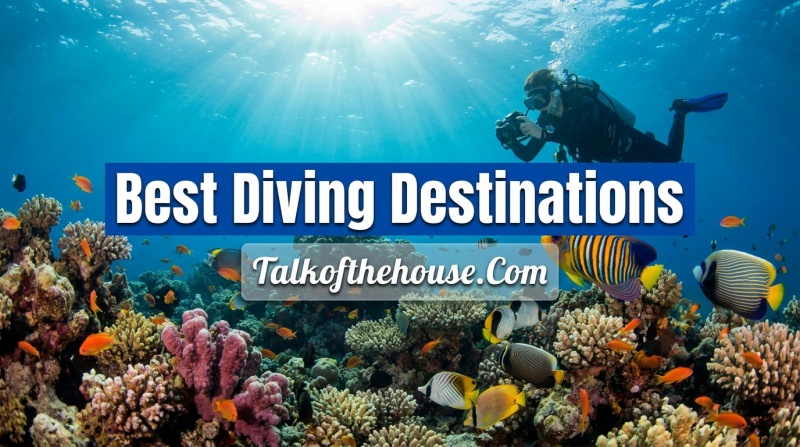
I still remember my first breath underwater. The silence was overwhelming in the best possible way. I hovered above a coral garden teeming with life, and in that moment, I knew scuba diving would become a lifelong passion.
That was fifteen years ago. Since then, I have been fortunate enough to explore some of the best diving destinations our planet has to offer. From the coral-rich waters of Indonesia to the shark-filled channels of the Galapagos, each location has left an indelible mark on my memory.
If you are searching for the ultimate underwater adventure in 2026, you have come to the right place. This guide covers fifteen extraordinary dive locations that should be on every diver’s bucket list. Whether you are a complete beginner looking for your first certification or an experienced diver seeking adrenaline-pumping drift dives, these destinations deliver experiences you will never forget.
Table of Contents
Quick Picks: 5 Standout Destinations at a Glance
With so many incredible places to choose from, deciding where to dive next can feel overwhelming. Here are my top five recommendations based on what you are looking for:
- For Beginners: The Great Barrier Reef in Australia offers shallow, calm waters with incredible marine life and plenty of dive operators ready to help new divers build confidence.
- For Marine Biodiversity: Raja Ampat in Indonesia sits at the heart of the Coral Triangle and boasts the highest marine diversity on Earth.
- For Big Animal Encounters: The Galapagos Islands deliver unforgettable hammerhead shark schools, whale sharks, and playful sea lions.
- For Wreck Diving: Egypt’s Red Sea combines historic shipwrecks with stunning coral gardens and exceptional visibility.
- For Shore Diving Freedom: Bonaire lets you grab a tank and dive from the shore at your own pace, perfect for underwater photographers and independent explorers.
1. Raja Ampat, Indonesia – The Coral Triangle Crown Jewel
If I could only dive one place for the rest of my life, Raja Ampat would be my choice without hesitation. This remote archipelago in West Papua holds the record for the highest marine biodiversity on the planet.
The underwater landscapes here defy imagination. Vertical walls covered in soft corals transition into shallow coral gardens where you can spot over 1,500 species of fish. During my week-long liveaboard trip, I counted seventeen different species on a single dive.
Manta rays frequent cleaning stations at sites like Manta Sandy. Watching these gentle giants hover while wrasse remove parasites from their gills is a memory that stays with you forever.
The best way to experience Raja Ampat is via liveaboard diving. These floating hotels take you to remote sites that day boats cannot reach. Most trips last 7 to 12 days and cover the northern, central, and southern regions.
Best time to visit: October through April offers the calmest seas and best visibility. Avoid the monsoon season from June to September when conditions become challenging.
Skill level: Intermediate to advanced due to occasional strong currents, though many sites suit beginners.
Don’t miss: Cape Kri, where Dr. Gerry Allen once counted 374 fish species on a single dive, setting a world record.
2. Great Barrier Reef, Australia – The World’s Largest Reef System
Stretching over 2,300 kilometers along Australia’s northeast coast, the Great Barrier Reef remains one of the most accessible and beginner-friendly best diving destinations in the world.
I earned my Open Water certification here back in 2012. The warm, clear waters and professional instruction made the learning process enjoyable rather than intimidating. Shallow sites like those around Cairns and Port Douglas rarely exceed 18 meters, perfect for building confidence.
The reef system comprises over 2,900 individual reefs and 900 islands. Popular departure points include Cairns, Port Douglas, and the Whitsunday Islands. Day trips cater to all levels, while liveaboards venture to outer reefs like Agincourt Ribbon Reefs where visibility often exceeds 30 meters.
Marine life highlights include green sea turtles, white-tip reef sharks, giant clams, and clownfish darting through anemones. During winter months (June to August), dwarf minke whales visit certain areas, offering rare interaction opportunities.
Best time to visit: June to October provides the best visibility and calmest conditions. Water temperatures range from 22-28 degrees Celsius year-round.
Skill level: All levels, with excellent beginner programs and challenging sites for advanced divers.
Budget tip: Day trips from Cairns start around $200, making this more affordable than many remote destinations.
3. Red Sea, Egypt – Wreck Diving Paradise
The Red Sea combines exceptional visibility with world-class wreck diving and surprisingly affordable prices. During my two-week trip through Egypt, I rarely paid more than $50 for a two-tank dive trip including equipment.
The Thistlegorm wreck stands as the region’s crown jewel. This British WWII supply ship sits at 30 meters depth, fully stocked with motorcycles, trucks, rifles, and Wellington boots. Swimming through its cargo holds feels like visiting an underwater museum frozen in time.
Shaab Abu Nuhas reef has claimed four notable ships, making it a wreck diver’s playground. The Giannis D, Carnatic, and Chrisoula K all sit at diveable depths with fascinating histories.
Beyond wrecks, the Red Sea offers spectacular coral reefs. Sites like Ras Mohammed National Park feature vertical walls covered in soft corals and patrolled by barracuda, trevally, and reef sharks.
Sharm el Sheikh and Hurghada serve as the main diving hubs. Both offer excellent infrastructure with hundreds of dive operators, though Sharm tends toward higher-end resorts while Hurghada provides more budget options.
Best time to visit: March to May and September to November offer the best combination of warm water and calm seas.
Skill level: All levels, though wreck penetration requires advanced certification.
Visibility: Often exceeds 30 meters, sometimes reaching 40+ meters on good days.
4. Maldives – Big Animal Encounters and Atoll Diving
The Maldives defines tropical diving perfection. Twenty-six atolls scattered across the Indian Ocean create a string of dive sites that consistently rank among the world’s best.
I spent ten days on a liveaboard here and saw something extraordinary on nearly every dive. Whale sharks approached our boat at night. Manta rays performed barrel rolls during cleaning station visits. Schools of eagle rays flew past in formation.
The atoll structure creates unique diving conditions. Channels between islands funnel nutrient-rich water, attracting pelagic species. Thilas (underwater pinnacles) rise from the depths to within 10 meters of the surface, covered in corals and swarming with fish.
Popular atolls include North Male Atoll for accessibility, Ari Atoll for whale shark encounters, and Baa Atoll for Hanifaru Bay’s famous manta ray aggregations.
Accommodation options range from budget guesthouses on local islands (starting around $50/night) to ultra-luxury overwater bungalows exceeding $1,000/night. Liveaboards offer the best value for serious divers, with 7-day trips starting around $1,500.
Best time to visit: January to April for the calmest seas. August to November brings manta ray aggregations to Hanifaru Bay.
Skill level: Intermediate recommended due to occasional strong currents in channels.
Marine life: Whale sharks year-round, mantas seasonally, reef sharks, turtles, and massive schools of fish.
5. Galapagos Islands, Ecuador – Hammerhead Shark Central
Charles Darwin’s famous islands offer diving that borders on the surreal. This is not a destination for beginners or the faint of heart, but for experienced divers, it represents the pinnacle of big animal encounters.
The main diving areas lie around Wolf and Darwin Islands, accessible only by liveaboard. Here, hundreds of scalloped hammerhead sharks school together, creating a living wall of predators that circles divers in curiosity. I counted over 200 hammerheads on a single dive at Darwin’s Arch, an experience that left me speechless.
Other marine life includes whale sharks (June to November), Galapagos sharks, silky sharks, manta rays, marine iguanas (yes, they swim), sea lions, and penguins. The cold, nutrient-rich Humboldt Current feeds this incredible ecosystem.
Water temperatures range from 18-24 degrees Celsius, though thermoclines can drop to 14 degrees. A 7mm wetsuit or drysuit is essential. Currents are often strong, and surge can be challenging.
Liveaboard trips typically run 7-10 days and cost $4,000-$6,000. The high price and remote location keep crowds small, preserving the wild feel of this destination.
Best time to visit: June to November for whale sharks and the best hammerhead action. December to May offers warmer water but fewer pelagics.
Skill level: Advanced only. Minimum 50 logged dives and experience in currents required by most operators.
6. Komodo National Park, Indonesia – Drift Diving Thrills
Komodo delivers adrenaline-pumping drift dives alongside some of the most reliable manta ray encounters in Southeast Asia. This UNESCO World Heritage site offers a perfect combination of thrills and marine life.
Batu Bolong stands out as my favorite site here. A sea mount rising from deep water creates a dramatic underwater pinnacle covered in pristine coral. The currents sweeping around this rock attract massive schools of fish, reef sharks, and the occasional dolphin.
Manta Point lives up to its name. On three separate dives here, I encountered between five and twelve mantas feeding or visiting cleaning stations. The shallow, manageable depths make this site accessible to most divers.
Between dives, you can visit the famous Komodo dragons on Rinca or Komodo Island. These prehistoric lizards grow over three meters long and represent a unique topside attraction.
Liveaboards offer the best experience, allowing you to cover both northern and southern sites. Day trips from Labuan Bajo work for shorter visits but limit you to closer locations.
Best time to visit: April to November offers the best conditions. July and August can be windy but offer the best visibility.
Skill level: Intermediate to advanced. Many sites involve drift diving in currents.
Temperature range: Southern sites are colder (20-24C) while northern sites are warmer (26-28C).
7. Cozumel, Mexico – Caribbean Drift Diving Excellence
Cozumel combines easy accessibility with world-class diving, making it one of the most popular best diving destinations for North American divers. A short ferry ride from Playa del Carmen puts you in dive paradise.
The Palancar Reef system features dramatic coral formations, tunnels, and swim-throughs that challenge and delight. I remember swimming through a coral tunnel at Palancar Caves, emerging into a sunlit canyon filled with thousands of creole fish.
Santa Rosa Wall drops from 15 meters to depths beyond recreational limits. Sea fans wave in the current as hawksbill turtles feed on sponges. Eagle rays occasionally cruise past in the blue.
Drift diving defines the Cozumel experience. Gentle currents carry you along the reef while you focus on observation rather than navigation. Most operators use a “drift and pick up” system where boats follow divers’ surface markers.
The island offers excellent topside amenities. Restaurants serve fresh seafood, beach clubs provide relaxation between dives, and the town of San Miguel offers shopping and nightlife.
Best time to visit: May to September offers the best visibility (often 30+ meters) and calmest seas.
Skill level: All levels. Drift diving is gentle at most sites.
Budget: Two-tank dives average $90-$120, making this affordable Caribbean diving.
8. Palau – Blue Corner and Shark Encounters
Palau defines Pacific diving excellence. This Micronesian archipelago offers a combination of pelagic action, unique marine environments, and historical significance that few destinations can match.
Blue Corner stands as Palau’s most famous site. A submerged ridge extending from the reef creates a natural gathering point for sharks, rays, and schools of fish. I hooked into the reef with a finger and watched grey reef sharks, white tips, and eagle rays cruise past at arm’s length.
Jellyfish Lake offers a surreal snorkeling experience. Isolated for thousands of years, these jellyfish lost their sting and now number in the millions. Swimming through a lake filled with pulsing golden orbs feels like visiting another planet.
Chandelier Cave provides safe cavern diving through four air-filled chambers. Light filtering through underwater openings creates stunning visual effects. The Zero wreck and other WWII artifacts add historical interest.
Rock Islands offer stunning topside scenery. Mushroom-shaped limestone formations rise from turquoise waters, creating one of the most photogenic landscapes in the Pacific.
Best time to visit: November through April offers the calmest seas. Water temperatures stay 27-29C year-round.
Skill level: Intermediate due to currents at Blue Corner and similar sites.
9. Sipadan, Malaysia – The Turtle Tomb and Barracuda Tornado
Sipadan remains Malaysia’s only oceanic island, rising 600 meters from the seabed off the coast of Borneo. Jacques Cousteau called it “an untouched piece of art,” and decades later, it still delivers world-class diving.
The Barracuda Point site creates one of the ocean’s most spectacular sights. Thousands of chevron barracuda form spinning vortexes called tornadoes, a behavior that seems choreographed for divers’ cameras. I spent twenty minutes hovering at 15 meters, watching the silver walls shift and change around me.
Green and hawksbill turtles are everywhere. I counted over twenty on a single morning dive, some resting on ledges, others swimming gracefully past. The turtle population here is one of the densest in the world.
The Turtle Tomb cave system adds adventure for certified cavern divers. A chamber containing turtle skeletons sparked legends about how they became trapped, though the more likely explanation involves disorientation.
Malaysian authorities limit daily permits to 120 divers to protect the ecosystem. Book well in advance, especially during peak season. Most divers stay on nearby Mabul or Kapalai islands and boat over to Sipadan.
Best time to visit: April through December offers the best conditions. Avoid January and February when rains can reduce visibility.
Skill level: Intermediate recommended for current exposure.
10. Belize Barrier Reef – The Great Blue Hole
Belize offers the perfect combination of iconic dive sites, healthy reefs, and English-speaking convenience. The Belize Barrier Reef, a UNESCO World Heritage site, runs 300 kilometers along the coast.
The Great Blue Hole represents Belize’s signature dive. This circular sinkhole measures over 300 meters across and 124 meters deep. Diving here takes you along stalactite formations at 40 meters, remnants of when this was a dry cave during the last ice age. Caribbean reef sharks patrol the depths.
Half Moon Caye offers shallower reef diving alongside the blue hole visit. Colorful sponges, groupers, and nurse sharks populate this protected area. The island itself hosts a red-footed booby bird sanctuary worth visiting between dives.
Turneffe Atoll, the largest coral atoll in the Western Hemisphere, provides pristine diving away from day-tripper crowds. Walls covered in azure vase sponges and giant barrel sponges host turtles, eagle rays, and schools of permit.
Ambergris Caye and Caye Caulker serve as main diving hubs. Both offer access to the reef with a laid-back Caribbean atmosphere. English is the official language, making logistics easier for many travelers.
Best time to visit: April to June offers the best visibility and calmest seas.
Skill level: All levels. The Blue Hole requires Advanced certification due to depth.
11. Fiji – Soft Coral Capital of the World
Fiji lives up to its nickname as the “Soft Coral Capital of the World.” The nutrient-rich waters feeding these reefs create explosions of color that must be seen to be believed.
The Rainbow Reef between Taveuni and Vanua Levu shows off Fiji’s best. Strong currents bring nutrients that feed the corals, and when the current flows, the soft corals open to reveal purples, oranges, pinks, and yellows. I have never seen such concentrated color anywhere else.
The Great White Wall near Taveuni drops from 15 meters to over 60 meters, covered in white soft corals that create an otherworldly white landscape. White Tip and Yellow Wall offer similarly spectacular displays in different colors.
Beqa Lagoon near Pacific Harbour pioneered shark diving in Fiji. Bulls, tigers, and nurse sharks participate in organized feeding dives that bring these predators up close. The program has operated for over two decades with an excellent safety record.
Fijian culture adds value beyond diving. Village visits, kava ceremonies, and genuine hospitality make this a destination where topside experiences match the underwater ones.
Best time to visit: May to October offers the best visibility. Soft corals feed when currents run, which happens year-round but varies by site.
Skill level: All levels, though some current sites suit intermediate divers better.
Water temperature: 25-29 degrees Celsius year-round.
12. Cocos Island, Costa Rica – Pelagic Paradise
Cocos Island represents the ultimate remote diving adventure. Located 550 kilometers off Costa Rica’s Pacific coast, this uninhabited island is accessible only by liveaboard, ensuring pristine conditions and exclusive experiences.
The main attraction here is hammerhead sharks. Hundreds gather at sites like Alcyone and Dirty Rock, forming schools that block out the sunlight. I saw more hammerheads in one week at Cocos than in ten years of diving elsewhere combined.
Other pelagic species include whale sharks (seasonal), silky sharks, Galapagos sharks, and the occasional tiger shark. Mantas, mobulas, and eagle rays cruise past regularly. The sheer volume of big animal life is staggering.
The diving is challenging. Strong currents, surge, and sometimes limited visibility test divers’ skills. Temperatures range from 24-27C on the surface but can drop to 20C at depth, requiring appropriate thermal protection.
Liveaboard trips run 8-10 days and cost $4,000-$6,000. The crossing from Puntarenas takes 36 hours each way, meaning you spend significant time at sea. For dedicated divers, the reward justifies the investment.
Best time to visit: June to November brings the best hammerhead action and whale shark encounters.
Skill level: Advanced. Minimum 50 dives and experience with currents required.
13. Similan Islands, Thailand – Boulders and Mantas
Thailand’s Similan Islands rank among Southeast Asia’s best diving destinations, combining granite boulder formations with manta ray and whale shark encounters.
The boulder sites create dramatic underwater landscapes. Giant granite formations tumbled into the sea create swim-throughs, canyons, and caverns. Christmas Point and Elephant Head Rock offer some of the most interesting topography in the region.
Richalieu Rock, a submerged pinnacle 90 kilometers northwest of the Similans, delivers the area’s best pelagic action. The horseshoe-shaped rock attracts manta rays, whale sharks, and massive schools of trevally and barracuda. I spent an entire dive at 25 meters watching a whale shark circle the rock while dozens of divers looked on in awe.
Koh Bon and Koh Tachai round out the northern sites, offering manta ray cleaning stations and fast drift dives. The liveaboard circuit typically runs from Khao Lak, with trips lasting 4-6 days.
Topside, the Similans offer white sand beaches and jungle hiking. Most liveaboards include island visits for sunset watching and beach time.
Best time to visit: October through May. The national park closes from May to October for monsoon season.
Skill level: All levels, though some sites involve currents.
Budget: Thailand offers excellent value, with liveaboards starting around $800 for 4-day trips.
14. Bonaire – Shore Diving Heaven
Bonaire revolutionized diving by perfecting the shore diving concept. This small Dutch Caribbean island offers over 80 marked dive sites accessible directly from the shore, giving divers unprecedented freedom.
The system works beautifully. Rent a truck, pick up tanks from your dive shop, and drive to any marked yellow stone along the coast. Each stone marks a dive site with a name and brief description. Simply gear up, swim out, and enjoy.
I spent a week here diving at my own pace. Some mornings I did sunrise dives before breakfast. Other days I took afternoon naps and dove at sunset. The flexibility is liberating compared to rigid boat schedules.
The marine park, established in 1979, protects the entire coastline. Healthy coral, abundant fish life, and frequent turtle sightings reward shore divers. Hilma Hooker wreck sits at 30 meters, accessible from shore for advanced divers.
Klein Bonaire, a small uninhabited island offshore, offers additional boat-access sites with pristine conditions. Washington Slagbaai National Park provides more remote northern sites.
Bonaire particularly suits underwater photographers. The ability to spend unlimited time on subjects without boat schedules, plus calm conditions and clear water, creates ideal shooting conditions.
Best time to visit: Year-round diving with 27-29C water temperatures. Visibility averages 20-30 meters.
Skill level: All levels. Many sites are perfect for beginners.
Unique advantage: Unlimited shore diving packages let you dive as much as your energy allows.
15. Kona, Hawaii – Manta Ray Night Dives
Kona on Hawaii’s Big Island offers something found nowhere else: guaranteed manta ray night dives. This unique experience should be on every diver’s bucket list.
The setup is ingenious. Divers gather at a shallow site near the airport where mantas feed on plankton attracted by lights. You descend to 10 meters and settle on the sandy bottom while divemasters position lights pointing up. Within minutes, mantas arrive to feed on the concentrated plankton.
Watching a 4-meter wingspan manta ray barrel-roll inches above your head is unforgettable. On my best night dive, we had six mantas performing acrobatics for over an hour. They come so close you have to tuck in your fins to avoid contact.
Day diving around Kona features volcanic formations, arches, and lava tubes created by the island’s volcanic origins. The golden dried frogfish and other rare critters attract macro photographers. Spinner dolphins frequently visit dive sites.
The easy US access makes Kona perfect for American divers wanting world-class experiences without international travel complications. Direct flights from West Coast cities arrive daily.
Best time to visit: Year-round, though winter (December to April) offers humpback whale sightings topside.
Skill level: All levels. Night dives require basic certification only.
Water temperature: 24-27C. A 3mm wetsuit works for most divers.
How to Plan Your Diving Trip: Essential Tips
Planning a dive trip requires more preparation than typical vacations. Here is what I have learned from years of organizing diving adventures around the world.
Choosing the Right Destination for Your Skill Level
Match your experience to the destination. Beginners should start with calm, clear locations like the Great Barrier Reef, Bonaire, or Belize. These offer shallow sites, professional instruction, and forgiving conditions.
Intermediate divers with 20-50 logged dives can handle destinations like Cozumel, Thailand, or Palau. These sites may include currents or deeper profiles but remain manageable with proper briefings.
Advanced divers seeking adrenaline should consider Galapagos, Cocos Island, or Komodo. These destinations demand experience with currents, deep diving, and rapid decision-making.
Certification Requirements and Training
Most destinations require Open Water certification minimum. Some sites require Advanced Open Water due to depth limits beyond 18 meters.
Consider specialty certifications before your trip. Deep Diver, Drift Diver, and Wreck Diver specialties expand your options and confidence. Nitrox certification lets you extend bottom times safely.
Log your dives properly. Many operators require proof of experience before allowing you on advanced sites. A digital logbook on your phone works, though paper backups never hurt.
Budgeting for Your Dive Trip
Diving destinations vary dramatically in cost. Budget options include Egypt ($50/day), Thailand ($60/day), and Bonaire ($80/day with unlimited shore diving packages).
Mid-range destinations like Cozumel ($100/day), Belize ($120/day), and the Great Barrier Reef ($200/day) offer good value with comfortable accommodations.
Premium destinations like Galapagos ($500+/day), Cocos Island ($500+/day), and the Maldives ($300+/day) deliver extraordinary experiences but require serious investment.
Factor in equipment rental if you do not own gear. Full sets typically cost $25-40 per day. Nitrox adds $10-15 per tank at most locations.
Best Seasons and Weather Considerations
Research dive seasons carefully. Monsoon periods can shut down operations entirely, as happens in Thailand’s Similan Islands from May to October.
Peak season often brings the best conditions but higher prices and crowded sites. Shoulder seasons sometimes offer the best balance of good visibility and reasonable costs.
Water temperature determines wetsuit needs. Tropical destinations (27-30C) work with a 3mm suit or skin. Temperate destinations (20-24C) require 5mm or 7mm protection. Cold water diving demands drysuits and specialized training.
Frequently Asked Questions About Diving Destinations
What is the best diving destination in the world?
Raja Ampat in Indonesia consistently ranks as the world’s best diving destination due to having the highest marine biodiversity on Earth. However, the best destination depends on your interests. For big animals, choose Galapagos. For wreck diving, pick the Red Sea. For beginners, the Great Barrier Reef offers perfect learning conditions.
Where is the most beautiful place to scuba dive?
Fiji’s Rainbow Reef earns the title of most beautiful due to its explosion of soft coral colors in purple, pink, orange, and yellow. The Great Barrier Reef’s scale and diversity also create breathtaking underwater landscapes. For dramatic seascapes, Palau’s Rock Islands offer unique beauty above and below the water.
Can thyroid patients do scuba diving?
Most thyroid patients can dive safely with proper medical clearance. Hyperthyroidism controlled with medication generally poses no restrictions. Hypothyroidism on stable medication is also usually approved. However, uncontrolled thyroid conditions, recent thyroid surgery, or certain thyroid medications may require evaluation. Always consult a dive medicine physician and complete a medical questionnaire before diving.
Can I scuba dive with rheumatoid arthritis?
Many people with rheumatoid arthritis dive successfully, but several factors require consideration. Joint mobility must be sufficient to handle equipment and emergency procedures. Medications matter significantly. Corticosteroids can affect bone density and wound healing. Immunosuppressants increase infection risk from cuts in tropical waters. Always get medical clearance from a physician familiar with dive medicine, and be honest on your medical questionnaire.
What is the 120 rule in diving?
The 120 rule is a gas management guideline for technical and cave diving. It states that you should begin your exit or ascent when your gas pressure reaches 120 times the depth in meters. For example, at 30 meters depth, you turn the dive at 120 divided by 30, which equals 4, multiplied by your starting pressure. This ensures adequate reserve gas for emergencies.
What is the 1/3 rule in diving?
The 1/3 rule is a gas management strategy primarily used in cave and technical diving. It means using one-third of your gas supply for the entry or descent, one-third for the exit or ascent, and keeping one-third in reserve for emergencies. This conservative approach ensures divers always have enough gas to exit the dive safely even if something goes wrong or they need to assist a buddy.
Your Underwater Adventure Awaits
The world beneath the waves holds treasures that land-based travel cannot replicate. From the biodiversity-rich waters of Raja Ampat to the adrenaline-pumping shark encounters in the Galapagos, these best diving destinations offer experiences that transform how you see our planet.
I have been fortunate to visit most of these locations over the past fifteen years, and each one taught me something new about the ocean and about myself. The feeling of weightlessness, the silence broken only by your own breathing, and the encounters with marine life in their natural habitat create memories that last a lifetime.
In 2026, there has never been a better time to explore these underwater wonders. Improved flight connections, professional dive operations, and better equipment make remote destinations more accessible than ever. Whether you choose the affordable reefs of the Red Sea, the beginner-friendly waters of Bonaire, or the advanced thrills of Cocos Island, your next adventure awaits.
Start planning today. The ocean is calling.