
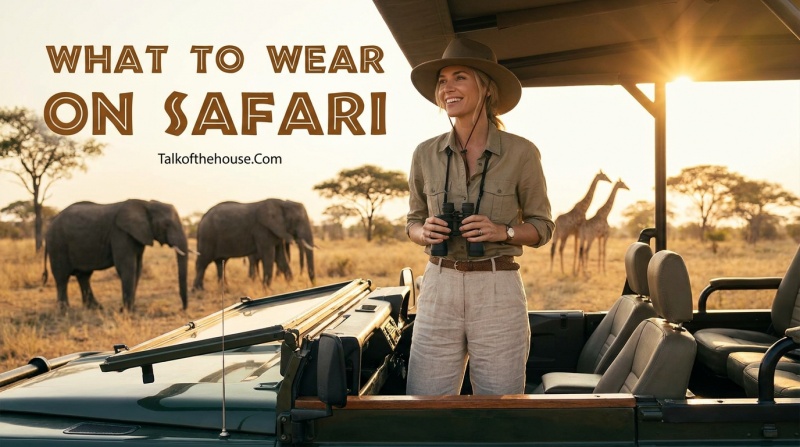
Planning your first African safari brings up more questions than you might expect. One that kept me awake at night before my trip to Tanzania was figuring out what to wear on safari. After three weeks bouncing between game drives in the Serengeti and lodge dinners in the Ngorongoro Crater, I learned exactly what works and what does not.
This guide covers everything you need to know about safari attire for 2026. Whether you are heading to Kenya, South Africa, Botswana, or Tanzania, the principles stay the same. I will walk you through color choices, essential clothing items, footwear, and all those little details that make a difference when you are sitting in a Land Cruiser for six hours watching lions sleep.
The good news is you probably already own most of what you need. Safari clothing is really just smart outdoor wear in the right colors. You do not need to buy expensive specialized gear or show up looking like you stepped out of a 1920s expedition movie.
Table of Contents
What to Wear on Safari: The Complete Guide
What Colors to Wear on Safari
Wear neutral earth tones on safari. Khaki, tan, olive green, and brown blend with the African landscape and serve multiple practical purposes beyond just aesthetics.
Neutral colors help you disappear into the background during wildlife viewing. Animals notice bright and unusual colors, which can startle them or make them avoid your vehicle. When everyone in the Land Cruiser is dressed in beige and olive, the animals treat the vehicle as one large neutral object rather than a collection of threats.
Earth tones also hide dust better than lighter or brighter colors. Safari vehicles kick up plenty of dust on dirt roads, and neutral clothing shows less dirt at the end of a long game drive. This matters more than you think when you are heading straight from an afternoon drive to sundowner drinks at the lodge.
Best Safari Colors to Pack
Focus on these specific colors when building your safari wardrobe. Olive green works beautifully in most African landscapes and photographs well against the scenery. Khaki and tan are classic safari choices that never look out of place. Light brown and beige offer good sun protection while staying cool in hot weather.
Stone and taupe are excellent alternatives if you find khaki too yellow-toned. Sage green blends wonderfully with savanna grasslands. Cream works for shirts and tops, though it will show dirt faster than darker neutrals.
Stick to solid colors rather than patterns. While subtle patterns are not problematic, solids in the right earth tones look more cohesive and make packing easier. Everything matches everything when you stick to a neutral palette.
What Colors to Avoid on Safari
Avoid dark blue and black clothing on safari. These colors attract tsetse flies, biting insects that can make your game drive miserable. Tsetse flies are drawn to dark blue and black because these colors resemble the shadows where they rest during hot periods.
Skip bright colors like red, orange, bright yellow, and neon shades. These startle wildlife and make you stand out against the natural landscape. You will feel self-conscious wearing hot pink when everyone else blends into the bush. Bright colors can also attract certain insects and bees.
Pure white is another color to use sparingly. While white shirts are fine for evenings, white shows every speck of dust and mud. White also creates glare in bright sunlight, which affects both your comfort and your photography. If you do pack white, reserve it for dinner at the lodge rather than game drives.
Why Tsetse Flies Matter for Clothing Choice
Tsetse flies are large biting flies found in parts of East and Southern Africa. Their bites are painful and can transmit disease. During my trip to Tanzania, our guide specifically warned us about wearing dark colors because the flies would swarm anyone in black or navy blue.
The flies are particularly active during certain times of day and in wooded areas. Wearing light neutral colors significantly reduces your chances of being targeted. Long sleeves and pants in the right colors provide protection even if you do encounter these insects.
Some safari areas have more tsetse fly problems than others. Tarangire National Park in Tanzania is known for them, while other parks have fewer issues. Regardless, following the color guidelines keeps you comfortable and bite-free throughout your trip.
Essential Safari Clothing Items
Long-Sleeved Shirts
Pack three to four long-sleeved shirts for a week-long safari. Lightweight button-down shirts in linen or breathable cotton work perfectly. The long sleeves protect your arms from sunburn during all-day game drives and from insect bites during early morning and evening hours.
Roll-up sleeves with button tabs give you flexibility for temperature changes. Morning game drives start cold, often requiring full coverage, but temperatures rise quickly once the sun climbs higher. Being able to roll and secure your sleeves makes adapting easy.
Light colors like tan, khaki, and olive work best for shirts. Avoid heavy fabrics that trap heat. You want something breathable that dries quickly if you get caught in a rain shower during the green season.
Pants and Trousers
Bring two to three pairs of long pants for safari activities. Convertible pants that zip off into shorts give you maximum versatility for changing temperatures and different activities. Cargo pants with multiple pockets are practical for carrying your phone, lip balm, and camera accessories.
Quick-dry synthetic fabrics or lightweight cotton blends work better than denim. Jeans are too heavy, take forever to dry, and become uncomfortable in hot weather. Plus, they take up too much space and weight in your luggage when you are trying to pack light for bush plane transfers.
For women, I found that lightweight chinos or tailored outdoor pants worked well. Some women prefer hiking pants with stretch for comfort during long drives. The key is finding something comfortable enough to sit in for hours but presentable enough for lodge life.
Safari Attire for Men
Men should focus on practical outdoor clothing rather than trying to look like a safari guide from a movie. Lightweight chinos in khaki or olive, paired with breathable long-sleeve shirts, create a put-together look that works for both game drives and lodge dinners.
Skip the matching safari vest unless you genuinely need the pockets. A simple button-down shirt with roll-up sleeves looks better and serves the same function. One light jacket or overshirt provides layering for cold mornings without adding bulk.
Men can get away with slightly more casual evening wear than women at most lodges. A clean button-down shirt with chinos works for dinner anywhere. The key is avoiding anything too wrinkled or dusty from the day’s activities.
Safari Attire for Women
Women have more flexibility in safari clothing choices while facing slightly higher expectations for evening wear at upscale lodges. I packed a mix of button-down shirts, lightweight blouses, and one versatile dress that worked for both daytime and dinner.
Long-sleeved linen shirts in neutral tones were my daily uniform for game drives. They photographed well, protected me from the sun, and transitioned nicely to lunch at the lodge. I avoided anything too form-fitting or revealing, both for comfort during active days and out of respect for local customs.
A maxi dress or midi dress in an earth tone works beautifully for dinner while staying comfortable. Many women also swear by safari-style jumpsuits or rompers for easy one-piece dressing. Just make sure whatever you choose allows you to climb in and out of the safari vehicle easily.
Layers for Temperature Changes
Layering is essential for safari comfort. Morning game drives often start at 50-60 degrees Fahrenheit, especially in winter months, and temperatures can reach 80-90 degrees by midday. Evening drives cool down again quickly after sunset.
Pack a lightweight fleece or down vest for cold mornings. A utility jacket or overshirt adds warmth without bulk and provides extra pockets. A large scarf or pashmina serves multiple purposes as a wrap, blanket, or head covering in dusty conditions.
Merino wool base layers work well if you run cold or are traveling in winter months. They pack small, resist odors, and provide serious warmth for their weight. I wore my lightweight merino long-sleeve under a button-down on several freezing morning drives.
Shorts and Skirts
Shorts are acceptable for safari in most situations, though long pants offer better protection. If you prefer shorts, choose knee-length styles in neutral colors. Short shorts are not practical for bush walks and offer less sun protection during long game drives.
Some travelers wear shorts around the lodge during hot afternoons but change to long pants for game drives. This approach works well if you want maximum sun protection while viewing wildlife but comfort during pool time.
Skirts are fine for lodge wear but impractical for getting in and out of safari vehicles. If you wear a skirt for dinner, keep it casual and comfortable. A midi-length skirt in a flowy fabric works better than anything short or tight for safari lodge life.
What Shoes to Wear on Safari
Closed-Toe Shoes for Game Drives
Wear comfortable closed-toe shoes for game drives. You do not necessarily need heavy hiking boots unless you are planning walking safaris or gorilla trekking. A sturdy pair of trainers or walking shoes works perfectly for vehicle-based game viewing.
Your shoes should have good grip for climbing in and out of the safari vehicle. Land Cruisers and Land Rovers have metal steps and footholds that can be slippery with dust. Shoes with some tread keep you steady during these transitions.
Slip-on styles make airport security easier but may not stay on as well during bumpy drives. I preferred lace-up shoes for security. Whatever you choose, make sure they are broken in before your trip. New shoes and safari dust do not mix well with blister-prone feet.
Hiking Boots for Walking Safaris
Pack proper hiking boots if your itinerary includes walking safaris or gorilla trekking. These activities take you off-road into bush and forest terrain where ankle support and sturdy soles matter. Mid-height boots protect your ankles on uneven ground.
Waterproof or water-resistant boots are worth the investment, especially for gorilla trekking in Uganda or Rwanda where you may encounter muddy conditions. Morning dew and damp grass can soak through non-waterproof shoes quickly.
Break in your hiking boots thoroughly before the trip. Blisters ruin walking safaris. Wear them on hikes at home, around the neighborhood, anywhere to soften the leather and identify friction points before you are miles from medical supplies.
Sandals for Lodge Wear
Pack one pair of comfortable sandals for relaxing at the lodge between game drives. You will want something easy to slip on when heading from your tent to the main lodge area for meals or pool time. Sandals give your feet a break from closed shoes.
Choose sandals with some arch support rather than flat flip-flops. You will do more walking around lodge grounds than you expect. Sandals also work for any boat-based activities if your safari includes water excursions.
Avoid wearing sandals on actual game drives or bush walks. The dust gets everywhere, and you risk injury if you need to exit the vehicle quickly in rough terrain. Keep sandals for camp and pool time only.
Safari Accessories You Shouldn’t Forget
Wide-Brimmed Hat
A wide-brimmed hat with a chin strap is essential safari gear. The African sun is intense, and you will spend hours exposed during game drives. A baseball cap does not provide enough coverage for your neck and ears.
The chin strap is non-negotiable. Safari vehicles move at speed on dirt roads, creating significant wind. Without a strap, your hat will blow off repeatedly. Our vehicle stopped multiple times to retrieve hats from other travelers who learned this lesson the hard way.
Choose a hat in a neutral color like khaki, olive, or tan. Canvas or lightweight fabric works better than straw, which can get crushed in luggage. Some travelers prefer hats with mesh panels for extra ventilation in hot weather.
Sunglasses
Pack quality polarized sunglasses for safari. The sun glare off dry grasslands and dust creates significant eye strain over long game drives. Polarized lenses reduce this glare and make spotting wildlife easier.
Bring a backup pair in case you lose or break your primary sunglasses. Dropping a lens in the dust while trying to grab your camera happens more than you would think. Having a cheap backup pair in your daypack saves the day.
Retention straps help keep your sunglasses secure during bumpy drives. They also let you hang the glasses around your neck when you switch to binoculars or your camera. Simple neoprene straps cost little and add significant convenience.
Daypack or Safari Bag
Bring a small daypack or crossbody bag for carrying essentials during game drives. You need space for sunscreen, camera, phone, lip balm, insect repellent, and layers you remove as the day warms up.
A lightweight backpack under 20 liters works well. Some safari vehicles have storage behind seats, but having your items with you in the vehicle is more convenient. Just make sure the bag zips securely to keep out dust.
Crossbody messenger bags are another popular option, keeping your hands free for photography. Avoid large tote bags that take up too much space in the vehicle. Remember you are sharing space with other travelers and their gear.
Buff or Scarf
Pack a lightweight buff or scarf for dust protection. Safari vehicles on dirt roads kick up serious dust clouds, especially during dry season. Covering your mouth and nose during the dustiest portions of drives keeps you more comfortable.
A buff can also protect your neck from sunburn, serve as a headband, or add warmth on cold mornings. Lightweight merino or synthetic fabric works better than cotton for this purpose. Cotton gets soggy and stays wet if you use it to wipe sweat.
Some travelers bring disposable dust masks for extreme conditions. During my trip, we encountered several roads that were nothing but deep dust. Having something to cover your face makes those sections bearable.
What to Wear on Safari in the Evenings
Safari lodge dinners call for smart casual attire. You do not need formal wear, but avoid showing up dusty and disheveled straight from a game drive. Most lodges expect guests to clean up before dinner.
For men, a clean button-down shirt with chinos or nice jeans works perfectly. Women can wear a casual dress, nice pants with a blouse, or a skirt with a top. The goal is looking put-together without being fancy.
Temperatures drop significantly after sunset, so bring a sweater or wrap for outdoor dining areas. Many lodges have beautiful outdoor terraces for dinner, but they can get chilly once the sun goes down. A pashmina or light cardigan solves this problem.
Some high-end lodges in South Africa have stricter dress codes, requiring collared shirts for men and prohibiting shorts at dinner. Check with your specific lodge if you are unsure. Most East African lodges are more relaxed.
What NOT to Wear on Safari
Leave camouflage patterns at home. In some African countries, wearing camouflage or military-style clothing is actually illegal for civilians. Even where legal, it looks inappropriate and may raise unnecessary questions at border crossings.
Avoid strong perfumes, colognes, and scented lotions. These attract insects, including bees and mosquitoes. Unscented or lightly scented products work better for safari. This includes avoiding scented sunscreen when possible.
Skip noisy fabrics that rustle loudly when you move. Lightweight nylon hiking pants sometimes make a swishing sound that can disturb wildlife during quiet viewing moments. Test your clothing at home for noise before packing it.
Leave expensive jewelry and watches at home. They are unnecessary, attract attention, and could get damaged or lost. Safari is about wildlife and nature, not showing off accessories. Simple, practical items are the way to go.
Other Items to Skip
Do not bring dark blue or black clothing as previously mentioned. Also avoid very tight clothing that restricts movement or becomes uncomfortable during long drives. Safari vehicles have limited space, and you need clothing that lets you shift positions.
High heels have no place on safari. Even for lodge dinners, flat shoes or low wedges are more practical given the often uneven ground and outdoor walkways. Plus you never know when you might need to quickly move away from the bar area because an elephant wandered into camp.
Safari Packing Strategy and Tips
The Capsule Wardrobe Approach
Build a capsule wardrobe for safari where every item matches every other item. With 10-12 carefully chosen pieces, you can create enough outfits for a two-week trip. This approach minimizes luggage while maximizing options.
My safari capsule included three long-sleeve shirts, two pairs of pants, one pair of shorts, one light jacket, one fleece, one dress, and a few layering pieces. With these items, I never felt like I was wearing the same thing, yet my luggage stayed minimal.
Stick to your chosen color palette strictly. When everything is khaki, olive, tan, and brown, coordination is automatic. Mixing these earth tones looks intentional and cohesive rather than boring.
Luggage for Safari
Use soft-sided luggage or duffel bags for safari travel. Many safari itineraries include flights on small bush planes with strict weight and size limits. These planes often cannot accommodate hard-shell suitcases in their cargo holds.
Weight limits are typically 15 kilograms (33 pounds) including luggage for bush plane transfers. Some operators allow slightly more, but 15 kg is the safe standard to plan around. Soft bags weigh less empty and squeeze into tight spaces better than hard cases.
Bring a daypack as your personal item on international flights, then use it for game drives during the safari. This gives you extra space for the flight and practical utility once you arrive. Just make sure it fits under the seat for commercial flights.
Laundry on Safari
Most safari lodges offer laundry service, often included in the rate. This means you can pack fewer items and wash them during your stay. Turnaround is usually 24 hours, so plan accordingly.
Lightweight, quick-dry fabrics work best for lodge laundry. Heavy cotton items take longer to dry and may not be ready when you need them. Some delicate fabrics require hand-washing, so check care labels before packing.
Bring a small bag for dirty laundry to separate it from clean clothes in your luggage. A simple ziplock-style bag or packing cube works. This keeps dust and dirt from transferring to clean items.
Packing Cubes
Organize your safari luggage with packing cubes. They compress clothing, keep categories organized (tops, bottoms, underwear), and make repacking quick when moving between lodges. In dusty environments, they also provide an extra layer of protection.
Assign specific cubes to specific categories. I used one cube for shirts, one for pants and shorts, and one for underwear and socks. This system meant I never had to unpack completely to find what I needed.
Compression cubes are particularly useful for bulky items like fleeces and jackets. They reduce volume significantly, helping you stay within weight limits while still bringing warm layers for cold mornings.
What to Wear on Safari by Season
Dry Season (May to October)
The dry season brings cooler temperatures, especially during early morning and evening game drives. In June, July, and August, morning temperatures in East Africa can drop to 45-55 degrees Fahrenheit. Midday highs still reach 75-80 degrees, creating significant temperature swings.
Pack warmer layers for dry season safaris. A fleece or lightweight down jacket becomes essential for those freezing morning departures. Gloves and a warm hat might seem excessive but are welcome on open vehicles in winter months.
Dust is more prevalent during dry season, making dust protection gear more important. Buffs, scarves, and sunglasses become daily necessities. Light colors show dust more but also reflect heat better during hot afternoons.
Green Season (November to April)
The green or wet season brings warmer temperatures and occasional rain showers. Mornings are milder, rarely dropping below 60 degrees even at 6 AM. Midday temperatures can reach 85-90 degrees with high humidity.
Pack a lightweight rain jacket or poncho for green season travel. Quick-dry clothing becomes more important since you may encounter rain during game drives. Waterproof bags or pouches protect electronics during sudden downpours.
Layers are less critical during green season, but still useful for air-conditioned lodge rooms and evening temperatures. Insect protection becomes more important with more mosquitoes around, reinforcing the need for long sleeves and proper colors.
Regional Differences
East African safaris in Kenya and Tanzania typically involve more altitude variation than Southern African safaris. The Ngorongoro Crater rim sits at 7,500 feet, making it significantly cooler than the Serengeti plains below. Pack accordingly if your itinerary includes high-altitude areas.
South African safaris, particularly in the Kruger area, experience less dramatic temperature swings than East Africa. Winter nights are cold but days warm up nicely. Summer brings heat and afternoon thunderstorms.
Gorilla trekking in Uganda and Rwanda requires specific preparation for high-altitude hiking in humid forests. Waterproof boots, gaiters, and serious rain protection are essential regardless of season. Temperatures stay relatively constant year-round in these mountainous regions.
Frequently Asked Questions
What should a woman wear on a safari?
Women should wear comfortable, breathable clothing in neutral earth tones. Pack long-sleeved shirts for sun protection, lightweight pants or convertible trousers, and closed-toe shoes for game drives. A casual dress or nice pants with a blouse work well for lodge dinners. Avoid bright colors, dark blue, black, and anything too revealing. Focus on layers for temperature changes and quick-dry fabrics for comfort.
How do you go to the bathroom on an African safari?
During game drives, guides stop at designated areas with toilet facilities or find a safe spot in the bush when needed. Most safari vehicles carry a portable toilet for emergencies. Lodge properties have proper bathroom facilities. On full-day drives, guides plan stops at camps or designated rest areas. Do not worry about this aspect, as experienced guides handle these logistics smoothly every day.
What color clothes not to wear on safari?
Avoid dark blue and black clothing as they attract tsetse flies. Skip bright colors like red, orange, and neon shades that startle wildlife and attract insects. Pure white shows dirt easily and creates glare. Avoid camouflage patterns, which may be illegal in some countries. Stick to neutral earth tones like khaki, tan, olive, and brown instead.
What I wish I knew before safari?
Pack fewer clothes than you think you need since most lodges offer laundry service. The temperature swings are more dramatic than expected, making layers essential. Dust gets everywhere, so bring protection for electronics and camera gear. Morning game drives start very early and can be freezing, even in summer. You do not need as much specialized gear as marketing suggests, regular outdoor clothing in the right colors works perfectly.
Final Thoughts on Safari Attire
Knowing what to wear on safari comes down to comfort, practicality, and respect for the environment. Neutral earth tones, breathable fabrics, and smart layering solve 90 percent of the clothing challenges you will face. The rest is just details you will figure out after your first game drive.
Remember that safari is not a fashion show. The animals do not care if your khaki pants came from a high-end outdoor store or your closet at home. What matters is that you are comfortable, protected from the elements, and ready to focus on the incredible wildlife experience unfolding before you.
Start with what you already own, supplement as needed, and pack lighter than you think necessary. Your safari in 2026 will be unforgettable no matter what you wear, but the right clothing makes the experience more comfortable from start to finish.