
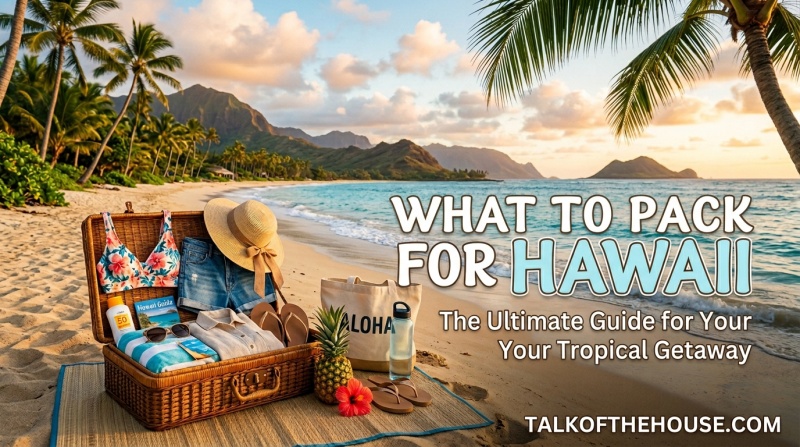
Planning a trip to Hawaii feels exciting and overwhelming at the same time. You want to pack everything you need without lugging around a suitcase full of items you will never touch. After visiting the islands multiple times and learning from my own overpacking mistakes, I have refined what to pack for Hawaii into a practical system that works.
The Hawaiian Islands present unique packing challenges. You need reef-safe sunscreen to protect coral reefs, quick-dry clothing for sudden tropical showers, and layers for elevation changes from beach to volcano. Hawaii also has strict agricultural regulations that limit what you can bring into the state.
Before diving into categories, let me share the 5-4-3-2-1 packing rule. This minimalist approach helps you pack light while covering all bases. Pack 5 sets of socks and underwear, 4 tops, 3 bottoms, 2 pairs of shoes, and 1 hat. Add your swimsuits, sleepwear, and toiletries to this foundation. This rule works perfectly for Hawaii because you will spend most days in swimwear anyway.
Table of Contents
Quick-Reference Hawaii Packing Checklist
Here is a fast-scannable list of everything you need for a Hawaii vacation. Bookmark this section for easy reference while you pack.
- 3-4 swimsuits or swim trunks
- 5-7 quick-dry tops and tank tops
- 3-4 pairs of shorts
- 2 lightweight dresses or nice shirts
- 1 light jacket or cardigan
- 1 pair of jeans or long pants
- Reef-safe sunscreen (mineral-based)
- Wide-brim sun hat
- UV-protection sunglasses
- Rash guard or UPF shirt
- Beach cover-up or sarong
- Flip-flops (slippahs)
- Water shoes for rocky beaches
- Hiking sandals or trail shoes
- One pair of dressier shoes
- Microfiber beach towel
- Dry bag for water activities
- Waterproof phone case
- Insulated water bottle
- Packing cubes
- Bug spray (small bottle)
- After-sun lotion or aloe
- Portable charger
- Reusable shopping bag
- Travel documents and ID
- Cash and quarters for parking
Clothing Essentials for Hawaii
Hawaii calls for lightweight, breathable fabrics that dry quickly. The tropical climate means warm days, occasional rain showers, and humidity that can make cotton feel heavy against your skin. I learned this lesson the hard way on my first trip when I packed mostly cotton t-shirts that stayed damp for hours after a quick rain.
Quick-dry synthetic fabrics or bamboo blends work best for daytime wear. These materials wick moisture away from your body and dry within minutes of a rain shower or ocean splash. Look for clothing labeled moisture-wicking or quick-dry when shopping for your trip. Brands that make travel-specific clothing understand these needs well.
Dark colors serve you better in Hawaii than light ones. This might seem counterintuitive since light colors reflect heat, but Hawaii has unique red dirt that stains everything. The volcanic soil contains high iron content, creating that characteristic dark red mud. Quick-dry shirts and shorts in navy, black, or dark green hide these inevitable stains better than white or pastel clothing.
For evening wear, pack a few pieces that feel nicer than beach casual. Luaus and dinner cruises often suggest resort casual attire. Women should bring two lightweight dresses or nice tops with skirts. Men need two collared shirts or aloha shirts with khaki shorts or pants. These items do not take much suitcase space but ensure you feel appropriate at nicer venues.
Layering pieces matter more than you might expect for a tropical destination. Early mornings at higher elevations like Haleakala crater or Mauna Kea summit feel surprisingly cold. Temperatures can drop into the 40s Fahrenheit before sunrise. Pack one light fleece jacket or cardigan and one pair of long pants or jeans. This combination handles every temperature scenario Hawaii throws at you.
UPF Clothing Explained
UPF stands for Ultraviolet Protection Factor, and it measures how much UV radiation fabric blocks. A UPF 50+ rating blocks 98 percent of UV rays, providing excellent sun protection without constant sunscreen reapplication. UPF clothing looks like normal activewear but has tight weave patterns or special treatments that block harmful rays.
Rash guards and UPF shirts make excellent choices for snorkeling, paddleboarding, or long beach days. They protect your skin while reducing the amount of sunscreen you need to apply. Less sunscreen on your skin means less chemical runoff into the ocean, aligning with Hawaii’s reef-protection values.
Swimwear and Beach Gear
Pack at least three swimsuits for a week-long Hawaii trip. Swimsuits need time to dry completely between wears, and Hawaii humidity slows drying. Having multiple suits means you always have a dry option ready. Two pieces for women allow mixing and matching for different looks with fewer items.
Rash guards deserve a spot in every Hawaii packing list. These tight-fitting tops protect against sunburn, jellyfish stings, and board rash when surfing or snorkeling. Long-sleeve versions provide the most protection. Choose a rash guard with UPF 50+ rating for maximum sun defense during long days on the water.
Beach cover-ups serve multiple purposes beyond modesty when walking to lunch. They provide sun protection during midday hours when UV rays peak. Lightweight sarongs work as cover-ups, picnic blankets, or extra warmth on breezy evenings. A good cover-up transitions you from beach to restaurant without a full outfit change.
Microfiber towels outperform cotton beach towels for Hawaii travel. They absorb more water while taking up half the space in your bag. Sand-resistant versions shake clean easily, avoiding that eternal sand-in-the-car problem. Pack one full-size microfiber towel per person plus a smaller one for drying faces or hands.
Dry bags protect electronics, wallets, and cameras during water activities. These waterproof bags seal completely, floating if dropped overboard during boat trips. A 5-liter dry bag holds phones, keys, and small items. A 20-liter version protects larger cameras and extra clothing during kayak or paddleboard adventures.
Snorkel Gear Considerations
You can rent snorkel gear at virtually every beach in Hawaii. Rental shops offer sanitized, well-maintained equipment that works perfectly for casual snorkeling. However, frequent snorkelers might prefer bringing personal gear for fit and comfort. If you bring your own, pack defog solution and a mesh bag for carrying items.
Sun Protection Must-Haves
Hawaii sits closer to the equator than most of the United States, making the sun significantly stronger. UV levels remain high year-round, and reflection from sand and water intensifies exposure. Proper sun protection prevents vacation-ruining burns and supports the health of Hawaii’s coral reefs.
Reef-safe sunscreen is not optional in Hawaii. State law bans sunscreens containing oxybenzone and octinoxate, chemicals that damage coral reefs. Look for mineral-based sunscreens with zinc oxide or titanium dioxide as active ingredients. These physical blockers sit on top of skin rather than absorbing into it, reflecting UV rays away.
Bring enough sunscreen for your entire trip but consider buying more after arrival. Local stores stock guaranteed reef-safe options, often at competitive prices. Some visitors find buying sunscreen in Hawaii easier than researching compliant brands beforehand. Either approach works as long as you use mineral-based formulas exclusively.
A wide-brim sun hat provides better protection than caps or visors. The brim shades your neck, ears, and face simultaneously. Packable hats made from straw or synthetic materials crush flat in suitcases then spring back into shape. Choose one with UPF 50+ rating for maximum protection during all-day beach excursions.
Sunglasses in Hawaii need real UV protection, not just dark tint. Look for lenses blocking 100 percent of UVA and UVB rays. Polarized lenses reduce glare off water, making them ideal for beach and boat activities. A strap or retainer keeps sunglasses secure during water sports or windy conditions.
After-sun care products soothe skin after long days outdoors. Aloe vera gel cools burned skin and reduces peeling. Moisturizing lotions with vitamin E help skin recover from sun exposure. Pack these items even if you plan perfect sunscreen application. The Hawaiian sun surprises even careful travelers.
UPF vs SPF: What Is the Difference
SPF measures sunscreen protection for skin. UPF measures fabric protection from UV rays. While SPF indicates how much longer you can stay in sun without burning, UPF indicates what percentage of UV radiation fabric blocks. UPF 50+ clothing blocks 98 percent of UV rays, comparable to SPF 50 sunscreen but without reapplication needs.
Footwear for Every Adventure
Hawaii demands versatile footwear for beaches, trails, restaurants, and luaus. The wrong shoes leave you uncomfortable or underprepared for activities. The right footwear transitions smoothly between scenarios without requiring a closet full of options.
Flip-flops, called slippahs in Hawaii, serve as your primary footwear. Locals wear them everywhere from beaches to casual restaurants. Choose a pair with arch support and durable straps rather than cheap drugstore versions. Quality flip-flops last the entire trip and prevent foot fatigue during long walks.
Water shoes protect feet on Hawaii’s rocky beaches and coral shorelines. Many popular snorkel spots have uneven terrain that cuts bare feet. Mesh water shoes drain quickly and grip slippery surfaces. They also protect against sea urchins and sharp coral during wading or tide pool exploration.
Hiking sandals or trail shoes handle Hawaii’s diverse terrain. The Road to Hana, Haleakala trails, and Waimea Canyon require real traction and foot protection. Hiking sandals from reputable outdoor brands work well for most trails while drying quickly after stream crossings. Serious hikers should pack trail runners or light hiking boots.
One pair of dressier shoes covers evenings and luaus. Women can pack wedge sandals or dressy flats. Men need loafers or nice leather sandals. Avoid high heels, as Hawaii’s sandy soil and uneven pathways make them impractical. These shoes should feel comfortable enough for walking while looking appropriate for dinner.
Athletic shoes serve dedicated runners or gym enthusiasts. If you maintain a workout routine, pack running shoes for hotel gyms or beach jogs. Otherwise, skip them. Hiking sandals handle most active needs, and running shoes take up significant suitcase space better used for other items.
Toiletries and Health Items
Pack travel-sized toiletries to save space and comply with TSA regulations. Most hotels provide basic shampoo, conditioner, and soap. Focus your packing on specialty items you prefer or need. Reef-safe sunscreen falls into this category since hotels rarely provide compliant formulas.
Bug spray requires minimal packing for most Hawaii trips. Mosquitoes exist but rarely plague beach areas or hotels. You might encounter bugs during rainforest hikes or at dusk near standing water. A small bottle of DEET or natural repellent handles occasional needs without weighing down your bag.
Basic first aid supplies prevent small issues from ruining vacation days. Pack blister pads for hiking, antiseptic wipes for cuts, and pain relievers for headaches. Motion sickness remedies help if you plan boat tours or the winding Road to Hana. Imodium or similar medication provides peace of mind for stomach upset.
Prescription medications need proper packaging and documentation. Keep them in original labeled bottles to avoid questions at security or customs. Pack enough for your entire trip plus a few extra days in case of travel delays. Carry a copy of your prescription or doctor’s note for controlled substances.
After-sun products soothe overexposed skin. Aloe vera gel provides immediate cooling relief. Hydrating face masks repair sun-damaged skin overnight. Lip balm with SPF protects often-forgotten lips. These small items make a big difference in comfort after long beach days.
Electronics and Accessories
Waterproof phone cases protect your most valuable travel tool during Hawaii’s water-focused activities. Look for cases with IPX8 waterproof ratings, which guarantee protection at depths beyond typical snorkeling. These cases allow underwater photography and eliminate worry about splashes or rain.
Portable chargers keep devices powered during long days away from hotels. Hawaii’s scenic drives and remote beaches lack charging outlets. A 10,000mAh power bank charges most phones three times before needing its own recharge. Solar-powered versions work well for beach days but charge slower than battery banks.
Underwater cameras capture memories that phone cases cannot match. Disposable underwater cameras work for casual use. GoPro or similar action cameras provide professional-quality video and photos for serious documentation. If you own one, bring it. Otherwise, phone waterproof cases handle most needs adequately.
Hawaii uses standard United States electrical outlets, so no adapter needed for US travelers. International visitors need standard US adapters. Voltage is 120V at 60Hz. Check your device compatibility before plugging in foreign electronics.
Waterproof pouches protect passports, cash, and documents during water activities. Even if you carry minimal paper items, a pouch keeps hotel keys and cards dry. These inexpensive items provide peace of mind worth far more than their cost.
Photography Tips for Hawaii
Waterproof cases enable underwater photography without expensive equipment. The clear Hawaiian water produces stunning photos of fish and coral. Practice using your phone underwater before the trip. Touchscreens work poorly when wet, so use physical buttons or volume keys as shutter triggers.
Reusable Items and Sustainability
Hawaii values sustainability and reducing plastic waste. The islands have limited landfill space and depend on healthy oceans. Packing reusable items aligns with local values and often saves you money during your trip.
Insulated water bottles keep drinks cold in Hawaii’s heat while reducing plastic bottle purchases. Hotels and attractions have filling stations. Some hotels provide complimentary reusable bottles. A 32-ounce insulated bottle stays cold for hours even on hot beach days.
Reusable shopping bags help with grocery runs and souvenir shopping. Hawaii has banned single-use plastic bags at many retailers. Having your own bag prevents juggling items or buying new bags constantly. Lightweight nylon bags fold tiny and expand to hold surprising amounts.
Packing cubes organize clothing and maximize suitcase space. These zippered fabric containers compress clothing and keep categories separate. Use one cube for tops, one for bottoms, and one for swimwear. This organization makes finding items easier and prevents the chaotic suitcase explosion effect.
Stainless steel or silicone straws eliminate plastic straw use. Many Hawaii restaurants have switched to paper straws or no straws. Having your own reusable option ensures you can enjoy drinks comfortably while supporting environmental protection. These take minimal space and weight in your bag.
What to Leave at Home
Knowing what not to pack saves space and prevents problems at Hawaii agricultural inspection stations. Some items are prohibited or simply unnecessary for island life.
Regular sunscreen containing oxybenzone or octinoxate violates Hawaii state law. These chemicals harm coral reefs and marine ecosystems. Airport agricultural inspectors may confiscate non-compliant sunscreens. Even if you slip through, using banned sunscreen contributes to reef damage that threatens Hawaii’s marine environment.
Heavy formal wear serves no purpose in Hawaii. Even the nicest restaurants and luaus accept resort casual attire. Men never need ties or suit jackets. Women never need cocktail dresses or formal gowns. Leave these items home and enjoy the relaxed island dress code.
Pets and most fresh produce cannot enter Hawaii without extensive quarantine and permits. Hawaii maintains strict biosecurity to protect native ecosystems. Do not attempt to bring fresh fruits, vegetables, plants, or animals. Declare any food items honestly if asked. Violations carry serious fines.
Multiple pairs of dress shoes waste suitcase space. One versatile pair handles all evening needs. Similarly, bulky beach towels from home cannot compete with microfiber alternatives. Leave cotton towels behind and invest in compact microfiber versions instead.
Hair dryers and other hotel amenities should stay home unless you require specific professional-grade tools. Hawaii hotels provide these items standard. The voltage and humidity often make home hair tools perform poorly anyway. Save the space for items you cannot replace easily.
Seasonal Packing Differences
Hawaii enjoys warm weather year-round, but subtle seasonal differences affect what you should pack. Understanding these variations helps you prepare appropriately for your travel dates.
Summer season runs April through October, featuring warmer temperatures and drier conditions. Daytime highs reach the upper 80s Fahrenheit. Pack lighter fabrics and additional swimwear for frequent ocean dips. Afternoon rain showers remain brief and scattered. You need less layering and rain protection during these months.
Winter season spans November through March, bringing slightly cooler temperatures and more frequent rain. Daytime highs stay in the upper 70s, pleasant but occasionally brisk when cloudy. Evenings feel cooler, especially at higher elevations. Pack a light rain jacket and one additional layer for comfort.
Winter brings humpback whale watching season to Hawaii. These magnificent creatures migrate through Hawaiian waters December through April. Pack binoculars if you have room, though tour boats provide them. A zoom camera lens captures better whale photos than standard phone cameras.
Rainfall varies dramatically by island and location. Kauai’s north shore receives significantly more rain than Poipu on the south shore. Hilo on the Big Island sits in a rainforest while Kona remains dry. Maui’s windward side sees more rain than leeward beaches. Research your specific destinations and pack accordingly.
North shore beaches on all islands see bigger winter surf. Summer brings calmer waters ideal for snorkeling and swimming. Winter waves attract surfers but can make certain beaches dangerous for casual swimmers. Check seasonal conditions when planning beach activities.
Money-Saving Packing Tips
Smart packing saves significant money during your Hawaii vacation. Some items cost more in Hawaii or create unnecessary expenses. Bringing the right things from home keeps your budget under control.
Bring quarters for parking meters and laundry facilities. Many beach parking areas require coins. Hotel laundry machines often need quarters rather than cards. A roll of quarters from your bank at home prevents expensive ATM fees or change-making struggles.
Pack snacks for day trips and beach excursions. Hawaii grocery prices run higher than mainland averages. Bringing protein bars, trail mix, or dried fruit from home saves money and time. A small cooler bag in your rental car keeps snacks and drinks cold during island exploration.
Reusable water bottles eliminate constant bottled water purchases. Hawaii tap water is safe and delicious. Fill your bottle at the hotel before heading out. Some hotels and attractions have filtered water stations. This habit saves money and reduces plastic waste significantly over a week-long trip.
Consider buying reef-safe sunscreen after arrival rather than before. Local stores like ABC Stores stock compliant brands at competitive prices. Airport agricultural inspectors sometimes confiscate questionable sunscreens anyway. Buying in Hawaii guarantees compliance and supports local businesses.
Pack a small first aid kit with bandages, pain relievers, and stomach remedies. Buying these items at hotel gift shops or convenience stores costs two to three times normal prices. Having basics on hand prevents expensive emergency purchases for minor issues.
Island-Specific Considerations
Each Hawaiian Island offers different activities and environments that influence packing needs. Tailoring your packing list to your specific destinations ensures you arrive prepared.
The Big Island requires the most diverse clothing due to elevation changes. Beach days at sea level feel tropical and hot. Summit visits to Mauna Kea or Hawaii Volcanoes National Park reach cold temperatures, sometimes near freezing after dark. Pack warm layers if you plan sunrise or sunset viewing at elevation. Sturdy hiking shoes handle the island’s rough volcanic terrain.
Maui’s famous Road to Hana demands motion sickness remedies for passengers prone to car sickness. The winding coastal highway features hundreds of curves. Bring multiple swimsuits for the numerous waterfall and beach stops along the route. Comfortable water shoes protect feet at rocky stream crossings.
Kauai receives more rainfall than other islands, earning its Garden Isle nickname. Pack a quality rain jacket and quick-dry clothing. The Na Pali Coast trail and Waimea Canyon require serious hiking boots with ankle support. Waterproof bags protect cameras and phones during sudden tropical showers.
Oahu combines city and beach experiences more than other islands. You need dressier options for Honolulu dining and nightlife. Waikiki shopping means you can buy forgotten items easily. The North Shore sees bigger winter surf, requiring caution during ocean activities December through February.
Lanai and Molokai offer remote, less developed experiences. Pack extra supplies since shopping options remain limited. Bring books or downloaded entertainment for quiet evenings. These islands move at slower paces with fewer tourist amenities.
FAQ: Hawaii Packing Questions Answered
What should I pack for 7 days in Hawaii?
For a week in Hawaii, pack 3-4 swimsuits, 5-7 quick-dry tops, 3-4 shorts, 2 casual dresses or nice shirts, 1 light jacket, reef-safe sunscreen, sun hat, sunglasses, flip-flops, water shoes, and hiking sandals. Include a waterproof phone case, dry bag, and insulated water bottle for beach days.
What is the 5 4 3 2 1 packing rule?
The 5-4-3-2-1 packing rule suggests packing 5 sets of socks and underwear, 4 tops, 3 bottoms, 2 pairs of shoes, and 1 hat. Add swimwear, sleepwear, and toiletries to this foundation. This minimalist approach works perfectly for Hawaii where you spend most days in swimwear.
Is $1000 enough for a week in Hawaii?
$1000 is tight for a week in Hawaii but possible with careful budgeting. Accommodations and flights often exceed this alone. Budget travelers can manage with grocery store meals, free beach activities, and public transportation. Most visitors spend $200-400 per day including lodging, food, and activities.
What can I not bring to Hawaii?
You cannot bring non-reef-safe sunscreen containing oxybenzone or octinoxate, fresh produce, plants, or pets without proper permits. Hawaii has strict agricultural regulations to protect native ecosystems. Leave heavy formal wear, bulky cotton towels, and hair dryers at home as hotels provide these items.
Do I need a wetsuit for Hawaii?
Most visitors do not need wetsuits for Hawaii. Ocean temperatures stay warm year-round, ranging from 74-80 degrees Fahrenheit. Serious surfers or those planning extended snorkeling in winter months might want a light spring suit or shorty wetsuit. Casual swimmers and snorkelers remain comfortable without wetsuits.
What shoes should I pack for Hawaii hiking?
Pack hiking sandals with good traction or lightweight trail runners for Hawaii hiking. The islands feature varied terrain including volcanic rock, muddy trails, and stream crossings. Water shoes help for rocky beaches and tide pools. One pair of dressier shoes covers evenings and luaus.
Final Thoughts on What to Pack for Hawaii
Packing for Hawaii balances preparation with simplicity. The islands reward travelers who pack light but smart. Focus on quick-dry clothing, reef-safe sunscreen, versatile footwear, and sun protection. Leave heavy items and prohibited products at home.
Remember that what to pack for Hawaii depends on your specific activities and islands. A week lounging at a resort requires less gear than an active trip covering multiple islands. Use this guide as your foundation, then customize based on your itinerary.
Most importantly, do not stress about packing perfection. Hawaii has stores for forgotten items, and the aloha spirit welcomes you regardless of what you wear. Pack smart, travel light, and enjoy every moment in paradise. Mahalo for reading, and have an amazing Hawaii adventure in 2026.