
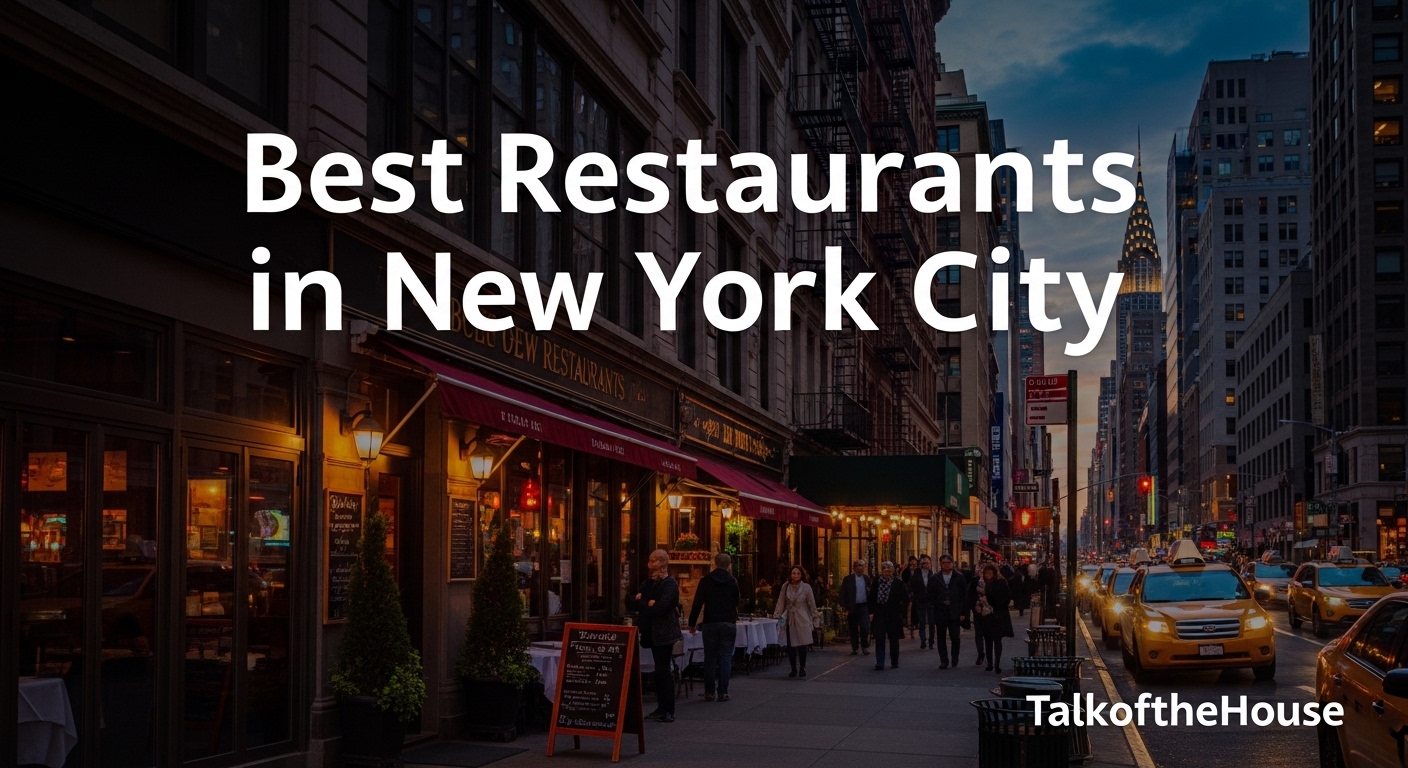
There is something electric about stepping into a truly great restaurant in New York City. The city pulses with culinary ambition, from the sizzling woks of Chinatown to the white-tablecloth temples of fine dining in Midtown. I still remember my first visit to Gramercy Tavern over a decade ago, the way the warm oak paneling seemed to glow and the server who treated our table like we were family coming home for dinner. That experience changed how I think about dining out and, surprisingly, how I approach entertaining at home.
The best restaurants in New York City offer more than exceptional food. They teach us about hospitality, atmosphere, and the art of making guests feel special. Our team has spent months researching, dining, and gathering recommendations from chefs and locals to bring you this guide. Whether you are planning a special occasion dinner or simply want to understand what makes NYC dining legendary, this article will help you discover the spots that define the city’s culinary landscape.
We have organized this guide by neighborhood to help you plan your visits efficiently. Each restaurant includes practical details like price range, reservation tips, and what to order. For those planning family-friendly dining in New York, we have noted which spots welcome children and which are better suited for adults-only evenings.
2026 Quick Picks: 5 Must-Visit Restaurants in NYC
If you only have time for a handful of meals in the city, these are the restaurants that belong at the top of your list. Each represents the pinnacle of its category.
- Gramercy Tavern – The gold standard for New American cuisine in an atmosphere that balances elegance with genuine warmth. Danny Meyer’s flagship remains as relevant today as when it opened, with a seasonal menu that celebrates local farms. Perfect for special occasions and date nights. Price: $$$$ | Reservation: Essential, book 30 days ahead.
- Via Carota – This West Village Italian gem has redefined vegetable-forward dining in NYC. The fried sage and cacio e pepe alone justify the inevitable wait. No reservations, so arrive early or late. Price: $$ | Reservation: Walk-in only.
- Le Bernardin – Eric Ripert’s temple to seafood holds three Michelin stars for good reason. The tasting menu is a masterclass in technique and restraint. Ideal for celebrations and serious food enthusiasts. Price: $$$$ | Reservation: Book 30 days in advance.
- Thai Diner – Life-changing Thai comfort food in Nolita that locals fight to keep secret. The khao soi and crispy rice salad are revelations. Great for lunch or casual dinner. Price: $$ | Reservation: Walk-in friendly.
- Cote Korean Steakhouse – Korean barbecue meets steakhouse luxury in the Flatiron District. The beef selection rivals any premium steakhouse, and the interactive grilling experience makes it perfect for groups. Price: $$$ | Reservation: Essential.
Manhattan Dining Destinations of New York City (2026)
Manhattan remains the heart of NYC’s fine dining scene, though each neighborhood offers distinctly different experiences. From the refined elegance of Gramercy to the bohemian energy of the East Village, these are the restaurants that define Manhattan dining.
Gramercy & Flatiron: Classic New York
The blocks surrounding Gramercy Park represent the most polished version of New York dining. This is where you find the restaurants that have earned their reputations over decades of consistent excellence.
Gramercy Tavern deserves every bit of its legendary status. The front tavern room offers one of the city’s best burgers in a relaxed setting, while the main dining room delivers a seasonal tasting menu that has earned James Beard recognition. What strikes me most is the service philosophy. Every staff member seems genuinely invested in your experience, a reminder that hospitality matters as much as the food.
For your home entertaining, observe how Gramercy Tavern uses seasonal centerpieces and warm lighting to create intimacy in a large space. The restaurant proves that white tablecloths and genuine warmth can coexist.
Eleven Madison Park currently ranks as the city’s most ambitious fine dining experience. Chef Daniel Humm’s plant-based menu has sparked debate, but the execution is undeniable. The multi-course tasting menu unfolds like a theatrical production, with tableside presentations and thoughtful pacing.
This is a special occasion destination. Expect to spend four hours immersed in the experience. The wine pairings are exceptional, and the service team anticipates needs before you voice them. Reservations open 30 days in advance and disappear within minutes.
West Village: Intimate Italian
The West Village delivers romance and neighborhood charm better than perhaps any other Manhattan neighborhood. Its narrow streets and low-rise buildings create an atmosphere that feels worlds away from Midtown.
Via Carota has achieved cult status among food lovers for good reason. Jody Williams and Rita Sodi’s Italian restaurant focuses on vegetables and simple preparations that let ingredients shine. The cacio e pepe is perfection, and the fritto misto deserves its own following.
The no-reservation policy creates challenges, but also opportunity. Arrive at 5 PM for an early dinner, or put your name on the list and explore the neighborhood. The bar across the street welcomes those waiting with excellent cocktails. The restaurant’s rustic interior, with exposed brick and simple wooden tables, offers inspiration for casual home entertaining.
L’Artusi brings sleek sophistication to Italian dining just steps from Via Carota. The bar seating is some of the best in the city for solo diners or couples seeking a convivial atmosphere. The roasted mushrooms and olive oil cake are signature dishes that have earned loyal fans.
The two-story space manages to feel both modern and welcoming, with an open kitchen that adds energy without overwhelming conversation. Reservations are recommended but not impossible to secure a week in advance.
East Village & Lower East Side: Eclectic Energy
Downtown Manhattan offers the city’s most diverse dining landscape, where century-old institutions share blocks with innovative newcomers. The energy here is youthful and experimental.
Thai Diner transformed how New Yorkers think about Thai food. What began as a creative project from the team behind Uncle Boons has become essential dining. The khao soi, a Northern Thai curry noodle soup, delivers layers of flavor that linger in memory. The crispy rice salad and tiramisu Thai tea dessert round out a meal that manages to be both comforting and surprising.
The retro diner aesthetic, complete with Formica tables and vintage touches, proves that casual spaces can deliver serious food. For home entertaining, note how the restaurant uses nostalgic design elements to create instant comfort.
Katz’s Delicatessen requires no introduction. This 1888 institution remains the definitive pastrami destination. The hand-carved meat, cured and smoked on-site, delivers a texture and flavor that cannot be replicated. The corned beef and tongue sandwiches deserve equal attention.
Tourists and locals coexist here, united by the pursuit of perfect deli meat. The ticket system at the door confuses first-timers, but regulars know to hold onto their paper slips religiously. This is New York history you can taste, and it remains remarkably consistent decade after decade.
Soho & Nolita: Fashionable Dining
The cobblestone streets of Soho and neighboring Nolita attract visitors from around the world, and the restaurants here know how to deliver experiences worth the journey.
Carbone has dominated the conversation about New York Italian dining since its opening. The theatrical presentations, from tableside Caesar salad to flambe dishes, create dinner-as-event energy. The spicy rigatoni vodka has inspired countless imitators but remains unmatched here.
The reservation battle is legendary. Book exactly 30 days in advance at midnight, or prepare for disappointment. The bar accepts limited walk-ins for those willing to wait. The mid-century Italian-American decor, all leather banquettes and dramatic lighting, offers inspiration for dramatic home dinner parties.
Balthazar continues to define the French bistro experience in New York. Keith McNally’s brasserie somehow manages to feel timeless rather than dated. The frisee salad with lardons, moules frites, and basket of pastries remain exactly what you want them to be.
Breakfast and brunch here deliver the same energy as dinner, with a slightly more relaxed pace. The bakery case tempts on the way out, and resistance is futile. This is the restaurant that taught New York how to do French casual dining, and it remains the benchmark.
Brooklyn Gems
Brooklyn has evolved from Manhattan’s dining sidekick to a legitimate culinary destination in its own right. These restaurants prove that crossing the bridge rewards adventurous eaters.
L’Industrie Pizzeria in Williamsburg serves what many consider the best pizza in New York City. The burrata slice alone justifies the subway ride. Chef Massimo Laveglia spent years perfecting his dough, and the result achieves that elusive balance of chewy and crisp.
The space is tiny and often crowded, but the energy is infectious. This is pizza worth waiting for, and locals do exactly that. The pepperoni cups hold pools of oil that threaten shirts but deliver transcendent flavor. For entertaining inspiration, note how the open kitchen creates theater even in a fast-casual setting.
Peter Luger Steakhouse has held its Brooklyn corner for over 130 years. The porterhouse for two remains the definitive New York steak experience. The German potatoes, creamed spinach, and legendary schlag on everything from pie to coffee complete the experience.
This is not a restaurant that chases trends. The wood-paneled rooms, veteran waiters in bow ties, and cash-only policy represent a New York that existed long before Instagram. The restaurant teaches that consistency and confidence matter more than innovation for creating memorable dining.
Olmsted in Prospect Heights offers vegetable-forward dining with genuine creativity. Chef Greg Baxtrom’s backyard garden supplies ingredients that appear on plates moments after harvest. The carrot crepe and everything bagel made from vegetables demonstrate technical skill applied to produce.
The backyard garden, complete with chickens, offers one of Brooklyn’s most charming outdoor dining experiences during warmer months. The restaurant proves that ambitious food can exist in relaxed, neighborhood settings. For home entertaining, the garden design and use of home-grown ingredients offer direct inspiration.
Specialty Dining Experiences in New York City
Some restaurants define categories rather than simply participating in them. These destinations offer experiences that cannot be replicated elsewhere.
Sushi & Omakase Excellence
New York’s sushi scene rivals Tokyo’s in both quality and price. These restaurants represent the pinnacle of the craft.
Sushi Nakazawa delivers the omakase experience that Daisuke Nakazawa became famous for in “Jiro Dreams of Sushi.” The 20-course tasting at the counter seats you directly before the chef, watching each piece formed and presented with explanations of sourcing and technique. The rice temperature, fish quality, and timing demonstrate mastery.
Reservations at the counter book months in advance, though the dining room offers the same fish with slightly less theater. This is special occasion dining that educates as it satisfies. The minimalist counter design focuses all attention on the food, a lesson in restraint for home entertaining.
Cote Korean Steakhouse combines Korean barbecue technique with American steakhouse luxury. The downstairs butcher shop displays dry-aged beef that would impress any traditional steakhouse. Upstairs, the smokeless grills at each table allow guests to participate in cooking their own premium cuts.
The steak omakase offers a guided tour through beef varieties, from domestic wagyu to dry-aged ribeye. The banchan, those small Korean side dishes, arrive in endless waves. This is group dining at its most interactive and celebratory. The design merges industrial and luxury elements in ways that inspire dramatic home entertaining spaces.
Iconic New York Classics
Some restaurants transcend their food to become cultural institutions. These are the places that define New York dining history.
Russ & Daughters on the Lower East Side has been serving smoked fish since 1914. The whitefish, sable, and nova are sliced to order by countermen who have spent decades perfecting their craft. The bagels and bialys arrive fresh from the bakery, and the cream cheese is whipped in-house.
The appetizing store format, a New York Jewish tradition, offers no seating. Take your treasure to nearby benches or back to your hotel. The experience of watching your order assembled, with questions about thickness and preferences, connects you to a century of tradition. The store design, with its vintage fixtures and handwritten signs, offers nostalgia done right.
Sylvia’s in Harlem has served soul food since 1962, becoming a gathering place for the neighborhood and visitors seeking authentic Southern cooking. The fried chicken, collard greens, and cornbread deliver comfort that transcends trend cycles. Sunday brunch brings gospel music and a celebration atmosphere that must be experienced.
The restaurant represents the power of food to build community and preserve culture. For home entertaining, Sylvia’s demonstrates how generosity of spirit and abundant portions create memorable gatherings.
What You Can Learn for Your Own Table
Great restaurants teach us lessons that translate directly to our homes. After years of dining out and hosting friends, I have noticed patterns that separate memorable entertaining from forgettable meals.
Table Setting Inspiration from NYC’s Best
Gramercy Tavern’s use of seasonal elements demonstrates that centerpieces need not be elaborate to be effective. A few branches of whatever is blooming, placed in simple vessels, connect the meal to the time of year. The restaurant avoids overcrowding tables, ensuring guests have space for shared plates and conversation.
Balthazar’s French bistro style proves that mismatched vintage plates and simple white napkins create charm that perfection cannot replicate. The unironic use of classic elements, from cafe au lait bowls to woven bread baskets, reminds us that tradition carries weight. Your own collection of inherited or collected pieces tells a story that new matching sets cannot.
Lighting and Atmosphere Secrets
The best restaurants in New York City understand that lighting makes or breaks ambiance. Via Carota’s use of simple pendant lights at varying heights creates intimacy without darkness. The lesson for home entertaining is clear: dim overhead lights and rely on candles and lamps at eye level.
Carbone demonstrates that bold design choices, when committed to fully, create memorable environments. The red leather and dramatic fixtures could feel theatrical in lesser hands, but complete confidence makes it work. Your own entertaining spaces benefit from identifying a clear aesthetic and executing it without apology.
Hospitality Lessons from the Masters
Danny Meyer’s restaurants, including Gramercy Tavern, operate on a philosophy of enlightened hospitality. The goal is making guests feel that the staff genuinely cares about their experience. At home, this translates to anticipating needs before guests ask. Extra napkins appear when needed, water glasses stay filled, and dietary restrictions are accommodated gracefully.
Katz’s Deli proves that warmth does not require formality. The countermen who have served generations of families remember preferences and engage in genuine banter. The lesson is that authentic connection outperforms scripted service every time. Your guests want to feel welcomed into your home, not managed through a meal.
Plating and Presentation Ideas
Eleven Madison Park’s presentations demonstrate that negative space on a plate draws attention to what matters. The restaurant does not fill every inch but allows each element breathing room. For home entertaining, this means resisting the urge to overcrowd plates and trusting that quality ingredients need little adornment.
Olmsted’s use of edible flowers and microgreens from their garden shows that small touches elevate simple dishes. You can achieve similar effects with herbs from your windowsill or farmers market finds. The visual appeal of a dish sets expectations before the first bite.
Frequently Asked Questions
What is the number one restaurant in New York City?
What is the most iconic restaurant in NYC?
Where do celebrities eat in New York?
What are the 3-star Michelin restaurants in New York?
How do I get reservations at popular NYC restaurants?
Where do locals eat in NYC?
Conclusion: The Best Restaurants in New York City 2026
New York City’s restaurant scene rewards those who plan ahead and venture beyond the obvious. The best restaurants in New York City offer experiences that stay with you long after the meal ends, whether that is the transcendent seafood at Le Bernardin, the vegetable-forward excellence of Via Carota, or the historic soul of Katz’s Deli.
What separates a good meal from a memorable one often comes down to the details we have explored here. The lighting, the service philosophy, the confidence of the design choices. These are lessons you can carry home to your own entertaining, creating dinner parties that feel as considered as any fine dining experience.
As you plan your NYC dining itinerary for 2026, remember that the most celebrated restaurants often require reservations weeks in advance, while neighborhood gems reward flexibility. Start with our Quick Picks if you need a shortlist, then dive deeper into the neighborhoods that intrigue you. The city has been feeding dreamers and food lovers for centuries, and it shows no signs of slowing down.
We would love to hear about your own NYC dining discoveries. Share your favorite finds in the comments, and happy eating in the city that never sleeps.