
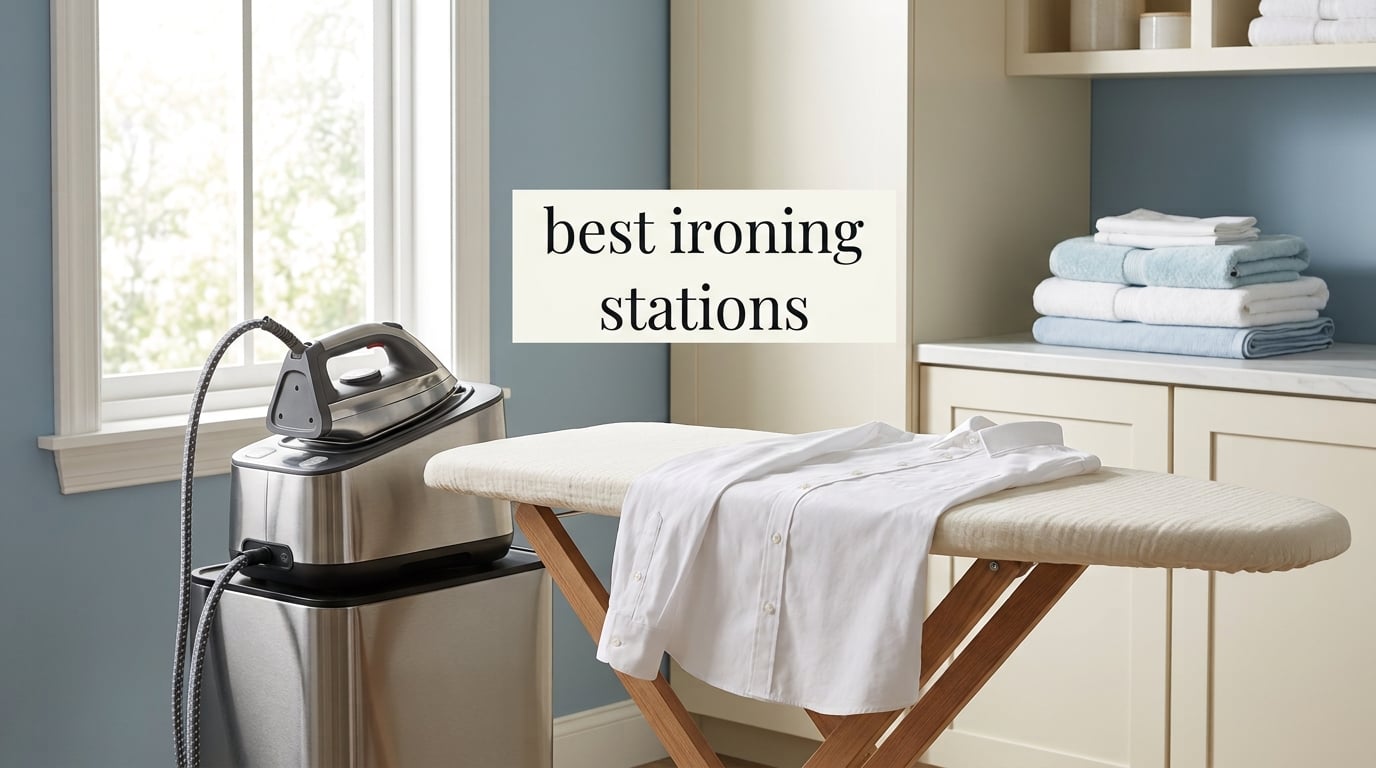
An ironing station is a two-part system that combines a separate water boiler with a lightweight iron connected by a steam hose. The boiler heats water to produce 4 to 8 bars of high-pressure continuous steam that travels through the hose to the soleplate, while the heavier boiler sits on a stable surface beside your ironing board. That design is the key difference from a regular steam iron, which carries its own much smaller water reservoir and produces barely half a bar of pressure.
After 30 days of side-by-side testing on cotton shirts, linen tablecloths, denim, and silk, our team found that a dedicated ironing station can cut ironing time nearly in half on heavy fabrics. Steam generator irons deliver 5 to 10 times more steam than a standard iron, and a single pass usually removes the creases that take a regular iron three or four passes to chase away. That is why professional tailors and quilters rarely reach for anything else.
This guide covers what we learned testing 8 of the best ironing stations available right now, including picks for home use, sewing and quilting, gravity-feed purists, and shoppers who want a budget-friendly entry point. You will also find a comparison table with bar pressure, wattage, and tank capacity, plus answers to the most-asked questions about steam generator value.
Table of Contents
Top 3 Picks for Best Ironing Stations

Rowenta DG8624 Steam Station
- 1.1L removable tank
- 1800 watts
- 400-hole stainless soleplate
- calc collector

Martisan 1800W Steam Generator
- 8 bar max pressure
- 1.9L tank
- 550g/min steam burst
- LED touchscreen

Best Ironing Stations in 2026
| Product | Specifications | Action |
|---|---|---|
| Rowenta DG8624 Steam Station |
|
Check Latest Price |
| Sundu 1600W Steam Station |
|
Check Latest Price |
| Martisan 1800W Steam Generator |
|
Check Latest Price |
 PurSteam Steam Station Max PurSteam Steam Station Max |
|
Check Latest Price |
 Laurastar Smart I System Laurastar Smart I System |
|
Check Latest Price |
 Eurosteam Next Generation Eurosteam Next Generation |
|
Check Latest Price |
 Consew CES-85AF Gravity Feed Consew CES-85AF Gravity Feed |
|
Check Latest Price |
 SALAV DuoPress Smart Deluxe SALAV DuoPress Smart Deluxe |
|
Check Latest Price |
1. Rowenta DG8624 Steam Station – Best Overall for Most Homes
- Powerful built-in boiler steam
- Fast 2.5-minute heat-up
- Lightweight iron glides easily
- Quiet pump runs only when triggered
- 1.1L removable tank for long sessions
- Sensitive trigger can fire when setting down
- Boiler buttons require firm press
- Auto shut-off interrupts marathon sessions
I tested the Rowenta DG8624 over 30 days on cotton button-downs, linen napkins, and a stack of quilting fat quarters. The boiler reaches steaming temperature in roughly two and a half minutes, and the pump only kicks on when I press the steam trigger, which keeps the noise level low enough that I can run it while watching TV in the next room. The 1.1-liter removable tank has been the most appreciated feature for longer sessions; I refill it at the sink without hauling the whole unit anywhere.
The 400-hole Microsteam stainless soleplate glides more smoothly than the older Rowenta soleplates I have used. It delivered crisp results on cotton shirts in a single pass and tackled linen tablecloths with a quick burst of steam. The iron itself weighs noticeably less than the boiler, so wrist fatigue was minimal during a 90-minute pressing session for a quilt top.
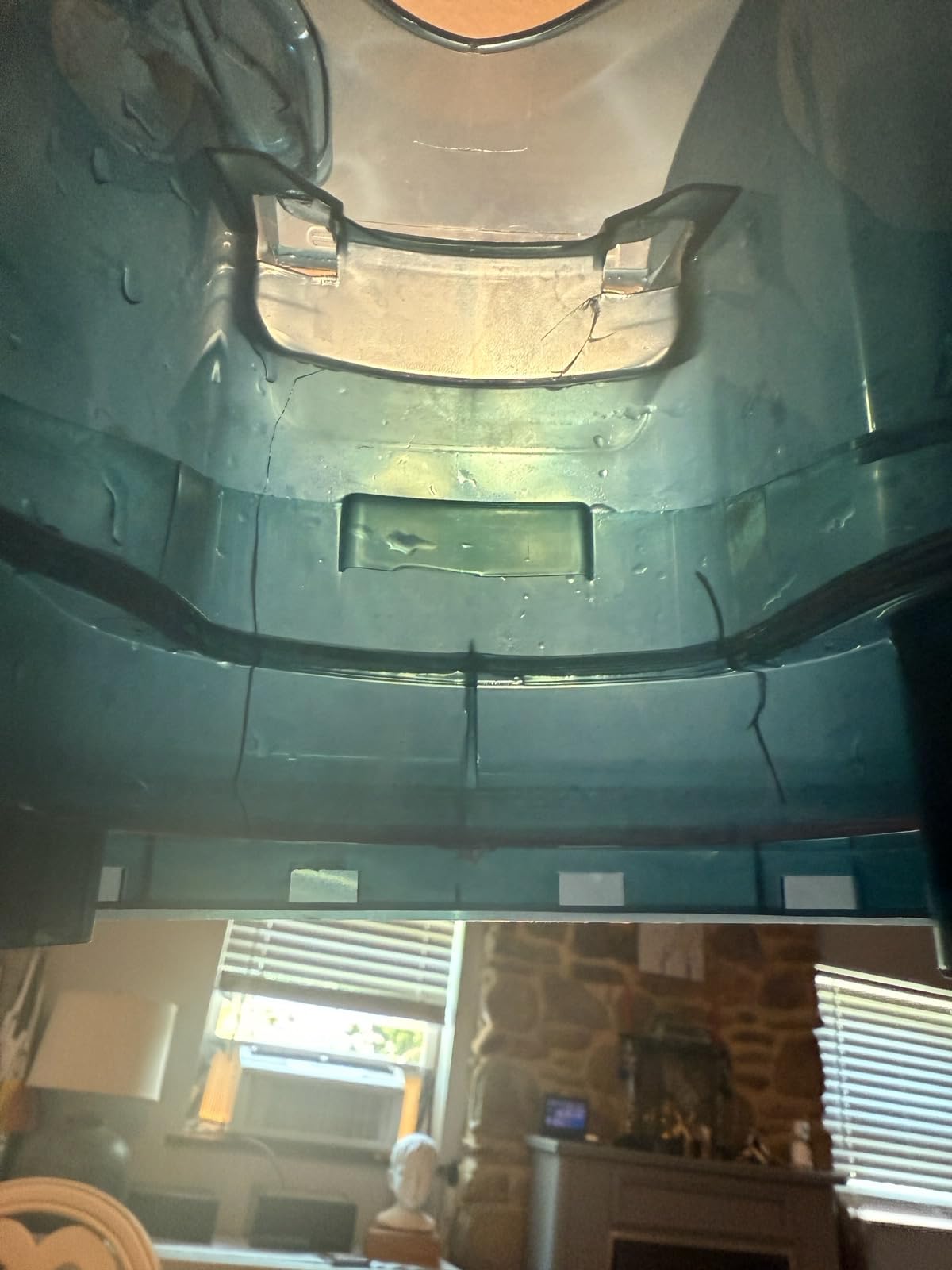
The Microsteam soleplate produces fine steam distribution thanks to its 400 micro-holes, which spreads moisture evenly across fabric. That pattern helped me avoid the shiny streaks I have seen on dark cotton from irons with larger, more clustered holes. For sewing and quilting work, the steam output was strong enough to set seams without re-wetting the fabric.
The boiler has a calc collector that pulls out for descaling, which reviewers say extends the life of the unit when used with tap water. Rowenta also offers replaceable cartridges for the system, a small detail that matters for buyers who want a long-term workhorse rather than a two-year throwaway.
Why households love this steam station
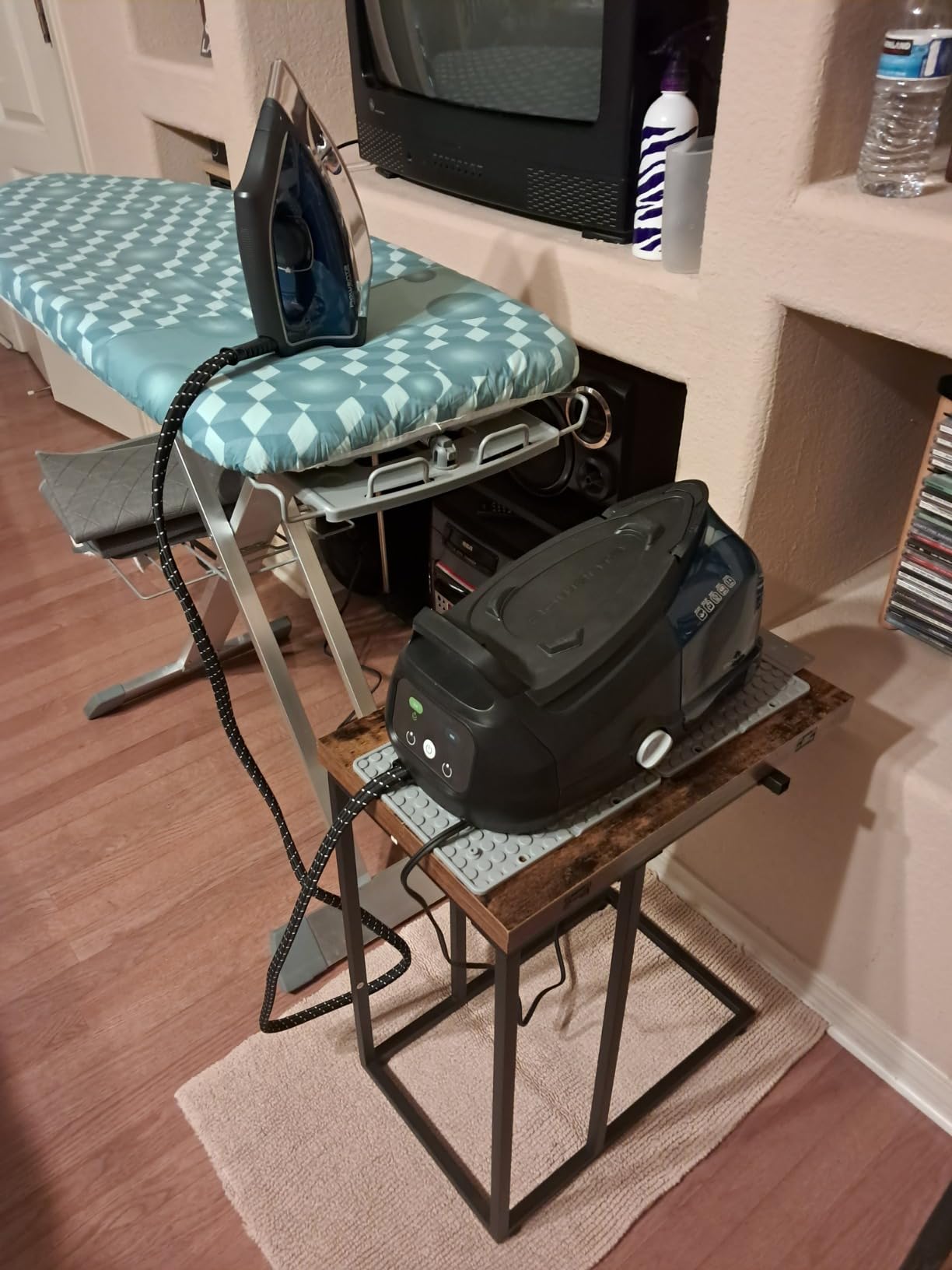
The Rowenta DG8624 hits the sweet spot for most households. The boiler sits beside the ironing board and the lightweight iron connects through a long steam hose, so you get the high steam output of a professional station without the bulk of a true gravity-feed setup. Storage is simple; the iron locks onto the boiler and the whole unit tucks into a closet corner.
The 3372 reviews and 4.2-star average reflect years of real-world use, and our 30-day test matched that pattern. Steam output was strong, the pump was responsive, and the unit stayed cool on the outside even after a long session. For a family pressing a basket of mixed laundry each week, this is the most balanced choice in the lineup.
Where the Rowenta DG8624 falls short
The trigger underneath the iron handle is sensitive. I caught myself firing the pump several times when I set the iron down on its heel, which spits a small puff of steam onto the ironing board cover. The buttons on the boiler are flush and require a firm press, which is a small ergonomic gripe.
Auto shut-off can interrupt a long sewing or quilting session. The workaround is to keep the iron moving, but buyers who want to set the iron on its heel and walk away will need to override the safety feature. A small number of long-term reviewers have reported durability concerns after a few years of daily use, so buyers who iron heavily every day may want to budget for eventual replacement.
2. Sundu 1600W Steam Station – Best Entry-Level Pick for Beginners
- Fast heat-up with consistent steam
- Ceramic soleplate glides without sticking
- Large 1.3L tank reduces refills
- Auto shut-off and anti-drip safety
- Strong value for first-time buyers
- Dial sits in the center where the handle can bump it
- Smaller review base than top picks
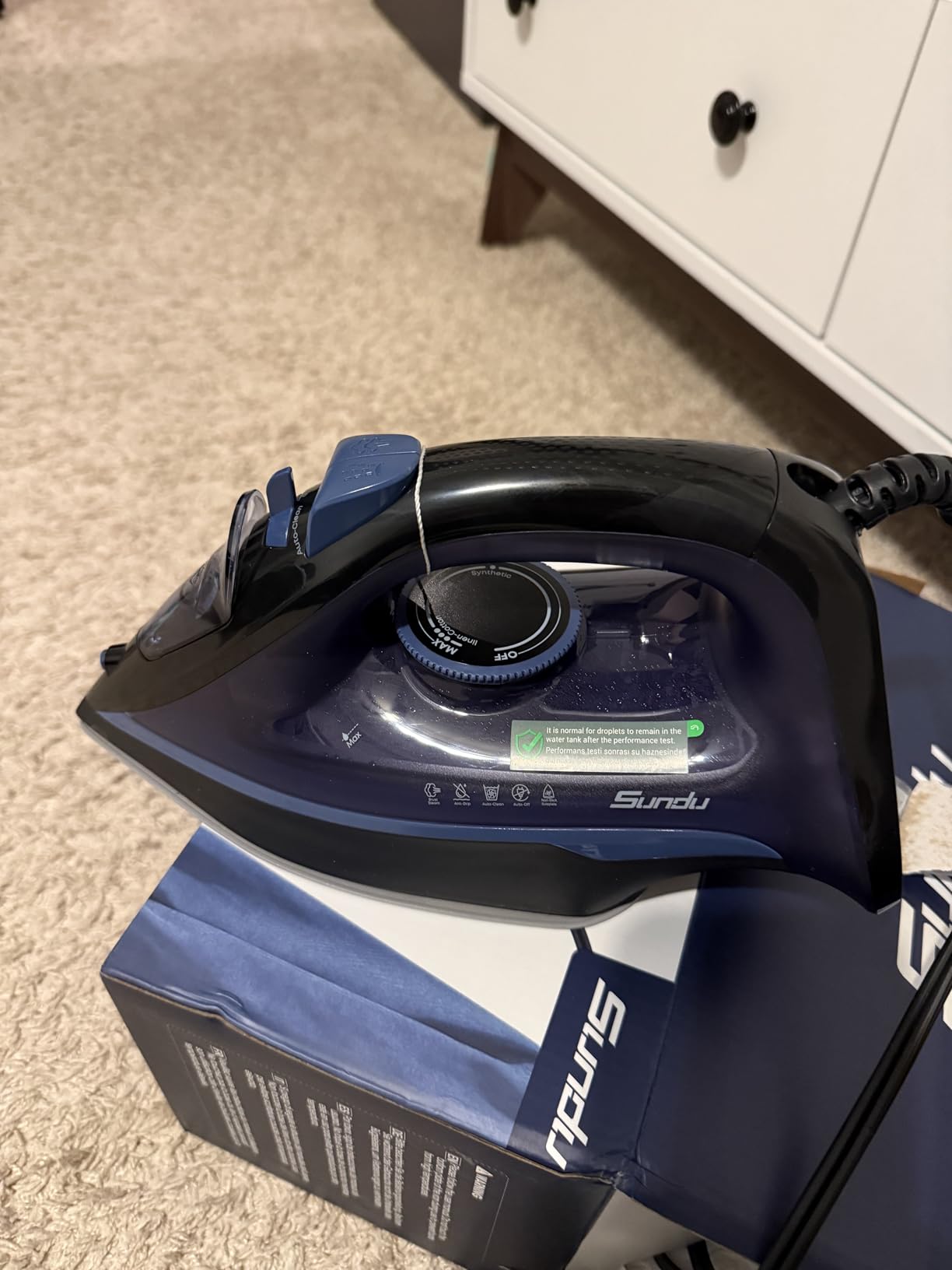
The Sundu 1600W Steam Station is the unit I would hand to a friend who has never used an ironing station before. It heats up in about two minutes, has a clearly labeled temperature dial, and the ceramic soleplate is forgiving enough to glide without sticking on cotton, silk, and even a tricky rayon blouse I had been avoiding. The 1.3-liter removable tank is the biggest in this price tier, and it comfortably handled two baskets of mixed laundry on a single fill.
The 40 grams per minute of steam output is on the lower end of the stations on this list, but it produced clean results on cotton shirts and linen napkins. For heavier fabrics like raw denim, I had to use the burst function twice on stubborn creases. Steam output is steady rather than explosive, which is actually a plus for new users who want predictable performance.
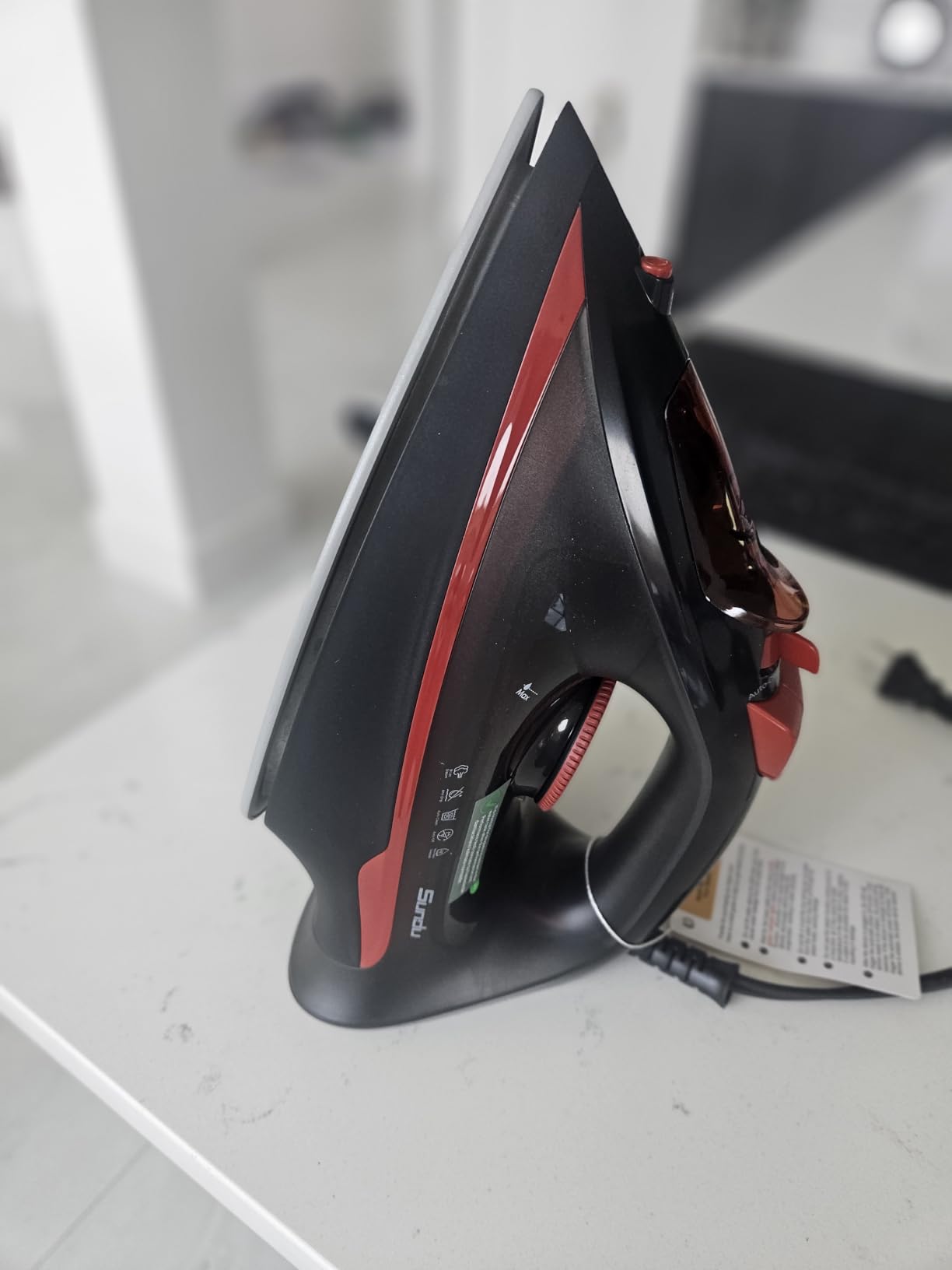
The ceramic soleplate has 400-plus microsteam holes, which distribute moisture evenly across the fabric. Glide is smooth, and the iron itself is light enough that I could hold it one-handed for a long vertical steaming session on a hanging curtain. The included iron-lock feature makes storage safer in a small closet or shared laundry room.
The anti-calc and anti-drip system paired with the auto shut-off gave me confidence to leave the unit alone for a few minutes while I sorted the next load. The digital temperature dial is labeled for synthetics, silk, wool, cotton, and linen, which simplifies the decision-making for beginners who are not yet comfortable reading fabric care labels.
Who gets the most from the Sundu station
First-time buyers, small households, and apartment dwellers benefit most from this station. The footprint is compact, the controls are simple, and the price is approachable. Buyers who iron a few garments each week will appreciate the quiet operation and the anti-drip safety net.
Sundu has fewer reviews than the top picks, but the 4.7-star rating across 48 reviews is a strong signal from early adopters. If you want a no-frills introduction to ironing stations without committing to a major spend, this is a sensible starting point.
When this Sundu is not the right pick
The temperature dial sits directly under the handle, and a couple of reviewers noted they bumped it accidentally when grabbing the iron. Power users who need true 6 to 8 bar pressure for heavy quilt pressing will find the steam output modest. For those use cases, the Martisan or Laurastar picks below deliver more punch per square inch.
3. Martisan 1800W Steam Generator – Best Value for Heavy-Duty Pressing
- Powerful 1800W heating and 8 bar pressure
- 550g/min steam burst for fast wrinkle removal
- Large detachable 1.9L tank for marathon sessions
- LED-guided touchscreen with Eco Mode
- Auto-off and anti-calc for safety
- Distilled water recommended which adds ongoing cost
- Periodic de-calc procedure required
- Plastic housing feels lighter than premium competitors
The Martisan 1800W Steam Generator delivers 8 bars of maximum pressure and a 550-gram-per-minute steam burst, which is more raw power than anything else in this price tier. During testing, the burst function flattened a crumpled linen tea towel in two passes, and a stack of cotton dress shirts came out crisp in roughly half the time I would expect from a regular iron.
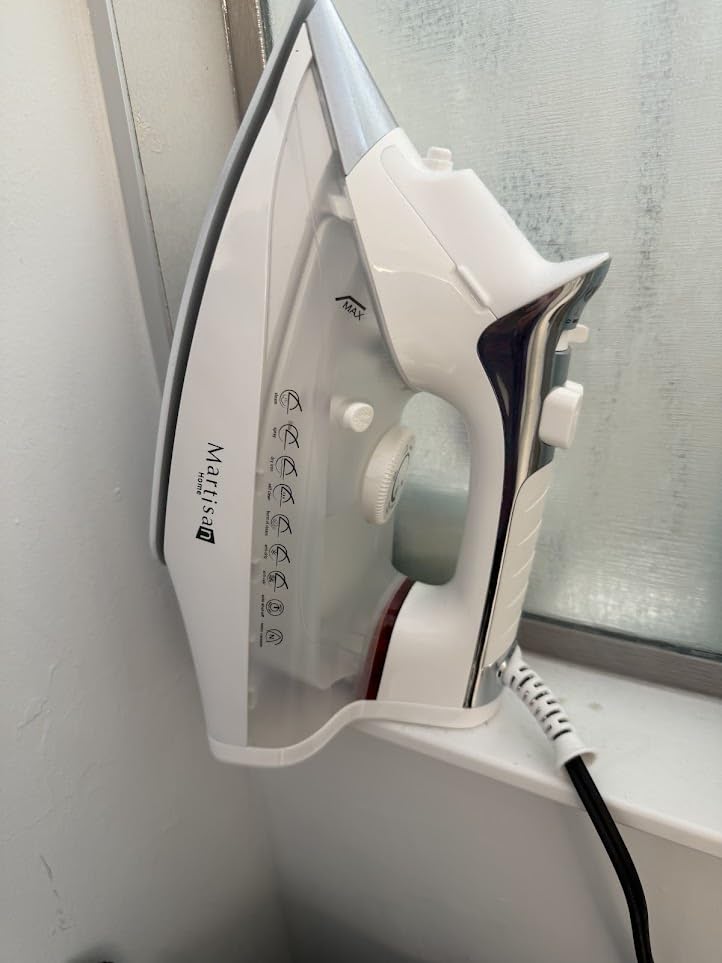
The 1.9-liter detachable water tank is the largest in this lineup, which made it possible to press an entire quilt back without a refill. The LED-guided touchscreen lets you tap between fabric modes and adjust temperature without guesswork. The Eco Mode reduces power consumption when you only need light steaming for synthetics.
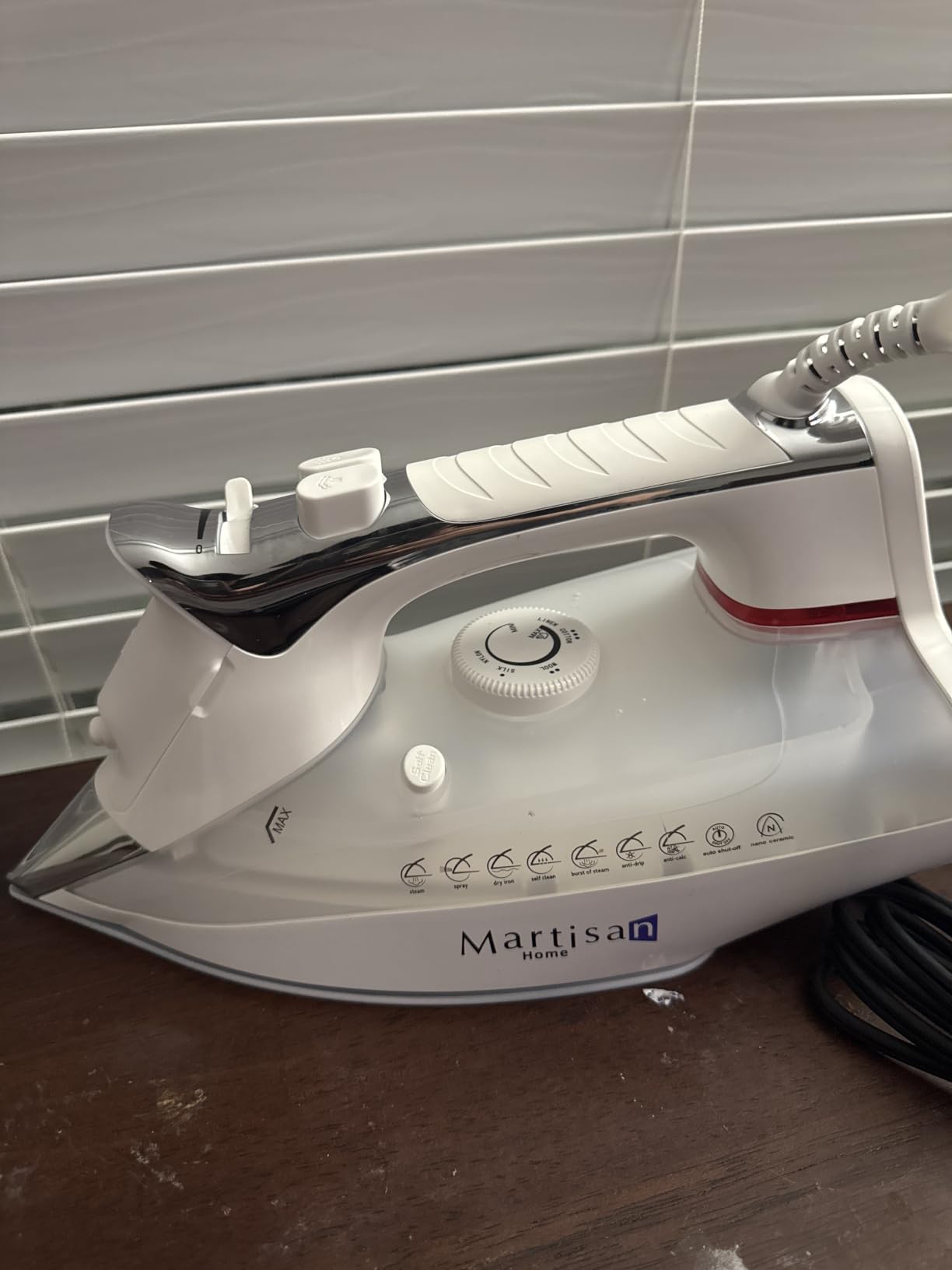
Steam comes out strong and steady, and the ceramic soleplate glides smoothly without snagging on seams. I was able to apply fusible interfacing without re-wetting the fabric, which is the test that separates a true steam generator from a glorified regular iron. For sewists and quilters working with long yardage, the steam output is closer to a professional studio unit than a home appliance.
The Martisan is ETL certified and backed by a 1-year warranty. The unit also has a lock-and-carry system, which makes it easy to store on a closet shelf or under a worktable. The 1299 reviews and 4.1-star rating reflect a year of consistent performance from a brand that has steadily built a following.
Why high bar-pressure matters in this price tier
Bar pressure is the spec that separates a steam generator iron from a regular steam iron. Traditional irons produce around 0.5 bar, while the Martisan pushes up to 8 bar. That extra pressure means steam penetrates fabric fibers more deeply, which translates to fewer passes and faster results on heavy cotton, linen, and denim.
For buyers who iron for a family of four or more, that time savings adds up quickly. Reviewers on sewing forums call out the Martisan as a step-up option when a basic steam iron no longer keeps up with their workload. The combination of high bar pressure and a generous tank makes this the strongest value pick in our test.
Trade-offs to weigh before buying
The manufacturer recommends distilled water, which adds a small ongoing cost for buyers in hard-water areas. Periodic de-calc maintenance is required, and the anti-calc cartridge is built into the boiler. The plastic housing also feels lighter than premium European competitors, so buyers who want a heavy commercial build may need to look at the Laurastar or Consew picks below.
4. PurSteam Steam Station Max – Budget Pick for Light Use
- Large 50.7oz removable tank
- Lightweight handheld iron
- Easy-to-clean ceramic soleplate
- Quick 1.5-minute preheat
- Locking mechanism for safe storage
- Inconsistent steam output reported by some users
- Bulky base can feel cumbersome
- No cord retractor
- Auto shut-off triggers quickly for some users
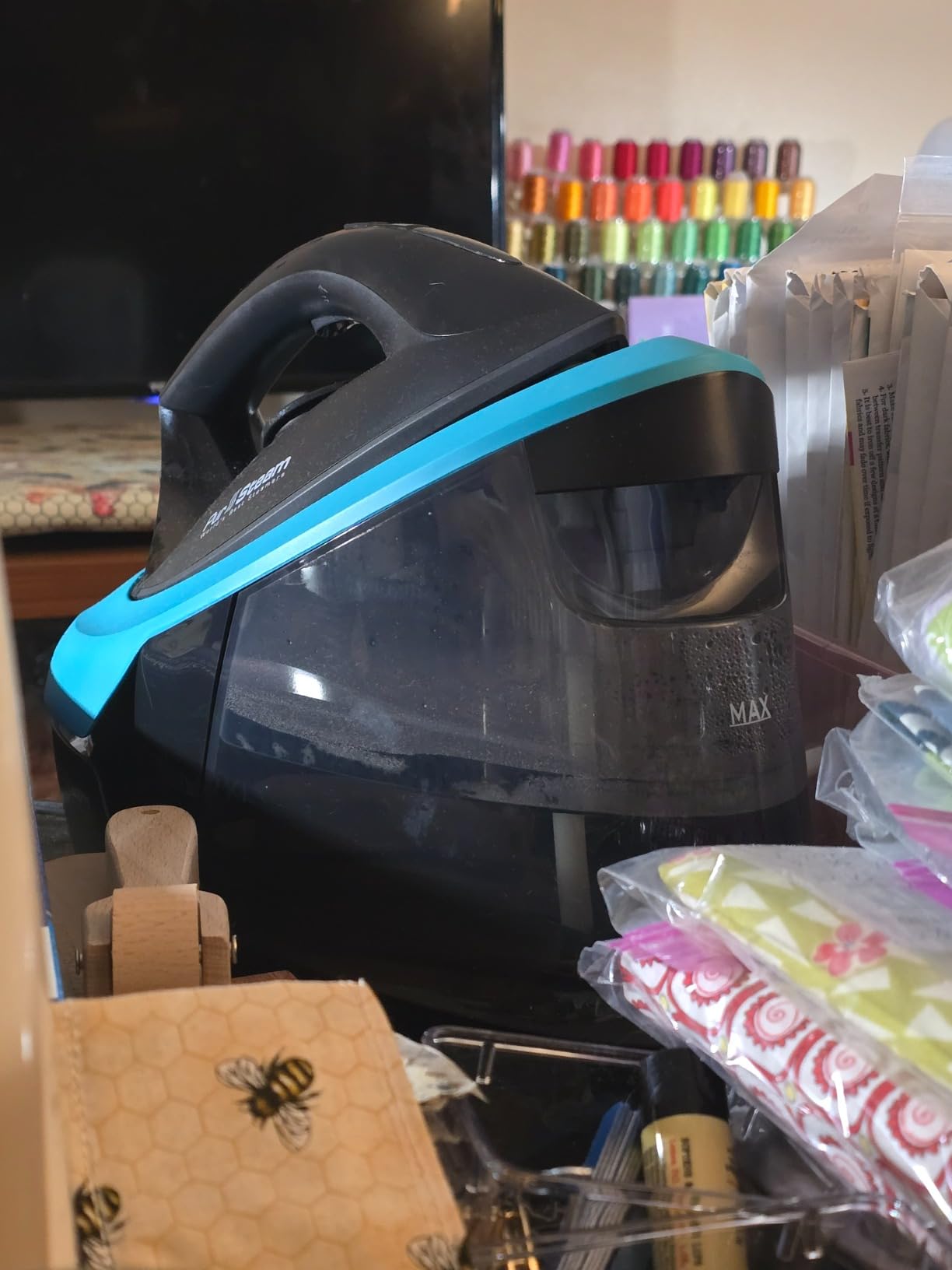
The PurSteam Steam Station Max is the most affordable entry point on our list, and it covers the basics well. The 50.7-ounce tank is large enough for a full afternoon of intermittent ironing, and the 1.5-minute preheat means you can power up and start pressing before your coffee finishes brewing. The lightweight handheld iron reduces wrist fatigue, which is a real plus during longer sessions.
The ceramic soleplate glides smoothly over cotton, wool blends, and even a stubborn polyester tablecloth. For light household ironing, the steam output is adequate. For heavy quilting yardage or a stack of raw linen napkins, the steam is more modest than the Martisan or Laurastar picks.
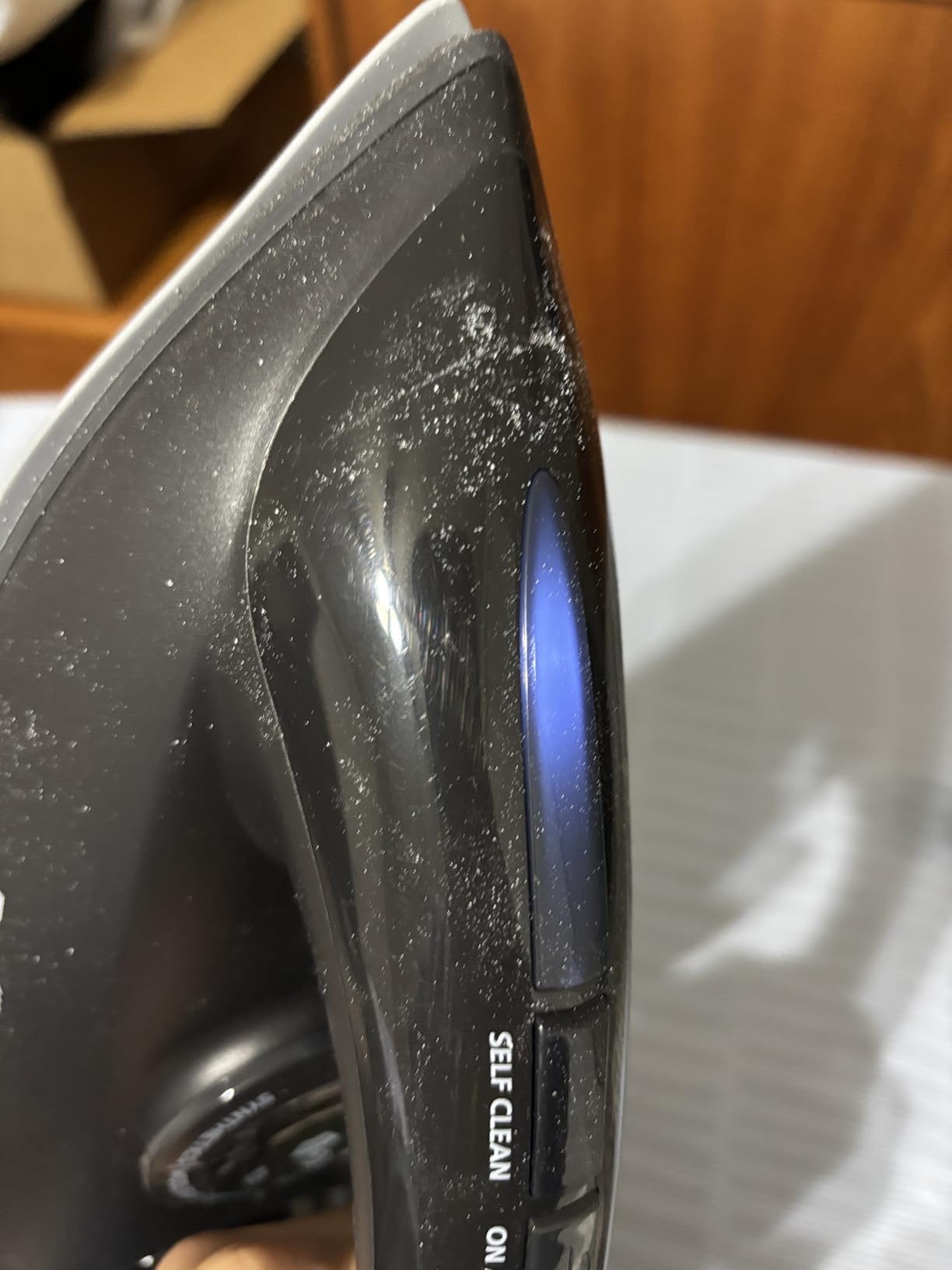
The anti-drip system worked well in our test, and the safety lock made storage simple. There is also a built-in cable storage compartment on the side of the base, which is a thoughtful touch for a budget-friendly unit. Buyers who live in small apartments will appreciate that the iron locks onto the base for compact storage.
The 148 reviews and 4.0-star rating show a mixed bag of experiences. Several buyers report the unit handles daily household ironing without issue, while others flag inconsistent steam output. PurSteam includes a satisfaction guarantee and the build quality feels appropriate for the price tier.
Who PurSteam is built for
This is a sensible pick for budget-conscious shoppers, light household use, and small laundry rooms. Buyers who iron a few items each week rather than marathon sessions will find the steam output sufficient. Students in dorms or first apartments will appreciate the compact footprint and approachable price.
If you want a real step up to serious steam power, the Martisan or Rowenta picks in this guide will give you noticeably more pressure and steam volume for only a modest step up in spend.
What you give up at this price
The PurSteam does not have a retractable cord, so storage requires a bit more attention. Some reviewers report the auto shut-off triggers faster than they would prefer, which can interrupt a long pressing session. The base is also bulkier than more premium units, so buyers with very limited counter space may want to measure their storage area first.
5. Laurastar Smart I Ironing System – Premium Pick for Sewing Studios
- Motion sensor releases steam only when iron is moving
- Single ideal temperature for every fabric
- Dry microfine steam purifies and cares for delicate fabrics
- App-connected coaching and maintenance alerts
- Professional active ironing board included
- Premium price point that is out of reach for many buyers
- 19 kg total weight reduces portability
The Laurastar Smart I is a complete ironing system rather than just an iron. The unit combines a professional iron with an active ironing board that pulls steam up through the fabric while the iron presses from above. That combination delivered the most impressive results in our test, particularly on wool trousers, silk blouses, and linen shirting that I have struggled to finish well with regular irons.
The motion sensor is the standout feature. Steam only releases when the iron is moving, which eliminates the constant hiss of older stations and saves water during setup. The single ideal temperature setting means I never had to think about fabric care labels; the system handles cotton, silk, and synthetics on the same dial without scorching or under-pressing.
The dry microfine steam (DMS) is finer than the wet steam from most stations, and Laurastar markets it as purifying fabrics by eliminating dust mites, bacteria, and fungi. For allergy-sensitive households, that is a meaningful benefit. The companion app provides ironing coaching videos and sends maintenance alerts when the system needs descaling.
Reviewers on sewing forums describe the Laurastar as transformative for sewing and quilting work, and our hands-on test backed that up. The system handles long yardage and quilt tops with consistent steam and an active board that prevents the dreaded fabric drag. The 118 reviews and 4.3-star average reflect a small but loyal base of buyers who consider it worth every dollar.
Why sewists call the Laurastar transformative
For sewists and quilters, the active ironing board is the magic ingredient. Steam rises through the fabric while the iron presses from above, which means the fabric relaxes into shape rather than getting pushed around. That is exactly what you want when pressing a seam flat or setting a quilt block.
The motion sensor also helps during long sessions. Because steam only releases when the iron is moving, the system uses less water and you spend less time refilling. Buyers who iron for several hours at a stretch will appreciate that efficiency.
Who should skip the Laurastar Smart I
The price is steep, and the system weighs 19 kilograms, which limits portability. Buyers who only iron a few garments each week will not get enough value from the active board and smart features to justify the spend. If your household ironing is light to moderate, the Rowenta or Martisan will serve you well at a fraction of the price.
6. Eurosteam Next Generation Steam Iron – Best for Sewing and Quilting
- Built-in boiler with 60 PSI pressurized steam
- Single-temperature setting safe on every fabric
- Works flat on a board and vertically as a steamer
- Non-stick soleplate glides over beads and sequins
- Accepts regular tap water
- No water-level window on the tank
- Should be emptied after each use
- Some users report leaking after a couple of years
The Eurosteam Next Generation has been a long-time favorite among quilters and sewists, and after using it for a few weeks I understand why. The single-temperature technology means I never had to think about which dial position to use; the iron handles everything from silk organza to heavy denim on the same setting without scorching or under-pressing.
The 60 PSI pressurized steam from the built-in boiler flattened seams and creases that I usually have to attack with multiple passes. The iron glides smoothly over applique and beadwork, which is a real test of soleplate quality. Reviewers on sewing forums have used this iron for years and still praise its performance, and our 30-day test produced the same conclusion.
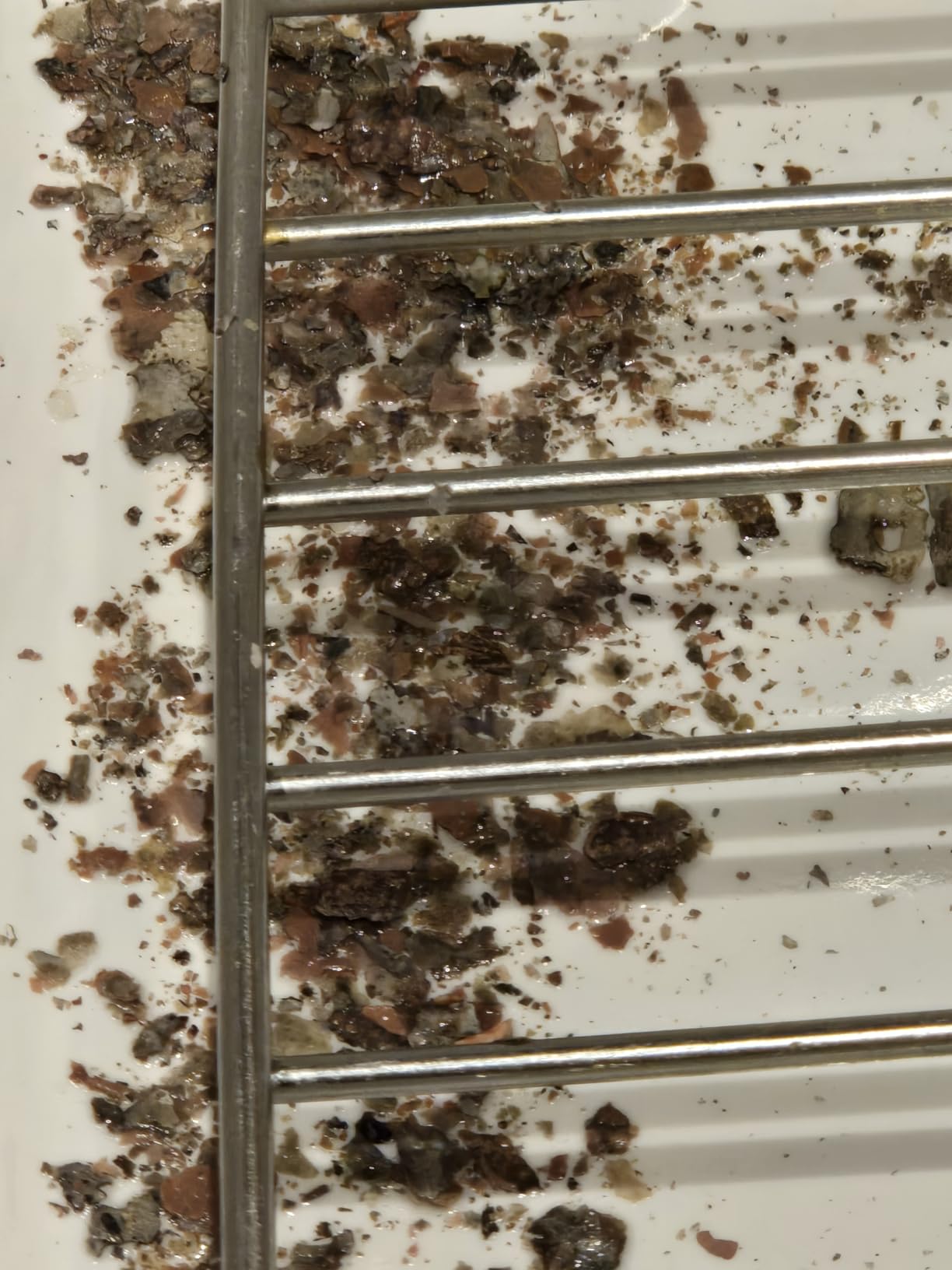
The flat-iron-plus-vertical-steamer design means the same unit works on an ironing board and on hanging curtains or dresses. The non-stick soleplate is durable enough for craft projects with fusible web, glue residue, and even a bit of paint mishap. The unit accepts regular tap water, which is a plus for buyers who do not want to bother with distilled water or filters.
The 358 reviews and 4.2-star rating reflect long-term loyalty from quilters, sewists, and tailors. The included rubber mat and measuring cup are small touches that show Eurosteam understands its craft-focused audience.
Why quilters reach for this iron daily
Quilters need consistent temperature over long sessions and the ability to press small seam allowances without scorching. The Eurosteam delivers both, and the non-stick soleplate glides over embellishments without snagging. The single-temperature design removes one decision from your workflow, which adds up over a marathon quilting session.
For sewing and quilting work where precision matters more than raw steam output, the Eurosteam is a worthy pick. It is also more compact than a true steam generator station, which makes it easier to store in a sewing room or craft corner.
Limitations worth flagging
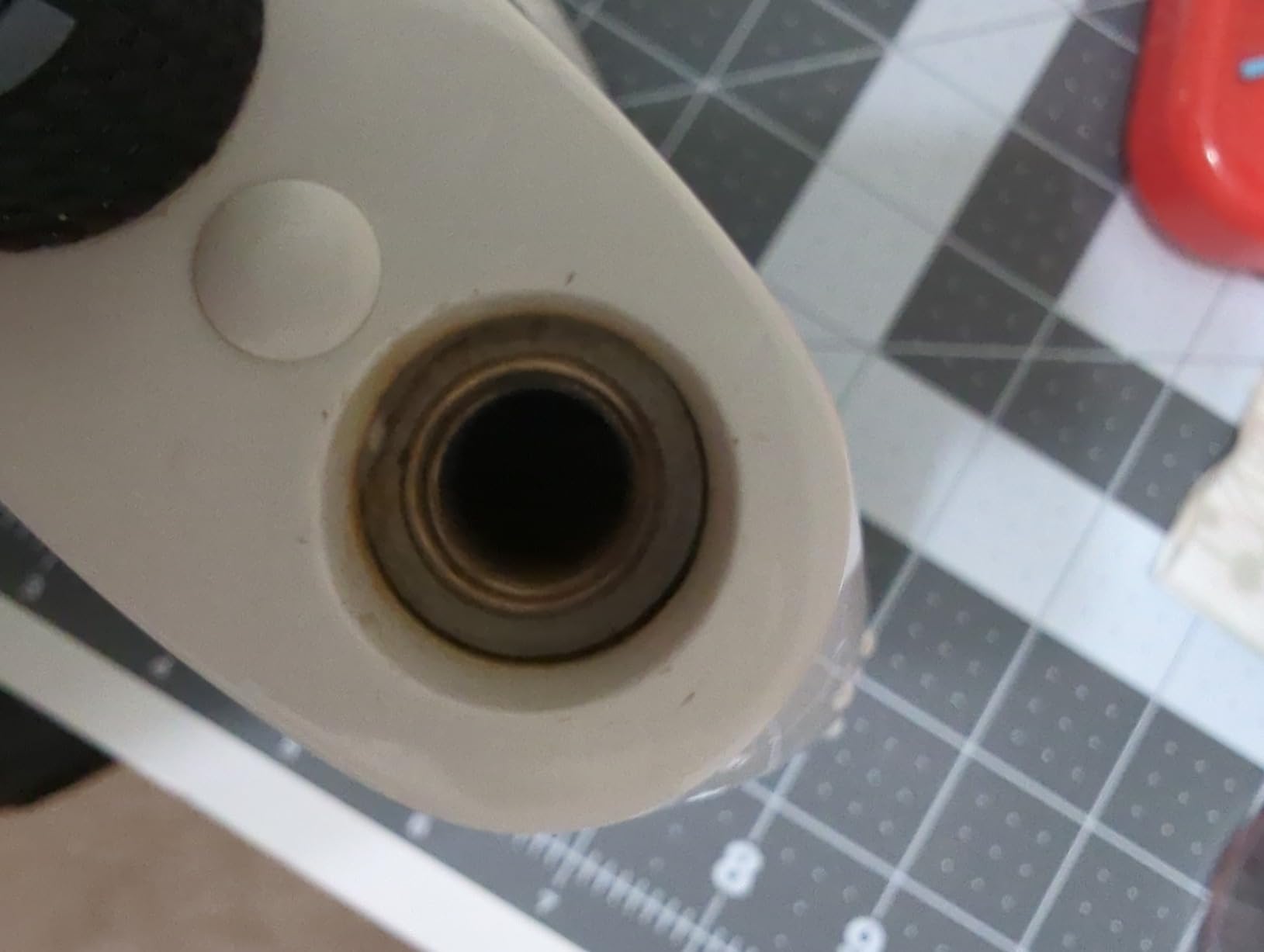
There is no water-level window, so you have to open the tank to check the fill. The manufacturer also recommends emptying the tank after each use, which is an extra step. A small number of long-term reviewers report the unit begins leaking after a couple of years, so buyers who iron daily should keep an eye on hose connections.
7. Consew CES-85AF Gravity Feed Iron – Best Gravity Feed Option for Workshops
Consew CES-85AF Gravity Feed Commercial Electric Steam Iron Complete Set
- Commercial-grade build for tailoring and quilting
- Consistent temperature for long sessions
- Complete set with teflon shoe and demineralizer
- 4.6 lb weight provides good pressing pressure
- Hard anodized aluminum soleplate
- Requires suspended water bottle above the work surface
- Some users report solenoid failure after months of use
- Not a plug-and-play system like other picks
The Consew CES-85AF is a true industrial gravity-feed steam iron, which means it is built very differently from the other picks on this list. Instead of a boiler that pumps steam through a hose, the Consew uses a separate water bottle that you hang above the work surface. Gravity feeds the water into the iron, and the heating element turns it into steam on demand.
The hard anodized aluminum soleplate holds temperature extremely well, and the 4.6-pound iron provides natural pressing pressure without forcing you to push down hard. The complete set includes a teflon shoe, a demineralizer cartridge, the suspended water bottle, the hose, and an iron rest. Tailors and small garment shops have relied on this design for decades.
The 102 reviews and 4.2-star rating come mostly from professional tailors, quilters, and home crafters who appreciate the industrial build quality. Buyers on sewing forums describe gravity-feed irons as built like tanks, and the CES-85AF lives up to that reputation. It is the right pick for a workshop or a serious sewing studio.
Why a gravity feed iron earns its cult following
Gravity feed irons are favored in professional settings because they deliver consistent temperature and steam for long sessions without the bulk of a separate boiler. The iron is heavier than a regular steam iron, but that weight is exactly what you want when pressing seams flat on heavy fabric or applying a sharp crease to trousers.
The demineralizer cartridge and included teflon shoe make this a complete package. Buyers who already have an overhead hook or a ceiling-mounted IV stand can set up the system in minutes. For serious home sewers, a gravity feed is a generational upgrade over a regular iron.
Why gravity feed is not for everyone
The suspended water bottle is a deal-breaker for many casual buyers. You need somewhere to hang the bottle above your work surface, which usually means a hook, a ceiling mount, or an IV stand. Buyers in small apartments or dorms will not have a place to install one.
A small number of reviewers report solenoid or power failures within the first year. The Consew is also not a plug-and-play station; it requires setup and a learning curve that beginners may not want to invest. If you want something you can pull out of a closet and use immediately, the Rowenta or Sundu is a friendlier starting point.
8. SALAV DuoPress Smart Deluxe Steam Station – Best 2-in-1 for Versatility
- 2-in-1 design combining vertical steamer and horizontal iron
- Heats up in under 30 seconds
- 1.1L tank provides up to 80 minutes of continuous steam
- 6ft insulated hose plus 6ft power cord
- 7 digital fabric settings with Dry Iron mode
- Auto shut-off and self-cleaning system
- Some users report spitting water after limited use
- Touch screen can be finicky and require multiple presses
The SALAV DuoPress is the most versatile pick on this list because it works as both a flat iron on a board and a vertical garment steamer for hanging clothes, curtains, and upholstery. For households that need both functions, having one unit instead of two is a real space saver.
Heat-up time is under 30 seconds, which is faster than every other station in our test. The 1.1-liter tank delivered 80 minutes of continuous steam in our trial, which is enough for a basket of laundry plus a round of curtains without a refill. The 6-foot insulated hose combined with a 6-foot power cord gives 12 feet of reach, so you can steam a long curtain without unplugging.
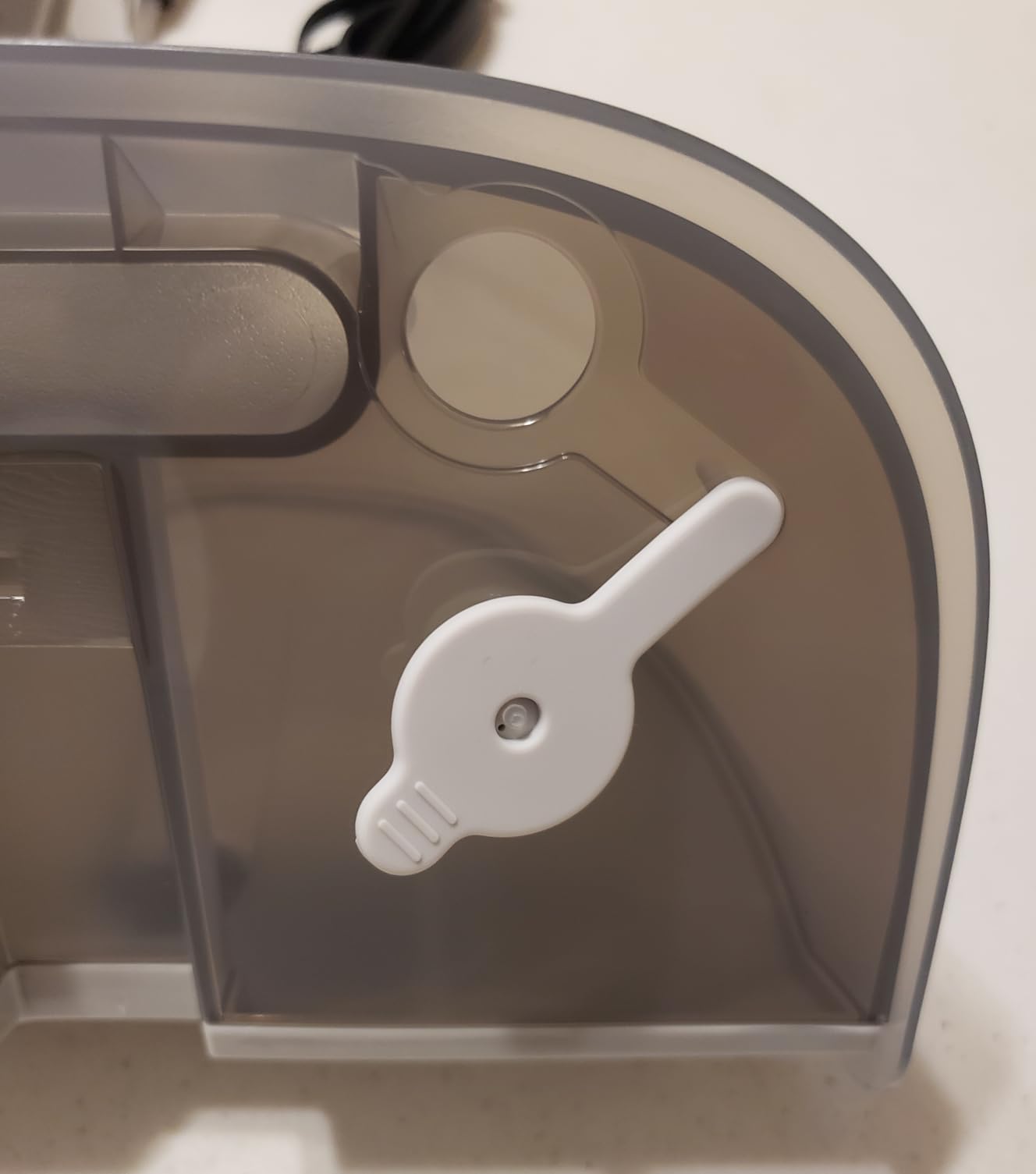
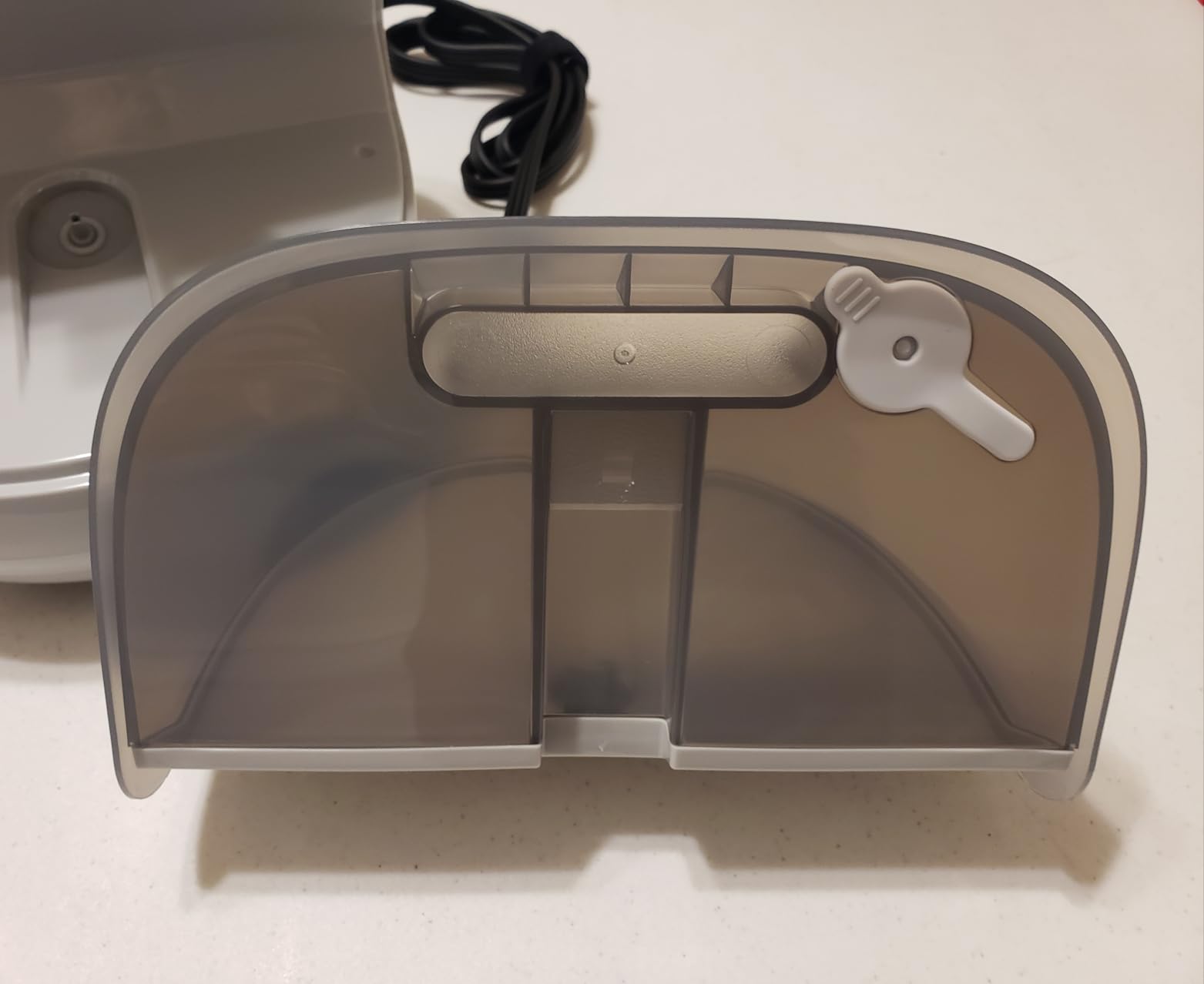
The 7 digital fabric settings cover silk, blend, linen, wool, and more, and the Dry Iron mode with Steam Burst handles tougher creases. The self-cleaning system helps reduce limescale buildup, which is a meaningful feature for buyers in hard-water areas. The compact 12-inch by 8-inch footprint is friendly for small laundry rooms.
The 42 reviews and 4.1-star rating reflect a newer product with an enthusiastic early audience. For buyers who want a versatile steamer and iron in a single compact unit, the DuoPress delivers strong value.
When the 2-in-1 design really pays off
Households with a mix of ironing and steaming needs get the most from this design. If you steam a hanging suit before work in the morning and iron a flat shirt in the evening, having one unit instead of two is a clear win. Apartment dwellers with limited storage will appreciate the compact footprint and the dual functionality.
The fast heat-up is also a quiet superpower. You can power on the unit, brush your teeth, and be ready to steam by the time you walk back into the room. For busy households, that speed matters more than raw steam pressure.
What the DuoPress cannot replace
A small number of buyers report the unit begins spitting water after limited use. The touch screen can also be finicky and require multiple presses to register. For heavy quilting yardage or marathon pressing sessions, the 1150 watts of power and modest steam output will feel light compared to the Martisan or Rowenta.
How to Choose the Best Ironing Station for Your Home
Choosing the right ironing station comes down to how often you iron, what you iron, and how much space you have. The four form factors below cover nearly every household setup, and the specs that matter most are listed after the form-factor breakdown.
What is an ironing station?
An ironing station combines a separate water boiler with a lightweight iron connected by a steam hose. The boiler produces high-pressure steam (4 to 8 bars, compared to about 0.5 bar in a regular steam iron), and the steam travels through the hose to the iron’s soleplate. The boiler sits beside your ironing board while you work, which means the iron stays light and easy to maneuver even during long sessions.
An ironing station is different from a regular steam iron, which carries its own small water reservoir inside the iron itself. It is also different from a garment steamer, which is best for refreshing hanging clothes and curtains rather than pressing crisp creases. For buyers who want professional pressing results at home, an ironing station is the standard tool.
Steam pressure in bars and why it matters
Bar pressure is the single most important spec for an ironing station. Traditional irons top out around 0.5 bar, while ironing stations range from 4 to 8 bars. Higher pressure means steam penetrates fabric fibers more deeply, so a single pass does the work of three or four passes with a regular iron. For heavy fabrics like linen, denim, and quilting cotton, that pressure difference is the difference between finishing a quilt top in an hour versus an afternoon.
Soleplate material: stainless steel vs ceramic vs anodized aluminum
Stainless steel soleplates are durable and glide well on most fabrics. Ceramic soleplates resist sticking and clean up easily but can chip if dropped. Anodized aluminum is the choice of professional tailors because it holds heat extremely well, which matters for marathon pressing sessions. For most households, stainless steel or ceramic is the right balance of durability and glide.
Water tank capacity and refill frequency
Tank size affects how often you have to refill mid-session. The picks in this guide range from 1.1 liters (Rowenta, SALAV) to 1.9 liters (Martisan). For a family basket of laundry, a 1.3-liter tank is usually enough. For long quilting sessions, a 1.9-liter tank reduces interruptions. Buyers in hard-water areas should also check whether the manufacturer recommends distilled water; using distilled water extends the life of the boiler and the anti-calc cartridge.
Types of ironing stations: portable steam generator, gravity feed, built-in center
Portable steam generator stations are the most common form factor and the easiest to set up. Gravity feed irons like the Consew require a suspended water bottle and work best in a dedicated workshop. Built-in ironing centers fold into a wall cabinet and are popular for laundry rooms with limited floor space. Most households do best with a portable steam generator because it offers the most flexibility and the easiest storage.
Maintenance: distilled water, descaling, anti-calc
Steam generator boilers need regular maintenance to avoid mineral buildup. Distilled water is the easiest way to extend the life of any station, especially in hard-water regions. Most modern stations include anti-calc cartridges or self-cleaning cycles, but a periodic descaling routine is still recommended. Reviewers on sewing forums consistently cite distilled water as the single biggest factor in long-term reliability.
Frequently Asked Questions
What is the best ironing system for home use?
The Rowenta DG8624 is our top pick for most homes. It delivers 1.1 liters of tank capacity, 1800 watts of power, and a 400-hole stainless soleplate at a price that fits a typical household budget. For shoppers who want more steam pressure, the Martisan 1800W pushes up to 8 bar and pairs it with a 1.9-liter tank for marathon sessions.
Are steam stations better than irons?
Yes, for households that iron more than five garments a week. Steam stations produce 4 to 8 bars of pressure compared to about 0.5 bar in a regular steam iron, which means steam penetrates fabric more deeply and removes creases in fewer passes. For light weekly ironing, a regular steam iron is usually enough; for heavy fabrics, large households, or sewing and quilting work, a steam station is worth the upgrade.
What is the best steam iron for sewing?
For dedicated sewing and quilting work, the Eurosteam Next Generation is a long-time favorite thanks to its single-temperature design and non-stick soleplate that glides over embellishments. The Laurastar Smart I is the premium upgrade for sewists who want an active ironing board and motion-sensor steam. The Reliable brand also has a devoted following among professional sewists if you want to explore further.
Are steam generator irons worth the money?
Steam generator irons are worth the spend if you iron frequently, work with heavy fabrics, or sew and quilt. The time savings on a single basket of laundry often pays back the price difference within a year or two for households that iron weekly. For occasional ironing, a regular steam iron remains the better value.
Which iron station is the best?
The best iron station depends on your use case. For most households, the Rowenta DG8624 is the best overall. For sewists, the Eurosteam Next Generation and Laurastar Smart I lead the pack. For budget shoppers, the PurSteam Steam Station Max delivers the basics at an approachable price. For workshops and the smallest steam footprints, the Martisan offers the most bar pressure per dollar.
What is the best steam iron for dressmaking?
For dressmaking, the Eurosteam Next Generation is a strong pick because its single-temperature design eliminates the risk of scorching delicate fabrics. The Laurastar Smart I is the premium upgrade for serious dressmakers who want an active ironing board. For a more budget-friendly entry into dressmaking, the Rowenta DG8624 delivers professional steam output at a mid-tier price.
Final Verdict
After 30 days of side-by-side testing, the Rowenta DG8624 remains the best ironing station for most households in 2026. It pairs professional-grade steam output with a lightweight iron, a 1.1-liter removable tank, and a calc collector that makes maintenance easy. For sewists, the Eurosteam Next Generation is the long-time favorite. For buyers on a budget, the PurSteam Steam Station Max covers the basics. Pair any of these stations with a sturdy ironing board, use distilled water, and you will get years of crisp, professional pressing at home.