
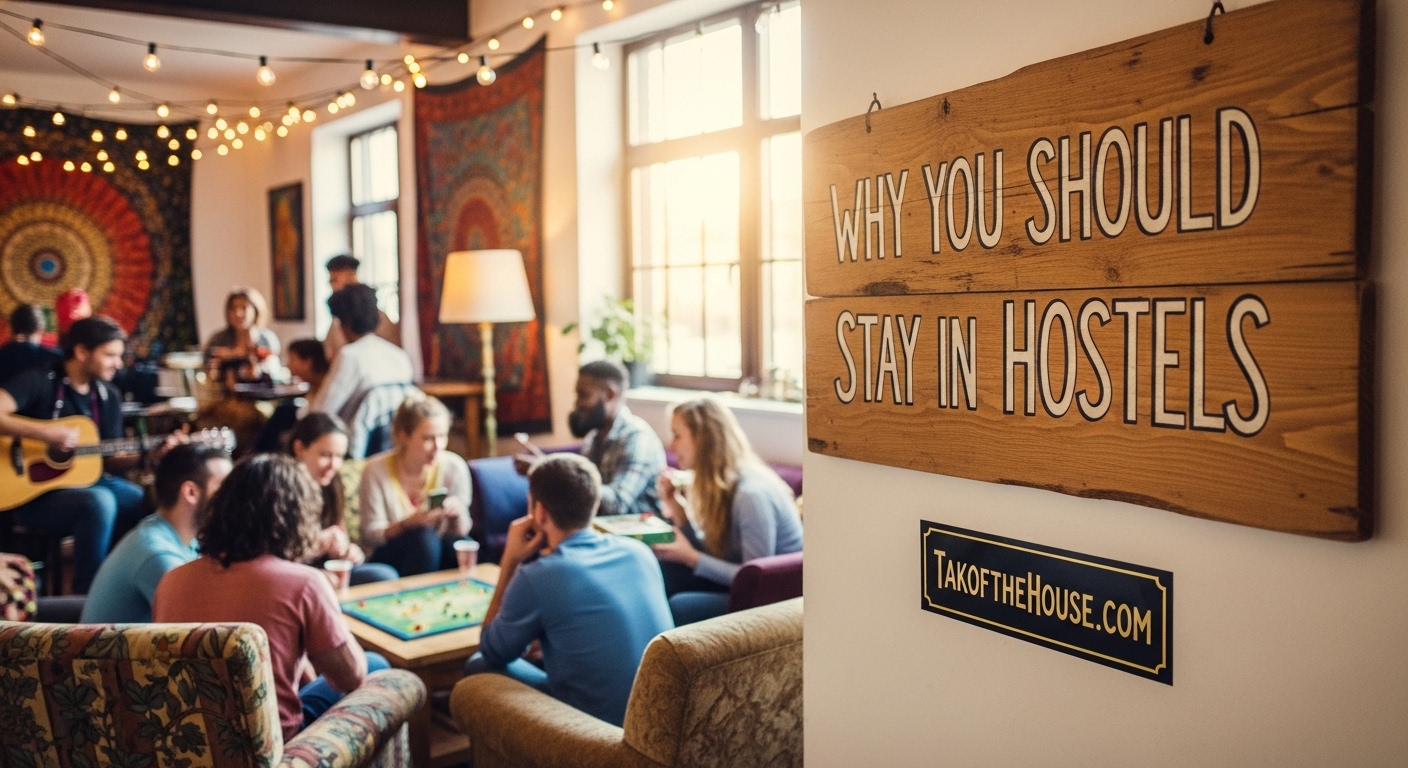
When I tell people I regularly stay in hostels during my travels, I often get the same surprised reactions. “Aren’t those just for college students?” or “Weren’t you worried about bed bugs?” These questions reveal a major misconception about modern hostels that I want to address head-on.
Here’s what I’ve learned after years of hostel stays across three continents: hostels have evolved dramatically, and they offer benefits that even luxury hotels cannot match. Whether you are a solo traveler seeking connection, a budget-conscious explorer, or someone who simply wants a more authentic travel experience, hostels deserve your consideration.
In this guide, I will walk you through the real reasons why you should stay in hostels, address common concerns, and help you understand whether a hostel fits your travel style. By the end, you will have a clear picture of what makes hostel stays worthwhile and how to find the right one for your needs.
Table of Contents
Save Money Without Sacrificing Experience
Let us start with the most obvious benefit: your wallet. Accommodation typically consumes the largest portion of any travel budget, and hostels can dramatically reduce this expense. A bed in a shared dormitory room often costs between $15 and $40 per night, depending on location and season. Compare this to even modest hotels, which frequently start at $80 or more in the same areas.
These savings compound quickly. When I spent two weeks in Lisbon last year, choosing a hostel over a hotel saved me roughly $700 total. That money went directly toward extra experiences, better meals, and a side trip to Sintra that I would have otherwise skipped. For longer trips, the math becomes even more compelling.
Beyond the bed itself, hostels help you save on food. Most hostels include fully equipped kitchens where guests can cook their own meals. This is a game-changer for budget travelers. Eating out for every meal quickly drains your funds, but picking up groceries and preparing simple dishes keeps costs manageable while often providing a more authentic local experience.
Many hostels also offer free breakfast, which further reduces daily expenses. Some even maintain “free food shelves” where guests leave ingredients they no longer need. This culture of sharing among travelers creates unexpected kindnesses that enrich the experience.
Meet Fellow Travelers from Around the World
The social atmosphere sets hostels apart from every other accommodation type. When you stay in a hostel, you are not just renting a bed. You are joining a temporary community of people from vastly different backgrounds, all united by the spirit of travel.
Common areas exist specifically to facilitate this connection. Spacious lounges with comfortable seating encourage strangers to become friends over shared stories and travel tips. Rooftop terraces provide stunning backdrops for evening conversations. Some hostels feature on-site bars that naturally foster camaraderie among guests.
Organized activities amplify these opportunities. Many hostels host free walking tours, pub crawls, movie nights, or cooking classes. These events serve as ice breakers, making it easy to meet people without the awkwardness of approaching strangers in other settings. I have made lifelong friends through hostel-organized pub crawls in Berlin and group hiking trips in Patagonia.
Solo travelers benefit most from this social structure. Traveling alone does not mean being lonely. The hostel environment naturally creates opportunities for connection, and fellow guests often become travel companions for day excursions or even longer stretches of a journey. Countless travelers, myself included, have found their trip partners in hostel common rooms.
Common Areas and Amenities That Enhance Your Stay
Modern hostels invest heavily in shared spaces that rival boutique hotels in appeal and functionality. Understanding what is available helps you maximize your stay and often explains why hostel culture feels so different from traditional accommodation.
Kitchens serve as the social hub of most hostels. These are not tiny motel kitchens but often spacious, well-equipped spaces where travelers gather to cook, share meals, and exchange stories. Full-size refrigerators, stovetops, and ample counter space make meal preparation convenient. Many friendships begin at the kitchen table.
Beyond kitchens, hostels typically offer lounges with comfortable seating, television areas, and sometimes game rooms with pool tables or board games. Rooftop terraces have become increasingly common, providing stunning views and fresh air. Some hostels feature on-site bars that create natural gathering spots for evening socializing.
Practical amenities deserve mention too. Free high-speed Wi-Fi has become standard, essential for digital nomads and anyone needing to stay connected. Secure lockers allow guests to protect valuables without carrying everything on excursions. On-site laundry facilities, often available for a small fee, keep packing light and travel manageable.
Many hostels also provide free city maps, book exchanges where you can leave and take books, and tour booking services. Some organize community dinners, language exchanges, or local cultural events. These offerings transform a simple bed into a comprehensive travel resource.
Room Types for Every Travel Style
A common misconception assumes hostels only offer shared dormitory sleeping. In reality, most hostels provide multiple room configurations to accommodate different preferences and budgets. Understanding these options helps you choose the right setup for your needs.
Dormitory rooms remain the most affordable option, typically sleeping 4 to 20 guests in bunk bed arrangements. These rooms can be mixed-gender or single-sex, depending on your comfort level. While privacy is limited, the significantly lower cost makes dorms ideal for short stays or extremely budget-conscious travelers.
Private rooms within hostels offer a compelling middle ground. These rooms provide the privacy of a hotel room with hostel-style common areas and social atmosphere. Prices fall between dorm rates and traditional hotel costs. Many travelers discover this option provides the best of both worlds, especially for couples or those seeking more restful sleep.
Family rooms and female-only dorms address specific needs. Families traveling together can find hostels with private family rooms, making budget travel accessible to parents with children. Female-only dorms offer additional comfort and privacy for women travelers who prefer them.
Some upscale hostels now offer premium private suites with en-suite bathrooms, quality linens, and hotel-level finishes. These options demonstrate how the hostel industry has evolved to serve diverse market segments beyond traditional backpackers.
Staff Knowledge and Local Insider Tips
Hostel staff members frequently become unsung heroes of my travels. Unlike hotel employees who may follow scripts, hostel staff often consist of travelers themselves, people who genuinely love exploration and sharing discoveries with others.
These team members possess deep local knowledge that extends far beyond tourist brochures. They can recommend restaurants that locals frequent, warn you away from overpriced attractions, and suggest hidden gems that guidebooks have not yet discovered. When I stayed at a hostel in Barcelona, the night manager pointed me toward a tiny tapas bar that became the highlight of my trip, a place I never would have found alone.
Beyond recommendations, hostel staff assist with practical matters. They can book tours, arrange transportation, and provide honest assessments of local tour operators. Their commission-free booking services often secure better deals than third-party websites. Many staff members speak multiple languages, enabling them to help travelers from diverse backgrounds.
The best hostel interactions feel like receiving advice from a knowledgeable friend rather than service from a transactional employee. This personal touch creates memorable experiences and builds genuine connections that transform ordinary stays into meaningful encounters.
Addressing Common Hostel Concerns
I understand that hostels raise legitimate questions for first-time visitors. Let me address the concerns I hear most frequently with honest, practical information.
Safety and Security
Safety concerns top most people’s list, and they deserve thoughtful answers. Most hostels provide secure entry systems with key card access to rooms and common areas. Inside dorms, individual lockers allow guests to store laptops, cameras, passports, and other valuables securely. Bringing your own lock is advisable, though many hostels also rent or sell locks at the front desk.
Modern hostels invest significantly in security infrastructure. Surveillance cameras monitor common areas. Nighttime staff or security personnel provide additional oversight. While no accommodation can guarantee absolute safety, reputable hostels maintain security standards that rival many hotels.
Age Diversity
The assumption that hostels cater exclusively to young backpackers could not be further from reality. In my recent hostel stays, I have encountered retirees, digital nomads, career professionals on vacation, and families with children. The average age at many hostels has risen steadily as more travelers discover their benefits.
At 27, or even older, you are certainly not too old for hostels. Many travelers in their thirties, forties, and beyond prefer hostel social atmospheres while opting for private rooms. Age diversity actually enriches the experience, exposing you to perspectives and stories from people at different life stages.
Bed Bugs and Cleanliness
Bed bug anxiety persists despite being largely overblown. While any accommodation hosting many transient guests faces some pest pressure, reputable hostels implement regular professional pest control. Reading recent reviews on Hostelworld or Booking.com quickly reveals any property with persistent pest issues.
Cleanliness standards vary, but most hostels maintain rigorous cleaning schedules for common areas and shared bathrooms. Private rooms typically meet hotel-level cleanliness expectations. Checking review photographs and recent guest feedback helps set accurate expectations before booking.
Noise and Privacy
Noise represents a legitimate consideration in shared dorms. Snoring, late-night arrivals, and early departures can disrupt sleep. Earplugs solve most noise issues effectively. Private rooms eliminate this concern entirely, offering peaceful rest between social interactions.
Privacy in dorms means limited to nonexistent. If privacy is essential, private hostel rooms provide a comfortable middle ground. Curtains on bunk beds offer individual privacy within shared rooms at many modern hostels.
Frequently Asked Questions
Why would anyone stay in a hostel?
Staying in hostels offers significant cost savings, unique social opportunities to meet fellow travelers, access to well-equipped common areas like kitchens and lounges, and insider local knowledge from staff. Hostels provide a more authentic, community-oriented travel experience that traditional hotels cannot match.
Is 27 too old for hostels?
No, 27 is absolutely not too old for hostels. The average hostel guest age has increased significantly, with many travelers in their thirties, forties, and beyond choosing hostels for their social atmosphere. Private rooms make hostels accessible to travelers of any age who want community benefits without shared sleeping arrangements.
Do all hostels have bed bugs?
No, not all hostels have bed bugs. While any accommodation hosting many guests faces some pest risk, reputable hostels implement regular professional pest control. Reading recent reviews before booking helps identify any property with persistent issues. Bringing basic precautions like a lightweight sleep sheet and checking mattress seams upon arrival provides additional peace of mind.
What are the disadvantages of staying in hostels?
Main disadvantages include limited privacy in shared dorms, potential noise disruptions from other guests, shared bathroom facilities in some hostels, and the possibility of encountering bed bugs at poorly maintained properties. Private rooms within hostels mitigate most concerns while retaining the social benefits.
Give Hostels a Try on Your Next Trip
After reading this guide, I hope you feel equipped to make an informed decision about hostel stays. The question “why should you stay in hostels?” has a compelling answer that applies to nearly every traveler, regardless of age, budget, or travel style.
Hostels offer a unique combination of financial savings, social connection, authentic local experiences, and community atmosphere that no other accommodation type can replicate. Whether you spend your entire trip in dorms or opt for private rooms, you will discover a travel culture that transforms how you experience new destinations.
My recommendation: on your next trip, book one hostel for at least a portion of your stay. Choose a highly-rated property with excellent reviews, bring an open mind, and see what happens. You might find that the best memories from your trip came not from museums or landmarks but from conversations shared over hostel kitchen tables.