
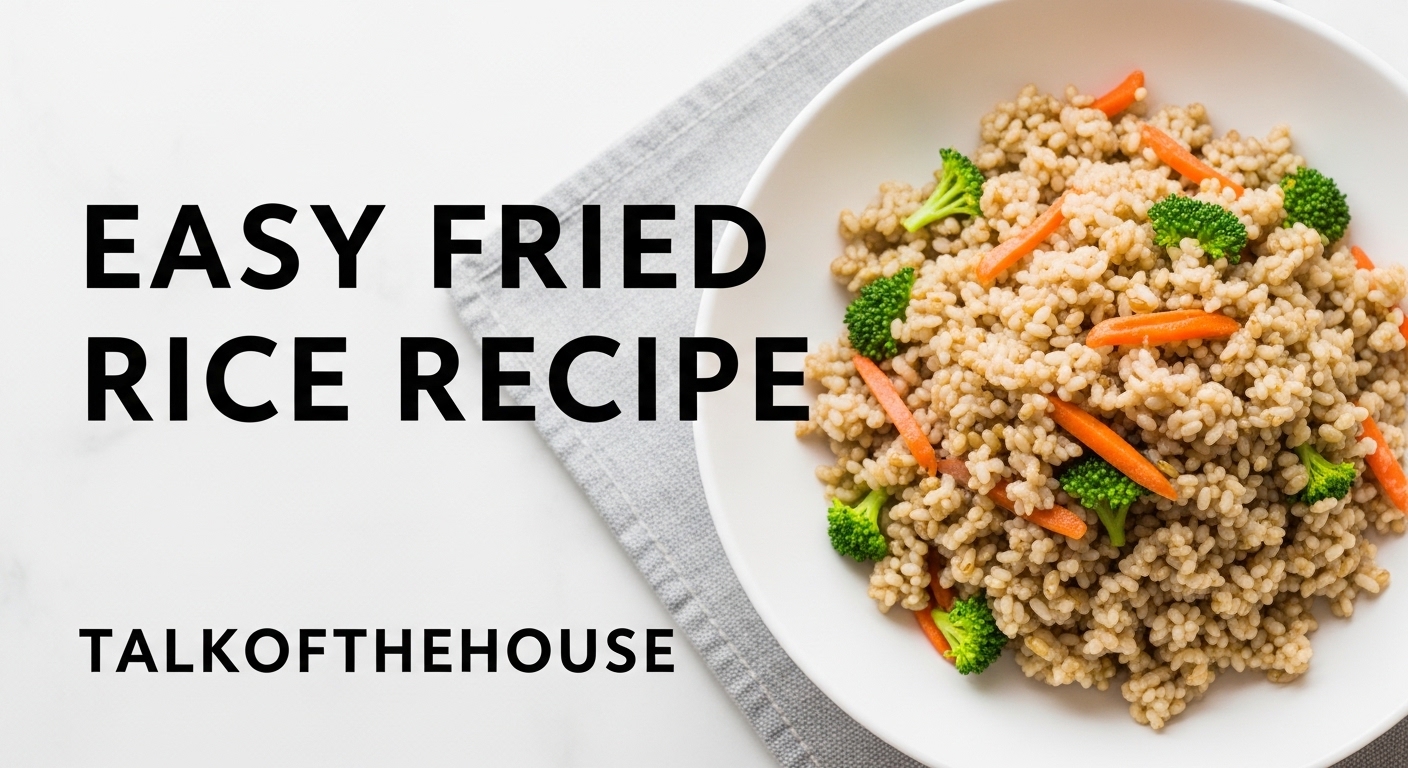
I have been making this fried rice recipe at least once a week for the past five years. It started as a way to use up leftover rice from our weekend Chinese takeout, but it quickly became our family’s most requested quick dinner. The beauty of homemade fried rice is that it takes just 15 minutes from start to finish, uses ingredients you probably already have, and tastes better than most restaurant versions.
This fried rice recipe works because it follows the same principles that Chinese restaurants have used for generations. Cold day-old rice is the foundation. High heat creates that signature texture. And a simple combination of soy sauce, sesame oil, and oyster sauce delivers complex flavor without overwhelming the dish. I will walk you through every step, share the techniques I learned from testing dozens of batches, and give you all the variations you need to make this recipe your own.
Table of Contents
Why This Fried Rice Recipe Works
There are three non-negotiable elements that separate average fried rice from the kind you crave. I learned these through trial and error, and once I got them right, my fried rice went from mushy and bland to restaurant-quality every single time.
Cold, day-old rice is essential. Freshly cooked rice contains too much moisture. When you fry it, the grains stick together and create a gummy, clumpy mess. Day-old rice that has been refrigerated overnight dries out on the surface. This allows each grain to fry separately and develop that perfect slightly-crispy exterior while staying tender inside.
High heat is non-negotiable. Fried rice needs to cook fast. A screaming hot wok or skillet creates what Chinese cooks call wok hei – that slightly smoky, charred flavor that defines great stir-fry. If your pan is not hot enough, the rice steams instead of fries, and you end up with soggy results.
The sauce ratio matters more than you think. Too much soy sauce makes fried rice salty and wet. Too little leaves it bland. The right balance of soy sauce, oyster sauce, and sesame oil creates depth without drowning the rice. I will give you the exact measurements that work every time.
Key Ingredients for the Best Fried Rice
Great fried rice starts with quality ingredients, but you do not need anything fancy. Here is what you need and why each component matters.
The Rice
Use 3 cups of cooked day-old jasmine rice. Jasmine rice has a slightly floral aroma and cooks up fluffy with separate grains. Long-grain white rice works well too. Short-grain rice is stickier and can work, but it requires a gentler hand when stirring.
What if you do not have day-old rice? Spread freshly cooked rice on a baking sheet and refrigerate uncovered for at least 30 minutes. The cold air removes surface moisture. You can also use the freezer method – spread rice on a plate and freeze for 15 minutes.
The Aromatics
Two cloves of minced garlic and two green onions form the aromatic base. Garlic adds pungent depth. Green onions contribute fresh, sharp flavor and a pop of color. Chop the white parts finely for cooking, and slice the green parts for garnish.
The Vegetables
One cup of frozen peas and carrots is the classic combination. They add color, sweetness, and nutrition. Do not thaw them first – the ice crystals help cool the pan slightly and prevent burning. You can also use fresh diced vegetables, but add them a minute earlier to ensure they cook through.
The Protein
Two large eggs are traditional and add richness. Beat them lightly with a pinch of salt. Push the rice aside in the pan, scramble the eggs in the empty space, then mix everything together. This technique keeps the eggs fluffy and distinct rather than coating every grain.
The Fats
Use 2 tablespoons of neutral oil with a high smoke point – vegetable, canola, or peanut oil work perfectly. Add 1 tablespoon of butter at the end for richness. This combination gives you the high-heat performance you need plus the creamy finish that makes restaurant fried rice so addictive.
The Sauces
Two tablespoons of soy sauce provides salt and umami. One tablespoon of oyster sauce adds depth and subtle sweetness. One teaspoon of toasted sesame oil delivers that unmistakable nutty aroma. White pepper adds gentle heat without dark specks – black pepper works if that is what you have.
Fried Rice Recipe: Step-by-Step Instructions
This recipe serves 4 as a side dish or 2 as a main course. Total time is 15 minutes. Have all ingredients prepped before you start – once the pan is hot, everything moves fast.
Step 1: Prep Everything First
Measure your sauces into a small bowl and stir to combine. Mince the garlic. Slice the green onions, keeping whites and greens separate. Beat the eggs with a pinch of salt. Break up any clumps in your cold rice with your fingers – each grain should be separate.
Step 2: Heat Your Pan
Place a large non-stick skillet or wok over high heat. Let it preheat for 2 full minutes. The pan should be smoking slightly before you add oil. A properly heated pan is what creates that crispy, slightly charred texture.
Step 3: Cook the Aromatics
Add 2 tablespoons of oil to the hot pan. Swirl to coat. Add the minced garlic and white parts of the green onions. Stir constantly for 30 seconds until fragrant. Do not let the garlic brown – it turns bitter quickly.
Step 4: Add the Rice
Add the cold rice all at once. Spread it across the pan in an even layer. Let it sit undisturbed for 1 minute. This creates crispy bits. Then stir vigorously, breaking up any clumps, for 2 minutes. The rice should be lightly golden in spots.
Step 5: Scramble the Eggs
Push the rice to one side of the pan, creating a clear space. Add a tiny drop of oil to the empty space. Pour in the beaten eggs. Let them set for 10 seconds, then scramble with your spatula until just set but still soft. This takes about 30 seconds total.
Step 6: Add Vegetables and Sauce
Mix the scrambled eggs into the rice. Add the frozen peas and carrots directly from the freezer – no need to thaw. Pour your pre-mixed sauce over everything. Stir constantly for 2 minutes until the vegetables are heated through and the rice is evenly coated.
Step 7: Finish with Butter and Garnish
Turn off the heat. Add 1 tablespoon of butter and toss until melted and glossy. The butter adds richness and helps the sauce cling to each grain. Sprinkle the green onion tops over the top. Taste and adjust seasoning – add a pinch more salt if needed.
Step 8: Serve Immediately
Fried rice is best served hot, straight from the pan. The crispy texture fades as it sits. Portion into bowls and add extra green onions or a drizzle of sesame oil if desired.
Tips for the Best Fried Rice Every Time
After making hundreds of batches, these are the techniques that make the biggest difference.
- Use a large pan. Crowding leads to steaming. Your rice needs room to fry. Use at least a 12-inch skillet for 3 cups of rice. A wok is ideal because the high sides let you toss without spilling.
- Do not stir constantly at first. Let the rice sit undisturbed for a minute after adding it to the pan. This creates crispy, caramelized bits that add texture and flavor. Then stir vigorously.
- Add sauce to the pan, not the rice. Pouring sauce directly onto cold rice makes it clump. Adding it to the hot pan where it can sizzle and reduce slightly prevents soggy results.
- Cook in batches if doubling. Making more than 4 cups of rice? Cook in two batches. Overcrowding destroys the texture you are working for.
- Finish with cold butter. Adding butter at the end, off the heat, creates a glossy coating without breaking the sauce. This is the secret to that restaurant sheen.
Variations and Add-Ins
Once you master the base recipe, the variations are endless. Here are my favorite ways to customize this fried rice recipe.
Chicken Fried Rice
Add 1 cup of diced cooked chicken. Stir it in with the rice in Step 4 to heat through. Rotisserie chicken works perfectly. Cut it into small pieces so it distributes evenly.
Shrimp Fried Rice
Use 8 ounces of raw shrimp, peeled and deveined. Cook them in the hot pan before the garlic, just until pink – about 2 minutes. Remove and set aside. Add back with the vegetables in Step 6.
Kimchi Fried Rice
Replace half the oil with kimchi juice. Add 1 cup of chopped kimchi with the rice. Top with a fried egg and extra kimchi. The fermented flavor is incredible.
Vegetable Fried Rice
Load up on vegetables. Add diced bell peppers, mushrooms, or snap peas. Cook hard vegetables like carrots before adding softer ones like zucchini. Frozen edamame is a great protein boost for vegetarian versions.
Bacon or Spam Fried Rice
Cook 4 slices of diced bacon or 1 cup of diced Spam until crispy. Use the rendered fat to cook the rice instead of oil. The smoky, salty flavor is addictive.
Tofu Fried Rice (Vegetarian)
Use extra-firm tofu, pressed and cubed. Fry in hot oil until golden before adding other ingredients. The texture contrasts beautifully with the soft rice.
What to Serve With Fried Rice
Fried rice is versatile. It works as a side dish, a main course, or part of a larger spread.
- As a main course: Add your protein of choice directly to the rice. Serve with a simple cucumber salad dressed with rice vinegar and sesame seeds. A bowl of hot and sour soup on the side makes a complete meal.
- As a side dish: Pair with General Tso’s chicken, beef and broccoli, or sweet and sour pork. The rice balances rich, saucy mains. Serve alongside egg rolls or potstickers for an appetizer spread.
- For breakfast: Top with a fried egg and a dash of hot sauce. Add breakfast sausage or bacon. It is surprisingly good with coffee.
Storage and Reheating Instructions
Fried rice stores well and reheats beautifully. Here is how to handle leftovers.
- Refrigerator storage: Cool completely, then transfer to an airtight container. Store for up to 4 days. The rice actually improves as the flavors meld.
- Freezer storage: Freeze in individual portions for up to 3 months. Wrap tightly in plastic wrap, then place in a freezer bag. Thaw overnight in the refrigerator before reheating.
- Reheating method: The microwave works in a pinch, but a hot skillet is best. Heat 1 teaspoon of oil in a pan over medium-high heat. Add the cold fried rice and stir until heated through and slightly crispy – about 5 minutes. Add a splash of water if it seems dry.
Frequently Asked Questions About Fried Rice
What is the secret to a good fried rice?
The secret to good fried rice is using cold, day-old rice that has been refrigerated overnight. The chilling process dries out the surface moisture, allowing each grain to fry separately instead of clumping together. High heat is equally important – a smoking hot pan creates the crispy texture and slight char that defines restaurant-quality fried rice.
What are the best ingredients for fried rice?
The best fried rice ingredients are cold day-old jasmine rice, neutral oil with a high smoke point, soy sauce, toasted sesame oil, oyster sauce, eggs, garlic, green onions, and frozen peas and carrots. Butter added at the end creates richness. Each ingredient serves a specific purpose – the sauces provide umami depth, sesame oil adds nutty aroma, and eggs contribute protein and richness.
What’s the secret ingredient in Chinese fried rice?
The secret ingredient that gives Chinese fried rice its distinctive flavor is oyster sauce. This thick, brown condiment adds depth, subtle sweetness, and savory umami that elevates the dish beyond simple soy sauce. Toasted sesame oil added at the end is another secret weapon – its intense nutty aroma makes fried rice taste authentic and restaurant-quality.
What gives Chinese fried rice its flavor?
Chinese fried rice gets its flavor from a combination of toasted sesame oil, soy sauce, and oyster sauce. The high-heat cooking method also contributes – a hot wok or skillet creates slight caramelization on the rice grains. Aromatics like garlic and green onions build the flavor base, while a pat of butter at the end adds richness and helps the sauce coat each grain evenly.
Can I use fresh rice to make fried rice?
Fresh rice does not work well for fried rice because it contains too much moisture and will turn mushy. If you only have fresh rice, spread it on a baking sheet and refrigerate uncovered for at least 30 minutes, or freeze for 15 minutes. This removes surface moisture so the grains can fry properly instead of steaming and clumping together.
Why does my fried rice turn out soggy?
Soggy fried rice usually happens for three reasons: using fresh rice instead of day-old cold rice, overcrowding the pan which causes steaming instead of frying, or adding too much sauce at once. Fix this by ensuring your rice is cold and dry, using a large pan with plenty of room, and adding sauce gradually while stirring constantly over high heat.
Make This Fried Rice Recipe Your Own
This fried rice recipe is my go-to for busy weeknights, weekend brunches, and everything in between. Once you understand the basic technique – cold rice, hot pan, balanced sauce – you can adapt it endlessly. The recipe scales up or down easily. The ingredients flex based on what you have in your refrigerator.
I encourage you to try it exactly as written first, then start experimenting with your favorite add-ins. The foundation will not let you down. Whether you are feeding a family, meal prepping for the week, or just craving something better than takeout, this fried rice recipe delivers every single time.
What variation will you try first? Drop a comment and let me know how your batch turns out.