
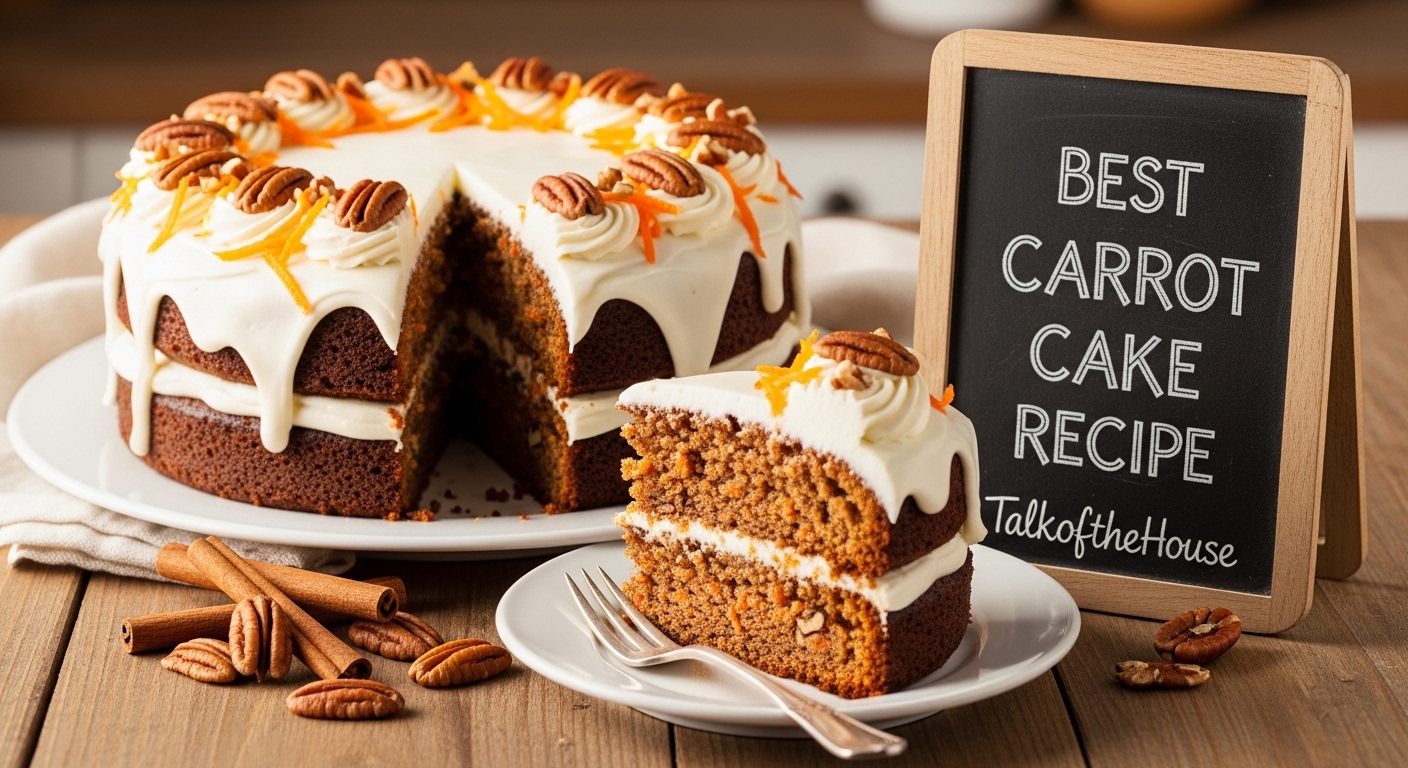
I have baked this carrot cake at least fifty times over the past decade. It started as my grandmother’s recipe, scribbled on a stained index card, and has evolved into what our family now calls “the only carrot cake worth eating.” Every Easter, every birthday, every spring brunch—this is the cake that gets requested.
After testing dozens of variations and reading hundreds of forum discussions where home bakers shared their struggles, I can tell you exactly why most carrot cake recipes disappoint. They are either too dry, too dense, or overwhelmed by spices that mask the delicate sweetness of fresh carrots. The best carrot cake recipe balances moisture, texture, and flavor in a way that keeps people reaching for seconds.
In this guide, you will learn how to make a carrot cake with a tender crumb, the perfect cream cheese frosting, and all the secrets that separate bakery-quality results from amateur attempts. Whether you are baking for Easter Sunday, a birthday celebration, or simply because you are craving something special, this recipe delivers every single time.
Table of Contents
What Makes This The Best Carrot Cake
The secret to an exceptional carrot cake lies in understanding how each ingredient contributes to the final texture and flavor. This is not a cake that relies on butter for richness. Instead, it uses a combination of oil, applesauce, and brown sugar to create a crumb that stays moist for days.
The Moisture Trinity
Three ingredients work together to create that signature moist carrot cake texture everyone craves:
- Vegetable oil keeps the crumb tender and prevents the dryness that butter-based cakes often develop after a day or two.
- Unsweetened applesauce adds moisture without making the cake heavy, and it allows us to use less oil while maintaining richness.
- Brown sugar contains molasses, which attracts moisture and creates that deep caramel flavor that makes carrot cake so distinctive.
Why Freshly Grated Carrots Matter
I learned this lesson the hard way. Pre-shredded carrots from the grocery store are dry, thick, and coated with preservatives that prevent them from releasing moisture into your batter. Freshly grated carrots, on the other hand, are moist, fine, and blend seamlessly into the cake. Use the fine side of a box grater or a food processor with the shredding attachment. Your carrots should be almost fluffy when you are done.
The Spice Balance
Many recipes go overboard with cinnamon, nutmeg, and cloves, creating a spice cake with carrots rather than a carrot cake with spice. This recipe uses a measured blend that enhances without overwhelming. The carrots should be the star. The spices are merely supporting actors.
Ingredients You’ll Need
Quality matters in baking. Use fresh spices, real vanilla extract, and block-style cream cheese for your frosting. The small details separate good carrot cake from the best carrot cake recipe you will ever taste.
For the Cake
- 2 cups (260g) all-purpose flour, spooned and leveled
- 2 teaspoons baking powder
- 1 teaspoon baking soda
- 1 teaspoon ground cinnamon
- 1/2 teaspoon ground ginger
- 1/4 teaspoon ground nutmeg
- 1/2 teaspoon salt
- 3/4 cup (180ml) vegetable oil
- 1/2 cup (120ml) unsweetened applesauce
- 1 1/2 cups (300g) packed light brown sugar
- 3 large eggs, room temperature
- 2 teaspoons pure vanilla extract
- 3 cups (300g) freshly grated carrots (about 6 medium carrots)
- 1 cup (120g) chopped pecans or walnuts, toasted
For the Cream Cheese Frosting
- 8 ounces (226g) full-fat brick cream cheese, room temperature
- 1/2 cup (115g) unsalted butter, room temperature
- 4 cups (480g) powdered sugar, sifted
- 1 teaspoon pure vanilla extract
- Pinch of salt
Ingredient Notes and Substitutions
Oil: Any neutral-flavored oil works. I prefer vegetable or canola, but melted coconut oil is a delicious variation that adds subtle richness.
Nuts: Toasted pecans are my personal favorite for their buttery flavor, but walnuts are equally traditional. Toast your nuts in a 350°F oven for 8-10 minutes before chopping. This step is non-negotiable for the best flavor.
Cream Cheese: Do not use spreadable cream cheese from a tub. It contains too much water and will give you runny frosting. Always use brick-style, full-fat cream cheese.
How To Make The Best Carrot Cake
Carrot cake is forgiving, but technique still matters. Follow these steps in order, and resist the urge to overmix once the flour hits the wet ingredients. Overmixing develops gluten, which leads to a tough, dense cake rather than a tender one.
Step 1: Prepare Your Pans and Oven
Preheat your oven to 350°F (177°C). Grease two 9-inch round cake pans with butter or non-stick spray, line the bottoms with parchment paper circles, then grease the parchment. This three-layer protection ensures your cakes release perfectly.
Step 2: Mix the Dry Ingredients
In a medium bowl, whisk together the flour, baking powder, baking soda, cinnamon, ginger, nutmeg, and salt. Whisking aerates the flour and ensures the leavening agents and spices are evenly distributed. Set aside.
Step 3: Combine the Wet Ingredients
In a large bowl, whisk the oil, applesauce, and brown sugar until well combined. The mixture will look like thin caramel. Add the eggs one at a time, whisking well after each addition. Stir in the vanilla extract.
Step 4: Bring It All Together
Pour the dry ingredients into the wet ingredients. Using a rubber spatula or wooden spoon, fold together until just combined. A few streaks of flour are fine. You should see no major flour pockets, but do not beat or stir aggressively.
Step 5: Add Carrots and Nuts
Fold in the grated carrots and toasted nuts. The batter will be thick and chunky. This is exactly what you want. Divide the batter evenly between your prepared pans, smoothing the tops with your spatula.
Step 6: Bake to Perfection
Bake for 30-35 minutes, or until a toothpick inserted into the center comes out clean or with just a few moist crumbs. The cakes will be golden brown and spring back when lightly touched. Do not open the oven door before the 25-minute mark. Early temperature drops can cause sinking.
Step 7: Cool Completely
Let the cakes cool in their pans for 10 minutes. Then run a knife around the edges, invert onto a cooling rack, peel off the parchment, and flip right-side up. Cool completely before frosting. Warm cake will melt the cream cheese frosting into a mess.
Cream Cheese Frosting Recipe
The frosting is half the experience of a great carrot cake. This cream cheese frosting strikes the perfect balance between tangy and sweet, with a consistency that spreads beautifully and holds its shape.
Why Temperature Matters
Room temperature cream cheese and butter are essential. If your ingredients are too cold, you will have lumps. If they are too warm, your frosting will be soupy. Take them out of the refrigerator 30-60 minutes before you begin. The cream cheese should indent easily when pressed but still feel cool.
Making the Frosting
Beat the cream cheese and butter together on medium speed until completely smooth and fluffy, about 2-3 minutes. Scrape down the bowl and beaters. Add the powdered sugar one cup at a time, beating on low speed after each addition to prevent a sugar cloud. Once all sugar is incorporated, add the vanilla and salt. Beat on medium-high for 1-2 minutes until the frosting is light and spreadable.
Troubleshooting Frosting Issues
- Too thin: Add more powdered sugar, 1/4 cup at a time, until desired consistency is reached. Chill in the refrigerator for 15-20 minutes to firm up.
- Too thick: Add milk or cream, 1 teaspoon at a time, until the frosting spreads easily.
- Lumpy: Your cream cheese was too cold. Beat longer, or gently warm the bowl in a water bath while mixing.
Assembling and Frosting Your Cake
A beautifully frosted cake starts with preparation. Have your cakes completely cool, your frosting at spreadable consistency, and a rotating cake stand if you have one. A long serrated knife, offset spatula, and bench scraper are your best tools.
Leveling Your Cake Layers
If your cakes have domed tops, level them with a serrated knife before assembly. Place one hand flat on top of the cake and saw gently with the knife held parallel to your work surface. Save the cake scraps for snacking or cake pops.
The Crumb Coat
Place one cake layer on your serving plate or cake stand. Spread about 1 cup of frosting over the top in an even layer. Place the second layer on top, bottom side up for a flat surface. Apply a thin layer of frosting all over the cake—this is your crumb coat that seals in the loose crumbs. Refrigerate for 15-20 minutes to set the frosting.
Final Frosting and Decoration
Apply the remaining frosting smoothly over the cake. Use your offset spatula for the top and sides, then run a bench scraper around the sides for clean edges. For a rustic look, swirl the frosting with your spatula. Decorate with additional chopped nuts, edible flowers, or simply serve as is.
Pan Size Variations and Baking Times
This recipe adapts beautifully to different pan sizes. Here is exactly how to adjust baking times and ingredient distribution for perfect results every time.
- Two 9-inch round pans (standard): Bake 30-35 minutes at 350°F. This creates a classic layer cake perfect for special occasions.
- 9×13-inch pan: Pour all batter into a greased 9×13-inch pan. Bake 35-40 minutes at 350°F. This is ideal for potlucks and casual gatherings. Frost directly in the pan for easy serving.
- Bundt pan: Grease and flour a 10-cup Bundt pan thoroughly. Bake 45-50 minutes at 350°F. Cool in the pan for 15 minutes before inverting. A simple glaze works beautifully here instead of full frosting.
- 24 cupcakes: Line two muffin tins with paper liners. Fill each 2/3 full. Bake 18-20 minutes at 350°F. Frost with a swirl of cream cheese frosting. These are perfect for portion control and parties.
- Three 8-inch rounds: Divide batter among three pans for a taller, more elegant presentation. Bake 25-28 minutes at 350°F. This creates thinner layers that stack beautifully.
Success Tips and Common Mistakes
After years of baking this cake and troubleshooting alongside fellow bakers in online forums, I have identified the mistakes that trip people up most often. Here is how to avoid them.
Do Not Overmix the Batter
Once you add flour to wet ingredients, gluten development begins. Stir just until combined. Overmixed batter leads to dense, tough cake with a gummy texture. Fold gently and stop early rather than late.
The Toothpick Test Matters
Carrot cake is moist and brown, which makes it harder to judge doneness by color alone. Insert a toothpick into the center. It should come out clean or with a few moist crumbs. Wet batter means you need more time. A clean toothpick means perfect baking.
Use Room Temperature Eggs
Cold eggs can cause your batter to curdle or seize, creating an uneven texture. Set your eggs on the counter 30 minutes before baking, or place them in warm water for 5 minutes if you are short on time.
Never Skip Toasting the Nuts
Raw nuts taste flat and can become rubbery during baking. Toasted nuts add depth, crunch, and a flavor that makes people ask what your secret is. Eight to ten minutes at 350°F transforms them completely.
Avoid Pre-Shredded Carrots
The convenience is not worth the sacrifice. Pre-shredded carrots are thick, dry, and often treated with preservatives. Grate fresh carrots finely. Your cake will be noticeably more moist and have better texture.
Do Not Frost Warm Cake
Patience is a baking virtue. Frosting applied to even slightly warm cake will melt, slide, and soak into the crumb. Cool your layers completely. If you are in a hurry, refrigerate the wrapped cakes for 30 minutes to speed cooling.
Make-Ahead and Storage Instructions
One of the best features of this carrot cake recipe is how well it keeps. You can prepare components in advance, making it perfect for busy holidays and planned celebrations.
Making Cake Layers Ahead
Bake the cake layers up to two days in advance. Cool completely, wrap tightly in plastic wrap, then foil. Store at room temperature for one day or refrigerate for two days. The flavors actually improve as the spices meld.
Freezing Instructions
Unfrosted cake layers freeze beautifully for up to three months. Wrap each layer individually in plastic wrap, then foil, then place in a freezer bag. Thaw overnight in the refrigerator or at room temperature for 3-4 hours before frosting.
Cream cheese frosting can also be frozen for up to one month. Thaw overnight in the refrigerator, then re-whip briefly to restore consistency.
Storing the Frosted Cake
Because of the cream cheese frosting, store your finished cake in the refrigerator. Cover loosely with a cake dome or tent with foil. The cake stays fresh for up to five days, though it rarely lasts that long in my house.
For the best texture, let refrigerated slices sit at room temperature for 15-20 minutes before serving. Cold cream cheese frosting is firmer than intended.
FAQs
What’s the secret to a super moist carrot cake?
The secret is using a combination of vegetable oil, applesauce, and brown sugar. Oil keeps the crumb tender longer than butter, applesauce adds moisture without heaviness, and brown sugar’s molasses content attracts and holds moisture. Freshly grated carrots are also essential, as pre-shredded carrots are too dry.
What are common carrot cake mistakes?
The most common mistakes include overmixing the batter which creates a dense cake, using pre-shredded carrots that are too dry, frosting the cake while it is still warm, skipping the nut toasting step, and underbaking because the brown color makes it hard to judge doneness. Always use the toothpick test to verify your cake is fully baked.
Are walnuts or pecans better in carrot cake?
Both work beautifully, and the choice is personal preference. Pecans have a sweeter, more buttery flavor, while walnuts are slightly more bitter and earthy. The most important factor is toasting whichever nut you choose, as raw nuts taste flat and can become rubbery during baking.
Can I make carrot cake ahead of time?
Yes, carrot cake is perfect for making ahead. Bake the layers up to two days in advance and store wrapped at room temperature or refrigerated. You can also freeze unfrosted layers for up to three months. The flavors actually improve over time as the spices meld together.
How do I know when carrot cake is done?
Use the toothpick test. Insert a wooden pick into the center of the cake. It should come out clean or with a few moist crumbs attached. Because carrot cake is naturally moist and brown in color, visual cues alone can be misleading. Most layer cakes take 30-35 minutes at 350°F.
How should I store carrot cake with cream cheese frosting?
Store frosted carrot cake in the refrigerator, covered with a cake dome or loosely tented with foil. The cream cheese frosting requires refrigeration for food safety. The cake stays fresh for up to five days. Let slices sit at room temperature for 15-20 minutes before serving for the best texture.
Best Carrot Cake Recipe: Final Thoughts
This best carrot cake recipe has earned its place at our family table through years of birthdays, Easter celebrations, and spontaneous baking sessions. The combination of oil, applesauce, and brown sugar creates a cake that stays impossibly moist for days. The cream cheese frosting provides the perfect tangy counterpoint to the sweet, spiced crumb.
What I love most about this recipe is its reliability. Whether you are a seasoned baker or attempting your first layer cake, these instructions will guide you to success. Pay attention to the details—freshly grated carrots, room temperature ingredients, and the all-important toothpick test—and you will produce a cake that rivals any bakery version.
Bake this cake for your next special occasion, or simply because it is Tuesday and you deserve something wonderful. Slice it thick, share it generously, and watch faces light up with that first bite of perfectly moist, warmly spiced, cream cheese-frosted bliss.