
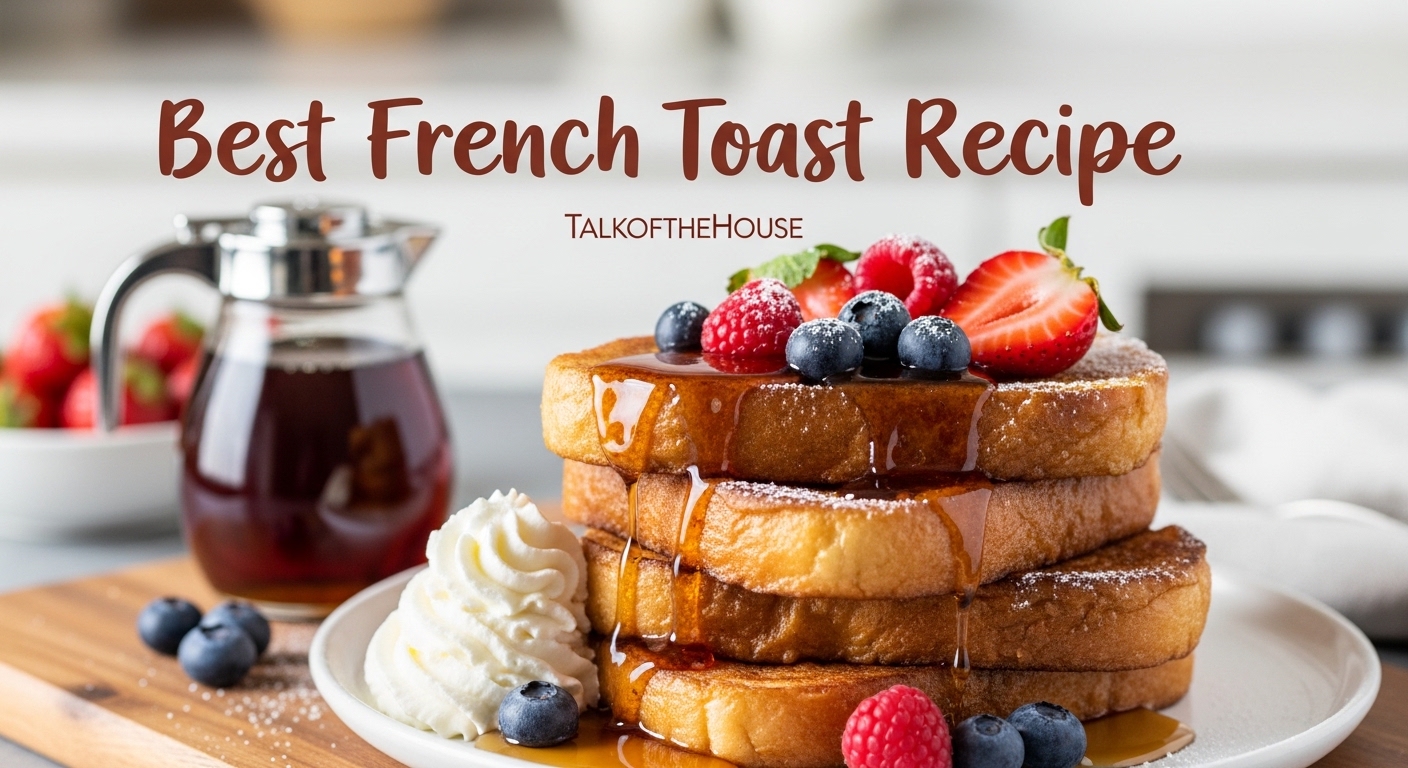
There is something magical about transforming simple ingredients into a breakfast that feels truly special. French toast has been gracing tables for centuries, and once you master this French toast recipe, you will understand why it remains a beloved morning tradition in homes around the world.
This is the French toast recipe you have been searching for. The centers are rich and custardy, the edges turn perfectly golden and crisp, and the flavor strikes that ideal balance between subtle sweetness and warm spice. Whether you are cooking for your family on a lazy Saturday morning or hosting a brunch for friends, this recipe delivers restaurant-quality results every single time.
Did you know French toast actually dates back to ancient Rome? The French call it pain perdu, meaning “lost bread,” because it was originally created as a way to revive stale bread that would otherwise go to waste. That practical origin story explains why day-old bread still makes the best French toast today.
Table of Contents
Ingredients for the Best French Toast
The secret to extraordinary French toast lies in the quality of your ingredients and understanding how they work together. Each component plays an essential role in creating that perfect texture and flavor.
What You Will Need
- 4 large eggs
- 1 cup whole milk (or half-and-half for extra richness)
- 2 tablespoons all-purpose flour (the secret ingredient)
- 2 tablespoons granulated sugar
- 1 teaspoon vanilla extract
- 1/2 teaspoon ground cinnamon
- 1/4 teaspoon salt
- 8 slices thick-cut bread (about 3/4 to 1 inch thick)
- 2 tablespoons butter
- 1 tablespoon vegetable oil
The flour is what sets this recipe apart from standard versions. Just two tablespoons create a thicker batter that clings to the bread, producing a custardy interior with crispy, golden edges. Do not skip this step.
The Milk to Egg Ratio Explained
For every egg, you want approximately 1/4 cup of liquid. This 4:1 ratio of eggs to milk creates the ideal custard consistency that soaks into the bread without making it soggy. Too much milk and your French toast becomes limp and wet. Too many eggs and the coating becomes rubbery rather than tender.
Choosing the Right Bread
Bread selection makes or breaks your French toast. You need a sturdy bread that can absorb the custard without disintegrating. Skip the thin sandwich bread and reach for something with substance.
Brioche is the gold standard for French toast. Its rich, buttery texture and tight crumb structure absorb custard beautifully while maintaining integrity. The slight sweetness complements the egg mixture perfectly.
Challah, the traditional Jewish egg bread, offers similar benefits with a slightly firmer texture and beautiful golden color. Its braided structure creates interesting edges when sliced.
Texas Toast and thick-cut French bread work wonderfully and are readily available at any grocery store. Look for bread sliced at least 3/4 inch thick.
Here is the most important tip about bread: use day-old or slightly stale bread. Fresh bread contains too much moisture and will become soggy when soaked. Leave your bread uncovered on the counter overnight, or place slices in a 200°F oven for 10 minutes to dry them out slightly before cooking.
How to Make French Toast
Follow these steps carefully, and you will achieve French toast that rivals any brunch restaurant. The key is patience and attention to visual cues.
Step 1: Prepare the Custard
In a large shallow dish or pie plate, whisk together the eggs, milk, flour, sugar, vanilla extract, cinnamon, and salt. Whisk until the flour is completely incorporated and no lumps remain. The mixture should be smooth and slightly thickened. Let it rest for 2 minutes while you prepare your cooking surface.
Step 2: Heat Your Cooking Surface
Place a large nonstick skillet or griddle over medium heat. If using an electric griddle, set it to 350°F. Let it preheat fully for about 3 minutes. A properly heated surface is essential for achieving that golden crust without burning.
Step 3: Soak the Bread
Working with 2 slices at a time, place the bread into the custard mixture. Let it soak for 15 to 20 seconds per side. The bread should absorb the liquid but not become saturated. You want the custard to penetrate without making the bread fall apart. Quickly flip and repeat on the other side.
Step 4: Cook to Golden Perfection
Add half the butter and half the oil to your preheated skillet. The combination of butter for flavor and oil for higher smoke point prevents burning. Swirl to coat the surface.
Transfer the soaked bread slices to the skillet. Cook for 2 to 3 minutes per side until deep golden brown. Resist the urge to flip too early. When the underside is properly cooked, the toast will release easily from the pan. If it sticks, give it another 30 seconds.
Step 5: Keep Warm and Serve
Transfer cooked French toast to a wire rack set over a baking sheet and place in a 200°F oven to keep warm while you cook the remaining slices. This prevents sogginess that happens when you stack hot French toast directly on a plate.
Serve immediately with your favorite toppings. This recipe yields 8 slices and serves 4 people generously.
Pro Tips for Perfect French Toast
After testing dozens of batches and incorporating wisdom from professional cooks, here are the techniques that make the biggest difference in your results.
Use the Butter and Oil Combination
Cooking with half butter and half vegetable oil gives you the best of both worlds. The butter provides rich, nutty flavor while the oil raises the smoke point and prevents the milk solids in butter from burning. This simple trick transforms your French toast from good to exceptional.
Do Not Over-Soak the Bread
The most common mistake home cooks make is saturating the bread too long. A quick 15 to 20 second dip per side is all you need. The custard should coat the exterior while the center remains slightly firm. Over-soaking leads to soggy, falling-apart French toast.
Control Your Heat
Medium heat is your friend. Too hot and the outside burns before the custard cooks through. Too cool and your toast turns pale and greasy. You want a gentle sizzle when the bread hits the pan. Adjust the heat as you cook to maintain this steady rhythm.
Press Gently for Even Browning
Use the back of your spatula to press down lightly on each slice while cooking. This ensures full contact with the cooking surface for even browning and helps create those desirable crispy edges.
Let It Rest on a Rack
Never stack hot French toast directly on a plate. The steam trapped between slices creates moisture that ruins the crispy exterior. A wire rack allows air circulation, preserving that perfect texture until you are ready to serve.
Add a Pinch of Nutmeg
For an extra dimension of warmth, add 1/8 teaspoon of freshly grated nutmeg to your custard. It complements the cinnamon beautifully and gives your French toast a subtle sophistication that guests will notice but may not be able to identify.
Rest Your Batter
Let your prepared custard rest for 5 minutes before dipping. This allows the flour to fully hydrate and the flavors to meld. The slight thickening that occurs helps the mixture adhere better to the bread.
Troubleshooting Common Problems
Even experienced cooks encounter issues occasionally. Here is how to fix the most common French toast problems.
Soggy Centers
If your French toast is wet inside, you are either soaking the bread too long or cooking at too low a temperature. Reduce soaking time to 10 seconds per side and increase your heat slightly. Make sure your bread is day-old rather than fresh.
Burnt Edges with Raw Centers
This indicates your heat is too high. Lower the temperature to medium-low and cook for a slightly longer time. Patience produces better results than rushing with high heat.
Bread Falling Apart
Your bread is either too thin, too fresh, or over-soaked. Switch to thicker slices, use day-old bread, and reduce soaking time. Brioche and challah hold up better than standard sandwich bread.
Pale, Greasy Texture
The cooking surface is not hot enough. Preheat thoroughly and do not add soaked bread until the butter sizzles gently when it hits the pan. Lower heat prevents proper caramelization.
Delicious Topping Ideas
The toppings you choose can transform basic French toast into a memorable meal. Here are our favorite combinations for every occasion.
Classic Toppings
- Warm maple syrup and a pat of butter
- Powdered sugar dusted through a sieve
- Fresh berries (strawberries, blueberries, raspberries)
- Sliced bananas with a drizzle of honey
Indulgent Options
- Whipped cream and chocolate shavings
- Salted caramel sauce with toasted pecans
- Nutella and sliced strawberries
- Lemon curd and fresh blueberries
- Apple butter with a sprinkle of cinnamon
Savory Variations
For a savory twist, skip the sugar and cinnamon in the custard. Add a pinch of black pepper instead. Top with:
- Sautéed mushrooms and Gruyère cheese
- Crispy bacon and maple drizzle
- Smoked salmon and crème fraîche
- Fried eggs and hot sauce
French Toast Variations
Once you master the basic French toast recipe, experiment with these creative variations to keep breakfast exciting.
Overnight French Toast Casserole
Tear bread into chunks and layer in a buttered 9×13 inch baking dish. Pour the custard over the top, cover, and refrigerate overnight. Bake at 350°F for 45 to 50 minutes until puffed and golden. This is perfect for holiday mornings when you want to minimize morning prep.
Stuffed French Toast
Spread two slices of bread with cream cheese and your favorite jam. Press them together like a sandwich, then dip and cook as usual. Slice diagonally to reveal the beautiful filling.
Cinnamon Sugar French Toast
Mix 1/2 cup granulated sugar with 2 tablespoons cinnamon. Immediately after cooking, while the toast is still hot, brush with melted butter and roll in the cinnamon sugar mixture. This creates a crackly, sweet coating similar to a churro.
Baked French Toast Sticks
Cut bread into 1-inch strips before dipping. Arrange on a greased baking sheet and bake at 400°F for 12 to 15 minutes, flipping halfway through. These are perfect for dipping and loved by children.
Make Ahead and Storage Instructions
French toast is best enjoyed immediately, but you can prepare components ahead to streamline busy mornings.
Prep Ahead Tips
Mix your custard the night before and store covered in the refrigerator. Give it a quick whisk before using. You can also slice and dry your bread overnight, leaving it uncovered on the counter.
Freezing Cooked French Toast
Cool cooked French toast completely on a wire rack. Place slices in a single layer on a baking sheet and freeze until solid, about 2 hours. Transfer to a freezer bag and store for up to 2 months.
Reheating Methods
For best results, reheat frozen or refrigerated French toast in a toaster oven or regular oven at 350°F for 5 to 8 minutes until warmed through and crispy. Avoid the microwave, which makes the texture rubbery and soft.
Frequently Asked Questions
What are the ingredients of French toast?
French toast requires eggs, milk, bread, and seasonings. The basic ingredients are 4 large eggs, 1 cup milk, 8 slices thick-cut bread, 1 teaspoon vanilla extract, 1/2 teaspoon cinnamon, 2 tablespoons sugar, and a pinch of salt. The addition of 2 tablespoons flour creates a thicker batter that produces the best texture. You will also need butter and oil for cooking.
What is the trick to French toast?
The trick to perfect French toast is using day-old bread that has dried slightly, adding a small amount of flour to your custard for better coating, cooking with a combination of butter and oil to prevent burning, and avoiding over-soaking the bread. A quick 15 to 20 second dip per side is sufficient. Cook over medium heat until golden brown on both sides.
What is the ratio of milk to eggs for French toast?
The ideal ratio is 1/4 cup of milk per egg. For this recipe using 4 eggs, you need 1 cup of milk. This 4:1 ratio creates the perfect custard consistency that coats the bread without making it soggy. You can substitute half-and-half or heavy cream for part of the milk to create a richer, more indulgent French toast.
Can diabetics have French toast?
Diabetics can enjoy French toast with some modifications. Use whole grain bread instead of white bread to increase fiber and reduce blood sugar impact. Replace sugar with a sugar substitute like monk fruit or stevia. Consider using unsweetened almond milk to lower carbohydrate content. Pair with protein like eggs or turkey sausage to balance the meal. Always monitor portion sizes and consult with your healthcare provider about how French toast fits into your specific meal plan.
The Best French Toast Recipe 2026 Summary
You now have everything you need to create French toast that rivals the best brunch restaurants. Remember the key principles: use day-old bread for structure, add flour to your custard for coating, cook with butter and oil for flavor and browning, and resist over-soaking.
This French toast recipe has become our family tradition for weekend breakfasts and special occasions alike. The custardy centers and crispy edges create a textural contrast that keeps everyone coming back for seconds. Whether you serve it simply with maple syrup or dress it up with fresh berries and whipped cream for guests, this recipe delivers every time.
Try this recipe 2026 and discover why French toast has remained a breakfast favorite for centuries. Once you taste the difference these techniques make, you will never settle for ordinary French toast again. Gather your ingredients this weekend and treat yourself to the best French toast you have ever made.