
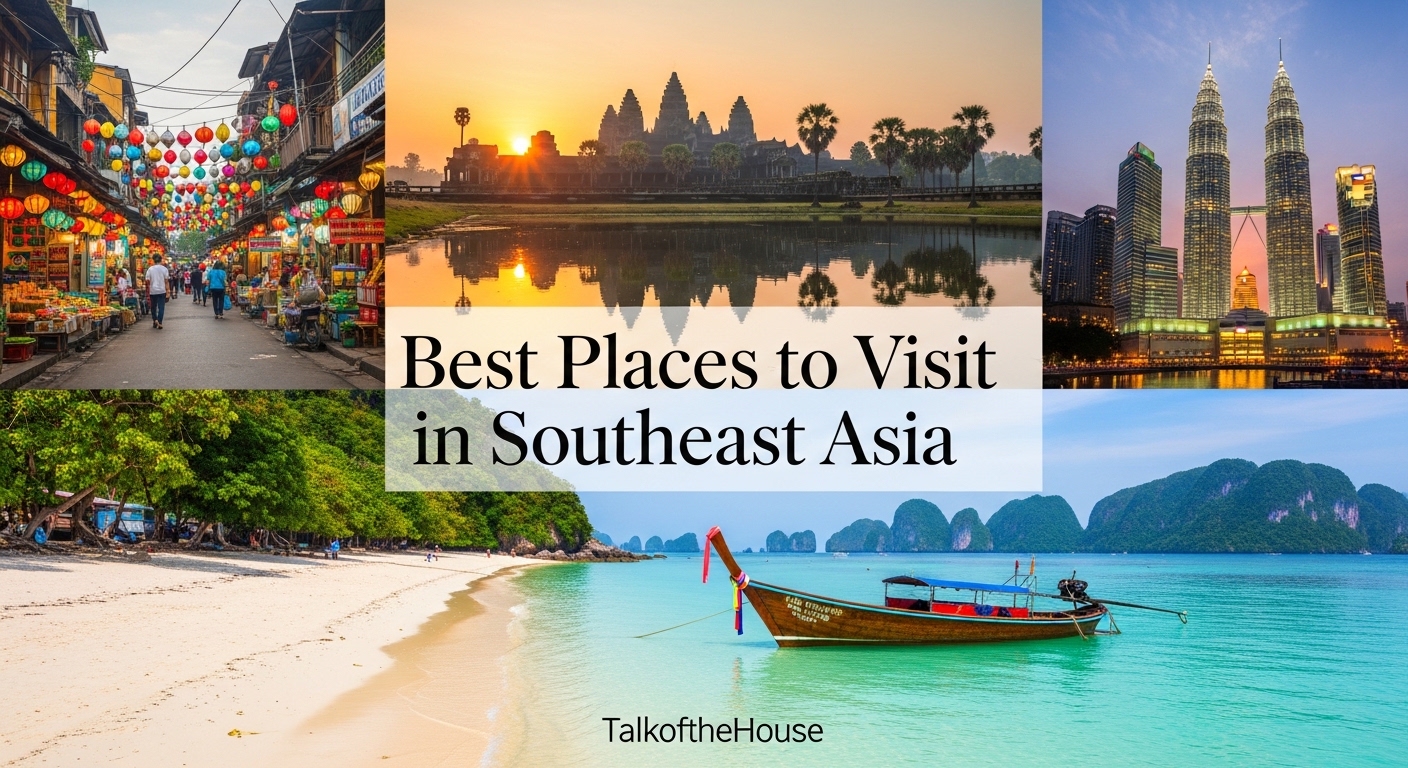
After spending months exploring Southeast Asia’s most captivating destinations, I’ve discovered that this region offers something truly unique for the discerning traveler. The best places to visit in Southeast Asia blend ancient traditions with modern luxury, creating experiences that satisfy both cultural curiosity and refined taste. Whether you’re drawn to the temple-dotted landscapes of Thailand, the colonial architecture of Vietnam, or the cutting-edge design of Singapore, this guide will help you curate an unforgettable journey.
For years, I’ve been curating travel experiences that go beyond the typical tourist trail. Southeast Asia has become my favorite region for discovering hidden design gems, world-class wellness retreats, and culinary traditions that have been perfected over centuries. This guide reflects my personal recommendations, tailored specifically for travelers who appreciate architecture, artisan craftsmanship, and the finer things in travel.
If you’re planning your next family vacation, many of these destinations also offer incredible experiences for travelers of all ages. Southeast Asia’s combination of cultural richness, natural beauty, and warm hospitality makes it perfect for creating lasting memories together.
Table of Contents
Quick Comparison: Southeast Asia by Interest
With eleven countries and countless islands to choose from, deciding where to go can feel overwhelming. Here’s my quick guide to matching your interests with the perfect destination:
| Destination | Best For | Architecture & Design | Wellness & Spas |
|---|---|---|---|
| Thailand | Temples, islands, hospitality | Bangkok’s temples, Jim Thompson heritage | World-class, especially Chiang Mai |
| Vietnam | Colonial charm, cuisine | Hoi An, French colonial Hanoi | Emerging wellness scene |
| Cambodia | Ancient temples, quiet culture | Angkor Wat, French colonial | Traditional massage, growing |
| Malaysia | Multicultural, diversity | Georgetown shophouses, modern KL | Traditional Malay treatments |
| Singapore | Design, food, cleanliness | Cutting-edge, heritage shophouses | Luxury spa destinations |
| Indonesia | Bali’s wellness culture | Bali villas, Javanese heritage | Global wellness capital |
| Philippines | Beaches, island hopping | Spanish colonial, emerging design | Resort-based wellness |
| Laos | Quiet, traditional culture | Luang Prabang UNESCO heritage | Traditional, less developed |
Thailand: Temples, Islands, and World-Class Hospitality
Thailand consistently tops my list of best places to visit in Southeast Asia for first-time visitors. The country has perfected the art of hospitality, offering everything from ancient temple complexes to some of the world’s most beautiful island escapes. What sets Thailand apart is how seamlessly it blends spiritual traditions with modern luxury.
Bangkok: Where Heritage Meets Modern Design
Bangkok surprised me with its sophisticated design scene. Beyond the famous temples like Wat Arun and the Grand Palace, the city has become a hub for contemporary architecture and world-class dining. I spent days exploring the Jim Thompson House, a museum dedicated to the American who revived Thailand’s silk industry. The traditional teak buildings set among tropical gardens offer endless inspiration for home design enthusiasts.
The city’s hospitality sector rivals any global capital. Michelin-starred street food vendors share neighborhoods with rooftop bars offering panoramic views of the Chao Phraya River. For architecture lovers, the contrast between glittering temples and sleek modern skyscrapers creates a visual feast that changes character throughout the day.
Chiang Mai: Northern Culture and Wellness Retreats
Chiang Mai moves at a different pace. This northern city sits in a valley surrounded by mountains and rice terraces, offering a more contemplative experience than bustling Bangkok. The old city moat encloses hundreds of Buddhist temples, many dating back to the Lanna Kingdom era with distinctive architectural styles.
I was particularly drawn to Chiang Mai’s wellness culture. The city has become a global center for yoga retreats, detox programs, and traditional Thai massage training. Luxury resorts like the Four Seasons and Rachamankha blend Northern Thai architectural elements with modern comforts, creating spaces that feel both authentic and indulgent.
The Nimmanhaemin district showcases Chiang Mai’s creative side, with independent boutiques selling handcrafted ceramics, textiles, and home decor. Saturday and Sunday walking streets transform the city center into an open-air market featuring artisan crafts and street food.
The Southern Islands: Paradise Refined
Thailand’s southern islands each offer distinct personalities. Phuket has matured into a sophisticated destination with luxury resorts like Amanpuri and Trisara setting the standard for tropical elegance. Krabi’s Railay Beach enchants with limestone cliffs and boutique hideaways accessible only by boat.
Koh Samui combines wellness culture with beach relaxation. The island’s detox retreats and spa resorts attract visitors seeking transformation along with their tan. For a quieter experience, I recommend the lesser-known islands of Koh Yao Noi or Koh Lanta, where luxury accommodations blend seamlessly with local fishing village life.
Vietnam: Colonial Architecture and Culinary Mastery
Vietnam captured my heart with its layered history and incredible food culture. The country’s French colonial past left an architectural legacy that feels distinctly European while remaining thoroughly Asian. From the lantern-lit streets of Hoi An to the limestone karsts of Ha Long Bay, Vietnam offers some of Southeast Asia’s most photogenic destinations.
Hoi An: A Living Museum of Design
Hoi An stands as Vietnam’s most beautiful town, and I don’t use that description lightly. This UNESCO World Heritage site preserves one of Southeast Asia’s best-preserved trading ports, with architecture reflecting Japanese, Chinese, and European influences. The old town’s yellow-walled merchant houses with wooden shutters create a cohesive aesthetic that feels like stepping into another century.
The town has become famous for its tailoring industry, with hundreds of shops creating custom clothing within 24 hours. I spent an afternoon watching master tailors transform silk fabric into perfectly fitted garments, appreciating the craftsmanship that has been passed through generations.
Hoi An excels at culinary experiences. The town’s cooking schools offer immersive classes in traditional Vietnamese cuisine, while evening food tours reveal the secrets of dishes like cao lau and white rose dumplings. The riverside restaurants glow with silk lanterns at night, creating dining atmospheres that are simply magical.
Hanoi: Coffee Culture and Colonial Grandeur
Vietnam’s capital city presents a more chaotic but equally charming experience. The French colonial architecture along boulevards like Trang Tien and Phan Dinh Phung recalls Parisian streetscapes, while the narrow lanes of the Old Quarter buzz with motorbikes and market vendors.
Hanoi’s coffee culture deserves special mention. The city takes its ca phe seriously, with countless cafes occupying historic buildings and hidden courtyards. Egg coffee, a local invention, tastes far better than it sounds – a rich, custard-like concoction that pairs perfectly with an afternoon of people-watching.
The city’s design scene is emerging rapidly. Contemporary art galleries cluster in the West Lake area, while furniture makers blend traditional Vietnamese joinery with modern aesthetics. For home decor enthusiasts, Hanoi offers unique opportunities to source lacquerware, ceramics, and silk textiles directly from artisans.
Ha Long Bay: Luxury on the Water
Ha Long Bay’s emerald waters and limestone islands create one of the world’s most dramatic seascapes. While the area can feel touristy, choosing the right experience transforms this into a highlight of any Vietnam trip. I recommend splurging on an overnight cruise aboard a traditional junk boat with a luxury operator like Paradise Cruises or The Au Co.
These vessels feature design-forward cabins, gourmet dining, and small group sizes that allow access to quieter corners of the bay. Kayaking through hidden lagoons and swimming in secluded coves provides the adventure, while returning to a candlelit dinner on deck satisfies the desire for refined experiences.
Cambodia: Ancient Wonders and Artistic Revival
Cambodia offers something increasingly rare in Southeast Asia: the chance to experience magnificent ancient sites without overwhelming crowds. While Angkor Wat attracts visitors from around the world, the temple complex is vast enough to allow moments of solitude among the stone faces of Bayon and the tree-entwined ruins of Ta Prohm.
Siem Reap: Gateway to Angkor and Boutique Hospitality
Siem Reap has transformed from a dusty gateway town into a sophisticated destination with some of Southeast Asia’s most charming boutique hotels. Properties like Shinta Mani and Jaya House combine Khmer architectural elements with contemporary design, creating accommodations that feel like sanctuaries after long days exploring temples.
The town’s Pub Street and surrounding neighborhoods offer excellent dining, from authentic Khmer curry restaurants to refined French establishments that reflect Cambodia’s colonial past. I was particularly impressed by the emerging art scene, with galleries like Theam’s House showcasing contemporary Cambodian artists working with traditional techniques.
For spa enthusiasts, Siem Reap offers excellent value. Traditional Khmer massage incorporates techniques developed over centuries, and the town’s wellness centers provide treatments at a fraction of Bangkok or Singapore prices.
Phnom Penh: Colonial Architecture and Cultural Depth
Cambodia’s capital presents a more urban experience, with French colonial buildings lining the riverfront and bustling markets filling the streets. The Royal Palace and Silver Pagoda showcase traditional Khmer design and craftsmanship, while the National Museum houses an impressive collection of Angkorian artifacts.
The city’s recent history, including the tragic Khmer Rouge period, is documented at the Tuol Sleng Genocide Museum and Choeung Ek Killing Fields. These sites provide essential context for understanding contemporary Cambodia, though they require emotional preparation.
On a lighter note, Phnom Penh’s dining scene has evolved dramatically. Restaurants like Malis and Friends the Restaurant offer refined Cambodian cuisine in elegant settings, while the riverside promenade provides a pleasant evening stroll among locals enjoying the cooler evening air.
Malaysia: Multicultural Design and Culinary Diversity
Malaysia often gets overlooked in favor of its neighbors, which is a mistake. This country offers incredible diversity – Malay, Chinese, Indian, and indigenous cultures blend to create a travel experience that feels like visiting several countries at once. For travelers interested in design, Malaysia’s architecture reflects this multicultural heritage beautifully.
Penang: George Town’s UNESCO Heritage and Street Art
George Town on Penang Island stands as one of Southeast Asia’s best-preserved colonial cities. The UNESCO World Heritage site protects row after row of shophouses featuring ornate facades in pastel colors. These buildings represent a unique architectural style that blends Chinese design elements with European influences.
I spent days wandering the streets, discovering hidden temples, clan houses, and the famous street art that has transformed George Town into an open-air gallery. Ernest Zacharevic’s murals, created for the 2012 George Town Festival, have become iconic, with tourists queuing to pose with painted children on bicycles and other interactive works.
Penang’s food culture rivals anywhere in Asia. The island is famous for its hawker centers – open-air food courts where vendors prepare dishes that reflect the island’s multicultural population. Char kway teow, assam laksa, and Hainanese chicken rice represent just the beginning of the culinary adventure.
The island also offers beautiful beaches on its northern coast and the hillside retreat of Penang Hill, where colonial-era bungalows have been transformed into restaurants and guesthouses with panoramic views over the island.
Kuala Lumpur: Modern Architecture and Luxury Shopping
Malaysia’s capital impresses with its skyline dominated by the Petronas Towers, once the world’s tallest buildings. The city embraces contemporary architecture while preserving pockets of traditional Malay and colonial structures. The Islamic Arts Museum showcases exquisite craftsmanship in a beautiful modern building surrounded by gardens.
Kuala Lumpur excels at shopping. From luxury malls like Pavilion KL and Suria KLCC to the bustling Central Market and Petaling Street night market, the city offers retail therapy at every price point. For home decor enthusiasts, KL is an excellent source for Malaysian crafts including batik textiles, pewterware, and wood carving.
The city’s dining scene reflects its multicultural population. Jalan Alor transforms into a street food paradise each evening, while neighborhoods like Bangsar and Mont Kiara offer sophisticated restaurants serving everything from Japanese omakase to modern Malaysian fusion.
Singapore: Where Nature Meets Futuristic Design
Singapore operates on a different level than its Southeast Asian neighbors. This city-state has transformed itself into a global capital of design, dining, and horticulture. While prices run higher than elsewhere in the region, Singapore offers experiences that justify the premium for travelers seeking refined urban exploration.
Marina Bay: Iconic Architecture and Garden Design
Marina Bay represents Singapore’s futuristic vision. The Gardens by the Bay complex, with its towering Supertrees and climate-controlled conservatories, demonstrates what happens when cutting-edge architecture meets botanical ambition. The Cloud Forest conservatory, housing a 35-meter indoor waterfall among orchid-covered mountainsides, feels like visiting another planet.
The Marina Bay Sands hotel complex has become an architectural icon, its three towers connected by a ship-shaped sky park. Even if you’re not staying there, the observation deck offers panoramic views across the city and harbor.
At night, the area transforms with the Garden Rhapsody light show and the Spectra water and laser performance. These free evening entertainments showcase Singapore’s commitment to creating beautiful public spaces that residents and visitors alike can enjoy.
Heritage Shophouses and Boutique Hospitality
Beyond the modern skyline, Singapore preserves neighborhoods of traditional shophouses that offer a more intimate experience. Areas like Katong, Tiong Bahru, and Chinatown feature rows of these narrow two-story buildings, many now housing boutique hotels, independent cafes, and design shops.
I particularly love Tiong Bahru, Singapore’s oldest housing estate. The Art Deco architecture and independent bookstores, artisanal bakeries, and specialty coffee shops create a neighborhood that feels more Melbourne than Southeast Asia. It’s the perfect place to spend a morning browsing and breakfasting.
Culinary Excellence: From Hawker Centers to Fine Dining
Singapore’s food scene operates at the highest level. The city’s hawker centers – Maxwell, Lau Pa Sat, Old Airport Road – offer Michelin-rated meals for under ten dollars. Hainanese chicken rice, chili crab, and laksa represent just the beginning of the hawker journey.
At the other end of the spectrum, Singapore hosts multiple Michelin-starred restaurants including the legendary Odette and Burnt Ends. The city’s dining scene embraces innovation while honoring traditional flavors, creating culinary experiences that rival any global capital.
Indonesia: Beyond Bali’s Wellness Scene
Indonesia comprises over 17,000 islands, but Bali remains the primary draw for most visitors – and with good reason. The Island of the Gods has perfected the art of tropical hospitality, combining spiritual traditions with world-class wellness facilities and a thriving design community.
Bali: Wellness, Design, and Artisan Crafts
Bali has become synonymous with wellness culture. The town of Ubud, set among rice terraces and jungle ravines, hosts dozens of yoga retreats, detox centers, and holistic health resorts. The Yoga Barn and Como Shambhala Estate attract visitors seeking transformation alongside their vacation.
What many travelers don’t realize is Bali’s significance as a design destination. The island has developed a distinctive aesthetic that blends traditional Balinese elements with contemporary influences. Interior designers from around the world source furniture, textiles, and decorative objects from Balinese artisans.
Areas like Seminyak and Canggu showcase this design culture through boutique hotels and restaurants that feel like design magazines come to life. Potato Head Beach Club and The Slow demonstrate how Balinese hospitality has evolved to serve sophisticated international visitors while honoring local traditions.
For shoppers, Bali offers incredible opportunities. Ubud’s Monkey Forest Road and Jalan Hanoman are lined with galleries selling paintings, wood carvings, and silver jewelry. Seminyak’s Jalan Kayu Aya features high-end homewares stores where you can commission custom furniture for shipping home.
Yogyakarta: Javanese Heritage and Batik Arts
Java’s cultural capital offers a different Indonesian experience. Yogyakarta serves as the gateway to Borobudur and Prambanan, two of Southeast Asia’s most impressive temple complexes. Borobudur, the world’s largest Buddhist temple, particularly rewards early morning visits when sunrise illuminates the stone stupas and distant volcanoes.
The city itself preserves Javanese cultural traditions including batik, wayang puppetry, and classical dance. The Kraton (Sultan’s Palace) and surrounding neighborhoods maintain a living connection to Java’s royal heritage. I spent fascinating hours watching batik artisans create intricate textiles using wax-resist dyeing techniques passed down through generations.
Yogyakarta also offers excellent value for money. Boutique hotels like the Phoenix and Hyatt Regency provide luxury accommodations at prices significantly lower than Bali, while the city’s food scene delivers delicious Javanese specialties like gudeg and bakpia.
Philippines: Pristine Beaches and Emerging Design
The Philippines comprises over 7,000 islands, creating endless possibilities for beach enthusiasts and island hoppers. While the country’s tourism infrastructure remains less developed than Thailand or Bali, this relative lack of development preserves pristine environments and authentic local cultures that have disappeared elsewhere.
Palawan: The Last Frontier of Island Beauty
Palawan regularly appears on lists of the world’s most beautiful islands, and after visiting, I understand why. El Nido and Coron offer limestone karst formations rising from turquoise waters, hidden lagoons accessible only by kayak, and coral reefs teeming with marine life. The landscape rivals Ha Long Bay but with far fewer visitors.
Luxury accommodations have arrived in Palawan, with eco-resorts like Pangulasian Island and El Nido Resorts offering sustainable luxury in breathtaking settings. These properties emphasize environmental responsibility alongside comfort, appealing to travelers who want beauty without compromising their values.
For active travelers, Palawan offers world-class diving, snorkeling, and island-hopping excursions. The Puerto Princesa Subterranean River, a UNESCO World Heritage site, provides the unique experience of paddling through an underground river cave system.
Cebu: Heritage and Furniture Making
Cebu, the Philippines’ second city, combines historical sites with natural attractions. Magellan’s Cross and the Basilica Minore del Santo Nino preserve the island’s significance as the birthplace of Christianity in the Philippines, while colonial-era buildings in the downtown area recall Spanish rule.
Cebu has also developed a reputation for furniture manufacturing, with local craftspeople creating pieces that blend tropical materials with contemporary design. The Cebu Furniture Industries Foundation promotes sustainable practices and innovative designs that have attracted international attention.
The island offers excellent diving and beach resorts, particularly on Mactan Island and along the northern coast. Whale shark watching at Oslob has become popular, though ethical concerns suggest snorkeling in Donsol may be a more responsible alternative.
Laos: The Quiet Guardian of Traditional Culture
Laos moves at a slower pace than its neighbors, and that’s precisely its appeal. This landlocked country has escaped the rapid development that has transformed much of Southeast Asia, preserving traditional ways of life that feel increasingly rare. For travelers seeking authentic cultural experiences away from crowds, Laos offers something precious.
Luang Prabang: UNESCO Heritage and Timeless Beauty
Luang Prabang stands as Southeast Asia’s most enchanting small city. This UNESCO World Heritage site sits at the confluence of the Mekong and Nam Khan rivers, surrounded by forested hills and golden temples. The town’s French colonial architecture blends seamlessly with traditional Lao wooden houses and glittering Buddhist wats.
Each morning, before dawn, the alms-giving ceremony sees monks in saffron robes collecting rice offerings from kneeling residents and respectful visitors. This tradition has continued for centuries, though tourists should observe strict etiquette if witnessing this sacred practice.
Luang Prabang excels at slow travel. Days here unfold naturally – morning markets, temple visits, afternoon coffee at Le Banneton or Joma, evening walks along the Mekong. The night market transforms the main street into a pedestrian shopping zone featuring textiles, handicrafts, and street food.
The town has developed a sophisticated hospitality scene. Hotels like Belmond La Residence Phou Vao and Satri House occupy restored colonial mansions, offering luxury within a historical context. Wellness offerings include traditional Lao massage and herbal sauna treatments.
Outside town, the Kuang Si waterfalls provide swimming holes of unreal turquoise beauty. The Bear Rescue Center at the falls offers education about wildlife conservation while housing animals rescued from illegal trafficking.
Design and Shopping Destinations Across the Region
One of my favorite aspects of traveling in Southeast Asia is discovering beautiful objects to bring home. The region offers incredible opportunities for sourcing textiles, ceramics, furniture, and decorative arts that you simply cannot find elsewhere.
Textiles and Fabrics
Each country offers distinctive textile traditions. Thailand produces beautiful silk, particularly from the Jim Thompson company and village cooperatives around Chiang Mai and Isaan. Vietnam is famous for silk tailoring in Hoi An, where custom garments can be created overnight from fabric you select yourself.
Indonesia’s batik represents one of the world’s great textile arts, with different regions producing distinctive patterns and color palettes. The courts of Yogyakarta and Solo maintain particularly refined traditions. Malaysia’s batik uses different techniques, producing flowing designs often applied to clothing and home furnishings.
Laos offers handwoven cotton and silk textiles featuring traditional motifs. The night markets of Luang Prabang and village cooperatives throughout the country sell scarves, wall hangings, and table linens that support local craftspeople.
Ceramics and Pottery
Vietnam has developed a thriving ceramics industry, with Bat Trang village near Hanoi producing pottery for centuries. Contemporary Vietnamese ceramics blend traditional forms with modern glazes, creating pieces that work beautifully in contemporary homes.
Thailand’s ceramics range from celadon produced in Chiang Mai to contemporary studio pottery found in Bangkok galleries. The Sunday walking street in Chiang Mai features potters selling handmade pieces directly to visitors.
Furniture and Home Decor
Bali has become a global center for furniture manufacturing, with showrooms in Seminyak and Ubud displaying pieces that blend tropical materials like teak and rattan with contemporary design. Many shops can arrange international shipping, allowing you to furnish entire rooms with pieces sourced directly from Indonesian artisans.
Thailand offers similar opportunities, particularly in Chiang Mai where traditional woodworking techniques have been adapted for export markets. The Baan Tawai village serves as a center for furniture and wood carving.
Markets and Shopping Streets
Bangkok’s Chatuchak Weekend Market remains the king of Southeast Asian shopping experiences. With over 15,000 stalls spread across 35 acres, you can find virtually anything here – vintage furniture, handmade jewelry, organic skincare, and endless home decor items. Go early, wear comfortable shoes, and be prepared to haggle politely.
Hoi An’s night market focuses more on souvenirs and lanterns, but the town’s tailor shops and leather workers offer custom pieces at excellent prices. The riverside setting makes evening shopping particularly pleasant.
Luang Prabang’s night market emphasizes quality over quantity, with vendors selling textiles, silver jewelry, and traditional crafts. The market operates daily and provides a more relaxed shopping experience than Bangkok’s intensity.
Wellness and Spa Culture: Where to Recharge
Southeast Asia has emerged as a global wellness destination, offering traditional healing practices alongside cutting-edge spa facilities. Whether you seek a rigorous detox program or simply want to enjoy daily massages, the region delivers exceptional value and quality.
Thailand: The Birthplace of Traditional Massage
Thailand’s massage tradition dates back centuries, combining acupressure, Ayurvedic principles, and assisted yoga postures. While you can find cheap massages on virtually every street corner, the more sophisticated treatments occur at dedicated wellness centers and luxury spas.
Chiang Mai has become a global center for wellness tourism. Facilities like the Dwarika’s Himalayan Spa and various yoga retreats offer programs ranging from weekend relaxation to month-long detoxes. Bangkok’s hotel spas, particularly at properties like the Mandarin Oriental and Siam Kempinski, provide world-class treatments in luxurious settings.
Bali: Global Capital of Wellness Retreats
Bali’s wellness scene operates on another level. The island attracts yoga teachers, healers, and wellness practitioners from around the world, creating a density of offerings unmatched elsewhere. Ubud serves as the spiritual and wellness center, with retreat centers like The Yoga Barn, Radiantly Alive, and Fivelements offering daily classes and intensive programs.
Bali has also pioneered the “transformational retreat” – programs combining yoga, meditation, spa treatments, and healthy cuisine for week-long immersive experiences. These can be life-changing for participants, though results vary based on the quality of the specific program.
Traditional Balinese healing practices like melukat (cleansing ceremonies) and sessions with Balian (traditional healers) offer cultural immersion alongside physical wellness benefits. Many visitors find these experiences as meaningful as any spa treatment.
Vietnam: Emerging Wellness Destinations
Vietnam’s wellness scene is developing rapidly. Properties like the Fusion chain pioneered the “all-spa-inclusive” concept, where every guest receives daily treatments included in the room rate. The Alba Hot Springs near Hue and various resort properties in Da Nang and Phu Quoc offer thermal baths and beachfront spa facilities.
Traditional Vietnamese medicine incorporates acupuncture, herbal remedies, and massage techniques that differ from Thai traditions. While less developed for tourism than Thailand or Bali, Vietnam offers authentic healing experiences at excellent value.
Laos and Cambodia: Traditional Techniques
Laos and Cambodia maintain traditional healing practices, though the wellness tourism infrastructure remains less developed than their neighbors. In Luang Prabang, visitors can enjoy Lao massage at small local shops or more refined spa treatments at hotel facilities like those at Belmond properties.
Cambodia’s massage tradition shares roots with Thai massage but developed distinct characteristics over centuries. Siem Reap offers excellent value for quality treatments, with many spa centers operating in the town center.
Practical Travel Guide
Planning a Southeast Asia trip requires some practical preparation. Here’s what I’ve learned from multiple visits to the region:
Best Time to Visit
Southeast Asia’s weather divides broadly into wet and dry seasons, though timing varies by country. Generally, November through February offers the most pleasant conditions across the region – cooler temperatures and minimal rainfall make this peak tourist season.
Thailand, Vietnam, Cambodia, and Laos share similar patterns: dry and relatively cool November through February, hot March through May, and rainy June through October. The rainy season rarely means all-day downpours; usually, brief afternoon showers followed by clearing skies.
Singapore and Malaysia sit near the equator with consistent temperatures year-round. Rainfall occurs throughout the year, though heaviest between November and January. Indonesia’s dry season runs April through October, making this the optimal window for Bali visits.
The Philippines experiences its dry season December through May, with the hottest months being March and April. Typhoon risks peak July through September.
Getting Around
Regional air travel has become increasingly convenient. Budget carriers like AirAsia, VietJet, and Scoot connect major destinations at reasonable prices. Book early for the best fares, and be aware of strict baggage policies.
Overland travel offers cultural immersion but requires patience. Buses connect most destinations, though quality varies dramatically. Sleeper buses in Vietnam and VIP buses in Thailand provide reasonable comfort for overnight journeys. Trains run through Thailand, Vietnam, and Malaysia, offering scenic alternatives to flying.
Within cities, ride-hailing apps like Grab operate across the region, providing safe and transparent transportation. Tuk-tuks and motorbike taxis offer alternatives, though negotiate prices in advance when meters aren’t used.
Visas and Entry Requirements
Visa policies change frequently, so verify current requirements before travel. As of 2026, Thailand offers visa-free entry for 60 days to many nationalities. Vietnam requires visas or pre-approved visa letters for most visitors. Cambodia and Laos offer visas on arrival at major entry points. Malaysia provides 90-day visa-free entry for many Western countries. Singapore generally allows 90-day stays without visas for most visitors.
The Philippines offers 30-day visa-free entry for most nationalities. Indonesia provides 30-day visa-free entry for many visitors, extendable once for another 30 days.
What to Pack
Pack light, breathable clothing for Southeast Asia’s tropical climate. Natural fabrics like linen and cotton perform better than synthetics. A light scarf or shawl serves multiple purposes – sun protection, modesty at temples, and warmth in air-conditioned spaces.
Modest dress is appreciated, particularly at religious sites. Shoulders and knees should be covered when visiting temples. A pair of comfortable walking shoes and sandals covers most situations.
Don’t overpack toiletries or medications – pharmacies across the region stock most necessities at lower prices than Western countries. Sunscreen, however, often costs more, so consider bringing your preferred brand.
FAQs
What are the best countries to visit in Southeast Asia?
Thailand and Vietnam consistently rank as the best starting points for Southeast Asia travel. Thailand offers excellent infrastructure, diverse experiences from temples to beaches, and world-class hospitality. Vietnam impresses with its colonial architecture, incredible cuisine, and dramatic landscapes. For a more relaxed pace, consider Laos or Cambodia. Malaysia and Singapore work well for travelers who prefer comfortable, organized environments with multicultural appeal.
Is Thailand or Vietnam cheaper?
Vietnam generally offers slightly better value than Thailand, particularly for accommodations and dining. However, the difference is modest, and both countries are very affordable compared to Western destinations. Thailand has more luxury options at the high end, while Vietnam excels at mid-range boutique properties. Street food in both countries costs just a few dollars per meal.
Should I go to Malaysia or Laos?
Choose Malaysia if you prefer developed infrastructure, multicultural cities, diverse food scenes, and comfortable travel. Malaysia offers excellent value with modern amenities. Choose Laos if you want authentic traditional culture, slower pace, fewer tourists, and don’t mind simpler accommodations. Laos feels like Southeast Asia from decades ago, while Malaysia represents the region’s modern future.
Where to avoid in Southeast Asia?
Myanmar is currently not recommended due to ongoing political instability and safety concerns. Parts of Cambodia, particularly Sihanoukville, have been heavily overdeveloped with negative impacts on the environment and visitor experience. Some southern Philippines islands face security concerns; check current advisories before visiting. In popular destinations like Phuket and Bali, certain areas suffer from over-tourism – research specific neighborhoods to avoid the worst congestion.
How long should I spend in Southeast Asia?
For a first visit, two to three weeks allows you to explore three to four destinations comfortably. A typical itinerary might include Bangkok, Chiang Mai, and a Thai island, or Hanoi, Hoi An, and Ho Chi Minh City in Vietnam. If you have a month or more, you can combine multiple countries – Thailand, Cambodia, and Vietnam work well together logistically. Even a week provides enough time to experience one country in depth.
Conclusion
The best places to visit in Southeast Asia offer something for every type of traveler. Thailand remains the perfect introduction with its combination of culture, beaches, and hospitality. Vietnam impresses with its design heritage and world-class cuisine. Cambodia provides spiritual depth through Angkor Wat and emerging artistic energy. Malaysia and Singapore showcase multicultural sophistication and cutting-edge design. Indonesia, particularly Bali, has perfected the wellness retreat concept. The Philippines delivers pristine beaches, while Laos preserves traditions that feel increasingly precious.
What makes Southeast Asia truly special is how these destinations can be combined into journeys that reveal the region’s incredible diversity. A two-week trip might take you from Bangkok’s temples to Luang Prabang’s morning alms ceremonies, or from Hanoi’s colonial streets to Bali’s rice terraces. Each country contributes its own chapter to a travel story that stays with you long after you return home.
As you plan your own Southeast Asia adventure 2026, remember that the region rewards curiosity and flexibility. Some of my most memorable experiences came from unplanned detours, recommendations from fellow travelers, and moments when I simply allowed myself to be present in a beautiful setting. Whether you seek design inspiration, culinary discoveries, wellness transformation, or simply the joy of experiencing different ways of life, Southeast Asia delivers in abundance.