
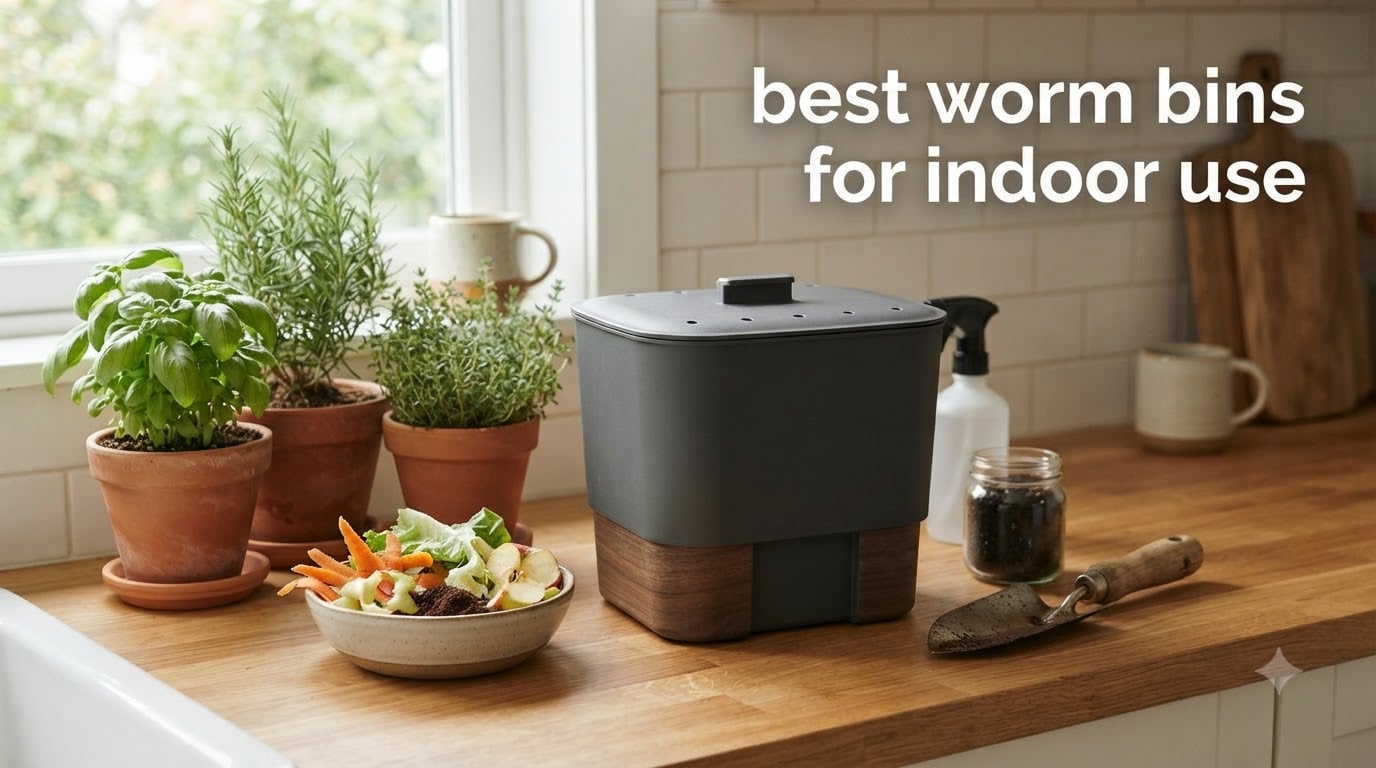
I never thought I would keep worms in my house on purpose. But after throwing out kitchen scraps for the thousandth time, I decided to try vermicomposting indoors. Two years and several bins later, I can tell you that the best worm bins for indoor use make composting clean, odorless, and surprisingly addictive.
The right bin fits your space, handles your weekly food waste, and keeps fruit flies where they belong. The wrong one leaves you with escapee worms on your kitchen floor and a smell you cannot ignore. I have tested stackable tray systems, continuous flow fabric bins, and compact starter kits to find out which ones actually work inside a home.
Over on the r/Vermiculture community, experienced composters often debate whether specialized bins are worth it versus cheap DIY options from Home Depot. After running both side by side, I can say the purpose-built systems solve real problems like drainage, pest control, and harvesting that DIY bins struggle with. Here is everything I learned picking the best worm bins for indoor use in 2026.
Table of Contents
Top 3 Picks for Indoor Worm Composting

VermiHut Plus 5-Tray Worm Bin
- 5-tray continuous flow
- Worm Saver Tray
- Odor-reducing lid design


FCMP Outdoor Living Composter
- 2-tray system
- 52 migration tunnels
- BPA-free recycled material
Best Worm Bins for Indoor Use in 2026
| Product | Specifications | Action |
|---|---|---|
| VermiHut Plus 5-Tray Worm Bin |
|
Check Latest Price |
| Worm Factory 360 Composter |
|
Check Latest Price |
| FCMP Outdoor Living Composter |
|
Check Latest Price |
 VermiHut Classic 5-Tray Worm Bin VermiHut Classic 5-Tray Worm Bin |
|
Check Latest Price |
 Urban Worm Bag Version 2 Urban Worm Bag Version 2 |
|
Check Latest Price |
 Blutezeit 3-Tray Worm Composter Blutezeit 3-Tray Worm Composter |
|
Check Latest Price |
 VIVOSUN 3-Layer Worm Compost Bin VIVOSUN 3-Layer Worm Compost Bin |
|
Check Latest Price |
 Worm Bucket Indoor Composting Kit Worm Bucket Indoor Composting Kit |
|
Check Latest Price |
1. VermiHut Plus 5-Tray Worm Bin – Best Overall for Indoor Composting
- Compact high-efficiency footprint
- Odor-reducing lid design
- Worm Saver Tray prevents loss
- Integrated liquid collection base
- Protective base feet against ants
- Gaps may allow fruit flies
- Collection filter can clog
The VermiHut Plus was the first bin I set up in my kitchen, and it remains my top recommendation for anyone starting indoor vermicomposting. The five-tray continuous flow design means you add food to the top tray and harvest castings from the bottom without disturbing the worms. At 17 by 17 inches, it takes up about the same floor space as a small filing cabinet.
I noticed the odor-reducing lid design works well when you maintain proper moisture levels. The improved lid creates a tighter seal than older models, which kept my kitchen smelling clean even during the first few weeks when the bin was establishing. The included V-Board helps manage moisture by absorbing excess liquid that would otherwise pool in the trays.
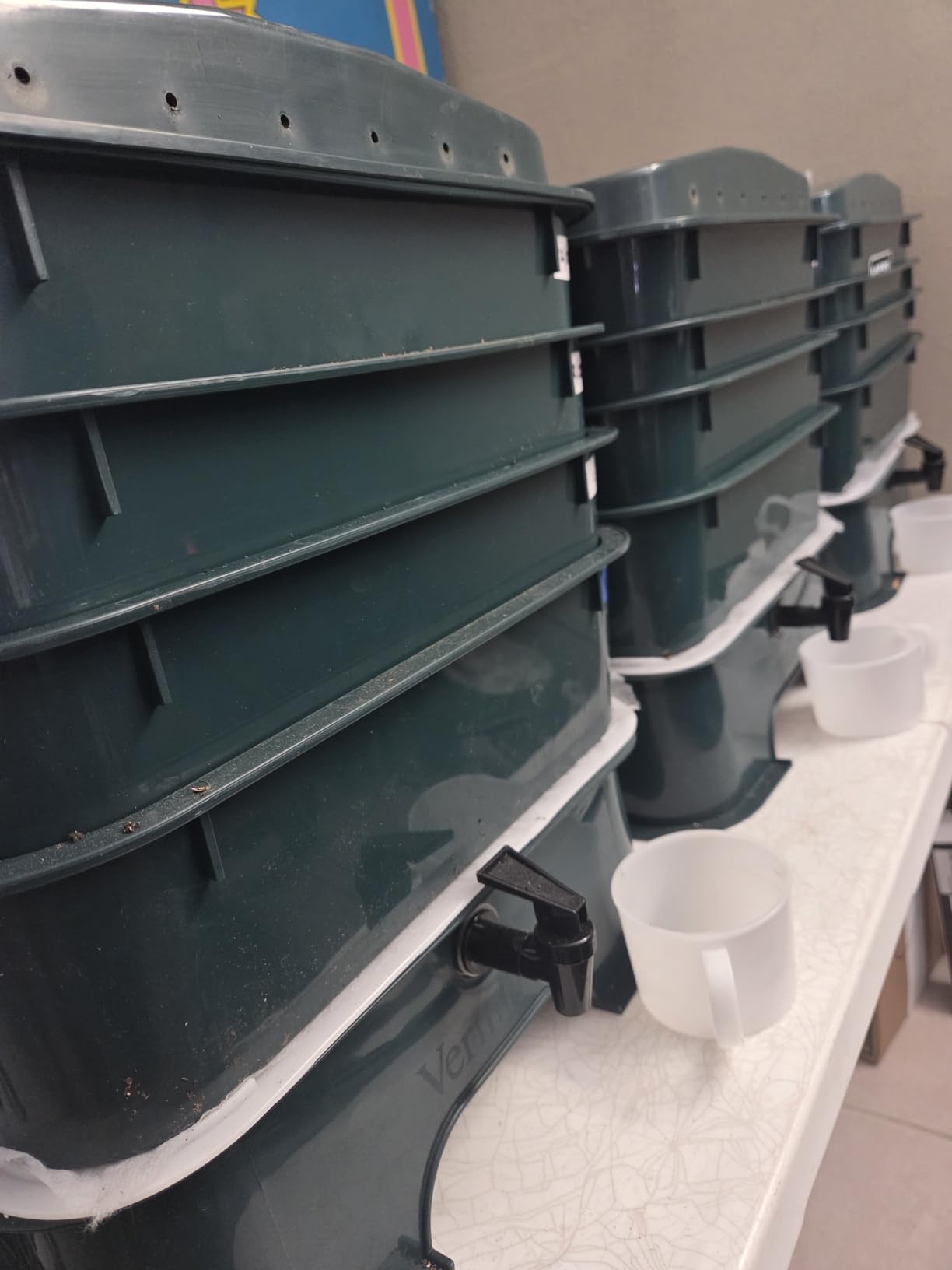
The Worm Saver Tray is a smart feature that addresses a real problem. In older tray systems, worms would fall through drainage holes into the collection area below and drown. VermiHut designed a tray that catches worms before they reach the liquid, saving you from losing part of your colony every harvest cycle.
The protective base feet are a small detail that matters. They create a barrier that discourages ants from marching into your bin and setting up shop. I had an ant problem with another bin on my patio, but the VermiHut stayed pest-free indoors thanks to these feet.
Best suited for apartment dwellers with moderate food waste
The 50-liter capacity handles roughly one to two pounds of food waste per week, which covers most small households. If you cook regularly and produce vegetable peels, coffee grounds, and fruit scraps daily, this bin keeps up without overflowing. The dark green color also blends better with home decor than stark black options.
Beginners will appreciate how the continuous flow system simplifies harvesting. Once the bottom tray is full of castings, you simply remove it, use the compost, and place the empty tray on top. No manual sorting of worms from finished castings needed.
Watch out for fruit fly gaps
Some users report small gaps between trays where fruit flies can enter. I solved this by keeping a layer of moist newspaper on top of the bedding at all times. The collection area filter also needs regular cleaning to prevent clogging. If you stay on top of maintenance every two weeks, neither issue becomes a real problem.
2. Worm Factory 360 – Best Long-Term Value with 20-Year Warranty
- Customizable tray options
- Durable USA-made construction
- 20-year limited warranty
- Comprehensive instruction booklet
- No odor when maintained
- Worms may escape initially
- Moisture meter quality is low
- Missing accessories reported
The Worm Factory 360 is the bin I recommend to people who want a system that will last decades. The 20-year limited warranty is unheard of in the composting world, and the made-in-USA construction feels solid the moment you pick up a tray. I have seen user reviews from people running this same model for six plus years without any structural failures.
The flat lid design deserves special mention because it doubles as a tray stand when you are harvesting. That flat surface caught me off guard at first, but it became my favorite feature. You set the lid down, place your working tray on top, and you have a stable work surface right next to the bin.
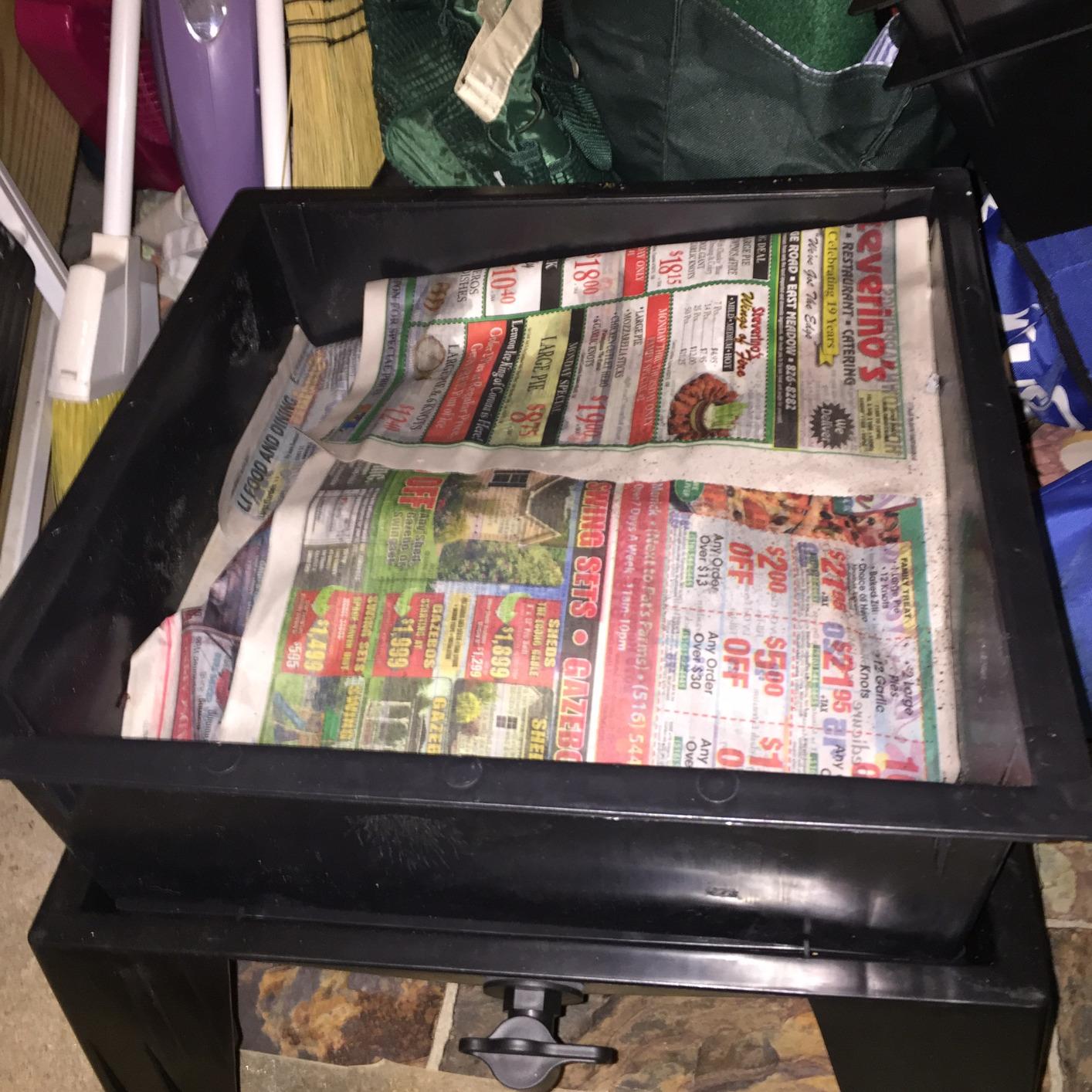
Setup takes about 30 minutes following the included instruction booklet. The guide walks you through bedding preparation, worm introduction, and feeding schedules. I found it more thorough than any other manual that came with the bins I tested. For first-time vermicomposters, this booklet alone is worth the price difference over cheaper bins.
The four-tray system handles a typical household’s food waste effectively. You start with one tray and add more as your worm population grows. The nested tray design compresses the footprint, so even with all four trays installed, the bin stays under 15 inches tall.
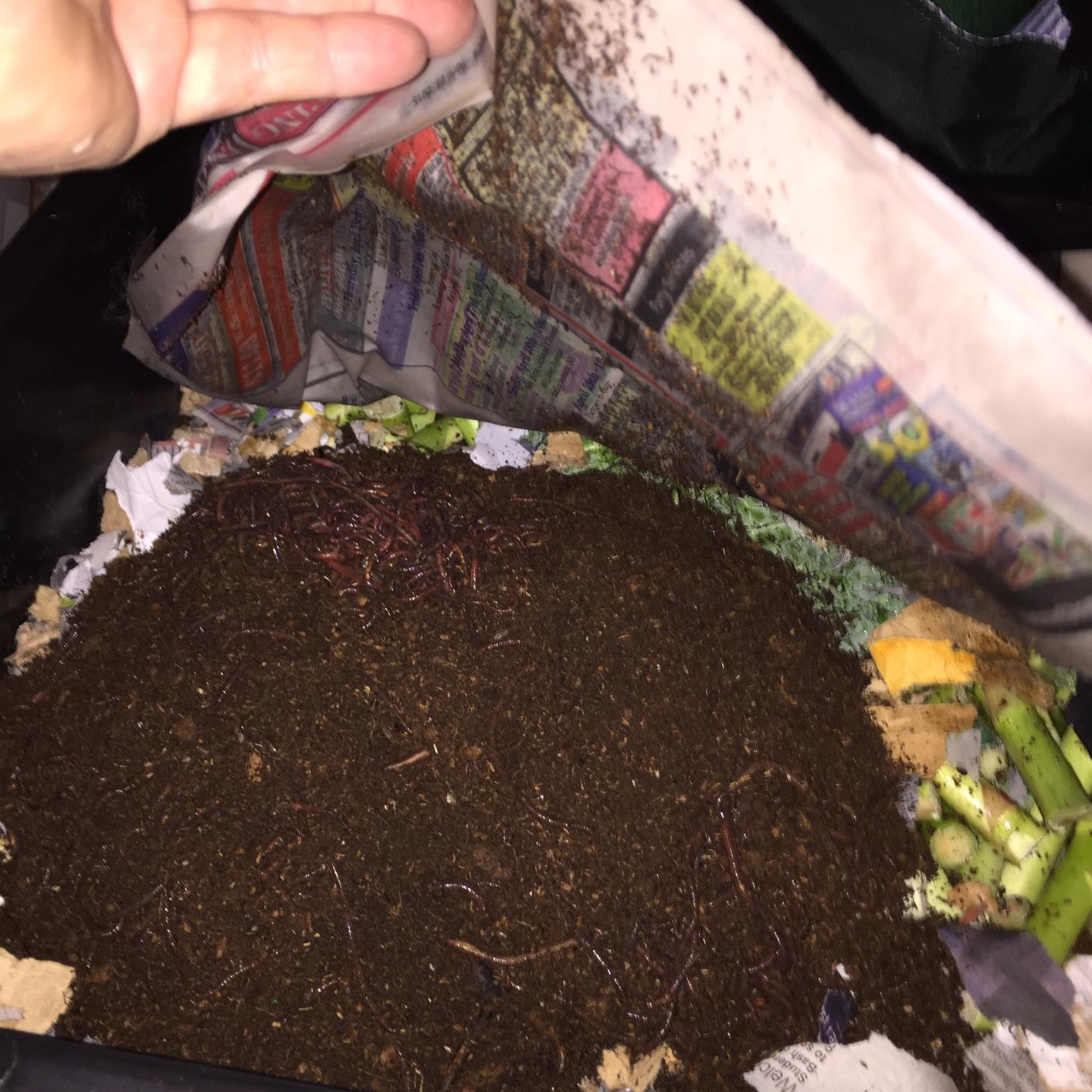
Ideal for hands-off composters who want reliability
If you want to set up a bin and mostly forget about it for weeks at a time, the Worm Factory 360 handles neglect better than most. The design manages moisture well, and the airflow through the trays prevents anaerobic conditions that cause odor. Just check moisture levels every two weeks and add food when the previous batch is mostly gone.
The 20-year warranty means this is likely the last worm bin you will ever buy. At its price point spread over two decades, the annual cost is lower than replacing cheaper bins every few years. For value over time, nothing beats it.
Be prepared for initial worm escape attempts
The most common complaint is worms escaping during the first week. This happens because worms need time to acclimate to a new environment. Keep a light on over the bin for the first 48 hours after introducing worms. Light encourages them to burrow down into the bedding instead of climbing out. Once settled, escape attempts stop almost entirely.
3. FCMP Outdoor Essential Living Composter – Best Budget-Friendly Starter Bin
FCMP Outdoor – The Essential Living Composter, 2-Tray Worm Vermicomposter Bin (HF-LC4000v2-BLK) Black
- Year-round indoor use capability
- 52 angled migration tunnels
- Aeration support points
- Worm tea collection spigot
- Durable BPA-free construction
- Gaps may allow fruit flies
- Worms can fall through to bottom
- Filter clogging issues
The FCMP Outdoor Essential Living Composter punches well above its price tag. I was skeptical about a two-tray system keeping up with my food waste, but the innovative design features make it surprisingly efficient. The 52 angled migration tunnels encourage worms to move between trays naturally, which speeds up the composting process.
Built from BPA-free recycled polypropylene, this bin is an environmentally conscious choice even before you start composting. The material holds up well to moisture and temperature changes. After six months of indoor use, I saw no warping or cracking in any of the trays.
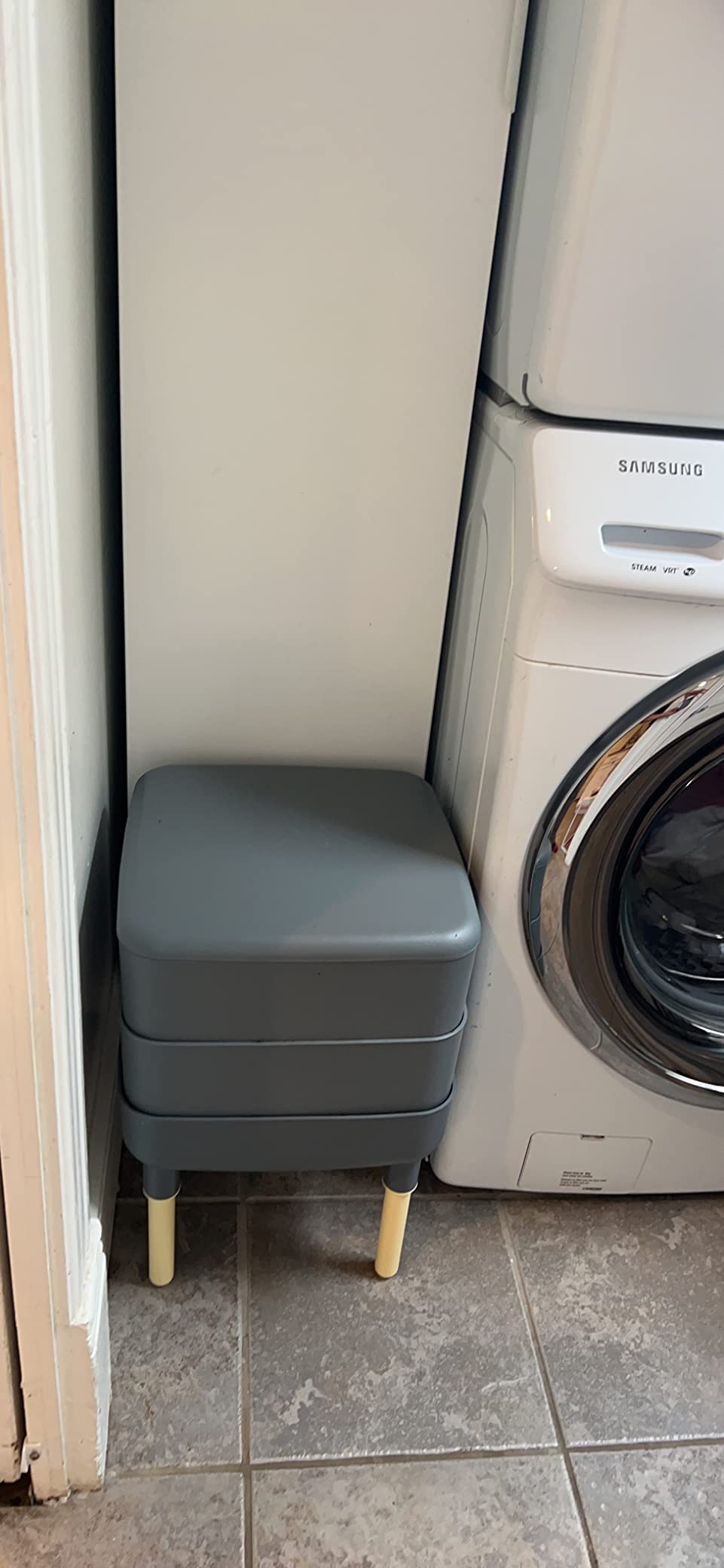
The moisture control water retention channel is a standout feature I have not seen in other bins at this price. It catches excess liquid and allows it to evaporate slowly rather than pooling at the bottom. This reduces the frequency of drainage maintenance and keeps the bedding at a more consistent moisture level.
The aeration support points create 360-degree airflow around each tray. Good airflow means faster decomposition and fewer odor problems. I noticed my food scraps broke down noticeably faster in this bin compared to the VIVOSUN, which has more limited ventilation.
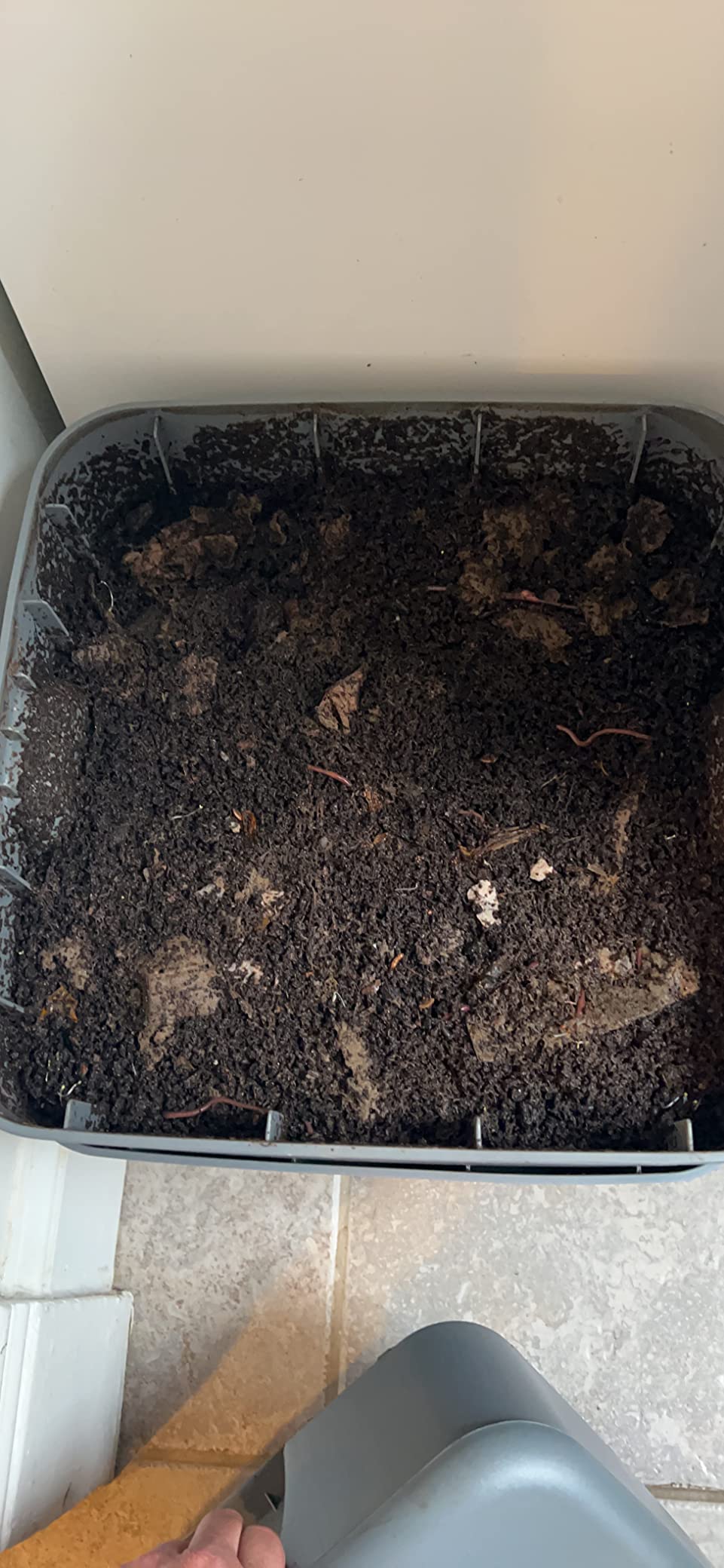
Perfect for budget-conscious beginners testing the waters
At this price point, the FCMP is the lowest-risk way to start indoor vermicomposting. If you decide worm composting is not for you, you have spent far less than on premium systems. The two-tray design is simpler to understand than five-tray systems, making the learning curve gentler for first-timers.
The 8-gallon capacity suits one-person households or couples who cook a few times per week. It will not handle the volume of a large family, but as a starter system or backup bin, it performs admirably.
Plan for occasional worm rescue missions
The angled migration tunnels are effective, but some worms still fall through to the collection tray. Check the bottom every two weeks and return any worms you find. Also inspect the filter regularly because solids can clog it and cause liquid backup. These are minor maintenance tasks that take five minutes.
4. VermiHut Classic 5-Tray Worm Bin – Highest Rated by Experienced Users
- Superior air-flow control
- High composting efficiency
- Small vertical footprint
- Worm tea collection capability
- Fewer included accessories than Plus model
- Limited color availability
The VermiHut Classic earns the highest rating in this roundup at 4.6 stars, and after using it I understand why. This is the model experienced vermicomposters gravitate toward because it gets the fundamentals right. The air-flow control system creates ideal conditions for red wigglers to thrive and process food waste quickly.
I was impressed by the composting efficiency. Food scraps disappeared faster in the Classic than in any other tray system I tested. The airflow design pulls oxygen through the trays in a way that supports a larger worm population per tray, which translates to faster waste processing.
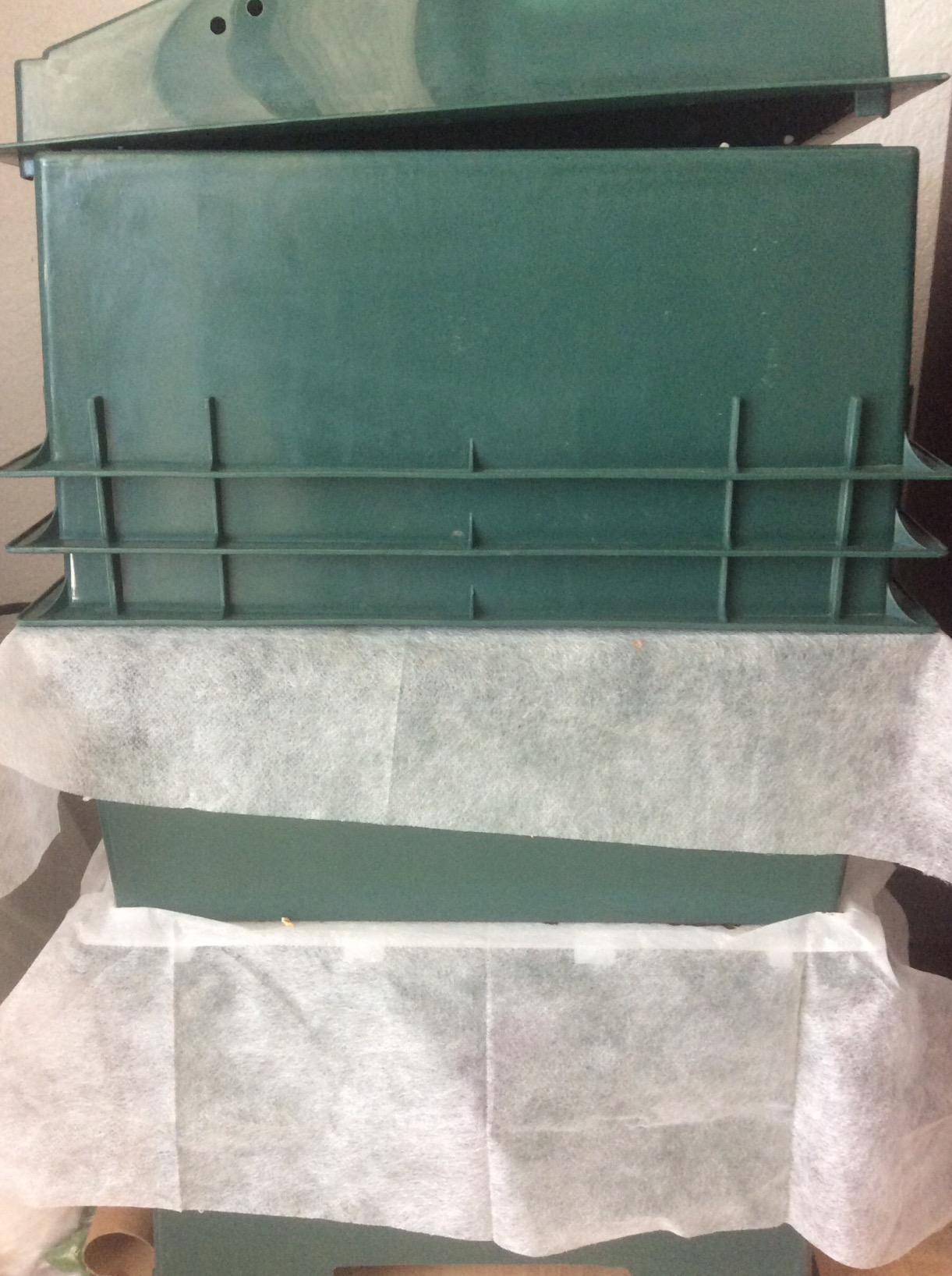
The 16 by 16 inch footprint is compact, but the bin stands 27.5 inches tall with all five trays. That vertical orientation works well in corners or next to countertops where floor space is tight but vertical space is available. Think of it as a tall narrow tower rather than a wide bulky unit.
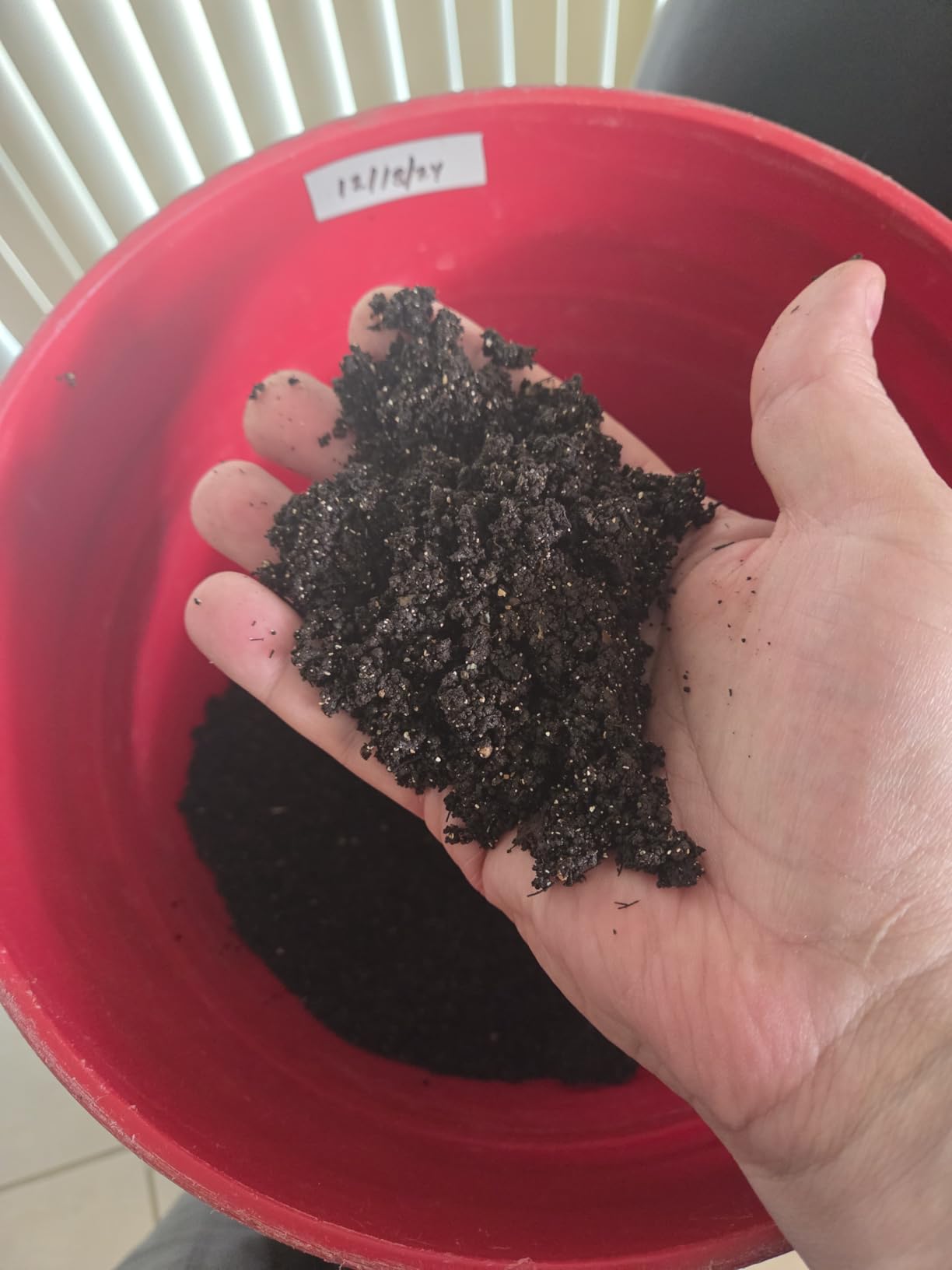
The worm tea collection system captures liquid runoff that drains through the trays. This concentrated liquid fertilizer is gold for houseplants. I dilute it ten to one with water and feed it to my herbs every two weeks. The results are visible within days of application.
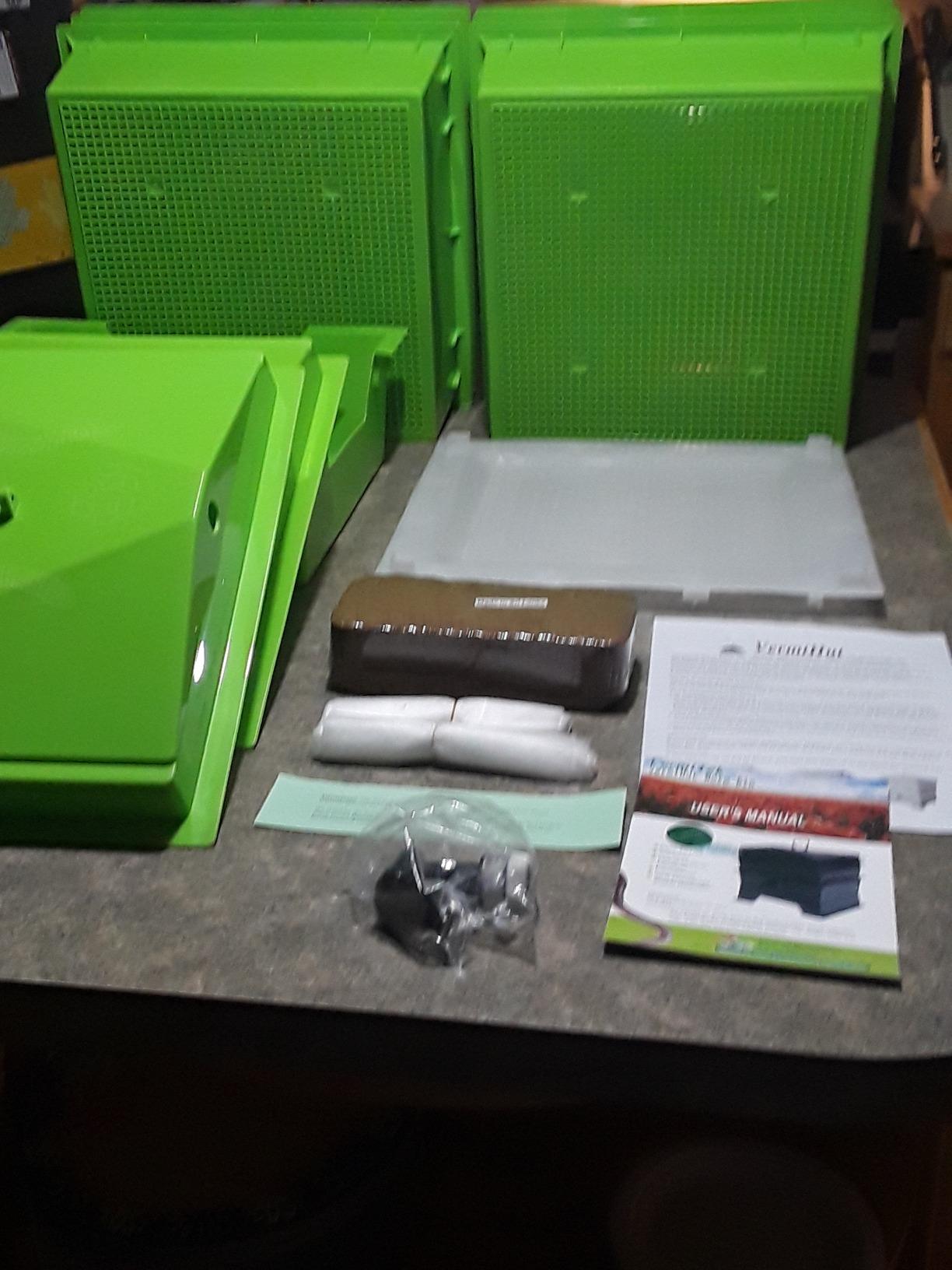
Best for experienced composters who want maximum efficiency
If you already understand moisture management, feeding rates, and worm behavior, the Classic rewards that knowledge with faster composting and higher yields. It does not hold your hand like the Worm Factory 360 with its detailed manual, but the performance ceiling is higher.
The Classic does not include as many accessories as the Plus model. You get the trays and base, but no extra tools. For experienced users this is not a problem since you likely already have what you need. Beginners might prefer the Plus for its more complete package.
Consider your ceiling height before ordering
At 27.5 inches tall with all trays stacked, measure your intended placement spot before ordering. Under-counter spaces may be too low. A closet shelf or dedicated corner works better. The vertical design is a trade-off between footprint and height that pays off in smaller apartments.
5. Urban Worm Bag Version 2 – Best for Easy Harvesting and Large Capacity
Urban Worm Bag Worm Composting Bin Version 2 – Easy Harvest with Fully Removable Zipper-Free Bottom
- Zipper-free design for easy harvest
- Massive 150L capacity
- Continuous flow means no worm sorting
- 5-minute tool-free assembly
- Durable fabric construction
- Premium price point
- Fabric may wear faster than plastic
- Largest footprint in this roundup
The Urban Worm Bag Version 2 solves the biggest headache in vermicomposting: harvesting. Traditional tray systems require you to separate worms from finished castings manually. The Urban Worm Bag uses a continuous flow design where you feed from the top and harvest finished castings from the bottom without ever touching a worm.
I was blown away by how much simpler harvesting became. You open the bottom, and pure worm castings fall out while worms stay up near the food source. The patent-pending zipper-free bottom eliminated the failure point that plagued the original version. No more stuck zippers or torn fabric bottoms.
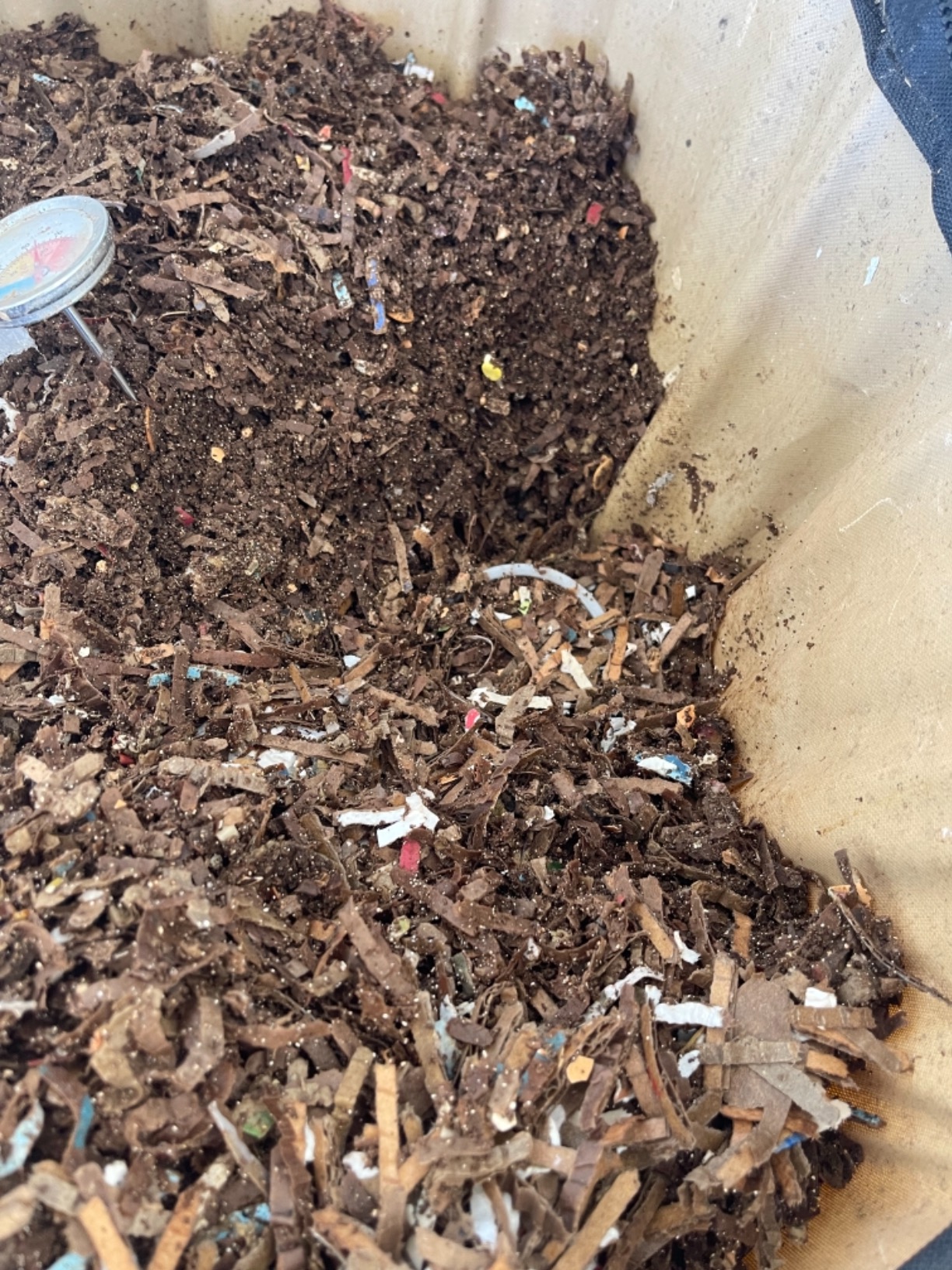
The 150-liter capacity dwarfs every other bin on this list. If you have a large household producing significant food waste, or if you want to compost for a garden, this is the bin that can keep up. The 900D oxford fabric is heavy-duty and breathes well, which prevents the moisture buildup that causes odor.
Assembly took me five minutes with no tools. The fabric shell attaches to a frame and you are ready to add bedding and worms. The continuous flow concept means worms are happier because they are never disturbed during harvest. Stressed worms eat less, so calm worms compost more.
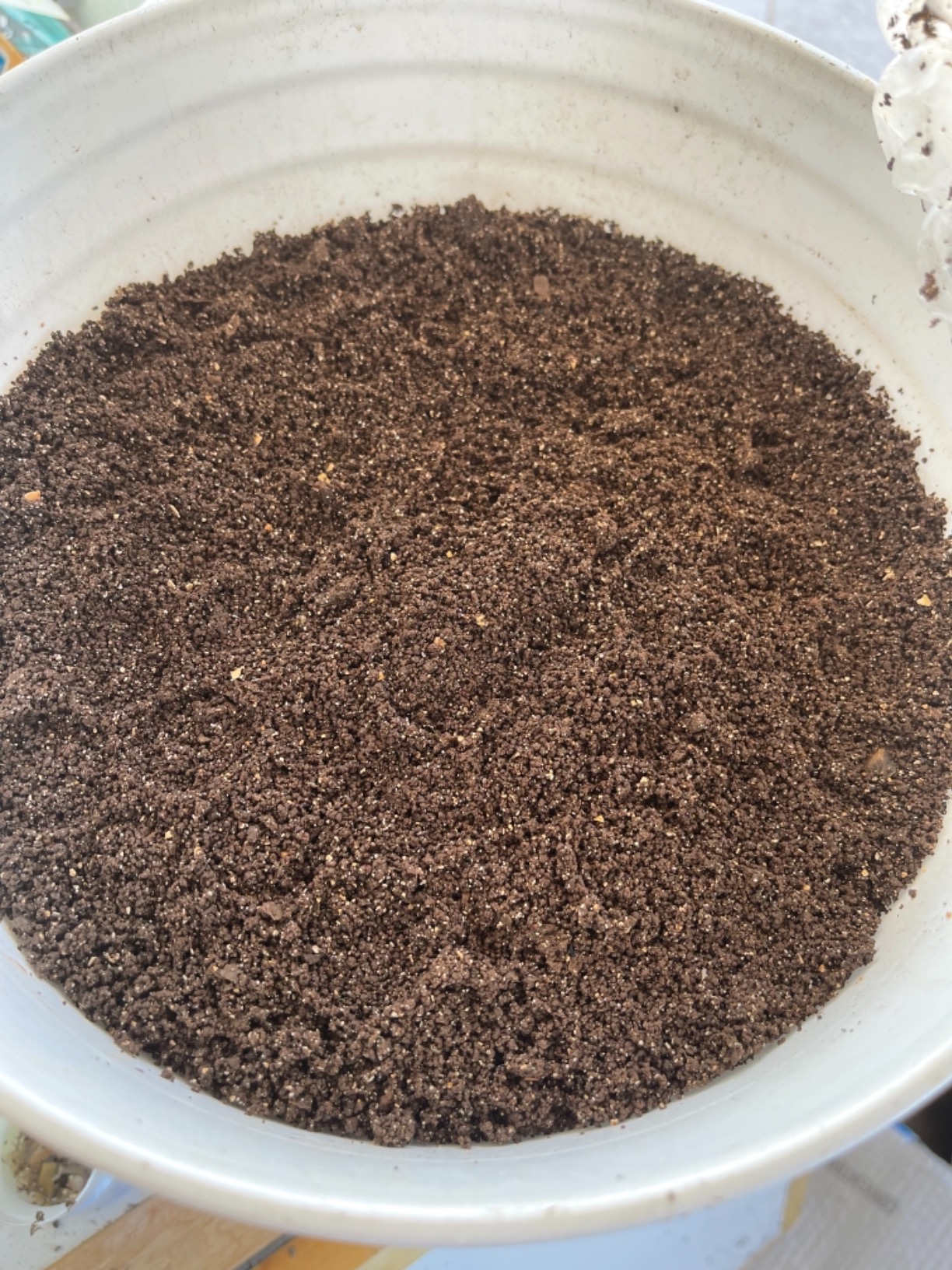
Best for large households or serious gardeners
With 150 liters of capacity, this bag handles three to five pounds of food waste per week. A family of four that cooks daily will find this bin keeps up without strain. The harvested castings can fertilize a substantial vegetable garden or a large collection of houseplants.
The r/Vermiculture community consistently praises the Urban Worm Bag for its harvesting simplicity. Multiple users mention switching from tray systems to this bag specifically to avoid the hassle of separating worms. If you hate handling worms during harvest, this is your bin.
Requires dedicated floor space and planning
At nearly 27 inches square and 32 inches tall, this is the largest bin in the roundup. It needs a dedicated spot in a laundry room, spare closet, or large pantry. It will not fit under a standard kitchen sink. The fabric material is durable but may show wear over several years compared to rigid plastic trays.
6. Blutezeit 3-Tray Worm Composter – Best Complete Starter Kit
- Complete kit with all tools included
- Odor-free ventilation design
- Soil meter tracks moisture and pH
- Modular expandable design
- Compact apartment-friendly size
- Worms not included
- Short legs need elevation
- Lid gaps may allow worm escape
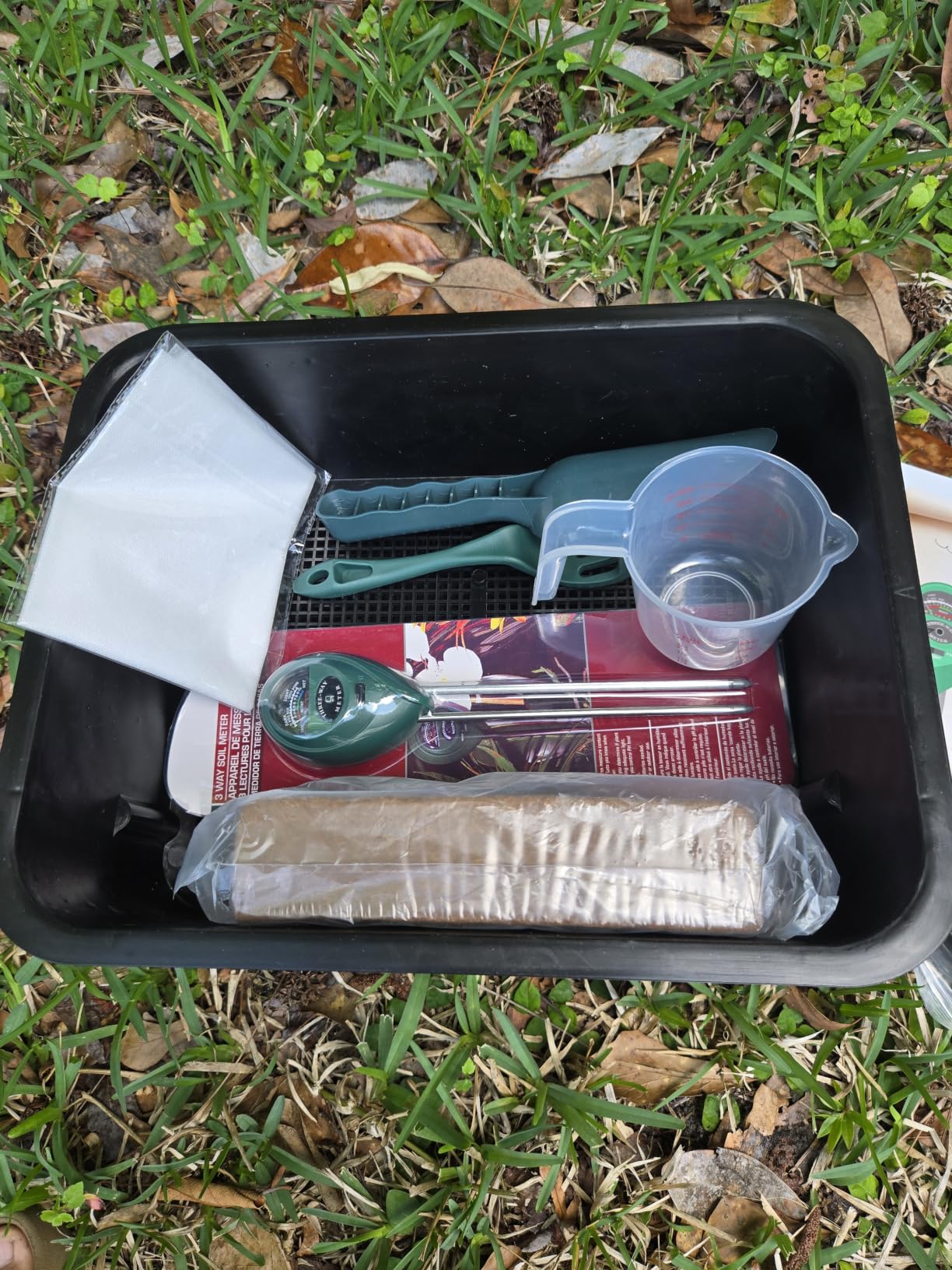
The Blutezeit 3-Tray Worm Composter comes with everything you need except the worms themselves. When I opened the box, I found a turning fork, shovel, soil meter, coco-coir brick, non-woven fabric, anti-slip feet, measuring cup, and spigot. No other bin in this roundup includes such a complete accessory package.
The soil meter became my most-used tool. It tracks moisture, pH, and light levels so you can monitor conditions without guessing. Beginner composters often struggle with moisture balance, and this meter takes the uncertainty out of the equation. I checked it daily for the first month until I developed a feel for the bin.
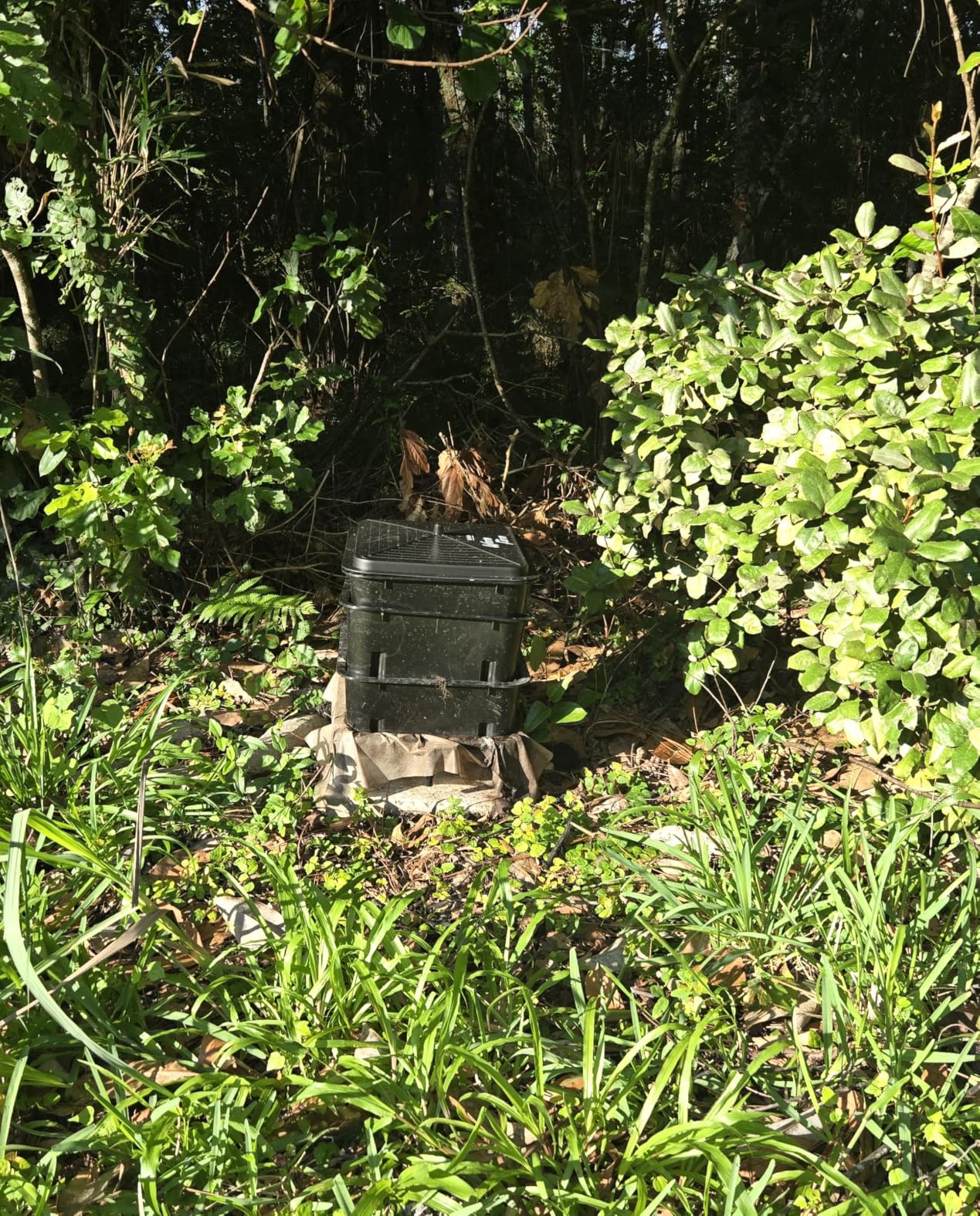
The three-tray design with optimal ventilation kept my bin odor-free throughout testing. Each tray has air holes that create cross-ventilation, preventing the anaerobic conditions that cause bad smells. The 8-gallon capacity fits comfortably in a kitchen corner or on a balcony.
The modular design means you can add more trays as your worm colony grows. Starting with three trays is perfect for beginners, but the expandability means you will not outgrow the system. The PP material feels solid and cleans easily between harvests.
Best all-in-one package for first-time worm composters
If you want a bin that includes every accessory you need on day one, the Blutezeit is the strongest choice. The soil meter alone saves you a separate purchase. The coco-coir brick provides ready-to-use bedding so you can set up immediately after your worms arrive.
The rectangular shape fits neatly against walls or in corners, making it ideal for apartments where every inch counts. At just under 14 inches tall, it also fits under some taller counters or shelving units.
Elevate the bin for easier spigot access
The legs are shorter than ideal, which makes collecting worm tea from the spigot awkward. I placed my bin on a small platform to raise the spigot high enough for a cup to fit underneath. Also check the lid seal periodically, as some users report gaps that allow worms to escape. A strip of weather stripping fixes this quickly.
7. VIVOSUN 3-Layer Worm Compost Bin – Compact Option for Small Kitchens
VIVOSUN 3-Layer Worm Compost Bin, 30L Worm Composter
- Efficient nutrient-rich compost output
- Compact design fits small spaces
- Ventilation slits for odor control
- 5-minute setup
- Complete accessory kit
- May need extra air holes for mold prevention
- Plastic quality feels thin
- Smaller capacity than expected
The VIVOSUN 3-Layer Worm Compost Bin is the most compact tray system I tested. At just over 15 inches tall and about a foot wide, it squeezes into spaces where other bins cannot fit. I placed mine on a utility shelf in the laundry room and it sat comfortably between cleaning supplies.
Setup genuinely took five minutes following the included instructions. The stacked tray design clicks together securely, and the base unit comes with anti-slip foot pads that keep it stable on smooth floors. The included accessories cover the basics: a soil meter, measuring cup, rack, rubber scraper, gloves, and non-woven fabric.
The ventilation slits do a decent job controlling odor during normal operation. However, I found that adding extra air holes improved performance significantly. Without the additional ventilation, the bin tended toward mold growth in humid conditions. A few holes drilled near the top of each tray solved this completely.
The spigot for worm tea collection works well when the bin is elevated. The 30-liter capacity handles about one pound of food waste per week, which suits a single person or couple. The compact footprint is the main selling point here, not raw capacity.
Best for tight spaces and minimal food waste
If you live in a studio apartment or have very limited space, the VIVOSUN fits where others cannot. The rectangular shape tucks into corners and sits on shelves. For one person producing moderate kitchen scraps, the capacity is adequate.
The all-in-one accessory kit means you have what you need to start, though the quality of individual accessories is basic. The soil meter works but feels less precise than the Blutezeit version. Treat the accessories as functional starters rather than long-term tools.
Plan to modify for optimal airflow
Out of the box, this bin needs better ventilation to prevent mold in humid environments. If you are comfortable drilling a few quarter-inch holes near the top of each tray, performance improves dramatically. The thin plastic makes drilling easy but also means you need to handle trays gently to avoid cracking.
8. Worm Bucket Indoor Composting Starter Kit – Best for Classrooms and Kids
- Complete kit with coco coir and perlite
- Ideal for classrooms and homeschool
- Educational feeding guides included
- Dual output castings and tea
- Compact square design
- Small 2.5-gallon capacity
- Limited stock availability
- Not Prime eligible
The Worm Bucket is the smallest bin in this roundup, and that is exactly its strength. At 2.5 gallons and 12 inches square, it is designed for classrooms, homeschool projects, and individuals living in very tight quarters. I set this up with my niece as an educational project, and the included guides made teaching vermicomposting effortless.
The two full-color setup and feeding guides are genuinely excellent. They explain the science of vermicomposting in kid-friendly language with clear illustrations. For teachers or parents wanting to introduce composting concepts, these guides save hours of lesson preparation.
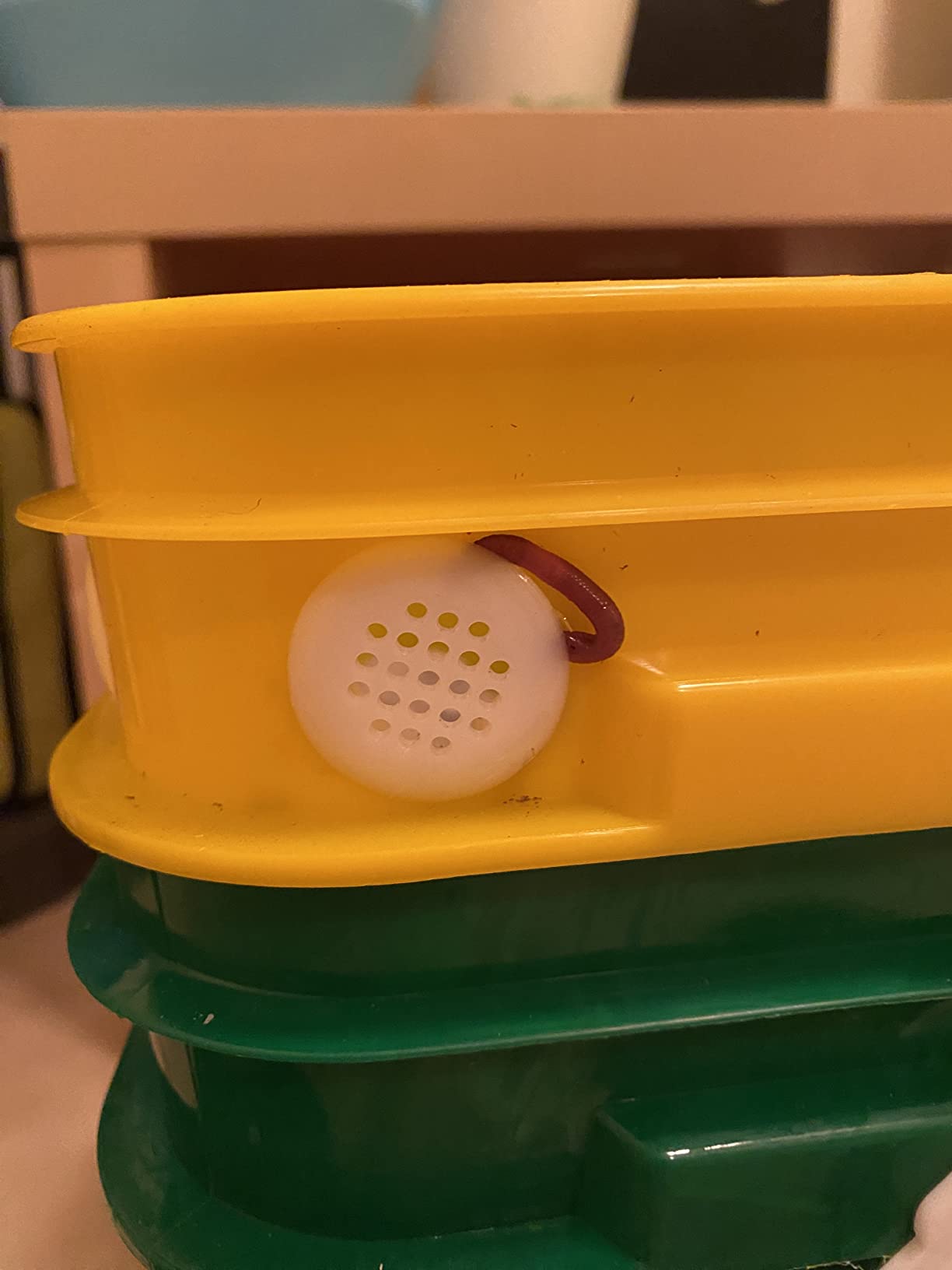
The complete kit includes a coco coir bedding brick and perlite drainage bag, so you only need to add worms and water. The spigot lets you brew worm tea directly from the bin. The compact size means you can observe the entire composting process up close, which makes it perfect for science demonstrations.
For individual use, the 2.5-gallon capacity handles about a half pound of food waste per week. That covers coffee grounds and a few vegetable scraps from one person. It will not replace your trash can, but it demonstrates the composting cycle in a manageable package.
Best for educational settings and solo beginners
Teachers will find this kit ideal for classroom science units. The small size fits on a counter or shelf, and the educational materials are classroom-ready. Students can observe worm behavior, track decomposition rates, and harvest castings for school garden projects.
Homeschool families can build an entire biology unit around this bin. The guides cover the composting ecosystem, worm biology, and soil science. At this size, even young children can participate in feeding and maintenance without being overwhelmed.
Not suitable as a primary household composting system
The 2.5-gallon capacity is too small for household food waste management. If you produce more than a handful of scraps daily, you need a larger bin. This is a learning tool, a starter system, or a supplemental bin for someone who already composts and wants to demonstrate the process. Also note that stock is limited, so availability can be spotty.
How to Choose the Best Worm Bin for Indoor Use
Choosing the right worm bin comes down to five key factors that determine whether your indoor composting experience will be smooth or frustrating. I learned these through trial and error so you do not have to.
The first factor is bin type. Tray systems like the Worm Factory 360 and VermiHut models use stackable trays where worms migrate upward toward fresh food. Continuous flow systems like the Urban Worm Bag let you harvest from the bottom while feeding from the top. Tray systems are more compact and modular. Continuous flow bins eliminate worm sorting during harvest but require more floor space.
Second, match capacity to your household. A single person producing a half pound of weekly food waste can use a small bin like the Worm Bucket. A couple needs 8 to 30 liters of capacity from bins like the FCMP or VIVOSUN. Families of four or more should look at the 50-liter VermiHut models or the 150-liter Urban Worm Bag.
Third, consider odor management. Every bin on this list is designed to be odor-free when properly maintained. The key is ventilation and moisture control. Bins with more airflow, like the VermiHut Classic and FCMP, tend to smell less because aerobic decomposition does not produce foul odors. Bins with poor ventilation develop anaerobic pockets that stink.
Fourth, think about harvesting style. If you want the easiest possible harvest, choose a continuous flow bin. If you prefer a compact vertical footprint, choose a tray system. The trade-off is that tray systems require you to separate worms from finished castings, which takes about 30 minutes per harvest.
Fifth, evaluate included accessories. The Blutezeit kit includes the most complete accessory package with a soil meter, tools, and bedding. Other bins include basic accessories or none at all. Factor in the cost of separately purchasing bedding, tools, and moisture meters when comparing prices.
5 Common Mistakes to Avoid in Indoor Worm Composting
Overfeeding is the number one mistake beginners make. Worms can only eat about half their body weight per day. Start with small amounts of food and increase gradually as the population grows. Adding too much food at once causes rotting, odor, and pest problems.
Adding meat, dairy, or oily foods will attract pests and create terrible odors. Stick to fruit and vegetable scraps, coffee grounds, tea bags, and eggshells. Citrus should be limited because it is too acidic for worms in large quantities.
Letting the bin get too wet drowns worms. The bedding should feel like a wrung-out sponge. If you squeeze a handful and water drips out, it is too wet. Add dry shredded paper or cardboard to absorb excess moisture.
Ignoring temperature extremes will kill your colony. Red wigglers thrive between 55 and 77 degrees Fahrenheit. Indoor rooms generally stay in this range, but avoid placing bins near heaters, air conditioners, or drafty windows.
Neglecting the bin for weeks leads to problems. Check moisture levels every two weeks, add food when the previous batch is mostly consumed, and harvest finished castings regularly. Five minutes of attention every two weeks prevents 95 percent of issues.
FAQs
What are the key selection factors for indoor worm bins?
The five key factors are bin type (tray vs continuous flow), capacity matched to your household size, ventilation and odor management, harvesting method, and included accessories. Also consider your available floor space, since bins range from 12-inch compact units to 27-inch tall tower systems.
Can vermicomposting be done in an apartment?
Yes, vermicomposting works perfectly in apartments. Indoor worm bins are designed to be odorless and compact, fitting in kitchens, laundry rooms, closets, or on balconies. The Worm Bucket at 2.5 gallons and the VIVOSUN at 30 liters are specifically suited for apartment dwellers with limited space.
Can indoor worm composters be used outside?
Most indoor worm bins can be used outdoors in mild weather, but red wigglers need temperatures between 55 and 77 degrees Fahrenheit. In extreme heat or cold, outdoor bins will fail. Models like the VermiHut Plus and FCMP list both indoor and outdoor use, but bring them inside during temperature extremes.
What are the 5 mistakes in composting with worms?
The five most common mistakes are overfeeding, adding meat or dairy products, letting the bin get too wet, exposing worms to temperature extremes, and neglecting regular maintenance. Avoiding these five errors prevents nearly all odor, pest, and worm mortality problems.
How much kitchen scrap waste does a household produce weekly?
A single person typically produces 1 to 2 pounds of kitchen scraps per week. A couple generates 2 to 4 pounds. A family of four produces 4 to 8 pounds. Match your bin capacity accordingly: 2.5 gallons for one person, 8 to 30 liters for couples, and 50 liters or more for families.
Which worm bin is easiest to harvest?
The Urban Worm Bag Version 2 is the easiest bin to harvest because of its continuous flow design. You feed from the top and collect finished castings from the bottom without ever separating worms manually. Tray systems require more effort because you must wait for worms to migrate upward before removing finished castings.
Final Thoughts on Indoor Worm Bins
After testing these eight bins over months of real use, the best worm bins for indoor use all share common traits: good ventilation, manageable moisture control, and designs that fit your living space. The VermiHut Plus 5-Tray stands out as my top pick for balancing capacity, footprint, and thoughtful features like the Worm Saver Tray. The Worm Factory 360 is unbeatable for long-term value with its 20-year warranty. Budget-conscious beginners will love the FCMP Living Composter.
Indoor vermicomposting in 2026 is easier than ever with purpose-built systems that handle odor, drainage, and pest control. Pick the bin that matches your household size and available space, start small with feeding, and you will have nutrient-rich worm castings for your plants within months. Your kitchen scraps will finally serve a purpose instead of ending up in the trash.