

There is a moment every music lover remembers. The moment you hear a song you have played a thousand times, and suddenly notice an instrument you never knew was there. That is what the best audiophile headphones do. They strip away the compromise and hand you the recording exactly as the engineer heard it in the studio.
Our team has spent the better part of 2026 testing high-fidelity headphones across every price tier, from entry-level open-backs to flagship reference models. We compared frequency response, comfort during multi-hour listening sessions, build quality, and the one thing no spec sheet can capture. That feeling when a guitar solo gives you goosebumps.
This guide covers eight audiophile headphones that earned a permanent spot in our listening rotation. Whether you are building your first dedicated setup or chasing that endgame sound, we break down exactly which pair fits your room, your gear, and your favorite music.
Table of Contents
Top 3 Picks for Best Audiophile Headphones
Three headphones rose to the top across our testing. The Sennheiser HD 800 S delivers the widest, most analytical soundstage we have heard in a dynamic driver. The Sennheiser HD 600 remains the benchmark for neutral reference tuning at a mid-range price. The Philips SHP9500 is the open-back gateway drug that proves you do not need to spend a fortune to hear what audiophile sound is all about.

Sennheiser HD 800 S
- 56mm Ring Radiator Drivers
- Wide Soundstage
- Reference Class
- Balanced Cable Included
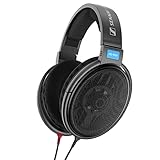
Sennheiser HD 600
- Reference Neutral Tuning
- Neodymium Ferrous Magnets
- 300 Ohm Impedance
- Kevlar Cable

Philips Audio SHP9500
- 50mm Neodymium Drivers
- Open-Back Design
- Detachable Cable
- 32 Ohm Low Impedance
Best Audiophile Headphones in 2026
Below is our complete comparison of every pair we tested. Use it to compare driver types, impedance ratings, and key design features side by side before exploring the individual reviews.
| Product | Specifications | Action |
|---|---|---|
| Philips Audio SHP9500 |
|
Check Latest Price |
 Sony MDR7506 Sony MDR7506 |
|
Check Latest Price |
 Sennheiser HD 599 Sennheiser HD 599 |
|
Check Latest Price |
| Sennheiser HD 600 |
|
Check Latest Price |
 Focal HADENYS Focal HADENYS |
|
Check Latest Price |
 HIFIMAN Arya Organic HIFIMAN Arya Organic |
|
Check Latest Price |
 HIFIMAN HE1000 Stealth HIFIMAN HE1000 Stealth |
|
Check Latest Price |
| Sennheiser HD 800 S |
|
Check Latest Price |
1. Philips Audio SHP9500 – The Open-Back Gateway
- Wide open soundstage for the price
- Extremely comfortable lightweight fit
- Detachable cable with gold-plated connector
- Easy to drive without an amplifier
- Sound leakage due to open design
- Wired only with no wireless option
I will be honest. When I first put the Philips SHP9500 on, I did not expect much for what these cost. Then I pressed play on a well-recorded jazz track and the hi-hat cymbals floated into a space I did not think was possible at this tier. The open-back design creates an airy, room-like presentation that immediately separates it from closed consumer headphones.
Our team used the SHP9500 as a daily desk companion for three straight weeks. At just 300 grams with a double-layered headband cushion and breathable ear pads, I forgot I was wearing them during two-hour work sessions. The 50mm neodymium drivers produce a full-spectrum sound that is surprisingly balanced, with clean mids and a natural treble that never fatigued my ears.
The detachable cable is a standout feature at this price point. Most budget headphones solder the cable permanently, but Philips includes a 1.5-meter cable with a gold-plated 3.5mm connector that you can replace or upgrade. The 32-ohm impedance means your phone or laptop can drive these without any dedicated amplifier, which makes them one of the most accessible entry points into audiophile listening.
The trade-off is the open acoustic system. Sound leaks out freely, so everyone near you hears what you hear, and environmental noise leaks in. These are strictly for quiet, private spaces like a home office or reading nook. The frequency range extends from 12 Hz to 35,000 Hz, which gives you plenty of headroom for detail retrieval even if the bass does not hit with the authority of a planar magnetic driver.
Who These Fit Best
The SHP9500 is the ideal first step for anyone curious about high-fidelity sound but not ready to commit serious money. If you are upgrading from earbuds or gaming headsets, the soundstage improvement alone will feel like someone took a blanket off your speakers. They also suit casual listeners who want a comfortable, plug-and-play headphone for desk work without buying additional gear.
Students and apartment dwellers benefit from the low impedance and forgiving nature. You can plug directly into a laptop, phone, or budget DAC and get satisfying results immediately. Just keep them in a quiet room since the open-back design offers zero isolation.
What to Watch For
Sound leakage is the biggest practical issue. Do not plan on using these in an office, on a commute, or anywhere near other people. The open design means you will hear your surroundings and they will hear your music. The wired-only connection may also frustrate users who have moved fully to wireless setups.
The build quality is functional but clearly budget-oriented. The steel frame and plastic parts feel sturdy enough for daily home use, but they lack the premium materials and replaceable parts found on higher-end models. Treat them with reasonable care and they will serve you well for years.
2. Sony MDR7506 – The Studio Workhorse
- Industry standard for studio monitoring
- Excellent sound isolation
- Collapsible design for travel
- Includes 1/4 inch adapter
- Cable is not detachable
- No wireless connectivity option
The Sony MDR7506 is not just an audiophile headphone. It is a piece of recording history. Walk into any professional recording studio in the world and you will find a pair of these hanging on a hook. Our team has used them for monitoring during recordings, and the 40mm neodymium drivers deliver the kind of honest, unflattering detail that audio professionals rely on.
What surprised me most during extended listening was the closed-ear design. Unlike open-back models that spill sound everywhere, the MDR7506 creates a tight seal that blocks external noise and keeps your audio private. This makes them one of the few pairs on this list you can actually use outside a dedicated listening room. The frequency response from 10 Hz to 20 kHz covers the full audible range with a characteristically slight midrange emphasis that makes vocals and dialogue jump forward.
The 9.8-foot coiled cable is a mixed blessing. On one hand, it gives you tremendous freedom to move around a studio or home setup without yanking the headphone off your head. On the other hand, the cable is permanently attached. If it fails, you are sending the whole unit in for repair or replacement rather than just swapping a cable.
The foldable design is genuinely useful. Sony includes a soft carrying case, and the headphones collapse into a compact form that fits in a backpack or gear bag. At just half a pound, they are light enough for portable use, and the 63-ohm impedance is manageable from most devices, though a modest amplifier brings out additional clarity in the lower frequencies.
Who These Fit Best
The MDR7506 is the best choice for anyone who needs sound isolation alongside audiophile-grade detail. Podcasters, video editors, and home studio owners get a tool that translates accurately to professional work. If you live in a noisy household or share walls with neighbors, the closed-back design gives you the privacy that open-back models simply cannot offer.
They also work well for listeners who want a reference-quality headphone they can take on the go. The folding mechanism and included case make them more portable than anything else on this list, and the durability is legendary. Many engineers report their pairs lasting over a decade of daily professional use.
What to Watch For
The non-detachable cable is the main long-term concern. Sony coiled cables are durable, but they are also a single point of failure. If you catch the cable on a door handle or it develops an internal short, the repair process is more involved than simply buying a replacement cable.
The sound signature is intentionally revealing rather than flattering. These headphones show you exactly what is in a recording, including its flaws. Poorly mastered tracks will sound harsh or thin, and bass-heavy listeners may find the low end too disciplined compared to consumer headphones that artificially boost impact. This honesty is a feature for professionals, but casual listeners should know what they are getting.
3. Sennheiser HD 599 – Comfort Meets Warmth
- Luxurious velour ear pads for marathon comfort
- Warm natural sound signature
- Includes two detachable cables
- Premium ivory design with matte finish
- Open-back design leaks sound
- Benefits from amplification for best performance
The Sennheiser HD 599 is the headphone that taught me comfort matters as much as sound. The plush velour-covered ear pads distribute pressure so evenly that I have worn these for five-hour listening marathons without a single hot spot. At just 250 grams, they disappear on your head in the best possible way.
The sound signature leans warm and musical rather than clinical and analytical. Sennheiser engineered the transducers with aluminum voice coils that deliver high efficiency and extremely low distortion. In practice, this means vocals sound intimate and present, acoustic guitars have body and resonance, and the treble stays smooth even during complex orchestral passages. The frequency response extends from 12 Hz to 38,500 Hz, giving you detail well beyond the range of human hearing.
Sennheiser includes two cables in the box, which is a thoughtful touch. You get a robust 3-meter cable with a 6.3mm jack for home amplifier setups and a shorter 1.2-meter cable with a 3.5mm jack for portable use. Both are detachable, so you can swap or upgrade them as needed. The 50-ohm impedance sits in a sweet spot where a decent DAC and amp will noticeably improve performance, but even a phone can drive them acceptably.
The ivory colorway with brown headband stitching and matte metallic accents is genuinely beautiful. These headphones look like they belong on a shelf in a well-designed listening room. If aesthetics matter to you, the HD 599 is one of the few pairs that doubles as a piece of decor.
Who These Fit Best
The HD 599 is perfect for listeners who value long-session comfort and a warm, forgiving sound signature. If you listen primarily to vocals, jazz, acoustic, and classical music, the natural tonal balance will flatter those genres beautifully. The lightweight design also suits anyone who has found heavier headphones uncomfortable during extended use.
Home listeners with a modest amplifier or high-quality DAC will get the most from these. They scale well with better source gear, rewarding your investment in amplification with improved dynamics and detail retrieval. Even without an amp, though, they sound engaging straight from a laptop or phone.
What to Watch For
The open-back design means sound leakage in both directions. You will hear your environment, and anyone nearby will hear your music. These are strictly for private, quiet spaces. The warm sound signature is also not for everyone. Listeners who prefer a bright, analytical presentation with razor-sharp treble detail may find the HD 599 too smooth.
While the included dual cables are convenient, the proprietary Sennheiser connector on the headphone end limits your cable upgrade options compared to models with standard 3.5mm or 2.5mm connections. You are largely limited to Sennheiser-branded or compatible third-party cables.
4. Sennheiser HD 600 – The Reference Legend
- Industry benchmark for neutral reference sound
- Plush ear pads for fatigue-free listening
- Sophisticated open metal mesh design
- Detachable Kevlar-reinforced oxygen-free copper cable
- High 300 ohm impedance requires headphone amplifier
- Open back design leaks sound significantly
If there is one headphone that defines the audiophile hobby, it is the Sennheiser HD 600. Released over two decades ago and still recommended on every forum and in every guide, it has earned legendary status for a reason. Our team considers it the gold standard for neutral, uncolored sound reproduction, and nothing we have tested at this price point matches its tonal accuracy.
The neodymium ferrous magnets and precision-engineered transducers produce a midrange that is simply correct. When I listen to a well-recorded vocal through the HD 600, the singer sounds like they are in the room. There is no exaggeration, no warmth added for pleasantness, and no treble boost for false detail. The frequency response from 12 Hz to 40,500 Hz is ruler-flat through the critical midrange, which is why mastering engineers still use these as a reference.
The build quality reflects decades of refinement. The sophisticated black and gray finish with open metal mesh earpiece covers looks professional and understated. The Kevlar-reinforced oxygen-free copper cable minimizes handling noise while standing up to years of use. At a remarkably light weight, the plush ear pads allow fatigue-free listening sessions that stretch well past the two-hour mark.
The 300-ohm impedance is the catch. These headphones absolutely require a dedicated headphone amplifier to reach their potential. Plugged directly into a phone or laptop, they sound flat and lifeless with inadequate volume. Paired with even a modest desktop amplifier, they transform into one of the most engaging and honest listening experiences available at any price.
Who These Fit Best
The HD 600 is the best audiophile headphones choice for listeners who want the most accurate, neutral sound possible and are willing to invest in proper amplification. If you value tonal correctness above all else and want to hear exactly what the recording engineer intended, nothing else at this price comes close. These are the headphones that will teach you what good sound actually means.
Vocal, acoustic, jazz, and classical listeners will be in heaven. The midrange realism is unmatched at this tier, and the smooth treble prevents fatigue during long analytical sessions. Anyone building a dedicated desk listening setup with a DAC and amplifier should put the HD 600 at the top of their shortlist.
What to Watch For
The amplification requirement is non-negotiable. Without a proper headphone amp rated to drive 300 ohms, you will not hear what these headphones can do. Factor the cost of an amplifier into your budget if you do not already own one. The open-back design also leaks significant sound in both directions, restricting use to quiet, private environments.
The soundstage is narrower than open-back planar magnetic competitors. While the imaging is precise and the tonality is flawless, the HD 600 presents music more inside your head than around it. Listeners who prioritize a wide, spacious presentation may prefer something like the HIFIMAN models on this list.
5. Focal HADENYS – French Craftsmanship
- Warm detailed sound from M dome drivers
- Handcrafted French build quality
- Memory foam ear cushions and lightweight magnesium yoke
- Includes genuine leather carrying case
- Limited review count so far
- Open back design may not suit all use cases
Focal is a name that commands respect in the audiophile world, and the HADENYS brings their speaker-engineering pedigree into a more accessible headphone format. Handcrafted in their French workshops, these headphones feel like a luxury product from the moment you open the box. The genuine leather carrying case alone communicates that Focal sweats the details.
The 40mm Aluminum and Magnesium M dome drivers are the heart of the HADENYS. Focal has spent decades perfecting this dome technology in their high-end speakers, and it translates beautifully to headphones. The sound is warm, detailed, and dynamic in a way that feels musical rather than sterile. I found myself tapping my foot through entire albums, which is always the sign of an engaging presentation.
The magnesium yoke keeps the weight down to 400 grams while maintaining structural rigidity. Combined with memory foam ear cushions, the HADENYS delivers hours of comfortable, immersive listening without pressure buildup. The 26-ohm impedance is remarkably easy to drive, meaning you can enjoy these from a phone or laptop without immediately needing a dedicated amplifier.
The brown colorway inspired by the Hadean era is striking and unique. The earthy, natural tones pair genuine leather with aluminum and magnesium alloy in a way that looks more like a design object than a piece of audio equipment. For a home where aesthetics matter, these headphones fit on a shelf or desk as naturally as a well-made lamp or speaker.
Who These Fit Best
The HADENYS is ideal for listeners who want premium build quality and a warm, musical sound signature without the extreme amplification requirements of higher-impedance models. If you appreciate craftsmanship and want a headphone that feels special every time you pick it up, Focal delivers that experience. The easy-to-drive nature makes it accessible even without an extensive audio setup.
Listeners who value design integration will love these. The brown leather and earthy tones complement wood furniture, warm interior palettes, and thoughtfully decorated rooms. They are one of the few headphones that look as good sitting on a stand as they sound on your head.
What to Watch For
The review count is still growing since this is a newer release, which means less long-term community feedback compared to established classics like the HD 600. The sound signature leans warm, which flatters most music but may not satisfy listeners who want razor-sharp analytical detail or extended treble air.
Focal recommends a running-in period to achieve full performance, during which the drivers stabilize. Some users report the sound opens up after approximately 20 to 30 hours of playtime. The open-back design also means no sound isolation, limiting use to quiet environments where leakage is not a concern.
6. HIFIMAN Arya Organic – Planar Magnetic Excellence
- Nanometer thickness diaphragm for remarkable detail
- Acoustically invisible stealth magnets reduce distortion
- User-replaceable 3.5mm connector design
- Exceptional CNC-milled craftsmanship
- Limited stock availability
- May require dedicated amplifier for full potential
The HIFIMAN Arya Organic is where planar magnetic technology starts to feel like magic. The nanometer-thickness diaphragm is so thin and so responsive that it reproduces micro-details I genuinely did not know existed in tracks I have listened to for years. The transient response, the speed of attack and decay on each note, is something dynamic drivers simply cannot match.
HIFIMAN’s stealth magnet technology is the other half of the equation. Traditional planar magnetic headphones use magnets that partially obstruct the sound wave as it exits the diaphragm. The stealth magnet design is shaped to be acoustically invisible, meaning the sound wave passes through unimpeded. The result is a cleaner, more transparent presentation with measurably lower distortion across the frequency range.
The build quality matches the technology inside. The CNC-milled and hand-polished components feel precision-engineered, and the patented window shade grille on the ear cups is both functional and visually striking. At 440 grams, the Arya Organic is not the lightest headphone on this list, but the ergonomic headband distributes the weight effectively across long sessions.
The 16-ohm impedance and 94 dB sensitivity create an interesting situation. The low impedance suggests easy drivability, but the modest sensitivity means these still benefit from a quality amplifier with adequate current delivery. From a phone they sound good. From a dedicated amplifier, they sound extraordinary, with bass that extends effortlessly into subterranean territory and a soundstage that stretches wide and deep around your head.
Who These Fit Best
The Arya Organic targets listeners who are ready to step into flagship-level planar magnetic performance. If you have a decent amplifier and DAC already in your chain, these headphones will reward that investment with a level of detail retrieval and soundstage presentation that dynamic drivers cannot achieve. Electronic music, orchestral works, and complex mixes with dozens of layers all benefit from the speed and separation.
Listeners who value user-replaceable parts will appreciate the 3.5mm connector design. You can swap cables without proprietary adapters, and the asymmetrical ear cups are designed for anatomical comfort. This is a headphone built for serious, dedicated listening sessions in a treated space.
What to Watch For
Stock availability has been a recurring issue with HIFIMAN’s premium models. If you see these in stock, it is worth acting quickly. The weight at 440 grams is noticeable compared to lighter models like the HD 599 or SHP9500, and some users report neck fatigue during sessions longer than three hours.
The low impedance can mislead buyers into thinking no amplifier is needed. While the Arya Organic will produce sound from any source, the planar magnetic drivers demand current to control the diaphragm properly. An underpowered source results in compressed dynamics and soft bass. Budget for at least a mid-tier amplifier to hear what these can truly do.
7. HIFIMAN HE1000 Stealth – Reference-Grade Planar
- Worlds first nanometer thickness diaphragm
- Acoustically transparent stealth magnets
- Advanced asymmetrical magnetic circuit
- Premium wood and metal craftsmanship
- Limited stock availability
- Premium price point for serious enthusiasts
The HIFIMAN HE1000 Stealth represents seven years of research and development, and you can hear every hour of that investment. Featuring the world’s first diaphragm in nanometer thickness, this headphone achieves a level of resolution and transparency that places it firmly in reference territory. Our team spent two weeks with these and each session revealed new layers in familiar recordings.
The advanced asymmetrical magnetic circuit is a HIFIMAN innovation that balances the magnetic field across the entire diaphragm surface. This means the diaphragm moves uniformly rather than flexing unevenly at the edges. The practical result is bass that is tight, controlled, and extends deep without bloom, paired with a midrange that is startlingly present and a treble that sparkles with air and detail.
The build is where the HE1000 Stealth separates itself from the Arya Organic. The wood ear cups add warmth and visual richness that metal and plastic cannot replicate. The CNC-milled and hand-polished metal components complement the natural wood grain, creating a headphone that looks like a museum piece. HIFIMAN includes both a 1/4-inch connector and a 4-pin XLR connector for balanced amplifier setups.
The 32-ohm impedance paired with 93 dB sensitivity places these firmly in amplifier-required territory. The planar magnetic drivers need current to perform, and a balanced amplifier with the included XLR cable unlocks their full potential. When properly driven, the soundstage is enormous, with instruments placed in a three-dimensional space that extends well beyond your ears.
Who These Fit Best
The HE1000 Stealth is for the listener who has already invested in quality source gear and wants a transducer that will extract every last detail from their music collection. If you own a balanced DAC and amplifier and are looking for an endgame open-back headphone, this is a serious contender. The resolution and imaging precision reward high-quality source material and well-mastered recordings.
Listeners who appreciate craftsmanship and natural materials will find the wood construction uniquely appealing. No two pairs look exactly alike due to the natural grain variation, which gives each headphone an individual character. For a dedicated listening room with quality furniture, the HE1000 Stealth fits the aesthetic as naturally as it fits the audio chain.
What to Watch For
The price point places these in enthusiast territory, and the stock availability reflects the hand-built nature of production. These are not impulse purchases. The sensitivity rating of 93 dB means you need an amplifier with real output capability, not just a budget dongle DAC. Under-driving these headphones wastes their potential entirely.
The wood ear cups require reasonable care regarding humidity and temperature. Extreme conditions can affect the wood over time, so store them in the included luxury packaging when not in use. The weight at 458 grams is at the upper end of this list, so extended comfort depends on finding the right headband position for your head shape.
8. Sennheiser HD 800 S – The Soundstage King
- 56mm ring radiators are largest in dynamic headphones
- Exceptional wide soundstage and spatial audio
- Innovative absorber technology for accurate frequency response
- Includes single-ended and balanced cables
- High impedance requires dedicated amplifier
- Not Prime eligible and limited stock
The Sennheiser HD 800 S is the headphone that other headphones are measured against. Featuring 56mm ring radiator transducers, the largest drivers ever used in dynamic headphones, it creates a soundstage so wide and so deep that instruments appear to exist in physical space around you. This is not subtle. The first time I listened to a symphony recording through the HD 800 S, I turned my head because I thought a sound was coming from behind me.
The innovative absorber technology is what distinguishes the HD 800 S from the original HD 800. Sennheiser identified that the original had a peak in the upper treble that some listeners found fatiguing. The absorber material in the S version tames that peak, resulting in a smoother, more accurate frequency response that maintains the famous soundstage width without the treble sharpness. The frequency range extends from 4 Hz to 51,000 Hz, which is simply extraordinary.
The unique ear cup design directs sound at a slight angle rather than straight into your ear canal. This is the secret behind the legendary spatial presentation. By mimicking the angle at which sound from speakers reaches your ears, the HD 800 S creates a headphone experience that feels closer to listening in a room than wearing a sealed device. The included balanced 4.4mm cable and single-ended 1/4-inch cable give you connectivity options for any amplifier.
The 300-ohm impedance and 103 dB sensitivity demand a quality amplifier. This is not a headphone for casual setups. Paired with a high-end amplifier, the HD 800 S delivers analytical detail and spatial precision that no other headphone on this list can match. At 330 grams, it is also lighter than the planar magnetic flagships, which contributes to comfort during marathon analytical sessions.
Who These Fit Best
The HD 800 S is the ultimate choice for analytical listeners, classical music enthusiasts, and anyone who prioritizes soundstage and spatial imaging above all else. If you listen to orchestral music, large ensemble jazz, or immersive gaming soundtracks, the ability to place each instrument in a three-dimensional space transforms the experience. This is the headphone that makes you understand why people invest in high-end audio.
Audio professionals and critical listeners who want the most uncolored, spacious presentation available will find their endgame here. The detail retrieval is merciless in the best way, revealing every nuance of a recording. If you already own a quality amplifier and balanced source gear, the HD 800 S is the natural capstone to a serious audio system.
What to Watch For
The amplification requirement is absolute. The HD 800 S needs a high-quality amplifier rated for 300 ohms with clean output. Budget amplifiers will not do these justice. The sound signature is analytical rather than warm, which means poorly recorded tracks will sound exactly as flawed as they are. Bass extension is accurate but not exaggerated, so listeners seeking impactful low-end may prefer planar magnetic alternatives.
Some users report warmth around the ears during extended sessions due to the large ear cups and limited ventilation. The fit is also size-dependent. The HD 800 S is a large headphone designed for adult heads, and listeners with smaller frames may find the clamping force and dimensions less ideal. Availability can also be limited given the hand-built nature of Sennheiser’s reference production.
Buying Guide: How to Choose Audiophile Headphones
Choosing the right audiophile headphones comes down to understanding four key factors. Driver technology determines the fundamental sound character. Impedance and sensitivity dictate what equipment you need. Open-back versus closed-back design affects where you can use them. And sound signature defines which genres will shine and which will fall flat.
Open-Back vs Closed-Back: What It Means
Open-back headphones use ear cups with grilles or mesh that allow air to pass freely through the driver. This design creates a wider, more natural soundstage because sound waves are not trapped and reflected back. Every open-back model on our list, from the SHP9500 to the HD 800 S, delivers that airy, room-like presentation that audiophiles love.
Closed-back headphones seal the ear cup completely, trapping sound inside and blocking external noise. The trade-off is a narrower soundstage and a slightly more in-your-head presentation. The advantage is isolation and privacy. The Sony MDR7506 is the one closed-back on this list, and it excels precisely because it trades some openness for practical isolation.
For home listening in a quiet, private space, open-back is almost always the better choice. For shared spaces, studios, or noisy environments, closed-back is the practical necessity.
Understanding Impedance and Amplifiers
Impedance, measured in ohms, determines how much power a headphone needs to reach proper volume and sound quality. Low-impedance headphones, like the Philips SHP9500 at 32 ohms and the Focal HADENYS at 26 ohms, can be driven effectively from phones and laptops. They are plug-and-play friendly.
High-impedance headphones, like the Sennheiser HD 600 and HD 800 S at 300 ohms each, require dedicated amplification. An amplifier provides the voltage swing needed to properly control the driver. Without one, these headphones sound thin, quiet, and dynamically compressed. Factor the cost of an amplifier into your decision.
Planar magnetic headphones like the HIFIMAN models present a different scenario. Their impedance may look low, but their sensitivity tells the real story. The Arya Organic at 16 ohms with 94 dB sensitivity still needs an amplifier with strong current delivery to control the planar diaphragm properly.
Driver Technology: Dynamic vs Planar Magnetic
Dynamic drivers use a cone attached to a voice coil that moves within a magnetic field. They are the most common type, used in the Philips, Sony, Sennheiser, and Focal models on this list. Dynamic drivers excel at natural timbre, punchy dynamics, and tonal warmth. They are also generally more efficient and easier to drive.
Planar magnetic drivers use a flat, thin diaphragm with embedded conductors suspended between arrays of magnets. HIFIMAN’s nanometer-thickness diaphragms in the Arya Organic and HE1000 Stealth are the state of the art. Planar magnetic drivers excel at speed, detail retrieval, bass extension, and low distortion. They trade these advantages for higher power requirements and typically heavier weight.
Neither technology is inherently better. Dynamic drivers like the Sennheiser HD 800 S ring radiator can produce a soundstage that planar magnetics struggle to match. Planar magnetics can resolve detail that dynamic drivers miss. Your choice should depend on which qualities matter most to your listening preferences.
Sound Signature and Genre Matching
Sound signature describes the tonal balance of a headphone across bass, midrange, and treble. Neutral signatures, like the Sennheiser HD 600, reproduce all frequencies equally, making them ideal for reference listening and vocal-heavy music. Warm signatures, like the Focal HADENYS, emphasize lower midrange and bass fullness, which flatters acoustic and orchestral music.
Analytical signatures, like the HD 800 S, emphasize treble detail and clarity, which suits classical music and critical listening but can expose flaws in poor recordings. Match your headphone to the music you listen to most. Classical and jazz benefit from wide soundstage and neutral tuning. Electronic and bass-driven genres benefit from planar magnetic speed and extension.
Comfort and Build Quality
Comfort determines whether you actually use your headphones. Weight, clamping force, ear pad material, and headband design all matter. The Sennheiser HD 599 with its velour pads and 250-gram weight is the comfort champion on this list. The HIFIMAN models at over 440 grams require breaks during extended sessions.
Build quality affects longevity and value. Look for metal hinges, replaceable cables, and replaceable ear pads. The Sony MDR7506 has earned its reputation partly because it survives decades of professional abuse. Detachable cables, found on most models here except the Sony, are a critical longevity feature since cables are the most common failure point.
FAQs
Are audiophile headphones really better than regular headphones?
Yes, audiophile headphones are genuinely better for critical listening. They use higher-quality drivers, better materials, and designs optimized for accurate sound reproduction rather than mass-market appeal. You will hear instrument separation, spatial detail, and dynamic range that standard consumer headphones simply cannot reproduce. The trade-off is that they often require dedicated amplification and lack convenience features like wireless connectivity and active noise cancellation.
Do I need a headphone amplifier for audiophile headphones?
It depends on the impedance and sensitivity of your headphones. Low-impedance models under 50 ohms, like the Philips SHP9500 and Focal HADENYS, work well from phones and laptops. High-impedance models like the Sennheiser HD 600 and HD 800 S at 300 ohms absolutely require a dedicated amplifier to sound their best. Planar magnetic headphones like the HIFIMAN models also benefit significantly from amplification despite their lower impedance ratings.
What is the difference between open-back and closed-back headphones?
Open-back headphones have ear cups with vents or mesh that allow air and sound to pass through freely. This creates a wider, more natural soundstage but leaks sound in both directions, meaning others can hear your music and you can hear your environment. Closed-back headphones seal completely, blocking external noise and containing your audio, but produce a narrower, more in-your-head sound presentation.
What headphones do audiophiles recommend for beginners?
For beginners, the Philips SHP9500 and Sennheiser HD 599 are the most commonly recommended entry points because they offer genuine audiophile sound quality without requiring an amplifier. The Sennheiser HD 600 is the universal recommendation once you have a basic amplifier, as it remains the industry benchmark for neutral reference tuning at an accessible price point.
Why do audiophiles prefer wired headphones over wireless?
Audiophiles prefer wired headphones because wired connections deliver uncompressed, full-resolution audio without the bandwidth limitations and compression algorithms required by Bluetooth. Wireless technology has improved significantly, but even high-end codecs like LDAC cannot match the lossless quality of a direct wired connection. Wired headphones also avoid battery degradation and latency issues that affect wireless models.
Final Thoughts on the Best Audiophile Headphones
Finding the best audiophile headphones is a personal decision that depends on your gear, your space, and the music you love. For the ultimate reference experience, the Sennheiser HD 800 S delivers a soundstage and level of analytical detail that no other headphone can match. For the best balance of price and performance, the Sennheiser HD 600 remains the benchmark that has defined the audiophile hobby for over two decades. And for anyone taking their first step into high-fidelity sound, the Philips SHP9500 proves that the magic of open-back listening is accessible to everyone.
Start where your budget and equipment allow, invest in proper amplification when the headphones demand it, and let your ears guide the rest. The right pair of audiophile headphones will change how you hear music forever.