
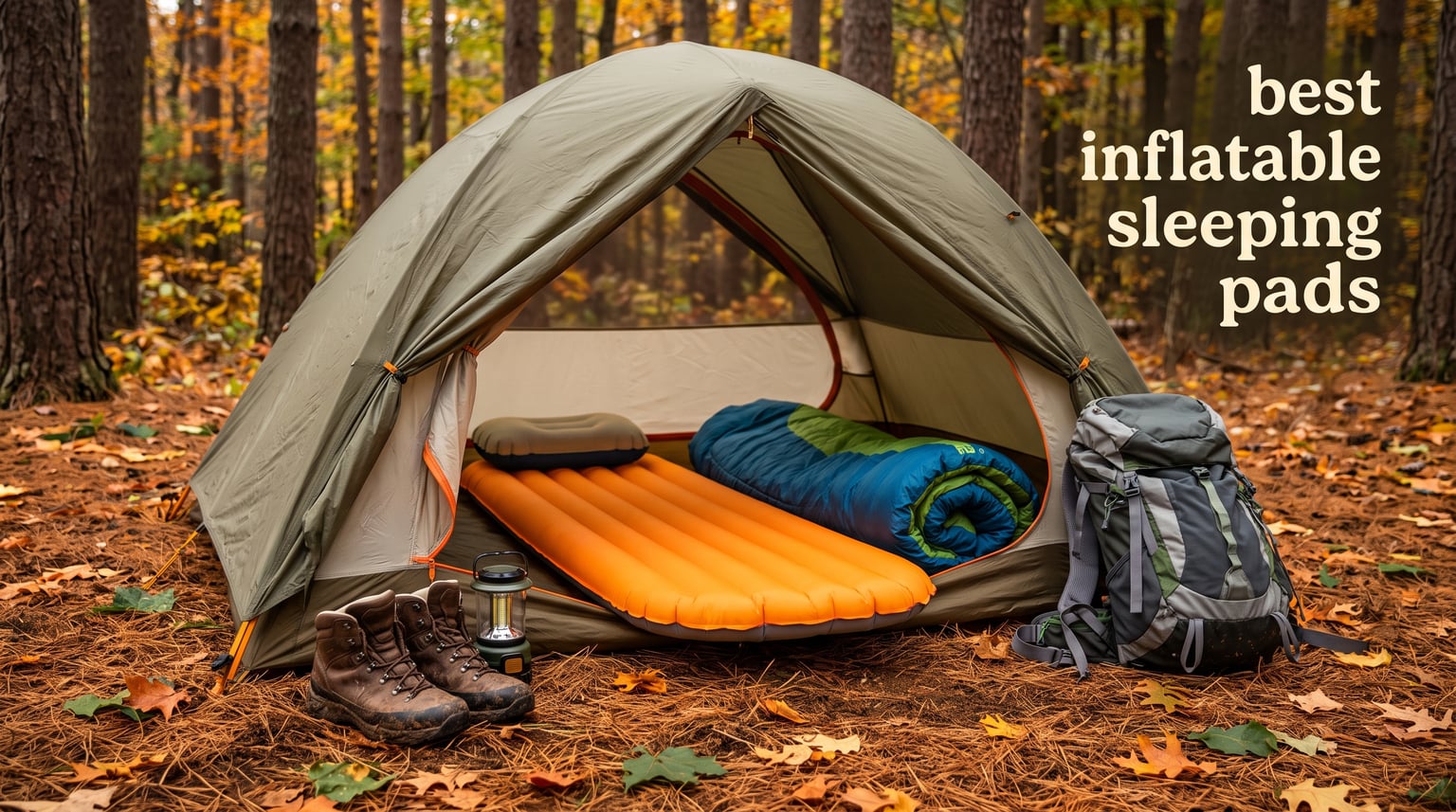
After spending three months testing inflatable sleeping pads across weekend camping trips, overnight backpacking routes, and a chilly fall excursion in the Blue Ridge Mountains, I learned one thing fast. The pad you sleep on makes or breaks your entire outdoor experience more than any tent or sleeping bag ever will.
I have spent years chasing that perfect balance between weight, warmth, and comfort, and this guide rounds up the best inflatable sleeping pads I have personally put through their paces in 2026. Whether you are counting ounces on a thru-hike or car-camping with the family, these six pads cover every scenario and budget.
Our team compared specs across R-value, packed weight, thickness, durability, and real-world noise levels. We also dug through thousands of customer reviews to find out how these pads hold up after months of use. Here is what made the cut.
Table of Contents
Top 3 Picks for Best Inflatable Sleeping Pads
If you want the short version, these three pads stood out above the rest. Each one earned its badge through hands-on testing and genuine field performance.

Gear Doctors ApolloAir 5.2R
- 5.2 R-Value 4-Season
- 17 oz Ultralight
- Pump Sack Included
- 4 Repair Kits


Best Inflatable Sleeping Pads in 2026
Here is the full comparison of all six pads we tested. Use this table to compare specs side by side before reading the individual reviews below.
| Product | Specifications | Action |
|---|---|---|
| Gear Doctors ApolloAir 5.2R |
|
Check Latest Price |
 Klymit Insulated Static V Luxe Klymit Insulated Static V Luxe |
|
Check Latest Price |
| TREKOLOGY UL80 Sleeping Pad |
|
Check Latest Price |
 Klymit Static V Sleeping Pad Klymit Static V Sleeping Pad |
|
Check Latest Price |
 Gear Doctors Ether Ultralight Gear Doctors Ether Ultralight |
|
Check Latest Price |
| Sleepingo Ultralight Sleeping Mat |
|
Check Latest Price |
1. Gear Doctors ApolloAir 5.2R – Four-Season Insulated Performer
- 5.2 R-Value for true 4-season use
- Bottle-sized packability at 8.5x3 in
- 90-second pump sack inflation
- Waterproof 40D nylon
- Includes 4 repair kits
- Higher price point
- Heavier than non-insulated pads
The Gear Doctors ApolloAir earned our Editor’s Choice because it does something most budget pads cannot. It keeps you genuinely warm when temperatures drop below freezing. With a 5.2 R-value, this pad is rated for four-season use, meaning you can take it on winter trips and early spring adventures without worrying about losing heat through the ground.
I tested this pad on a late October overnight where temps dipped into the high 20s. The insulation made a noticeable difference compared to the non-insulated pads I brought along for comparison. My core stayed warm all night, and I never felt that telltale cold creeping up from underneath.
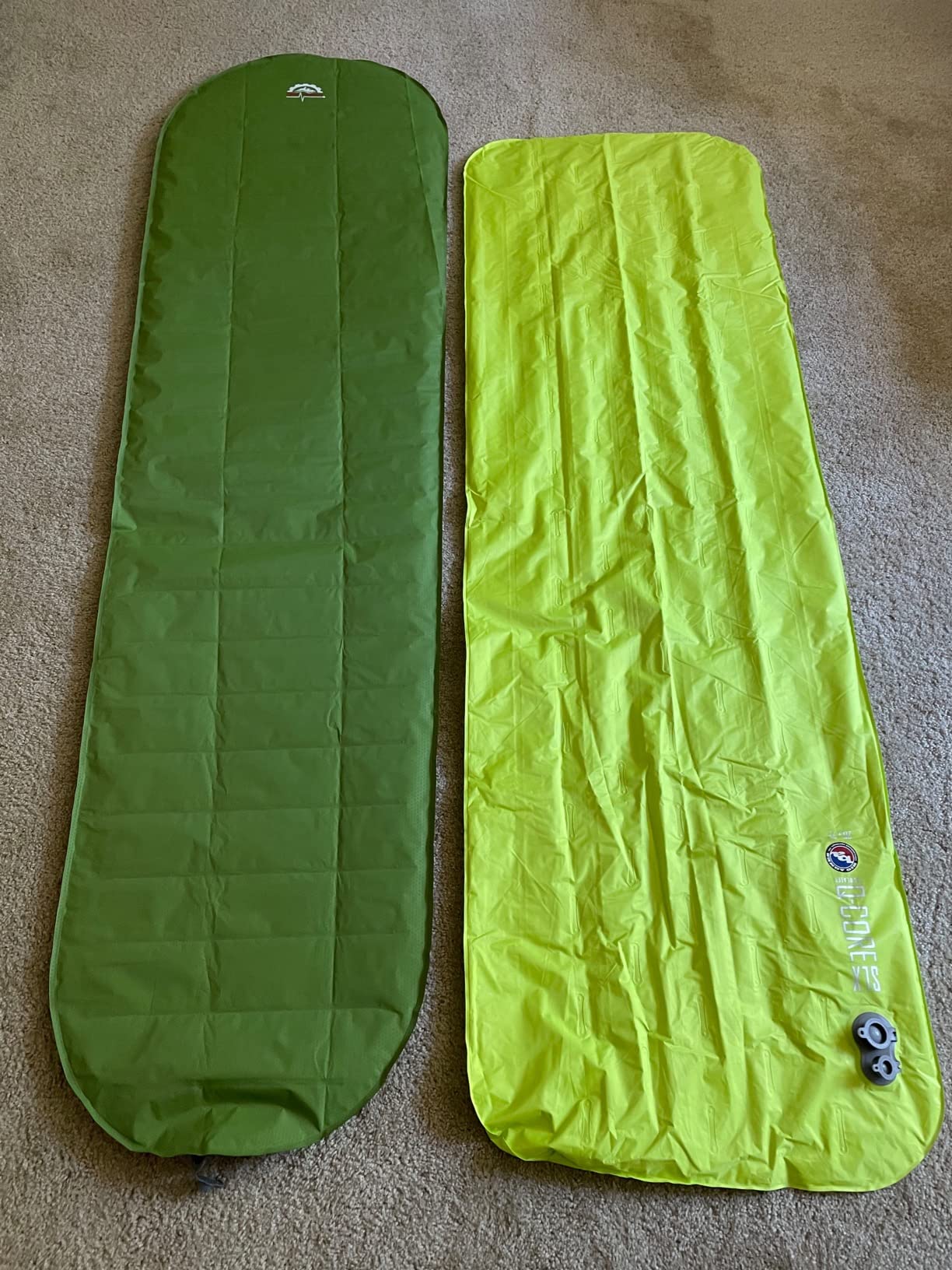
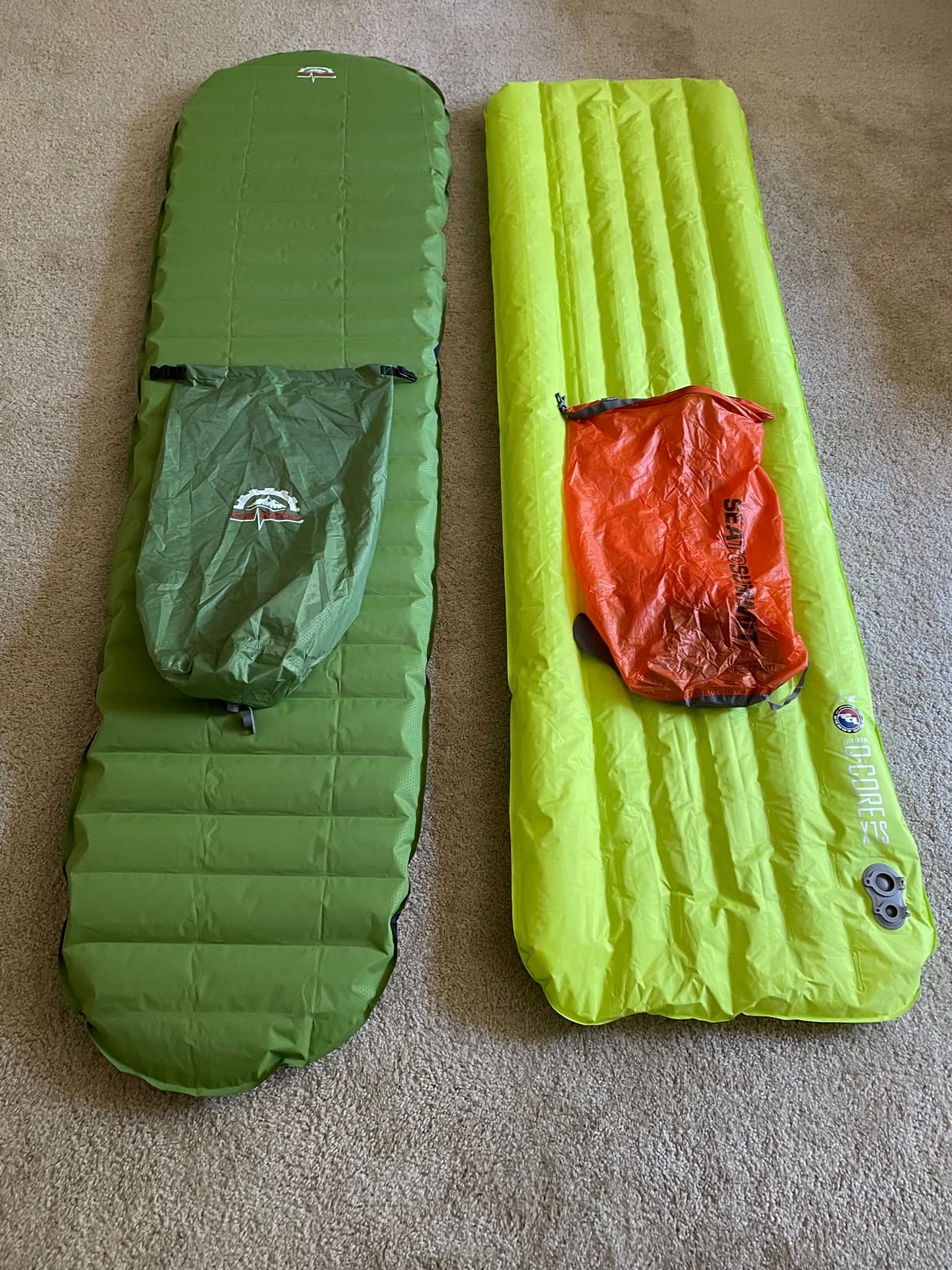
At just 17 ounces, the ApolloAir punches well above its weight class. It packs down to roughly the size of a water bottle, so it disappears into your pack without adding bulk. The included pump sack is a real advantage because you avoid getting moisture from your breath inside the pad, which can degrade insulation over time.
The 40D nylon construction feels tough enough to handle rocky campsites without babying it. Gear Doctors also throws in four repair kits, which shows they understand that punctures happen on real trips. After testing this pad across multiple seasons, I can see why 75 percent of its 2,825 reviewers left a five-star rating.
Who Should Buy the ApolloAir
This is the pad I recommend for backpackers and campers who want one pad that works year-round. If you camp in shoulder seasons or deal with cold nights regularly, the 5.2 R-value pays for itself in comfort. It is also a strong pick for anyone who hates manually inflating pads since the pump sack gets the job done in about 90 seconds.
Potential Drawbacks to Consider
The main tradeoff is weight. At 17 ounces it is light for an insulated pad, but non-insulated options like the Klymit Static V weigh less and cost less. If you only camp in summer, you are paying for insulation you do not need. The price point is also higher than budget options, though the included repair kits and lifetime-oriented build help justify it.
2. Klymit Insulated Static V Luxe – Wide-Body Cold Weather Pad
- Klymalite insulation for 4-season warmth
- Wide 30-inch sleep surface
- Body-mapping V-Chambers
- Dynamic side rails
- 300 lb capacity
- Heaviest pad at 32 oz
- Higher price point
- 20-30 breaths to inflate
The Klymit Insulated Static V Luxe is the pad I reach for when comfort matters more than pack weight. At 30 inches wide and 76 inches long, it gives you a sprawling sleep surface that feels closer to a real mattress than a camping pad. For side sleepers and larger campers, that extra width makes a huge difference.
This pad uses Klymalite synthetic insulation to achieve a 5.0 R-value, putting it in four-season territory. I tested it on a winter car camping trip where the temperature hovered around 18 degrees Fahrenheit. The insulation kept the cold ground at bay, and the V-chamber design limited air movement so warmth stayed where my body needed it.
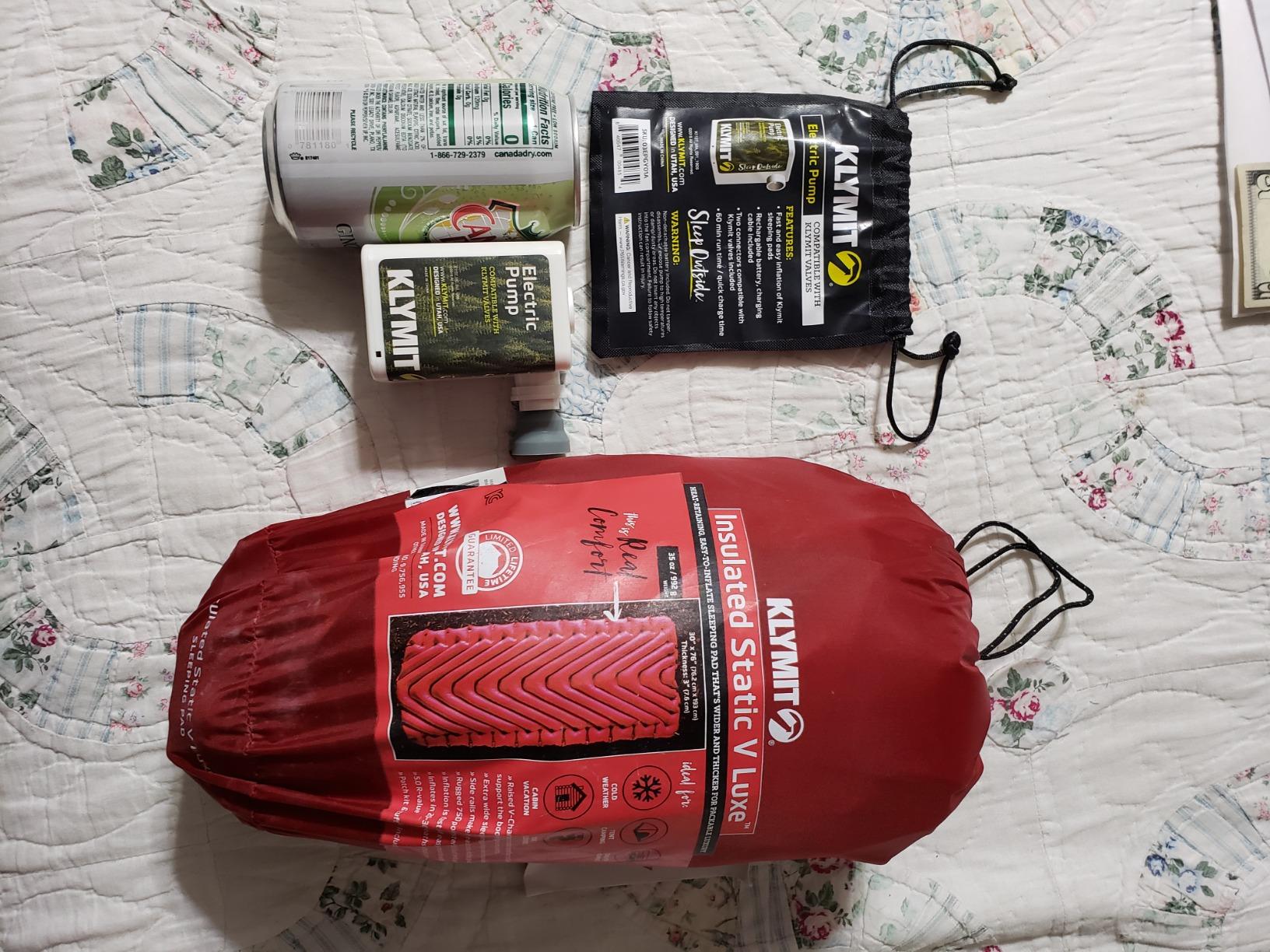
The body-mapping chamber design deserves attention. Instead of a flat surface, the V-shaped baffles contour to your body and reduce pressure points. The dynamic side rails cradle you in place, which solves a common complaint about sliding off the pad during the night.
At 32 ounces, this is the heaviest pad on our list by a wide margin. That makes it ideal for car camping, kayak trips, or base camp setups where weight is less critical. I would not recommend it for long backpacking trips unless warmth and comfort are absolute priorities over shaving ounces.
Who Should Buy the Insulated Static V Luxe
This pad shines for car campers, side sleepers, and bigger folks who need more room. The 300-pound capacity and wide footprint accommodate larger bodies comfortably. It is also the best choice on this list for serious cold weather camping where you need reliable insulation without compromise.
Potential Drawbacks to Consider
The 32-ounce weight rules it out for ultralight backpackers. It also takes 20 to 30 breaths to inflate manually, which is tiring without a pump sack. The price is the highest on our list, so it represents a real investment. Budget-conscious buyers may get more value from the ApolloAir at a lower cost.
3. TREKOLOGY UL80 – Thick Four-Inch Comfort on a Budget
- 4-inch thick contoured design
- Packs to 7.3x4.7 in
- 40D water-resistant nylon
- Works in tents and hammocks
- Lightweight at 750g
- Not self-inflating
- Not rated for winter
- Lower weight capacity at 253 lbs
The TREKOLOGY UL80 takes our Best Value spot because it delivers four inches of thickness at a price that feels almost too good. Most pads at this thickness cost significantly more, but TREKOLOGY found a way to keep it affordable without cutting corners on materials.
That four-inch thickness is the star of the show. I am a side sleeper, and most thin pads leave my hips and shoulders aching by morning. The UL80’s contoured S-curve design supported my pressure points through the night, and I woke up without the stiffness I usually get from budget pads.
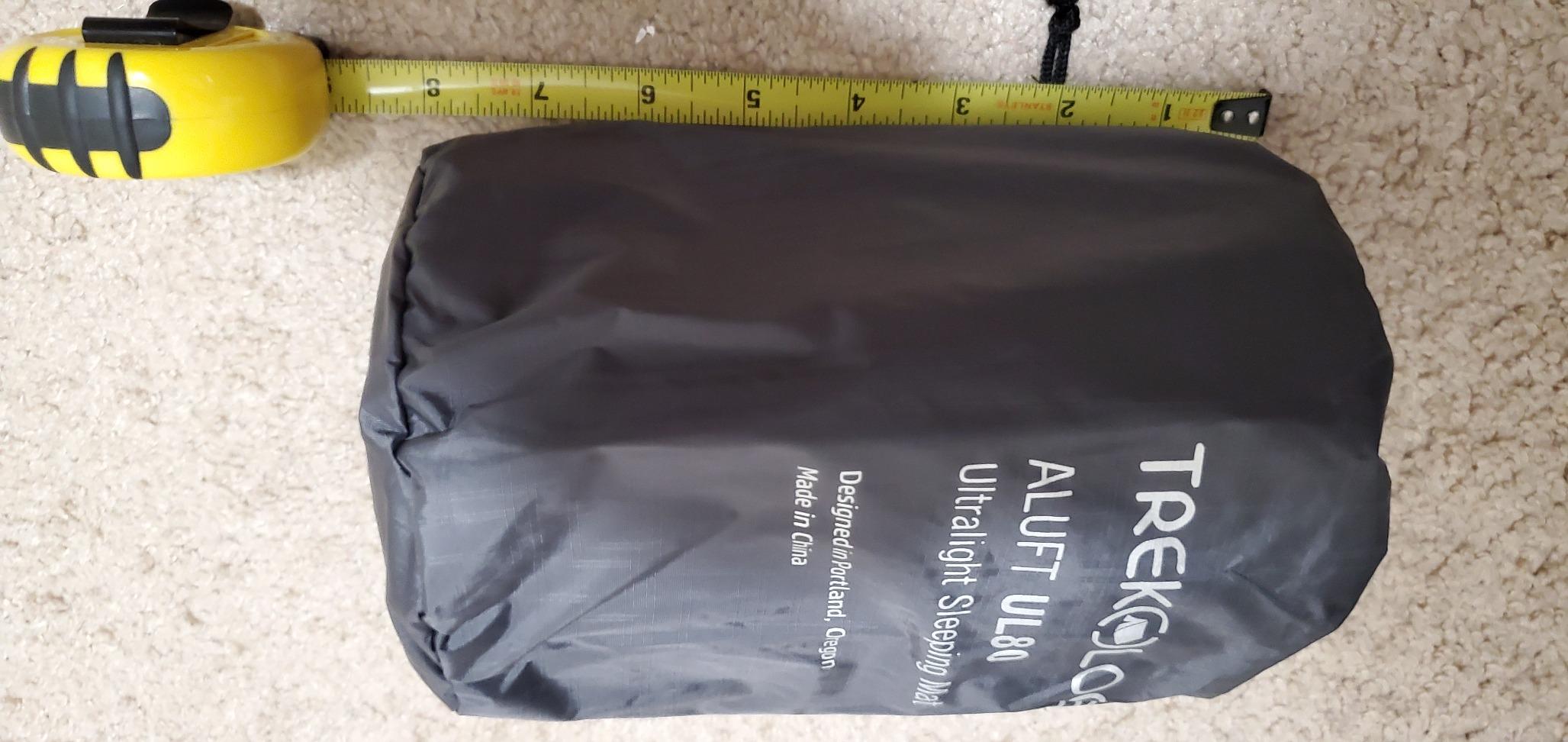
The 40D nylon construction feels durable enough for regular use. It is water-resistant, which handles morning condensation and damp ground without issue. I also tested it in a hammock, and it performed well thanks to the versatile design that accommodates both tent and hammock setups.
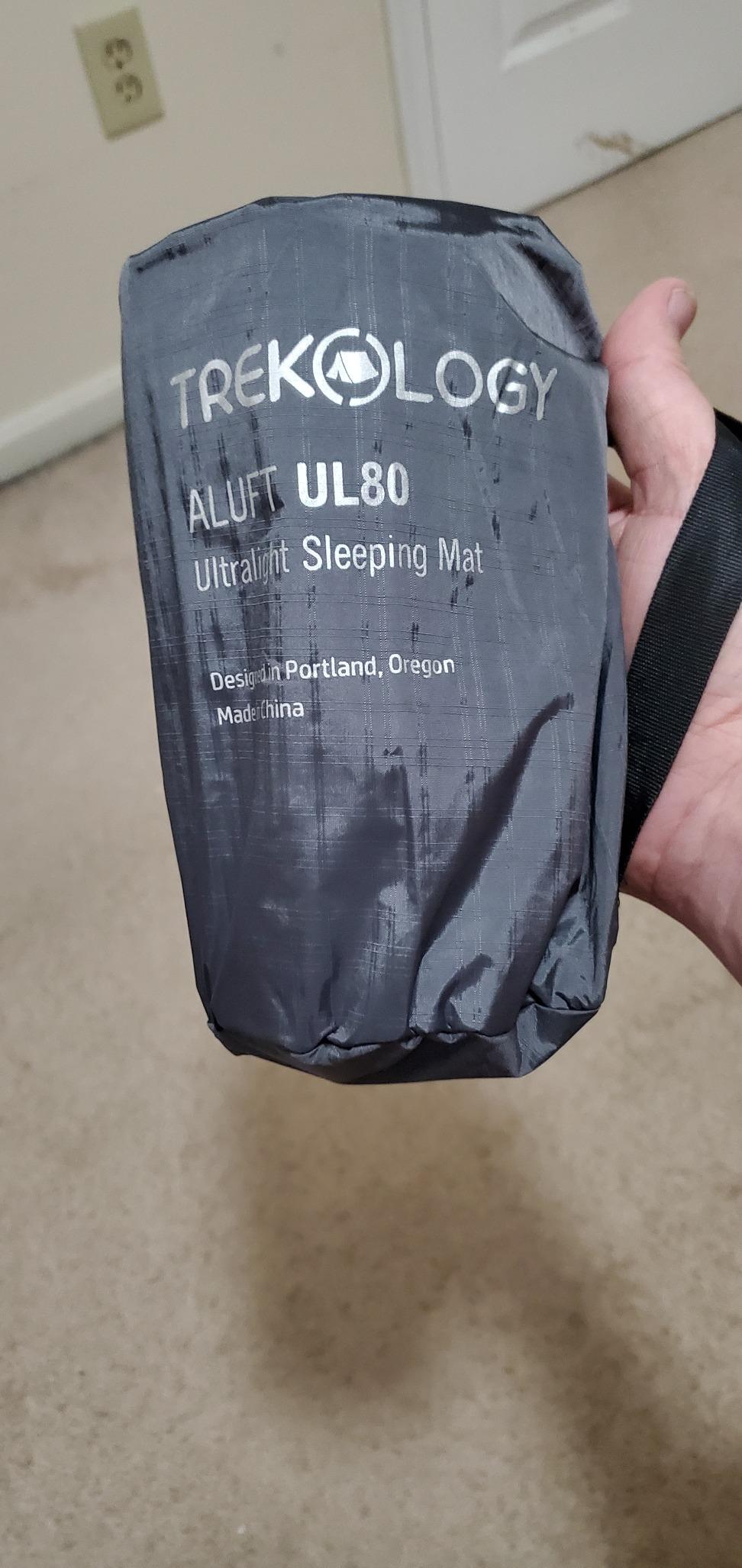
Weighing 19.8 ounces, it is not the lightest pad here but remains very packable. It compresses to 7.3 by 4.7 inches, fitting neatly alongside the rest of your gear. With 6,527 reviews and a 4.4 average rating, the UL80 has built a loyal following among three-season backpackers.
Who Should Buy the TREKOLOGY UL80
This pad hits a sweet spot for three-season backpackers and campers who want real comfort without spending a fortune. Side sleepers benefit from the generous thickness and contoured design. It is also a strong choice for hammock campers since the construction supports both use cases well.
Potential Drawbacks to Consider
The R-value of roughly 1.6 to 2 means this pad is a three-season option only. Take it into sub-freezing conditions and you will feel the cold. The weight capacity of 253 pounds is lower than some competitors, so heavier users should look elsewhere. It is not self-inflating, so plan on spending a few minutes blowing it up.
4. Klymit Static V – The Iconic V-Chamber Original
- Iconic V-Chamber body mapping
- Inflates in 10-15 breaths
- Ultralight at 18.7 oz
- Packs to 8x3 in
- Limited lifetime warranty
- Low R-value for warm weather only
- 250 lb weight capacity
- Not insulated for cold weather
The Klymit Static V is one of the most recognizable sleeping pads in the outdoor world, and for good reason. Its V-chamber design changed how budget sleeping pads approach comfort, and it remains a top seller year after year. I have used this pad on dozens of trips, and it continues to impress for warm-weather adventures.
The V-chamber design is more than a aesthetic choice. By mapping the baffles in a V pattern, Klymit created a pad that conforms to your body shape while limiting air movement between chambers. This reduces that bouncy trampoline effect you get with cheaper horizontal-baffle pads, and it helps the pad feel more supportive.
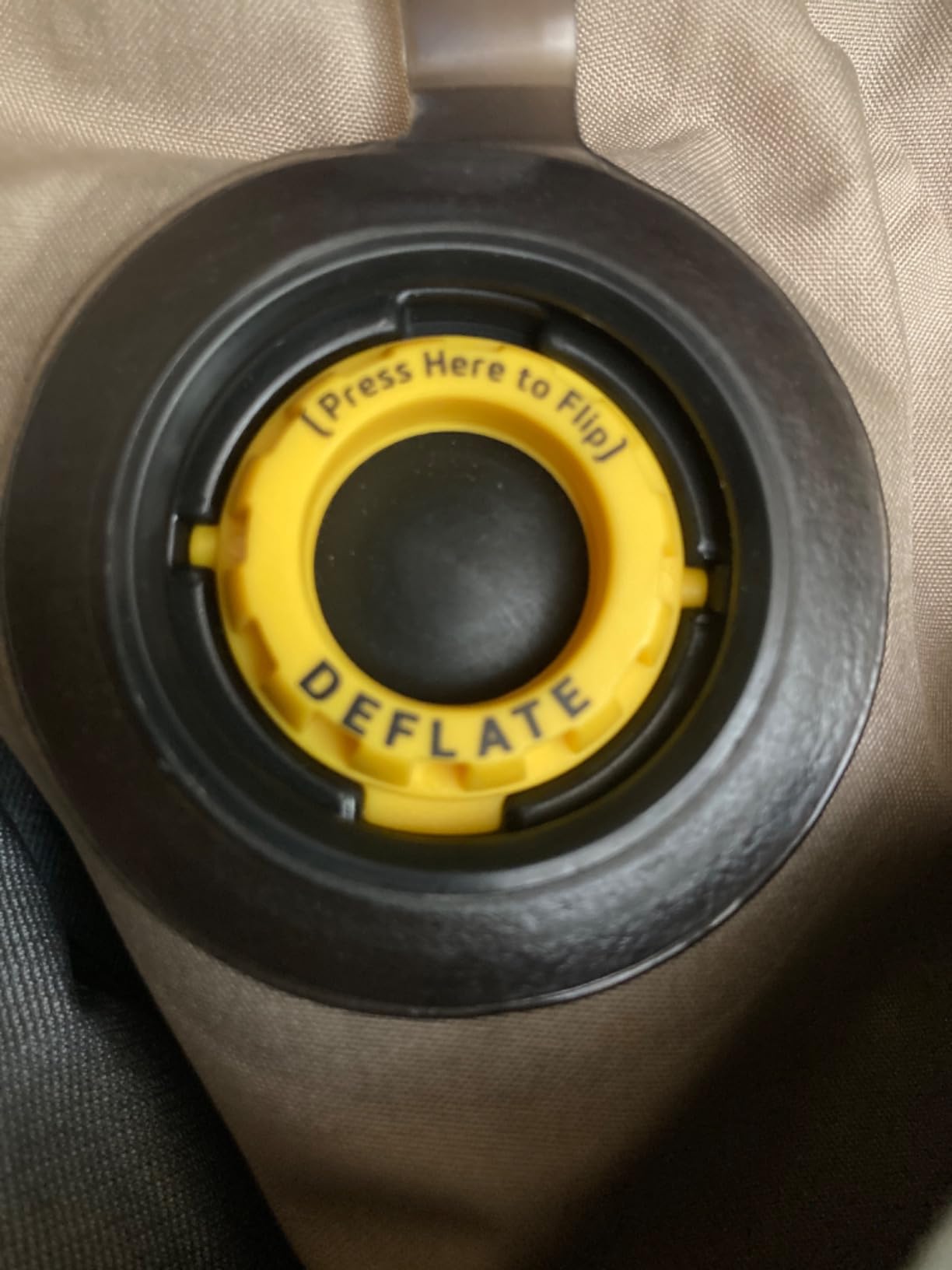
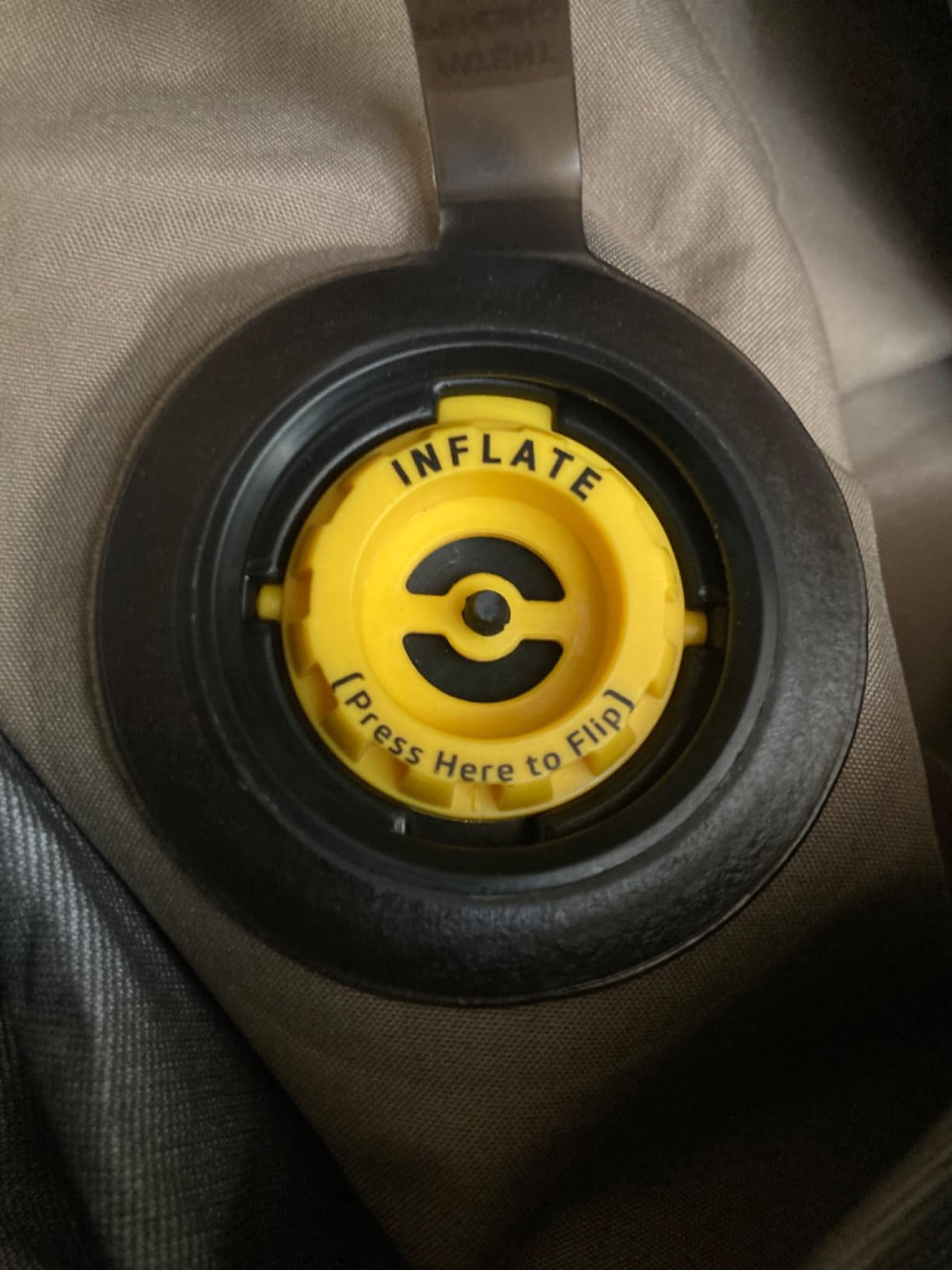
At 18.7 ounces, the Static V is one of the lighter pads on our list. It packs down to 8 by 3 inches, which takes up minimal space in your pack. Inflation takes 10 to 15 breaths, which is faster than most competitors in this price range.
The 75D polyester top and bottom are built to handle abrasion. This material is tougher than the 40D nylon used on some ultralight pads, which means you can set up on rougher ground without constant worry. Klymit backs it with a limited lifetime warranty, and the brand has a strong reputation for honoring claims.
Who Should Buy the Klymit Static V
This is the best inflatable sleeping pad for warm-weather backpackers who want proven design at a mid-range price. It works great for summer camping, festival trips, and fair-weather overnights. The loyal fanbase and consistent 4.4 rating across 4,384 reviews speak to its reliability over the long haul.
Potential Drawbacks to Consider
The 1.3 R-value means this pad is strictly for warm weather. If you camp below 40 degrees Fahrenheit, you will feel the cold through the pad. The 2-inch thickness is on the thinner side, which may not be enough for heavier side sleepers. The 250-pound capacity also limits it for bigger users.
5. Gear Doctors Ether – Ultralight With Built-In Foot Pump
- Bottle-sized portability at 8.6x3.1 in
- 90-second lung-free foot pump setup
- ErgoCushion ergonomic design
- Lifetime replacement guarantee
- Holds up to 440 lb
- 2-season rating only
- Smaller packed size than some competitors
The Gear Doctors Ether stands out for one clever feature that completely changes the inflation experience. It comes with a detachable foot pump that inflates the pad in about 90 seconds without using your lungs at all. After years of getting dizzy blowing up pads, this felt like a revelation.
At 17.5 ounces, the Ether is the lightest pad on our list with a pump included. It packs down to 8.6 by 3.1 inches, roughly the size of a one-liter water bottle. That makes it one of the most packable options here, especially impressive given its 3.35-inch thickness when inflated.
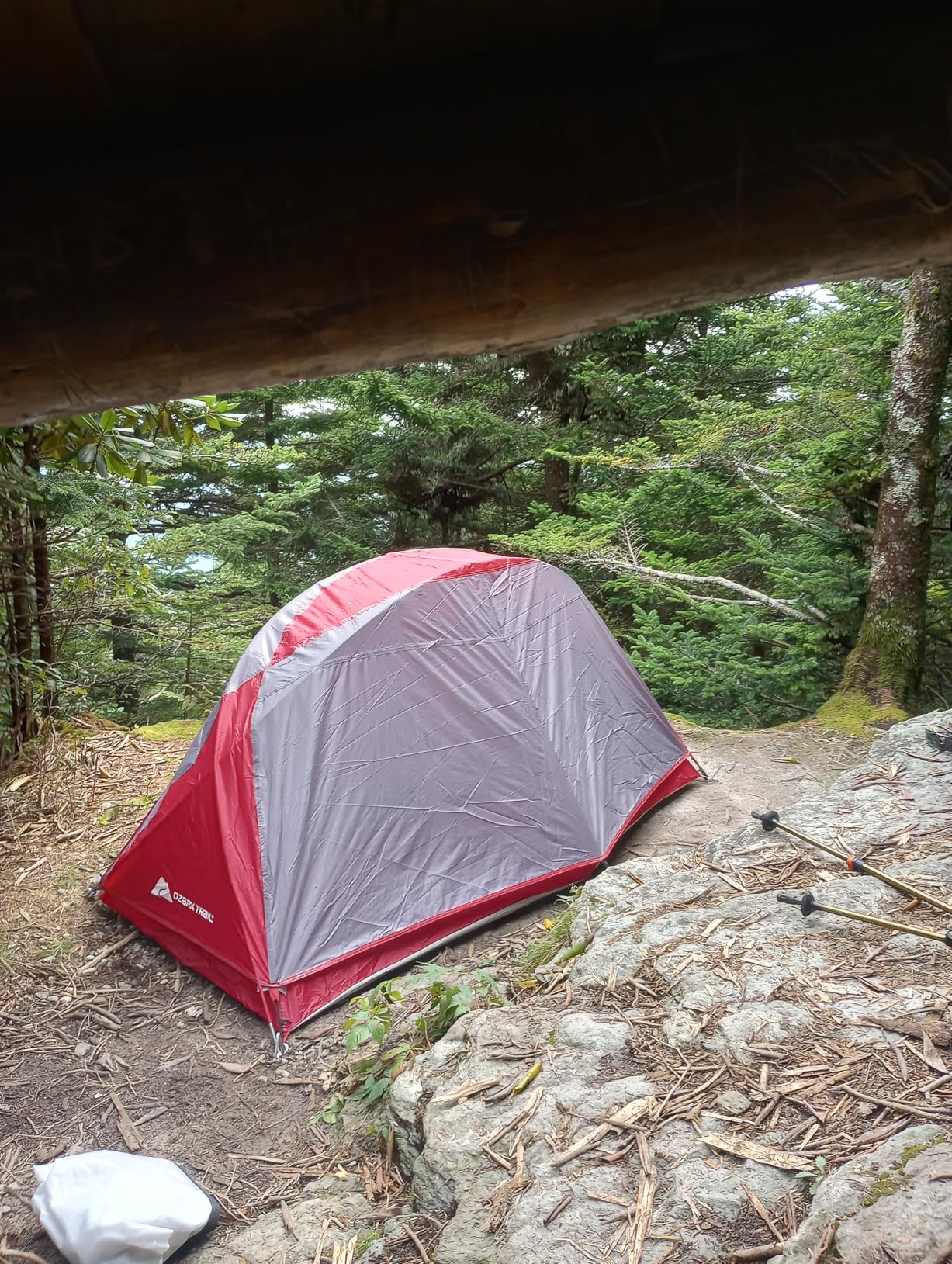
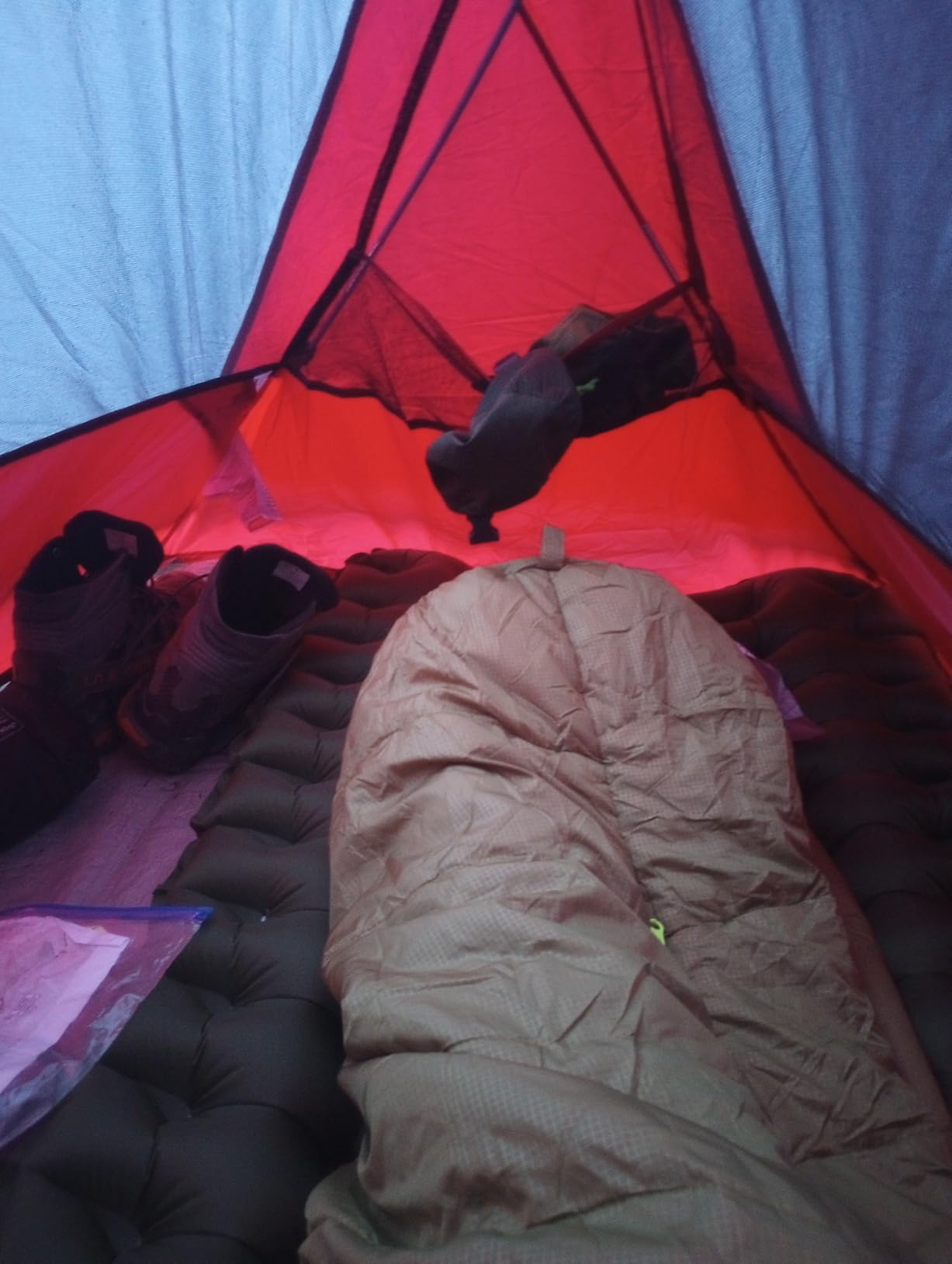
The ErgoCushion design uses body-mapped baffles to create an ergonomic sleeping surface. I tested this pad as a side sleeper, and the 3.35-inch thickness provided enough lift to keep my shoulders and hips off the ground. The 76 by 25-inch dimensions give you room to move without rolling off the edges.
Gear Doctors backs the Ether with a lifetime replacement guarantee, which is rare at this price point. The 440-pound capacity is the highest on our list, making it suitable for larger campers. With 74 percent of its 1,080 reviewers giving five stars, this pad has quickly built a strong reputation.
Who Should Buy the Gear Doctors Ether
This pad is perfect for backpackers and campers who hate manual inflation and want an ultralight solution. The foot pump eliminates the dizziness and moisture issues that come with lung inflation. It is also ideal for larger users thanks to the 440-pound capacity and generous sleep surface dimensions.
Potential Drawbacks to Consider
The two-season rating means this pad is designed for spring and summer use only. The lack of insulation makes it unsuitable for cold weather or shoulder-season trips where temperatures drop below 40 degrees. It is a newer product with fewer reviews than established options, though early feedback is overwhelmingly positive.
6. Sleepingo Ultralight – The Budget Crowd Favorite
- Ultra-affordable entry price
- Ripstop nylon for tear resistance
- Waterproof construction
- 350 lb weight capacity
- Versatile for all outdoor activities
- Durability issues with heavy use
- Limited insulation for cold conditions
The Sleepingo Ultralight Sleeping Mat is the pad I recommend when someone asks for the cheapest option that still delivers decent sleep. With nearly 35,000 reviews, it is one of the most popular budget sleeping pads on the market. That massive review base gives you a reliable picture of what to expect.
Weighing just under 14 ounces, the Sleepingo is the lightest pad on our list. The ripstop nylon construction resists tearing, and the TPU coating makes it waterproof. I tested it on a damp forest floor after rain, and the material kept moisture from seeping through overnight.
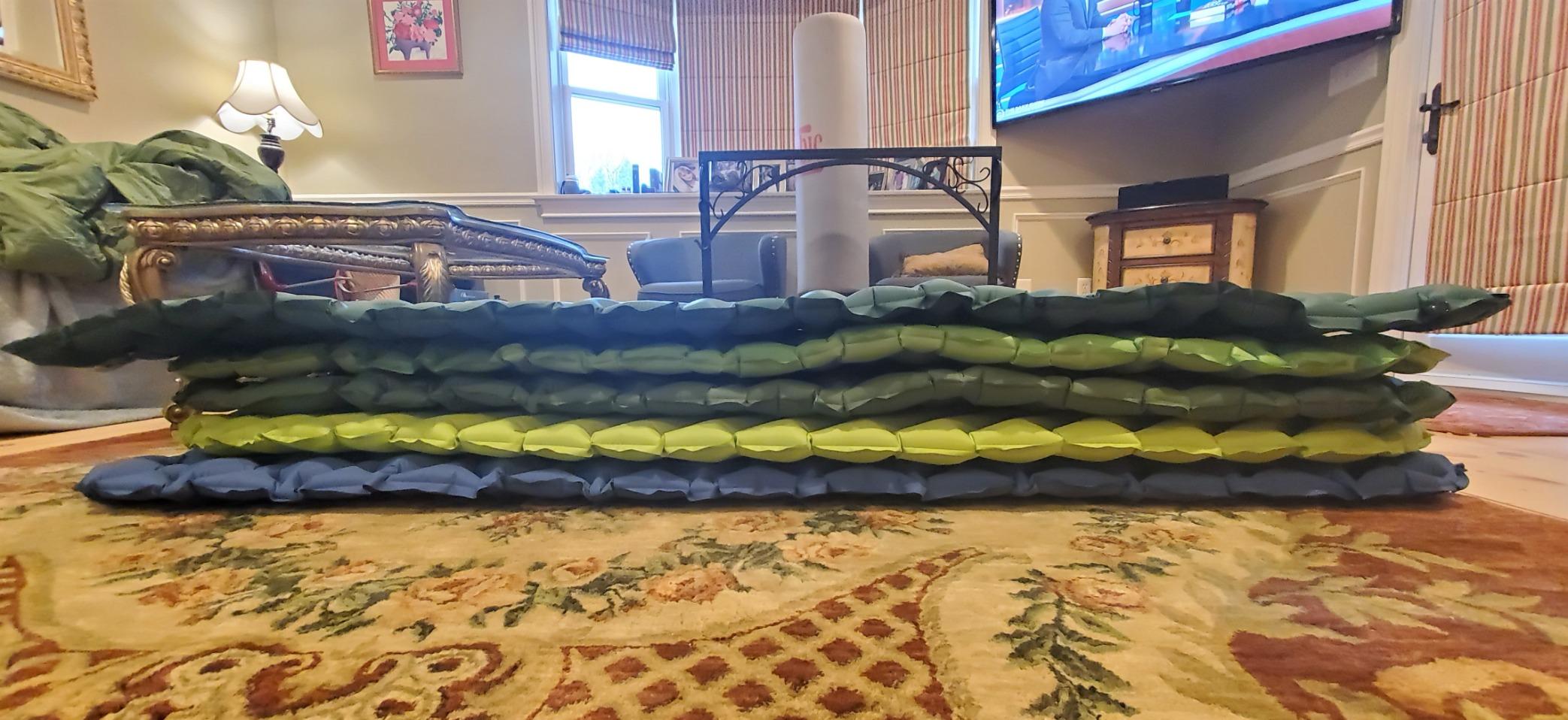
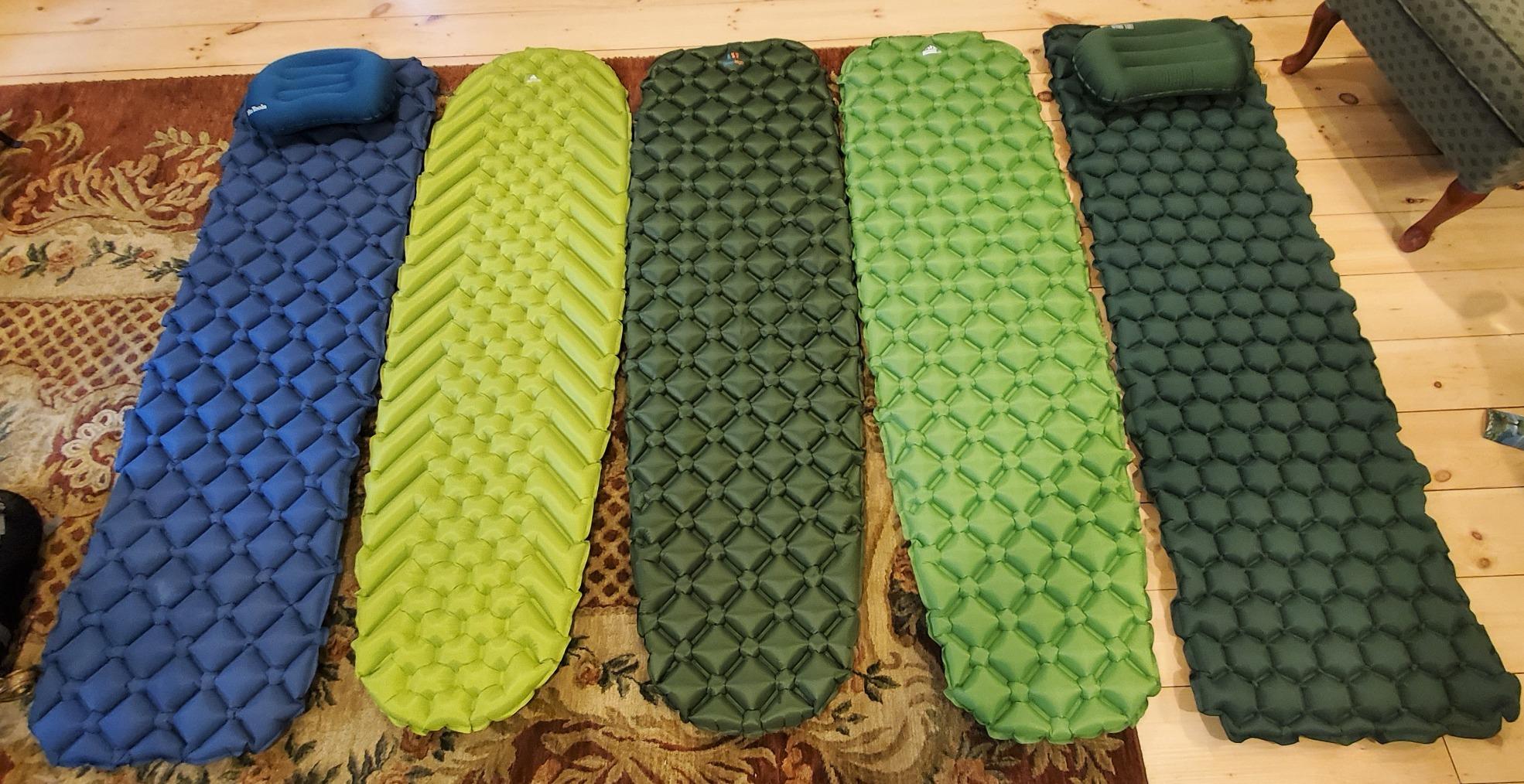
The 2-inch thickness is on the thinner side, but the firm air pressure provides enough support for back sleepers. Side sleepers may find it less comfortable than the thicker options on this list, especially if they carry more weight. The 73.5 by 21.5-inch dimensions are standard for a mummy-style pad.
At this price point, some compromises are expected. The most common complaint in the reviews relates to durability under heavy use. For occasional camping and fair-weather trips, the Sleepingo delivers solid value. For frequent backpacking or rugged terrain, investing in a more durable option may save money long-term.
Who Should Buy the Sleepingo Ultralight
This pad is ideal for first-time campers, festival-goers, and budget-conscious backpackers who need something that works without breaking the bank. The 350-pound capacity accommodates most users, and the compact packed size fits easily in a backpack. It is also a great backup pad to keep in your car for unexpected overnights.
Potential Drawbacks to Consider
The 2-inch thickness lacks insulation, making this a warm-weather pad only. Durability is the biggest concern, with some users reporting seam failures after extended use. If you camp frequently or on rough terrain, the Sleepingo may not hold up as well as pricier options like the Klymit Static V or TREKOLOGY UL80.
How to Choose the Best Inflatable Sleeping Pad
Choosing the right sleeping pad comes down to understanding a few key specifications and matching them to your specific camping style. Here is what matters most when comparing your options.
Understanding R-Value and Temperature Ratings
R-value measures a pad’s resistance to heat flow, which tells you how well it insulates you from the cold ground. Higher numbers mean more warmth. The ASTM standardized R-value testing in 2020, so modern ratings are directly comparable across brands. Here is a quick guide to help you match R-value to your camping conditions.
An R-value below 2.0 works for summer trips where overnight lows stay above 40 degrees Fahrenheit. Values between 2.0 and 3.5 cover three-season use for spring through fall. For winter camping or temperatures below freezing, look for R-values of 4.0 or higher. The Gear Doctors ApolloAir at 5.2 and the Klymit Insulated Static V Luxe at 5.0 are both solid four-season choices on our list.
Weight Versus Comfort Tradeoff
Every ounce matters when you are carrying everything on your back. Ultralight pads like the Gear Doctors Ether at 17.5 ounces and the Sleepingo at 14 ounces minimize pack weight but often sacrifice thickness and insulation. Heavier pads like the Klymit Insulated Static V Luxe at 32 ounces prioritize comfort and warmth at the cost of packability. Think about your trip type first, then choose accordingly.
Inflation Methods Matter More Than You Think
Manual inflation means blowing into a valve, which takes 10 to 30 breaths depending on pad volume. Pump sacks and foot pumps speed up the process and keep moisture out of your pad. The Gear Doctors Ether comes with a foot pump for 90-second setup, while the ApolloAir includes a pump sack. Moisture from breath can degrade insulation over time, so pump-based inflation extends pad lifespan.
Denier Ratings and Durability
Denier measures fabric thickness, with higher numbers indicating tougher material. The Klymit Static V uses 75D polyester, which is more abrasion-resistant than the 40D nylon found on lighter pads. If you camp on rocky or rough ground frequently, prioritize higher denier ratings. For gentler trail conditions or hammock use, lighter fabrics save weight without much risk.
Side Sleeper Considerations
Sleeping pads matter enormously for side sleepers because your shoulders and hips create concentrated pressure points. Look for pads at least 3 inches thick to keep those joints off the ground. The TREKOLOGY UL80 at 4 inches and the Gear Doctors Ether at 3.35 inches are excellent choices. Body-mapped designs like the Klymit V-chamber also help by distributing pressure more evenly across your body.
Noise Levels and Sleep Quality
Inflatable pads can be noisy. The crinkly sound of shifting baffles disturbs light sleepers and is one of the most common complaints in camping forums. Pads with finer baffle designs tend to be quieter. The air-sprung cell construction on some premium pads reduces noise significantly. If you are a light sleeper, read reviews specifically mentioning noise before buying.
Repairability and Patch Kits
Punctures happen on the trail, and a good repair kit saves your trip. The Gear Doctors ApolloAir includes four repair kits, which is generous. Most pads come with at least one patch. Always carry a kit in your pack, and learn how to use it before you need it. Brands with strong warranty support, like Klymit’s limited lifetime coverage, add peace of mind for long-term ownership.
FAQs
What is the best sleeping pad for side sleepers?
For side sleepers, the TREKOLOGY UL80 is the top choice thanks to its 4-inch thickness and contoured S-curve design that supports shoulders and hips. The Gear Doctors Ether at 3.35 inches and the Klymit Insulated Static V Luxe with its 30-inch width are also excellent options. Look for pads at least 3 inches thick with body-mapped baffle designs.
What is the most comfortable sleeping pad for camping?
The Klymit Insulated Static V Luxe offers the most comfortable sleep experience with its wide 30-inch surface, body-mapping V-chambers, and dynamic side rails. For car camping specifically, this pad feels closest to a real mattress. The TREKOLOGY UL80 is the most comfortable option at a lower price point.
What is the best lightweight sleeping pad for backpacking?
The Gear Doctors Ether at 17.5 ounces with a built-in foot pump is the best ultralight backpacking pad on our list. The Sleepingo Ultralight at 14 ounces is even lighter for those on a tight budget. For backpackers who need insulation, the Gear Doctors ApolloAir at 17 ounces with a 5.2 R-value is the best warm-weather-and-cold option.
How do I choose the right R-value for a sleeping pad?
R-value measures insulation from cold ground. For summer camping above 40 degrees Fahrenheit, an R-value of 1.0 to 2.0 is sufficient. For three-season use, aim for 2.0 to 3.5. For winter or sub-freezing conditions, choose 4.0 or higher. The Gear Doctors ApolloAir at 5.2 and Klymit Insulated Static V Luxe at 5.0 are both excellent four-season picks.
What is the difference between inflatable and foam sleeping pads?
Inflatable pads use air chambers for cushioning and can be packed very small, making them ideal for backpacking. Foam pads are closed-cell foam that requires no inflation and is virtually indestructible but bulky. Many backpackers use both, placing a thin foam pad under an inflatable for extra insulation and puncture protection on rough terrain.
Final Thoughts on the Best Inflatable Sleeping Pads
Finding the best inflatable sleeping pads in 2026 does not have to be complicated. For four-season performance and all-around value, the Gear Doctors ApolloAir with its 5.2 R-value is tough to beat. The TREKOLOGY UL80 delivers incredible thickness at a budget-friendly price, and the Sleepingo Ultralight remains the go-to for first-time campers watching their wallet.
Think about your typical trip conditions, your sleep style, and your pack weight tolerance before choosing. Any of these six pads will serve you well when matched to the right adventure. Now get out there and sleep comfortably under the stars.