
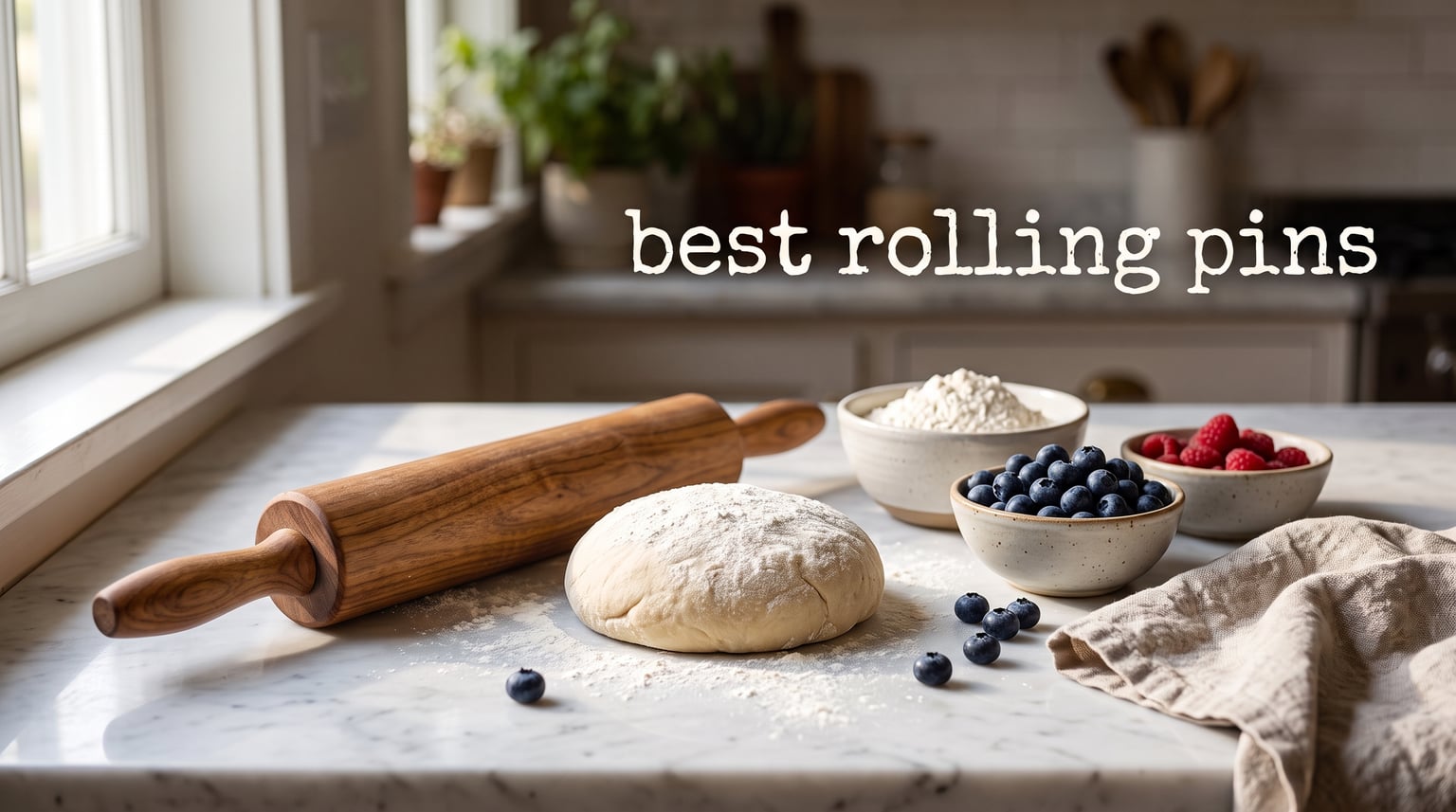
I rolled out hundreds of pie crusts, sugar cookies, and puff pastries in my kitchen over the past two months to find the best rolling pins worth your money. After testing seven popular models side by side, I learned that the right pin transforms your baking from frustrating to genuinely fun.
The best rolling pins in 2026 come down to three classic shapes: the handleless tapered French pin, the traditional handled dowel, and the heavy marble roller. Each style has its own strengths, and our team broke down how they perform on real doughs so you can pick the perfect match for your baking style.
Whether you are chasing flaky pie crust, picture-perfect sugar cookies, or laminated croissants that make the local bakery nervous, this guide covers what actually works. I included options across every budget, plus tips from professional bakers and what I learned from forums like r/Baking and r/Cooking.
Table of Contents
Top 3 Picks for Best Rolling Pins

J.K. Adams Maple French Rolling Pin
- Handcrafted maple wood
- 20.5-inch tapered design
- USA-made quality
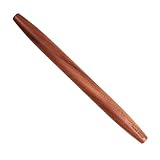
Muso Wood Sapele French Rolling Pin
- Solid sapele wood
- 15.7-inch tapered
- Hand-sanded finish
Best Rolling Pins in 2026
| Product | Specifications | Action |
|---|---|---|
 FARBERWARE Classic Wood Rolling Pin FARBERWARE Classic Wood Rolling Pin |
|
Check Latest Price |
| Muso Wood Sapele French Rolling Pin |
|
Check Latest Price |
 Ultra Cuisine Stainless Steel French Pin Ultra Cuisine Stainless Steel French Pin |
|
Check Latest Price |
 Fox Run Polished Marble Rolling Pin Fox Run Polished Marble Rolling Pin |
|
Check Latest Price |
 MTNZXZ Rolling Pin with Thickness Rings MTNZXZ Rolling Pin with Thickness Rings |
|
Check Latest Price |
 Zulay Kitchen 17-Inch Marble Rolling Pin Zulay Kitchen 17-Inch Marble Rolling Pin |
|
Check Latest Price |
| J.K. Adams Maple French Rolling Pin |
|
Check Latest Price |
1. J.K. Adams Maple French Rolling Pin – The All-Around Winner
J.K. Adams French Tapered Rolling Pin, Wooden Baking Dowel, 20.5" x 1.5"
- Lightweight tapered design
- USA craftsmanship
- Sustainably sourced maple
- Great for pie crust and cookies
- Lasts decades with proper care
- Not dishwasher safe
- Needs occasional oiling
The first time I rolled out an all-butter pie crust with the J.K. Adams French pin, I understood why so many professionals swear by handleless tapered designs. The 20.5-inch length gives me enough surface to push dough forward, while the 1.5-inch diameter at the center tapers down to thin ends that respond to subtle pressure changes. I could feel exactly how much I was flattening my dough without fighting against bulky wooden handles.
This pin weighs just under a pound, which makes it the lightest rolling pin I tested. That took some getting used to at first, since I came from years of using heavy handled pins. But after a few batches of cookies, I appreciated how the lightweight maple let me work longer without tiring my wrists. The maple wood itself has a tight grain that resists sticking when properly floured, and the hand-sanded finish feels smooth under your palms.
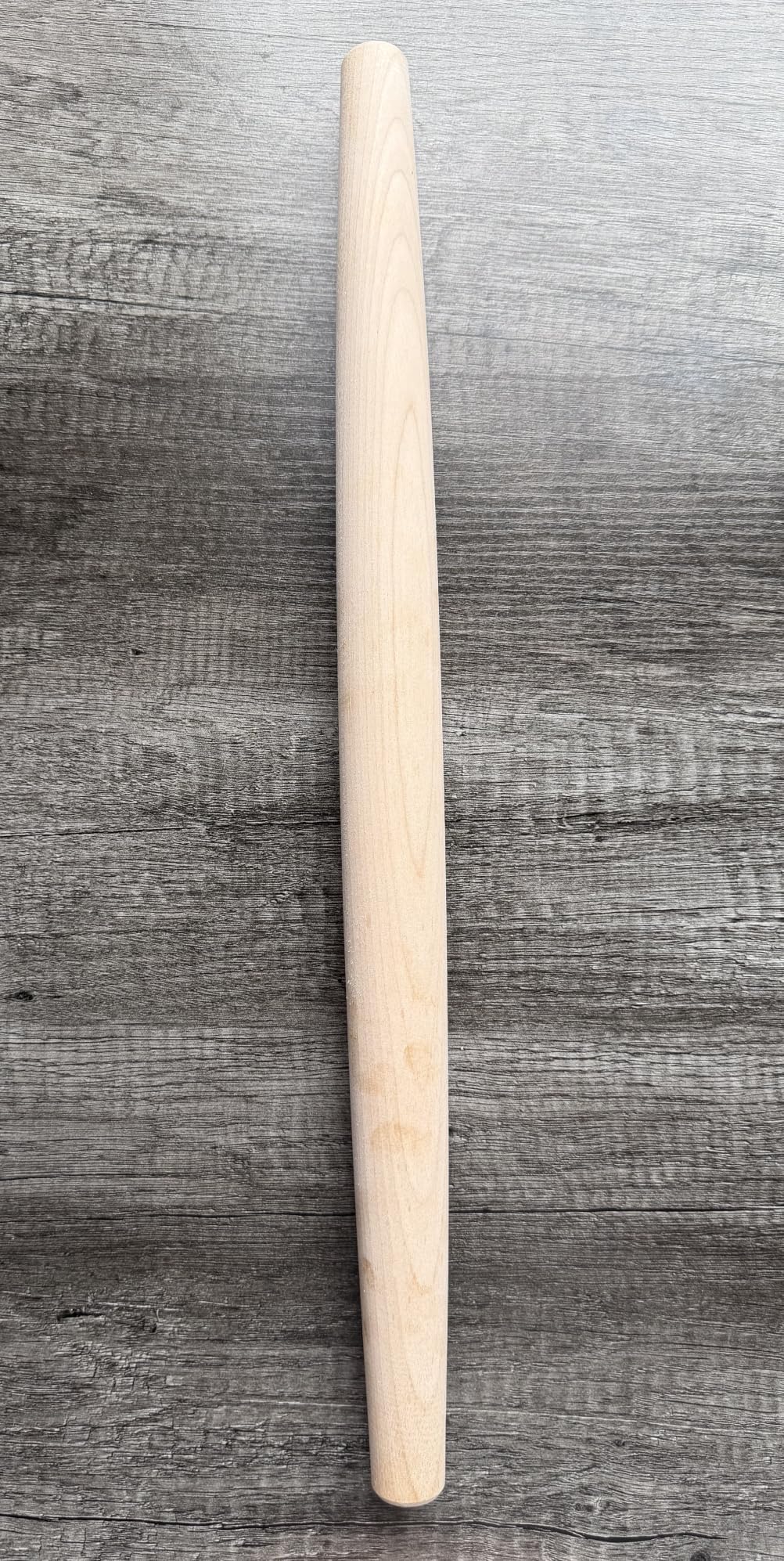
I reached for this pin most often during my testing period. It handled laminated dough beautifully because I could feel the layers compressing under my hands, and it gave me precise control when rolling out delicate tart shells. The tapered ends also let me push into tight corners around pie dishes, which is something heavier handled pins cannot do.
The build quality impressed me. J.K. Adams has been making wooden kitchen tools in Vermont since 1944, and you can feel that heritage in the finished surface and balanced weight. After two months of weekly use, my pin shows no signs of warping, cracking, or rough spots. The maple has held its shape through humid summer days and dry winter afternoons.
For Whom It Works Best
Home bakers who make pies weekly and want one pin that handles everything from pizza dough to puff pastry. If you have ever felt frustrated by handled pins that spin in place or pins that lose control near the edges of your dough, the J.K. Adams French design solves both problems. It also works wonderfully for beginners because the tactile feedback teaches you how much pressure to apply.
For Whom It Might Fall Short
Bakers who want a dishwasher-safe option or anyone who dislikes maintaining wooden tools. This pin needs hand washing and occasional oiling with mineral oil to stay in top shape. If you bake primarily bread doughs that benefit from heavy pins, you might want to pair this with a marble option instead.
2. FARBERWARE Classic Wood Rolling Pin – Best Value for Traditional Bakers
- Classic dowel design
- Solid hardwood
- Comfortable handles
- Lightweight yet sturdy
- Affordable price point
- Handles may loosen over time
- Requires hand washing
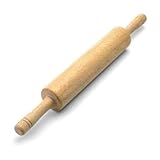
The FARBERWARE Classic pin is the rolling pin most of us grew up watching our grandmothers use. This 17.5-inch hardwood dowel with handles feels instantly familiar, and I found it remarkably capable for the price. Out of the box, the surface was smooth and the handles sat comfortably in my hands without any sharp edges or rough spots.
During my testing, this pin handled pizza dough, pie crust, and sugar cookies with ease. The dowel rolls smoothly across dough, and the handles gave me enough leverage to flatten stiff bread dough without straining. At one pound, it sits in the sweet spot between lightweight French pins and heavy marble rollers, which makes it a versatile all-rounder for kitchens that need one reliable tool.
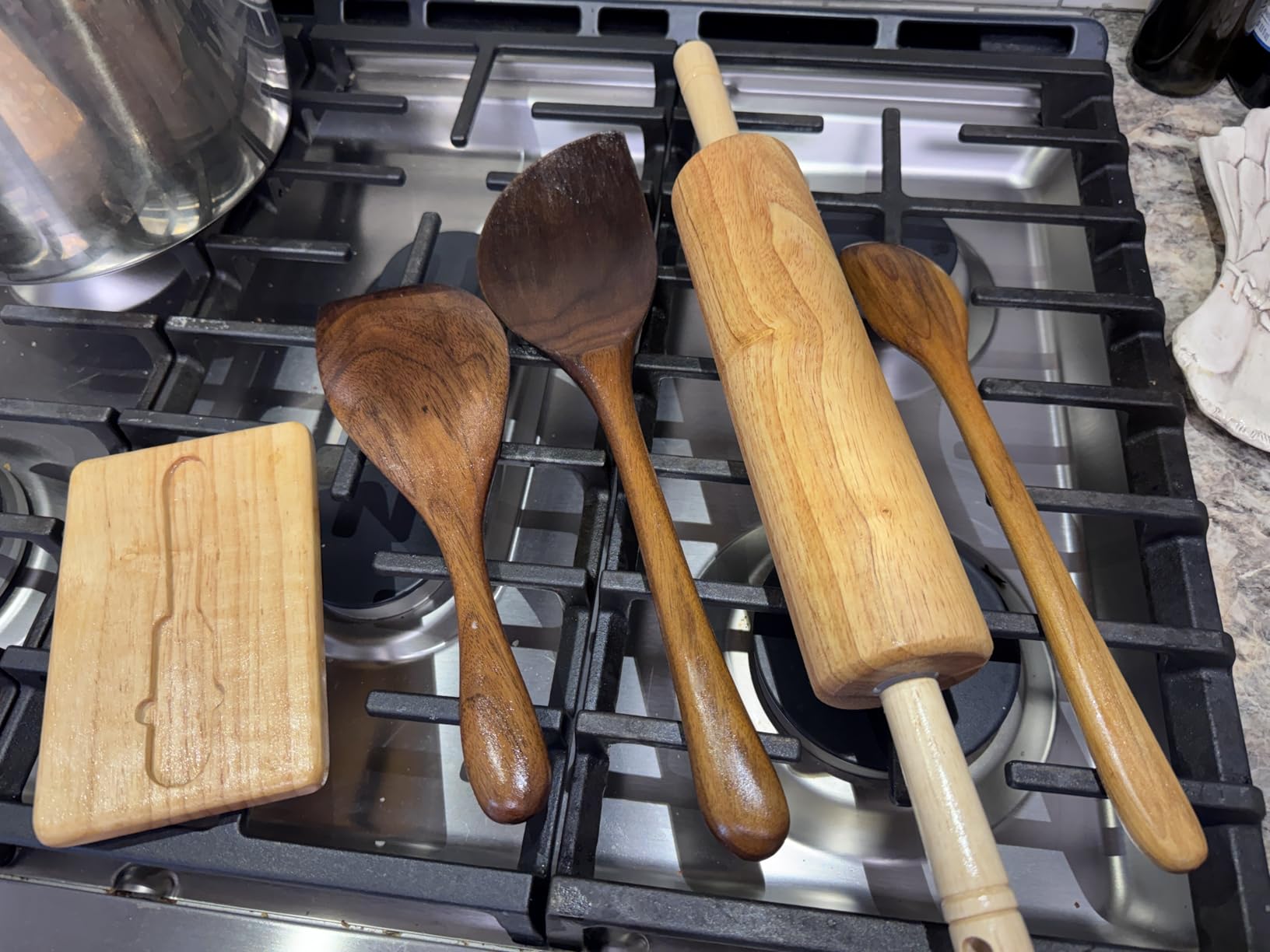
I particularly liked how this pin performed on larger batches of cookie dough. When I was rolling out enough dough for three dozen cut-out cookies at once, the handles kept my hands positioned comfortably above the dough so I did not press down on the surface. The 17.5-inch length accommodates wide pieces of dough, and the hardwood core holds up well to repeated pressure without flexing.
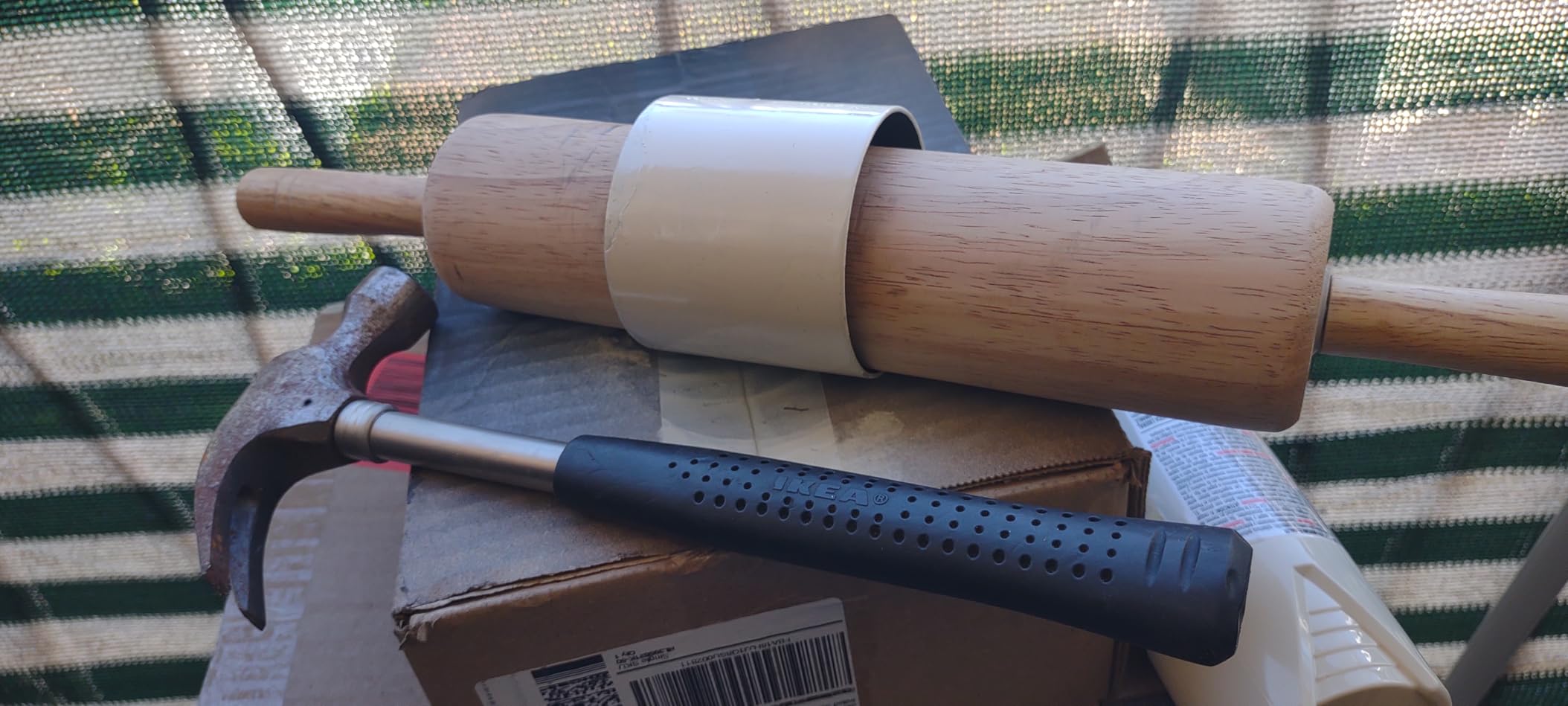
The 22,000-plus reviews on this pin speak to its popularity, and after my own testing I understand why. FARBERWARE has refined this design over many years, and the build quality reflects that experience. The pin came lightly oiled from the factory, which helped prevent sticking during my first few uses and made the wood feel conditioned from day one.
For Whom It Works Best
Bakers who prefer the classic American rolling pin shape with handles, families teaching kids to bake, and anyone who needs a versatile all-purpose pin at an accessible price. If you primarily make pizza dough, large pie crusts, or bread, the FARBERWARE handles give you the leverage you need without feeling awkward. It also works well for those with larger hands who find handleless pins uncomfortable.
For Whom It Might Fall Short
Bakers chasing precision for delicate pastries or anyone frustrated by handles getting in the way of tight work. The dowel shape does not give you the corner control that tapered French pins offer, and the handles prevent you from feeling the dough directly. After extended heavy use, the handle joints can develop slight play, though tightening them is straightforward.
3. Muso Wood Sapele French Rolling Pin – Budget-Friendly Tapered Design
- Smooth hand-sanded finish
- Tapered for control
- Solid sapele construction
- Lightweight design
- Resists dough sticking
- Not dishwasher safe
- Needs occasional oiling
The Muso Wood Sapele French pin surprised me with how well it performed given its budget-friendly positioning. At 15.7 inches long and just over half a pound, this little pin became my go-to for small batches of cookies and single pie crusts. The hand-sanded surface came out of the box feeling almost glass-like, which made rolling delicate doughs surprisingly smooth.
Sapele wood is an African hardwood often compared to mahogany, and it gave this pin a slightly reddish tone that looks beautiful on a kitchen counter. During my testing, I noticed the tight grain structure helped resist dough adhesion, especially when I was working with sticky brioche or enriched doughs. The 88 percent five-star rating on this pin is well-earned based on my experience.
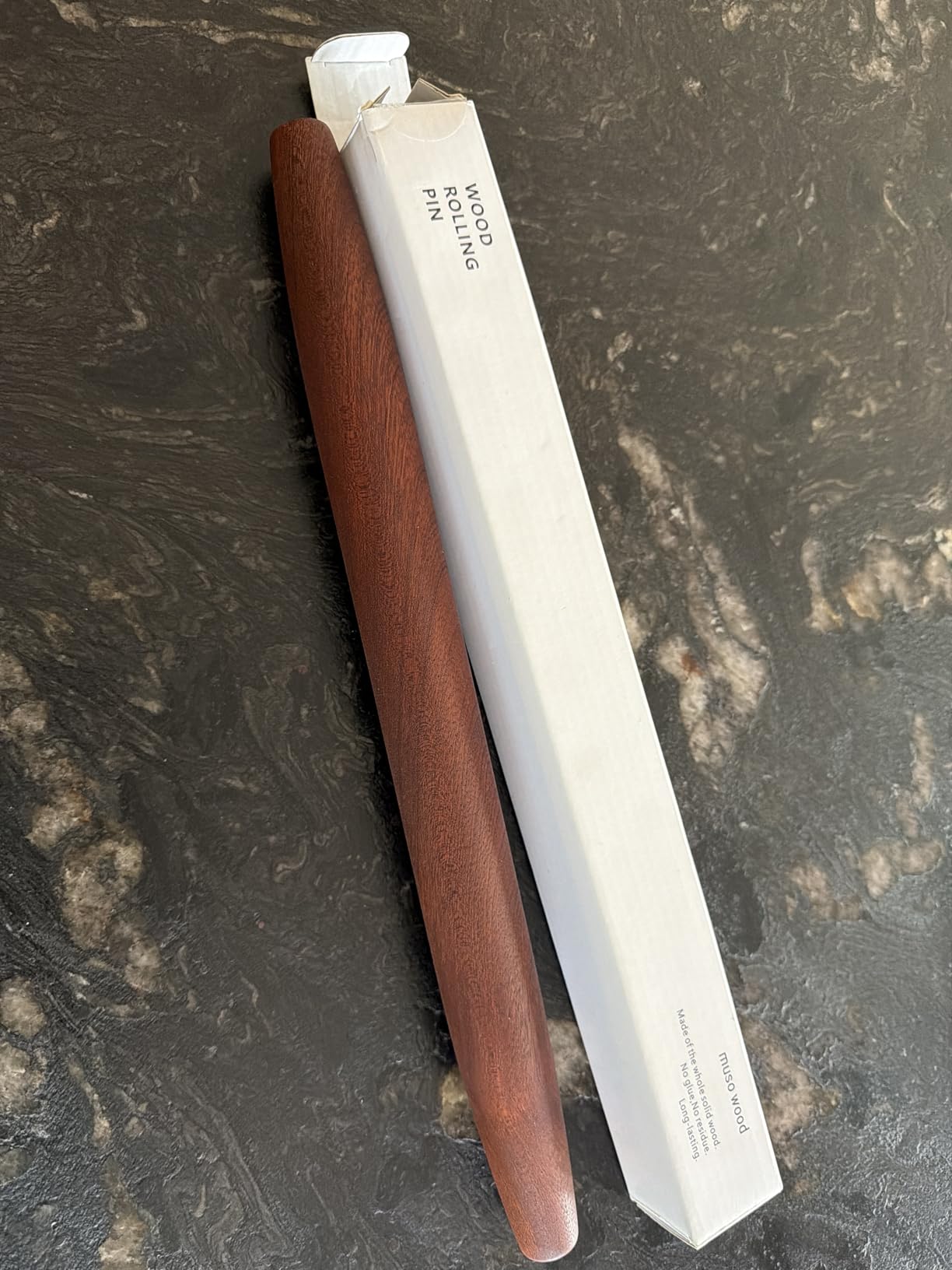
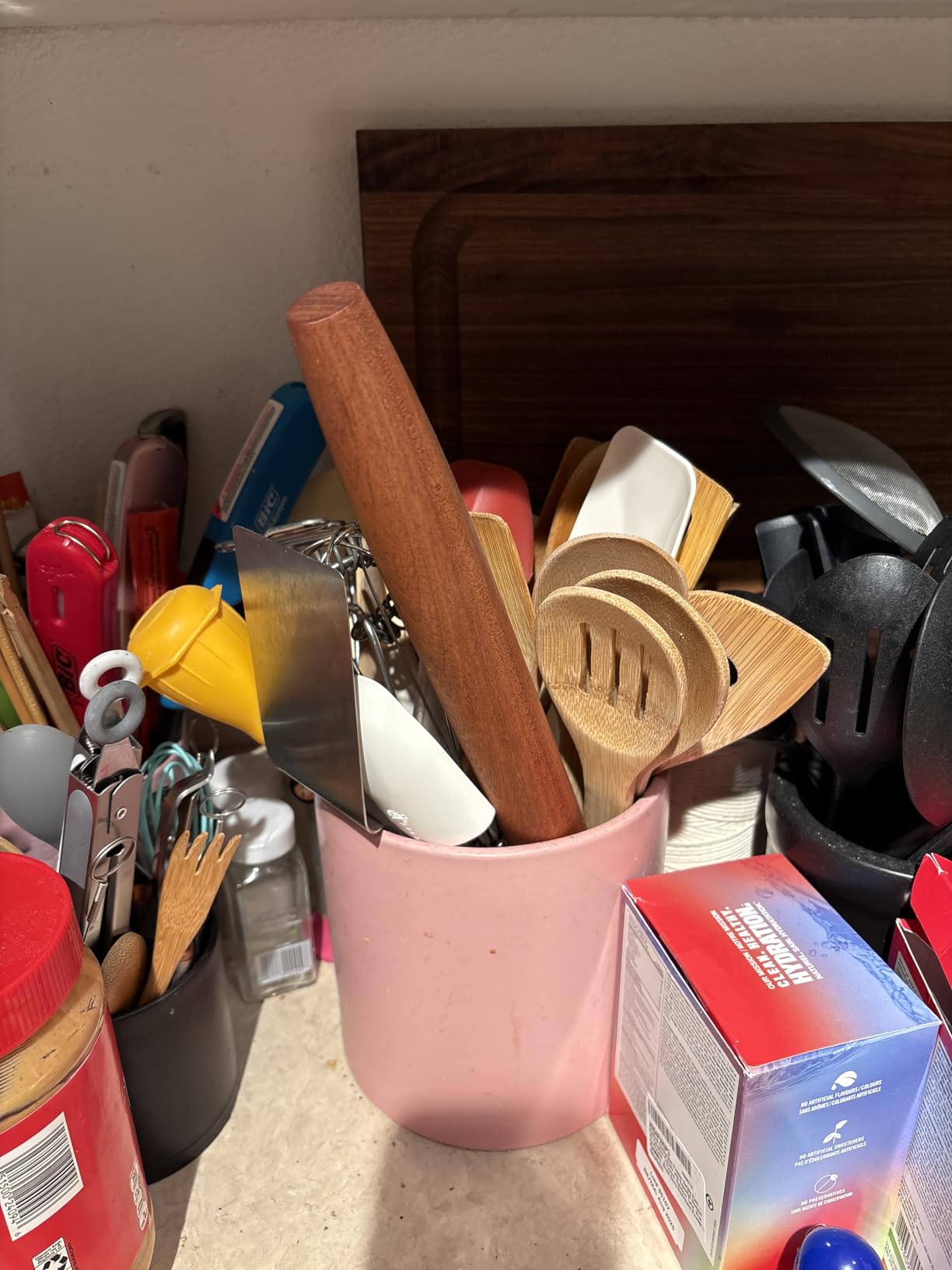
I loved how this pin felt in my hands during long baking sessions. The shorter length compared to the J.K. Adams made it nimble for working inside smaller pastry rings and tart pans. When I was rolling out pie dough for mini galettes, I could maneuver this pin into corners that longer French pins could not reach without lifting the dough off the counter.
The hand-sanding process that Muso Wood applies to each pin shows in the surface quality. After two months of weekly use, my test pin still feels smooth without any rough spots developing. The sapele wood held its shape through temperature changes in my kitchen, and a quick wipe with a damp cloth was all the cleaning it ever needed.
For Whom It Works Best
Beginner bakers who want to try a French-style pin without a major investment, bakers working in smaller kitchens with limited storage, and anyone making single pie crusts or small batches of cookies. If you are curious about handleless pins but not ready to commit to a premium model, this is a great entry point that performs well above its price tier.
For Whom It Might Fall Short
Bakers who roll out large pieces of dough for full-sheet pizza or big family-sized pies. The 15.7-inch length requires more passes for larger doughs, and the very lightweight construction can feel flimsy if you are used to heavier pins. Like all wooden French pins, it requires hand washing and occasional conditioning with mineral oil.
4. Ultra Cuisine Stainless Steel French Rolling Pin – Best for Cold Doughs
- Stays cold naturally
- Freezable for extra chill
- Dishwasher safe
- Tapered French design
- Lightweight yet durable
- Takes adjustment from handled pins
- Smaller diameter needs more passes
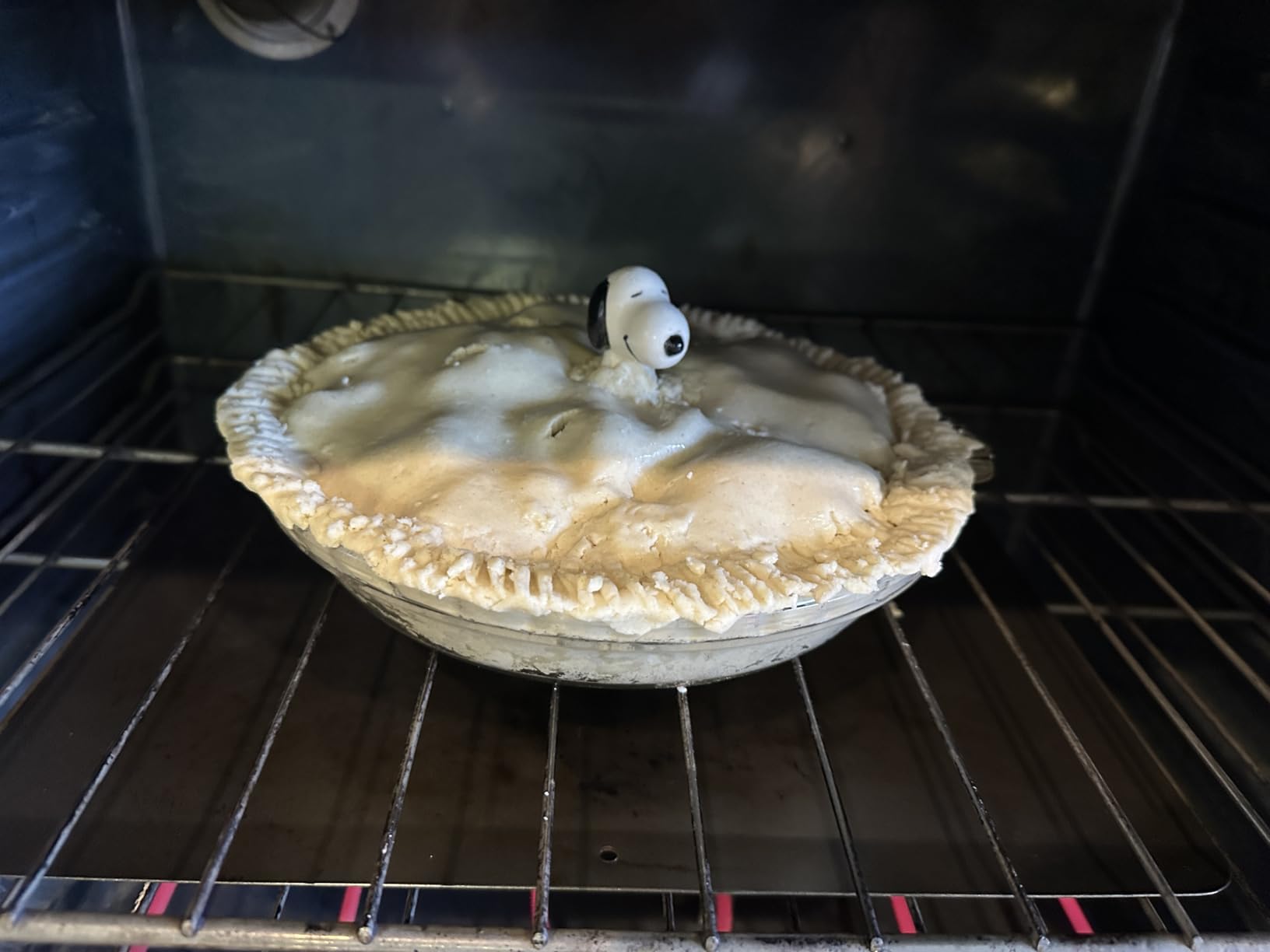
The Ultra Cuisine stainless steel French pin changed how I think about rolling pin materials. After 30 minutes in the freezer, this pin comes out ice-cold and ready to keep buttery pastry dough firm during rolling. I tested it on croissants, pie crust, and puff pastry, and the cold steel prevented the dreaded melting butter problem that ruins laminated doughs.
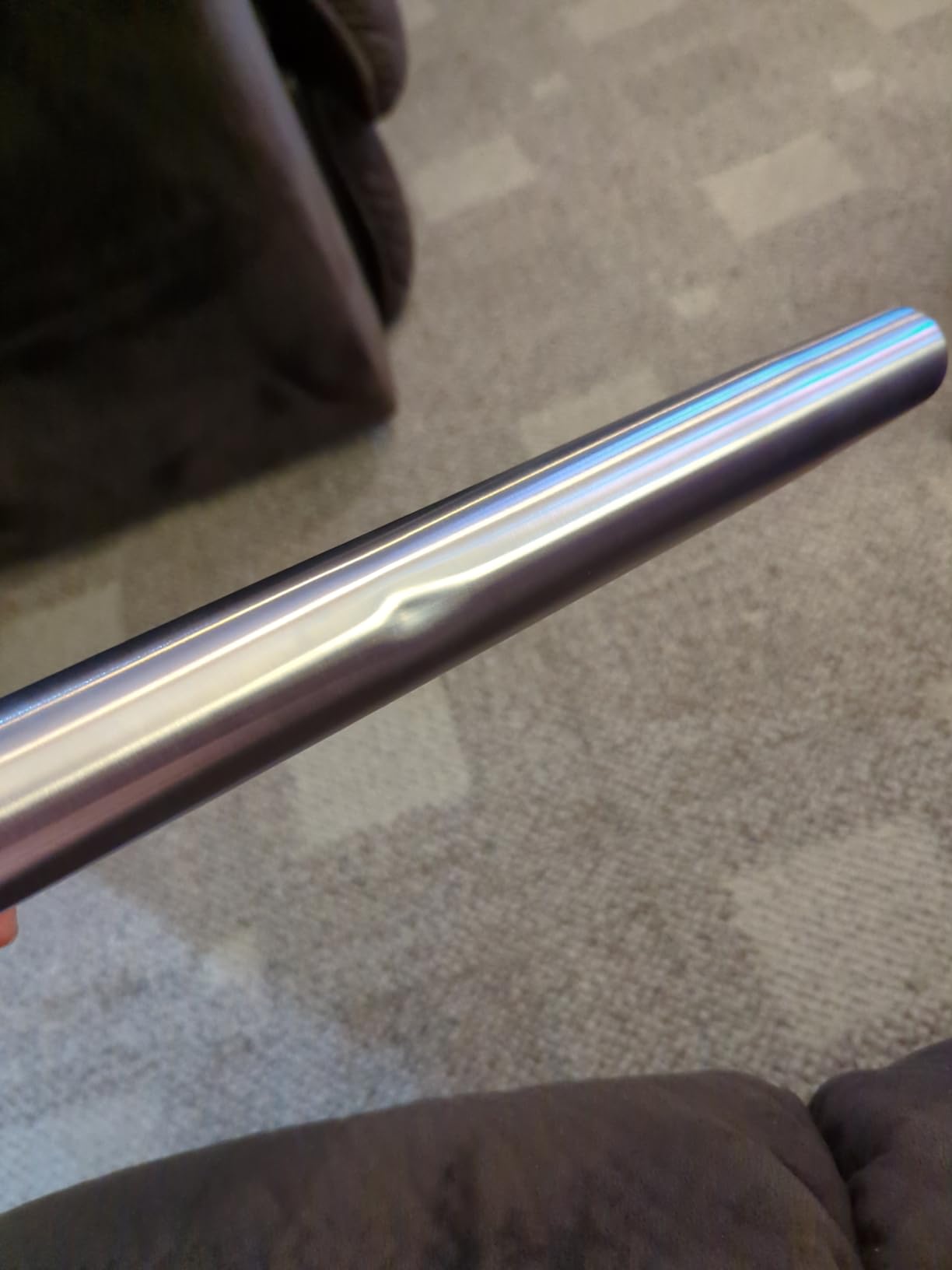
Beyond the temperature trick, stainless steel offers practical advantages that wood cannot match. This pin is completely dishwasher safe, which made cleanup after messy dough sessions refreshingly easy. The brushed steel surface resists sticking better than my wooden French pins, and I needed noticeably less flour to keep dough from adhering during testing.
The 10-ounce weight sits right between the lightest wooden pins and the heaviest marble options. During my testing, I found this weight gave me enough momentum to flatten dense cookie dough without requiring excessive pressure. The 15.75-inch length matches the Muso Wood pin almost exactly, making them easy to compare side by side for bakers deciding between materials.
I noticed the stainless steel surface feels cooler to the touch even at room temperature, which provides a small but real advantage when working with temperature-sensitive doughs. After two months of testing, the steel shows no scratches, dents, or wear marks. It looks exactly as polished as the day it arrived, which speaks well to its long-term durability.
For Whom It Works Best
Bakers who work with laminated doughs, puff pastry, croissants, or any recipe where keeping butter cold is critical. Anyone who values dishwasher-safe tools and easy cleanup will appreciate this pin. It also works well for bakers in warm climates where dough gets soft quickly during rolling.
For Whom It Might Fall Short
Bakers who prefer the warmth and traditional feel of wooden tools. The metal surface can feel clinical or slippery if you are used to wood, and the smaller diameter compared to dowel pins requires more rolling passes to achieve the same thickness. If you want a pin that develops character over time, stainless steel will not change with use like wood does.
5. Fox Run Polished Marble Rolling Pin – Heavy Duty Pastry Work
Fox Run Polished Marble Rolling Pin with Wooden Cradle, 10-Inch Barrel, White
- Marble stays naturally cool
- Heavy weight does the work
- Naturally non-stick surface
- Includes wooden storage cradle
- Smooth ball-bearing action
- Heaviest pin tested
- Hand washing recommended for longevity
The Fox Run marble pin is the heavyweight champion of my testing lineup, and it earned that title honestly. At 4.6 pounds, this pin does most of the work for you. When I rolled out pie crust, I barely needed to press down. The marble barrel glided across the dough, and gravity plus weight produced beautifully even results with minimal effort on my part.
Marble has a unique property that other materials cannot replicate. It stays cool naturally, even in a warm kitchen, which keeps butter firm in pie crust and puff pastry. During my testing on a humid summer day, my marble pin kept dough noticeably cooler than my wooden options. The naturally non-stick marble surface also required less flour, which translated to more tender crusts without the gumminess that excess flour can cause.
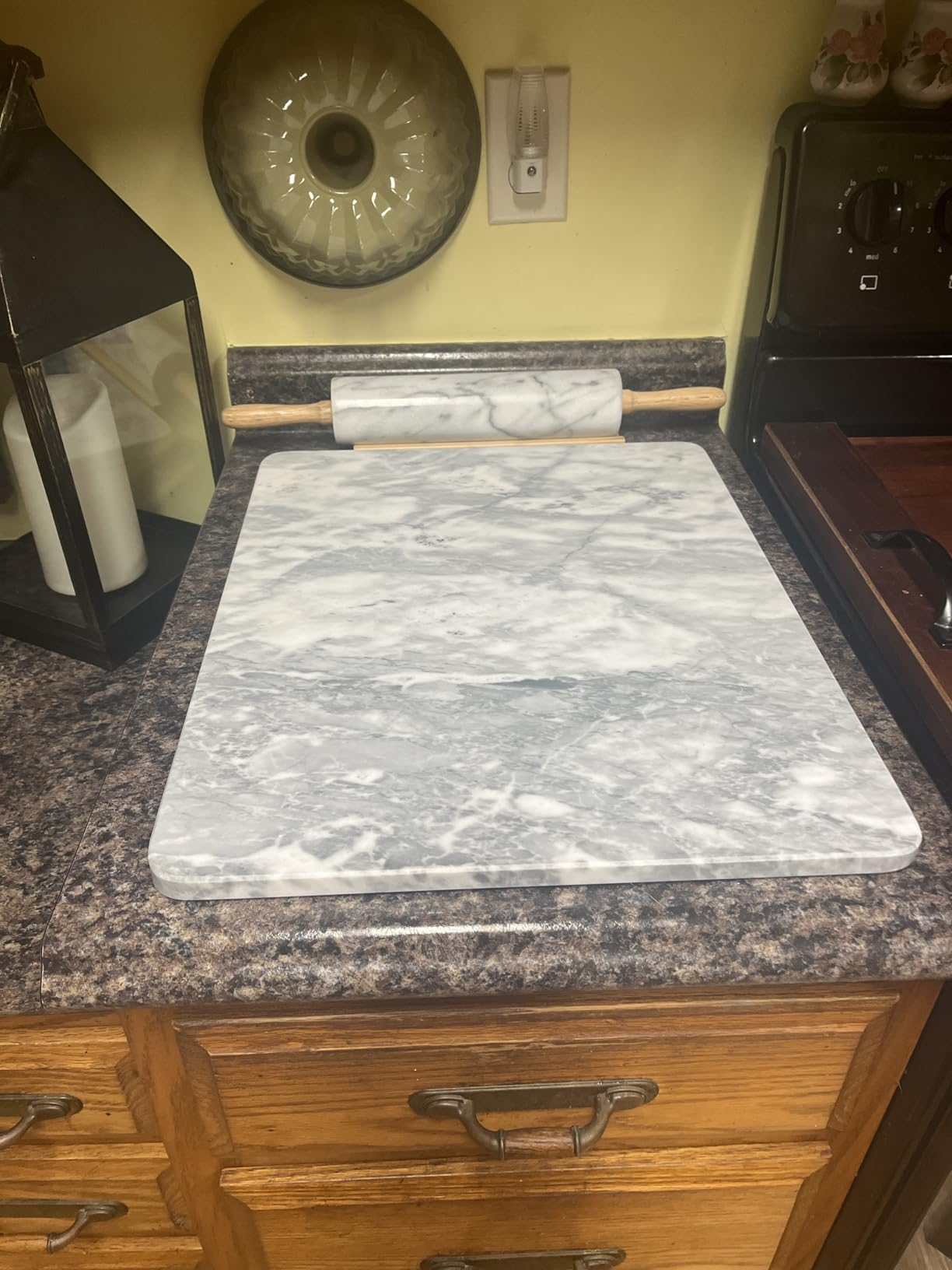
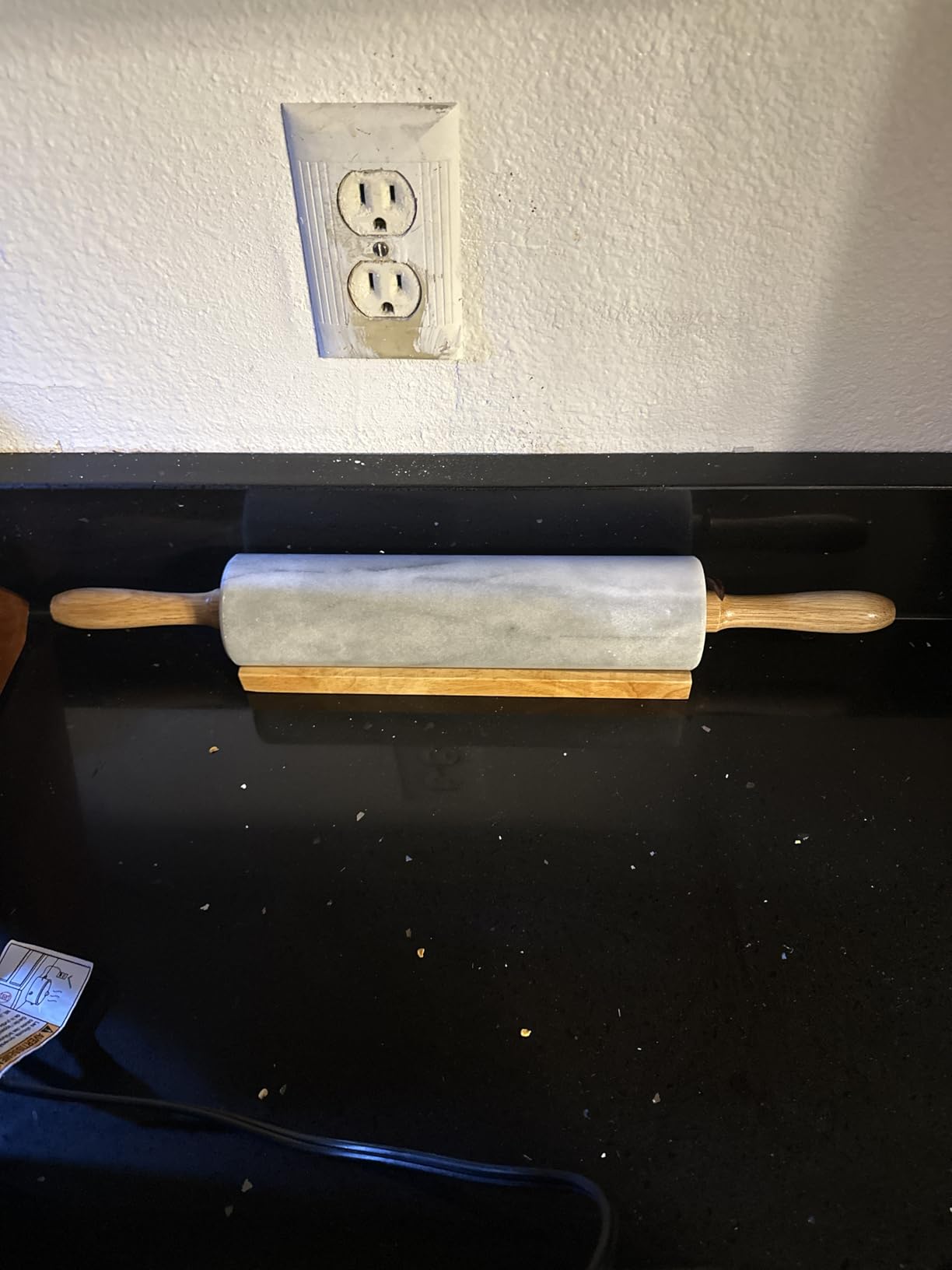
The polished marble surface feels luxurious under your hands, and each pin has unique veining patterns that make it one-of-a-kind. Mine had subtle gray swirls through the white marble that looked beautiful enough to leave on the counter as a display piece. The wooden cradle that comes included gives this heavy pin a proper home when not in use.
I appreciated the nylon ball bearings in the handles, which made rolling smoother than cheaper marble pins I have used in the past. The handles turn freely without grinding, and the 18-inch overall length gave me good leverage even on the heaviest doughs. After two months of testing, the marble shows no chips, cracks, or staining despite frequent use with colored doughs like beet pasta and turmeric crackers.
For Whom It Works Best
Bakers who make pie crust, puff pastry, or croissants regularly and want a pin that keeps dough cool. Anyone with hand strength issues will appreciate how the heavy marble does most of the work. If you bake in a warm kitchen or live in a hot climate, the natural cooling properties of marble are a game-changer for delicate doughs.
For Whom It Might Fall Short
Bakers who want lightweight tools or anyone who dislikes heavy kitchen equipment. At 4.6 pounds, this pin is genuinely heavy, and lifting it repeatedly during long baking sessions can tire your arms. Marble also requires careful handling because it can chip or crack if dropped on a hard floor. Storage space matters because this pin needs a dedicated spot.
6. MTNZXZ Rolling Pin with Adjustable Thickness Rings – Best for Precision
- Four thickness rings included
- Comes with silicone pastry mat
- Dishwasher safe construction
- Food-grade 304 stainless steel
- Remove rings for straight pin
- Heavier with rings attached
- Steeper learning curve
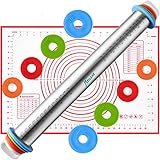
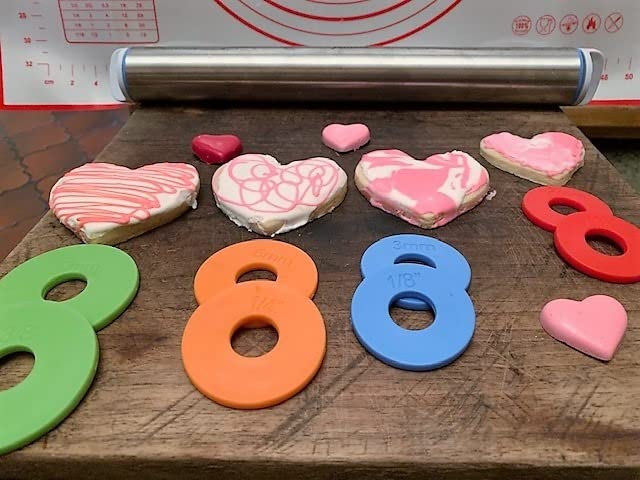
The MTNZXZ set solved my biggest frustration with rolling pins: inconsistent dough thickness. The four removable rings click onto each end of the pin at 1/16, 1/8, 1/4, and 3/8 inch heights, which means the dough simply cannot roll thinner than the rings allow. For someone who bakes roll-and-cut cookies where uniform thickness matters for even baking, this system took the guesswork out of the process.
The included silicone pastry mat was a pleasant surprise. At 23.6 by 15.7 inches, it covered most of my counter and gave me a non-slip surface for rolling. The mat also has measurement markings printed on it, which helped when I needed to roll dough to specific dimensions. Together, the pin and mat create a complete rolling station that works for everything from pie crust to fondant.
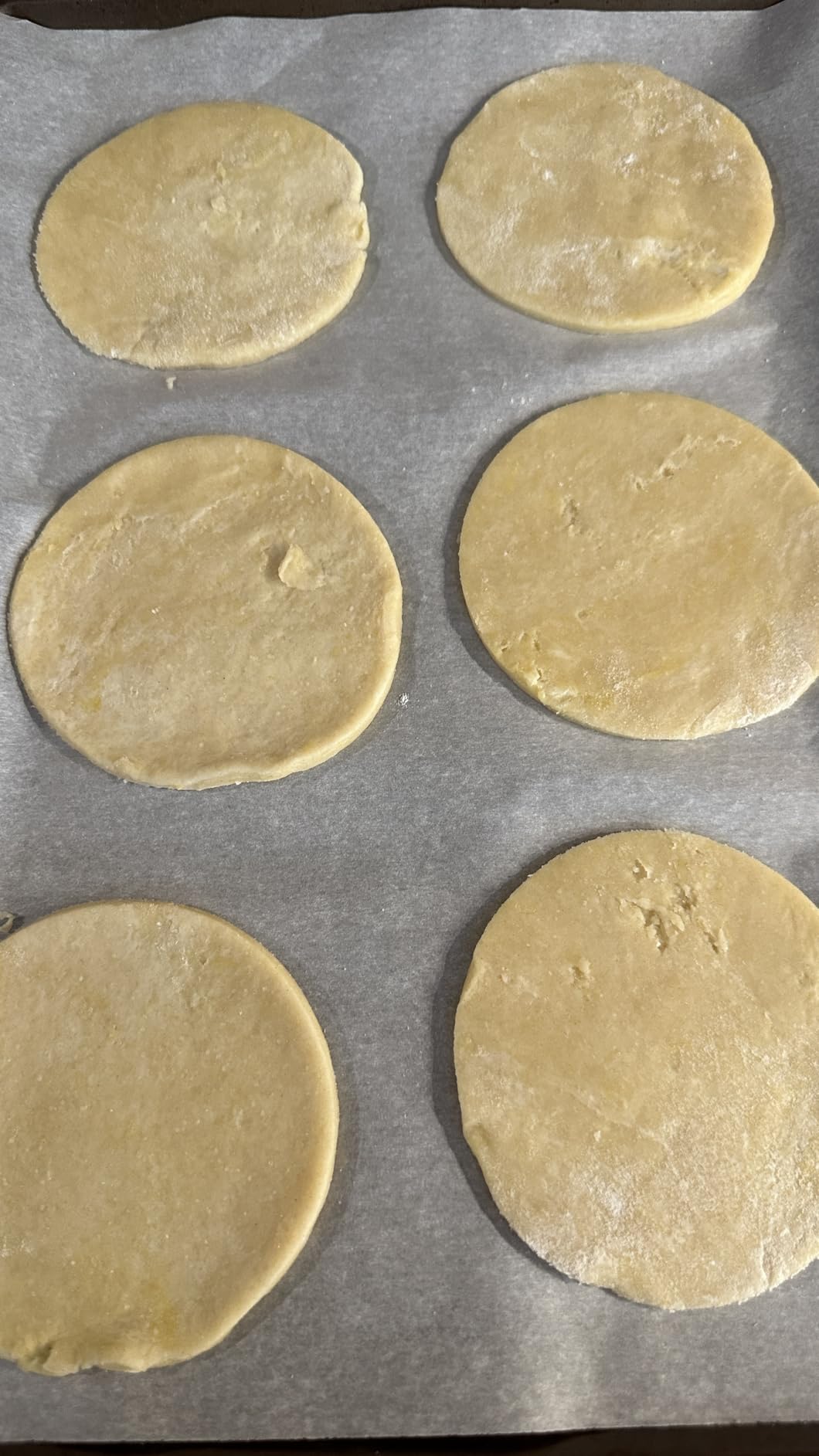
I tested the thickness rings on sugar cookies, where consistent thickness means every cookie bakes at the same rate. Without the rings, my cookies came out uneven, with some browned and others still pale. With the 1/8-inch rings attached, every single cookie in my batch had identical thickness and browned perfectly. The 1/4-inch rings worked beautifully for pie crust, and the 3/8-inch setting was perfect for rustic galettes.
The food-grade 304 stainless steel construction feels solid and substantial. The handles are comfortable, and the entire pin disassembles easily for cleaning. The dishwasher-safe rating meant I could toss the whole thing in after messy baking sessions without worrying about warping or water damage. After two months, the rings still snap on and off securely without loosening.
For Whom It Works Best
Bakers who make roll-and-cut cookies, pie crust, or any recipe where uniform dough thickness matters. Beginners learning to roll dough will appreciate the visual guide the rings provide. Anyone who bakes in volume and wants consistent results will find this system saves time and reduces waste from underbaked or overbaked pieces.
For Whom It Might Fall Short
Bakers who prefer the traditional feel of French or dowel pins without mechanical attachments. The rings add bulk to each end of the pin, which can feel awkward when maneuvering in tight spaces. When all four rings are attached, the pin weighs noticeably more, and removing and replacing rings during baking slows down the workflow for some users.
7. Zulay Kitchen 17-Inch Marble Rolling Pin – Heavy Marble with Modern Bearings
- 360-degree ball bearings
- Heavy marble for effortless rolling
- Naturally non-stick surface
- Includes wooden resting base
- Cool surface for pastry work
- Heavy at 2.26 kg
- Requires careful storage
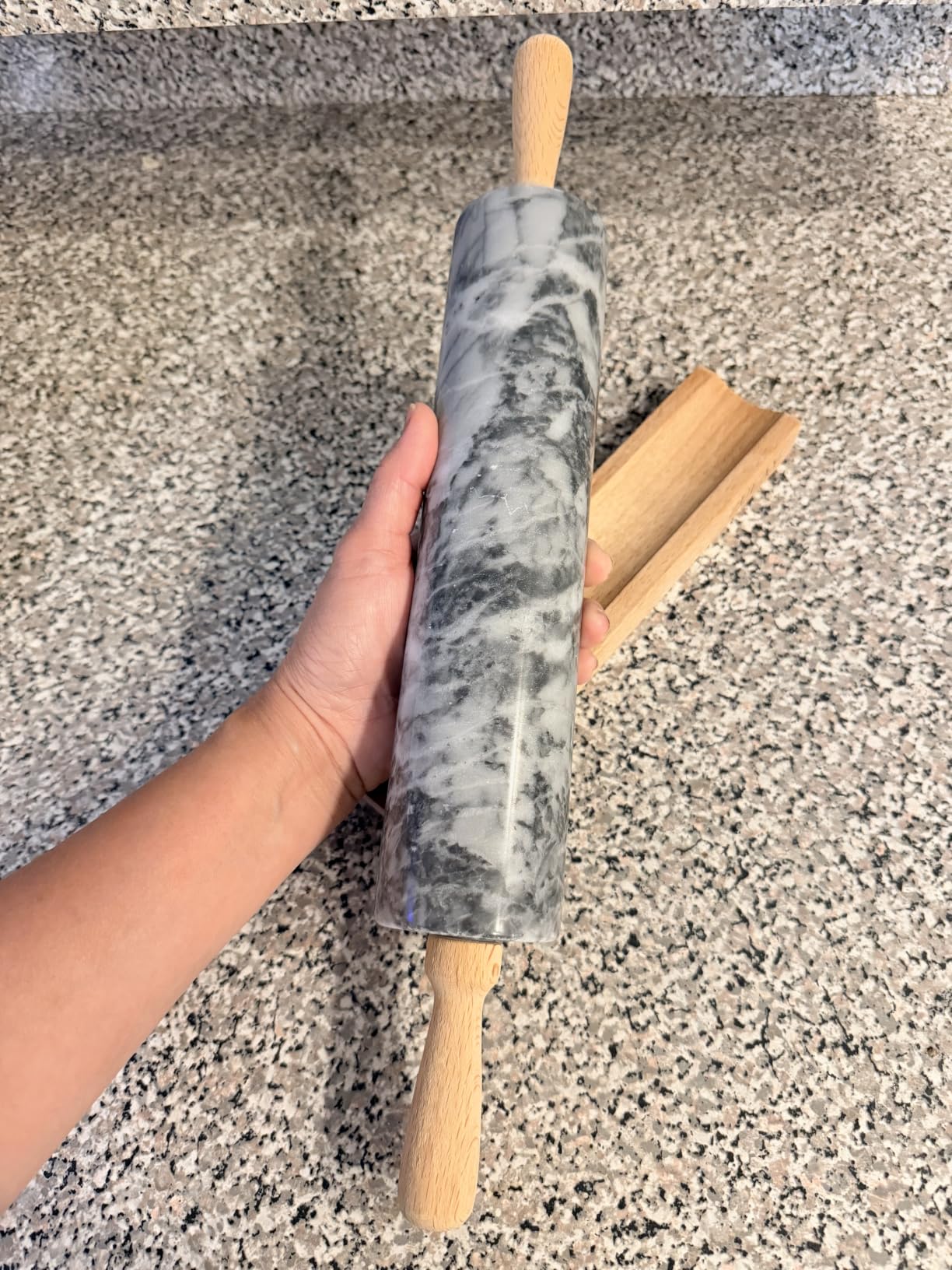
The Zulay Kitchen marble pin stands out from other marble options thanks to its 360-degree bearings, which made rolling noticeably smoother than traditional marble pins I have used. The bearings let the barrel spin freely inside the handle assembly, which means less friction as I worked across the dough. During my testing, this translated to more consistent pressure and less hand fatigue.
At 2.26 kilograms, this pin weighs less than the Fox Run option but still delivers the heavy-duty performance marble is famous for. The weight pushes dough flat with minimal effort from my arms, and the cool marble kept my pie crust butter firm even in a warm kitchen. The polished surface also resisted sticking better than wood, which meant I used less flour and produced more tender results.
The beechwood handle feels comfortable and warm against the cold marble, which makes extended baking sessions more pleasant. The included wooden resting base gives the heavy pin a safe spot on my counter when not in use, preventing the marble from rolling around or getting knocked off the edge. The base looks attractive enough to leave out permanently as part of my kitchen decor.
I tested this pin across multiple dough types, and it handled each one beautifully. Pizza dough flattened with minimal effort, pie crust rolled out evenly without sticking, and puff pastry stayed cool enough to maintain distinct layers. The marble does not absorb fat, moisture, or odors, which means my buttery doughs did not leave lingering smells on the surface after washing.
For Whom It Works Best
Bakers who want premium marble performance with smoother action than traditional designs offer. Anyone who bakes large batches of pie crust or pastry will appreciate the heavy weight and cooling properties. The included storage base makes this pin ideal for kitchens where counter space doubles as display space.
For Whom It Might Fall Short
Bakers who prefer lightweight tools or anyone with wrist or hand strength issues. At 2.26 kilograms, this pin still requires some effort to maneuver, particularly for smaller bakers. Marble also needs careful handling to avoid chipping, so bakers with cluttered counters should plan storage carefully.
Buying Guide: How to Choose the Best Rolling Pin
Understand the Three Main Rolling Pin Types
The best rolling pins fall into three distinct categories, each with its own advantages. French rolling pins are tapered dowels without handles, giving you direct tactile feedback and superior control for delicate work. Handled rolling pins are the classic American design with grips on each end, providing leverage for heavier doughs and familiarity for traditional bakers. Marble rolling pins add weight and cooling properties, making them ideal for butter-rich doughs that need to stay cold.
Professional bakers overwhelmingly prefer French tapered pins for pastry work because the handleless design lets you feel the dough underneath your palms. I noticed this difference immediately during my testing. With French pins, I could sense when dough was becoming too thin or when I had uneven pressure. With handled pins, that connection was muted because the handles created distance between my hands and the dough.
Match the Material to Your Baking Style
Wooden rolling pins, particularly those made from maple, walnut, or sapele, offer the warmest feel and develop character over time. They work beautifully for pie crust, cookies, and everyday baking. However, wood requires hand washing and occasional oiling with food-grade mineral oil to maintain its surface and prevent cracking.
Stainless steel rolling pins stay cool and clean up easily in the dishwasher. They work exceptionally well for laminated doughs because you can chill them in the freezer before use. The main tradeoff is that steel can feel slippery compared to wood, and it does not develop the same patina over years of use.
Marble rolling pins combine heavy weight with natural cooling, making them the premium choice for serious pastry work. The weight does most of the work for you, and the cool surface keeps butter firm in pie crust and puff pastry. Marble requires careful handling because it can chip if dropped, and it needs more storage space than lighter options.
Consider Weight and Length for Your Kitchen
Rolling pin weight matters more than most bakers realize. Lightweight pins under one pound require more pressure from your arms but give you precise control. Heavy pins over three pounds do most of the work through gravity but can tire you during long baking sessions. Medium-weight pins between one and two pounds offer the best balance for most home bakers.
Length affects how much dough you can flatten in each pass. Pins between 15 and 18 inches work well for most home baking tasks. Shorter pins around 12 to 14 inches handle small tarts and individual portions beautifully. Longer pins over 20 inches work for large pizza doughs and family-sized pie crusts but require more storage space.
Think About Maintenance and Storage
Wooden pins need the most care but reward you with decades of reliable service when properly maintained. A quick wipe with a damp cloth after each use and monthly oiling with food-grade mineral oil keeps wood in excellent condition. Stainless steel pins clean up easily in the dishwasher and need no special treatment. Marble pins require careful handling and should be stored on a stable surface to prevent chipping.
Storage considerations matter more than people expect. Handled pins store easily in drawers or on hooks. French tapered pins can roll around on counters, so a dedicated spot or countertop rest helps. Marble pins are heavy and need stable surfaces, ideally with the included wooden cradle or base.
Frequently Asked Questions
What kind of rolling pin do you recommend?
For most home bakers, a French-style tapered rolling pin made from hardwood like maple offers the best combination of control, versatility, and ease of use. The J.K. Adams Maple French Rolling Pin is our top pick because the tapered design lets you feel the dough directly, the lightweight maple wood reduces hand fatigue, and the 20.5-inch length handles everything from pie crust to pizza dough. If you prefer a traditional handled design or need a heavier pin for cold pastry work, our buying guide above covers the best options for each baking style.
What is the difference between French and straight rolling pins?
French rolling pins are tapered dowels without handles, which gives you direct tactile feedback and superior control near the edges of your dough. Straight rolling pins are uniform cylinders, often with handles on each end, which provide more leverage for heavy doughs but less precision for delicate work. Most professional bakers prefer French pins for pastry because the handleless design lets you push into corners and feel when dough reaches the right thickness.
Which rolling pin is best for cookies?
For roll-and-cut cookies where uniform thickness matters, the MTNZXZ Rolling Pin with Adjustable Thickness Rings solves the consistency problem. The four removable rings let you set exact thickness from 1/16 to 3/8 inch, which means every cookie bakes evenly. For slice-and-bake or rustic cookies where precision matters less, a French tapered pin like the J.K. Adams or Muso Wood gives you better control and a more enjoyable rolling experience.
How do I care for a wooden rolling pin?
Wash wooden rolling pins by hand with warm water and mild soap, then dry immediately with a towel. Never soak wooden pins in water or put them in the dishwasher, as prolonged moisture causes cracking and warping. Condition the wood monthly by rubbing in a thin layer of food-grade mineral oil or beeswax, which keeps the surface smooth and prevents dough from sticking. Store wooden pins in a dry location away from direct sunlight and heat sources.
What rolling pin do professional bakers use?
Most professional bakers prefer French-style tapered rolling pins made from hardwood, typically maple or beech. The tapered design provides better control for pie crust, puff pastry, and croissants, which are the doughs professional bakers handle most often. The handleless construction lets bakers feel the dough directly, which improves precision and reduces the learning curve for new kitchen staff. Wirecutter, Serious Eats, and King Arthur Baking all recommend French tapered pins as the best choice for serious baking.
Final Thoughts on Choosing the Best Rolling Pins
After testing seven of the best rolling pins available, our team kept coming back to the J.K. Adams Maple French Rolling Pin as the best overall choice for most home bakers. The combination of USA craftsmanship, sustainable maple wood, and the versatile 20.5-inch tapered design makes it a pin that grows with your skills. Whether you are rolling out your first pie crust or your hundredth batch of croissants, this pin delivers consistent results that match what professional bakers achieve.
For bakers who prefer traditional handled pins, the FARBERWARE Classic Wood Rolling Pin offers familiar comfort at an accessible price. If you want precision for roll-and-cut cookies, the MTNZXZ thickness rings system solves problems other pins cannot. For serious pastry work where keeping dough cold matters, the Fox Run or Zulay Kitchen marble pins bring professional-grade cooling power to your home kitchen.
Whichever rolling pin you choose from this list, you will be rolling out better dough in 2026 than you ever did before. The right tool makes baking more enjoyable, and any of these seven options will serve your kitchen well for years to come.