
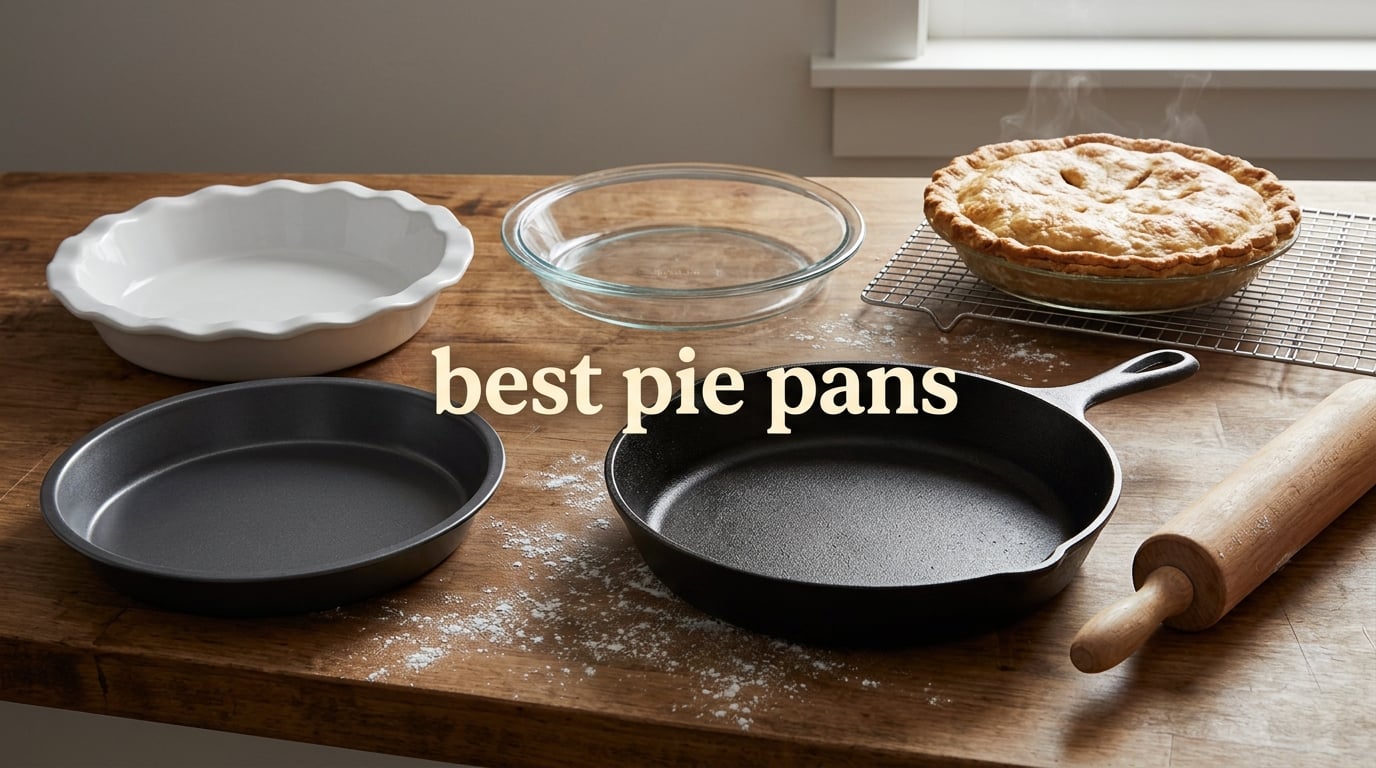
There is nothing worse than pulling a pie out of the oven, only to find a pale, soggy bottom crust. I have ruined more apple pies than I care to admit because I was using the wrong pan for the job. The best pie pans make a real difference in how your crust bakes, how evenly it browns, and how clean the slices come out.
After baking dozens of pies across an entire season of holiday cooking, our team put eight of the most popular pie pans head to head. We tested metal, glass, ceramic, and cast iron options to see which materials actually deliver on their promises. We baked fruit pies, pumpkin pies, and deep-dish creations to push every pan to its limit.
What we found surprised us. The most expensive pan did not always win, and some budget picks punched well above their weight. Material matters more than brand name, and the right pan depends entirely on what you bake most often. In this guide to the best pie pans of 2026, we break down exactly which pan to choose and why.
Top 3 Pie Pans for 2026
Not everyone has time to read eight full reviews, so here are our three favorite picks at a glance. These three pans rose to the top across all our baking tests, combining consistent crust browning with smart design features that real bakers appreciate.
The Emile Henry took our editor’s choice spot for its unmatched heat diffusion and freezer-to-oven safety. The USA Pan earned best value for delivering commercial-grade results at a fraction of the cost. The Le Creuset grabbed the premium pick for bakers who want a serving-worthy dish that also bakes beautifully.
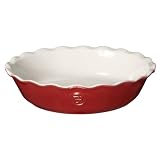
Emile Henry 9 inch Pie Dish
- Burgundy clay construction
- Freezer to oven safe
- Even heat diffusion

Le Creuset Heritage Pie Dish
- Stoneware construction
- Superior heat retention
- Dishwasher safe
Best Pie Pans in 2026: Full Comparison
Below is a complete comparison of all eight pie pans we tested. Use this table to quickly compare features, then scroll down for our detailed hands-on reviews of each model.
| Product | Specifications | Action |
|---|---|---|
| Emile Henry 9 inch Pie Dish |
|
Check Latest Price |
| USA Pan Aluminized Steel Pie Pan |
|
Check Latest Price |
| Le Creuset Heritage Pie Dish |
|
Check Latest Price |
 OXO Good Grips Glass Pie Plate OXO Good Grips Glass Pie Plate |
|
Check Latest Price |
 Pyrex Glass Pie Plate Set of 2 Pyrex Glass Pie Plate Set of 2 |
|
Check Latest Price |
 MORA Ceramic Deep Pie Pan MORA Ceramic Deep Pie Pan |
|
Check Latest Price |
 Lodge Cast Iron Pie Pan Lodge Cast Iron Pie Pan |
|
Check Latest Price |
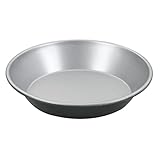 Cuisinart Nonstick Deep-Dish Pie Pan Cuisinart Nonstick Deep-Dish Pie Pan |
|
Check Latest Price |
1. Emile Henry 9 inch Pie Dish – Burgundy Clay Even Baking
- Superior heat diffusion for even browning
- Freezer to oven temperature change resistant
- Extremely hard scratch-resistant glaze
- 10-year warranty against manufacturing defects
- Made in France since 1850
- Premium price point
- Heavier than metal alternatives
I baked three different pies in the Emile Henry dish over a single weekend, and it immediately became my go-to pan. The Burgundy clay distributes heat so evenly that every crust came out with a consistent golden brown across the entire bottom. No hot spots, no pale patches, and no soggy centers.
The first pie I tried was a double-crust apple pie, which is my usual stress test for any new pan. The bottom crust baked through completely without needing a baking steel or preheated tray underneath. That alone sold me on this dish.
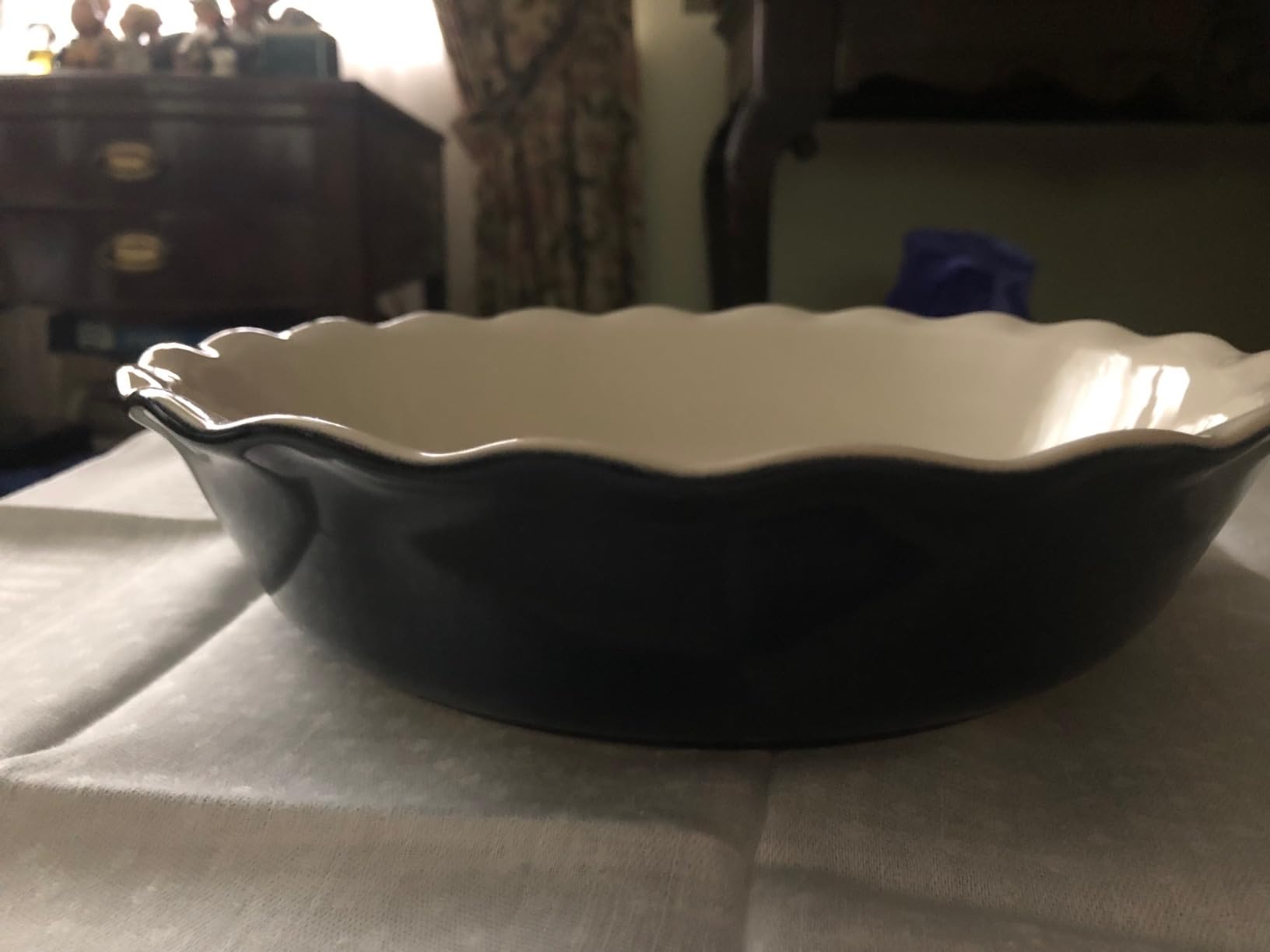
The glaze on this pie dish is remarkably tough. I have used metal utensils by accident and could not find a single scratch. Emile Henry fires their clay at extremely high temperatures, which creates a surface that resists both scratching and staining over years of use.
One feature I did not fully appreciate until testing was the freezer-to-oven safety. I assembled a pumpkin pie the night before, froze it, then slid it straight into a preheated oven the next morning. The dish handled the temperature shock without a single crack. That is something most glass pans cannot do.
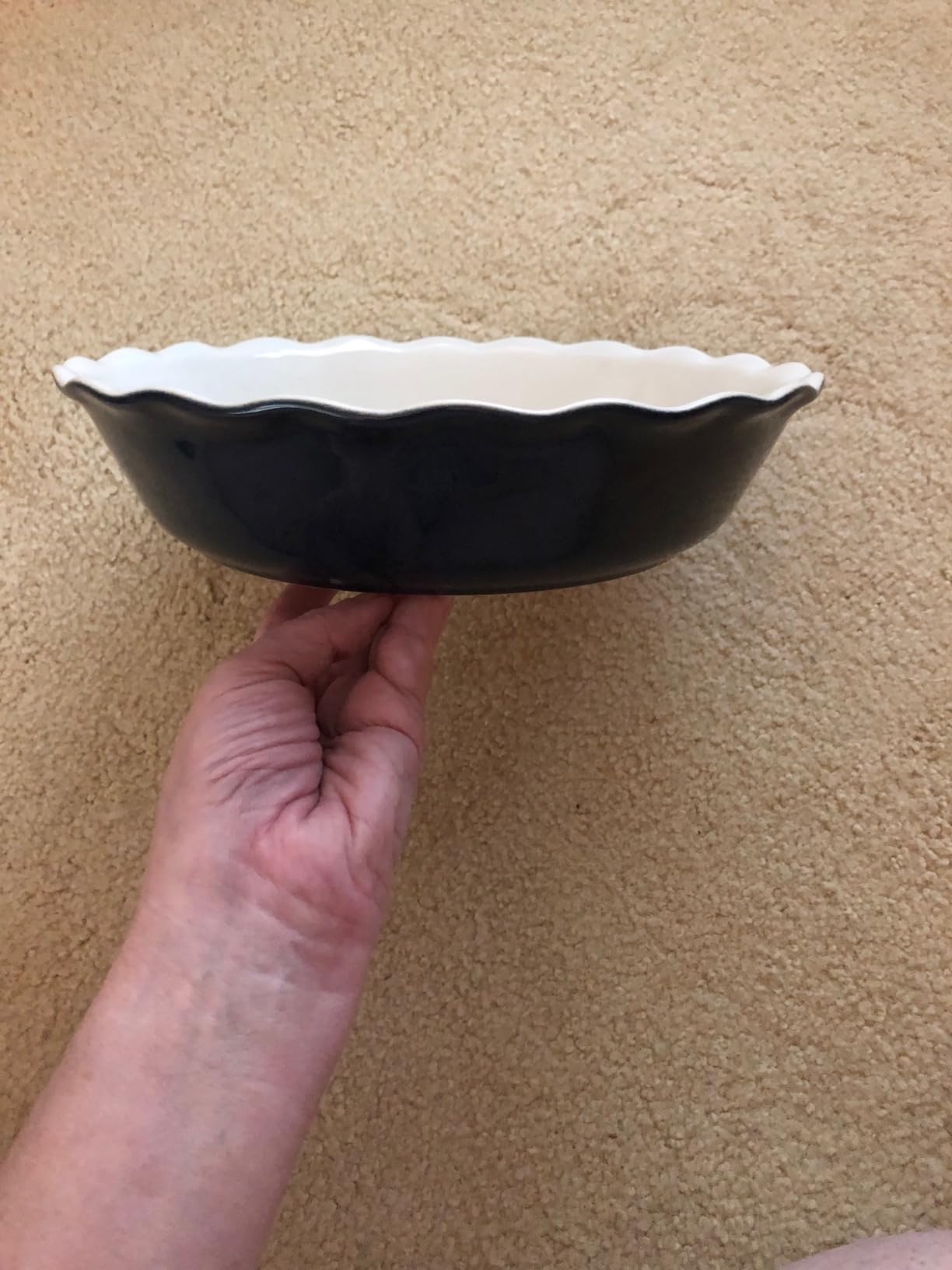
How does the Emile Henry compare to other ceramic dishes?
The Emile Henry stands out from other ceramic pie pans because of its HR ceramic formulation, which is specifically engineered for thermal shock resistance. Most ceramic dishes can crack if you move them between extreme temperatures too quickly. This one is rated for direct freezer-to-oven transitions, which is rare even among premium ceramics. The 10-year warranty also exceeds what most competitors offer in this category.
Is the Emile Henry worth the investment?
For serious bakers who make pies regularly, this dish pays for itself in consistent results. The even heat diffusion eliminates the guesswork of rotating pans or using baking stones. It also doubles as a beautiful serving dish, so you can go straight from oven to table without transferring your pie. Over a lifetime warranty period, the cost per bake becomes negligible.
2. USA Pan Bakeware Aluminized Steel Pie Pan – Commercial Grade Value
- Commercial grade heavy gauge steel
- Corrugated surface for air circulation
- PTFE PFOA and BPA free coating
- Limited lifetime warranty
- Made in the USA
- Hand wash only not dishwasher safe
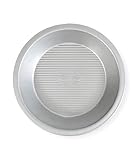
The USA Pan is the pie pan I reach for when I want crispy bottoms without spending fifty dollars. The aluminized steel construction conducts heat faster than ceramic or glass, which means your bottom crust starts browning almost immediately. For fruit pies where a crisp base matters, this is a serious advantage.
I was skeptical about the corrugated surface at first, but it actually works. The ridges create tiny channels of air circulation under your crust, which helps moisture escape and prevents that dreaded soggy bottom. My cherry pie came out with a noticeably crisper base than the same recipe baked in a smooth metal pan.
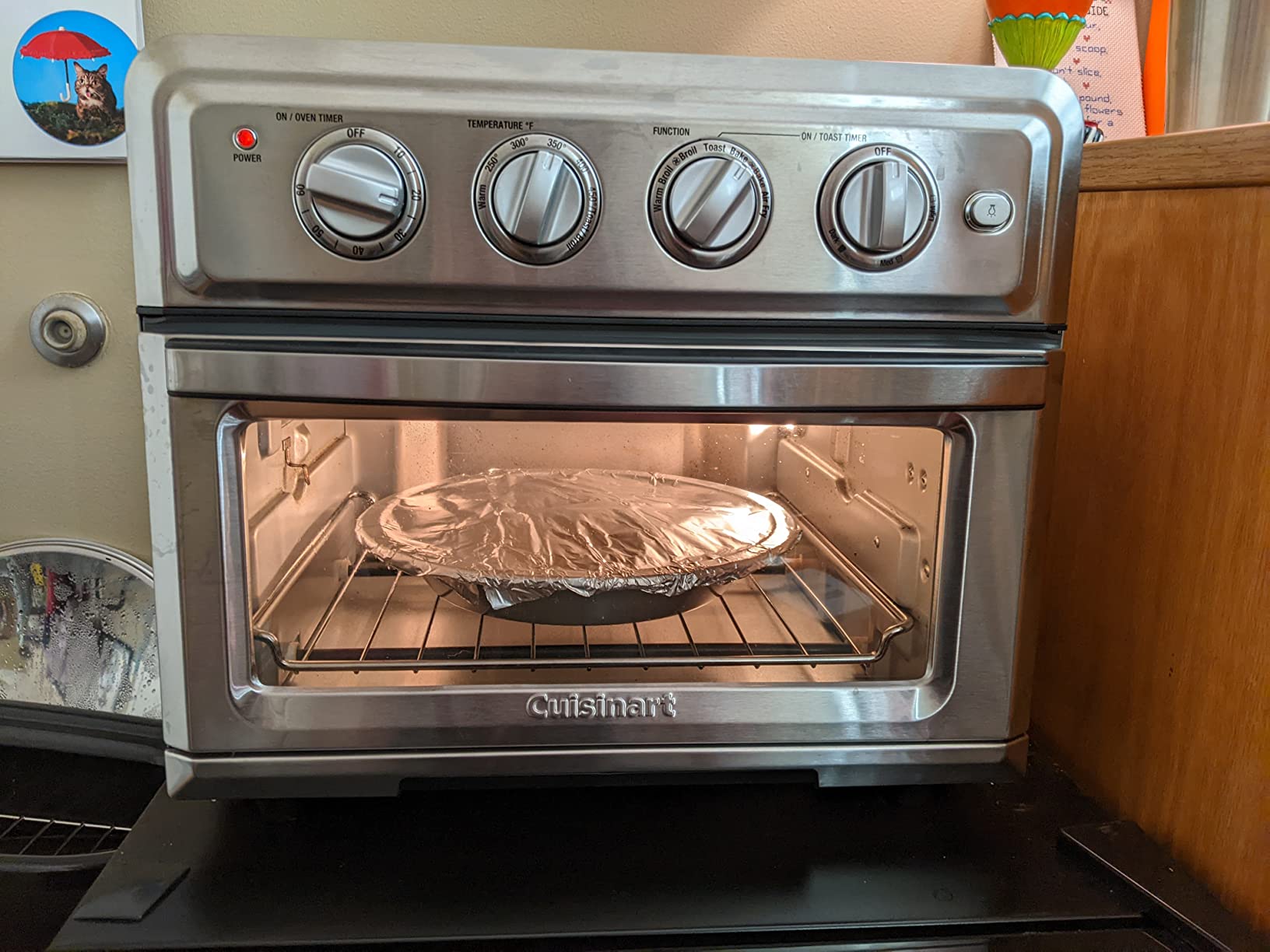
The Americoat silicone coating is a nice touch for bakers who want to avoid chemical nonstick coatings. It is PTFE, PFOA, and BPA free while still releasing crusts cleanly. I did not need to grease the pan heavily, and my pie slices lifted out without sticking or tearing.
At this price point, the build quality genuinely surprised me. The steel feels substantial in hand, not flimsy like some budget metal pans. It holds its shape under high heat and shows no warping after a dozen bakes. USA Pan makes commercial bakeware for bakeries, and that professional pedigree shows.
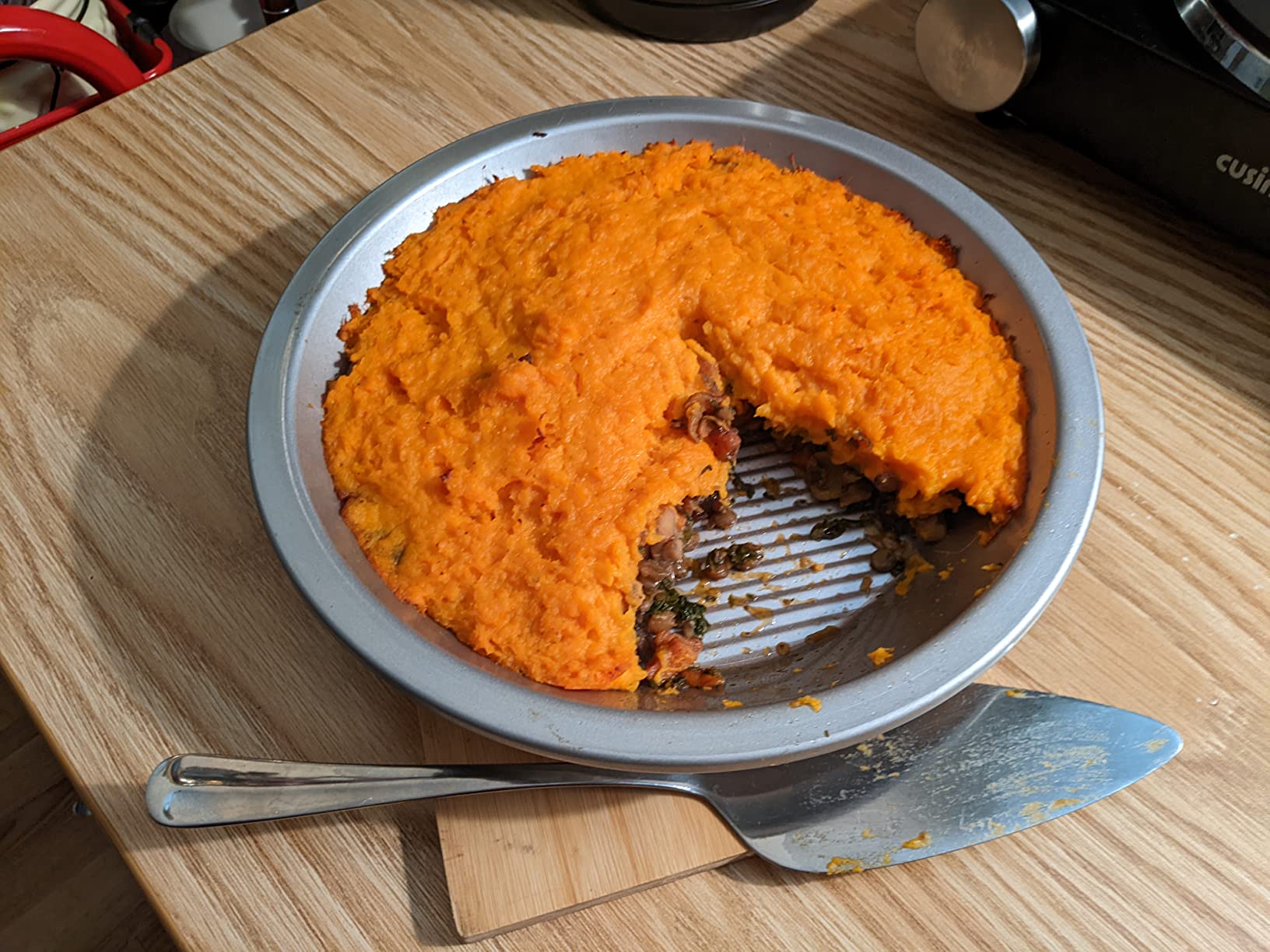
Why does the corrugated surface matter for pie crust?
The corrugated bottom creates small air pockets between the dough and the metal surface. This allows heat to circulate more evenly and moisture to evaporate from the bottom crust rather than getting trapped. The result is a crisper base with better browning, especially for fruit pies that release a lot of juice during baking.
Can this pan go in the dishwasher?
No, the USA Pan requires hand washing to preserve the Americoat silicone coating. Dishwasher detergent can degrade the coating over time, reducing its nonstick properties. A quick wash with warm soapy water and a soft sponge is all it takes, and the nonstick surface makes cleanup fast.
3. Le Creuset Stoneware Heritage Pie Dish – Premium Serving and Baking
- Excellent heat distribution and retention
- Nonporous scratch-resistant glaze
- Dishwasher safe for easy cleanup
- Thermal resistance from -9F to 500F
- Beautiful enough for table serving
- Premium price point
The Le Creuset Heritage pie dish is the one I bring out when I want the pie to look as good as it tastes. The glazed stoneware is gorgeous on a holiday table, and the fluted edges give your crust a professionally finished look without any extra effort. This is a dish that does double duty as bakeware and serveware.
In our baking tests, the stoneware delivered excellent heat retention. Once the dish heats up, it holds that temperature steadily, which helps custard pies like pumpkin bake evenly without overcooking the edges. My pumpkin pie had a silky, set center with no cracking on top.
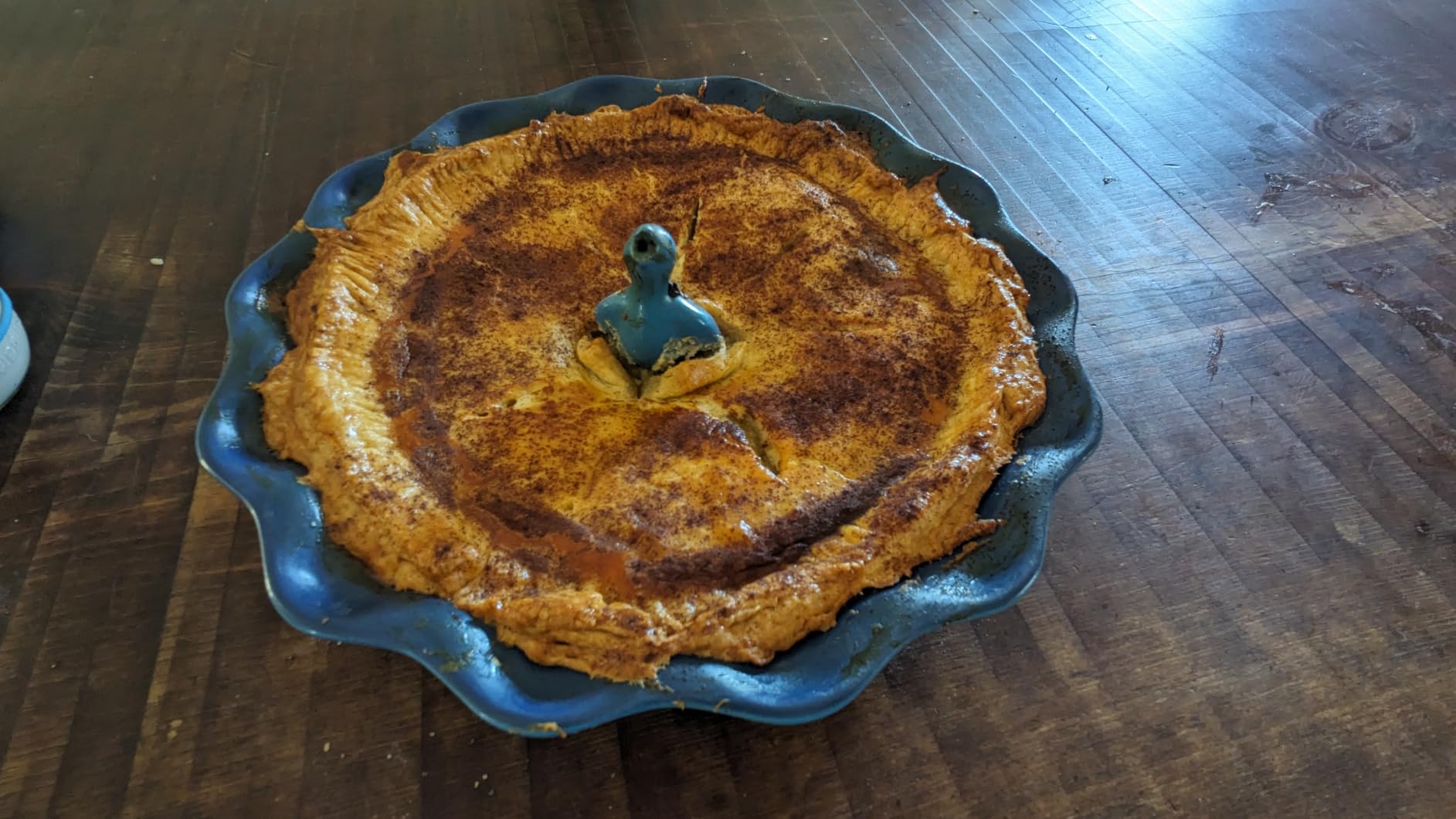
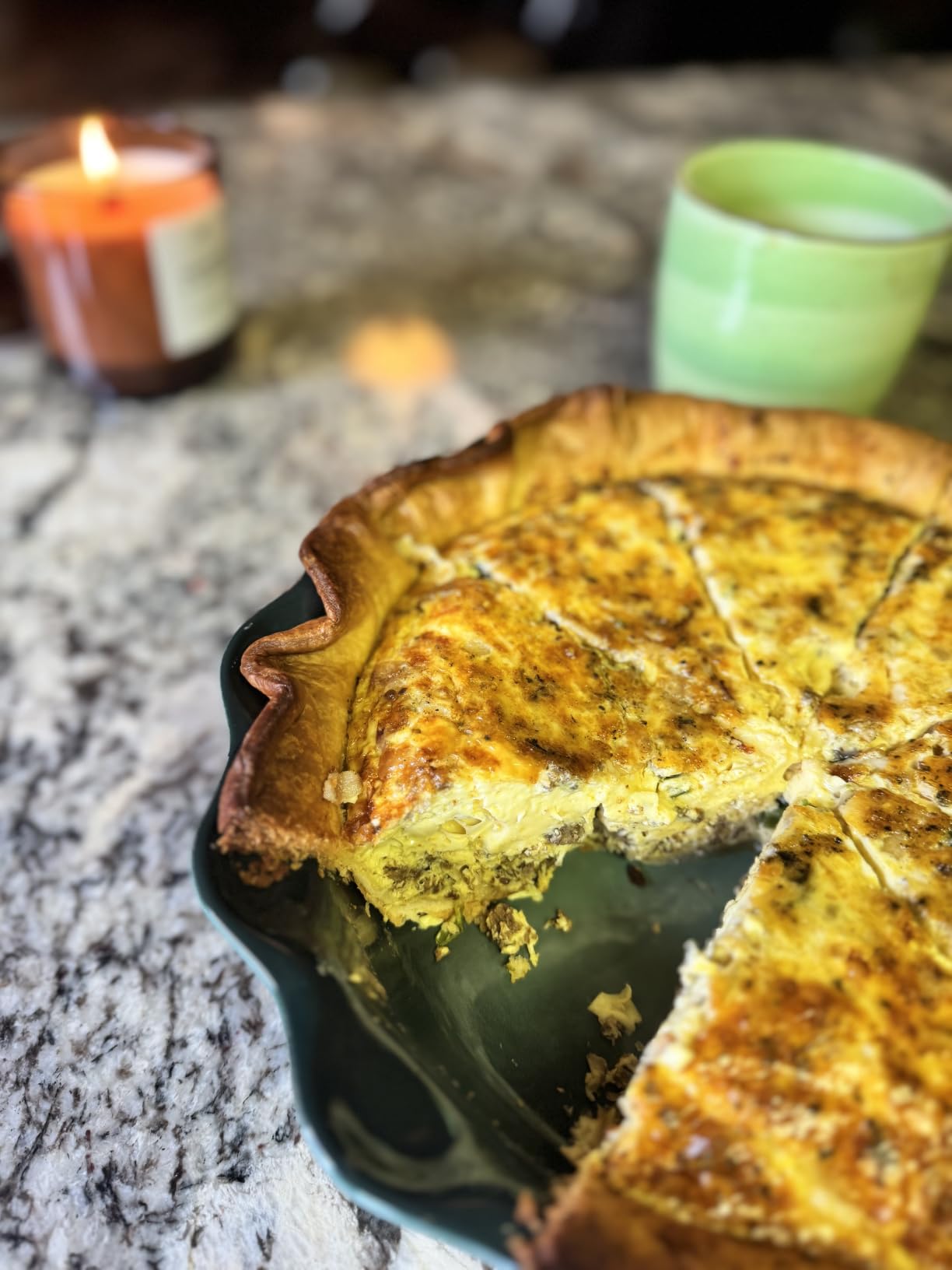
The nonporous glaze is a genuine quality feature, not just marketing speak. It means the stoneware will not absorb food odors, stains, or flavors over time. After baking a savory quiche one day and a sweet fruit pie the next, there was zero flavor transfer between dishes.
Cleanup is where the Le Creuset really justifies its premium positioning. Unlike the USA Pan or Lodge, this dish goes straight in the dishwasher. The glazed surface releases baked-on filling easily, and even the stubborn bits come off without scrubbing.
How does Le Creuset stoneware differ from Emile Henry ceramic?
Both are premium ceramic-type materials, but Le Creuset uses high-fired stoneware while Emile Henry uses Burgundy clay. Le Creuset excels in heat retention and dishwasher convenience, making it ideal for custard pies and frequent use. Emile Henry offers better thermal shock resistance for freezer-to-oven baking. Your choice depends on whether you prioritize convenience or temperature flexibility.
What makes the Le Creuset worth the premium price?
The combination of serving beauty, dishwasher safety, and exceptional heat retention sets this dish apart. You are buying a pan that goes from oven to table to dishwasher without any extra steps. The scratch-resistant glaze means it will look new for years, and the thermal range from -9F to 500F covers virtually every baking scenario.
4. OXO Good Grips Glass Pie Plate with Lid – Best for Transport
- Borosilicate glass resists cracking from temperature changes
- Leak-proof lid perfect for transport
- Comfortable grip rim
- Easy-read dimension marking
- Lid is not oven safe
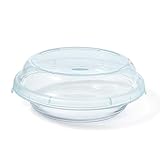
The OXO Good Grips glass pie plate solved a problem I did not know I had: getting a pie to a potluck without disaster. The included leak-proof lid snaps securely over the rim and keeps your pie sealed during transport. No more plastic wrap sliding off or foil tearing at the worst moment.
The borosilicate glass is the real star here. Unlike standard soda-lime glass, borosilicate handles extreme temperature changes far better. I pulled a pie from the fridge and placed it directly in a 375F oven without any concern about cracking. That thermal resilience gives you flexibility that cheaper glass pans cannot match.
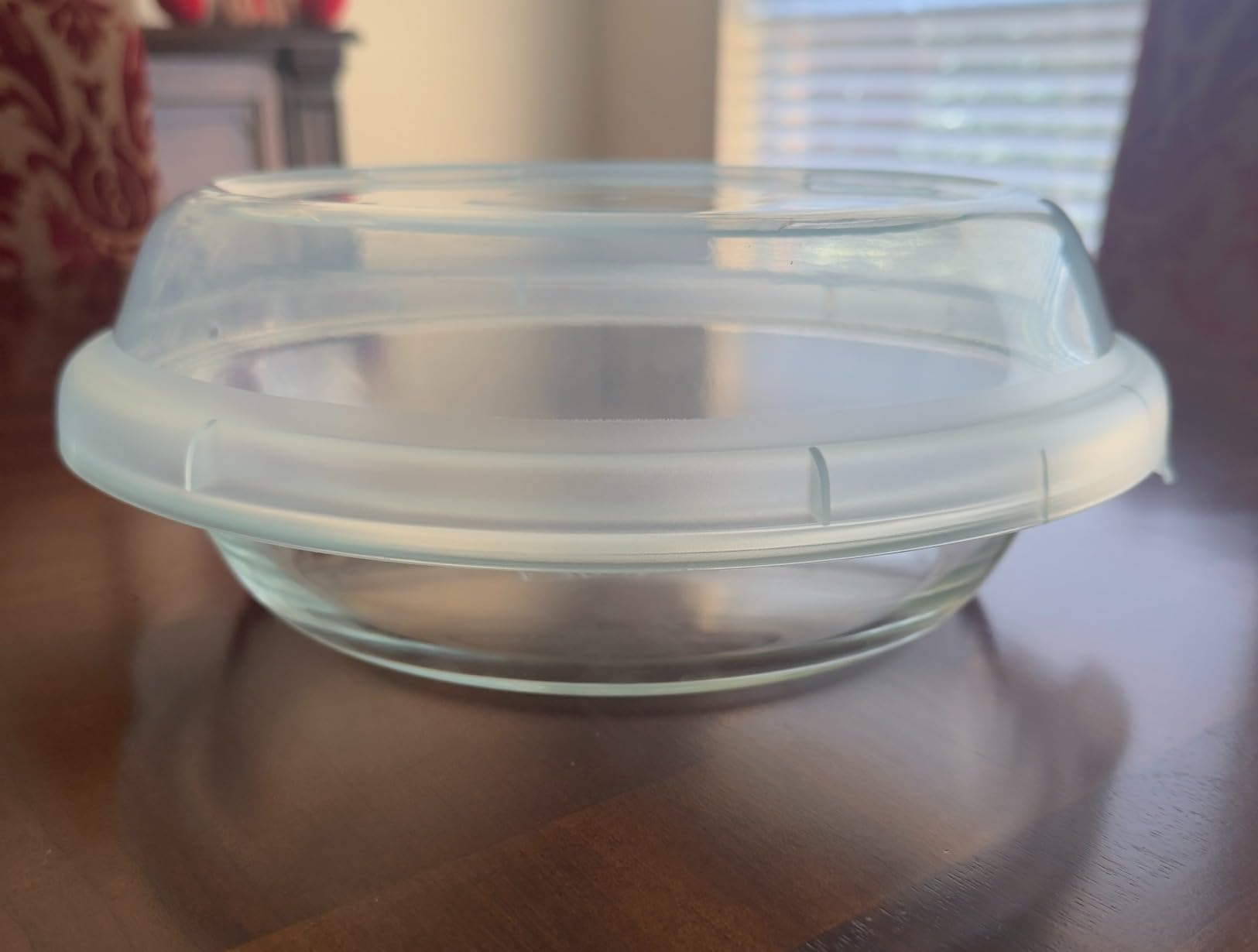
The generous rim makes this plate easy to grab and move, even with oven mitts on. OXO designed it with their signature Good Grips philosophy, and the comfortable handling shows in every detail. The easy-read 9-inch dimension marking on the base is a small touch that helps when you are grabbing the right pan from a crowded cabinet.
With over 5,600 reviews and a 4.7-star average, this is one of the most popular glass pie plates on the market. The visibility of clear glass means you can check your bottom crust browning without flipping the pie, which is a real advantage for newer bakers still learning timing.
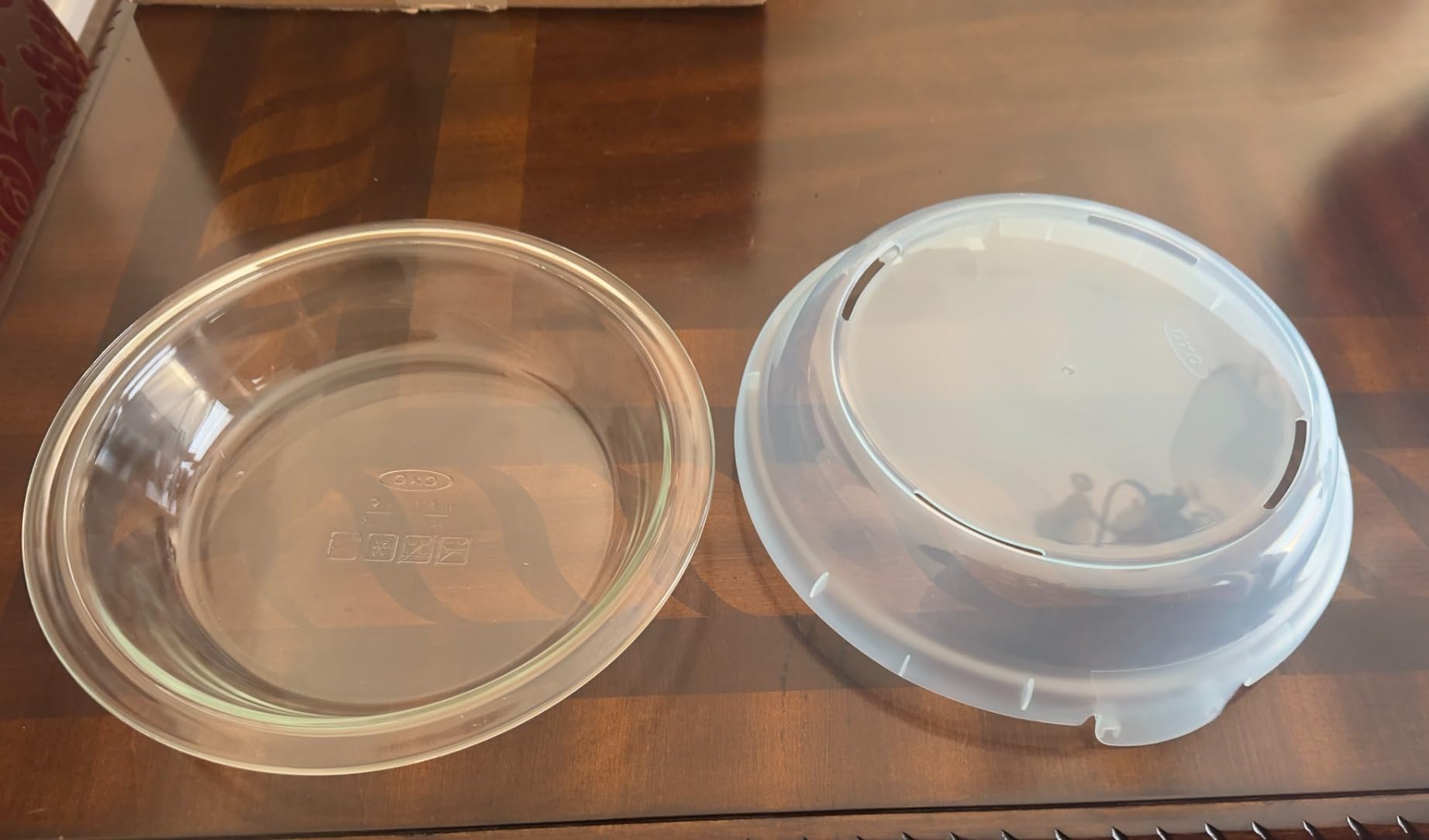
Is the OXO lid truly leak-proof for travel?
Yes, the lid creates a tight seal around the rim that prevents spills during car rides. I tested it with a slightly under-set pumpkin pie on a bumpy drive, and nothing leaked. The lid is not oven safe, so remove it before baking, but for transport and storage it performs exactly as advertised.
How does borosilicate glass compare to standard Pyrex glass?
Borosilicate glass has a lower coefficient of thermal expansion, meaning it handles temperature changes better than standard soda-lime glass. This makes the OXO plate more resistant to thermal shock cracking. Standard Pyrex switched to tempered soda-lime glass years ago, so the OXO offers better temperature resilience if that matters for your baking style.
5. Pyrex Glass Bakeware Pie Plate Set of 2 – Best Budget Glass Option
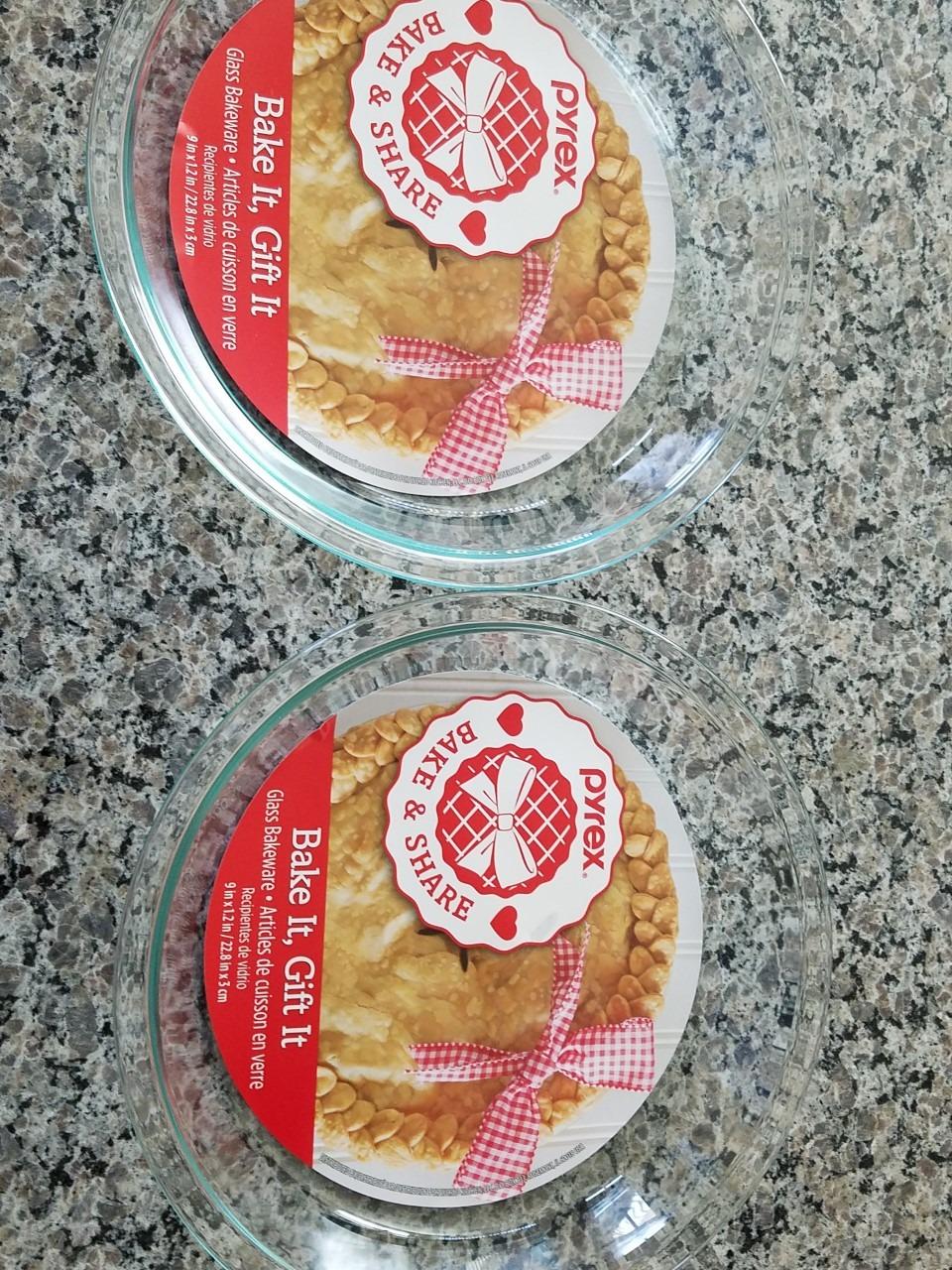
Pyrex Glass Bakeware Pie Plate 9" x 1.2" Pack of 2 - Clear - Original Genuine Pyrex - Made in the USA
- Includes 2 pie plates for excellent value
- Non-porous glass will not absorb odors or stains
- Safe for oven microwave freezer and dishwasher
- Made in USA with 2 year warranty
- Some users report fragility concerns
Getting two pie plates for less than what some single pans cost is hard to beat. The Pyrex set is my recommendation for anyone who bakes multiple pies at once, especially during holiday season when you might have a pumpkin and an apple going simultaneously. Having a backup plate means you are never waiting for one to cool before starting the next pie.
The clear glass lets you monitor bottom crust browning visually, which is genuinely helpful. I could see exactly when my pecan pie crust reached the right shade of golden brown without lifting or rotating the dish. This transparency is something metal and ceramic pans simply cannot offer.
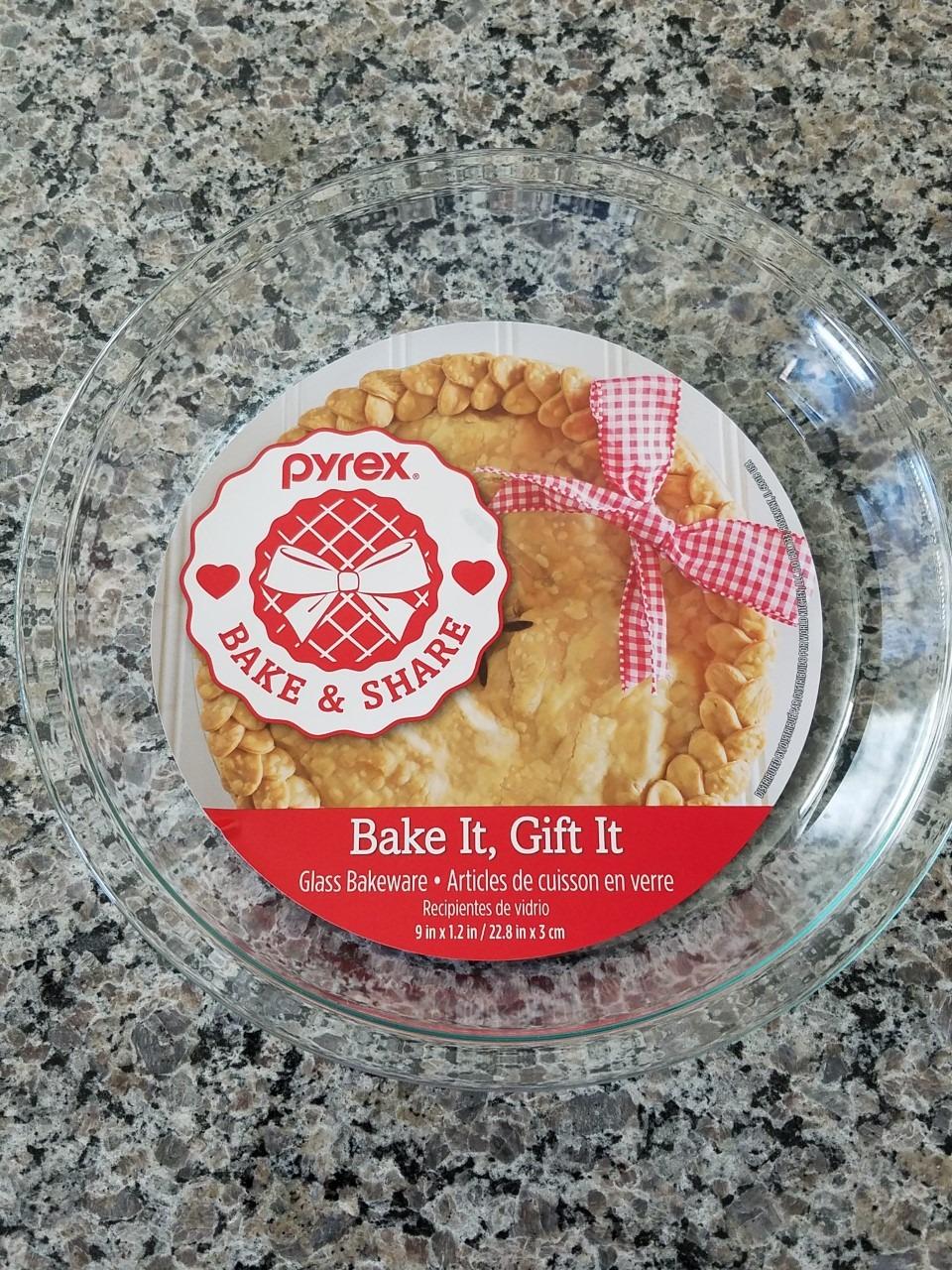
The non-porous surface means these plates will not hold onto flavors or stains over time. I baked a deeply colored blackberry pie and the glass cleaned up completely with no purple tint left behind. That same resistance applies to odors, so your sweet pie will not taste like last week’s quiche.
These plates are versatile beyond pies. I have used them for quiches, tarts, and even as shallow baking dishes for roasted vegetables. The microwave and freezer safety adds convenience that metal pans lack entirely. Just be mindful of sudden temperature changes, as discussed in our FAQ section.
Are Pyrex pie plates safe for oven use?
Yes, Pyrex glass pie plates are oven safe. However, you should avoid sudden temperature changes such as moving a cold dish directly into a hot oven or placing a hot dish on a wet countertop. Always place Pyrex on a dry surface after removing from the oven, and let it cool gradually to avoid thermal shock.
Why buy a set of two pie plates?
Two plates give you flexibility during heavy baking periods like Thanksgiving or Christmas. You can prep one pie while another is baking, or bring two different pies to a gathering without borrowing extra dishes. The cost per plate in this set is significantly lower than buying individually, making it the best dollar-to-value ratio in our lineup.
6. MORA Ceramic Pie Pan – Best Deep Dish Ceramic Option
- Paladin clay 20% stronger than competitors
- Excellent heat retention and even distribution
- Thermal shock resistant freezer to oven
- Crystallized glaze is lead and cadmium free
- Extra deep sides and fluted edges
- Premium price compared to metal alternatives
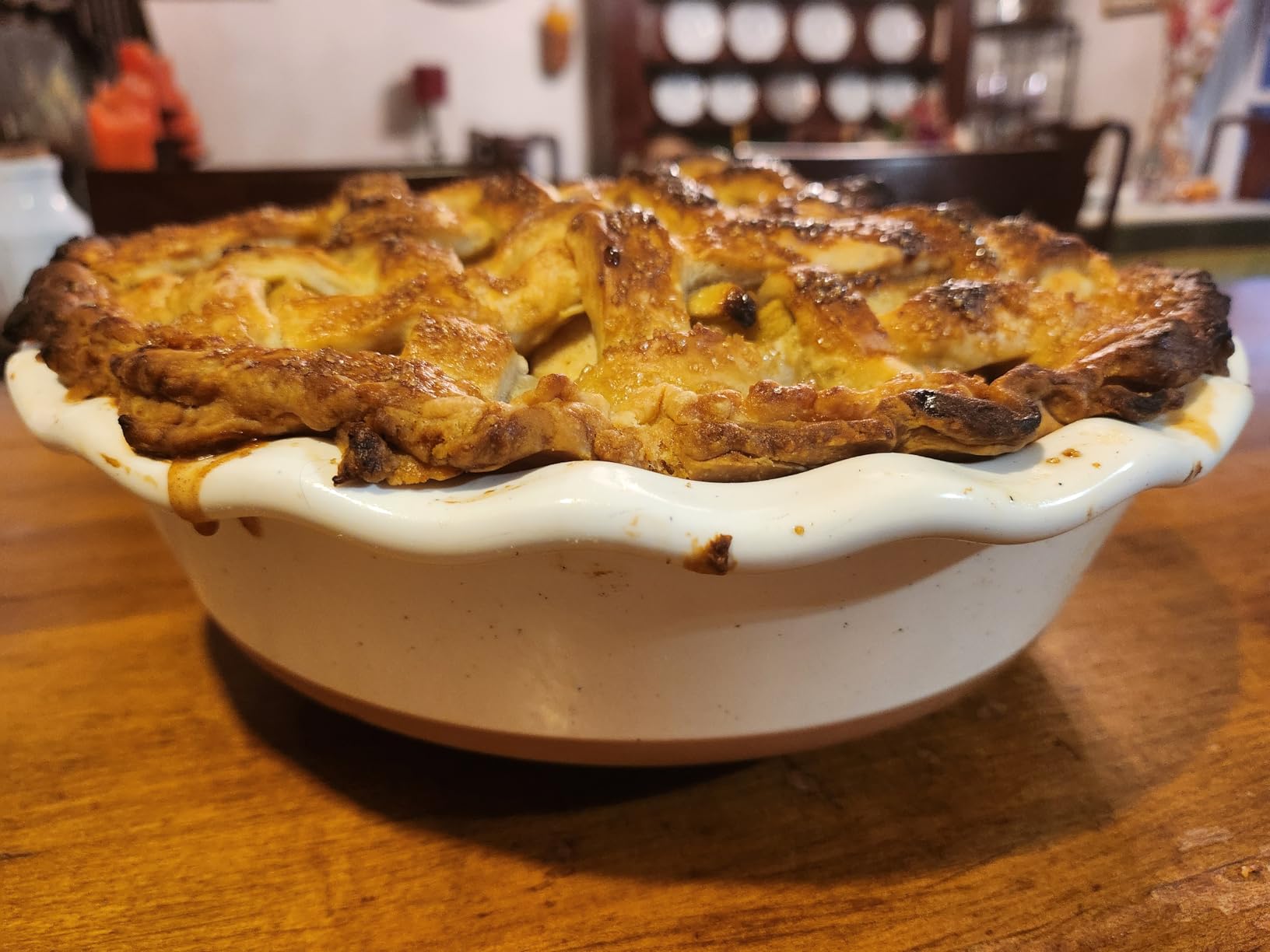
The MORA ceramic pie pan is the deepest dish in our lineup, and that extra depth opens up possibilities standard pans cannot handle. With 2.5-inch sides and a 54-ounce capacity, this pan is built for loaded deep-dish fruit pies that would overflow a standard plate. My apple pie held a full extra cup of filling without spilling over.
The fluted edges give your top crust a beautiful scalloped finish that looks professional with zero extra effort. When I crimped my dough over the rim, the fluted pattern transferred perfectly to the crust. This is the kind of detail that makes a homemade pie look bakery-quality.
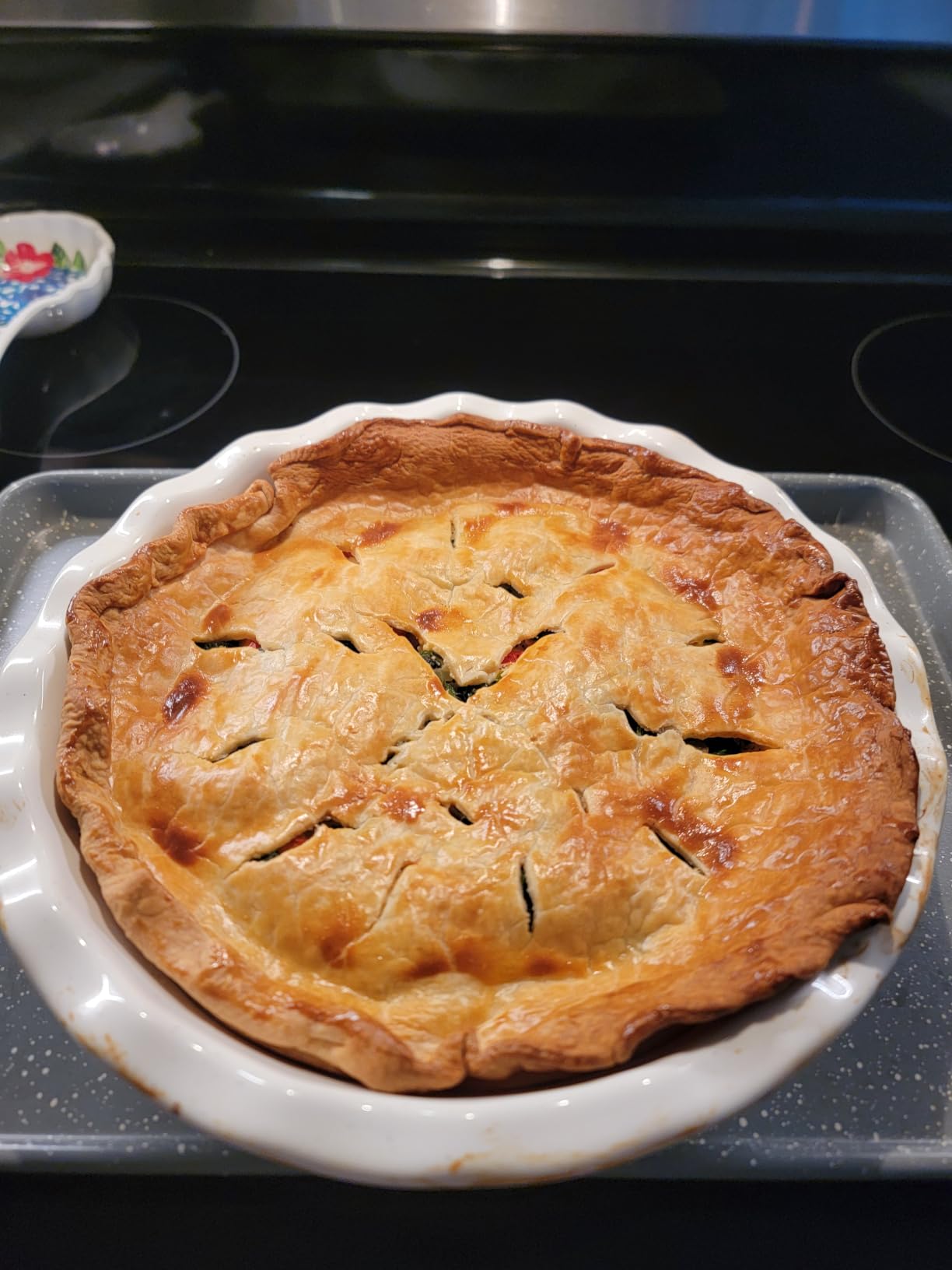
MORA uses what they call Paladin Clay, which they claim is 20% stronger than standard ceramic formulations. Whether or not that exact number holds up, the dish does feel exceptionally solid. I accidentally tapped it against a granite countertop while washing, and it showed no chips or cracks.
The crystallized glaze is lead-free and cadmium-free, which matters for anyone concerned about food safety. The glaze also resists scratching and staining, so the vanilla white finish stays clean-looking bake after bake. The farmhouse aesthetic fits beautifully in both modern and traditional kitchens.
How deep is the MORA pie pan compared to standard pans?
The MORA pan measures 2.5 inches deep, which is roughly a full inch deeper than standard pie pans that typically run 1.2 to 1.5 inches. This extra depth accommodates significantly more filling, making it ideal for deep-dish fruit pies, tall custard pies, and savory pot pies. Standard pie recipes will work, but the crust ratio to filling will be different.
Is the MORA pan safe for freezer-to-oven baking?
Yes, the Paladin Clay construction is thermal shock resistant and rated for freezer-to-oven transitions. You can assemble a pie ahead of time, freeze it, and bake directly without thawing. This is a significant advantage over standard glass pans and makes the MORA especially useful for holiday prep when you want to bake ahead.
7. Lodge Seasoned Cast Iron Pie Pan – Best Cast Iron for Crisp Crusts
- Exceptional heat retention
- Pre-seasoned and ready to use
- Chemical-free PFAS-free cooking surface
- Dual handles for easy transport
- Built to last generations
- Requires hand washing
- Heavier than other materials
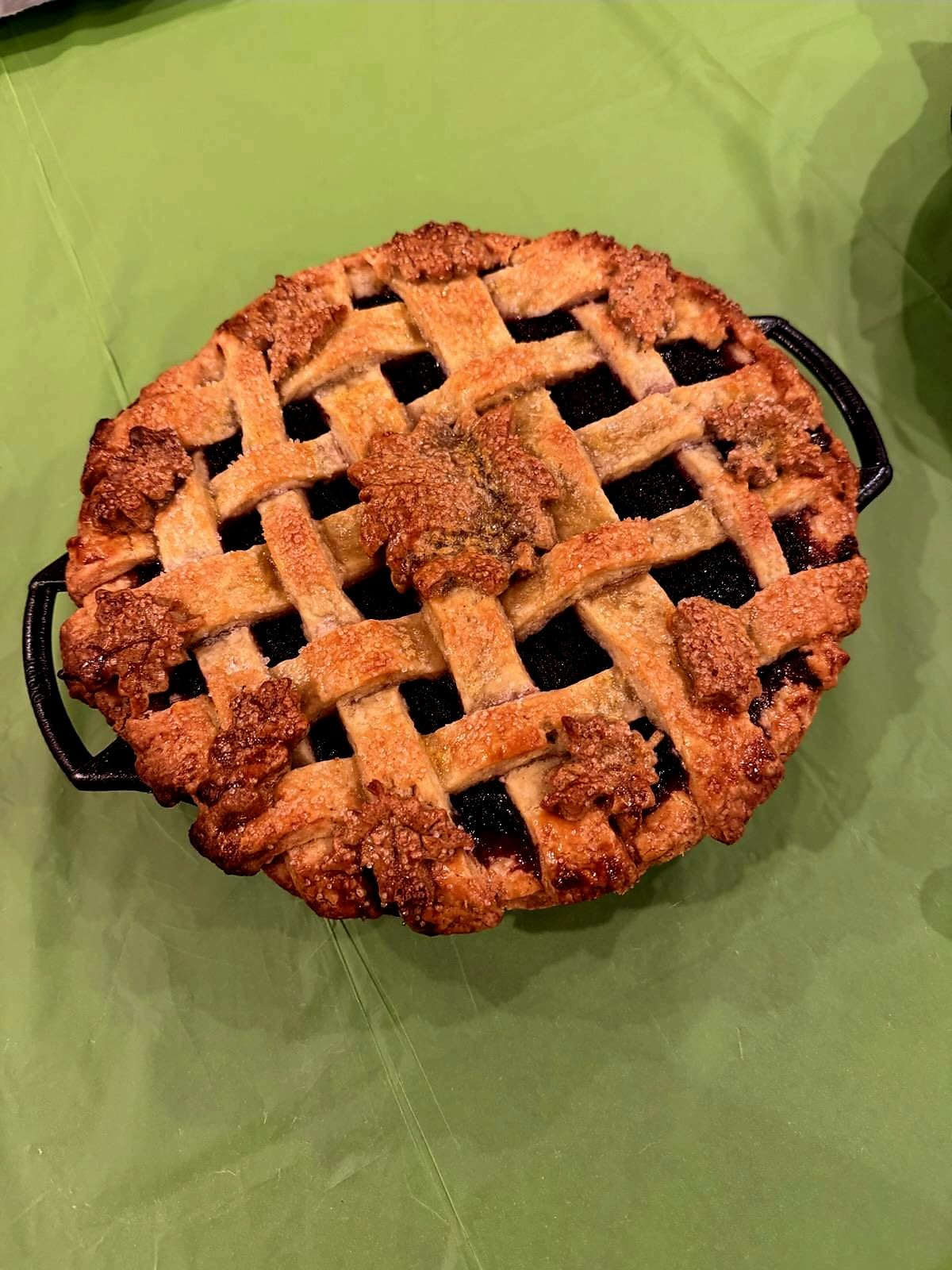
Cast iron is not the first material most people think of for pie baking, but the Lodge pan changed my perspective. Cast iron retains heat like nothing else, which means once it gets hot, it stays hot. This creates an aggressively crisp bottom crust that metal and glass pans struggle to match.
I tested the Lodge with a savory chicken pot pie, and the bottom crust came out almost fried in its crispness. The pre-seasoned surface released the pie cleanly, and the natural nonstick properties of a well-seasoned pan mean you do not need any chemical coatings. It is PFAS-free out of the box.
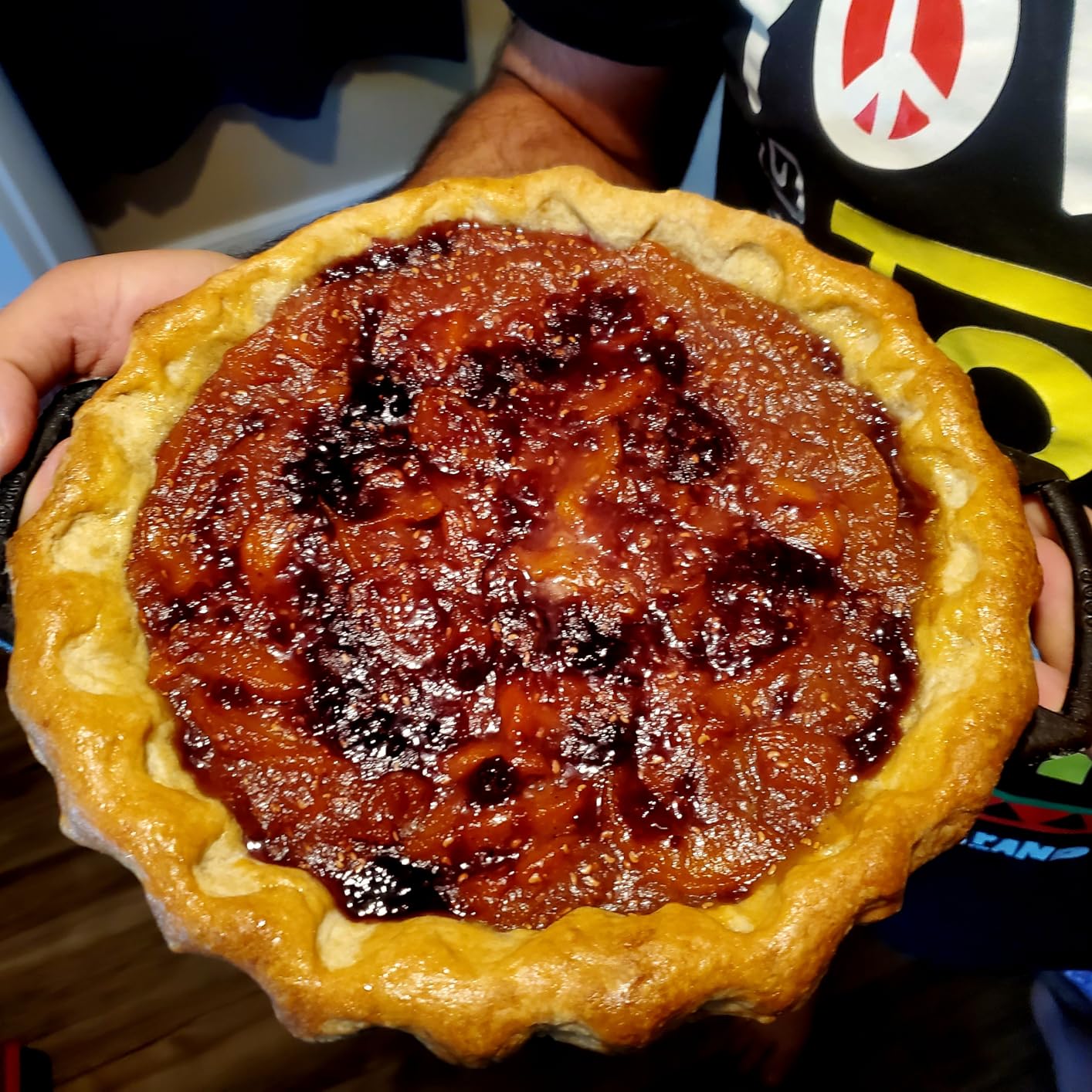
The dual handles are a practical design choice that makes moving a hot, heavy pan much safer. At 3.7 pounds, this is the heaviest pan in our lineup, and those handles give you a secure grip even with thick oven mitts. Lodge clearly designed this with real kitchen use in mind.
The main trade-off is maintenance. Cast iron requires hand washing and periodic re-seasoning to maintain its nonstick surface. You cannot put it in the dishwasher or soak it in the sink. For bakers willing to do that minimal upkeep, the Lodge will outlast every other pan on this list.
Does cast iron really make a better pie crust?
Cast iron’s superior heat retention creates a hotter baking surface than other materials, which helps the bottom crust set and crisp quickly. This is especially effective for preventing soggy bottoms in juicy fruit pies. The trade-off is that cast iron can over-brown delicate crusts, so you may need to monitor baking time more closely than with glass or ceramic.
How do you maintain the Lodge cast iron pie pan?
Hand wash with warm water and a brush or sponge immediately after use. Avoid soap if possible, though mild dish soap will not ruin modern seasoning. Dry thoroughly and apply a thin coat of oil to the surface before storing. Never soak or put it in the dishwasher, as this will strip the seasoning.
8. Cuisinart Chef’s Classic Nonstick Deep-Dish Pie Pan – Best Nonstick Metal
- Stainless steel with heavy-gauge aluminum core
- Extra-thick rolled edges resist warping
- Nonstick interior for easy release
- Dishwasher safe for convenient cleanup
- Limited lifetime warranty
- Nonstick coating may wear over time
- Not suitable for microwave use
The Cuisinart Chef’s Classic is the pan I recommend for bakers who want maximum convenience at a budget-friendly price. The nonstick interior releases pies so cleanly that I did not need to run a knife around the edge before serving. My pecan pie slid out in one perfect piece with every slice intact.
The heavy-gauge aluminum core provides even heat distribution that rivals more expensive pans. The stainless steel exterior adds durability, and the extra-thick rolled edges prevent warping even after repeated high-heat use. This pan feels more substantial than its modest price suggests.
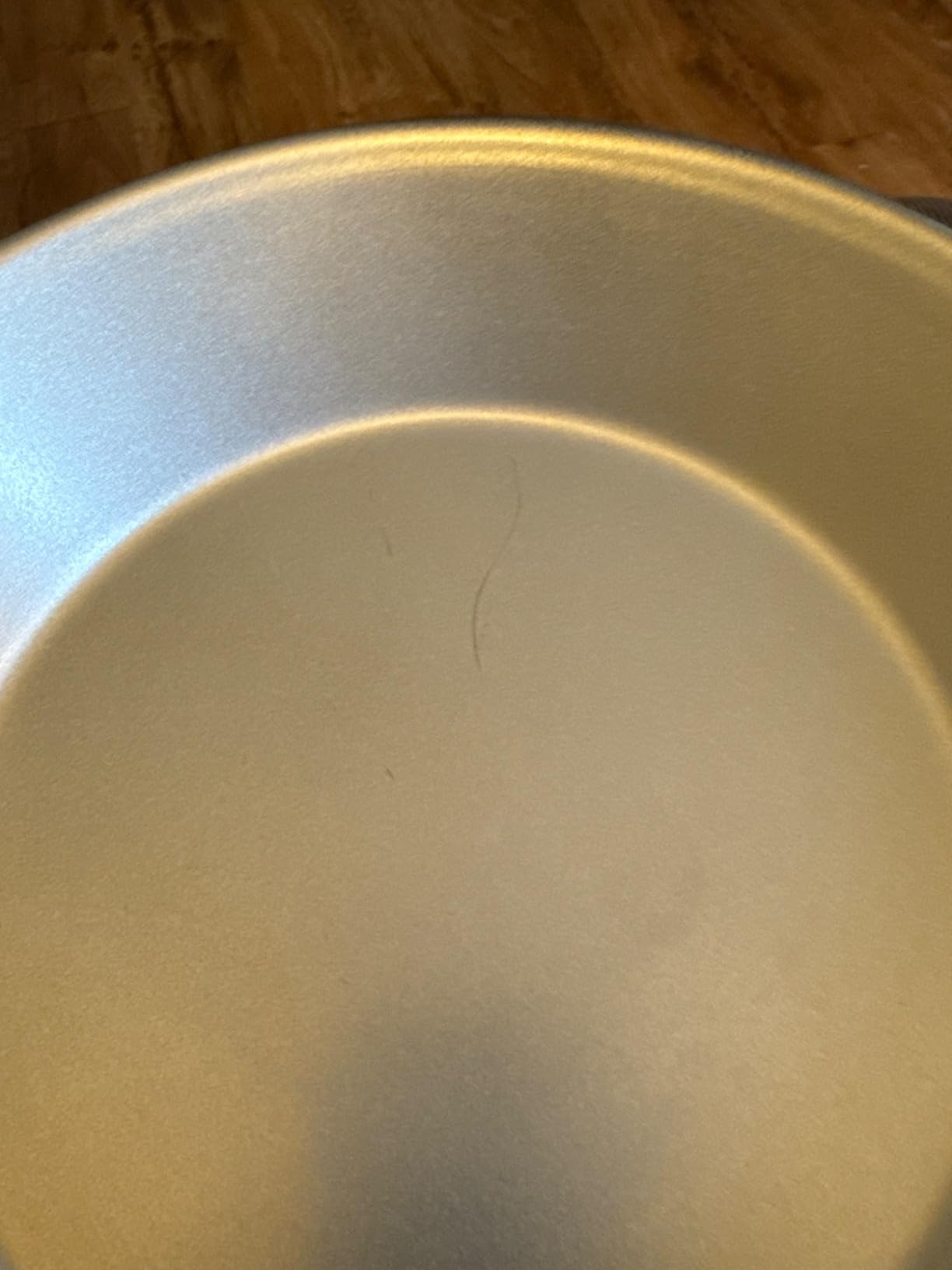
The deep-dish design gives you extra room for loaded fillings, though not quite as much as the MORA ceramic. The 9-inch diameter is standard, so all your existing recipes will work without adjustment. I found it especially good for custard pies where you want a slightly deeper filling layer.
Dishwasher safety is a major selling point for this pan. Unlike the USA Pan or Lodge, the Cuisinart goes straight in the dishwasher after cooling. The nonstick surface means there is rarely much to clean anyway, but having that option removes a common barrier for busy bakers.
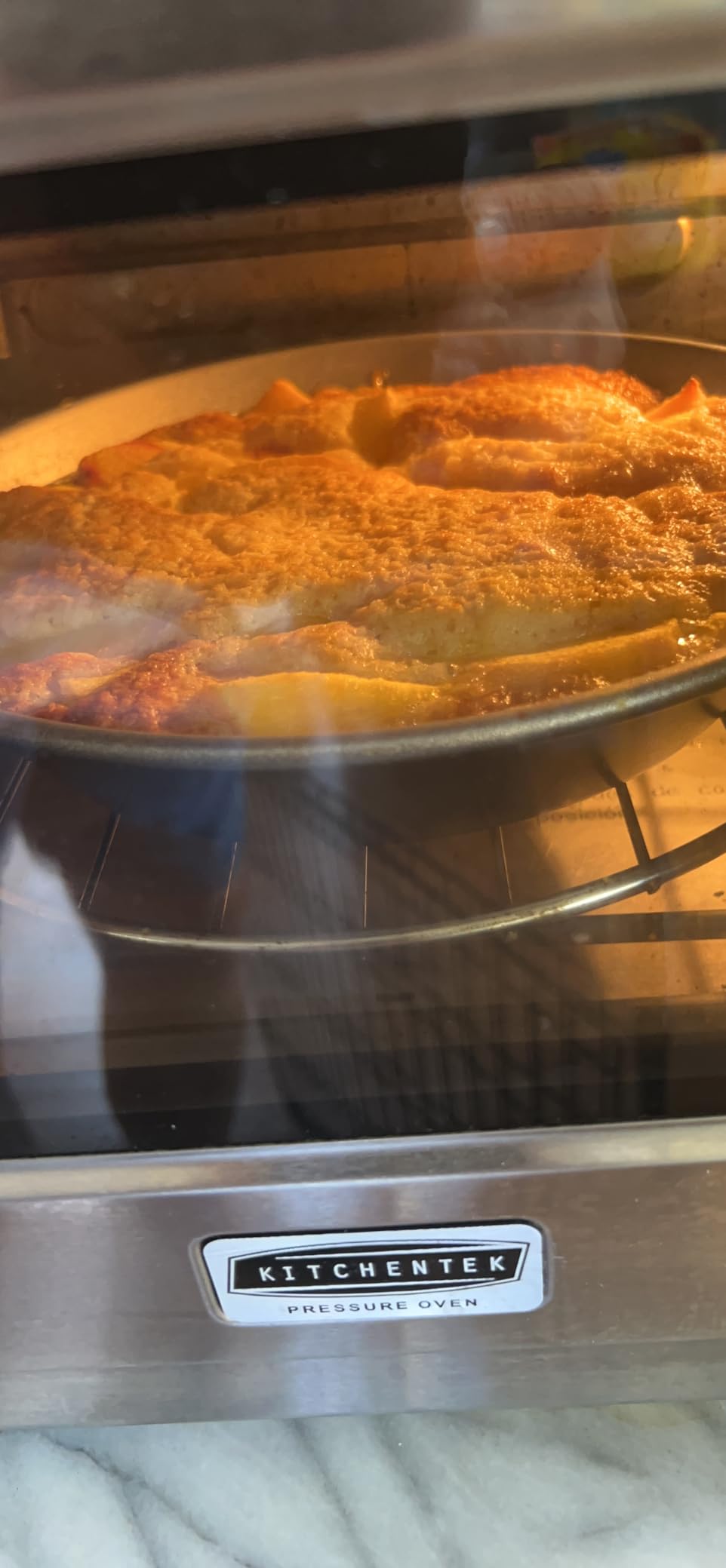
How long does the nonstick coating last on the Cuisinart?
The nonstick interior will perform well for several years with proper care. Avoid metal utensils, use silicone or nylon tools, and do not use cooking sprays which can leave residue that degrades the coating over time. Hand washing extends coating life, but the pan is dishwasher safe if you prefer convenience over longevity.
Does the Cuisinart deep-dish size work for standard recipes?
Yes, the 9-inch diameter matches standard pie recipes perfectly. The slightly deeper sides give you more room for filling without requiring recipe adjustments. This makes it a versatile choice if you bake both standard and deep-dish pies, since one pan handles both without modification.
How to Choose the Best Pie Pan: Buying Guide
Choosing the right pie pan comes down to four main factors: material, size, depth, and maintenance. Understanding how each of these affects your baking results will help you pick the pan that matches your cooking style and favorite pie types.
Material: Metal vs Glass vs Ceramic vs Cast Iron
Metal pans conduct heat quickly, which promotes browning and crisp bottoms. Aluminized steel and stainless steel are the most common metals used. Metal is ideal for fruit pies where you want a crisp, well-baked base. The downside is that metal can over-brown delicate crusts if you are not watching closely.
Glass pans heat more slowly than metal but allow you to see the bottom crust as it bakes. This visibility is invaluable for newer bakers learning to judge doneness. Glass also retains heat well once warm, helping custard pies bake evenly. The main risk with glass is thermal shock, so avoid sudden temperature changes.
Ceramic pans offer excellent heat retention and even distribution. They go beautifully from oven to table, making them ideal for entertaining. High-quality ceramics like Burgundy clay or stoneware resist thermal shock better than standard glass. Ceramic is the top choice for pumpkin pies, custard pies, and any pie you want to serve in the baking dish.
Cast iron provides the best heat retention of any material. It creates aggressively crisp crusts and lasts literally generations. The trade-off is weight and maintenance, as cast iron requires hand washing and regular seasoning. Cast iron is best for bakers who value durability and crust crispness above all else.
Size and Depth Considerations
Standard pie recipes assume a 9-inch diameter pan. Always verify the actual diameter, as some pans labeled 9-inch measure closer to 8.5 inches in practice. A pan that is too small will overflow, and one that is too large will produce a thin, sad pie.
Depth matters more than most bakers realize. Standard pie pans are 1.2 to 1.5 inches deep, which works for most recipes. Deep-dish pans run 2 inches or deeper and are necessary for loaded fruit pies, tall custard pies, and savory pot pies. If you bake deep-dish pies regularly, choose a pan with at least 2-inch sides.
Preventing Soggy Bottom Crust
The number one complaint in baking forums is the soggy bottom crust. Metal pans with corrugated surfaces, like the USA Pan, help moisture escape from the bottom. Preheating your baking sheet and placing the pie pan on it can also jump-start bottom browning. For glass and ceramic pans, baking at a slightly higher temperature for the first 15 minutes can help set the base before the filling makes it soggy.
Maintenance and Cleanup
Consider how much cleanup effort you are willing to accept. Dishwasher-safe options like the Le Creuset, Pyrex, OXO, and Cuisinart offer maximum convenience. The USA Pan and Lodge require hand washing but reward the effort with superior performance. If you bake pies frequently, easy cleanup matters more than you might expect.
Care and Storage Tips
Store pie pans carefully to avoid chipping ceramic and glass. Stack them with soft padding between layers, and avoid nesting heavy cast iron inside delicate glass dishes. For nonstick metal pans, avoid stacking without protection, as contact points can scratch the coating. With proper care, a quality pie pan will last decades.
FAQs
Who makes the best pie pan?
Emile Henry makes our top-rated pie pan overall, earning editor’s choice for its Burgundy clay construction that provides even heat diffusion and freezer-to-oven safety. Le Creuset is the best premium option for bakers who want a serving-quality dish, and USA Pan offers the best value for crisp-bottomed fruit pies.
Is it better to bake pies in aluminum or glass?
Aluminum and metal pans conduct heat faster, producing crisper bottom crusts ideal for fruit pies. Glass pans heat more slowly but let you monitor browning visually and retain heat well for custard pies. Metal is better for crispness, while glass is better for visibility and even custard baking.
Which is better, Nordic Ware or Wilton?
Neither Nordic Ware nor Wilton made our top eight list. For metal pie pans, we recommend the USA Pan aluminized steel option for its commercial-grade construction and corrugated surface that prevents soggy bottoms. The Cuisinart nonstick deep-dish pan is another strong metal choice at a budget-friendly price.
How do I prevent a soggy bottom pie crust?
Use a metal pan with a corrugated surface for better air circulation, preheat a baking sheet and place your pie pan on it, or bake at a higher temperature for the first 15 minutes to set the base. Avoid overfilling with wet fillings, and consider blind-baking the bottom crust for custard pies.
Can glass pie plates go in the oven?
Yes, glass pie plates are oven safe, but you must avoid sudden temperature changes. Do not move a cold glass plate directly into a hot oven or place a hot plate on a wet or cold surface. Borosilicate glass, like the OXO Good Grips plate, handles temperature changes better than standard tempered glass.
Final Thoughts on the Best Pie Pans
Finding the best pie pans for 2026 comes down to matching material to your baking habits. If you bake fruit pies and want the crispest bottoms, the USA Pan aluminized steel pan delivers commercial-grade results at a budget price. For custard and holiday pies where even baking and beautiful presentation matter, the Emile Henry and Le Creuset ceramic dishes are worth every penny.
For everyday bakers who want versatility and easy cleanup, the OXO glass plate with its transport lid and the Pyrex two-pack offer outstanding value. And if you want a pan that will outlive you while producing the crispiest crusts imaginable, the Lodge cast iron is a worthy investment.
The most important takeaway from our testing is that no single pan is perfect for every pie. Serious bakers will eventually want two or three pans in different materials to match different recipes. Start with the one that fits your most common pie type, and build your collection from there.