
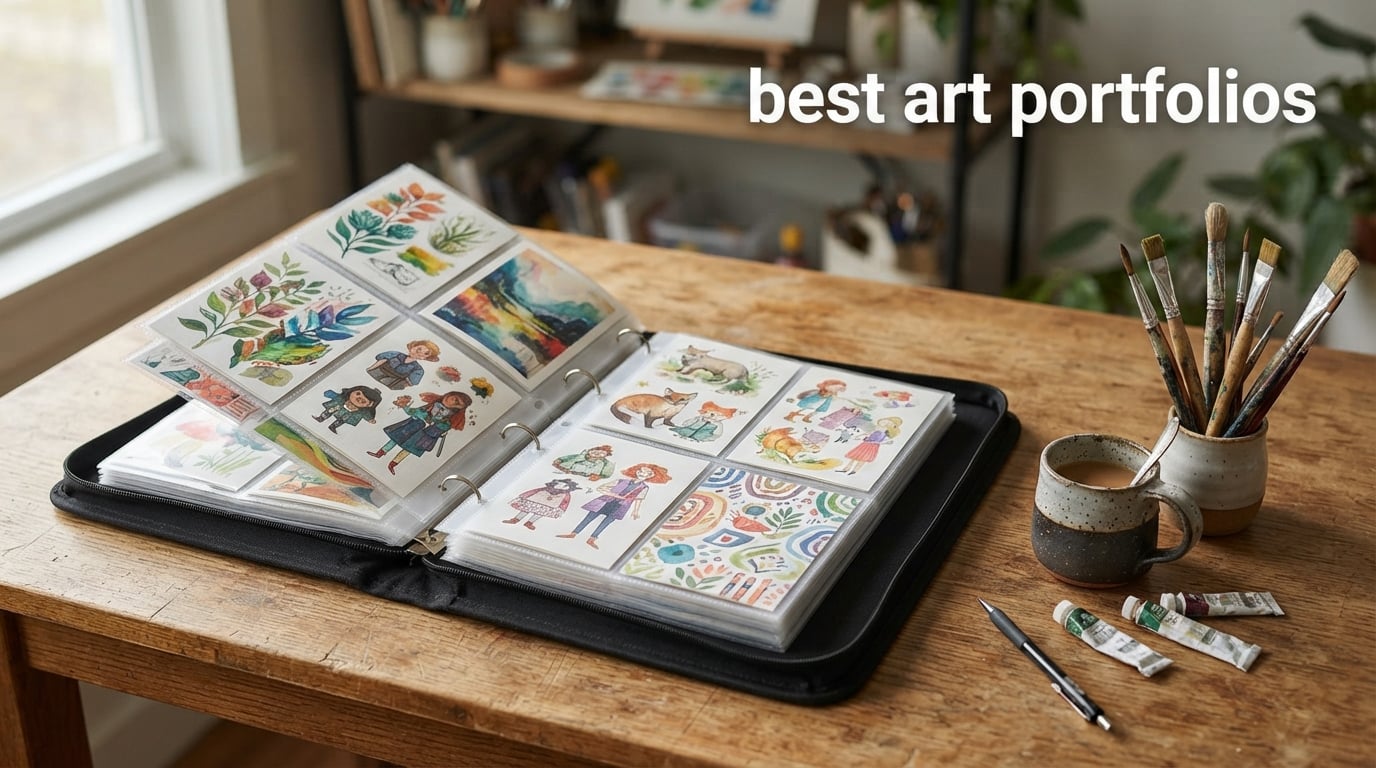
If you have ever carried a stack of loose drawings across town in a paper folder, you already know why artists hunt for the best art portfolios they can afford. One gust of wind or a spilled coffee and months of work can be ruined. An art portfolio case is a specialized storage and carrying solution built to hold, protect, and organize flat artwork like drawings, paintings, prints, and design boards so it arrives looking exactly the way you finished it.
Our team spent several weeks comparing portfolio cases across every common size, from compact 9×12 books up to oversized 24×36 tote bags. We focused on the details that actually matter when you are protecting original work: sleeve clarity, archival safety, cover rigidity, and how the case holds up after daily use. We also pulled real buyer feedback from thousands of reviews to separate the marketing claims from the truth.
What we found is that there is no single best portfolio for everyone. Art students need affordable, high-capacity books. Professional illustrators want archival sleeves that will not stick to toner or ink. Painters working large need rigid cases that keep canvases flat. This guide covers all eight categories of need, so whether you are assembling a college admissions portfolio or transporting gallery prints, you will find a match below.
Table of Contents
Top 3 Picks for the Best Art Portfolios

Itoya Original Art ProFolio 9x12
- 24 sleeves 48 pages
- Won't stick to toner
- Reversible spine insert
- Storage compartment


Dunwell 11x17 Art Portfolio
- 24 pockets 48 pages
- Black mounting paper
- Woven trim
- 90-day warranty
The Itoya Original Art ProFolio earned our Editor’s Choice spot because it is the portfolio professionals actually trust. Itoya pioneered the refillable presentation book, and their polypropylene sleeves are formulated to never stick to copier toner, which matters more than you might think if you print your work.
For pure value, the Sooez 9×12 is hard to beat. It packs 40 pockets into a compact letter-size format for less than the cost of a sketchbook, and the archival, acid-free material keeps student artwork safe for years.
The Dunwell 11×17 took our Top Rated badge on the strength of over 5,200 verified reviews. The included black mounting paper gives every page a gallery-ready backdrop, and the textured cover with woven trim looks professional enough for client meetings.
Best Art Portfolios in 2026
| Product | Specifications | Action |
|---|---|---|
| Sooez Art Portfolio 9x12 |
|
Check Latest Price |
 Dunwell Art Portfolio 8.5x11 Dunwell Art Portfolio 8.5x11 |
|
Check Latest Price |
| Itoya Original Art ProFolio 9x12 |
|
Check Latest Price |
 Sooez Art Portfolio 11x17 Sooez Art Portfolio 11x17 |
|
Check Latest Price |
| Dunwell Art Portfolio 11x17 |
|
Check Latest Price |
 Nicpro Art Portfolio 12x18 Nicpro Art Portfolio 12x18 |
|
Check Latest Price |
 Sooez Portfolio 18x24 Sooez Portfolio 18x24 |
|
Check Latest Price |
 JJRING Art Tote Bag 24x36 JJRING Art Tote Bag 24x36 |
|
Check Latest Price |
1. Sooez Art Portfolio 9×12 – 40 Pockets for Maximum Capacity
- 40 pockets hold 80 pages of work
- Archival quality acid-free and non-stick
- Crystal clear high transparency sleeves
- Heavy duty cover resists cracking
- Customizable reversible spine insert
- Non-refillable bound pockets
- Not hardback so needs care from bending
I reached for the Sooez 9×12 first when I needed an everyday portfolio for student sketches and reference prints. Forty pockets means 80 viewable pages, which is more capacity than anything else at this size in our lineup. I filled it with a full semester of life-drawing studies and still had room to spare.
The sleeves themselves impressed me. They are genuinely crystal clear, not the cloudy plastic you find on cheap folders, and the polypropylene is acid-free, non-stick, and non-glare. That archival rating matters because acidic sleeves yellow and embrittle your paper over time. Sooez uses the same archival spec you find on portfolios costing three times as much.
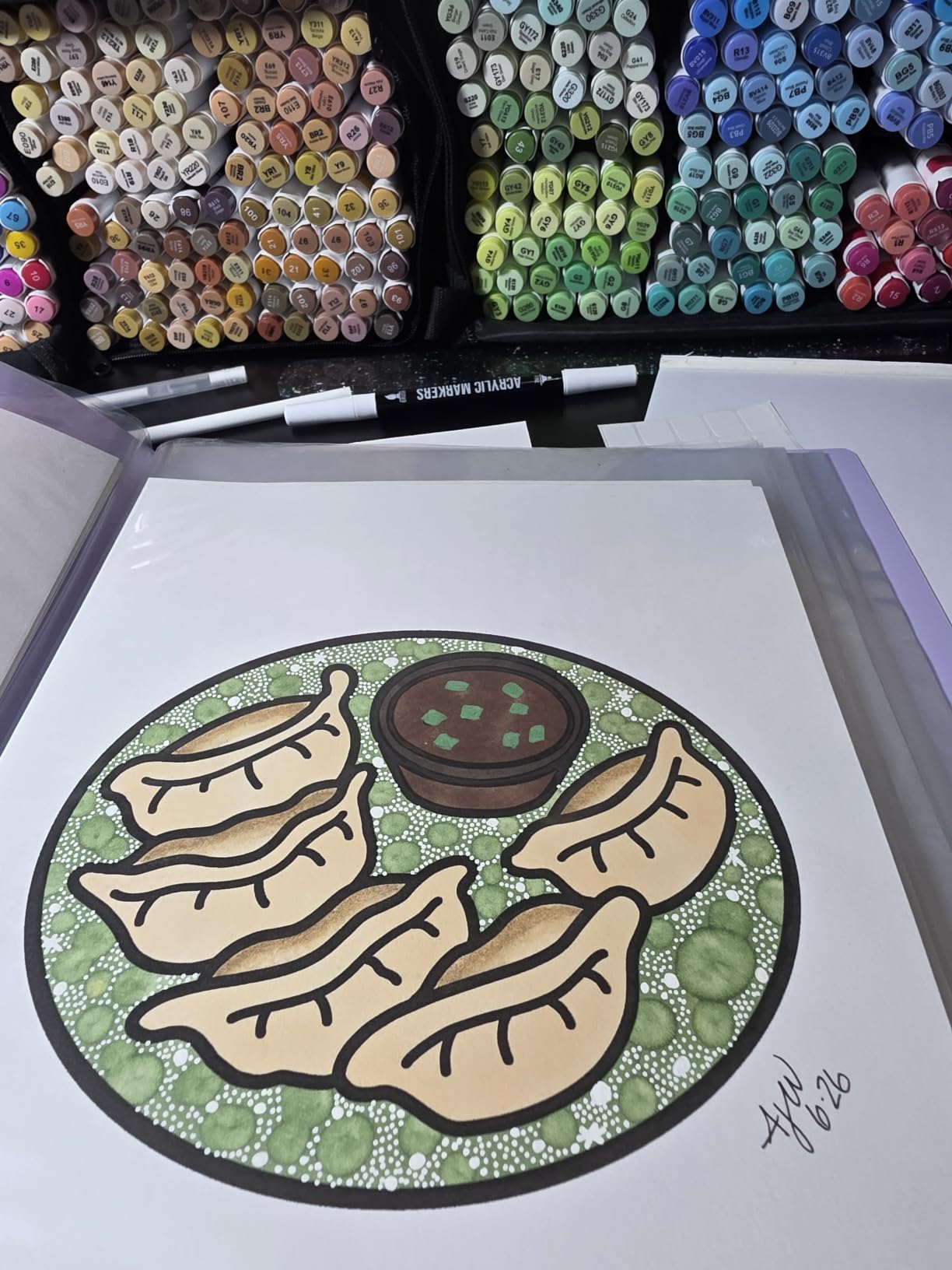
The heavy-duty cover is where the budget shows a little. It is sturdy enough to protect pages on a shelf, but it is not a rigid hardback. I would not toss this in a backpack loose with textbooks pressing against it. Stored flat or carried in a bag with some support, it holds up well.
One feature I genuinely appreciate is the reversible spine insert. You slide a labeled card into the spine edge so the portfolio reads like a book on a shelf. If you keep several of these for different classes or clients, that small detail saves a lot of guessing.
Capacity vs. refillability tradeoff
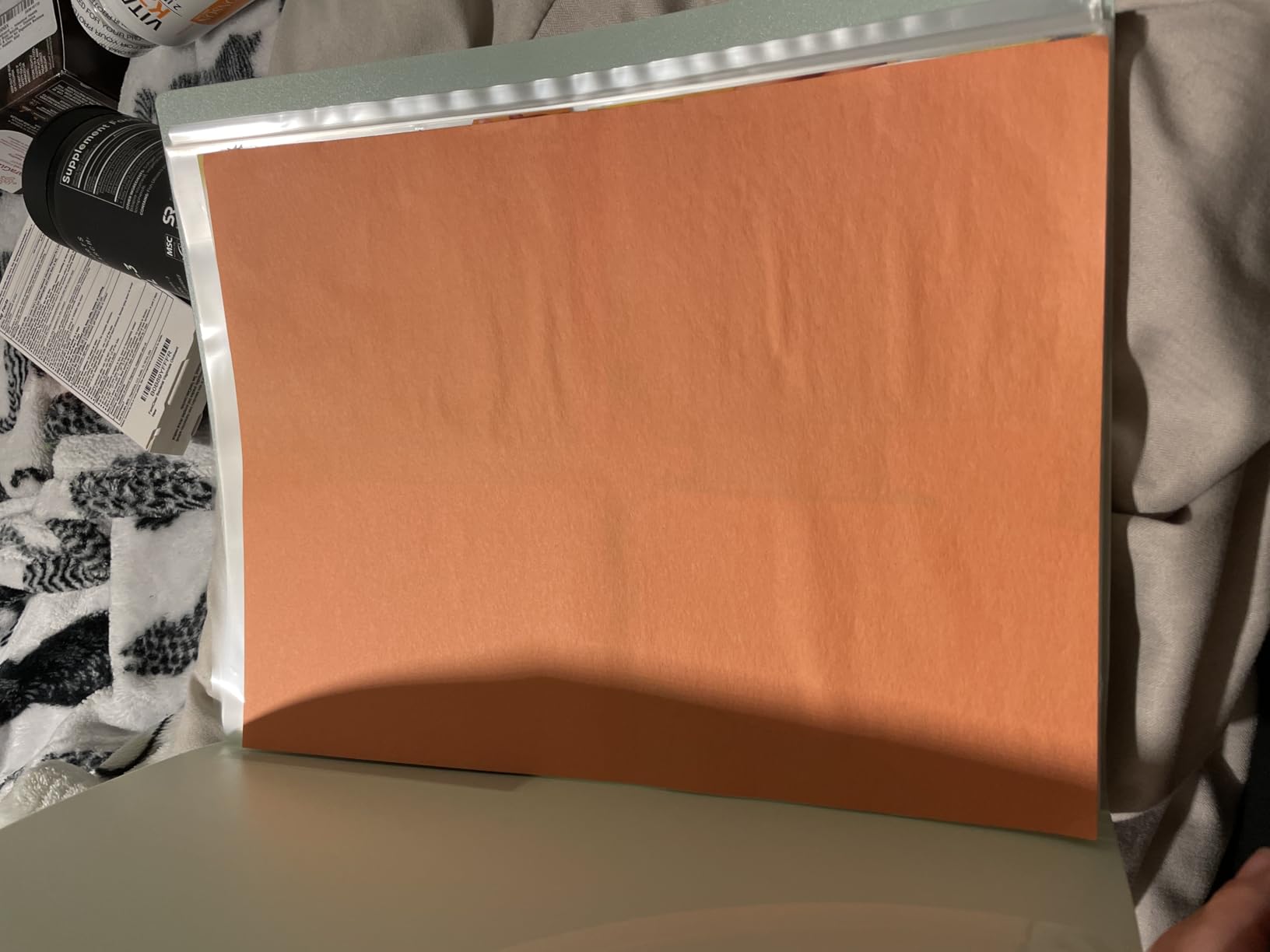
Forty bound pockets give you enormous storage in a compact footprint, but they are permanently bound. You cannot add or remove sleeves. If you need a living portfolio that changes as your body of work evolves, consider a binder-style case instead. For a fixed, archival record of a semester or project, the bound format is actually an advantage because pages never shift or fall out.
Best artwork sizes for this format
The 9×12 format fits standard letter-size paper and anything smaller, including 8.5×11 prints, 9×12 sketchbook pages, and trimmed watercolor sheets. It does not fit 11×14 or larger work without folding, so size your art before committing. For mixed sizes, the generous pocket depth handles slight variations without buckling.
2. Dunwell Art Portfolio 8.5×11 – Professional Presentation with Mounting Paper
- Includes black mounting paper for gallery look
- Crystal clear non-cling PVC-free sleeves
- Textured cover with elegant woven trim
- Opens flat for easy viewing
- Acid-free archival quality
- Non-refillable bound design
- Some users wanted more mounting inserts
The Dunwell 8.5×11 is the portfolio I recommend when presentation matters as much as protection. The included black mounting paper transforms each spread into a framed display, so even loose sketches look intentional and polished. I used it to assemble a client pitch deck of concept art, and the black backgrounds made the color work pop.
Construction quality is a clear step up from basic folders. The textured poly cover has a woven trim that reads as professional rather than student-grade. The sleeves are PVC-free and non-cling, which means artwork slides in without static grab and there is no risk of ink lift-off from printed pieces.
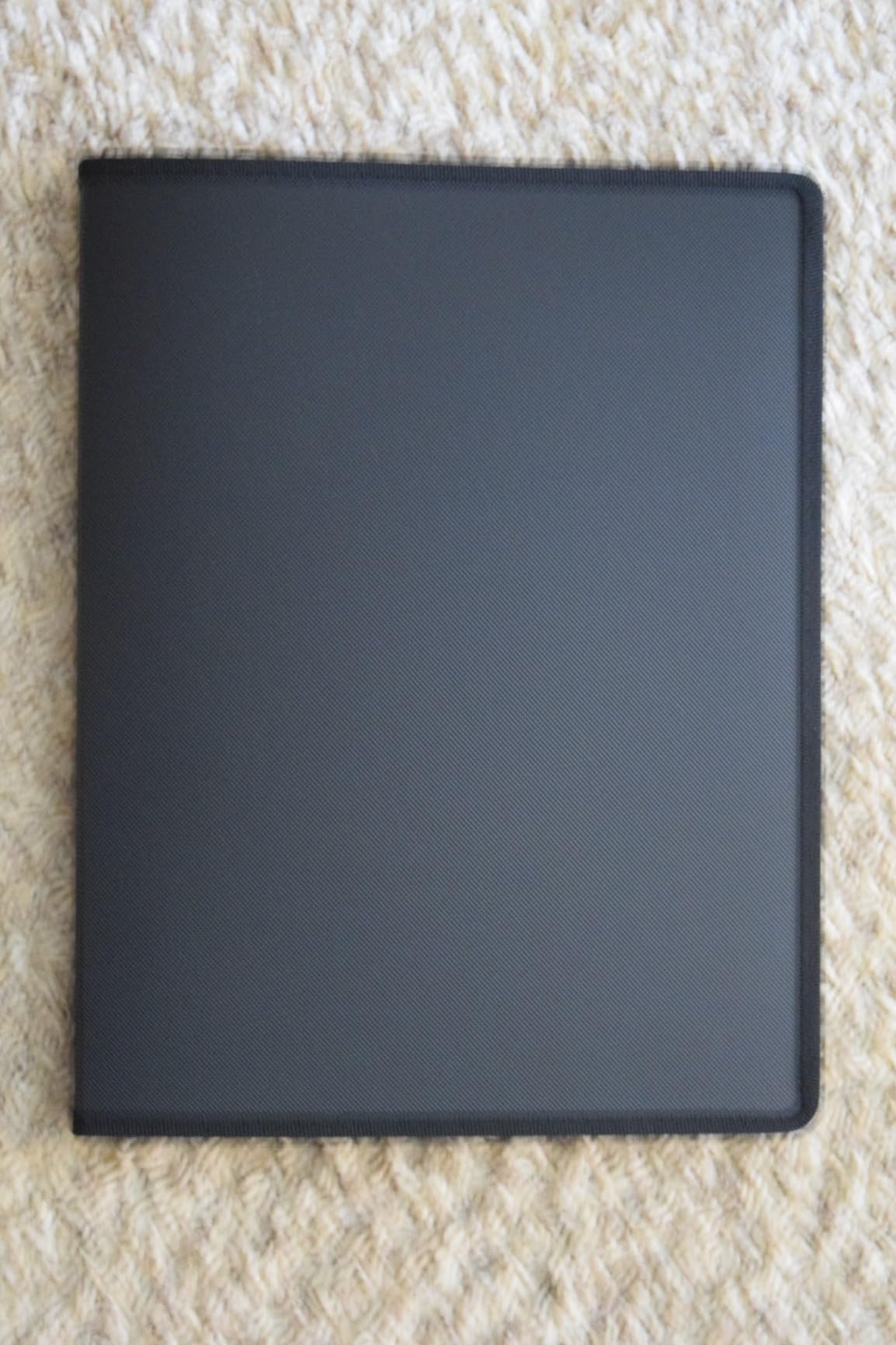
With 24 pockets displaying 48 pages, the capacity is moderate but sufficient for a focused presentation. I found that curating down to the strongest 48 pages actually improved the portfolio, since editors and instructors respond better to tight editing than to volume.
The cover is flexible rather than rigid, so it opens completely flat on a table for hands-free viewing. That matters when you are sitting across from someone in a review. The portfolio lies open without fighting you, and the pages turn smoothly without catching.
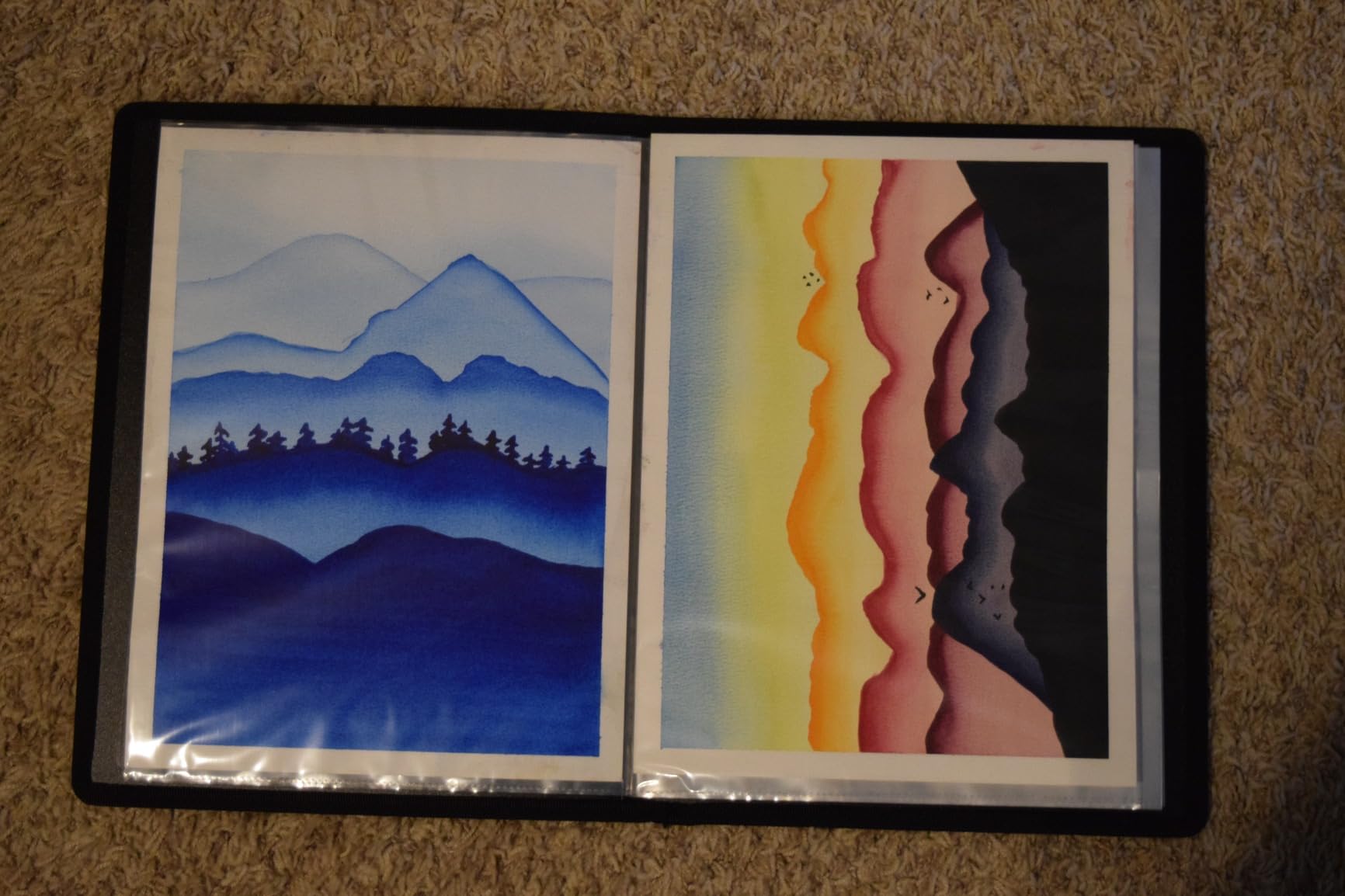
What the mounting paper actually does
The black mounting sheets sit behind your artwork inside each sleeve, providing a uniform dark background. This eliminates show-through from the page behind it and gives every piece a matted, framed appearance. You can mount work directly onto the sheets with archival adhesive, or simply slip loose pieces in front of them for a quick display.
Color and finish options
Dunwell offers this portfolio in Black, Ruby, Cobalt Blue, and Silver covers, all with the matching woven trim. The Black reads most professional for client-facing work. Ruby and Cobalt add personality for student or personal portfolios. The textured finish resists fingerprints and light scuffs better than glossy alternatives.
3. Itoya Original Art ProFolio 9×12 – The Trusted Professional Standard
- Original Itoya ProFolio quality
- Polypropylene won't stick to copier toner
- Reversible spine insert for labeling
- Built-in storage compartment
- Professional presentation grade
- Only 24 sleeves for the price
- Higher price point than competitors
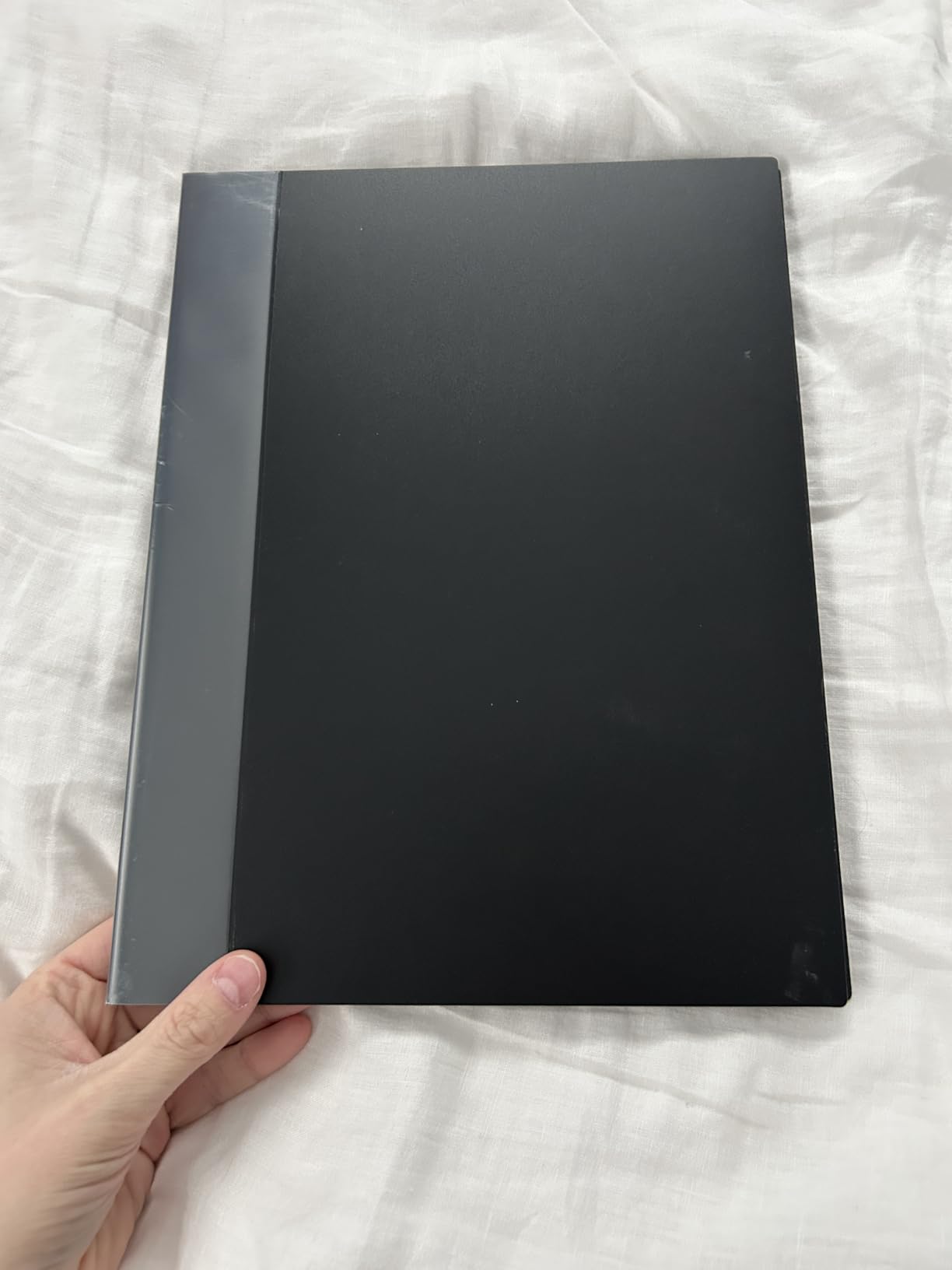
The Itoya Original Art ProFolio is the portfolio that professional photographers and illustrators have relied on for decades, and after testing one I understand the loyalty. The build consistency is immediately apparent the moment you pick it up. Nothing flexes unexpectedly, nothing catches, and the sleeves align perfectly flush.
The standout technical feature is the polypropylene sleeve formulation. Itoya engineered their PP material specifically so it will not stick to copier toner or printed ink. If you print your portfolio digitally rather than showing originals, this is the single most important spec to look for. Cheap sleeves fuse to toner over time and ruin prints.
I also value the built-in storage compartment. It is a slim pocket inside the back cover that holds business cards, a resume, or small reference prints. When you walk into a meeting or interview, having everything in one bound object rather than juggling a portfolio plus a folder feels noticeably more organized.
The reversible spine insert lets you label the portfolio for shelf storage, and Itoya includes a template so the text aligns correctly when the book is standing upright. With 24 sleeves giving 48 pages, the capacity is standard for a professional presentation book rather than a bulk archive.
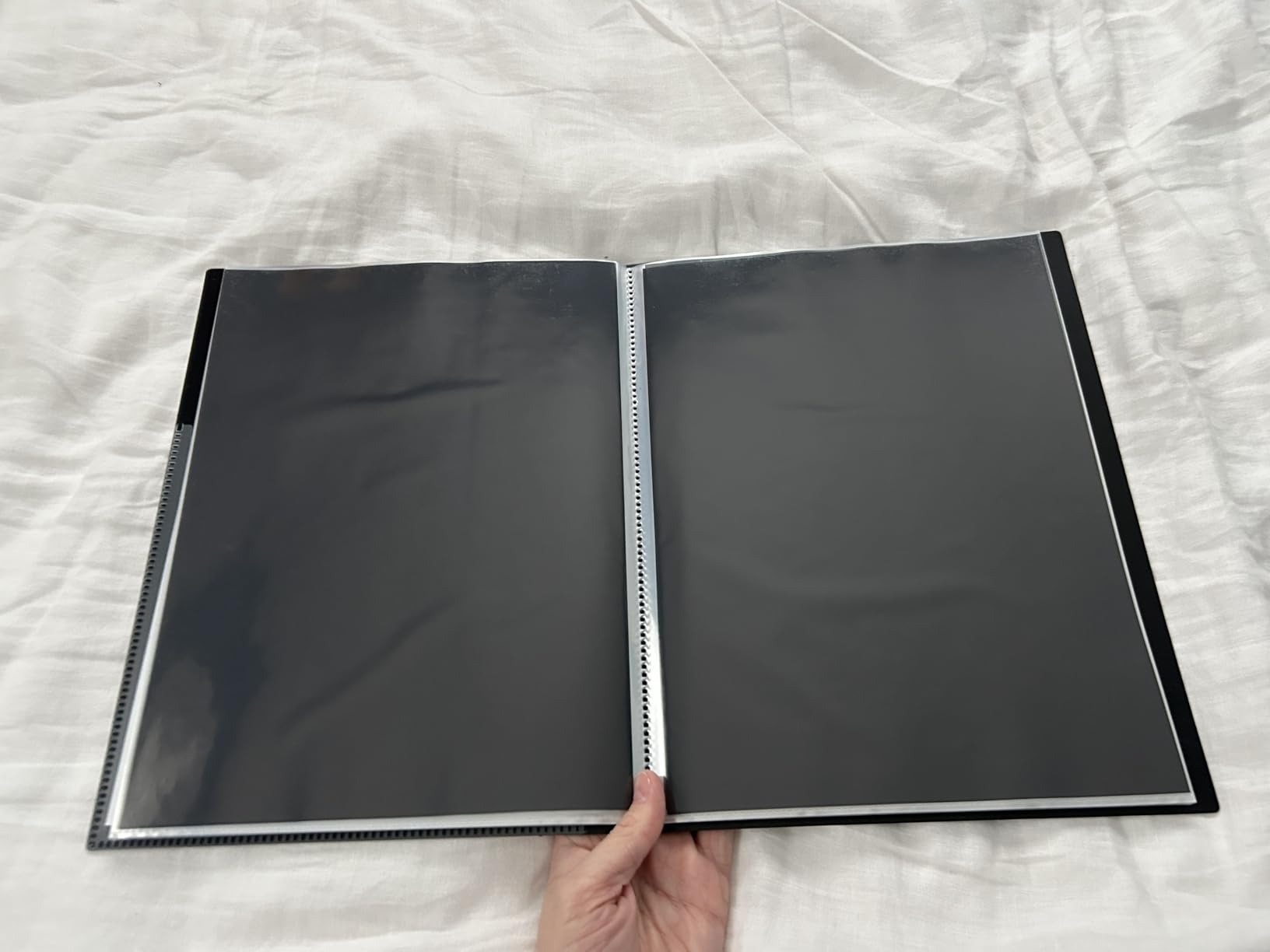
Why the toner-resistant sleeve matters
Standard plastic sleeves contain plasticizers that slowly migrate and bond with the resins in toner and certain inks. Over months of storage, printed pages can develop a permanent fog or even tear when removed. Itoya’s polypropylene is formulated without those plasticizers, so prints stay clean indefinitely. This is the difference between a folder and a true archival presentation book.
Who should pay the premium
At a higher price than the Sooez or Dunwell equivalents, the Itoya makes sense when you are storing prints long-term, presenting to paying clients, or submitting work for exhibitions and grants. For casual student use where the portfolio will be replaced each semester, a lower-cost option serves just as well. The Itoya is an investment in protecting finished, valuable work.
4. Sooez Art Portfolio 11×17 – Large Format with Black Inner Sheets
- 30 pockets display 60 pages of large work
- Fits A3 and 11x17 artwork
- Black inner sheets for contrast
- Archival acid-free material
- Customizable spine title
- Non-refillable bound design
- Large size can be cumbersome to carry
When my artwork outgrew the 9×12 format, the Sooez 11×17 became my go-to for watercolor studies and larger sketches. Thirty pockets give you 60 viewable pages of full A3-size work, which is enough capacity for a substantial body of large-format pieces without needing a second book.
The included black inner sheets are the feature that elevates this above a basic clear-sleeve portfolio. Each pocket has a black backing sheet that creates immediate contrast behind your artwork. Light pencil sketches and watercolor washes read dramatically better against black than against a white or transparent background.
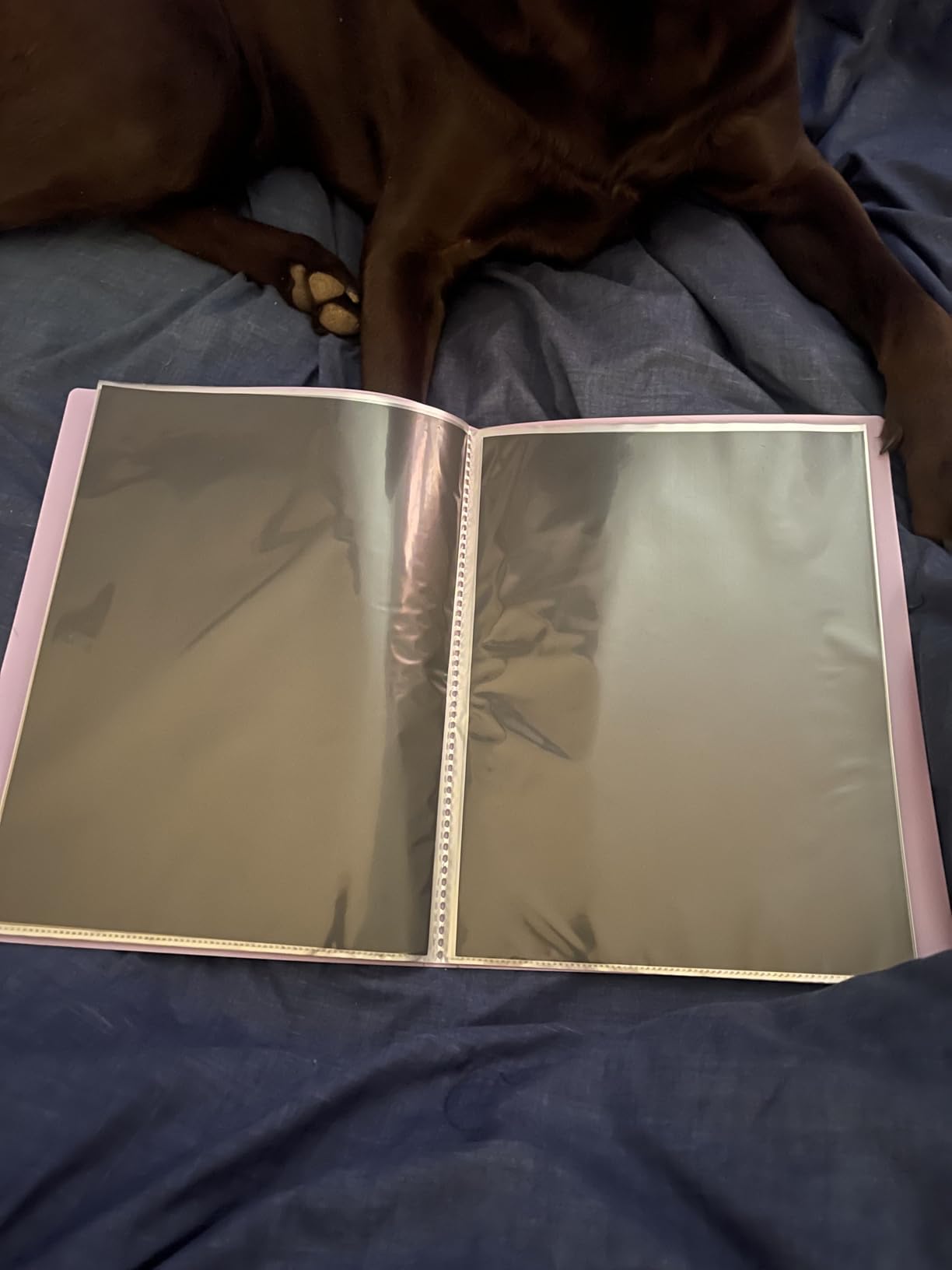
The archival spec matches Sooez’s smaller portfolio: acid-free, non-stick, non-glare, and waterproof sleeves. The heavy-duty cover resists cracking along the spine even when the book is full and flexed open flat. I filled mine near capacity and the binding held without strain on the seams.
At roughly two pounds loaded, this is a substantial book. It lives on a shelf or studio table rather than in a daily backpack. For studio storage and occasional transport to critiques, the size is manageable. For commuting daily, consider whether the footprint fits your bag.
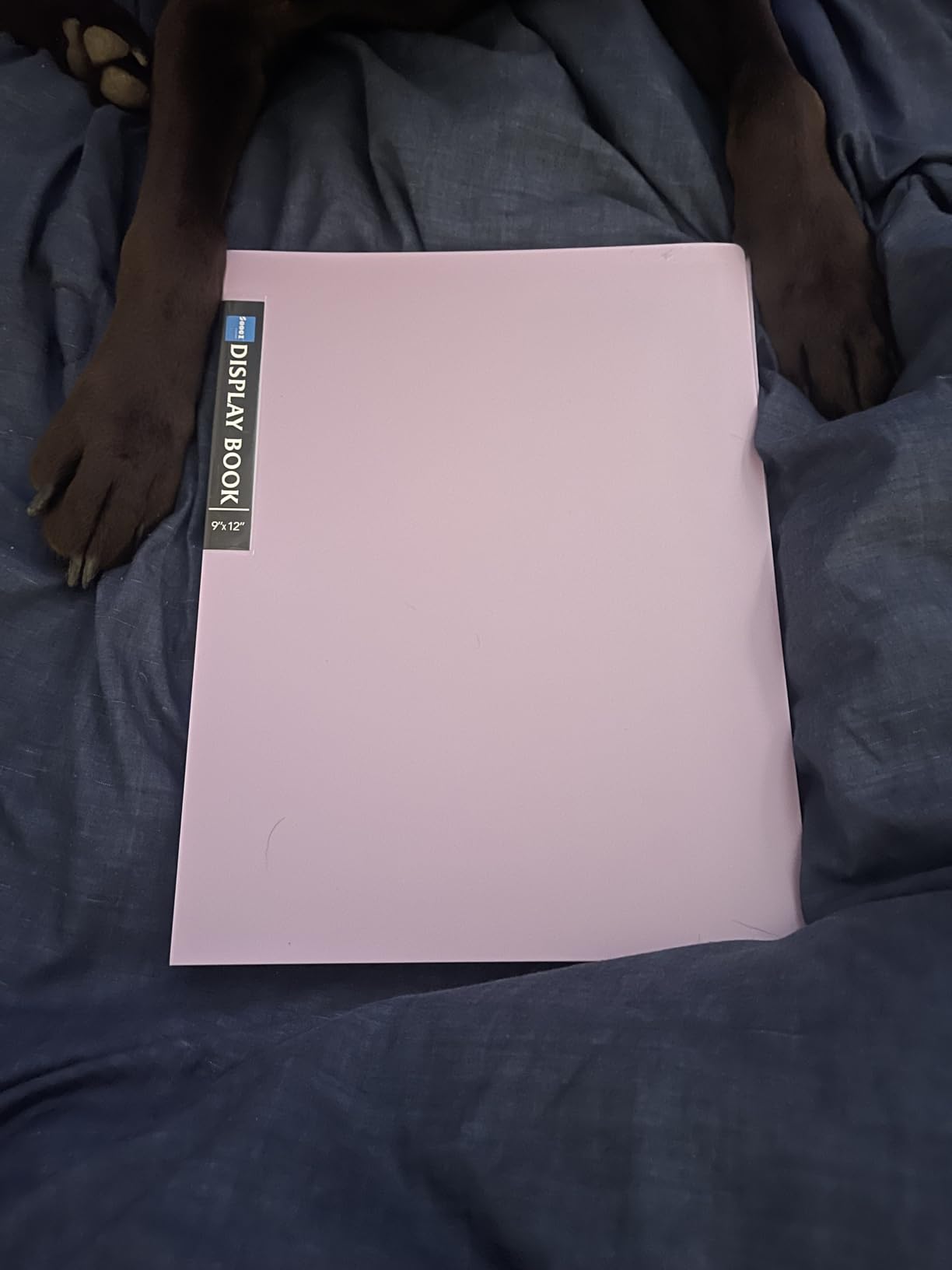
Black sheets vs. clear-only sleeves
Black inner sheets serve two purposes. They block show-through so artwork on the reverse side of a sleeve does not ghost through, and they provide a gallery-style matte background. The tradeoff is that you cannot see through to view two pieces back-to-back. If you want maximum viewable density and do not care about background contrast, a clear-only portfolio gives you more visual pages per inch.
What fits in the 11×17 format
This size accommodates standard 11×17 tabloid prints, A3 sheets, trimmed 11×14 watercolor paper, and most illustration board. It does not fit full 18×24 newsprint or half-sheet watercolor paper. Measure your largest common piece before choosing, because a portfolio that is slightly too small is useless regardless of its other qualities.
5. Dunwell Art Portfolio 11×17 – Most Reviewed with 5,000+ Ratings
- Over 5
- 000 verified customer reviews
- Premium black mounting paper included
- Textured cover with elegant woven trim
- Acid-free and PVC-free archival sleeves
- 90-day manufacturer warranty
- Non-refillable bound design
- Some reports of creased pages on arrival
The Dunwell 11×17 is the most-reviewed portfolio in our entire lineup, with over 5,200 ratings, and that volume of feedback gave me confidence in its real-world durability. This is the large-format version of the Dunwell 8.5×11 we reviewed earlier, carrying the same professional build quality into a bigger footprint.
I used it to organize a tattoo flash collection, and the black mounting paper made line work read cleanly on every page. The PVC-free, acid-free sleeves are crystal clear and do not cling, so even glossy prints slid in without static resistance. The textured cover with woven trim looks identical in quality to its smaller sibling.
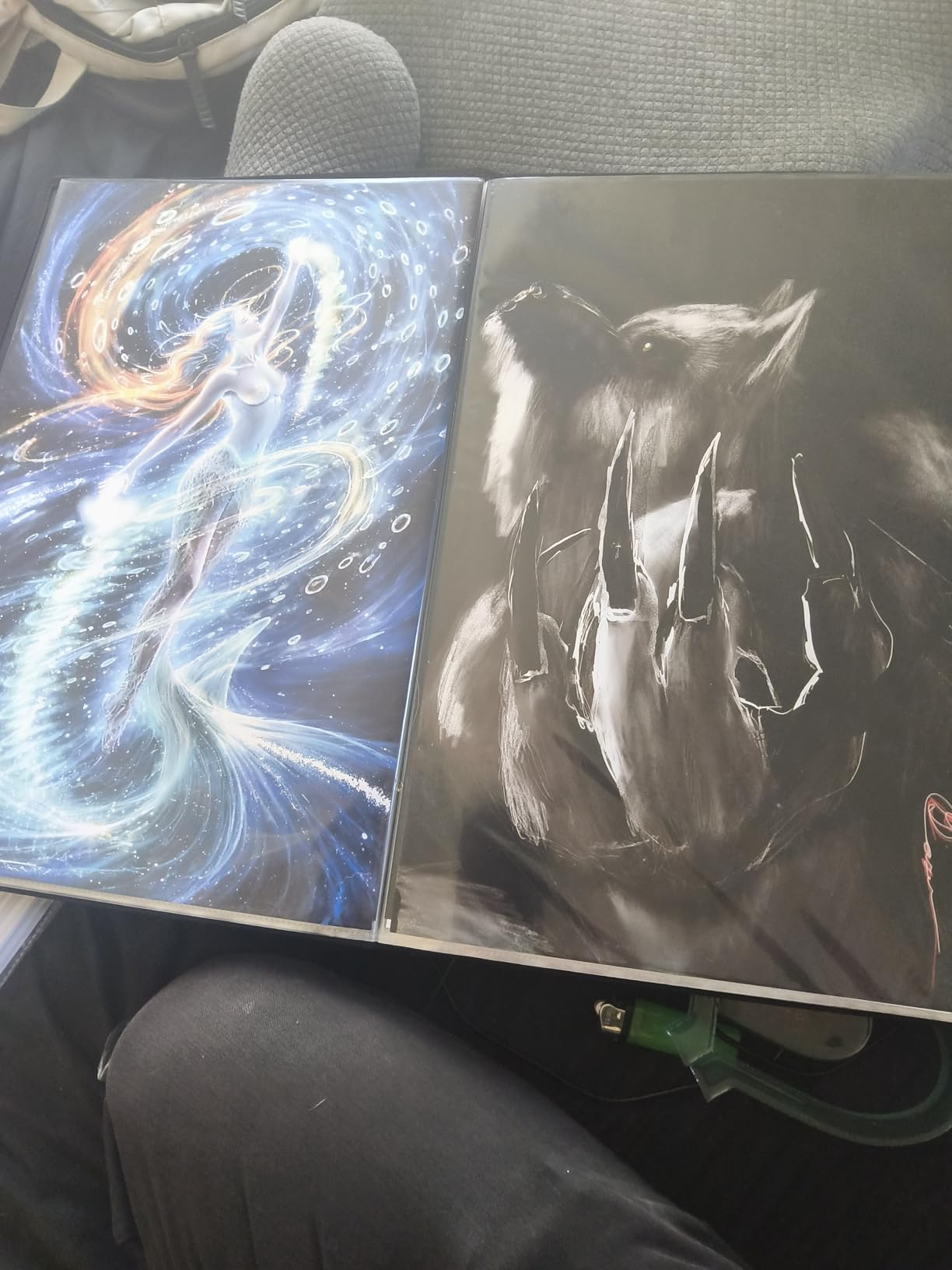
With 24 pockets displaying 48 pages, capacity is solid for a curated large-format presentation. The portfolio opens flat on a table, which is essential at 11×17 because you are often showing work to someone sitting across from you rather than handing the book over.
Dunwell backs this product with a 90-day manufacturer warranty, which is rare in this category. Most portfolio brands offer no warranty at all. That coverage signals confidence in construction quality and gives you recourse if a binding fails or pages arrive damaged in shipping.
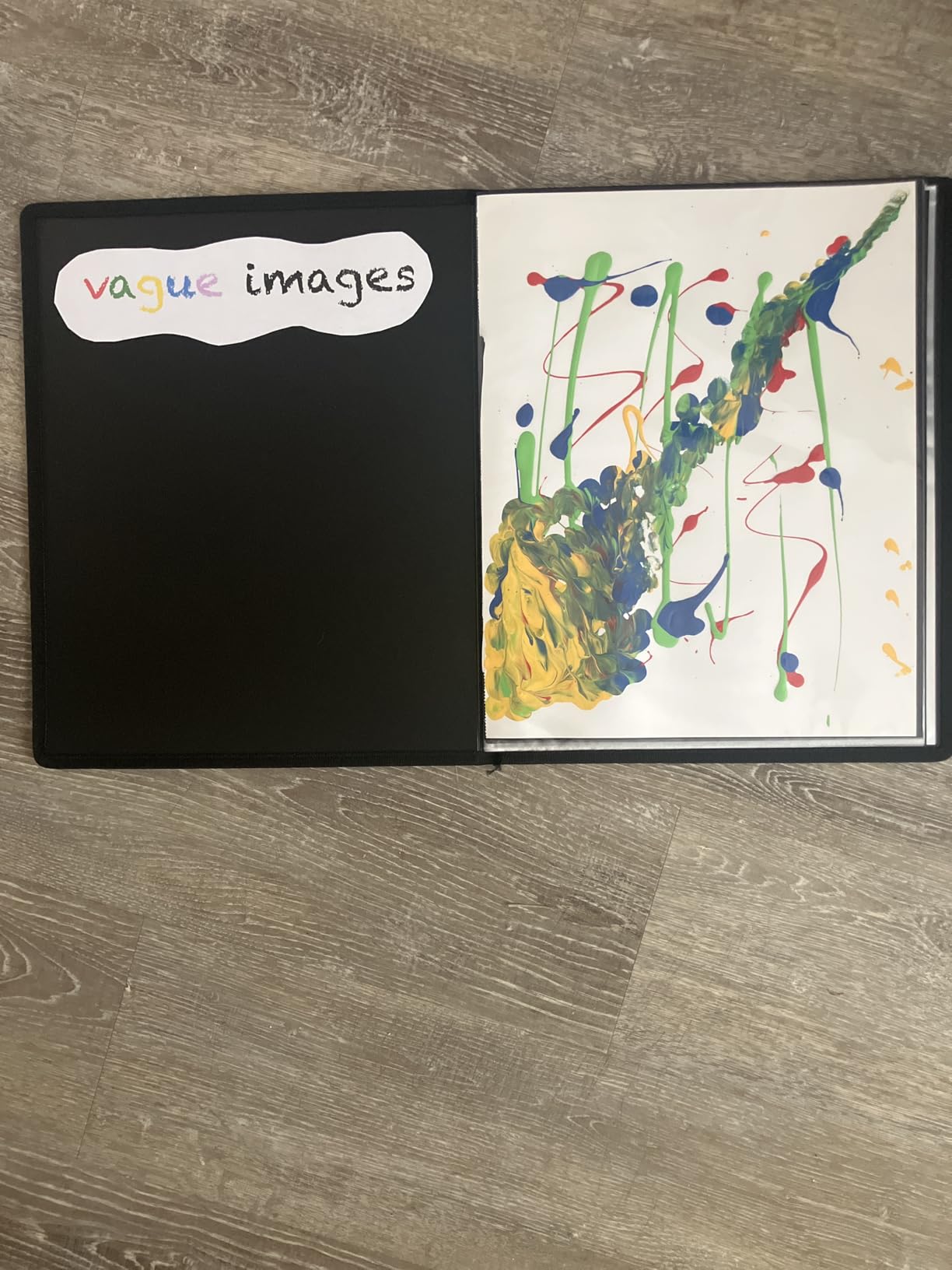
Handling the creased-page reports
A small percentage of buyers reported sleeves arriving creased. This is typically a shipping issue rather than a manufacturing defect, caused by the large flat package bending in transit. Inspect on arrival and request a replacement if any sleeves are creased, since creases create permanent optical distortion in the viewing surface. Ordering with Prime reduces transit time and handling.
Versatility beyond fine art
Beyond paintings and prints, this portfolio works well for tattoo reference books, certificate and award displays, stencil storage, and architectural plan presentation. The professional cover and mounting paper make it suitable for any context where flat documents need a polished, organized home.
6. Nicpro 12×18 Art Portfolio – Hardened Shell for Rigid Protection
Nicpro 12x18 Art Portfolio Folder, 30 Pockets Art Painting Portfolio Binder
- Hardened portfolio shell prevents rolling
- Thickened non-glare non-cling sleeves
- Flexible elastic closure button
- Sleek professional design
- Holds paintings photos and diamond art
- Open-top sleeves risk items sliding out
- Only one thick canvas board per sleeve
The Nicpro 12×18 caught my attention because of its hardened shell construction. Unlike the flexible covers on the Sooez and Dunwell portfolios, this case has a structured, semi-rigid body that resists rolling or flexing when carried. For artists transporting work that must stay perfectly flat, that rigidity is the whole point.
I loaded it with a mix of watercolor paintings and diamond painting pieces, and the thickened PP sleeves held everything without buckling. The sleeves are non-glare and non-cling, which matters for photographed or scanned work because glare creates hot spots that obscure detail. At 30 pockets and 60 viewable pages, capacity is generous for a large-format book.
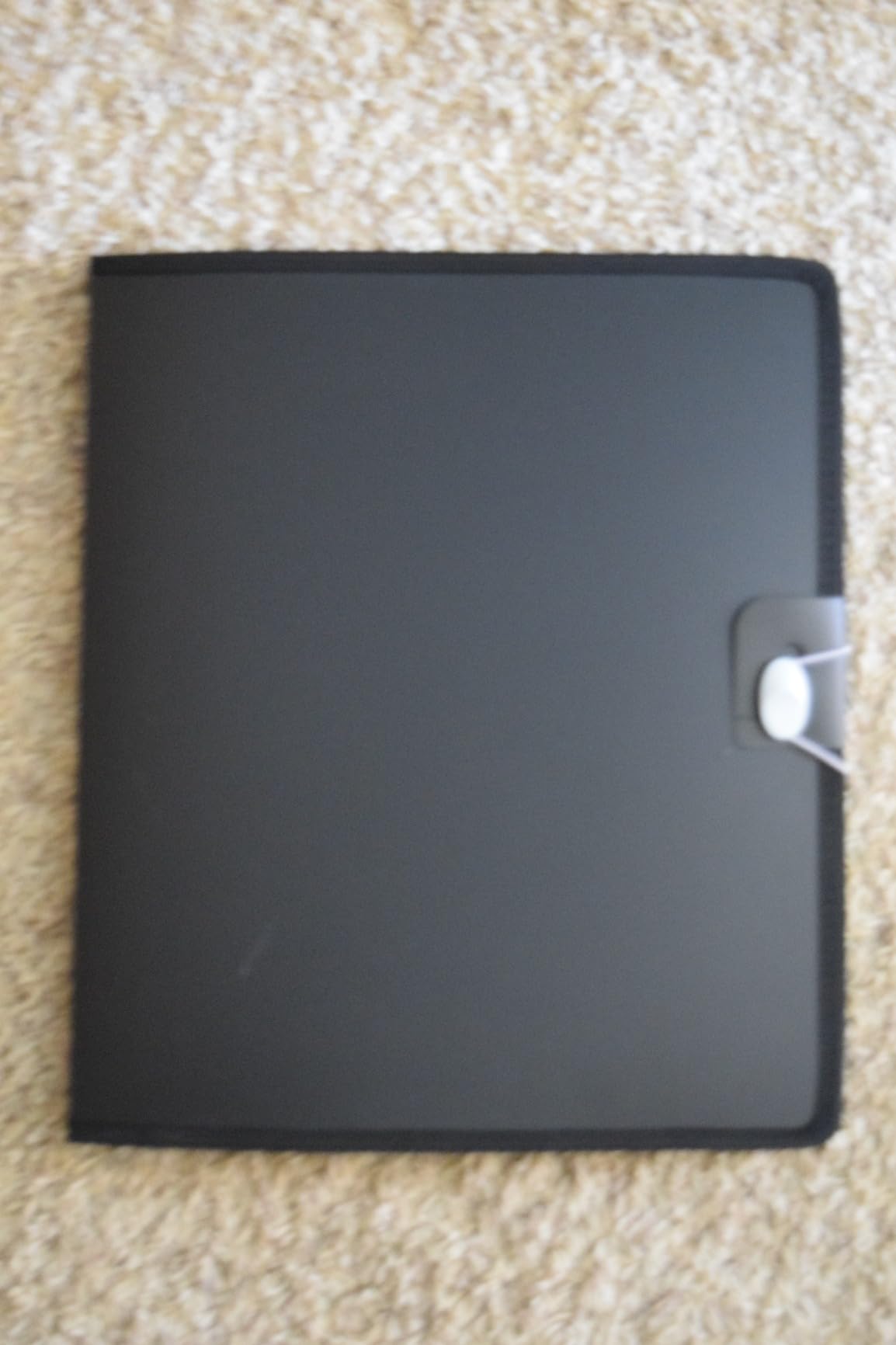
The elastic closure button is a simpler mechanism than a zipper, and I found it faster to open and close during reviews. However, the sleeves themselves are open at the top. If you carry the portfolio inverted or toss it in a vehicle, loose items can slide out. Always transport it spine-up or horizontal.
The professional appearance is genuinely sleek. The solid black cover with minimal branding reads as a serious artist’s tool, not a school supply. Nicpro designed this for students, working artists, and professionals alike, and the aesthetic bridges all three contexts.
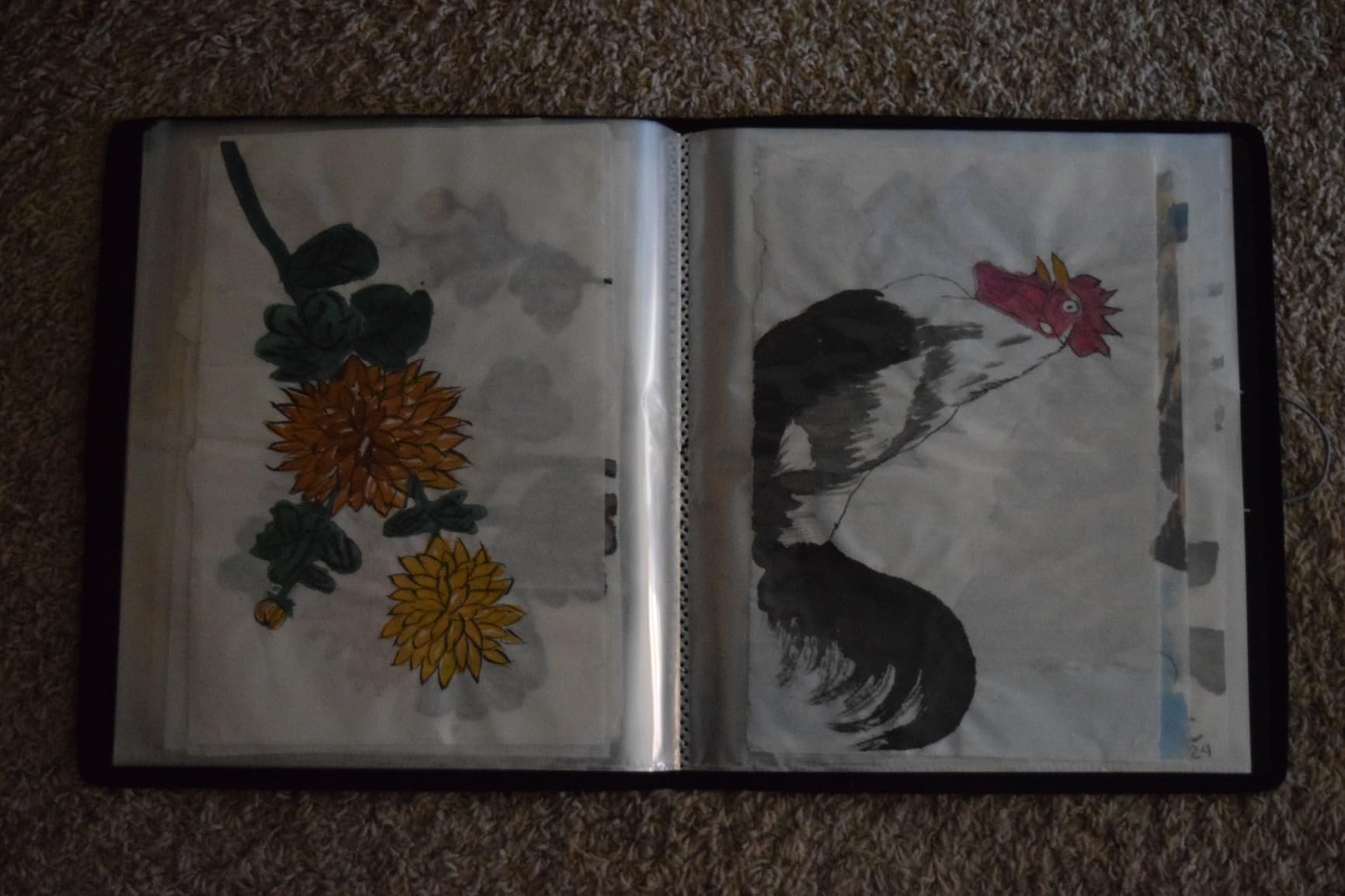
Canvas board and thick media limits
The sleeves accommodate one thick item per pocket, such as a mounted canvas board or heavy watercolor paper. Stacking two thick pieces bulges the binding and stresses the seams. If your work is flat prints or drawings, you can double up thinner sheets. For dimensional work, plan on one piece per sleeve and choose your capacity accordingly.
Open-top sleeve safety
Because the sleeves load from the top and have no secondary closure, the elastic band on the cover is your only safeguard against items shifting. For studio-to-car-to-gallery transport this is fine. For air travel or rougher handling, consider taping the spine edge or choosing a zippered portfolio for added security on valuable originals.
7. Sooez Heavy Duty Portfolio 18×24 – Archival Storage for Large Work
- 30 sleeves display 60 pages of 18x24 work
- Durable polypropylene archival quality
- Black inner sheets for contrast
- Reversible spine insert for classification
- Thickened cover water and dirt proof
- Large footprint requires shelf or flat storage
- Letter-size or smaller artwork only per sleeve
The Sooez 18×24 is the portfolio I reach for when storing serious large-format work. Thirty heavy-duty sleeves display 60 pages of Arch C size art, which covers full-sheet watercolor paper trimmed down, large charcoal drawings, and oversized prints. This is the format where archival quality becomes non-negotiable, because large originals represent significant time and material investment.
The polypropylene material is archival, acid-free, non-stick, and non-glare across the entire surface. The black inner sheets provide the same contrast benefit as the smaller Sooez 11×17, making lighter artwork read with clarity against a dark backing. The thickened cover is water-proof and dirt-proof, which I tested by wiping a graphite smudge off with a damp cloth.
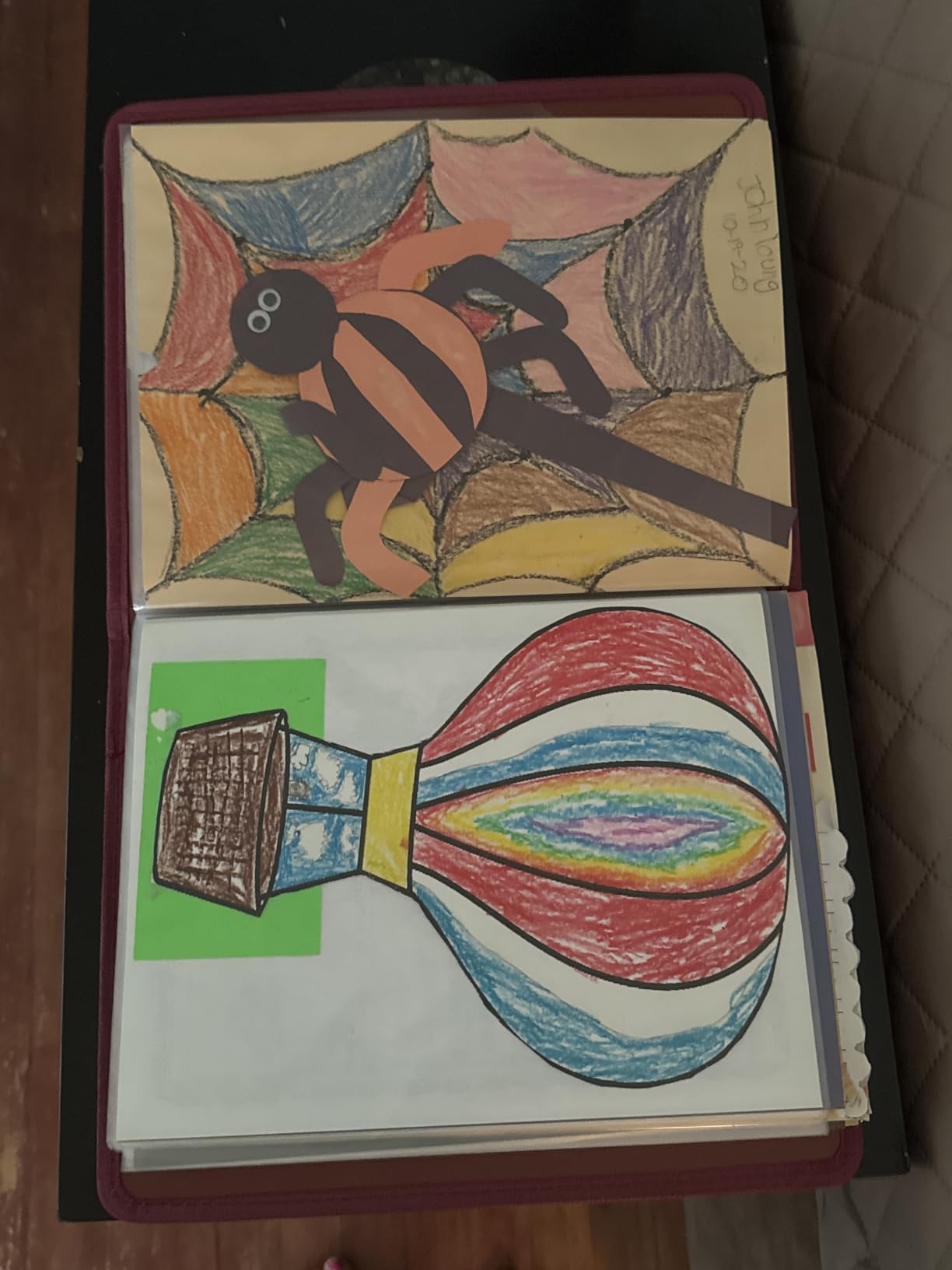
At 25 inches long and 19 inches wide, this portfolio is genuinely large. It lies flat when opened for hands-free viewing, which is the only practical way to review 18×24 work. The reversible spine insert lets you label it for shelf organization, and I keep mine standing vertically between bookends.
This is a storage and presentation tool, not a daily carrier. The size means it lives in a studio or office. For transporting large work to exhibitions, pair it with a rigid art carrier or lay it flat in a vehicle trunk. Used as intended, it is one of the best art portfolios for protecting substantial original pieces.
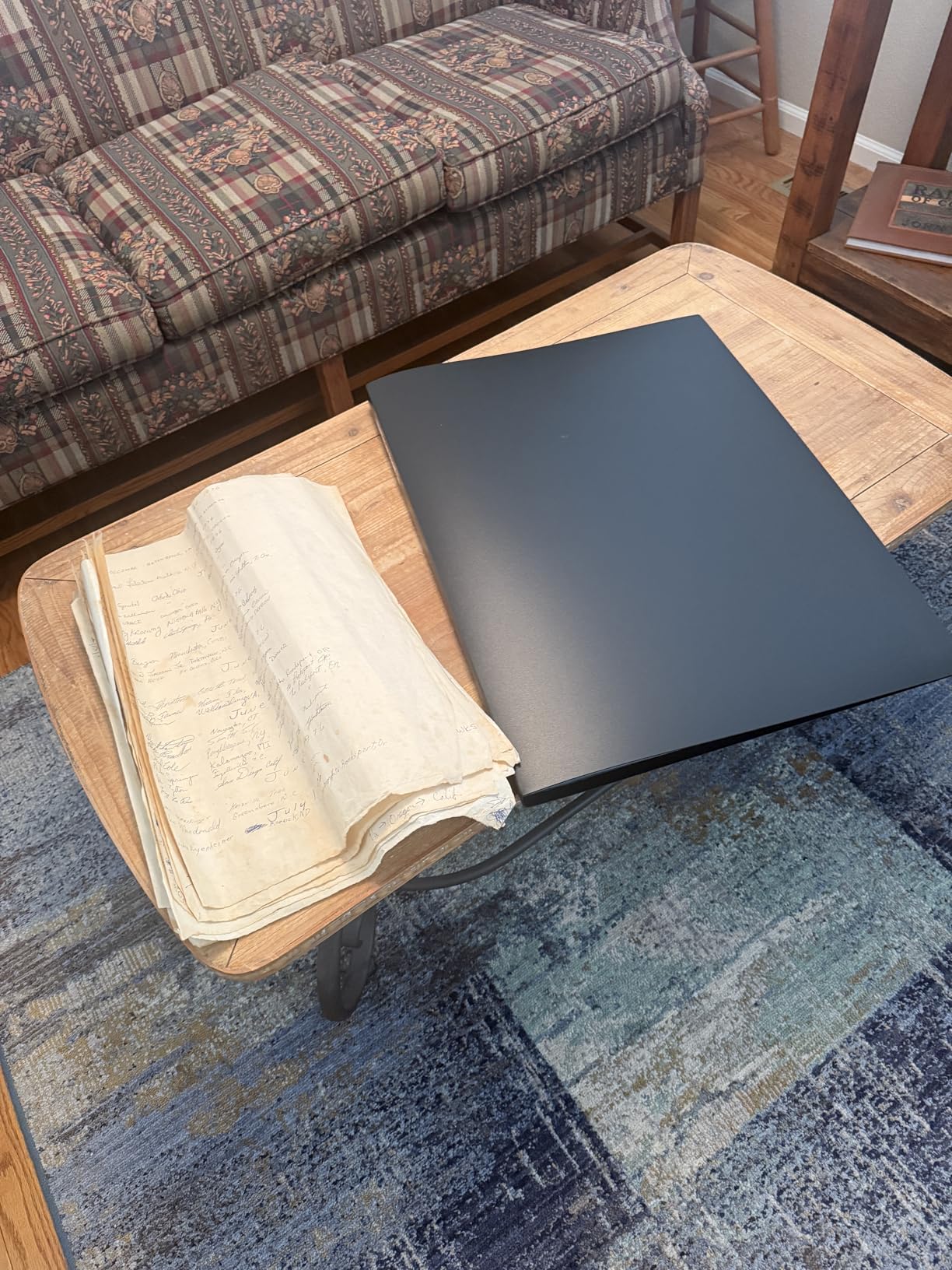
Archival storage for long-term value
Acid-free, non-stick polypropylene is the baseline for archival storage. Acidic materials break down paper fibers and cause yellowing, while plasticizers in cheap PVC cling to media and cause transfer. The Sooez 18×24 meets both archival tests, making it appropriate for storing saleable originals, editioned prints, and portfolio pieces you intend to keep for years.
Fitting oversized work
The sleeves accept 18×24 inch material and anything smaller. Full 18×24 sheets fit cleanly. Slightly oversized pieces up to about 18.35 inches may fit but risk edge wear. If your work exceeds these dimensions, the JJRING tote bag later in this guide handles up to 24×36 without rigid sleeve constraints.
8. JJRING Art Portfolio Tote Bag 24×36 – Soft Case for Oversized Transport
- 600D Oxford fabric with waterproof interior
- Ergonomic grip handle and shoulder strap
- Extra front pocket for art supplies
- Fits 24x36 posters and canvas
- Folds flat for storage when not in use
- Only 2 compartments limit organization
- May need larger size for oversized work
The JJRING tote bag takes a completely different approach from the bound portfolio books above. Instead of fixed sleeves, it is a soft carrying case built from 600D Oxford fabric with a waterproof interior lining. I use it when I need to transport oversized work that no sleeve-style portfolio can hold, including full 24×36 posters, large canvas boards, and rolled drawing pads.
The 600D denier fabric is the same heavy-duty material used in tool bags and tactical gear. It shrugs off rain, resists tearing, and the waterproof interior means a wet exterior never reaches your artwork. I carried drawings through a rainstorm and arrived with completely dry work, which settled any doubts about the waterproof claim.
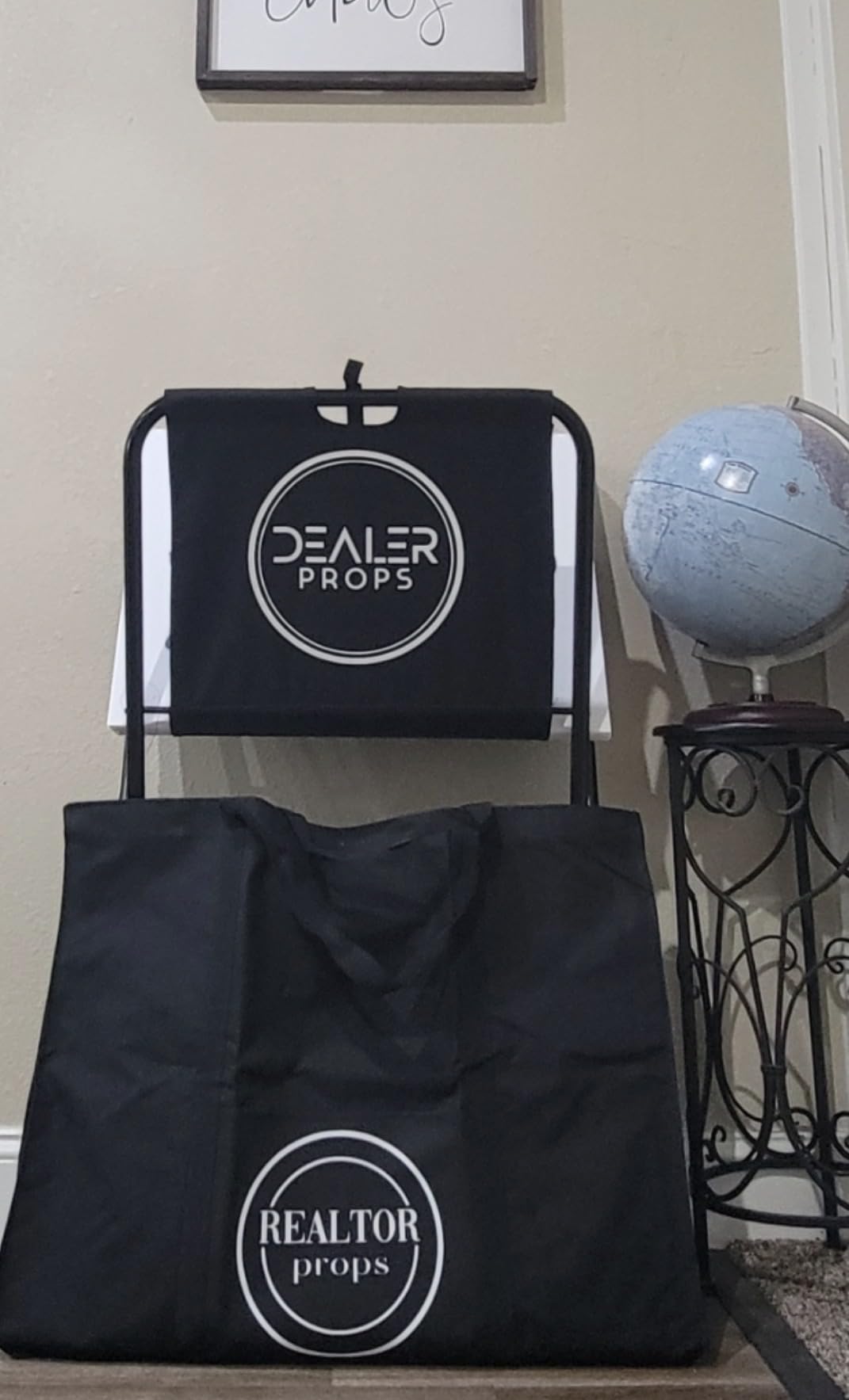
The ergonomic handle and shoulder strap give you two carrying options, and the shoulder strap is the one I use most. A full 24×36 load gets heavy, and distributing the weight across your shoulder beats gripping a handle for any distance. The front pocket holds sketchbooks, pigments, and brushes, consolidating your supplies and art in one bag.
When not in use, the bag folds into a compact square for storage. That matters because a 25×37 case takes up real space when empty. The folding zipper and tight stitching have held up through months of use without fraying or catching.
Soft case vs. rigid portfolio
A soft tote protects against moisture, dirt, and minor impact, but it does not provide the rigid flat protection of a hard-shell portfolio. Work inside can still bend if the bag is pressed against something. For framed pieces or work that must remain perfectly flat, choose a rigid portfolio. For transporting loose prints, pads, and canvas that can tolerate flexible handling, the JJRING is more practical and holds far more.
Best uses and load limits
This bag excels for students carrying large pads to class, artists transporting work to framers, and anyone moving posters or presentation boards. The two-compartment design keeps separated work from touching. Avoid overloading past the natural fill line, since an overstuffed soft case loses its protective drape and transfers pressure directly to contents.
How to Choose the Right Art Portfolio Case
Choosing among the best art portfolios comes down to four decisions: size, capacity, material, and format. Get these right and the rest follows. Here is how our team breaks down each factor based on what we learned testing these cases.
Match the size to your largest common piece
Measure your largest standard artwork before shopping. A portfolio that is even half an inch too small is useless for that work. Our lineup covers five sizes: 8.5×11, 9×12, 11×17, 12×18, 18×24, and the 24×36 soft tote. Buy the smallest format that fits your largest piece, because oversized portfolios waste space and add weight.
Capacity means sleeves, not just pages
Manufacturers advertise page counts, but the meaningful number is sleeve count, since each sleeve holds two viewable pages. A 48-page portfolio has 24 sleeves. Decide whether you need a fixed archive or a living document. Bound portfolios offer maximum page density but cannot be refilled. If your body of work changes constantly, look for a binder with replaceable sleeves.
Archival material is non-negotiable for originals
Look for acid-free, PVC-free, polypropylene sleeves. Acidic sleeves yellow paper over time. PVC contains plasticizers that bond with toner and ink, causing permanent transfer and fogging. Every portfolio in our lineup meets archival standards, which is why they made the cut. If you are storing prints long-term or protecting original work for sale, archival rating is the single most important spec.
Rigid vs. soft: pick based on transport needs
Bound portfolio books with rigid or semi-rigid covers keep work flat during handling and display pages for review. Soft tote bags like the JJRING carry more and handle oversized work but do not protect against bending. If you present work in meetings or critiques, choose a rigid portfolio. If you move large pads and canvases between studio and class, a soft case is more practical.
Cover rigidity and protection level
Covers range from flexible textured poly to hardened shells. Flexible covers open flat for viewing and are lighter to carry. Hardened covers like the Nicpro resist rolling and flexing, which matters for work that must stay perfectly flat. Consider what happens to your portfolio in a packed bag or on a crowded shelf before deciding how much rigidity you need.
Water resistance for outdoor and commuter transport
If you walk or commute with your portfolio, water resistance matters. Polypropylene sleeves are inherently water-resistant on the sleeve surface. The JJRING tote adds a waterproof fabric exterior for full rain protection. For studio-only storage, water resistance is a minor factor. For daily transport through weather, prioritize it.
FAQs
What size art portfolio case do I need?
Measure your largest common artwork and choose the smallest portfolio format that fits it. Standard sizes include 9×12 for letter-size work, 11×17 for A3 and tabloid prints, 12×18 and 18×24 for large originals, and 24×36 soft totes for oversized pads and canvases.
What is considered a good art portfolio?
A good art portfolio case uses acid-free, PVC-free polypropylene sleeves that will not stick to toner or ink, has enough capacity for your full body of work, and provides a rigid enough cover to keep pages flat during transport and display. Archival quality and clear, non-glare sleeves are the markers of a professional-grade portfolio.
What not to put in an art portfolio?
Avoid storing damp or wet artwork, pieces with uncured fixative, work on acidic backing boards, food or drink near the portfolio, and loose items that can slide and scratch surfaces. Do not overstuff sleeves beyond one thick item per pocket, and never store portfolios in direct sunlight or high humidity, which degrades both the sleeves and the artwork.
What are common art portfolio mistakes?
Common mistakes include choosing a size too small for the work, ignoring archival sleeve quality, overstuffing sleeves until binding stresses, carrying open-top portfolios inverted so work slides out, and skipping water-resistant protection during outdoor transport. Another frequent error is using non-archival folders that yellow and embrittle paper over time.
Are art portfolio cases waterproof?
The polypropylene sleeves in quality portfolios are water-resistant on the sleeve surface, meaning splashes bead off but submersion will penetrate. Soft tote bags like the JJRING use 600D Oxford fabric with waterproof interior linings for fuller rain protection during transport. For true waterproofing during outdoor carry, a soft case with sealed seams offers the best protection.
Conclusion
The best art portfolios protect your work, present it professionally, and last through years of use. Our Editor’s Choice, the Itoya Original Art ProFolio 9×12, remains the professional standard for toner-safe archival presentation. For maximum value and capacity, the Sooez 9×12 delivers 80 pages of acid-free storage at a student-friendly price. And the Dunwell 11×17, with over 5,000 reviews and included mounting paper, is the most-proven large-format choice in 2026.
Match the size to your work, insist on archival polypropylene sleeves, and choose rigidity based on how you transport your art. Any of the eight portfolios above will keep your artwork flat, organized, and protected for the long term.