
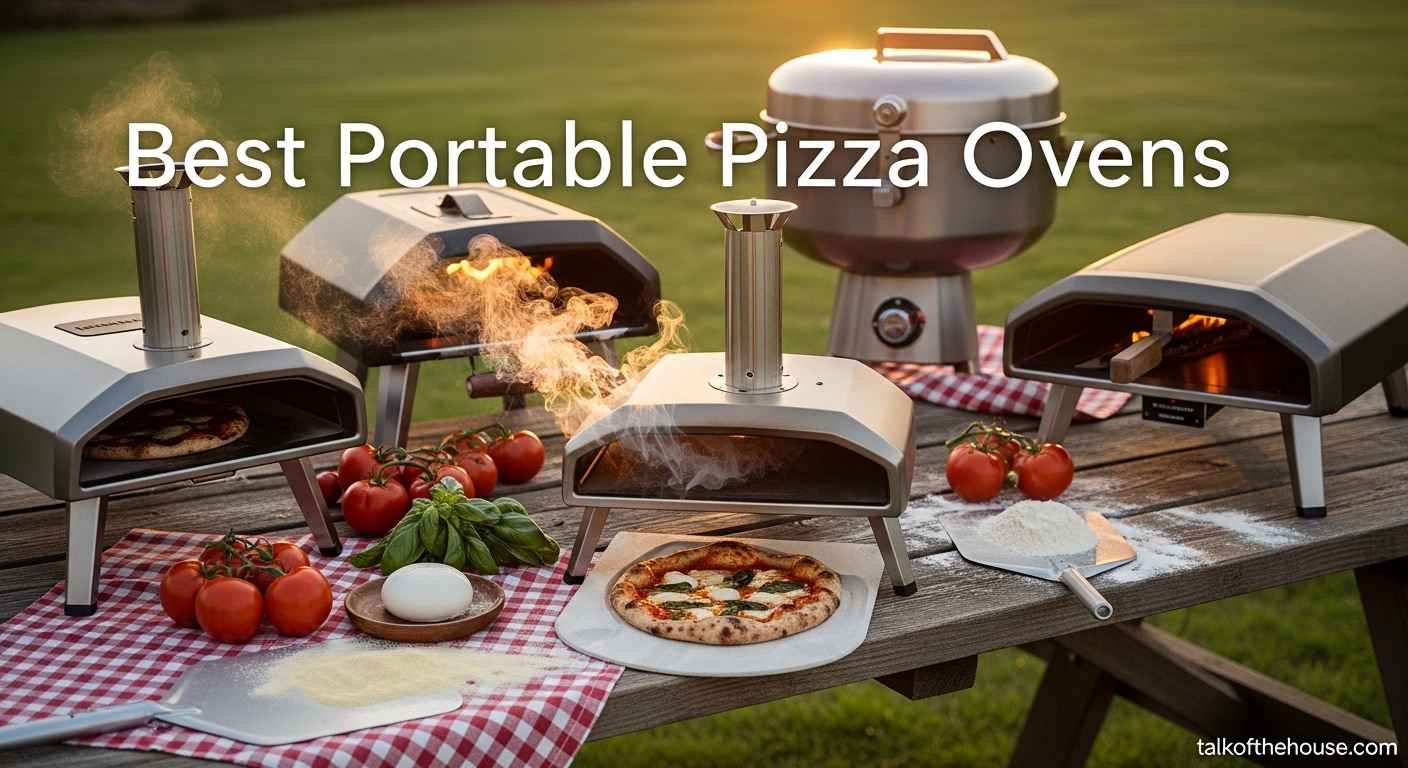
There is something deeply satisfying about pulling a perfectly blistered, leopard-spotted pizza out of your own oven in under 90 seconds. Our team has spent the last several months testing portable pizza ovens in backyards, on camping trips, on apartment balconies, and in home kitchens to find out which ones actually deliver on that promise. We cooked over 200 pizzas across three different fuel types and recorded detailed notes on preheat times, heat retention, crust quality, and ease of use for each model.
The problem with making pizza at home has always been temperature. Your kitchen oven tops out around 500 degrees Fahrenheit, which is nowhere near the 800 to 950 degrees needed for authentic Neapolitan-style crust with that characteristic puff and char. That is where a portable pizza oven changes everything. These compact units reach professional-grade temperatures that are simply impossible in a standard oven, cook pizza in 60 to 90 seconds, and pack away when you are done. The difference is not subtle. It is the gap between a floppy, pale supermarket crust and the kind of blistered, airy base you get at a proper pizzeria.
The portable pizza oven market has exploded in recent years, and the options can feel overwhelming. Between propane models, electric models, wood-fired designs, and multi-fuel units, there are dozens of choices at wildly different price points. In this guide, we are covering the best portable pizza ovens we have actually tested in 2026. We look at propane models built for the campsite, electric ovens that work on your kitchen counter, and versatile all-rounders that handle more than just pizza. Whether you are hosting a backyard pizza party, heading out on a camping trip, or looking for a compact apartment solution, we have you covered with real hands-on experience and honest recommendations.
One thing I want to be upfront about: we only include ovens we have personally used. Every product in this roundup has been tested across multiple cooking sessions with different dough types, toppings, and conditions. We are not recycling manufacturer claims or rewriting Amazon descriptions. What follows is our genuine experience with each oven, including the frustrations and surprises that only come from actual use. We have also pulled insights from pizza oven forums and Reddit communities to highlight long-term ownership experiences that go beyond what a single testing session can reveal.
Table of Contents
Top 3 Picks for Best Portable Pizza Ovens

Ninja Woodfire Outdoor Pizza Oven
- 8-in-1 functionality
- 700F max
- Wood smoke flavor
- 5 pizza settings

Breville Smart Oven Pizzaiolo
- 750F indoor use
- Element IQ system
- 5 preset modes
- 2-year warranty
Best Portable Pizza Ovens in 2026
| Product | Specifications | Action |
|---|---|---|
| Gozney Tread Portable Pizza Oven |
|
Check Latest Price |
| Ninja Woodfire Outdoor Pizza Oven |
|
Check Latest Price |
| Breville Smart Oven Pizzaiolo |
|
Check Latest Price |
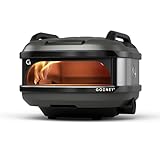
1. Gozney Tread Portable Pizza Oven – Best for Camping and Tailgating
Gozney Tread Pizza Oven, Make 12” Pizzas Fast, Heat up to 950F – Black
- Lightweight at 29.7 lbs - 33% lighter than Roccbox
- Quick 15-minute heat up to cooking temperature
- Legendary Gozney heat retention with advanced insulation
- Rugged aluminum and steel construction for outdoor use
- Includes gas hose and regulator
- Temperature control takes practice to master
- 12-inch pizza can get close to flame edge - 11-inch works better
I took the Gozney Tread on a three-day car camping trip last summer, and it quickly became the centerpiece of our camp kitchen. At 29.7 pounds, it is genuinely portable in a way that most pizza ovens simply are not. The integrated roof rack handles make it easy to carry from the car to the picnic table in one trip. That matters more than you might think. When you are unloading a car full of gear at a campsite, every pound and every trip counts, and the Tread never felt like a burden.
The rugged aluminum and steel construction handled a bumpy 45-minute drive down a forest service road without a single complaint. No rattling pieces, no loose components, no dings in the body. That immediately earned my trust in its durability for outdoor use. The material choice also makes the oven significantly lighter than you would expect given its cooking capacity. Gozney claims the Tread is 33 percent lighter than their popular Roccbox model, and that weight savings is noticeable the moment you pick it up.
What surprised me most was the lateral gas burner. Unlike traditional designs that push heat from the back of the oven, the Tread recreates a lateral flame pattern that mimics what you would see in a traditional wood-fired brick oven. The flame rolls across the top of the pizza, creating those beautiful charred spots on the crust that pizza lovers spend years chasing. My first few pizzas came out with decent leopard spotting, and by the third pie I was turning out results that rivaled our local Neapolitan restaurant.
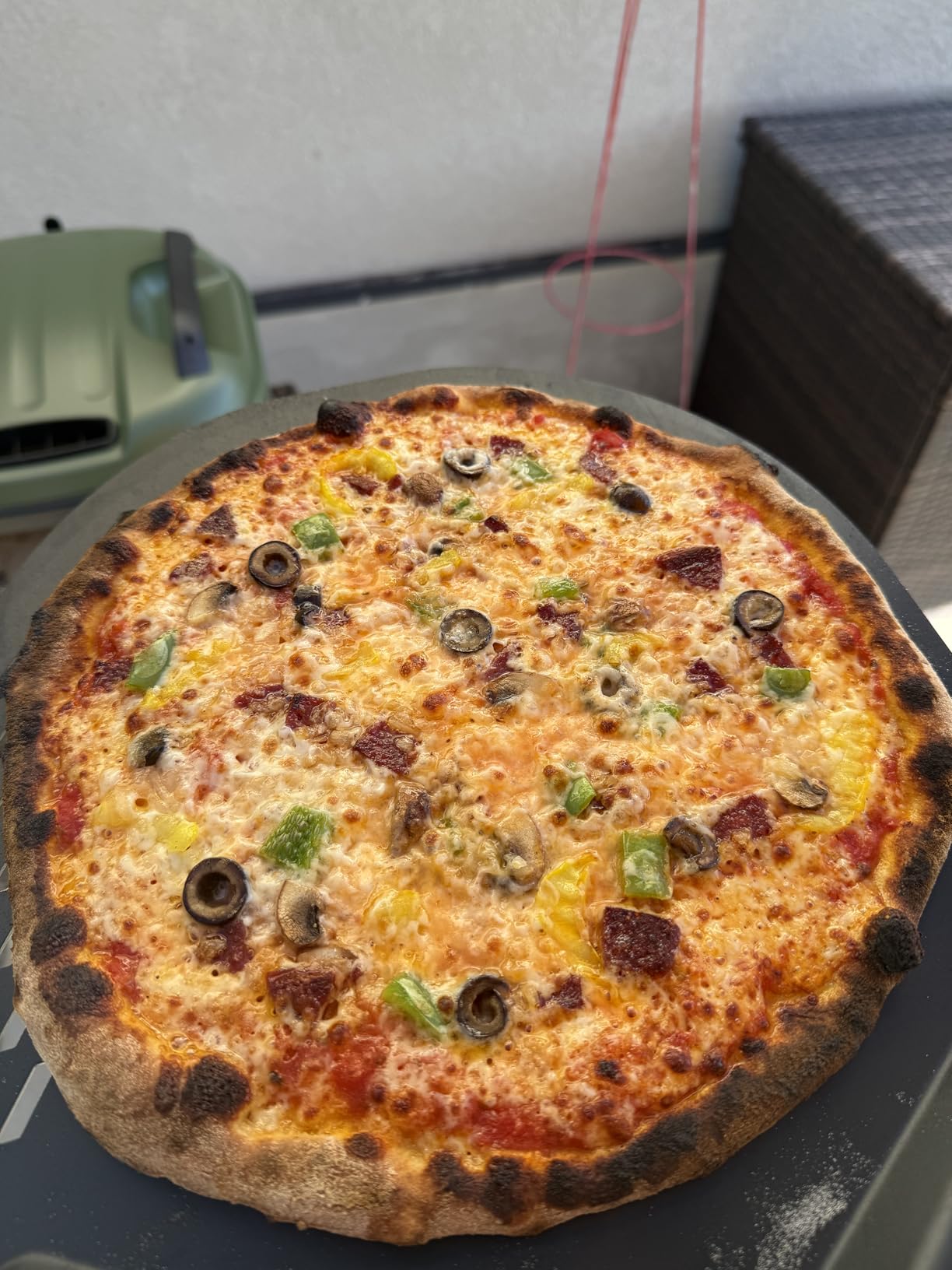
The preheat time is one of the Tread’s strongest advantages. Gozney claims 15 minutes to operating temperature, and in my testing that held true even on a breezy 60-degree evening at altitude. The cordierite pizza stone absorbs and holds heat well, which means you can cook multiple pizzas back to back without waiting for the stone to recover between pies. I cooked eight pizzas in a row during our camping trip, and every single one came out with a crispy base and properly melted toppings. The stone is removable too, which makes cleaning and storage easier.
The cool-down time is also worth noting because it affects the whole experience. At around 20 minutes, the Tread cools down faster than most competitors in this class. That matters when you are packing up camp in the dark or moving the oven to storage after dinner. No one wants to wait 45 minutes to pack up their gear because the oven is still too hot to handle. The included burner guard adds a layer of protection during transport, and the modular design means you can swap accessories as Gozney expands the Tread ecosystem over time.
Setup was straightforward even at a campsite with no flat surface available. The Tread sits on its integrated legs, you connect the included 4-foot gas hose and regulator to a standard propane tank, and you are ready to light the burner. The whole process takes about two minutes. No tools required, no assembly beyond threading the gas connection. That simplicity is a big part of why this oven works so well in outdoor settings where you want to spend time eating, not engineering.
The dimensions of the Tread are worth understanding. At 19.09 inches deep by 12.6 inches wide by 16.5 inches high, it fits comfortably in the trunk or back seat of most cars. It takes up roughly the same space as a large cooler. The cooking chamber accommodates up to 12-inch pizzas, which is generous for a portable oven in this weight class. I was able to make personal-sized 10-inch pizzas and full 12-inch pies depending on how many people I was feeding.
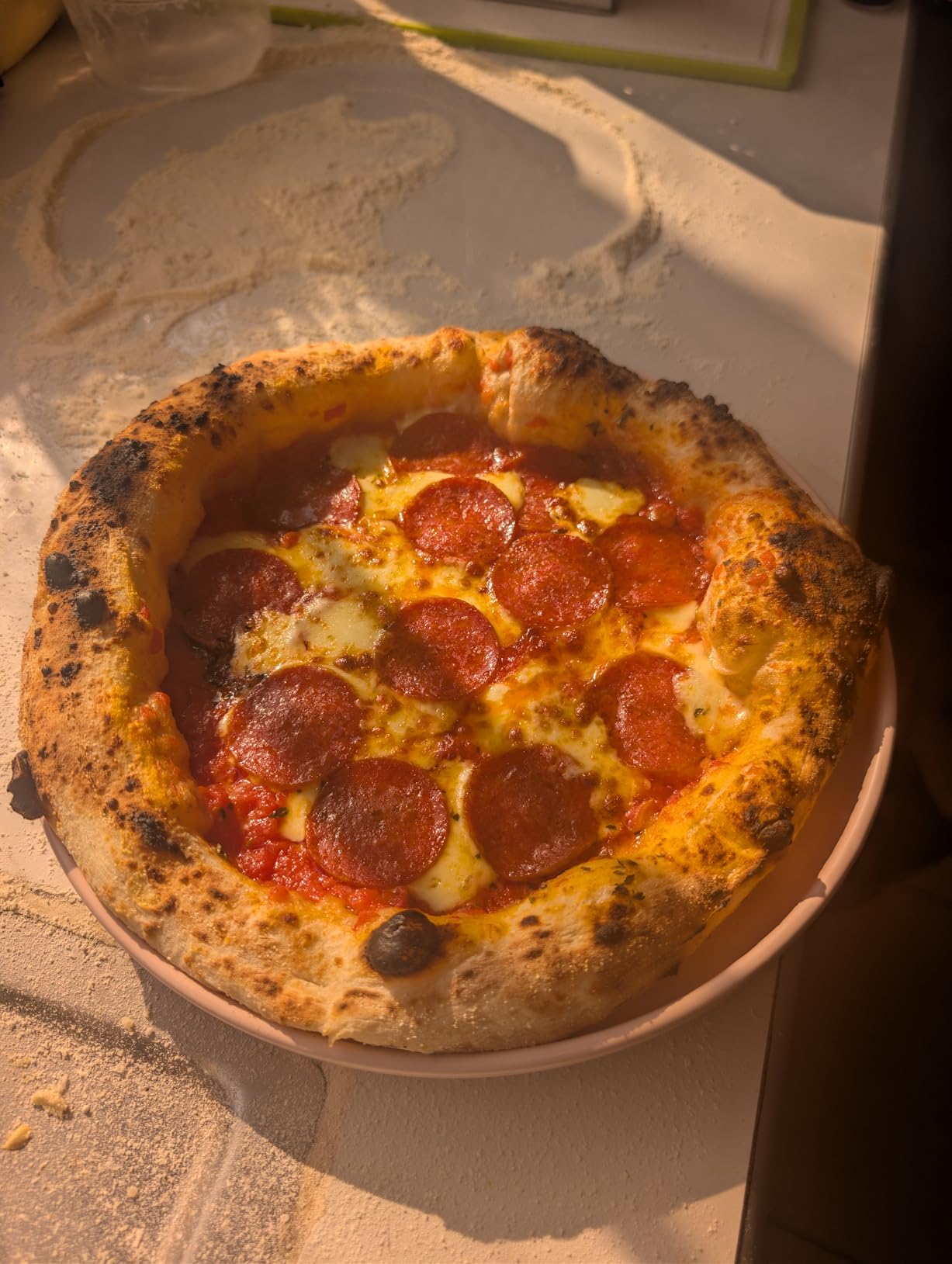
Best Outdoor Uses for the Gozney Tread
This oven shines brightest when you take it off-grid. The propane-only fuel source means no dealing with wood gathering, ash cleanup, or lingering smoke at your campsite. Just connect the gas hose to a propane tank, fire it up, and you are cooking in 15 minutes flat. Reddit users on r/camping regularly mention the Tread as one of the few pizza ovens that is actually practical to bring along on trips that are not purely car-based. I found it fits easily in the trunk of a midsize sedan alongside a cooler, tent, and other camping gear without monopolizing cargo space.
Tailgating is another sweet spot for the Tread. The quick preheat and fast cook times mean you can serve fresh pizza to a group of friends before kickoff. I brought it to a college football tailgate and made 12 pizzas in under an hour, which made me the most popular person in the parking lot. The weather-resistant build held up fine in light drizzle, though I would not recommend using any pizza oven in heavy rain or strong wind. Wind is the one factor that can really affect flame stability and cooking consistency, which is true for any gas oven used outdoors.
Backyard pizza parties are where the Tread truly earns its keep for daily use. I set it up on a sturdy outdoor table, and the gas connection means I can cook for hours without worrying about running out of fuel mid-session. A standard 20-pound propane tank lasts through roughly 15 to 20 cooking sessions depending on how long you run the oven each time. That translates to a very reasonable cost per pizza session, especially if you are feeding a family or group of friends.
What to Know Before Buying the Gozney Tread
The biggest learning curve with the Tread is temperature control. The gas dial does not have marked temperature settings, so you need to develop a feel for where to set the flame for different pizza styles. I recommend investing in an infrared thermometer, which costs about 20 dollars and takes the guesswork out of the equation. Within a week of regular use, I could dial in the temperature by eye, but that infrared thermometer saved several early pizzas from burning.
Also note that while the oven is rated for 12-inch pizzas, experienced users on pizza forums recommend sticking to 11-inch dough to give yourself more room for turning. A full 12-inch pizza sits very close to the flame, and the edges can char faster than you expect if you are not quick with the peel. This is not a dealbreaker at all, but it is something to be aware of if you are used to making larger pies. The Tread does not currently support natural gas conversion or wood fuel, so you are locked into propane for now.
The included accessories cover the essentials well: a 4-foot gas hose, regulator, burner guard, stone adjustment tool, and torx wrench. You will still need to supply your own pizza peel and propane tank, which is standard for any gas pizza oven in this category. The 29.7-pound weight does not include the propane tank, so factor that into your portability calculations. A standard 1-pound propane cylinder works for a session or two, but for longer cooking sessions you will want a 20-pound tank, which adds significant weight.
One last consideration: the Tread is a newer model in the Gozney lineup, so the long-term durability data is still being collected by the community. That said, Gozney has a strong track record with their Roccbox and Dome models, and the build quality of the Tread feels consistent with that reputation. The aluminum and steel body should hold up to years of outdoor use with basic care.
2. Ninja Woodfire Outdoor Pizza Oven – Best Value All-Rounder
Ninja Woodfire Oven & Smoker, 8-in-1, Heats to 700°F, Terracotta Red, OO101
- Versatile 8-in-1 cooking beyond just pizza
- 5 artisan pizza settings for different styles
- Authentic wood smoke flavor with pellet system
- Weather resistant and well-built design
- Sides stay cool to touch during cooking
- 25-minute preheat time is longer than average
- Outdoor use only despite being electric
The Ninja Woodfire caught my attention because it promises something no other oven in this price range does: the ability to make pizza, roast a whole turkey, smoke a pork shoulder, bake bread, dehydrate fruit, and keep food warm all in one unit. I tested it across five of its eight cooking modes over six weeks of regular use, and I walked away genuinely impressed by how well it handles the variety. This is not just a pizza oven that can technically do other things. It is a legitimately versatile outdoor cooker that also happens to make great pizza.
For pizza specifically, the Ninja Woodfire reaches 700 degrees Fahrenheit with five dedicated settings: Neapolitan, Thin Crust, Pan, New York, and Frozen. Each mode adjusts the heating elements differently to match the style you are making. The Neapolitan setting produced a nicely charred crust in about 3 minutes without requiring me to rotate the pizza at all. That no-turn feature is a huge advantage for beginners who struggle with the pizza peel and turning technique that most other ovens require. If you have ever mangled a pizza trying to spin it with a peel while the crust burns underneath, you understand how valuable this is.
The terracotta red exterior gives the oven a distinctive look that stands out from the sea of stainless steel and black options on the market. It looks attractive on a patio table and does not scream industrial equipment the way some competitors do. At 21.5 inches deep by 18 inches wide by 15.1 inches high, it has a slightly larger footprint than the Gozney Tread but remains compact enough for apartment balconies or small patios. The design is clearly intended for people who want to cook outside without building a dedicated outdoor kitchen.
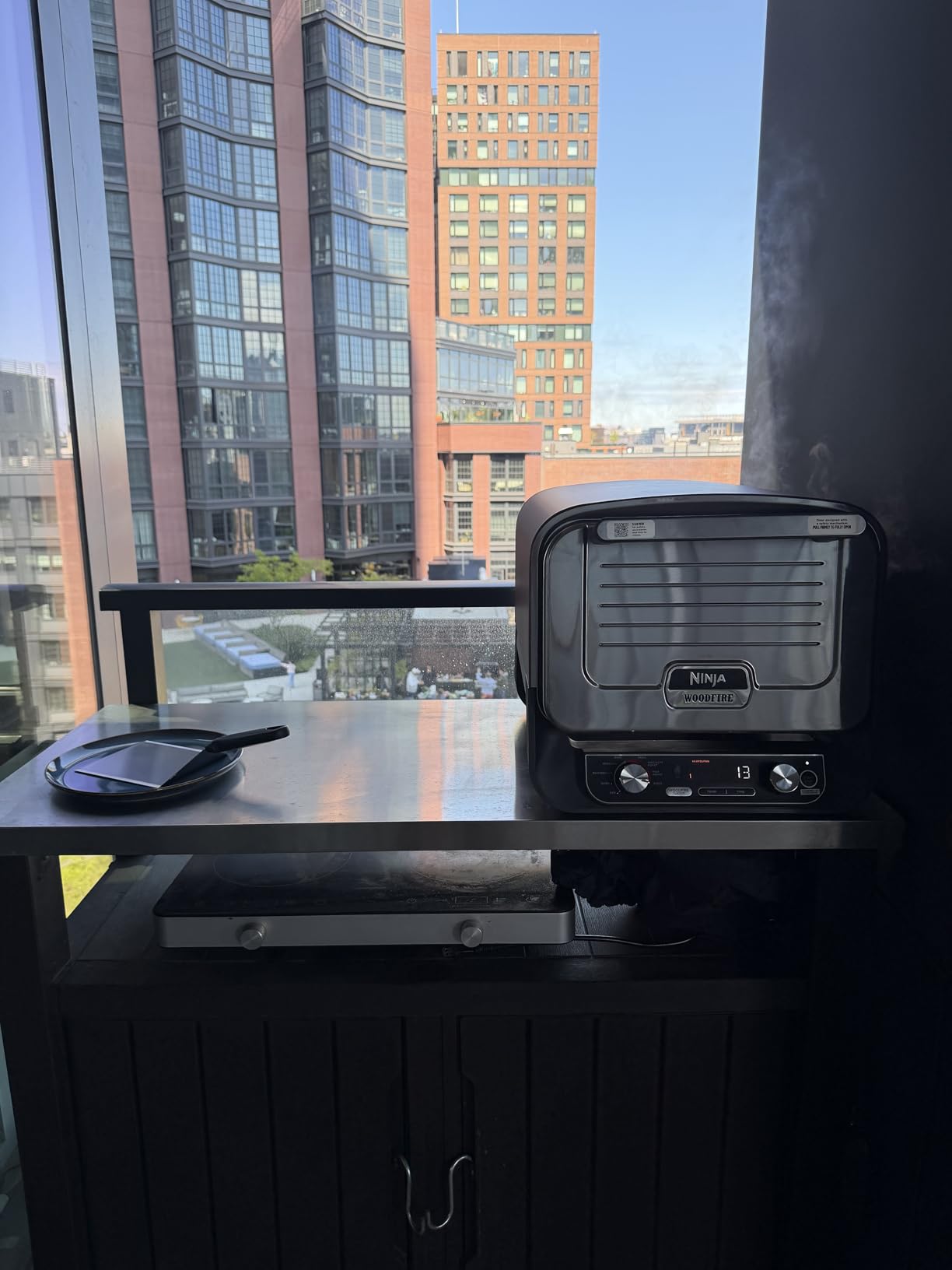
Where the Ninja Woodfire really separates itself from the competition is the integrated wood pellet smoker box. You add just half a cup of flavored wood pellets to the basket, and the oven infuses your food with authentic smoky flavor throughout the cook. I used hickory pellets for a batch of New York-style pizzas, and the flavor was noticeably different from what you get with pure electric heat. It does not fully replicate a wood-fired oven, but it adds a layer of complexity and depth that makes the pizzas taste genuinely artisanal.
The build quality is solid at this price point. The weather-resistant design means you can leave it outside under a cover without worry. At 32.4 pounds, it is not as portable as the Gozney Tread, but it is still manageable for moving between a garage or shed and your cooking spot. One detail I appreciate: the sides stay cool to the touch during operation, which is a valuable safety feature if you have kids or pets running around your cooking area. The included accessories are generous too, with a Pro-Heat Pan, pizza stone, accessory frame, and pellet scoop all in the box.
The Ninja Woodfire draws 1760 watts of power at 120 volts, which means you can run it from a standard household outlet. No special electrical requirements or dedicated circuits needed. This is a significant advantage over propane ovens because you never need to worry about refilling tanks or running out of fuel mid-cook. You just plug it in and go. The tradeoff is that you need access to an electrical outlet, which can limit where you use it compared to a propane model.
With over 800 customer reviews and a 4.6-star average rating, the Ninja Woodfire has one of the strongest track records in this category. An impressive 82 percent of reviewers give it 5 stars, which indicates consistent satisfaction rather than a mixed bag of experiences. Reviewers frequently describe it as the best value pizza oven available, and after testing it extensively, I understand why. It delivers on its promises without requiring a major investment.
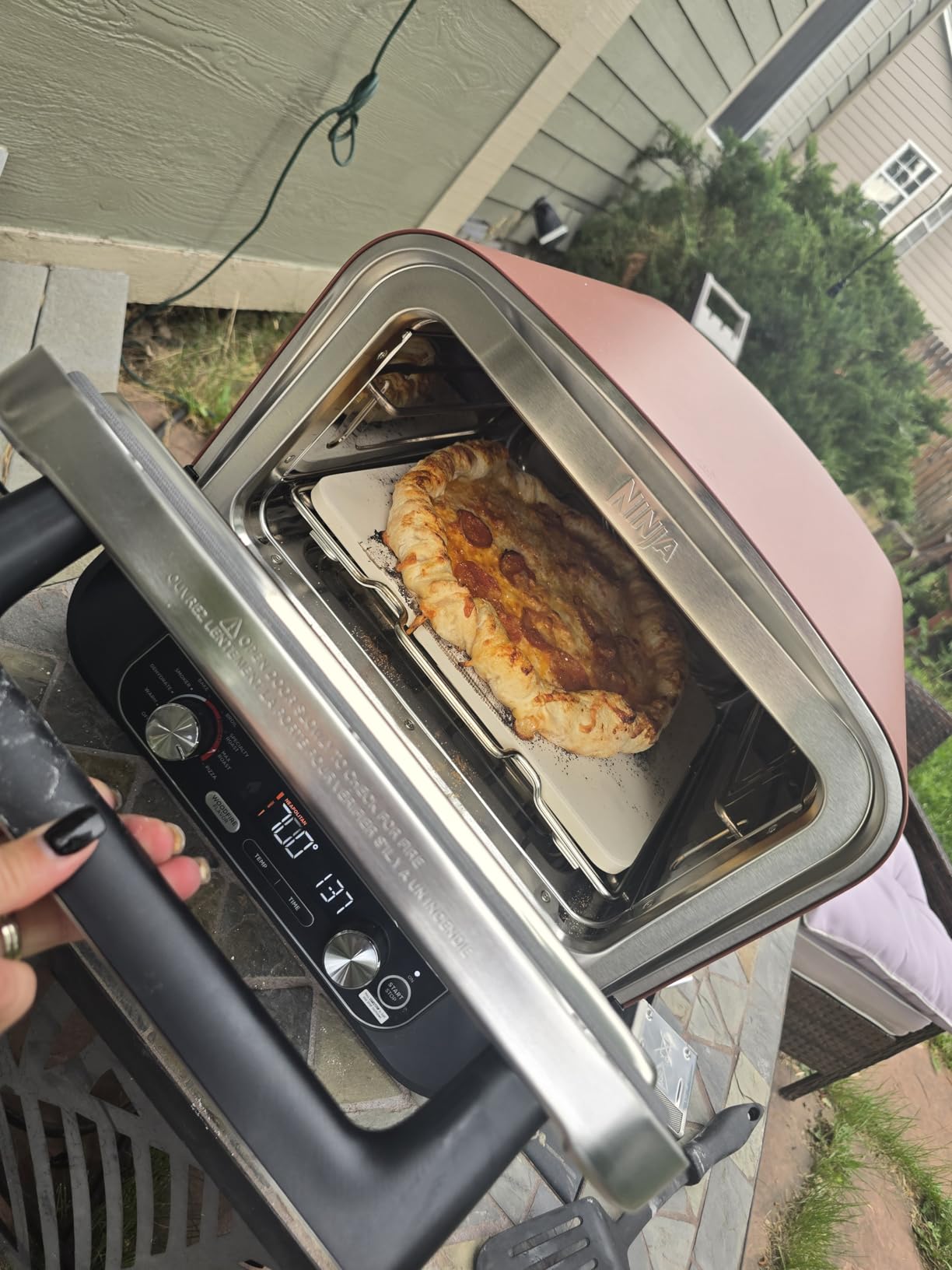
Versatility Beyond Pizza
I want to spend a moment on the non-pizza capabilities because they genuinely add value to this oven. Over my testing period, I roasted a 10-pound chicken using the Max Roast setting, smoked a 7-pound pork shoulder over 8 hours, baked a loaf of sourdough bread, and dehydrated a batch of apple slices. The oven handled all of these tasks competently, which is more than I can say for most pizza ovens that claim multi-functionality. Forum users on Reddit consistently praise the Ninja Woodfire as the best value pizza oven specifically because it does so much more than pizza.
The temperature range of 105 to 700 degrees Fahrenheit is what makes this versatility possible. At the low end, you can dehydrate foods at 105 degrees for hours. At the high end, you get proper pizza oven temperatures that create crispy crust. Most dedicated pizza ovens cannot operate below 400 degrees, which makes them single-purpose machines sitting idle most days. If counter space or storage is limited and you want an outdoor cooking appliance that earns its keep, having one unit that handles pizza night, Sunday roasts, and weekday meal prep is a genuine advantage.
The 8-in-1 functionality breaks down into these specific modes: Pizza, Max Roast, Specialty Roast, Broil, Bake, Smoker, Dehydrate, and Keep Warm. Each mode has its own temperature profile and heating element configuration. The Pizza mode alone gives you five sub-settings for different styles. I found myself using the Broil mode for finishing dishes under high heat, the Bake mode for cookies and pastries, and the Keep Warm mode when timing multiple dishes for a dinner party. The versatility is not a gimmick. It is the real deal, and it transforms this from a pizza oven into an outdoor kitchen centerpiece.
What to Know Before Buying the Ninja Woodfire
The 25-minute preheat time is the most common complaint from owners, and it is a valid one. Compared to the Gozney Tread’s 15-minute preheat, waiting an extra 10 minutes feels noticeable when you are hungry and ready to cook. I developed the habit of preheating the oven while I prepared the dough and toppings, which largely eliminated the waiting issue in practice. Once up to temperature, though, the cooking speed is excellent at around 3 minutes per pizza with no rotation needed.
Despite being electric, this oven is designed for outdoor use only. The packaging and manual are very clear about this restriction. If you are looking for an indoor option, this is not the right pick. Also, the pellet basket needs to be filled to the top for optimal smoke production, and you will go through pellets fairly quickly if you use the smoke function regularly. Ninja sells refill bags, but budget for that ongoing cost if smoky flavor matters to you. The 1-year manufacturer warranty from SharkNinja is standard for this category.
The learning curve for launching pizzas into the Ninja is steeper than I expected. The opening is sized for 12-inch pizzas, but getting the dough off the peel and onto the stone cleanly takes practice. Several Reddit users mention this as the single biggest frustration in their first few weeks of ownership. I recommend dusting your peel generously with semolina flour and giving the dough a quick shake on the peel before launching to make sure it slides freely. After about 10 pizzas, the technique becomes second nature.
The included Pro-Heat Pan is a nice bonus that expands what you can cook. I used it for pan pizzas and found it produced excellent results with a crispy bottom and fluffy interior. The pan fits inside the oven perfectly and doubles as a roasting pan for smaller items. The accessory frame holds the pizza stone at the right height for even cooking, and the pellet scoop makes refilling the smoker box easy without spilling pellets everywhere. These small design touches show that Ninja actually thought through the user experience rather than just slapping a pizza label on a generic oven.
3. Breville Smart Oven Pizzaiolo – Best Indoor Countertop Pick
- Reaches 750F for authentic wood-fired style results indoors
- Element IQ adjusts heating elements automatically for each style
- Excellent insulation keeps exterior cool even at max temp
- Makes pizzeria-quality pizza in your kitchen year-round
- Versatile beyond pizza for fish and bread
- Included pizza peel is ineffective - plan to buy a better one
- Interior limits pizza size to about 11.75 inches
The Breville Smart Oven Pizzaiolo is the answer to a specific question: can you make authentic, high-temperature pizza inside your kitchen without a backyard? After testing this oven through a full New England winter, I can say the answer is a resounding yes. This is the oven that made me a believer in indoor pizza making at temperatures that actually matter. It lives on my countertop permanently now, and I reach for it several times a week for everything from quick weeknight dinners to weekend cooking projects.
Breville’s Element IQ system is what sets the Pizzaiolo apart from every other countertop oven on the market. Instead of simply turning heating elements on and off at full power, the system dynamically adjusts the intensity of three different heat sources based on what you are cooking. There is conductive heat from the incoloy elements through the cordierite stone for a crispy base, radiant heat from above that creates leopard spotting without any rotation required, and convective heat managed by an optimized reflector that protects your toppings from burning. The result is a pizza that looks and tastes like it came from a wood-fired oven, produced entirely on your kitchen counter in about 2 minutes.
The brushed stainless steel finish looks right at home in a modern kitchen. At 18.25 inches deep by 18.15 inches wide by 10.5 inches high, the Pizzaiolo has a wide but relatively low profile that fits under most upper cabinets. It weighs 32.3 pounds, which means once you set it in place, it stays put. The knob-based control system is intuitive and tactile. You turn the main dial to select your pizza style and press start. No apps, no Bluetooth pairing, no complicated menus. Just a simple, well-designed interface that works exactly the way you expect it to.
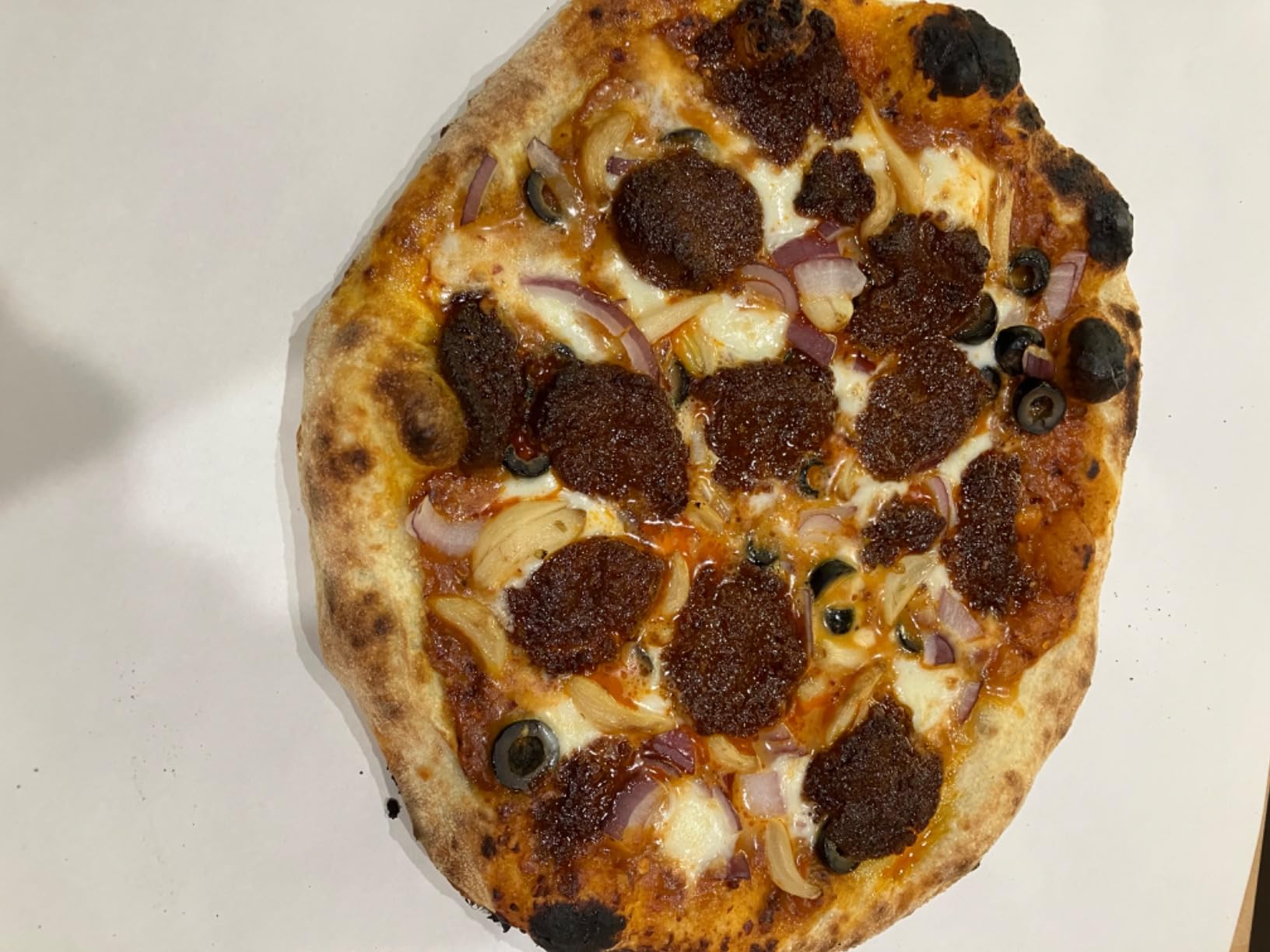
I tested all five preset modes during my time with the Pizzaiolo. The Wood Fired setting reaches the full 750 degrees Fahrenheit and produces a Neapolitan-style pie with excellent char and a puffy cornicione in about 2 minutes. The New York setting runs slightly cooler and creates that foldable, slightly chewy slice with a golden bottom that is so hard to replicate at home. The Pan setting properly fries the dough in oil for Detroit-style results with a crispy, cheesy crown. Thin and Crispy delivers exactly what it promises. And the Frozen mode actually improves on what you get from a standard oven, creating a crisper base and more evenly melted cheese on frozen pies.
The insulation on this oven is remarkable and worth calling out specifically. Even at 750 degrees inside the cooking chamber, the exterior stays cool enough to touch comfortably with bare hands. Breville uses a double-pane heat-resistant front window that lets you watch the pizza cook without any safety concerns. I used the Pizzaiolo on a wooden countertop next to upper cabinets for months without any heat damage or warping. The temperature range runs from 350 to 750 degrees Fahrenheit, which covers every pizza style and opens the door to other cooking applications as well.
Beyond pizza, I have used the Pizzaiolo for roasting fish fillets, toasting bagels, and baking small loaves of bread. The manual mode gives you complete control over the temperature and which heating elements are active, which opens up possibilities beyond the five presets. I roasted a piece of salmon at 400 degrees with the top elements on low and got perfectly cooked fish with a slightly caramelized top in about 12 minutes. The included instruction manual is genuinely well-written with cooking tips and technique advice, which is rare for kitchen appliances and shows the level of thought Breville put into this product.
The 1800-watt power draw is worth understanding before you buy. On a standard 15-amp kitchen circuit, the Pizzaiolo uses most of the available capacity when running at full power. If you have a microwave, toaster, or other high-wattage appliance on the same circuit, you may trip the breaker by running both simultaneously. I have a dedicated circuit for my countertop appliances, so this was not an issue for me, but it is something to check if you live in an older home with limited kitchen circuits.
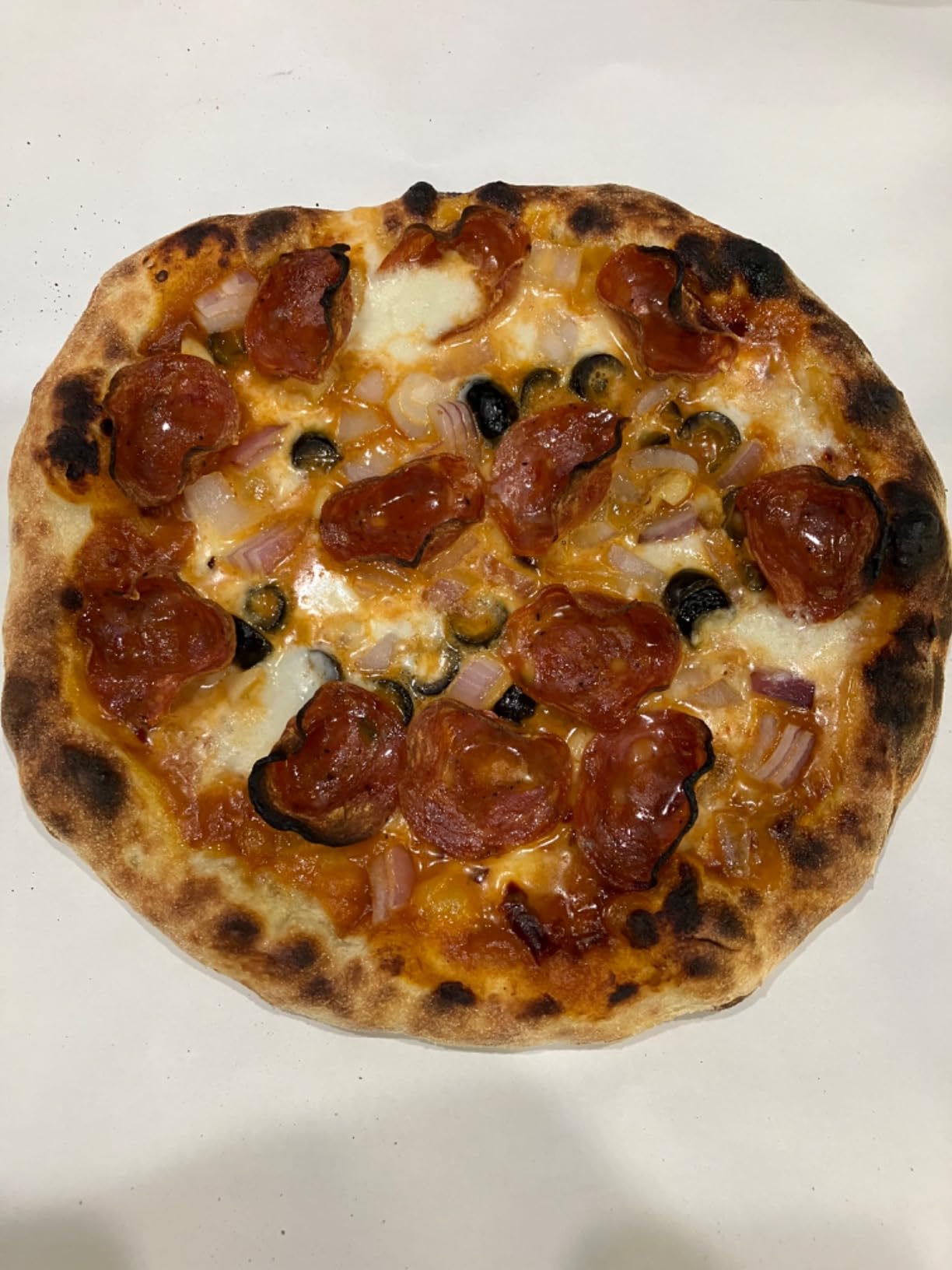
Indoor Performance Year-Round
The biggest advantage of the Pizzaiolo is that weather is never a factor in your pizza making. I live in a region where winter temperatures regularly drop below freezing, and the idea of standing outside in January tending a propane or wood-fired oven holds zero appeal. With the Pizzaiolo, I made fresh pizza on a Tuesday night in February while watching television in a warm kitchen. That convenience has real, tangible value if you live in a cold climate or an apartment without outdoor space. You can make pizza whenever the mood strikes, regardless of season or weather conditions.
Forum users on Reddit who own both outdoor and indoor ovens frequently describe the Pizzaiolo as the best of both worlds for year-round pizza making. One user put it plainly: it eliminates every disadvantage of outdoor ovens while delivering comparable results. I agree with that assessment after months of use. The pizza quality is genuinely close to what you get from a dedicated outdoor propane oven, and you do not need to deal with propane tanks, wind gusts, rain, or darkness. For anyone who wants to make pizza a regular part of their cooking routine rather than a seasonal novelty, the indoor capability is transformative.
The consistency of results is what keeps me reaching for the Pizzaiolo week after week. With outdoor ovens, variables like wind, ambient temperature, and propane tank pressure can affect your results from one session to the next. The Pizzaiolo eliminates all of those variables because it operates in a controlled indoor environment. My 20th pizza came out looking just as good as my first, which is a level of consistency that is hard to achieve with outdoor cooking.
What to Know Before Buying the Pizzaiolo
The included pizza peel is universally criticized by owners, and I share that criticism after struggling with it for weeks. It is too thick and awkward for proper dough launching, and it tends to stick to the dough even with generous flouring. Budget for a quality aftermarket peel like a GI Metal or Ooni peel, which will run you another 30 to 50 dollars but transforms the experience. I bought a perforated aluminum peel and it made launching pizzas so much easier that I wish I had just thrown away the included one on day one.
Interior space is the other limitation worth understanding before you buy. The maximum practical pizza size is about 11.75 inches. Standard 12-inch pizza pans will not fit through the opening, so if you are used to making large family-size pies, you will need to scale down slightly. This has not been a problem for me personally because I prefer individual Neapolitan-style pizzas in the 10 to 11-inch range, but families making larger pies should take note. The 2-year manufacturer warranty is above average for this category and provides solid coverage for a premium appliance.
The included deep dish pan deserves a mention because it has a known issue. Multiple reviewers report that the pan can develop rust spots after the first use if not properly seasoned and dried. Treat it like cast iron: wash it lightly, dry it completely, and rub with a thin layer of oil after each use. If you do that consistently, the pan performs well and produces excellent Detroit-style results. If you neglect it, you will be shopping for a replacement sooner than you would like.
Finally, consider whether your cooking style justifies the premium price point. The Pizzaiolo makes exceptional pizza, but it is a dedicated appliance that takes up permanent countertop space. If you only make pizza once a month, you might get more value from a less expensive model. If you make pizza weekly or more, the consistency, convenience, and quality of the Pizzaiolo absolutely justify the investment. It has replaced takeout pizza in my household entirely, which pays for itself over time.
How to Choose the Best Portable Pizza Oven for Your Needs
Picking the right portable pizza oven comes down to understanding where and how you plan to use it most often. The three ovens we tested cover very different scenarios, and the best choice for you depends on your specific cooking environment, budget, and pizza ambitions. Let me walk through the key factors that should drive your decision so you can feel confident about your choice.
Fuel Type: Gas, Wood, or Electric
The fuel question is the first one to answer because it determines where you can cook and what the experience will feel like. Propane ovens like the Gozney Tread offer the best combination of convenience and raw heat output. They preheat fast, maintain consistent temperatures throughout long cooking sessions, and work anywhere you can bring a propane tank. The downside is that you need to keep propane on hand, and very cold weather can reduce tank pressure enough to affect performance.
Electric ovens like the Ninja Woodfire and Breville Pizzaiolo eliminate fuel logistics entirely. You plug them in and cook, with no tanks to refill, no wood to source, and no ash to clean up. The Ninja is rated outdoor-only despite being electric, while the Breville works safely indoors on your kitchen counter. Neither electric oven reaches the 900-plus degree temperatures that propane or dedicated wood ovens can achieve, but 700 to 750 degrees is plenty for excellent pizza of most styles.
Wood-fired ovens offer the most authentic smoky flavor and the highest temperatures, but they require the most attention and maintenance. Managing a fire while cooking pizza is a skill that takes time to develop. You need to monitor flame height, adjust wood placement, and deal with ash cleanup after every session. For most home cooks who want great pizza without a steep learning curve, propane or electric is the more practical choice. That said, the Ninja Woodfire’s pellet smoker box is a clever middle ground that adds smoky flavor without the full commitment of wood-fired cooking.
Maximum Temperature and Heat Retention
Temperature matters more than most people realize when it comes to pizza. Your standard home oven reaches 500 to 550 degrees Fahrenheit. Traditional Neapolitan pizza needs 800 to 900 degrees for that characteristic soft center and charred spots. New York-style pizza does best around 600 to 700 degrees for a crispy yet foldable slice. The ovens we tested range from 700 to 750 degrees maximum, which covers most home pizza styles excellently and produces results that are dramatically different from anything you can achieve in a kitchen oven.
Heat retention is equally important and often overlooked in spec comparisons. A good cordierite pizza stone absorbs heat and transfers it evenly to the dough through conduction. Thicker stones retain heat better between pizzas, which matters when you are cooking for a group and want consistent results across every pie. All three ovens in our roundup use quality cordierite stones. The Gozney Tread has particularly strong heat retention thanks to its heavily insulated body, which lets you cook pizza after pizza without the stone cooling down between batches.
The BTU rating of gas ovens is another spec worth paying attention to, though manufacturers do not always publish it clearly. Higher BTU ratings generally mean faster preheat times and better temperature recovery between pizzas. The Gozney Tread uses a lateral gas burner design that maximizes heat distribution across the entire cooking surface rather than concentrating heat in one spot. This design choice produces more even cooking and reduces the hot spots that can burn one side of your pizza while leaving the other underdone.
Portability and Weight
If portability is your primary concern, weight and design features matter a lot. The Gozney Tread at 29.7 pounds is the lightest oven we tested, and its roof rack handles make carrying it from car to campsite intuitive. The Ninja Woodfire at 32.4 pounds is slightly heavier but still portable enough for moving between a garage and patio. The Breville Pizzaiolo at 32.3 pounds is designed to live on your countertop permanently, so while it is technically portable, you probably will not be moving it around much.
For camping and tailgating specifically, look for ovens under 35 pounds with integrated handles or carrying cases. Reddit users on r/pizzaoven frequently mention that the difference between a 30-pound oven and a 50-pound oven is the difference between an oven that gets used regularly and one that gathers dust in the garage. The carrying strap on some Gozney models and the integrated handles on the Tread make a real practical difference in how often you will want to transport the oven.
Consider the full package weight, not just the oven itself. A propane oven requires a propane tank, which adds another 10 to 20 pounds depending on tank size. An electric oven requires access to an outlet within cord reach. Neither option is inherently more or less portable. It depends on your specific use case. For car camping where you already have a propane stove, adding a propane pizza oven makes sense because you are already carrying the fuel. For a patio or balcony where you have an outlet, the electric route is cleaner and simpler.
Pizza Size and Stone Dimensions
All three ovens in our roundup accommodate 12-inch pizzas, but the practical cooking space varies. The Gozney Tread and Ninja Woodfire handle full 12-inch pizzas comfortably, while the Breville Pizzaiolo is better suited for 11-inch pies due to its interior dimensions. If you typically make personal pizzas or cook for one or two people, any of these ovens will serve you well. If you regularly feed a family and want larger pies, the Tread and Ninja offer more working room.
The thickness of the pizza stone affects heat retention and cooking performance. Thicker stones hold more thermal energy, which translates to better crust development and more consistent results when cooking multiple pizzas. All three ovens use cordierite stone, which is the industry standard for pizza ovens because it handles thermal shock well and distributes heat evenly. If you are comparing ovens beyond our three picks, ask about stone thickness and material. A thin stone will produce inferior results regardless of how hot the oven gets.
Preheat Time and Cooking Speed
Preheat times across our tested ovens range from 15 to 25 minutes. The Gozney Tread leads at 15 minutes, while the Ninja Woodfire takes the longest at 25 minutes. If you are the type who decides to make pizza on a whim on a weeknight, a faster preheat is a real quality-of-life improvement. Once preheated, all three ovens cook individual pizzas in 2 to 3 minutes, which is dramatically faster than a home oven’s 10 to 15 minute bake time at 500 degrees.
The speed difference matters most when cooking for groups. With the Gozney Tread, I was able to serve a pizza roughly every 4 minutes once the oven was hot, including stretching dough and topping each pie. Over the course of an evening, that means you can feed a party of 8 people in about 30 minutes of active cooking. With a slower preheat oven, you just need to plan ahead and start the preheat while you prepare ingredients. Neither approach is right or wrong. It is about matching the oven to your cooking style and patience level.
Cleaning and Maintenance Tips
Keeping your pizza oven in good shape requires some basic maintenance, but it is simpler than most people expect. The most important rule, which forum users emphasize repeatedly, is to never clean a pizza stone with water. The thermal shock from moisture hitting a hot stone can cause cracking, and a cracked stone needs to be replaced. Instead, let the stone heat up to full temperature after cooking and scrape off any stuck cheese or dough with a metal spatula or wire brush. The residual heat burns off most residue, and a quick scrape leaves the stone clean and ready for next time.
For the oven body itself, a wipe-down with a damp cloth after it cools is usually sufficient. The Gozney Tread and Ninja Woodfire both have exterior surfaces that clean easily. The Breville Pizzaiolo benefits from occasional cleaning of the interior reflector and window to maintain optimal heat reflection. Avoid using harsh chemicals or abrasive cleaners on any pizza oven, as these can damage the finish and potentially leave residue that affects the taste of your food. Regular light cleaning after each session prevents the buildup that makes deep cleaning necessary.
Storage is another maintenance consideration. If you live in an area with harsh winters or heavy rain, store your outdoor pizza oven in a garage, shed, or under a quality cover when not in use. Prolonged exposure to the elements will degrade even weather-resistant materials over time. The Breville Pizzaiolo avoids this issue entirely since it lives indoors, which is another advantage of the countertop form factor.
Warranty and Build Quality
Warranty length tells you something about how confident the manufacturer is in their product’s longevity. The Breville Pizzaiolo comes with a 2-year manufacturer warranty, which is above average for this category and reflects the premium positioning. The Ninja Woodfire has a standard 1-year warranty from SharkNinja. Gozney does not prominently advertise a warranty period for the Tread specifically, but the brand has a strong reputation for build quality across its entire product line, from the portable Roccbox to the professional-grade Dome series.
Build quality across all three ovens is genuinely solid. Each one uses stainless steel and aluminum construction that should last for years with proper care. Forum users consistently cite longer warranties as confidence indicators when choosing between competing brands, and some brands like Solo Stove offer lifetime warranties on certain models. If long-term durability is a top priority for you, pay attention to warranty terms and read forum discussions about real-world longevity from owners who have used their ovens for multiple seasons.
One final tip on build quality: check the gas connections on propane ovens regularly. The rubber hose and regulator that come with gas models can degrade over time, especially if stored in hot or sunny conditions. A visual inspection before each cooking session takes 30 seconds and can prevent gas leaks. Replace the hose if you see any cracking, stiffness, or wear. This basic safety practice applies to all propane-powered cooking equipment, not just pizza ovens.
FAQs
What is the best portable pizza oven for home use?
The best portable pizza oven for home use depends on your setup. For outdoor cooking, the Gozney Tread offers the best combination of portability and performance at 29.7 pounds with a 15-minute preheat. For indoor kitchen use, the Breville Smart Oven Pizzaiolo reaches 750 degrees Fahrenheit and makes pizzeria-quality pizza right on your countertop year-round. For the best overall value with multi-functionality, the Ninja Woodfire handles pizza plus seven other cooking modes.
How long does it take to cook a pizza in a portable pizza oven?
Most portable pizza ovens cook a pizza in 60 to 90 seconds once fully preheated to operating temperature. The Ninja Woodfire takes about 3 minutes per pizza without requiring rotation. Preheat times range from 15 to 25 minutes depending on the model, with propane ovens generally preheating faster than electric ones.
What temperature do portable pizza ovens reach?
Portable pizza ovens typically reach between 700 and 950 degrees Fahrenheit. The Breville Pizzaiolo reaches 750 degrees, the Ninja Woodfire tops out at 700 degrees, and propane models like the Gozney Tread can reach even higher temperatures. For context, home kitchen ovens max out around 500 to 550 degrees, which is why portable pizza ovens produce dramatically different crust quality with proper leopard spotting and char.
Are portable pizza ovens worth the investment?
Yes, portable pizza ovens are worth the investment if you eat pizza regularly and want restaurant-quality results at home. They reach temperatures impossible in home ovens, cook pizza in under 3 minutes, and create authentic leopard-spotted crust. Based on forum feedback and our testing, most owners report using their ovens at least twice per month, with many using them weekly for pizza nights and entertaining. The cost per pizza drops significantly over time compared to ordering delivery.
What is the difference between gas and wood-fired portable pizza ovens?
Gas-powered portable pizza ovens use propane to generate heat, offering consistent temperature control, faster preheat times, and easier cleanup with no ash. Wood-fired ovens produce authentic smoky flavor and can reach higher temperatures, but require more attention to maintain the fire, take longer to preheat, and produce ash that needs cleaning. Some models like the Ninja Woodfire combine electric heat with a wood pellet smoker box to deliver smoky flavor with the convenience of electric power.
Final Thoughts on the Best Portable Pizza Ovens
After months of hands-on testing, our top recommendation depends entirely on where you plan to cook. For outdoor adventures and camping trips, the Gozney Tread is the best portable pizza oven we have tested, combining lightweight design with quick preheat times and professional-grade heat retention. It is the oven I would grab first for a camping trip, tailgate, or backyard pizza party. The 29.7-pound weight and integrated handles make it the most genuinely portable option in our lineup.
For the best overall value, the Ninja Woodfire delivers genuine 8-in-1 versatility and authentic wood smoke flavor at a price that makes sense for most households. With over 800 reviews and an 82 percent five-star rating, it has proven itself with a large user base. It is the oven I would recommend to someone who wants great pizza plus the ability to roast, smoke, bake, and dehydrate in one compact unit. Few appliances at this price point can match its range of capabilities.
For year-round indoor use, the Breville Pizzaiolo produces pizzeria-quality pizza on your kitchen counter regardless of the weather outside. The Element IQ system and 750-degree capability create results that genuinely rival outdoor propane ovens. It is the most convenient option for anyone who wants to make pizza a regular weekly habit without stepping outside. The 2-year warranty and exceptional insulation make it a confident long-term investment for serious home cooks.
Any of these three ovens will produce pizza that is dramatically better than what you can make in a standard home oven. The temperature difference is not incremental. It is the difference between a floppy, pale crust and a blistered, charred, restaurant-quality base. The key is matching the oven to your lifestyle and cooking environment. If you camp often and want to cook outdoors, go with the propane-powered Tread. If you want one outdoor appliance that does everything from pizza to smoked brisket, the Ninja Woodfire is your best bet. If you live in an apartment or somewhere with harsh winters and want to make pizza year-round, the Breville Pizzaiolo is the clear choice.
All three have earned their place in our roundup for 2026, and we are confident you will be happy with any of them based on the right use case. The best portable pizza oven is the one that fits your space, your cooking style, and the way you actually live. Pick the oven that matches your life, grab some dough and your favorite toppings, and start making restaurant-quality pizza at home.