
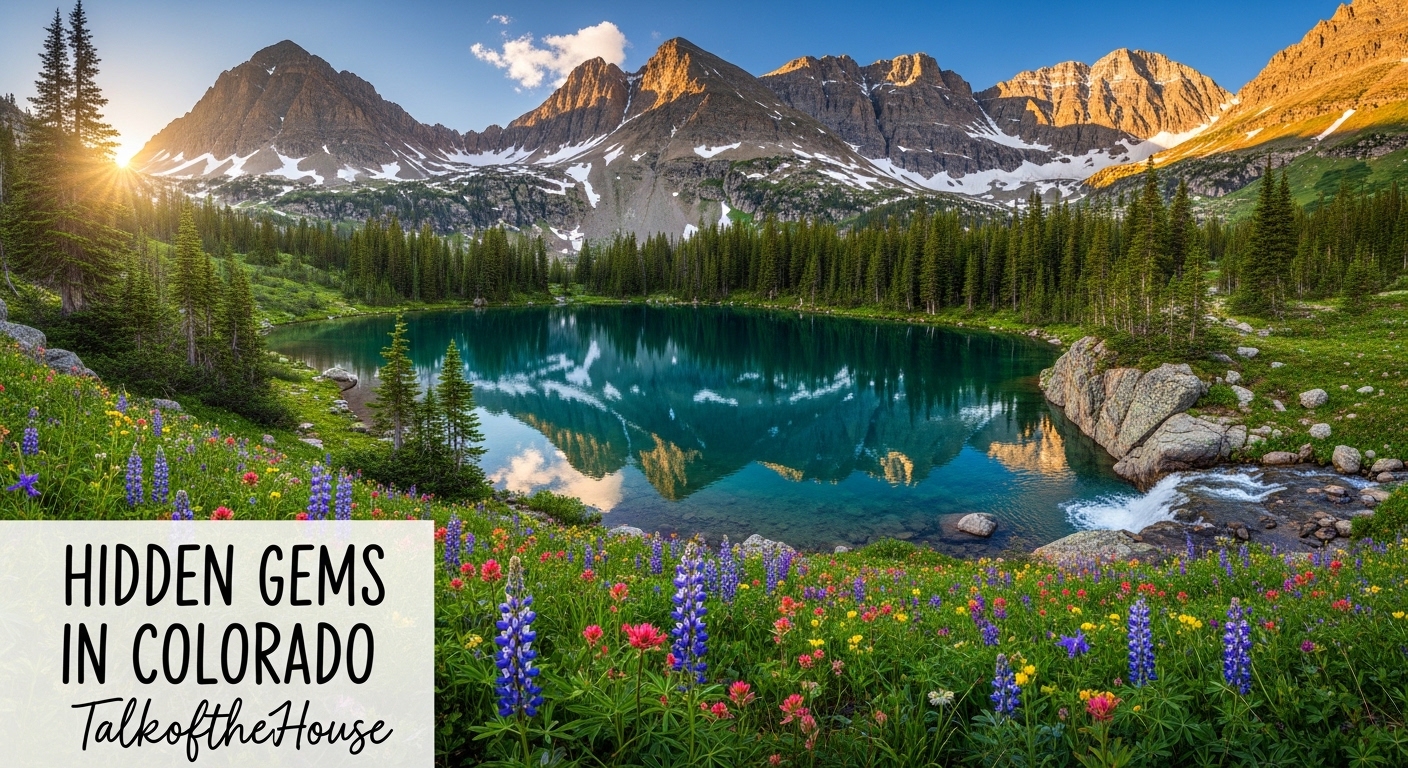
I’ve spent three years exploring every corner of Colorado’s winding mountain roads, and the truth is, the most magical places aren’t the ones you’ll find on every postcard rack in Denver. After countless sunrise drives and wrong turns that turned into discoveries, I’ve compiled this guide to the hidden gems in Colorado that deserve your attention.
These aren’t your typical tourist stops. While everyone crowds around Garden of the Gods and fights for parking at Maroon Bells, these lesser known attractions offer authentic Colorado experiences without the chaos. Our team has logged over 8,000 miles driving from the San Luis Valley to the San Juan Mountains to bring you spots that actually feel hidden.
Whether you’re a photographer chasing the perfect light, a family seeking uncrowded natural wonders, or a solo traveler hungry for off the beaten path adventures, this guide covers ten secret spots that showcase Colorado’s wild diversity. From hand-built castles to natural hot springs tucked in alpine valleys, here’s what most visitors completely miss.
Table of Contents
Quick Comparison: 10 Hidden Gems in Colorado at a Glance
Before diving into each destination, here’s a quick reference table to help you plan your Colorado road trip. I’ve included drive times from Denver, difficulty levels, best seasons, and entry requirements for all ten hidden treasures.
| Hidden Gem | Drive from Denver | Difficulty | Best Season | Entry Fee |
|---|---|---|---|---|
| Paint Mines Interpretive Park | 2 hours | Easy | Spring/Fall | Free |
| Black Canyon of the Gunnison | 4 hours | Moderate | Summer/Fall | $30/vehicle |
| Rifle Falls State Park | 3 hours | Easy | Year-round | $10/vehicle |
| Strawberry Park Hot Springs | 3.5 hours | Moderate | Year-round | $20/person |
| Ouray | 5.5 hours | Easy | Summer/Fall | Free |
| Silverton | 6 hours | Easy | Summer/Fall | Free |
| Leadville | 2 hours | Easy | Year-round | Free |
| Bishop Castle | 2.5 hours | Moderate | Summer/Fall | Free |
| Rocky Mountain Arsenal | 30 minutes | Easy | Year-round | Free |
| Interlaken Ghost Resort | 2.5 hours | Moderate | Summer/Fall | Free |
Use this table to mix and match destinations based on your available time and interests. Many of these unique places to visit work beautifully as weekend getaways from Denver or Colorado Springs.
Natural Wonder Hidden Gems in Colorado (2026)
Colorado’s landscape holds geological secrets that feel almost otherworldly. These four natural wonders represent the state’s dramatic diversity, from painted badlands to plunging canyons. Each offers something you simply won’t find anywhere else.
Paint Mines Interpretive Park: Colorado’s Rainbow Badlands
About two hours south of Denver near Calhan, Paint Mines Interpretive Park looks like someone airbrushed the badlands with every color in the spectrum. The park’s colorful hoodoos and sculpted clay formations display shades of yellow, purple, white, and rust that shift dramatically with the changing light throughout the day.
What makes this spot genuinely off the beaten path is how few tourists venture here compared to Garden of the Gods, despite being equally stunning. The formations result from ancient river deposits and volcanic activity, creating spires and capillaries that look almost alien against the eastern plains backdrop.
The park offers four miles of gentle hiking trails that wind through the formations without requiring technical skills. I visited at sunrise last October and had the entire painted canyon to myself for nearly two hours. The golden morning light hitting those multicolored spires created the most incredible photography conditions I’ve found in the state.
Best time to visit: Spring and fall offer the most comfortable temperatures for exploring, though the formations look dramatic in any season. Winter visits can be magical if there’s light snow on the ground, creating contrast against the colorful clay.
Insider tip: Enter through the main parking area and take the loop counterclockwise to hit the most photogenic formations during optimal morning light. The park closes at specific hours depending on season, so check current times before visiting.
Family-friendly rating: High. The easy trails work well for children, though keep them close on the ridges as there are steep drop-offs.
Black Canyon of the Gunnison: The Canyon That Time Forgot
If you’re seeking dramatic scenery without fighting tour bus crowds, Black Canyon of the Gunnison delivers canyon views that rival the Grand Canyon, yet the park receives a fraction of the visitors. The Gunnison River has carved this chasm through hard Precambrian rock, creating sheer walls that drop 2,700 feet to the water below.
The canyon gets its name from the shadows that often cloak its depths, giving it an almost mysterious atmosphere. Standing at Chasm View and looking down at the thin silver ribbon of river thousands of feet below genuinely takes your breath away. The park preserves 14 miles of the canyon’s most dramatic section, with numerous overlooks accessible by car.
For adventurous visitors, the inner canyon offers strenuous hikes and world-class rock climbing on some of the oldest exposed rock in North America. The Painted Wall, at 2,250 feet, ranks as the tallest cliff in Colorado and displays stunning marbled patterns of light-colored pegmatite against dark gneiss.
Best time to visit: Summer and early fall provide the best access to all viewpoints and trails. Winter visits are possible but many roads close, limiting access to the South Rim.
Insider tip: Visit during a full moon when the park offers special astronomy programs. The canyon’s dark skies and minimal light pollution create incredible stargazing conditions. The park was designated an International Dark Sky Park in 2026.
Adventure rating: High for inner canyon activities, moderate for rim viewing.
Rifle Falls State Park: A Triple Waterfall Wonderland
Most waterfall chasers head to Hanging Lake, fighting for permits and hiking steep trails with hundreds of other visitors. Rifle Falls offers a triple waterfall experience that’s equally stunning, far more accessible, and blissfully uncrowded by comparison.
The falls cascade over a travertine cliff face, creating three distinct streams that plunge into a clear pool below. What’s remarkable is how you can actually walk behind the waterfalls via a short cave system, emerging into a mossy grotto that feels like something from a fantasy novel.
In winter, the falls partially freeze, creating spectacular ice formations that attract ice climbers and photographers. The 70-foot travertine formation itself is geologically unique in Colorado, formed by mineral deposits from natural springs over thousands of years.
The park also offers excellent camping with 35 sites tucked among cottonwoods along the river. Many visitors come for the day but end up wishing they’d planned an overnight after discovering the peaceful evening atmosphere.
Best time to visit: Year-round accessibility makes this a reliable choice anytime. Spring offers the most dramatic water flow, while winter creates those magical ice formations.
Insider tip: The short hike to the falls is easy, but bring waterproof footwear if you want to explore behind the cascades. The mist keeps the rocks slippery and wet year-round.
Family-friendly rating: Very high. Easy access, shallow wading areas in summer, and camping facilities make this perfect for families with children.
Strawberry Park Hot Springs: Rustic Relaxation in the Rockies
Near Steamboat Springs, Strawberry Park Hot Springs offers the authentic Colorado hot springs experience that commercial operations simply cannot replicate. Natural mineral springs feed a series of rock-lined pools at varying temperatures, surrounded by forest and accessible only via a winding mountain road.
The springs maintain a deliberately rustic character. No electricity means no lights after dark, creating an incredible stargazing atmosphere as you soak in 104-degree water with steam rising into the mountain night. The pools cascade down a hillside, letting visitors choose their preferred temperature by moving between them.
What makes Strawberry Park truly special is how it changes with the seasons. Summer visits mean wildflower meadows and hiking access. Winter requires a four-wheel-drive vehicle or shuttle service, but rewards visitors with snow-covered rocks and the surreal experience of soaking in hot water while snow falls around you.
The property includes a historic train caboose and cabin accommodations for overnight stays. Reservations fill quickly, especially for weekends, so planning ahead is essential.
Best time to visit: Year-round, though winter access requires proper vehicles or shuttle arrangements. Fall offers beautiful aspen colors with easier access.
Insider tip: The after-dark policy prohibits children under 18, creating an adults-only atmosphere that’s perfect for couples. Bring flashlights for navigating between pools after sunset.
Adventure rating: Moderate due to remote location and seasonal access challenges. Not recommended for those with mobility limitations.
Charming Small Town Hidden Gems (2026)
Beyond natural wonders, Colorado’s mountain towns hold their own secrets. These three communities offer authentic character, historic architecture, and experiences that feel worlds away from modern life.
Ouray: Colorado’s Little Switzerland
Nestled in a dramatic box canyon surrounded by 13,000-foot peaks, Ouray earned its nickname as the Switzerland of America honestly. The town’s Victorian Main Street looks like a movie set, with the Amphitheater peaks forming an almost absurdly perfect backdrop.
What started as a mining camp in 1876 has evolved into one of Colorado’s most charming destinations. The entire downtown district is listed on the National Register of Historic Places, preserving buildings that date to the silver boom era. Walking these streets feels like stepping back into the Gilded Age, complete with period architecture and mountain air.
Ouray is also famous for its hot springs, with the town pool offering mineral water soaking in a historic bathhouse setting. The surrounding mountains provide incredible hiking, including the challenging but rewarding trek to Ice Lakes, which features some of the most vividly colored alpine lakes in the state.
The nearby Million Dollar Highway (US 550) connects Ouray to Silverton through some of Colorado’s most dramatic mountain scenery. Even if you only drive through, the hairpin turns and cliff-hugging road create unforgettable memories.
Best time to visit: Summer and fall offer the best weather and full access to hiking trails. July and August bring wildflowers to the high country, while September creates golden aspen displays.
Insider tip: Stay for at least two nights if possible. Ouray’s evening atmosphere, when day-trippers leave and the hot springs steam rises against the dark mountains, is when the town truly shines.
Family-friendly rating: High. The town pool works well for kids, and the historic mining exhibits at the local museum fascinate children interested in Old West history.
Silverton: A Living Mining Museum
If Ouray represents Victorian elegance, Silverton offers the gritty, authentic mining town experience. Located at 9,318 feet in the heart of the San Juan Mountains, Silverton feels genuinely remote and historically preserved rather than touristy.
The entire town is a National Historic Landmark, with buildings dating to the 1880s silver boom lining Greene Street. Unlike many historic towns that have been polished for tourists, Silverton maintains a rough-around-the-edges character that feels authentic. Old mining equipment dots the hillsides, and the surrounding mountains still show the scars of extraction.
The Durango and Silverton Narrow Gauge Railroad connects the town to Durango via steam train, offering one of America’s most scenic rail journeys. The train winds through the Animas River canyon, crossing high bridges and passing through wilderness inaccessible by road.
Winter transforms Silverton into a different destination entirely. The Silverton Mountain ski area offers expert-only skiing with no groomed runs, while the town itself hosts winter festivals that celebrate its mining heritage.
Best time to visit: Summer provides the most activities and the train operation. Fall brings beautiful colors. Winter offers unique experiences but limited services and challenging mountain pass access.
Insider tip: Take the time to explore the Old Hundred Gold Mine tour, where you descend into an actual working mine and learn about hard-rock mining techniques. It’s both educational and genuinely thrilling.
Adventure rating: High. The surrounding mountains offer serious hiking, climbing, and backcountry skiing. The town itself sits at high altitude, which can affect visitors not acclimated.
Leadville: America’s Highest City
At 10,152 feet above sea level, Leadville claims the title of highest incorporated city in the United States. This isn’t just a novelty, it fundamentally shapes the experience of visiting. The thin air means slower walking, spectacular sunsets, and a frontier atmosphere that lower-altitude towns simply cannot replicate.
Leadville’s mining history runs deeper than almost anywhere in Colorado. During the silver boom, it produced fortunes that built Denver and launched the careers of the Guggenheims and Mayers. Today, Victorian mansions line the streets alongside working-class homes from the same era, creating an authentic architectural museum.
The National Mining Hall of Fame and Museum ranks among the best of its kind globally, with exhibits that explain both the geology and the human stories behind extraction. The matchless Mine Tour takes visitors underground to experience the conditions miners faced daily.
Nearby Turquoise Lake offers high-altitude recreation with camping, fishing, and hiking against a backdrop of the Sawatch Range peaks. The Mineral Belt Trail circles the city, providing an easy way to experience the mountain scenery without technical hiking.
Best time to visit: Year-round accessibility makes Leadville a reliable destination. Summer offers the most comfortable temperatures, while winter brings skiing at nearby Cooper Hill and a true high-country snow experience.
Insider tip: Plan to spend your first day taking it easy. Altitude sickness affects many visitors, especially those coming directly from sea level. Hydrate constantly and avoid alcohol on day one.
Family-friendly rating: High. The mining museum fascinates children, and the Mineral Belt Trail works well for bikes and strollers.
Unique and Quirky Hidden Gems (2026)
Colorado’s independent spirit created attractions that defy categorization. These three spots showcase the state’s eccentric character and offer experiences you simply cannot find anywhere else.
Bishop Castle: One Man’s 50-Year Obsession
In the San Isabel National Forest west of Pueblo, Jim Bishop has spent over five decades building a stone castle by hand. Bishop Castle isn’t a theme park attraction or commercial enterprise. It’s the genuine, ongoing creative project of one determined man who simply started building and never stopped.
The castle now rises multiple stories, complete with towers, stained glass windows, a fire-breathing dragon, and intricate ironwork that Jim forged himself. Visitors can climb winding staircases to the top, where a precarious perch offers mountain views and a genuine adrenaline rush as the structure sways slightly in the wind.
What makes Bishop Castle extraordinary isn’t just the structure, it’s the defiant spirit behind it. Jim built this despite bureaucratic challenges, health setbacks, and the sheer physical impossibility of the project. Walking through his creation feels like experiencing pure, unfiltered American determination.
The castle is free to visit, though donations help with ongoing construction and maintenance. Jim himself is often present, happy to talk with visitors about his project and share stories from decades of construction.
Best time to visit: Summer and fall offer the safest conditions for climbing. The structure has no safety inspections or official oversight, so visit at your own risk and judge conditions carefully.
Insider tip: The iron dragon head breathes real fire during special events. Check the castle’s schedule if you want to witness this spectacle. Also, bring cash for the donation box and any souvenirs.
Adventure rating: High. The climbing requires sure footing and comfort with heights. This is not suitable for young children or those with mobility issues.
Rocky Mountain Arsenal National Wildlife Refuge: Urban Wilderness
Just 15 minutes from downtown Denver, the Rocky Mountain Arsenal National Wildlife Refuge represents one of America’s most unlikely conservation success stories. What was once a chemical weapons manufacturing facility and then a Superfund site is now a 15,000-acre prairie ecosystem that supports over 330 wildlife species.
The refuge offers something remarkable: genuine wilderness experiences within sight of the Denver skyline. Herds of bison roam the prairie, while deer, coyotes, prairie dogs, and over 280 bird species make this their home. It’s the kind of wildlife viewing that most visitors drive hours to find in national parks.
An 11-mile wildlife drive loops through the core of the refuge, offering guaranteed animal sightings from the comfort of your car. The visitor center provides exhibits about the area’s fascinating history, from Native American hunting grounds to chemical weapons production to environmental redemption.
For Denver residents and visitors short on time, this refuge proves that you don’t need to drive hours to experience Colorado’s wild character. I’ve seen families spend entire mornings here, watching bison graze with the Rocky Mountains rising behind them.
Best time to visit: Year-round, though wildlife is most active during early morning and evening hours. Dawn offers the best light for photography and the most active animal behavior.
Insider tip: The refuge requires reservations for the wildlife drive on weekends and holidays through a free online system. Book a few days ahead to secure your preferred time slot.
Family-friendly rating: Very high. Easy access, guaranteed wildlife viewing, and excellent visitor center exhibits make this perfect for all ages.
Interlaken Ghost Resort: Echoes of the Gilded Age
On the shores of Twin Lakes near Leadville, the remains of the Interlaken Resort offer a haunting glimpse into Colorado’s elite tourism history. Built in the 1890s as a high-class mountain retreat, the resort once hosted wealthy travelers seeking fresh air and alpine scenery away from eastern cities.
Today, the partially preserved Dexter Cabin and the main hotel building stand as ghostly remnants accessible by a moderate hiking trail or by boat across the lake. The structures have deteriorated naturally rather than being restored, creating an authentic ghost town atmosphere that feels genuinely historical rather than recreated for tourists.
The setting couldn’t be more spectacular. Twin Lakes sits at the base of Mount Elbert, Colorado’s highest peak, with the Collegiate Peaks visible across the valley. The Interlaken property occupies a peninsula that juts into the lake, offering 360-degree mountain views that explain why developers chose this spot.
Getting there requires effort. The Interlaken Trail runs about five miles round trip with moderate elevation gain. The reward is experiencing a piece of Colorado history in near solitude, with the sounds of wind and water replacing the noise of modern tourism.
Best time to visit: Summer and early fall provide the best trail conditions. Snow closes the area from roughly November through May.
Insider tip: Bring a boat if you have access. Approaching the resort by water offers the most atmospheric experience and the views of the buildings from the lake are spectacular.
Adventure rating: Moderate. The hike isn’t technically difficult but requires fitness and proper footwear.
Practical Tips for Visiting Colorado’s Hidden Gems
After three years of exploring these secret spots, I’ve learned some lessons the hard way. Here’s what you need to know to make your Colorado hidden gems adventure safe and successful.
Altitude Acclimatization is Essential
Colorado’s hidden gems sit at elevations that can seriously affect visitors from lower altitudes. Leadville sits over two miles above sea level, and many trailheads reach even higher. Altitude sickness can strike anyone, regardless of fitness level, and symptoms include headaches, nausea, dizziness, and fatigue.
Plan your first day at altitude carefully. Stay hydrated, avoid alcohol, and take it easy. If you’re coming from sea level, consider spending your first night in Denver at 5,280 feet before heading to the high country. This intermediate acclimatization significantly reduces altitude sickness risk.
If symptoms become severe, descend immediately. Don’t push through altitude sickness as it can develop into dangerous conditions like HAPE or HACE.
Seasonal Considerations and Road Closures
Colorado’s mountain roads close seasonally, often without much warning. The Million Dollar Highway between Ouray and Silverton closes during heavy storms. Bishop Castle’s access road becomes treacherous in winter. Strawberry Park Hot Springs requires four-wheel-drive or shuttles from December through April.
Always check current road conditions before heading out, especially from October through May. The Colorado Department of Transportation website provides real-time updates. Carry chains in winter, even if you have four-wheel-drive.
Thunderstorm season runs from July through early September in the mountains. Afternoon lightning poses serious risks at exposed locations and above treeline. Plan morning activities at high elevations and seek lower ground by early afternoon during monsoon season.
Permits, Reservations, and Entry Requirements
Post-pandemic Colorado has implemented reservation systems at many popular attractions. While these hidden gems remain less restrictive than major tourist spots, some still require planning ahead.
Rocky Mountain Arsenal requires timed entry reservations on weekends. Strawberry Park Hot Springs often fills completely, especially for evening soaks. Black Canyon of the Gunnison doesn’t require reservations for entry but limits backcountry permits.
State parks like Rifle Falls require entry passes that can be purchased online or at the entrance. Many areas are cashless now, so bring cards rather than depending on cash payments.
Leave No Trace Principles
These hidden gems remain special partly because visitors have respected them. Keep them pristine by following Leave No Trace principles strictly. Stay on designated trails to protect fragile vegetation and prevent erosion. Pack out all trash, including biodegradable items like fruit peels that don’t decompose quickly at high altitudes.
At sensitive sites like Paint Mines and Bishop Castle, the formations themselves are fragile. Don’t climb on the hoodoos or castle structures beyond designated areas. Take only photographs and leave only footprints.
Hot springs etiquette matters at Strawberry Park. Shower before entering, don’t bring glass containers, and respect the quiet atmosphere that makes the place special.
Photography Tips for Colorado’s Hidden Gems
These destinations offer incredible photography opportunities, but mountain conditions create challenges. Early morning and late evening provide the best light, but also the coldest temperatures. Bring extra batteries as they drain faster in cold weather.
Polarizing filters help cut through mountain haze and bring out the blue skies against colorful formations like those at Paint Mines. Neutral density filters allow for long exposures of waterfalls at Rifle Falls.
Respect other visitors and wildlife when photographing. Don’t block trails for extended shots, and never approach wild animals for photos, especially the bison at Rocky Mountain Arsenal.
Frequently Asked Questions About Hidden Gems in Colorado
What is the #1 attraction in Colorado?
While opinions vary, Rocky Mountain National Park typically ranks as the most visited and recognized attraction in Colorado, drawing over 4 million visitors annually. However, many travelers find that lesser-known spots like Maroon Bells and Garden of the Gods offer equally spectacular scenery with fewer crowds, especially during off-peak seasons. For those seeking truly uncrowded experiences, the hidden gems in this guide provide alternatives that showcase Colorado’s beauty without the tourist infrastructure.
What town in Colorado looks like a Hallmark movie?
Ouray is often called the town that looks like a Hallmark movie set, with its Victorian Main Street, dramatic mountain backdrop, and charming small-town atmosphere. The nickname Colorado’s Little Switzerland reflects its fairy-tale setting in a box canyon surrounded by 13,000-foot peaks. During the winter holidays, the town’s decorations and hot springs steam rising against snow-covered mountains create scenes that seem almost too perfect to be real.
What town is called Little Switzerland in Colorado?
Ouray, Colorado carries the official nickname America’s Switzerland or the Switzerland of America. The town earned this designation in the late 1800s due to its dramatic setting nestled in a box canyon surrounded by steep mountain peaks, resembling the Alpine villages of Switzerland. The comparison stuck, and today Ouray embraces the identity with Swiss-inspired architecture and marketing that draws visitors seeking European mountain charm without leaving the United States.
What is the prettiest spot in Colorado?
Maroon Bells near Aspen is widely considered the prettiest spot in Colorado, consistently ranking among the most photographed mountains in North America. The twin peaks reflected in Maroon Lake create an iconic image that represents Colorado’s beauty. However, beauty is subjective, and many travelers find equally stunning scenery at lesser-known locations like Ice Lakes near Ouray, the Paint Mines on the eastern plains, or the Black Canyon of the Gunnison, where the dramatic geology creates landscapes unlike anywhere else.
Conclusion: Discover Your Own Hidden Gems in Colorado 2026
This guide covers ten incredible hidden gems in Colorado that reward curious travelers willing to venture beyond the obvious. From the rainbow badlands of Paint Mines to the hand-built towers of Bishop Castle, these destinations showcase the diversity and independent spirit that make Colorado special.
The best discoveries often happen between the planned stops. Some of my favorite Colorado memories came from wrong turns, roadside pullouts, and conversations with locals who shared their own secret spots. Use this guide as a starting point, but leave room for serendipity.
Colorado’s lesser known attractions offer something increasingly rare: authentic experiences without crowds, where you can connect with wild landscapes and living history on your own terms. Pack your sense of adventure, respect these fragile places, and prepare to fall in love with the Colorado most tourists never see.